- English
- French
- German
- Portuguese
- Spanish
- Russian
- Japanese
- Korean
- Arabic
- Greek
- German
- Turkish
- Italian
- Danish
- Romanian
- Indonesian
- Czech
- Afrikaans
- Swedish
- Polish
- Basque
- Catalan
- Esperanto
- Hindi
- Lao
- Albanian
- Amharic
- Armenian
- Azerbaijani
- Belarusian
- Bengali
- Bosnian
- Bulgarian
- Cebuano
- Chichewa
- Corsican
- Croatian
- Dutch
- Estonian
- Filipino
- Finnish
- Frisian
- Galician
- Georgian
- Gujarati
- Haitian
- Hausa
- Hawaiian
- Hebrew
- Hmong
- Hungarian
- Icelandic
- Igbo
- Javanese
- Kannada
- Kazakh
- Khmer
- Kurdish
- Kyrgyz
- Latin
- Latvian
- Lithuanian
- Luxembou..
- Macedonian
- Malagasy
- Malay
- Malayalam
- Maltese
- Maori
- Marathi
- Mongolian
- Burmese
- Nepali
- Norwegian
- Pashto
- Persian
- Punjabi
- Serbian
- Sesotho
- Sinhala
- Slovak
- Slovenian
- Somali
- Samoan
- Scots Gaelic
- Shona
- Sindhi
- Sundanese
- Swahili
- Tajik
- Tamil
- Telugu
- Thai
- Ukrainian
- Urdu
- Uzbek
- Vietnamese
- Welsh
- Xhosa
- Yiddish
- Yoruba
- Zulu
Steel Structure Shopping Mall Design: Key Features and Benefits
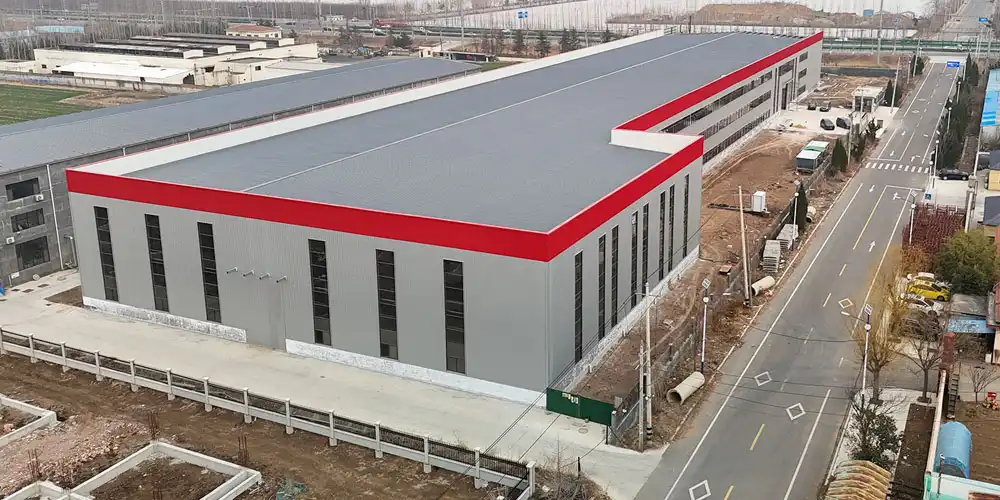
Today's retail growth needs building methods that combine speed, cost, and performance. This need is met by a double-slope shopping centre steel structure, which uses pre-made steel frames to create large, customer-focused business areas. Unlike traditional concrete buildings, steel-framed shopping centres can be put together quickly, have flexible interior plans, and have better strength-to-weight ratios that lower foundation costs and allow for big areas without columns. These features make steel structures very appealing to project managers, procurement experts, and EPC workers who have to stick to tight budgets and time frames.

Understanding Steel Structure Shopping Malls: Design Essentials and Benefits
What Defines a Steel Structure Shopping Mall?
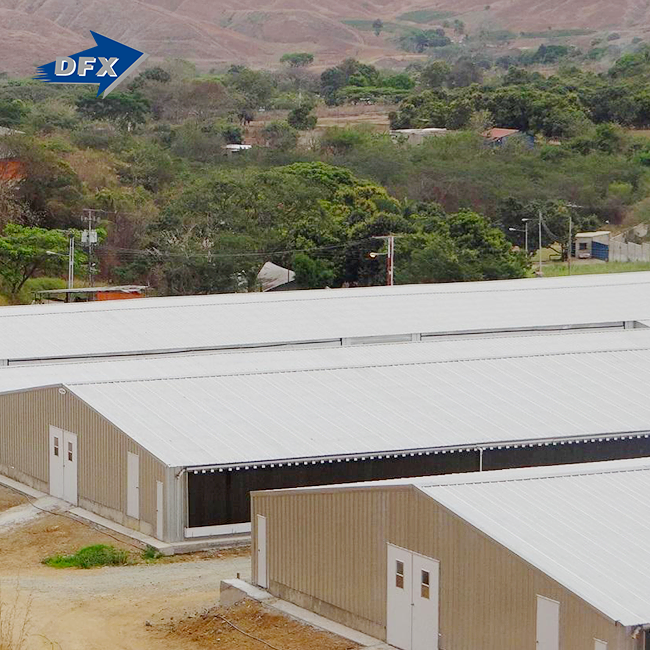
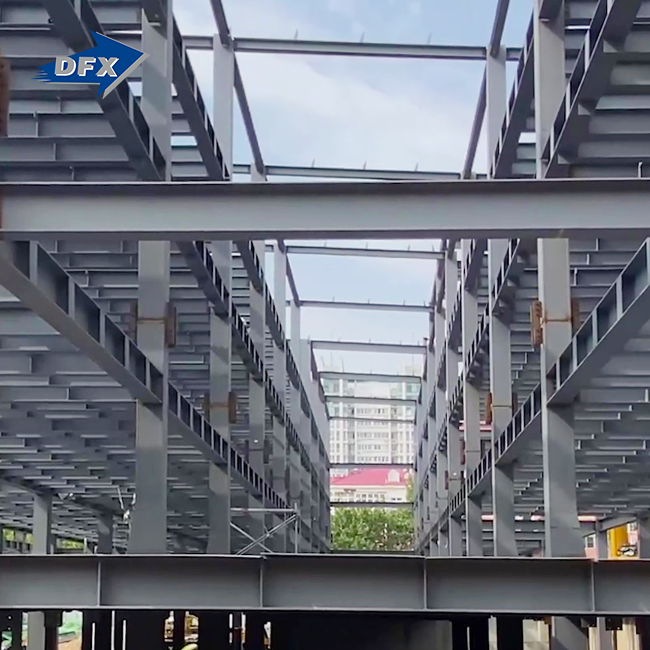
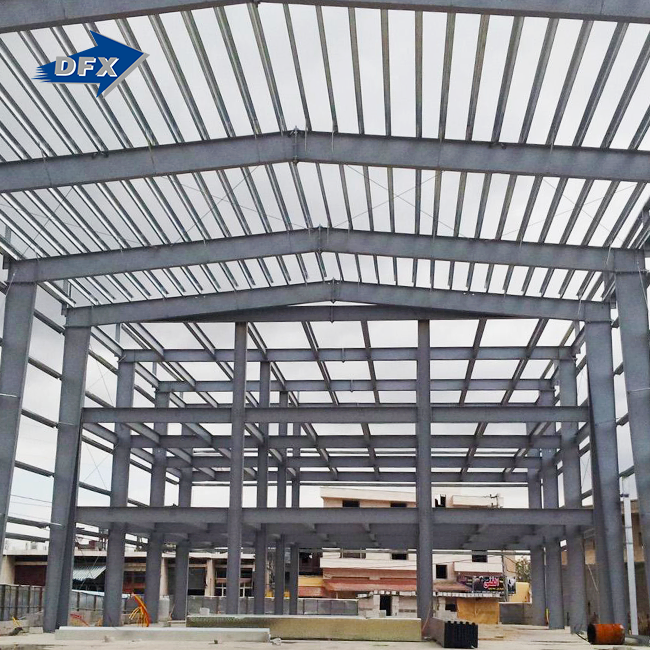
Instead of reinforced concrete, shopping malls with steel structures use H-beams, box columns, and lattice trusses for load-bearing. By drastically reducing product development time, this engineering solution solves major development issues. Using off-site production and on-site foundation work saves building times by 30–50%. Steel is lightweight (approximately one-third the weight of concrete), lowering base costs and making it ideal for areas with weak soil.
Core Advantages of Steel-Framed Retail Buildings
HSLA steels like Grade Q355B or ASTM A572 Gr. 50 with yield strengths over 345 MPa perform well for business. Steel frames can sustain multi-storey buildings, roof gardens, and large machinery without much structural depth. Ductile steel allows buildings to absorb seismic energy without collapsing. Retail locations with many people need this safety trait.
Building is much faster with prefabrication. Steel sections are ready to assemble, unlike concrete constructions, which require shaping, drying, and worker organisation. This modular approach allows tenants to move in earlier and start producing money faster, which boosts developers' and builders' ROI.
Architectural Versatility and Sustainable Building Practices
Steel buildings support new architectural ideas that enhance the customer experience. Wide-span capabilities—often more than 30 meters without intermediate columns—make open, flexible floor plans that can meet the needs of a wide range of tenants, from major department stores to food parks and entertainment areas. This freedom of space lets building owners change plans as market needs change, which makes the building more commercially viable for longer.
Sustainability factors are becoming more and more important in purchasing decisions. Steel can still be recycled indefinitely without losing any of its quality, and recycled materials are used in current industrial processes. Combining steel decking with concrete in composite floor decks improves heat performance and noise reduction, lowering the cost of running the business. These benefits for the environment are in line with green building certifications that bring in renters and owners who care about the environment.
Steel Structure vs Traditional Concrete Shopping Malls: A Detailed Comparison
Material Strength and Safety Standards
When choosing building materials, people have to think about how well they work and how much space they take up. Composite floor systems are used in steel structure shopping malls because they offer great diaphragm action and earthquake protection. Steel that isn't protected loses strength at high temperatures. Passive fire protection, like intumescent paints or cementitious sprays, gives steel the two- to four-hour fire ratings that meet concrete safety standards.
Buildings made of concrete naturally don't catch fire, but they need longer drying times and more formwork. Because concrete is heavy, it needs strong supports. This raises the cost of building at the start in places with difficult soil. Steel has less dead weight, which means smaller footings and lower base costs. This is especially helpful for urban redevelopment projects where existing infrastructure limits the design choices.
Construction Timeline and Cost Efficiency
When you compare timelines, you can see big changes. A medium-sized store project that uses a steel frame can finish 30 to 50 per cent faster than a similar project built with concrete. This speeding up is made possible by making the steel off-site and preparing the foundations on-site at the same time, working in the shop regardless of the weather, and quickly putting the structure together in the field, which cuts down on labour-intensive steps.
A study of prices shows that steel structures usually have lower initial construction costs because they require less work, take less time to build, and have lower financing costs. Even though the prices of steel materials change with the global market, the total cost of installation is usually competitive when time savings and lower site fees are taken into account. When project managers have to stick to a budget, prefabricated steel systems are a good way to keep things under control because shop plans and material amounts are carefully planned out before production starts.
Energy Efficiency and Lifecycle Considerations
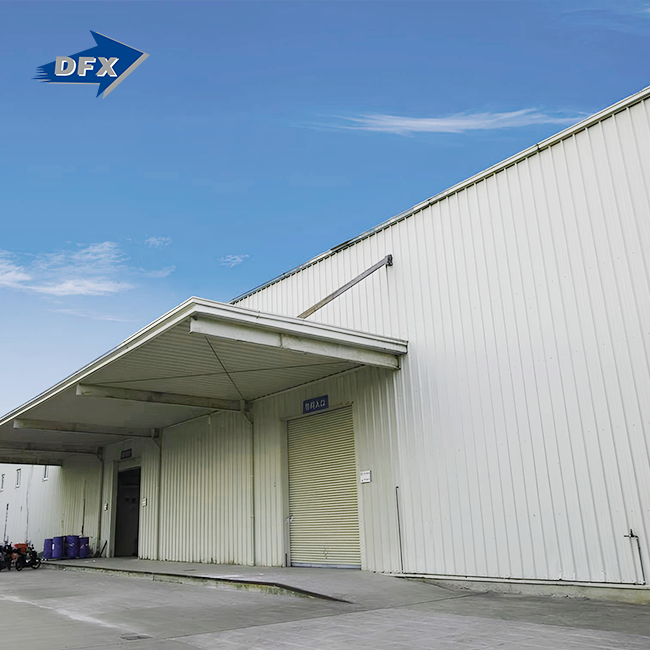
Long-term operating prices are just as important as original budgets for building. Better insulation systems can be added to steel buildings more easily than to concrete ones, and continuous insulation layers stop heat from crossing. Insulated metal panels used in modern covering systems give them amazing R-values while also protecting against the weather and looking good.
The amount of maintenance needed for each material is very different. Protective coatings and connection spots on steel buildings need to be checked on a regular basis. This is especially important in seaside areas where chloride exposure speeds up rusting. Hot-dip galvanisation that meets ISO 1461 standards or marine-grade paint systems are good ways to keep things from breaking down. Cracks spreading, spalling, and reinforcing bar rust are all problems that can happen in concrete buildings and can require a lot of work to fix. When properly kept, steel frames often last longer than 50 years, which is the same or longer than the service life of concrete while being more flexible to meet the needs of tenants as they change.
Step-by-Step Guide: How to Build a Steel Structure Shopping Mall
Initial Project Assessment and Site Analysis
A successful steel structure shopping mall project starts with meticulous planning. Project experts examine the site's weight capacity, water table height, and environmental factors that may affect base design. Traffic, utility access, and planning rules affect building direction and massing. These basic studies assist in identifying the optimum structural system, creating it, and setting realistic budgets and timeframes.
Retail planners and design teams determine essential tenant locations, shared areas, parking, and service routes. A steel frame can accommodate many configurations, but early planning prevents costly alterations during construction. Building information modelling software allows everyone to view blueprints and anticipate issues before construction.
Strategic Steel Type Selection and Engineering Design
Material specs have a direct effect on how well the structure works and how much the job costs. HSLA steels, such as Q355B, are very strong and easy to weld, which makes members smaller and the whole thing lighter. To find the best beam and column sizes, structural engineers look at how loads like dead loads, live loads, wind forces, and earthquake demands interact with each other. Connection design gets extra attention because moment connections and braced frames provide the side support that multi-storey store buildings need.
The composite floor system combines steel decks with a top layer of reinforced concrete. This makes horizontal diaphragms that effectively transfer side loads to vertical elements. This mixed method makes the most of the best qualities of both materials: steel's high tensile strength and concrete's high compressive strength and mass; at the same time, it reduces the depth and weight of the building.
Procurement and Supplier Selection
Picking dependable steel structure makers is very important for the success of the project. Buyers should look at a possible supplier's producing capacity, quality certifications, technical support, and project references before making a decision. Getting ISO 9001 approval shows that you are committed to quality management systems, and getting CE marking shows that you meet European standards that are widely accepted around the world.
Fabricators with a lot of experience add value beyond just providing materials. In-house engineering teams help with designing connections, making sure they can be built, and coming up with cost-cutting ideas that don't hurt performance. Delays that happen on complicated building projects can be avoided by being clear about production plans, shipping logistics, and erection support.
Fabrication, Quality Control, and Site Erection
Outsourced production under supervised settings ensures quality and size consistency. Automated welding tools make AWS D1.1 structural full-penetration butt welds. Ultrasound and magnetic particle screening provide a solid weld without damaging the pieces. Laser scanning ensures 2mm tolerance limitations during pre-assembly, preventing fit-up issues during field assembly.
Structures last longer with surface safety. Hot-dip galvanisation or zinc-rich epoxy coatings prevent rust in acidic cities. Using magnetic pull-off scales to monitor dry film thickness ensures the coating application fulfils the norm. Quality control costs more upfront, but it prevents costly repairs and breakdowns.
Construction requires cautious trade collaboration. Steel erectors follow steps to stabilise the frame as it climbs. Torque is measured on high-strength bolt systems to ensure proper moment couplings. Installing roof decking, cladding systems, and MEP rough-ins simultaneously speeds up project delivery and allows interior build-out while outside shell construction proceeds.
Maintenance, Safety, and Lifespan of Steel Structure Shopping Malls
Routine Inspection and Corrosion Control
If maintained, buildings last as long as they are used. Every year, connection points, protection coatings, and water-draining systems are tested. When moisture contacts steel, aluminium, or copper, galvanic rusting occurs. Therefore, spots where different materials meet require additional care. Touch-up painting addresses minor coating faults before the base corrodes. This simple action prevents major damage.
The atmosphere determines the maintenance of steel structures in shopping malls. Chloride is severe on coastal systems, requiring marine-grade coatings and more frequent checks. Industrial areas with many flying particles may wear coatings faster. Facility managers can implement the necessary safety and repair strategies when they recognise each site's problems.
Compliance with International Safety Standards
Retail buildings have to follow strict safety rules to protect a lot of people. The structural steel systems meet the requirements of AISC 360 for structural steel buildings and Eurocode 3 standards. This makes sure that the load path stays intact, no matter what the design situation is. Intumescent coatings that expand when exposed to heat keep steel parts from getting too hot and maintain the structure's strength during fires. They are how fire protection systems get the scores they need.
Steel structures and life safety systems work together perfectly. Sprinkler pipes, emergency lights, and exit signs all connect directly to building structures or suspended ceiling systems. Steel is non-combustible, which helps with general fire safety plans. This is especially important in crowded stores, where the time it takes to evacuate and the way the fire is contained can determine life safety results.
Expected Lifespan and Lifecycle Management
When steel business centres are well built and well kept, they usually last between 50 and 75 years, and many last much longer. Steel parts can be strengthened, fixed, or changed as needed, unlike materials that break down permanently. This ability to change is useful when growing store spaces or updating buildings to keep up with changing customer needs.
In lifecycle planning, both physical longevity and useful obsolescence are taken into account. Steel is naturally flexible, so the inside can be rearranged without having to change the structure. This makes it more commercially relevant as store designs change. Building owners who spend money on regular repair and upgrades protect their investments and stay competitive in retail markets that are always changing.
Procurement Insights: Choosing the Right Steel Structure Shopping Mall Solution
Evaluating Builders and Supplier Reliability
Successful Steel Structure Shopping mall purchases begin with a thorough supplier evaluation. Buyers should consider a company's past initiatives, financial soundness, and expert help in addition to essential functionality. Owner-designed and detailed building companies can provide entire solutions from concept to implementation. This simplifies planning and reduces risks when various professions collaborate.
Industry licenses prove skill and dedication. ISO 9001 quality management certification proves you can organise and enhance manufacturing. COC and PVOC certifications help clear customs in some areas, preventing cancellations of development plans. Request examples from similar projects and contact former clients to verify quality, delivery trustworthiness, and post-sale support.
Prefab Solutions versus Custom Designs
Standardised systems or customised engineering? That depends on project needs and budget. Prefabrication works well, has predictable prices, and speeds up projects with standard drawings and suitable spans. Design-build businesses save proven connection details and member arrangements to simplify engineering and complicate manufacturing.
Custom designs address building acceleration, location challenges, and performance. Complex geometries, transfer structures that support mixed-use programmes above market levels, and high load demands all benefit from customised engineering. Custom techniques are better for complex jobs that ordinary systems can't perform, but they take longer and cost more to plan.
Budgeting and Cost Estimation Strategies
To get an accurate cost estimate, you need to know more about the job than just the structural steel. Full budgets include base systems, architectural cladding, roofing sections, coordination of MEP systems, and services for putting the building together. Ask for specific details that list the amounts of materials, work used to make them, protective coatings, shipping arrangements, and placement in the field. Clear pricing systems let you compare different offers in a useful way.
Value engineering finds ways to save money on costs without lowering performance during the product development process. Using advanced analysis tools to find the best member sizes, standardising connection types to make fabrication easier, and choosing cost-effective cladding systems can all help lower the total cost of a project by a large amount. During this process, experienced sellers give useful information by using their knowledge of manufacturing that design teams may not have.
Conclusion
Shopping malls made of steel are great for retail growth projects because they can be built quickly, can be designed in a variety of ways, and last a long time. High-Strength Low-alloy steel frames, composite floor systems, and modern protective coatings work together to make strong buildings that meet a wide range of business needs while keeping costs and plans under control. Steel systems offer tried-and-true solutions for building urban mixed-use complexes, large-span outlet stores, or vertical mall additions. They are backed by strict quality control and compliance with international standards. By learning about the features of materials, how they are built, and how they are used over their entire life, you can make smart purchasing decisions that protect the value of your investment for decades to come.
FAQ
1. How does steel construction time compare to traditional methods?
Most of the time, steel-framed shopping centres are finished 30 to 50 per cent faster than concrete ones. Off-site manufacturing can happen at the same time as foundation work, production can happen in any weather, plans are always met, and labour-intensive tasks are cut down by speeding up field assembly. This speeds up lets tenants move in and start making money earlier, which greatly improves the project's economy.
2. Can steel structures accommodate future expansion or reconfiguration?
Steel frameworks can span a lot of space—often more than 30 meters without intermediate columns—so there are fewer interior structural walls. This makes it easy to change the layout for new renters or to redesign the whole floor plan without having to change the structure. This ability to adapt makes the building more useful as store forms change.
3. What maintenance does a steel shopping mall require?
Protective coverings, connection spots, and draining systems are checked every year. Touch-up painting fixes small flaws in the coating before rust starts. Due to the harsh conditions, coastal or industrial areas may need more frequent check cycles. However, regular upkeep is easy and doesn't cost much.
4. How is fire safety ensured in steel structures?
Passive fire protection with intumescent paints or cementitious sprays meets the two- to four-hour fire ratings needed, which is the same as the safety standards for concrete. Steel is non-flammable, which helps with general fire safety tactics that are very important in high-traffic retail areas.
Partner with DFX for Your Steel Structure Shopping Mall Project
Choosing the right maker of a steel structure shopping mall affects the success of a project from the planning stages to many years of use. Qingdao Director Steel Structure Co., Ltd. has been making business buildings for more than 12 years and has 40,000 square meters of enclosed production space with more than 200 trained workers who deliver about 20,000 tons of welded H-beams every year. Our six automatically welded H-beam production lines and modern fabrication tools make sure that our products are made precisely. Our ISO 9001 certification and CE marking show that we follow international quality standards.
For shopping malls, business plazas, and retail centres, we offer full turnkey solutions that include structural design, steel fabrication, MEP management, and the integration of façade systems. Our in-house architectural design team works with clients throughout the whole project process, from the original idea to the final installation on-site, making sure that everything goes smoothly and that the best results are achieved.
Contact jason@bigdirector.com right away to talk about your business retail project needs with skilled suppliers who know what building contractors, EPC firms, and project developers need. For your next shopping centre project, let us show you how premade steel options can cut down on time and costs while still giving you the best quality.
References
1. American Institute of Steel Construction (2016). Specification for Structural Steel Buildings (AISC 360-16). Chicago: AISC.
2. Chen, W.F., and Lui, E.M. (2018). Handbook of Structural Engineering, Second Edition. Boca Raton: CRC Press.
3. European Committee for Standardisation (2005). Eurocode 3: Design of Steel Structures – Part 1-1: General Rules and Rules for Buildings. Brussels: CEN.
4. Lawson, R.M., and Ogden, R.G. (2007). Application of Modular Construction in High-Rise Buildings. Journal of Architectural Engineering, 13(3), 148-153.
5. Salmon, C.G., Johnson, J.E., and Malhas, F.A. (2009). Steel Structures: Design and Behaviour, Fifth Edition. Upper Saddle River: Pearson Education.
6. Trahair, N.S., Bradford, M.A., Nethercot, D.A., and Gardner, L. (2017). The Behaviour and Design of Steel Structures to EC3, Fourth Edition. London: Taylor & Francis.
Learn about our latest products and discounts through SMS or email