- English
- French
- German
- Portuguese
- Spanish
- Russian
- Japanese
- Korean
- Arabic
- Greek
- German
- Turkish
- Italian
- Danish
- Romanian
- Indonesian
- Czech
- Afrikaans
- Swedish
- Polish
- Basque
- Catalan
- Esperanto
- Hindi
- Lao
- Albanian
- Amharic
- Armenian
- Azerbaijani
- Belarusian
- Bengali
- Bosnian
- Bulgarian
- Cebuano
- Chichewa
- Corsican
- Croatian
- Dutch
- Estonian
- Filipino
- Finnish
- Frisian
- Galician
- Georgian
- Gujarati
- Haitian
- Hausa
- Hawaiian
- Hebrew
- Hmong
- Hungarian
- Icelandic
- Igbo
- Javanese
- Kannada
- Kazakh
- Khmer
- Kurdish
- Kyrgyz
- Latin
- Latvian
- Lithuanian
- Luxembou..
- Macedonian
- Malagasy
- Malay
- Malayalam
- Maltese
- Maori
- Marathi
- Mongolian
- Burmese
- Nepali
- Norwegian
- Pashto
- Persian
- Punjabi
- Serbian
- Sesotho
- Sinhala
- Slovak
- Slovenian
- Somali
- Samoan
- Scots Gaelic
- Shona
- Sindhi
- Sundanese
- Swahili
- Tajik
- Tamil
- Telugu
- Thai
- Ukrainian
- Urdu
- Uzbek
- Vietnamese
- Welsh
- Xhosa
- Yiddish
- Yoruba
- Zulu
Future of Farming: Agricultural Steel Buildings and Modern Agriculture
The infrastructure needed for modern farming must keep pace with the speed of progress in the agriculture industry. Agricultural steel building options, which combine durability and flexibility, have appeared as a game-changer in meeting this need. These strong buildings give farmers, people who take care of animals, and farming managers safe places to work, keeping valuable tools, animals, and crops safe while also helping businesses run more efficiently. Unlike traditional wooden barns, which can rot or catch fire, steel frames last for decades with little maintenance. The move toward metal buildings is part of a larger trend in agriculture that values long-lasting, safe, and efficient use of resources.
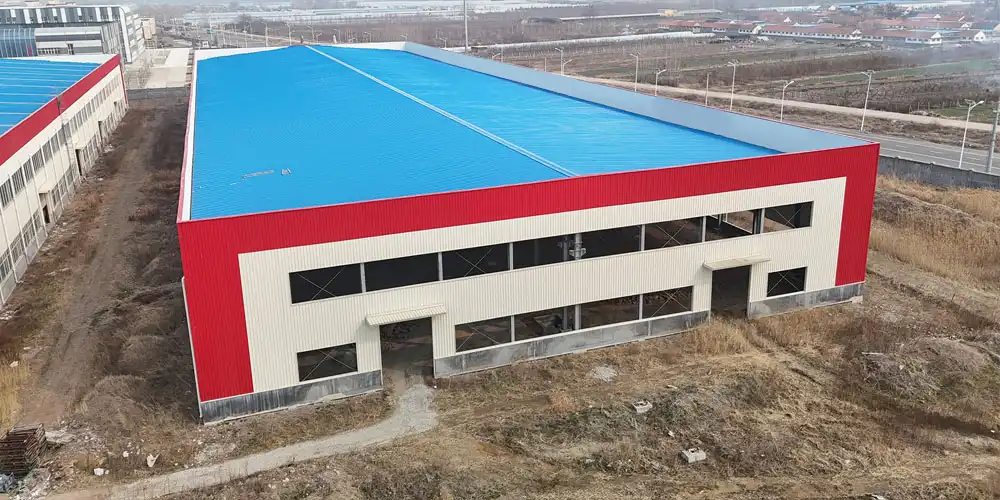
Understanding Agricultural Steel Buildings: Features and Benefits
What Defines Agricultural Steel Structures?
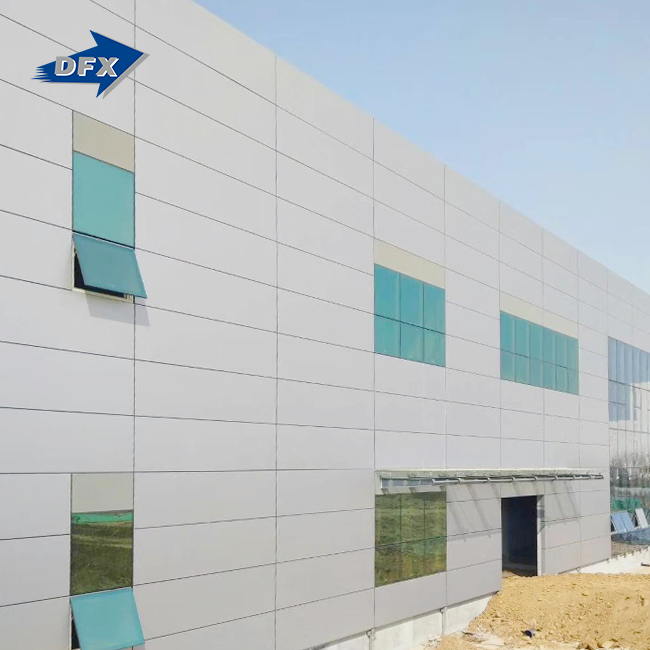
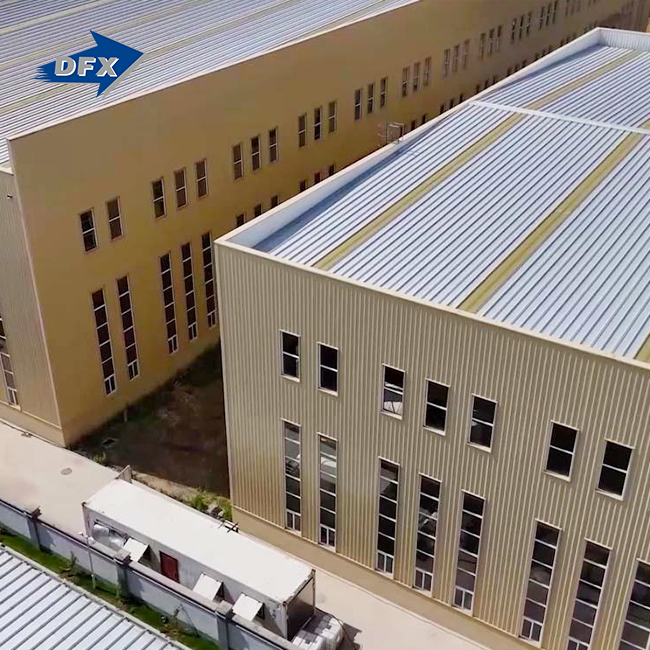
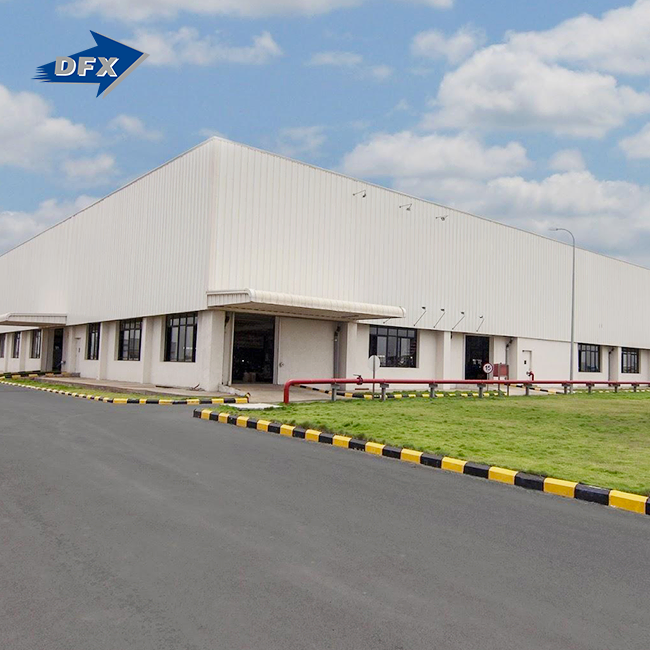
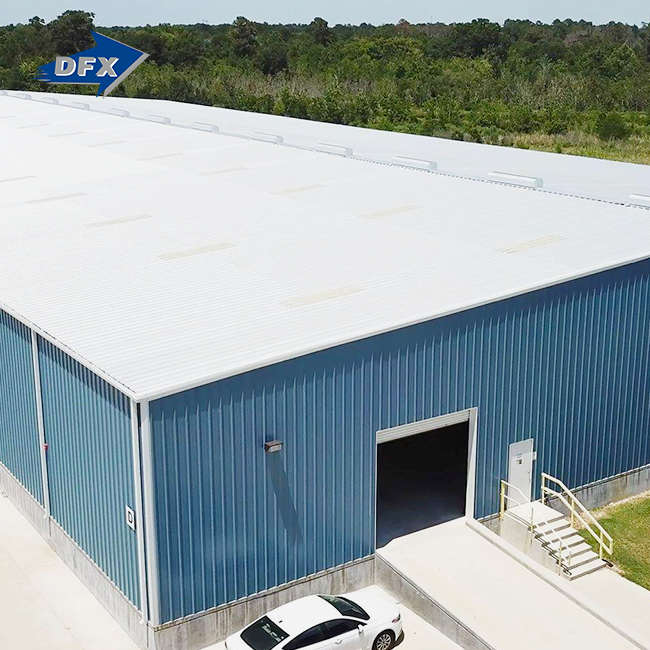
Heavy-duty steel supports and beams support these buildings' environmental stressors. They have non-rusting coats that resist water, fertiliser chemicals, and temperature changes due to careful engineering. The movable portal frame design lets bays be configured as chicken coops, cow shelters, equipment storage, or crop facilities.
Director Steel Structure Co., Ltd. was formed in 2011 in Qingdao. ISO9003 and CE certificates indicate high-quality items. Our 40,000-square-metre production facility has six automatic welded H-beam lines and other specialised tools to create 20,000 tonnes of structural parts annually. Each structure undergoes rigorous quality inspections to satisfy international requirements. This provides purchasers with confidence in the structures' strength.
Key Advantages Over Traditional Construction
Wood and lighter metals can't match steel's advantages. Steel resists fire and won't feed the flames, protecting animals and food. Pest protection eliminates termite and mouse concerns. Its strength-to-weight ratio allows vast, clear spans without internal support columns. This maximises the movement of animals and tools.
Costs reveal more benefits. Steel frames have a cheaper total cost of ownership than wood frames, despite their greater initial cost. Regular checkups and occasional re-coating are sufficient maintenance. Energy efficiency increases with polyurethane or rock wool insulation panels. These thermal walls reduce heating and cooling expenditures by 40% compared to uninsulated structures.
Delivery periods are usually 25–35 days, which is market standard and helps with preparation. Fast erection is another benefit. Our builders demonstrate basic structure assembly, enabling use in weeks rather than months. This speedy deployment is crucial for farming firms with limited annual windows or urgent capacity needs.
Manufacturing Quality and Customization Flexibility
Modern ways of making things make sure that every part is the same. Testing with salt spray makes sure that the covering works well in harsh farming conditions like high humidity, fertiliser dust, and animal waste. For places with harsh conditions, we recommend extra resin zinc-rich bases that make the service life much longer.
Customisation meets a wide range of farming needs. Engineers adjust designs to meet specific needs, such as open-sided shelters for natural airflow in dairy farms or fully enclosed areas for climate-controlled chicken production. Different types of soil and wind loads have different foundation needs. You can use concrete slab foundations or pier systems that firmly support buildings. Because flexible designs can expand, farms can add bays as their businesses grow. This protects their initial investments and allows for future growth.
Designing and Maintaining Agricultural Steel Buildings for Optimal Performance
Climate-Responsive Design Strategies
You must understand local weather to plan well. High humidity requires anti-condensation measures. Water won't accumulate on animals or equipment if the felt is under the roof panels. If hail or flying debris is probable, use 26-gauge steel (0.45–0.5 mm thick) instead of 29-gauge. This is because thicker materials are less likely to dent or puncture.
In animal-filled houses, ventilation must be carefully considered. Airflow through ridge vents and sidewall perforations removes ammonia, moisture, and heat. Integrated ventilation infrastructure established during structural engineering ensures ample air flow without weakening the building for poultry operations.
Insulation affects operational costs and output quality. Sandwich panel thermal breaks prevent heat from entering walls and roofs. This process maintains interior temperatures. This consistency prevents moisture-damaged grains and reduces animal stress, improving health and output.
Proactive Maintenance Practices
Steel buildings don't need as much maintenance as wooden ones, but they should be inspected regularly to stay operational. Check the coating's soundness, fasteners' tightness, and corrosion spots near the ground or in farming chemical-exposed locations annually. Before spreading to deeper levels, the damage can be repaired immediately.
Drainage systems around foundations prevent water buildup and accelerate decline. Maintaining gutters and drains keeps water away from building foundations. In snowy areas, monitoring roof load buildup prevents frame member stress.
Maintenance records help with warranty claims and building transfers. Easy measures like taking pictures of the damage, writing down when it was corrected, and tracking when the coating was applied provide helpful operating records that assist individuals in making future decisions and demonstrate to lenders and investors that assets are being handled appropriately.
Comparing Agricultural Steel Buildings with Other Building Types: Making the Right Choice
Steel Versus Wood: Performance Metrics
Comparisons of durability show substantial variances. Protection coatings must be changed every two years to prevent rot and bugs in wood buildings. In agricultural steel building situations, humidity and direct water contact accelerate the breakdown of treated wood. Steel buildings last over 50 years with minimal maintenance when covered.
Environmental impact concerns are increasingly influencing purchase decisions. Steel recycling helps the environment because it allows us to repurpose and reclaim outdated buildings without downcycling. Manufacturing has improved, and current mills consume less energy and pollute less than before.
Maintenance work varies greatly. Painting, rot repair, and strengthening wooden buildings must be done regularly. Steel frames don't bend, turn, or settle like wooden frames. Tasks that need precise environmental control or tool mounting in place require this steadiness.
Custom Versus Pre-Engineered Solutions
Prefabricated steel homes are suitable for basic farming operations due to their regular sizes and shapes. These solutions are cheaper since they create and ship faster with less energy. Traditional chicken coops use ventilation systems and architectural styles that work for most flock sizes and management approaches.
Special operating needs or tough site conditions require unique engineering. Operations with automatic feeding systems, waste management equipment, or unusual sizes benefit from customised designs. Director Steel's architectural design and details services assist clients in planning buildings for present and future demands.
This depends on the project schedule and budget. For speed and reliability, operators can use pre-engineered options. However, custom solutions tackle problems that standard designs can't. Procurement managers should consider project expenses, including site preparation and system integration, rather than just building pricing.
Procurement Guide: How to Source and Buy Agricultural Steel Buildings?
Identifying Reliable Agricultural Steel Building Suppliers
Supplier selection determines project success. ISO9003, CE, COC, and PVOC certifications demonstrate quality control and product standards. For example, facilities that produce 20,000 tonnes of H-beams each year can handle large orders without hurting delivery timeframes.
References from completed jobs can indicate a seller's reliability. Requesting case studies from similar farming usage shows how well producers grasp industry-specific concerns, such as livestock facility ventilation and corrosion resistance. In-person visits to production facilities are the greatest way to assess equipment and quality control.
Location affects logistics and aid. Chinese manufacturers have low pricing and high manufacturing capacity, but you must know how to buy, how long shipping takes, and what customs laws apply. International purchasers can leverage Director Steel's project-based delivery. Professionals manage documentation and coordinate with freight partners to ensure cross-border transactions.
Understanding Cost Structures and Financing Options
Pricing depends on job difficulty and size. Building supplies, including steel, roofing panels, and trim elements, are sold. Turnkey transactions include engineering design, production, part delivery, and installation supervision. Buyers should request detailed information on materials, production, shipping, and service costs.
The buyer and project size determine how to fund it. Because buildings are capital improvements, agricultural steel building credit systems lend to existing farms for tools. Construction funding works successfully for new facilities because payments are delivered in stages to meet project goals. Leasing arrangements aren't usual for permanent buildings, but they can help companies test new production models before buying.
Provider and business rules govern payment terms. The usual order process requires a 30% deposit, 40% payments as the product is created, and a 30% final payment before shipping. Buyers and vendors can protect their cash flows and working capital by negotiating conditions that match project cash flows.
Installation Logistics and Contractor Selection
Delivery must be scheduled carefully, especially for international sales. Container requirements, port access, and inland job site transfer must be considered. Before building the structure, project managers should ensure that local infrastructure can handle large component deliveries and that staging sites have enough space to organise supplies.
Technical advice for buyer-managed building teams to turnkey installation by expert contractors is available. Director Steel provides foundation blueprints, erection guidelines, and assembly help. Our skilled installation partners can send teams to project sites to ensure proper processes and technical requirements.
Contractor skills matter. Steel construction requires reading structural plans, using lifting equipment carefully, and following bolting procedures. Checking a contractor's licence, insurance, and project experience helps prevent issues that could compromise the structure or endanger individuals.
Future Trends and Innovations in Agricultural Steel Buildings
Emerging Technologies Enhancing Performance
Advances in material science improve steel constructions. Next-generation coating technologies use nanotechnology to resist corrosion and save repair time. Since research laboratories have produced self-healing coatings, they may now be found in stores. They mend minor cuts without rusting.
New energy-saving solutions are built into building design. Photovoltaic panel mounting systems in roof frames, power farms, and protective operations. Translucent panel sections reduce daytime lighting costs in equipment storage areas, saving power without compromising security.
Smart sensors in homes are data sources. Farm management tools get real-time temperature, humidity, and structure stress data from embedded monitors. This assists precision agriculture initiatives, where climate control affects crop and animal health.
Sustainability and Climate Resilience
Getting rid of carbon emissions leads to better industrial processes. Steel companies are using electric arc furnace technology more and more. It recycles scrap metal with less pollution than standard blast furnaces. Life cycle assessments now prefer steel buildings, especially when the long service lives of structures and their final ability to be recycled are taken into account.
Electric arc furnaces recycle. Climate change requires building things that can stand up to weather events that get worse. Steel buildings that are designed to withstand higher wind and snow loads are strong in harsh circumstances. Investing in areas that are prone to flooding is protected by designs that raise important equipment and include water-shedding features.
These improvements, and agricultural steel buildings as a whole, are now important parts of modern farming environments. When procurement professionals use these cutting-edge solutions, their businesses are setting themselves up for long-term competitiveness, operational excellence, and environmental care, all of which have a bigger impact on market entry and regulatory compliance.
Conclusion
Agricultural steel buildings are useful answers for modern farming problems because they are long-lasting, flexible, and cost-effective in ways that traditional buildings can't. These buildings are used for a wide range of farming tasks, from housing chickens to storing farm tools. They need little upkeep and last for decades. As farming moves toward being more sustainable and efficient, steel infrastructure gives farmers the stable base they need to use new technologies and adjust to changing weather conditions. When procurement workers look at different building choices, they should think about the total cost of ownership, the credibility of the supplier, and the long-term needs of the business. This way, they can make smart decisions that help their farms succeed.
FAQ
1. How does steel construction handle condensation in livestock buildings?
Managing condensation depends on designing the right shielding and airflow. Putting anti-condensation felt under the roof panels soaks up water before it drips, and sandwich panel systems with thermal breaks stop temperature differences that cause condensation. Having enough airflow gets rid of the humid air that animals produce, keeping the inside at a temperature and humidity level that protects both the health of the animals and the building's structure elements from moisture-related problems.
2. Can steel structures withstand direct exposure to fertilisers and agricultural chemicals?
Standard galvanisation protects things well, but activities that chemicals directly expose need better covering systems. Epoxy bases that are high in zinc make extra defences against acidic substances. Manufacturers test the performance of coatings with salt spray to make sure they meet the needs of farming environments. Specifying correctly during procurement makes sure that buildings get the right amount of safety for their intended uses.
3. What foundation types suit agricultural steel buildings?
What kind of foundation is needed depends on the land, the size of the building, and the wind loads in the area. Concrete slab foundations are good for smaller buildings and storing tools because they make the floors level and spread the weight out evenly. Pier or footing systems that firmly support structural beams may be needed for bigger buildings or areas with difficult soils. Reports on the soil and structural engineering analyses help engineers choose the best base designs for safety and long life.
4. Are these structures expandable as farm operations grow?
Modular construction naturally allows for growth. By taking down end walls and adding new bays, the building can be made longer without having to be rebuilt from scratch. Because of this, beginning investments are protected, and owners can gradually expand infrastructure as production capacity rises. Planning for possible growth during the initial planning phase by choosing the right foundation systems and structural links makes it easier to make changes in the future and lowers the cost of growth.
Partner with DFX for Your Agricultural Infrastructure Needs
We at Director Steel Structure Co., Ltd. (DFX) have been making steel structures for farms for over 12 years, so we know what we're doing. Our full range of services includes engineering planning, precision fabrication, and erection help, so we can make sure that your project goes smoothly from the beginning to the end. We make structures that meet international quality standards and meet the needs of livestock facilities, chicken operations, and equipment storage uses. Our structures have ISO9003 and CE certifications.
Our team knows that investments in agricultural steel buildings need to take longevity, usefulness, and budget into careful consideration. We work together with project managers, sourcing experts, and farm owners to create custom solutions that bring the most long-term value. Whether you need open-sided sheds for cattle, climate-controlled homes for chickens, or storage facilities that can be expanded, our building skills and production capacity will get the job done reliably and in a reasonable amount of time.
Email our experts in farm building at jason@bigdirector.com to talk about the needs of your project. We offer thorough expert advice, competitive quotes, and full help during the whole buying and setting up process. Visit dafanggangjiegou.aixdb.cn to learn more about what we can do and get in touch with an experienced farm-steel building maker who wants the best for your business.
References
1. American Society of Agricultural and Biological Engineers. (2019). "Design Standards for Agricultural Steel Structures in Livestock Production." ASABE Technical Manual Series.
2. Agricultural Research Service, United States Department of Agriculture. (2021). "Material Performance in Agricultural Environments: Comparative Analysis of Building Systems."
3. National Agricultural Statistics Service. (2022). "Farm Infrastructure Investment Trends and Economic Impact Assessment." USDA Annual Report.
4. Steel Construction Institute. (2020). "Life Cycle Assessment of Steel Buildings in Agricultural Applications." Environmental Performance Study.
5. International Association of Agricultural Economists. (2021). "Economic Efficiency of Modern Farm Infrastructure: A Comparative Study of Building Materials."
6. Journal of Agricultural Engineering Research. (2022). "Climate Resilience and Sustainability in Contemporary Agricultural Construction." Volume 48, Issue 3.
Learn about our latest products and discounts through SMS or email