- English
- French
- German
- Portuguese
- Spanish
- Russian
- Japanese
- Korean
- Arabic
- Greek
- German
- Turkish
- Italian
- Danish
- Romanian
- Indonesian
- Czech
- Afrikaans
- Swedish
- Polish
- Basque
- Catalan
- Esperanto
- Hindi
- Lao
- Albanian
- Amharic
- Armenian
- Azerbaijani
- Belarusian
- Bengali
- Bosnian
- Bulgarian
- Cebuano
- Chichewa
- Corsican
- Croatian
- Dutch
- Estonian
- Filipino
- Finnish
- Frisian
- Galician
- Georgian
- Gujarati
- Haitian
- Hausa
- Hawaiian
- Hebrew
- Hmong
- Hungarian
- Icelandic
- Igbo
- Javanese
- Kannada
- Kazakh
- Khmer
- Kurdish
- Kyrgyz
- Latin
- Latvian
- Lithuanian
- Luxembou..
- Macedonian
- Malagasy
- Malay
- Malayalam
- Maltese
- Maori
- Marathi
- Mongolian
- Burmese
- Nepali
- Norwegian
- Pashto
- Persian
- Punjabi
- Serbian
- Sesotho
- Sinhala
- Slovak
- Slovenian
- Somali
- Samoan
- Scots Gaelic
- Shona
- Sindhi
- Sundanese
- Swahili
- Tajik
- Tamil
- Telugu
- Thai
- Ukrainian
- Urdu
- Uzbek
- Vietnamese
- Welsh
- Xhosa
- Yiddish
- Yoruba
- Zulu
How to Design a Steel Structure Workshop With Overhead Crane
Designing a steel structure workshop with overhead crane integration represents a critical decision point that directly impacts operational efficiency, safety protocols, and long-term cost management in industrial environments. These large-span industrial facilities have become the preferred solution for manufacturing operations, assembly plants, and processing facilities across the United States, primarily because they solve fundamental challenges: they deliver unobstructed floor space, accommodate heavy lifting equipment seamlessly, and reduce construction timelines by 30-50% compared to traditional concrete buildings. Our twelve years of experience manufacturing and installing these structures for clients ranging from automotive plants to logistics warehouses have shown us that proper design isn't just about assembling steel—it's about creating an infrastructure that adapts to evolving production demands while maintaining structural integrity under dynamic crane loads. This guide walks procurement managers, project engineers, and operations directors through the essential considerations for designing workshops that balance immediate functionality with future scalability, ensuring your investment delivers measurable returns from day one.

Understanding the Basics of Steel Structure Workshops and Overhead Cranes
What Makes Steel Structure Workshops Different?
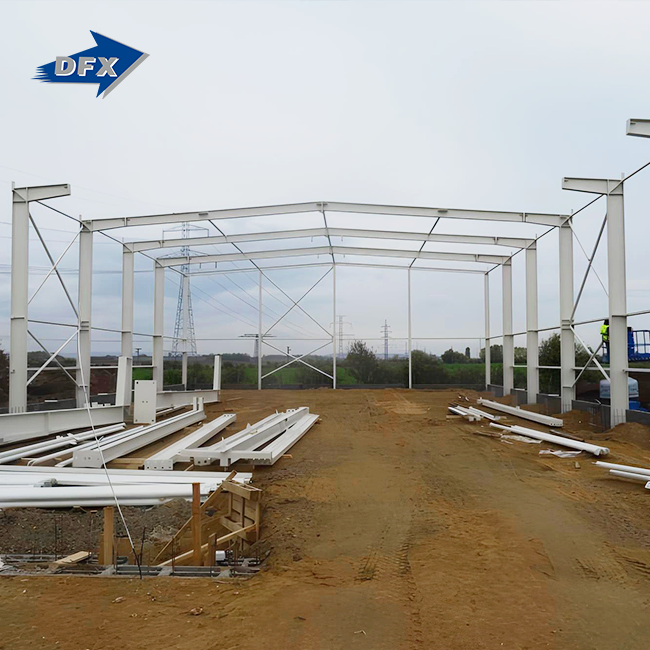
A steel structure workshop is basically different from regular construction because it uses a pre-engineered building method and major frames made of welded H-section steel that are graded Q235 or Q355. The method makes clear spans that are often longer than 30 meters without using internal beams. This makes the most of the floor space for production lines and material flow paths. The structure is made up of main beams and rafters that are joined together with high-strength bolts. They are held up by secondary structural elements like C/Z steel purlins, which hold up the roof and wall coverings. This design has a strength-to-weight ratio that is about 30–50% lower than that of concrete versions. This means that foundations aren't needed and the total project costs are lower, but the structure can still hold more weight.
Overhead Crane Types and Integration Requirements
A stationary workshop can be used to make products with overhead cranes. Industrial workshops still employ bridge cranes most often. They move along runway beams attached to the building's frame and can lift 5 to 100 tonnes, depending on the work. Integration requires caution since crane operations generate a lot of vertical stresses on the poles and horizontal thrust pressures on the steel frame, which must not deflect. When constructing the structure, consider impact pressures, wear loads from lifting the same thing again, and side forces from crane movement and load swinging. Manufacturing vehicle parts requires 10–20-tonne cranes, whereas building large machines may require 50-tonne systems or more.
Combined Benefits That Drive ROI
Steel frames and overhead cranes function better together than independent systems when correctly manufactured and linked. The blend permits just-in-time material handling, reducing floor traffic and hand-moving dangers. Customers report a 20–35% efficiency boost when switching from ground-based vehicles to overhead cranes in optimised steel operations. So, more work gets done. Since the structure is flexible, the crane track can be altered as manufacturing needs vary. It prevents your investment from becoming obsolete. Overhead material movement eliminates forklift-people interaction, improving workplace safety and reducing accidents.
Step-by-Step Design Principles for Steel Structure Workshops with Overhead Cranes
Initial Assessment and Load Calculation
A complete operational study records production routines, high material handling volumes, and predicted equipment loads over the steel structure workshop's 50-year lifespan to start the design process. Choosing the proper crane size affects structural needs. A 20-tonne bridge crane loads columns differently than a 50-tonne system. We calculate the building's dead load (its own weight), live load (equipment, kept items, and people), and external load (140 mph wind and local building rules-allowed snowfall). Dynamic crane loads require special care: impact factors add 25% to stationary loads, and horizontal thrust forces from the crane speeding up can reach 10–20%. To ensure stability, these calculations determine base, column, and runway beam sizes.
Structural Framework Design Considerations
In the main frame design, we prioritised load lines that easily convey crane-imposed stresses via columns to foundations. Crane runway columns are stronger than construction columns and usually consist of H- or built-up box sections. This stiffens them enough to prevent horizontal shift when the crane thrusts on them. If runway beams bend too much, the crane will move unevenly, and the wheels will wear out faster. Based on span and load, we need welded H-beams 400mm to 1200mm deep. These beams must meet accurate camber standards for load-bending. The bolted connection approach simplifies future adjustments and controls building procedures. Lateral bracing systems, situated at regular intervals in the roof planes and along the columns, resist wind and horizontal crane forces.
Layout Optimization for Operational Efficiency
Workshop layouts should include crane coverage zones that reach all essential desks and minimise travel times between loading, processing, and shipping areas. The plan should have clear pathways for moving goods, separate storage and work areas, and areas for maintenance without stopping production. The crane hook's height determines material stacking height and construction eaves height. Some applications require 15-metre eaves, although most industrial workshops need 8–12 metres. Column spacing influences structure efficiency and operating freedom. Wider spans help columns adapt to manufacturing plans, but they also increase member size and cost. For enterprises under 5,000 square metres, 7–9 meters between columns is ideal.
Fire Safety and Building Envelope Integration
To protect your property, the building envelope needs to be made of fire-resistant materials and heat protection. We put intumescent coatings on the main steel parts, which give them fire resistance scores of 2 to 4 hours, based on the requirements. Wall and roof cladding systems use sandwich panels with rockwool or polyurethane cores to meet Class Check non-combustibility standards and get the right heat resistance values (R-values) for your climate zone. With the right insulation, heating and cooling costs can be cut by up to 30% to 40% compared to single-skin metal buildings in northern climates. The design of the envelope has to account for the steel frame's thermal expansion. This is usually done with slotted links at the places where the cladding is attached.
Comparing Steel Structure Workshops With Other Building Types
Steel Versus Concrete Construction
Comparing steel structures with concrete workshops shows varied performance patterns across choice criteria. After acquiring materials, our 10,000-square-foot workshop's auto cost becomes weather-tight in 25–45 days. However, shaping, drying, and erecting in phases takes 4–6 months for an identical concrete structure. The speed gain means money comes in sooner, which is crucial when funding a project with interest. Steel foundations require 40% less excavation and concrete due to their reduced weight. For organisations that hate noise, concrete blocks are better and stop fires without any further work. In the first cost comparison, steel reduces the total cost of a job by 15–25%. The final price depends on the supply of materials and the cost of labour.
Pre-Engineered Versus Custom-Designed Solutions
Standard structural solutions work best for pre-engineered metal buildings of common sizes and loads. This reduces building costs and time. These methods function well in a rectangular workspace with even bay spacing and a 20-tonne crane. Custom solutions are needed for irregular site borders, specialised crane systems that can't carry typical loads, and existing buildings. Customisation maximises material consumption and adapts to future growth needs that standard systems can't. Lead times change significantly. Pre-engineered systems arrive three to four weeks following order confirmation, whereas custom designs take six to eight weeks to engineer and manufacture. Different budget impacts. Custom solutions are 10–18% more expensive than pre-engineered options, but they are more versatile over time.
Cost Estimation and Procurement Insights for Designing Workshops with Overhead Cranes
Breaking Down Project Cost Components
You must understand how work components affect costs to predict them accurately. Steel frame expenses average 35–45% of project expenditures. Steel type, member size, and raw material market price affect price. Crane systems make up 20–30% due to size and complexity. A 50-tonne double-girder bridge crane with variable frequency motors and anti-collision devices costs more than a 10-tonne single-girder. 12–18% of the entire cost of foundation construction, depending on how much weight the dirt can hold and how deep it must be for safety. Exterior doors, insulated walls, translucent daylighting strips, and ventilation equipment contribute 15–20%. The remaining funds are allocated to installation staff, engineers, project management, and emergencies.
Selecting Qualified Suppliers and Manufacturers
Procurement requires designers, fabricators, and installers of steel structures. Basic certificate verification required. ISO9001 quality management, CE labelling, and ASTM material certifications indicate product quality. Ask references from similar projects about how well the vendor met delivery dates, responded to technical support requests, and managed unanticipated challenges. Manufacturing capacity counts. Suppliers maintain quality for large orders with H-beam welding lines, automated cutting and drilling equipment, and protected manufacturing space. Our 40,000-square-metre building has six automatically welded H-beam production lines for better dimension control and finish than field-welded assembly.
Total Cost of Ownership Considerations
The choice about what to buy should take into account more than just the original building costs. It should also take into account the structure's operational costs and maintenance needs over its useful life. Energy efficiency has a direct effect on working costs. For example, workshops that use high-performance insulated walls with R-19 or higher thermal resistance can save $0.50 to $1.20 per square foot per year on heating and cooling costs compared to buildings that aren't well insulated. Accessibility for maintenance has an effect on long-term costs; structures that allow crane repair without shutting down production save a lot of money compared to buildings that need long periods of downtime for service work. Over-engineering foundations during initial construction costs 8–12% more up front, but it saves money in the long run because you don't have to do expensive supporting work if you later add crane capacity or building additions. Warranty coverage varies a lot from one provider to the next. Comprehensive plans that cover materials, fabrication, and installation for 2 to 5 years are a good way to reduce risk.
Maintenance, Safety, and Future-Proofing Your Steel Structure Workshop
Establishing Preventive Maintenance Protocols
To keep the structure strong and the crane working well, it needs to be inspected and maintained on a regular basis. The steel structure workshop framework needs to be inspected once a year to check the torque of the connection bolts, keep an eye on rust at weak spots like column base plates and areas that get wet, and check the state of the coating. Crane runway beams need to be inspected every six months to make sure the rails are lined up correctly, that there are no cracks in the welds, and that the beam's deflection stays within the allowed range. Too much beam deflection speeds up the wear on the crane wheels and causes safety risks. OSHA rules say that qualified crane inspectors must do full checks of the crane every year, and the wire ropes, hooks, brakes, and limit switches must be inspected every month by the crane itself. By keeping detailed repair logs of these tasks, you can prove that you're following the rules and spot problems before they get in the way of operations.
Implementing Safety Systems and Compliance
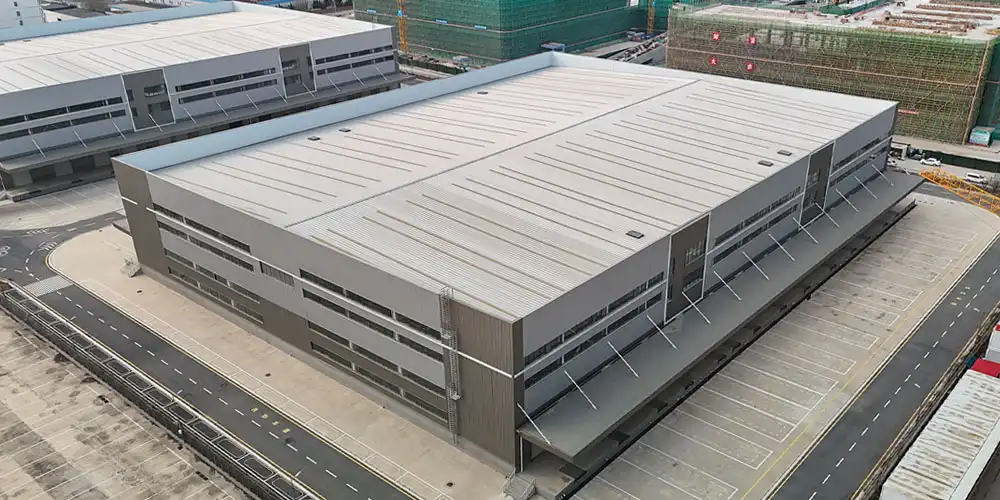
Safety starts with the right lighting levels during the planning phase. For example, 50 to 100 footcandles are needed at working height for manufacturing processes. This can be achieved by using a mix of clear roof panels that let in natural light and LED high-bay fixtures. Clear floor markings that show travel tracks and limited areas are important for crane operation safety. So are audible warning systems that let people know when the crane is moving, and anti-collision systems that keep cranes from hitting each other or structures in buildings with more than one unit. Fall safety is very important during maintenance work. Permanent walkways with guardrails along crane runways and entry paths to equipment on rooftops meet OSHA standards and make normal maintenance easier. Planning for emergency exits must take into account big open floor spaces and place exit doors at regular intervals so that people can move no more than 200 feet at a time, as required by code.
Designing for Adaptability and Technology Integration
To future-proof your business, you need to think about how it will grow and how technology will change during the planning phase. By adding more bays to the current framework, modular structural design makes it cheap to add on to the length of a building. This takes initial engineering that creates foundation and connection features that can work with future additions. When adding automation equipment, the electrical infrastructure should have extra pipe capacity and panel amperage gaps to handle the extra power needs. The structural frame can include plans for future increases in crane capacity by defining columns and foundations with an extra 25–30% of capacity on top of what was needed at first. This extra cost during building is much lower than the cost of strengthening later. Sensor mounting holes for monitoring the environment, network cable paths for connecting production equipment, and roof structure options for possible solar panel installation as the use of green energy grows, are all examples of smart building technology integration places.
Conclusion
When designing a steel structure workshop with an overhead crane, you have to weigh the needs of current operations against the need for long-term flexibility, all while keeping costs low. Thorough load analysis during the planning phase, choosing skilled manufacturing partners with a track record of delivering projects on time, and a commitment to using high-quality materials that will last for 50 years are some of the most important factors for success. When projects pay enough attention to crane integration details, building envelope performance, and repair accessibility, they get measurably better operating results than when they treat the workshop like any other construction site. The investment is a strategic asset that has a direct effect on how efficiently your facility makes things, how safe the workplace is, and how competitive it is. Treating it with the care it deserves will pay off for the life of your facility.
FAQ
1. What structural factors determine maximum crane capacity?
The safest crane capacities are set by the column sizes, the foundation's weight capacity, and the runway beam specs. To add crane capacity to buildings that are already there, engineers have to make sure that the beams can handle more weight and force on the horizontal axis without going over the allowed stress levels. How well a foundation works relies on how much weight the dirt can hold and the size of the footings that are already there. For retrofits, adding more piers or grade beams is often needed to strengthen the foundation.
2. How long does design and construction typically require?
It usually takes between 4 and 6 months for a steel structure workshop job to go from the first concept to the building being occupied. It takes three to four weeks to do the planning and detailing, twenty-five to forty-five days to make the materials, and another four to six weeks to put the building together on-site and place the envelope. Timelines may be pushed back by two to four weeks for projects that need specialized crane systems or have difficult site conditions.
3. Can workshop designs accommodate future production changes?
Modular design allows properly designed steel structure workshops to adapt to big changes in how they are used. Column spacing and structure bay measurements should be thought about in terms of different scheme options when planning. Grid-based designs are good for electrical and compressed air distribution systems because they let equipment be moved without making big changes to the infrastructure. As part of the initial design of the structure, there may be extra space set aside for future improvements or additions of cranes.
Partner With DFX for Your Steel Structure Workshop Project
The experts at DFX have been making precisely designed steel structure workshops that work well with overhead crane systems for more than twelve years. Our 40,000-square-metre production plant has six automatic welded H-beam lines and high-tech manufacturing tools. This lets us deliver workshop structures that are within millimetres of their correct size, which is important for the proper operation of cranes. We offer full turnkey solutions that include designing the structure; making the materials with quality control that is ISO9001 and CE approved, treating the surface with multi-layer protected coatings, and full fitting support. Our in-house engineering team works directly with the people who have a stake in the project to come up with the best designs that match the performance of the structure with the budget. DFX offers steel structure workshop solutions made to ASTM material standards with normal lead times of 25 to 45 days. These solutions can be used to increase industrial capacity, build new production facilities, or improve existing infrastructure. Get in touch with our technical team at jason@bigdirector.com to talk about your unique needs and get full project proposals with clear pricing and delivery guarantees.
References
1. American Institute of Steel Construction. (2017). Steel Construction Manual, 15th Edition. Chicago: AISC.
2. Crane Manufacturers Association of America. (2019). Specifications for Top Running Bridge and Gantry Type Multiple Girder Electric Overhead Travelling Cranes. Charlotte: CMAA.
3. Fisher, J.M., & Kloiber, L.A. (2016). Design Guide 7: Industrial Buildings—Roofs to Anchor Rods, 2nd Edition. American Institute of Steel Construction.
4. Occupational Safety and Health Administration. (2021). Overhead and Gantry Cranes Standards and Inspection Guidelines. Washington: U.S. Department of Labor.
5. Trebilcock, P.J. (2018). Building Design for Manufacturing: Integrated Steel Structure and Material Handling Systems. Industrial Construction Journal, 44(3), 127-145.
6. Newman, A., & Bradley, R. (2020). Pre-Engineered Metal Buildings: Design, Fabrication and Erection Practices. Structural Engineering Institute Technical Publication.
Learn about our latest products and discounts through SMS or email