- English
- French
- German
- Portuguese
- Spanish
- Russian
- Japanese
- Korean
- Arabic
- Greek
- German
- Turkish
- Italian
- Danish
- Romanian
- Indonesian
- Czech
- Afrikaans
- Swedish
- Polish
- Basque
- Catalan
- Esperanto
- Hindi
- Lao
- Albanian
- Amharic
- Armenian
- Azerbaijani
- Belarusian
- Bengali
- Bosnian
- Bulgarian
- Cebuano
- Chichewa
- Corsican
- Croatian
- Dutch
- Estonian
- Filipino
- Finnish
- Frisian
- Galician
- Georgian
- Gujarati
- Haitian
- Hausa
- Hawaiian
- Hebrew
- Hmong
- Hungarian
- Icelandic
- Igbo
- Javanese
- Kannada
- Kazakh
- Khmer
- Kurdish
- Kyrgyz
- Latin
- Latvian
- Lithuanian
- Luxembou..
- Macedonian
- Malagasy
- Malay
- Malayalam
- Maltese
- Maori
- Marathi
- Mongolian
- Burmese
- Nepali
- Norwegian
- Pashto
- Persian
- Punjabi
- Serbian
- Sesotho
- Sinhala
- Slovak
- Slovenian
- Somali
- Samoan
- Scots Gaelic
- Shona
- Sindhi
- Sundanese
- Swahili
- Tajik
- Tamil
- Telugu
- Thai
- Ukrainian
- Urdu
- Uzbek
- Vietnamese
- Welsh
- Xhosa
- Yiddish
- Yoruba
- Zulu
Steel Structure Workshop: Span, Height & Design Guide
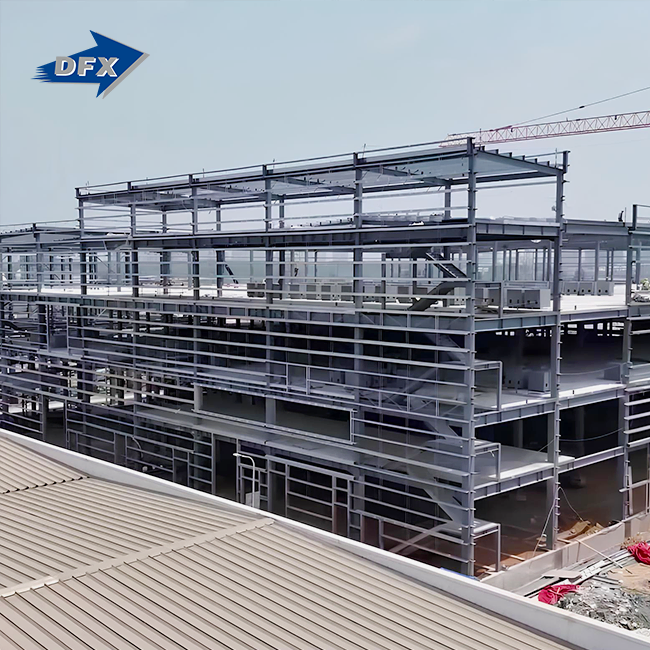
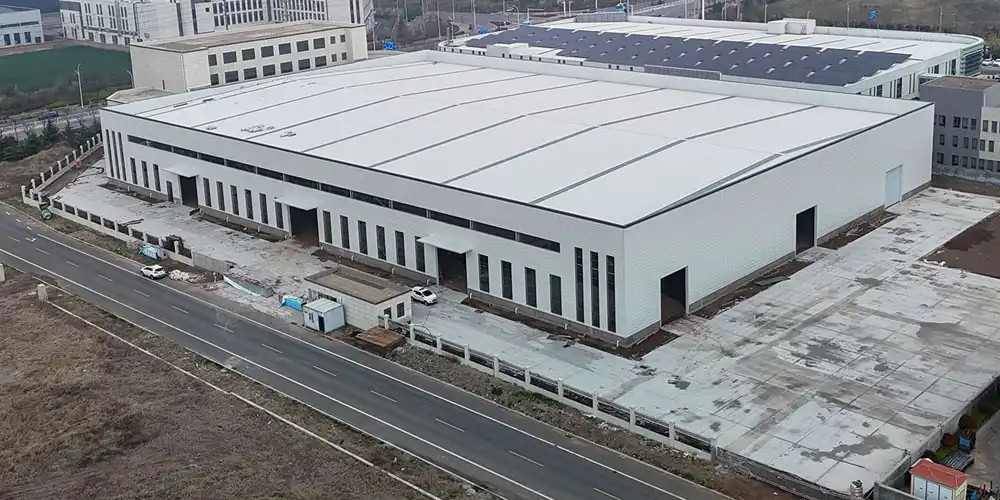
When planning industrial construction projects, choosing the right building system is important for keeping costs low and operations running smoothly over time. A steel structure workshop is a pre-engineered solution that uses welded H-section steel frames as the main load-bearing system. This makes the inside of the building big and free of columns, perfect for factories, assembly lines, and processing plants. High-quality structural steel (usually Q235B or Q355B types made in line with ISO9001 and ASTM standards) is used in these pre-engineered metal buildings. It is combined with C/Z section purlins and bolted links to give them better strength-to-weight ratios. When compared to traditional concrete buildings, steel-framed workshops cut project times by 30 to 50 per cent and are very flexible when it comes to installing equipment and making changes in the future. When project managers and procurement workers know how span sizes, eave heights, and structural design principles work together, they can make decisions that are in line with business needs.

Understanding Steel Structure Workshop Basics
Understanding what makes current steel structure workshops different from older ones is the first step to making industrial structures that work well. The last ten years have seen a lot of progress in prefabricated building technology, which has changed how makers and contractors build facilities.
Core Components and Material Selection
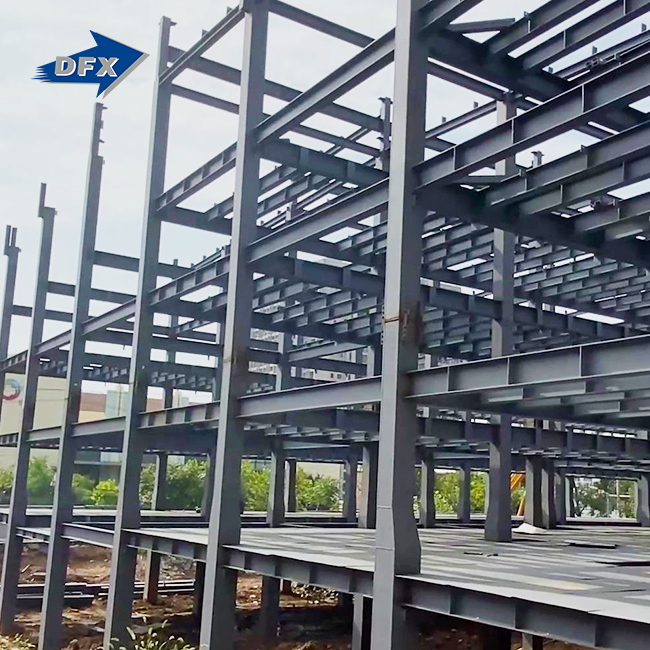
Many systems work together in industrial steel structure workshops. Mainframe columns and rafters are welded H-beams. The structure has a high load over large spans. The secondary frame's cold-formed C and Z purlins support the roof and wall glass. Connection methods use high-strength nuts instead of field welding, improving quality control and assembly time.
Structure performance and longevity depend on material grades. With 235 MPa yield strength, Q235B steel is strong enough for normal use. At 355 MPa, the Q355B is better for heavy loads. Also crucial is surface treatment. After shot blasting to SA2.5 and applying epoxy zinc-rich primers, corrosion protection maintains the structure durable for decades.
Advantages Over Traditional Construction Methods
Speed may be the best feature. Bad weather delays are reduced because we make parts off-site in controlled conditions. A typical 5,000-square-meter workshop can be completed in 4–5 months, utilising pre-engineered steel structure workshops instead of 8–10 months using concrete.
Beyond construction, cost economy continues. Due to steel's excellent strength-to-weight ratio, foundations need less earthwork and concrete, saving 40–60%. Making it with the correct protective layers reduces maintenance expenses. After use, steel can recover 90% of its material, while concrete has fewer options.
Environmental issues are increasingly influencing purchases. Steel production reduces building waste, and modern manufacturers recycle and recover resources. Insulated sandwich panels and clear daylighting systems reduce operating expenses and help firms go green.
Critical Dimensions: Span and Height Explained
To find the best span widths and eave heights, you have to weigh the needs of the building's functions against its complexity and your budget. These dimensions have a big impact on how the facility's tools, processes, and people work.
Understanding Span Requirements
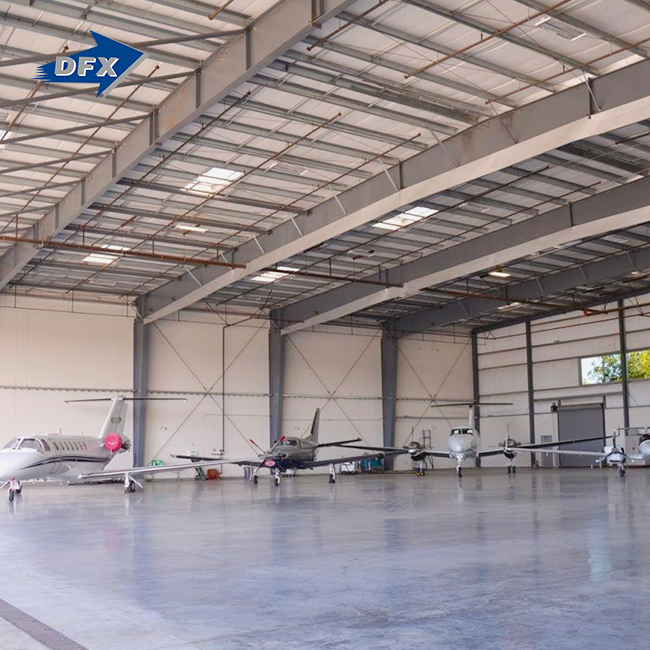
The spare area between primary support beams is called a span. Manufacturing locations need 20–30 meters for production lines and material handling tools to fit. Aeroplane hangars may need 60–80 meters, while auto manufacturing sites need 30–40 meters.
Wider spans cause technical difficulties that affect shape and cost. As clear width increases, primary frame sections must become stronger and heavier. Over a 25-metre span, 500mm-deep H-beams may suffice, while 800-1000mm depths or customised truss systems are more usual over 40 meters. This stage alters base loads, assembly crane size, and movement logistics.
Some project managers overestimate spans, which raises costs without cause. Preparing all the equipment before choosing the structure's needs helps identify the smallest span that meets operating goals. The initial design allowed modular extension without over-engineering the primary framework to grow the business.
Height Considerations for Different Applications
Businesses vary in eaves height, the distance from the floor to the roof structure. For ordinary steel construction workshops, 6–8-metre eaves provide enough space for personnel, lighting, and machines. Overhead crane buildings must be taller. The extra height is commonly 10–15 meters for 20–50-tonne lifts.
Specialised uses may require greater limits. Aircraft maintenance hangars must be 15–25 meters high for tail parts and repair platforms. Logistics facilities installing high-bay automatic storage systems may require 20–30 meters of vertical space to maximise rack density and vertical space utilisation.
Height affects structural steel usage and other factors. The HVAC needs increase with the cladding material since larger rooms require more heating and cooling. Foundation layouts must account for larger buildings' increased wind loads and collapsing moments.
Industry-Specific Dimensional Case Studies
Southern chicken farms needed 15,000 square meters. The client picked 18-metre span modules with 4.5-metre eave heights to put air equipment more easily and utilise less steel. This design lowered expenses by 15% over the earlier 24-metre span plans, which were overly big.
A Midwest auto parts manufacturer needed floor space for robotic welding cells. The 32-metre span design with 12-metre eaves eliminated all internal beams in a 12,000-square-metre building, allowing equipment layout changes as manufacturing needs changed. The structure cost 22% more than choices with a tighter span, but operating freedom meant less layout breakage, making it worth it.
Steel Structure Workshop Design Principles and Ideas
A well-designed steel structure workshop does more than just meet the current practical needs. Strategic planning takes into account things like scaling, operational efficiency, and long-term performance, which are what set good facilities apart from great ones.
Structural Robustness and Load-Bearing Capacity
Design for load conditions to save costly retrofits and protect personnel. Dead loads include the building's weight and HVAC, electrical, and ceiling-mounted cranes. Snow, repair personnel on roofs, and suspended equipment are live loads. Wind and earthquakes cause dynamic loads that structural systems must brace for.
Better load capacity planning is needed for heavy industry. Bridge cranes include runway beams that can lift 5 to 100 tonnes and impact factors for unexpected loads during material handling. The main frame must move these high loads through columns and into foundations without bending too much, which could derail the crane rails.
Using modular construction concepts during planning simplifies additions. Standardising bay widths and connection specifications will make future building additions easier. To avoid unplanned structural links, we recommend end-wall designs that allow frame continuity and removal.
Energy Efficiency and Environmental Control
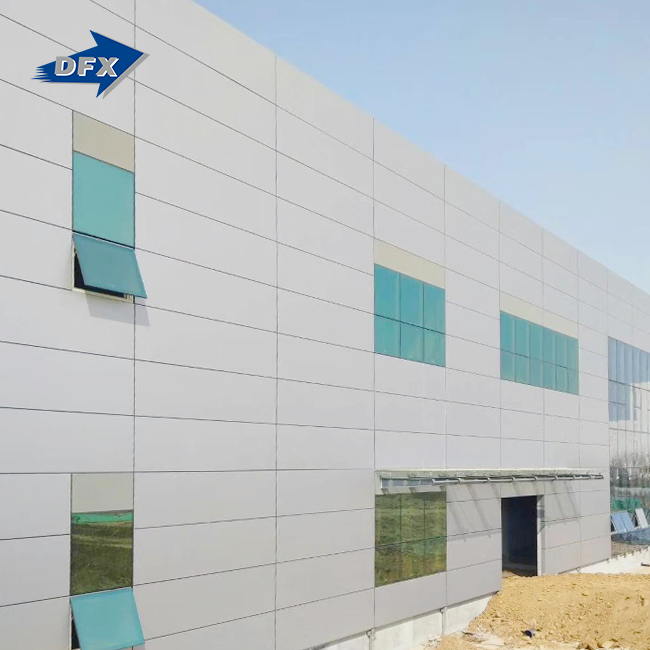
A building's lifetime running expenses depend on its thermal performance. Insulated metal sandwich panels with polyurethane or mineral wool cores and steel facings have R-values from 16 to 30, depending on width. The right design reduces heating and cooling expenses by 40–60% over single-skin metal coating.
Natural daylighting reduces energy use, improves worker comfort, and boosts output. Translucent polycarbonate panels on roofs and steep sides reduce the glare and heat gain of clear glass. Buildings with daylighting are 8–15% more productive and consume less energy, according to studies.
Integration of HVAC requires structure and industrial systems to function together. Destratification fans prevent heat from building up around roof peaks in large structures, which reduces energy loss. Finding the proper site for mechanical equipment to avoid interfering with structural pieces during installation simplifies and improves performance.
Engineering for the foundation and site considerations
When planning a foundation, you must consider the weather, stresses on the structure, and dirt weight. Every beam has its spread footing in most steel shops. These footings are sized by soil research and estimated load. If the dirt is poor, deep pile foundations or other ground improvement methods may be needed, which can increase project costs.
Look at site drainage and floor slab planning combined. Industrial chores like cleaning, dealing with chemicals, and creating wetness require the correct slope, drainage systems, and vapour barriers under concrete slabs. These elements may cause maintenance issues and structural failure if not considered during development.
Seismic and wind zones affect horizontal protection. Windy coastal areas need better connectivity and support than moderate-climate inland areas. Avoid issues and secure your permit by knowing local building codes and hiring structural experts who know the area.
Cost Estimation and Procurement Strategies
The success of a project and the happiness of its users in the long run depend on how well the budget is planned and the suppliers are chosen. Knowing what causes costs and what factors are used for evaluation helps you make smart procurement choices that balance the amount of money you spend with the value you get.
Analyzing Cost Components
For steel structural workshops, material expenses account for 50–60% of job costs. Steel prices fluctuate with global product markets, so budget-conscious enterprises must plan start and finish dates. Q355B high-strength steel costs 8–12% more than Q235B grades, but it may make members smaller, saving money on transportation and manufacture.
Labour expenses vary by location and construction method. Prefabricated systems require less field work because most work is done in controlled workplaces. Standard procedures can reduce 3,000 hours of field work for a workshop project to 1,500 to 2,000 hours using pre-engineered systems. You might save 20–30% on labour costs in high-wage markets.
Complex designs affect engineering and manufacturing costs. Custom architectural features, non-standard connection details, and high tolerance standards make manufacturing tougher. Standardising parts as much as feasible reduces costs without affecting performance.
Geographical variables significantly impact spending. Distance, accessibility, and part size determine the cost of delivering fabricated steel from factories to job locations. Remote or hard-to-reach supplies may cost 10–15% more.
Custom solutions vs. prefabricated systems
For typical design projects, prefabricated metal building systems save time and money. Manufacturers stock parts and standardise connections, facilitating production and assembly. Projects can be completed rapidly because lead times range from 25 to 45 days from order confirmation to shipment.
Custom-engineered solutions are best when standard approaches don't match application needs. Projects with unusual span configurations, huge crane capacity, or special weather controls benefit from customised designs. Engineering costs 15–25% more, but the building performs better in tough conditions.
Hybrid systems use ordinary mainframes and specialised elements as needed. This method meets specific needs at the best price. A firm may employ standard 30-metre span frames with tailored crane support systems for specific lifting equipment to save money and make good products.
Selecting Reliable Manufacturing Partners
Quality standards build trust in a company's manufacturing capabilities. ISO9001 certification and CE marking indicate a well-established quality management system and European safety requirements. Mill test certifications verify ASTM material conformity, which ensures steel has the necessary chemical and mechanical properties.
Consider production ability and knowledge while choosing suppliers. Multiple automated H-beam production lines, sandwich panel systems, and purlin-forming machines indicate well-established companies that can meet schedules. Companies with 10 years or more experience are stable and experienced.
We discovered that top providers can distinguish between basic makers and those offering several offerings. Helping with structural design, manufacturing, surface treatment, complete installation plans, and on-site expert support simplifies project management. This unified approach simplifies planning, manufacturing, and construction.
Contacting prior clients indicates how well the seller performed on a real task. Asking about timelines, quality control, quick problem-solving, and after-sales support can reveal information marketing materials can't. Reputable manufacturers provide client examples and project samples to demonstrate their capabilities.
Optimizing Steel Structure Workshop Performance and Longevity
To get the best return on investment, you need to pay attention after the initial building is done. Regular upkeep, improving operations, and planned improvements help keep steel structure workshops in good shape and adapt them to changing needs.
Protocols for maintenance and inspection programs
Regular checks detect minor issues before they become costly. Annually verify coating status, connection tightness, draining function, and structure deflection patterns. Every six months, coastal and chemical processing factories should be checked for rust to detect damage early.
Structural steel is protected from rust by coating maintenance. Minor covering damage that is rapidly and locally repaired prevents rust from spreading and reduces member thickness and load capacity. Routine coating checks and touch-up programmes extend coating life from 8 to 10 years to 15 to 20 years, which lowers the total cost of ownership.
Connection tracking is crucial for buildings supported by cranes that load and unload at different times. Strong nuts should be checked often for tightness because vibration and dynamic stress can loosen them. Torque-verification programmes during routine maintenance prevent dangerous link failures and stop work.
Sustainability Practices and Following the Law on the Environment
The choice of construction materials determines how effectively the building works with its surroundings throughout time. Steel from electric arc furnace companies—with 90% or higher recovered content—has 60% less embodied carbon than blast furnace steel.
Energy-efficient retrofits bring buildings up to code and improve efficiency. Single-skin siding structures are cheaper to heat and cool with insulation. LED lighting systems with motion monitors reduce electricity use by 50–70% and improve lighting.
Water management methods reduce expenses and follow environmental laws. Harvesting rainwater from large rooftops supplies process water for industry or agriculture, reducing city water purchases. Water-intensive facilities can save money by building systems that can manage 80–90% of yearly precipitation.
Improvements to facilities and plans for growth
Operation changes typically require building changes. Adding overhead cranes to facilities without lifting equipment necessitates reinforcing the structure to support significant runway beam loads. Hiring structural engineers to assess the frame's strength and identify solutions to strengthen it allows safe crane integration.
Vertical expansions add space without expanding the steel structure workshop design. Add additional storeys and raise the eaves on existing buildings to double the space for 40–50% less than building new ones. This strategy works effectively in cities with limited land for horizontal growth.
Staying current on business trends provides you an edge. Manufacturers always incorporate faster connecting solutions to reduce the time needed for field module assembly. Smart building technologies include IoT monitors that monitor buildings, the environment, and energy use, and provide data for scheduled repair and improved operations.
Conclusion
To choose the right span sizes, eave heights, and structure systems for industrial buildings, you have to carefully weigh functional needs against cost concerns. When properly designed and built, steel structure workshops offer unmatched benefits in terms of speed of building, design freedom, and long-term value. Knowing the properties of materials, how to create them, how to buy them, and how to keep them in good shape helps project managers make smart choices that help the organisation reach its goals. As fabrication technology, sustainable materials, and integrated building systems improve, the competition field changes. This opens up new chances for operating greatness. Working with skilled makers that offer full design-to-installation services lowers risks and makes sure that facilities meet the high-performance standards needed for industrial operations.
FAQ
1. What span width should I choose for a business that makes things?
Most steel structure workshops work well with lengths of 20 to 30 meters, which gives enough room for production equipment and material handling systems to work without blocking the columns inside. Clear spans of 30 to 40 meters are common for assembling cars, but 60 meters or more may be needed for specific tasks, such as maintaining aeroplanes. Do a thorough layout plan for the equipment before deciding on the span requirements. This will help you avoid over-engineering costs and make sure that the system can be used in a variety of ways to meet current and expected future needs.
2. How do I figure out what the right eave height is?
First, figure out what the largest pieces of equipment are. Then, add the necessary clearances for overhead utilities, crane systems (if needed), and repair access. For standard workshops, 6 to 8 meters of eaves are enough. For facilities with overhead cranes, 10-15 meters are needed. For specialized high-bay uses, 20 to 30 meters may be needed. Remember that higher ceilings mean higher structural costs, more cladding, and more HVAC capacity needs. So, define the lowest height that meets useful needs instead of too much clearance that makes the project cost more than it needs to.
3. What factors have the biggest effect on project costs?
The main things that affect costs are the type of material used, the span size, the eave height, and the complexity of the design. The price of steel changes with the price of other commodities, so when you buy it is important. Labour costs depend on where you live and how you build, but in general, prefabricated systems require 20–30% less field labour than traditional methods. The cost of supplied materials is affected by how far they have to travel from factories to job sites, especially if the sites are far away. When compared to standard building systems, custom engineering and non-standard features raise the costs of planning and construction.
Get Your Custom Steel Structure Workshop Solution from DFX
Are you ready to start working on your industrial building project? DFX has been providing engineered steel structure workshop solutions to building companies, makers, and infrastructure producers around the world for more than 12 years. Our 40,000-square-meter factory has six automatic H-beam lines and more than 200 trained workers. This makes sure that the products we make meet ISO9001, CE, and ASTM standards for quality.
It's important to work with a dependable steel structure workshop maker. We help with every step of the process, from designing the structure and choosing the right materials to manufacturing, surface treatment, and placement on-site. Our technical team helps you find the best span configurations, height specs, and building systems for your business needs and budget, whether you're planning a 3,000-square-metre production facility or a 20,000-square-metre logistics centre.
Get in touch with jason@bigdirector.com right away to talk about your idea. We'll look over your unique needs, make technical suggestions, and usually send you full quotes within 48 hours. With wait times of 25 to 45 days, our made-to-order production method keeps your project on track and meets the quality standards needed for industrial uses.
References
1. American Institute of Steel Construction. (2022). Steel Construction Manual, 15th Edition. Chicago: AISC Publications.
2. Crawley, Stanley W. and Dillon, Robert M. (2020). Steel Buildings: Analysis and Design, 2nd Edition. New York: John Wiley & Sons.
3. Newman, Alexander. (2021). Pre-Engineered Metal Buildings: Design and Construction Practices. London: Structural Engineering Press.
4. Salmon, Charles G., Johnson, John E., and Malhas, Faris A. (2019). Steel Structures: Design and Behaviour, 6th Edition. Boston: Pearson Education.
5. Trahair, Nicholas S. and Bradford, Mark A. (2021). The Behaviour and Design of Steel Structures to AS 4100, 5th Edition. Boca Raton: CRC Press.
6. Yu, Wei-Wen and LaBoube, Roger A. (2020). Cold-Formed Steel Design, 5th Edition. Hoboken: Wiley-Blackwell Publishing.
Learn about our latest products and discounts through SMS or email