- English
- French
- German
- Portuguese
- Spanish
- Russian
- Japanese
- Korean
- Arabic
- Greek
- German
- Turkish
- Italian
- Danish
- Romanian
- Indonesian
- Czech
- Afrikaans
- Swedish
- Polish
- Basque
- Catalan
- Esperanto
- Hindi
- Lao
- Albanian
- Amharic
- Armenian
- Azerbaijani
- Belarusian
- Bengali
- Bosnian
- Bulgarian
- Cebuano
- Chichewa
- Corsican
- Croatian
- Dutch
- Estonian
- Filipino
- Finnish
- Frisian
- Galician
- Georgian
- Gujarati
- Haitian
- Hausa
- Hawaiian
- Hebrew
- Hmong
- Hungarian
- Icelandic
- Igbo
- Javanese
- Kannada
- Kazakh
- Khmer
- Kurdish
- Kyrgyz
- Latin
- Latvian
- Lithuanian
- Luxembou..
- Macedonian
- Malagasy
- Malay
- Malayalam
- Maltese
- Maori
- Marathi
- Mongolian
- Burmese
- Nepali
- Norwegian
- Pashto
- Persian
- Punjabi
- Serbian
- Sesotho
- Sinhala
- Slovak
- Slovenian
- Somali
- Samoan
- Scots Gaelic
- Shona
- Sindhi
- Sundanese
- Swahili
- Tajik
- Tamil
- Telugu
- Thai
- Ukrainian
- Urdu
- Uzbek
- Vietnamese
- Welsh
- Xhosa
- Yiddish
- Yoruba
- Zulu
The Ultimate Industrial Warehouse Steel Structure: Fast, Strong, and Built for Long-Term Performance
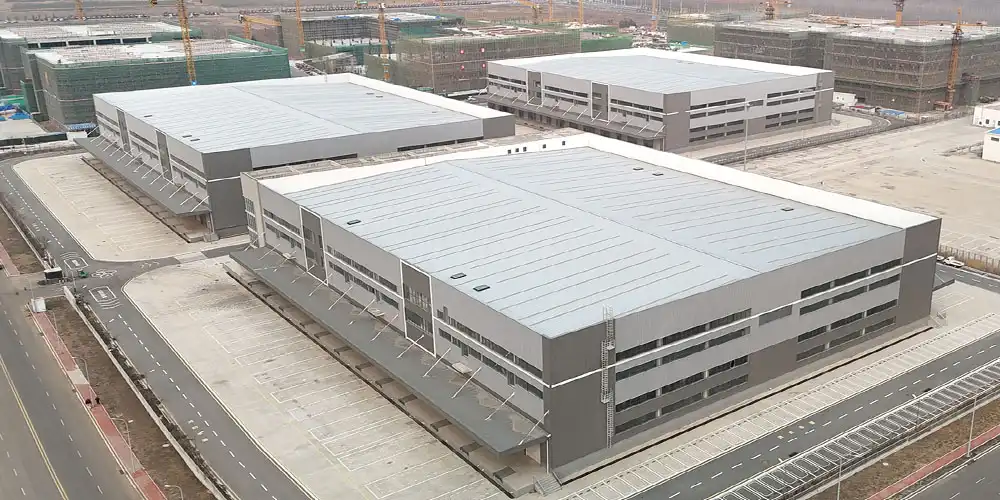
When building deadlines are tight and operating needs rise, industrial warehouse steel structure options offer the best value. These manufactured metal buildings are fast, strong, and have been shown to last a long time. They meet the strict needs of distribution hubs, manufacturing plants, and transportation centres across the United States. As the pressure to cut costs while keeping quality up mounts on procurement managers and project engineers, it becomes important to understand how steel structures perform better than standard options in order to make smart investment decisions.
Understanding Industrial Warehouse Steel Structures: Key Concepts and Benefits
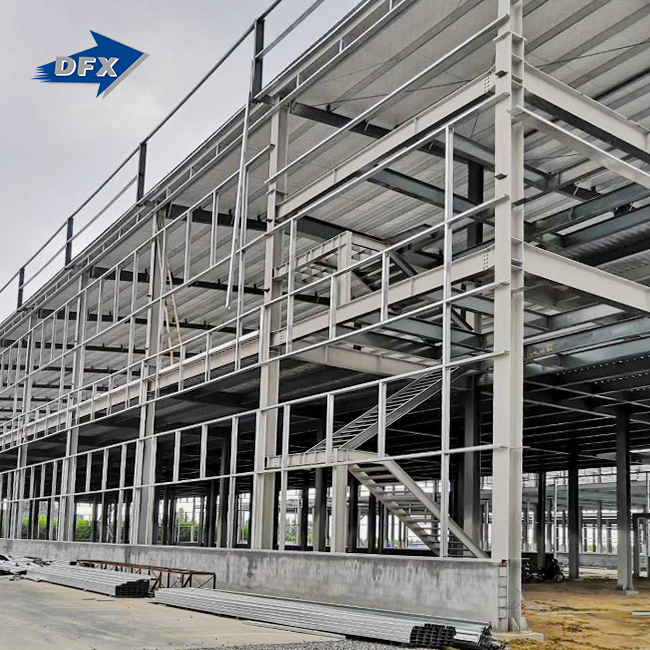
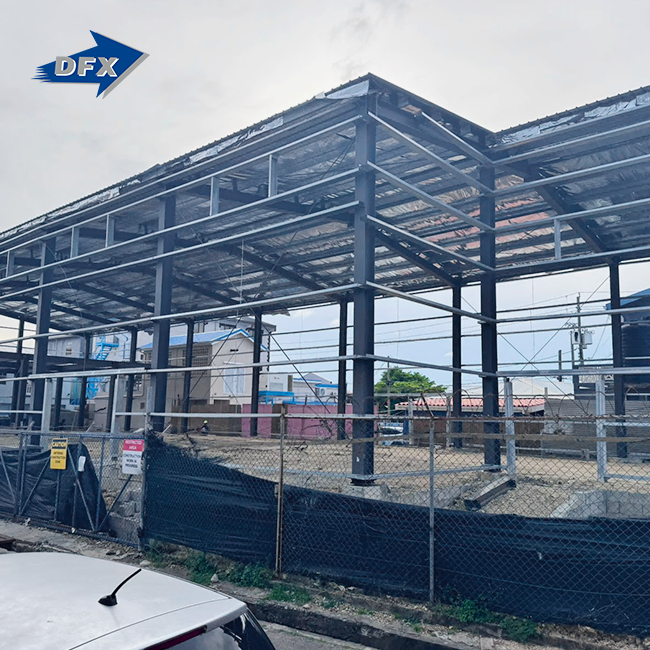
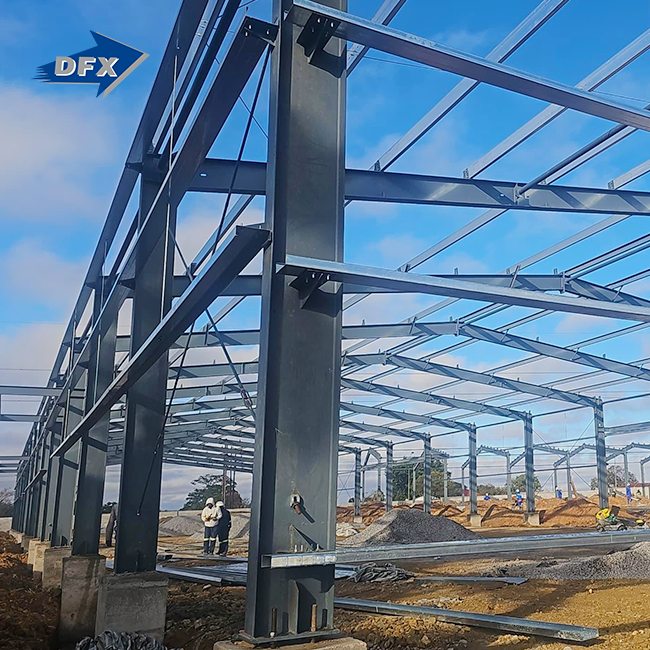
A modern building with steel frames is more than just a place to store things. It is a complex Pre-Engineered Building (PEB) system that uses engineered steel parts like H-beams, welded C/Z purlins, and high-strength tension bracing to make strong, adaptable buildings that are perfect for a wide range of storage needs. In contrast to traditional reinforced concrete buildings, these constructions are already built when they arrive at the site and can be quickly put together using bolts.
What Makes Steel the Preferred Choice?
Building and industrial firms face critical operating challenges that industrial warehouse steel structures solve daily. Q355B or ASTM A572 Grade 50 high-tensile steel is naturally robust for its weight, allowing clear spans of 30 meters without support piers. This design removes warehouse impediments, improving storage space and making forklift movement easier, which is vital for current automatic storage and retrieval systems.
Fast construction is another benefit. Modular assembly reduces project timeframes by 30–50% over concrete buildings. Steel can help transportation companies work in months instead of years. The lesser dead load reduces foundation costs by 30%, affecting project funds.
Types and Applications Across Industries
Different projects need steel options that are made just for them. Standard distribution and warehouses are good places for pre-engineered metal buildings because they are fast and don't cost too much. Custom-built frames can be used for a wide range of purposes, from holding 10-tonnene to 100-tonnene bridge cranes on heavy crane runway beams in factories to keeping temperatures below zero with thermal-break steel framing and thick polyurethane sandwich panels for cold chain logistics.
Steel buildings made for chicken coops and animal shelters, where sturdiness and air flow are most important, are a good way for agricultural businesses to save money. When working on government projects or aeroplane hangars, infrastructure contractors need unique engineering solutions that meet strict safety standards such as AISC 360 or Eurocode 3.
Long-Term Performance and Sustainability
When properly kept, steel buildings last a very long time. The minimum yield strength for high-grade structural materials is 355 MPa; they are very flexible for Grade 8 earthquake protection, and they can handle wind loads of more than 0.50 KN/m². Surface treatments, such as shot blasting with an epoxy zinc-rich base or hot-dip galvanisation with 600 g/m² zinc coats, keep things from rusting and breaking down in the environment.
Sustainability in terms of the environment adds another level of value. Steel can still be recycled in its entirety, which cuts down on construction trash and helps green building standards. Insulated sandwich panels used in energy-efficient covering systems lower running costs, which is something that manufacturing companies that are growing their production capacity can't ignore.
Comparing Steel Structures for Industrial Warehouses: Making an Informed Choice
A lot of things need to be carefully thought through in order to choose the right building structure. When balancing costs and performance, procurement managers need to know what makes steel different from concrete and which industrial warehouse steel structure system will best help them reach their project goals.
Steel vs. Concrete: A Clear Advantage
Steel warehouses always build faster than concrete ones. Steel sections are ready to assemble, unlike concrete, which requires formwork, curing, and building phases. This speed benefit accelerates occupancy and income generation, which is crucial for new distribution centres and factories.
Its reduced weight makes steel superior. The smaller structural load simplifies the foundation and reduces digging costs, especially in hard dirt. Scalability: fixed steel linkages make it easy to construct mezzanines, expand buildings, and connect overhead crane systems.
Concrete's thermal bulk and fire resistance make it useful. Due to intumescent coats, modern steel buildings can match or exceed concrete's fire and soundproofing ratings.
Pre-Engineered vs. Custom-Built Systems
Pre-engineered metal houses are useful for projects that need to be completed quickly without sacrificing quality. These systems work really well in logistics stores, storage centres, and distribution centres that need clear-span designs and specs that can be predicted. Project-based manufacturing helps companies make their production more efficient while still meeting ISO9001 and CE approval standards.
Custom-built steel frames can meet complicated needs that can't be met by standard designs. Heavy machinery factories need crane runway beams and columns with steps that are specified and can handle high vibrations and dynamic wear loads. To follow the rules for dangerous materials, chemical storage sites need special epoxy phenolic coatings and air systems that can't explode.
Material Grades and Surface Protection
Material selection is the first step in determining lifetime. Q345B and Q355B steels are flexible enough for seismic zones but strong enough for large constructions. Galvanisation, powder coating, and marine-grade paint methods must be considered for use and durability.
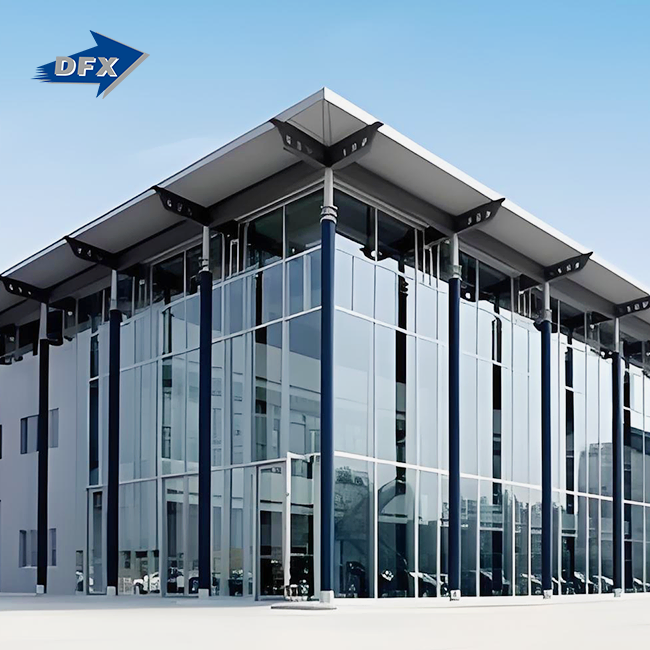
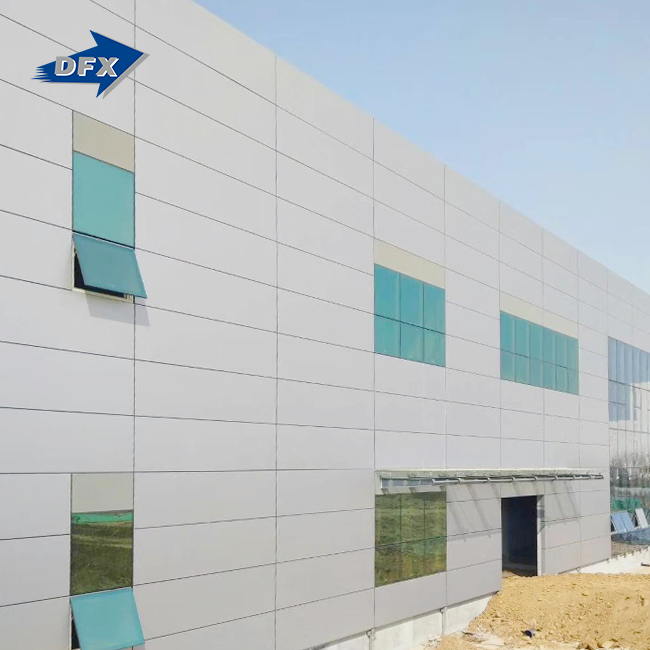
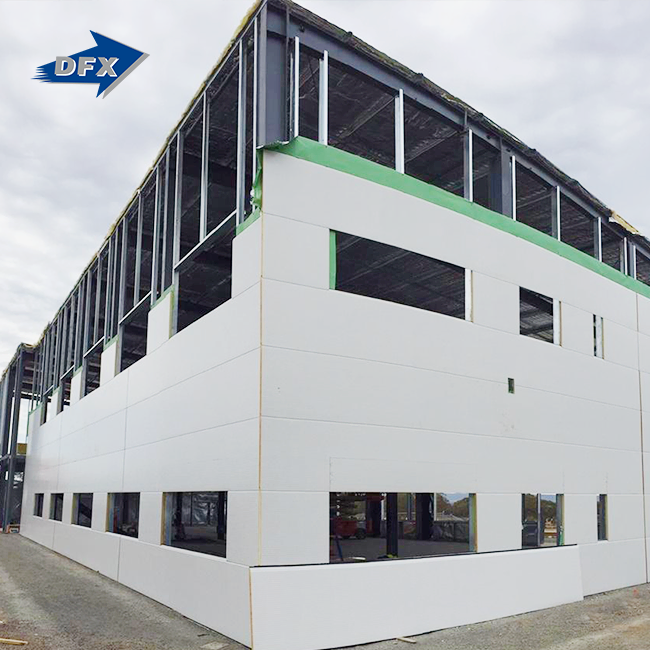
Cladding systems affect energy use and lifespan. High-tensile perforated steel sheets are weatherproof and durable. Insulated sandwich panels with 100mm to 200mm polyurethane or rock wool cores save energy in climate-controlled buildings. Choosing the correct insulation thickness decreases the building's HVAC expenditures over its lifetime, saving more than the initial materials.
Step-by-Step Guide: How to Build an Industrial Warehouse Steel Structure
Knowing how building works helps project managers plan for problems and work together with fabrication partners and placement teams in the best way possible to build an industrial warehouse steel structure.
Phase One: Project Planning and Engineering
A careful site survey is the first step in building a warehouse that works well. Tests of the soil's bearing ability, wind load estimates, and snow load analyses help set the limits for structural design. Building Information Modelling (BIM) software is used by engineering teams to find the best frame geometry, cut down on material waste, and find possible problems before the building process starts.
It is important to follow design guidelines. In the US, projects must follow AISC guidelines, state building codes, and any other rules that apply to the business. For international work, EN1100 approval or compliance with Eurocodes may be needed. By setting these standards early on, you can avoid expensive redesigns and delays in getting approval.
Phase Two: Material Procurement and Quality Assurance
Quality supplies and reliable delivery are guaranteed by qualified steel fabricators. ISO9001 quality control methods allow well-known manufacturers to follow the raw steel supply to the final items. CE certification ensures a product satisfies European standards, which is becoming increasingly relevant for foreign companies that wish to standardise their sites.
Lead times depend on work complexity and profit. Specially welded and finished heavy-industrial constructions require 10 to 14 weeks to ship, whereas standard pre-engineered buildings take 6 to 8 weeks. Knowing project schedules and shipping processes can prevent construction plan deviations.
Phase Three: Construction and Installation
On-site construction requires professional erectors who employ bolted steel connections and follow safety requirements. Quality control checks ensure the structure is plumb, aligned, and meets connection pressure norms. Correct runway beam installation is essential for overhead crane installations to avoid operation issues and early component wear.
Installation plans are less affected by weather than concrete building timetables; however, excessive temperatures or gusts may need a delay. Good general builders take extra time to prepare and ensure all trades work together, keeping projects on track even when things change outside.
Phase Four: Maintenance and Longevity Planning
Regular checks protect long-term assets and make warehouses last longer. Structures are checked once a year for early signs of rust, link loosening, or coating wear. Fixing small problems quickly saves money on fixes and keeps operations running smoothly.
Preventing corrosion is especially important in seaside areas or places that store materials that corrode. Protective coats should be reapplied every 10 to 15 years, drains around the building's edges should be kept up, and there should be enough air flow. These steps will help the structure last for decades.
Overcoming Common Challenges and Risks with Industrial Warehouse Steel Structures
Even though steel warehouse projects have benefits, they can also go wrong. However, careful planning and best practices can help avoid these problems in industrial warehouse steel structures.
Addressing Corrosion and Environmental Exposure
The biggest long-term threat to steel buildings is corrosion. Moisture getting in through holes in the roof, condensation from not having enough insulation, and chemical contact all speed up the breakdown process. Choosing the right protection coatings during design—for example, duplex systems that combine galvanisation with epoxy topcoats for tough environments—is a strong way to stop rust.
Problems are caught early with regular repair checks. Water can't get in if you check the roof flashing, gutter systems, and wall panel openings. Dehumidification systems and better airflow methods that lower the risk of condensation are helpful for places that store chemicals or work in high-humidity areas.
Preventing Structural Deformation and Joint Issues
Poor connection design, thermal expansion, and base settlement can deform structures over time. Large buildings can distribute heat around with expansion joints to reduce stress. Proper foundation design and construction equally distribute loads, preventing frame shape change.
Connection quality affects structural performance. High-strength bolts torqued to manufacturer specifications keep parts robust when loads fluctuate. Quality welds require qualified welders and non-destructive examinations. Crane-supported buildings that are frequently loaded and unloaded require this.
Optimizing Insulation Performance
Poor insulation causes energy loss, dampness, and unhappiness. Poorly fitted steel frame insulation reduces thermal efficiency. Continuous insulation layers, thermal break materials at important connections, and climate zone-specific panel thickness can increase thermal performance.
Cold chain sites must inspect every insulating feature. Even little holes or crushed insulation can generate cold zones where frost can damage stored products and raise cooling costs. Specified installation teams perform better in temperature-controlled situations than generic personnel unfamiliar with cold storage.
Why Choose DFX for Your Industrial Warehouse Steel Structure Needs?
Choosing the right manufacturing partner is what makes the difference between industrial warehouse steel structure projects that deliver on their promises and those that cause stress and cost overruns. This company, Qingdao Director Steel Structure Co., Ltd. (DFX), has been making and putting up steel buildings for tough industrial uses for more than 12 years.
Proven Capabilities and Certifications
Our protected production space is 40,000 square meters and has twenty corrugated steel sheet lines, two sandwich panel lines, two C/Z section steel lines, and six automatic welded H-beam lines. With this much power, we can make about 20,000 tons of welding H-beams and columns, 8,000 tons of C and Z section steel, 50,000 square meters of sandwich panels, and 8,000 tons of corrugated steel sheets every year.
We keep our ISO9001 certification up to date and sell CE-certified goods that meet European standards. Optional EN1100 approval can be used to meet the needs of certain projects. Assuring stable product quality and traceability, every step of the production process follows strict quality control guidelines.
Comprehensive Service Scope
Our in-house architectural design and detailing service helps clients with all stages of a project, from the initial idea and engineering formulas to manufacturing, shipping coordination, and direction during on-site assembly. This unified method gets rid of the communication problems that happen a lot between designers, manufacturers, and workers on building projects.
We are experts at making modular prefabricated steel storage buildings with galvanised C/Z purlins, H-beam main steel frames, and designed bracing systems. It can be used in logistics stores, storage centres, and distribution hubs, all places where speed and dependability are very important.
Client Success and Growing Satisfaction
The fact that DFX's customer base keeps growing every year shows that our quality, dependability, and worldwide certified goods are very popular. Project managers like how quickly we answer technical questions, how accurate our delivery plans are, and how low our prices are without sacrificing structural integrity.
Our custom solutions help manufacturing companies increase their production capacity, construction companies handle multiple warehouse projects, and farming businesses build storage facilities. We know that project-based buying needs adaptability, clear communication, and reliable performance. These are all values that we bring to every client relationship.
Conclusion
Industrial warehouse steel structures are faster to build, last longer, and are more valuable in the long run. Procurement managers and project engineers can make decisions that align with the organisation's goals if they understand key ideas such as material grades and surface treatments, as well as building methods and upkeep needs. Companies in the building, industrial, agriculture, and infrastructure sectors can build warehouses that will last for decades by working with experienced fabricators who offer a wide range of services and a track record of quality. Steel is the best material for current industrial warehouse needs because it can be set up quickly, is very strong, and lasts a long time.
FAQ
1. What Factors Influence Industrial Warehouse Steel Structure Costs?
The price of a job depends on a number of factors. The biggest cost factor is the type and amount of material used. For example, high-tensile steel and long spans need more material. Engineering costs go up when the design is complicated, especially when building custom structures that need to hold big cranes or specific loads. The size of the building has a direct effect on costs, but because they are more efficient, bigger buildings can often get better prices per square foot. Extra costs come from things like surface treatments, insulation requirements, and extras like doors and windows. Location affects the cost of shipping and the rate of work, which in turn affects the total investment in the project. What affects the cost of an industrial warehouse steel structure for an industrial warehouse?
2. How Long Does Steel Warehouse Construction Take?
When compared to concrete options, steel structures cut development times by a huge amount. Usually, the base of a standard pre-engineered building is finished 8 to 12 weeks after the foundation is finished. For custom patterns that need special manufacturing, it could take 12 to 16 weeks. Depending on the state of the dirt, site preparation and foundation work usually take three to four weeks. Interior fit-out times depend on what the space will be used for. Simple storage facilities can be used right away, but uses that need to control temperature or do a lot of work require more time for mechanical and electrical installation.
3. What Maintenance Do Steel Warehouses Require?
Structures are checked once a year to find problems before they get worse. Visual inspections look for harm to the covering, broken connections, and water getting in. Seals on the roof and wall panels need to be checked and resealed as needed. Inspections every six months are good for facilities that are in toxic settings. Corrosion protection can be kept up by adding new protective coatings every 10 to 15 years. Maintaining the drains around the outside of a house keeps water from building up. For crane-supported buildings to work safely under dynamic loads, the runway beams and connection points need to be inspected in a special way.
Partner with DFX: Your Trusted Industrial Warehouse Steel Structure Manufacturer
The team at DFX is ready to make your warehouse idea come true. We offer complete solutions that meet the needs of even the most difficult projects. Our services include engineering design, precise manufacturing, logistics planning, and erection help. Our production methods are ISO9001 and CE-certified to ensure uniform quality, and our experienced team is here to help you with any technical questions you have throughout the project. Get in touch with jason@bigdirector.com right away to talk about your unique needs, get detailed project quotes, and find out how our industrial warehouse steel structure solutions can speed up the building process while giving you better long-term performance.
References
1. American Institute of Steel Construction (2016). Steel Construction Manual, 15th Edition. Chicago: AISC.
2. Newman, Alexander (2018). Metal Building Systems: Design and Specifications, 3rd Edition. McGraw-Hill Professional.
3. Trebilcock, Peter (2020). Modern Industrial Steel Structures: Engineering, Fabrication and Erection Practices. Routledge.
4. Beedle, Lynn S. & Tall, Lambert (2017). Structural Steel Design for Commercial Buildings: A Comprehensive Guide. Wiley.
5. Davies, J. Michael (2019). Cold-Formed Steel Structures to the AISI Specification and Eurocode 3. CRC Press.
6. Kitipornchai, Sritawat & Hancock, Gregory J. (2021). Advanced Analysis and Design of Steel Frames for Industrial Applications. Springer.
Learn about our latest products and discounts through SMS or email