- English
- French
- German
- Portuguese
- Spanish
- Russian
- Japanese
- Korean
- Arabic
- Greek
- German
- Turkish
- Italian
- Danish
- Romanian
- Indonesian
- Czech
- Afrikaans
- Swedish
- Polish
- Basque
- Catalan
- Esperanto
- Hindi
- Lao
- Albanian
- Amharic
- Armenian
- Azerbaijani
- Belarusian
- Bengali
- Bosnian
- Bulgarian
- Cebuano
- Chichewa
- Corsican
- Croatian
- Dutch
- Estonian
- Filipino
- Finnish
- Frisian
- Galician
- Georgian
- Gujarati
- Haitian
- Hausa
- Hawaiian
- Hebrew
- Hmong
- Hungarian
- Icelandic
- Igbo
- Javanese
- Kannada
- Kazakh
- Khmer
- Kurdish
- Kyrgyz
- Latin
- Latvian
- Lithuanian
- Luxembou..
- Macedonian
- Malagasy
- Malay
- Malayalam
- Maltese
- Maori
- Marathi
- Mongolian
- Burmese
- Nepali
- Norwegian
- Pashto
- Persian
- Punjabi
- Serbian
- Sesotho
- Sinhala
- Slovak
- Slovenian
- Somali
- Samoan
- Scots Gaelic
- Shona
- Sindhi
- Sundanese
- Swahili
- Tajik
- Tamil
- Telugu
- Thai
- Ukrainian
- Urdu
- Uzbek
- Vietnamese
- Welsh
- Xhosa
- Yiddish
- Yoruba
- Zulu
School Benefits from Using a Steel Building
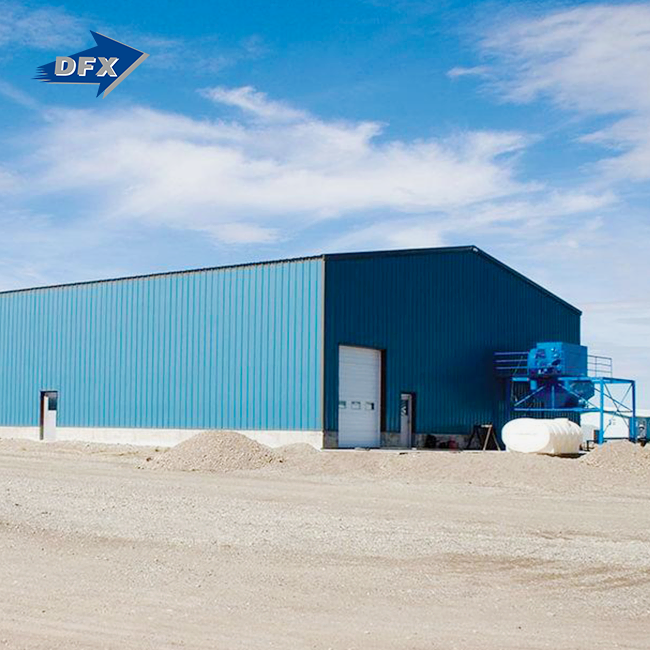
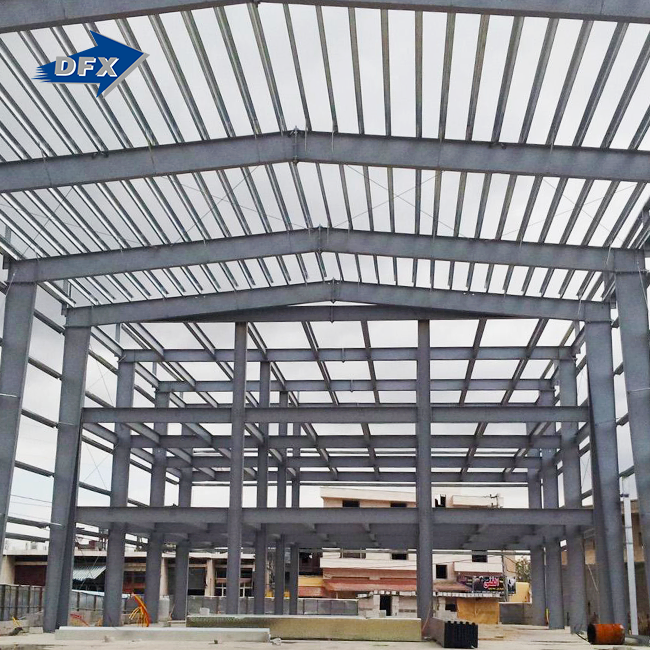
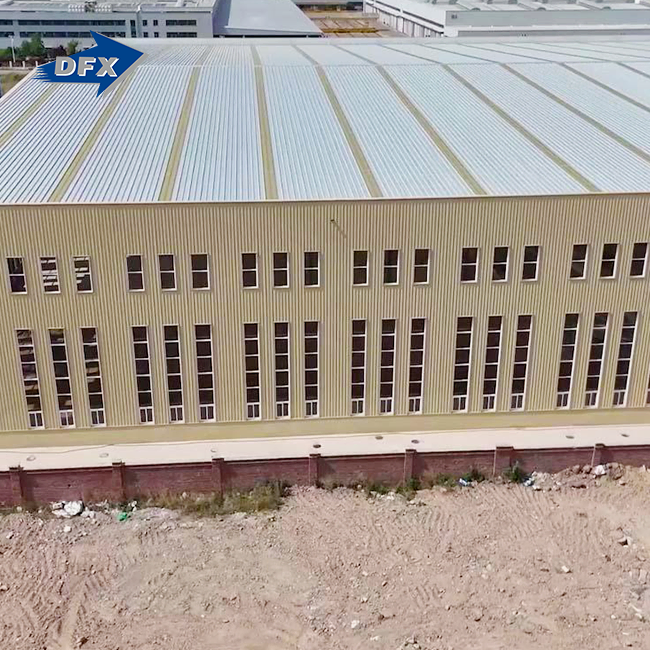
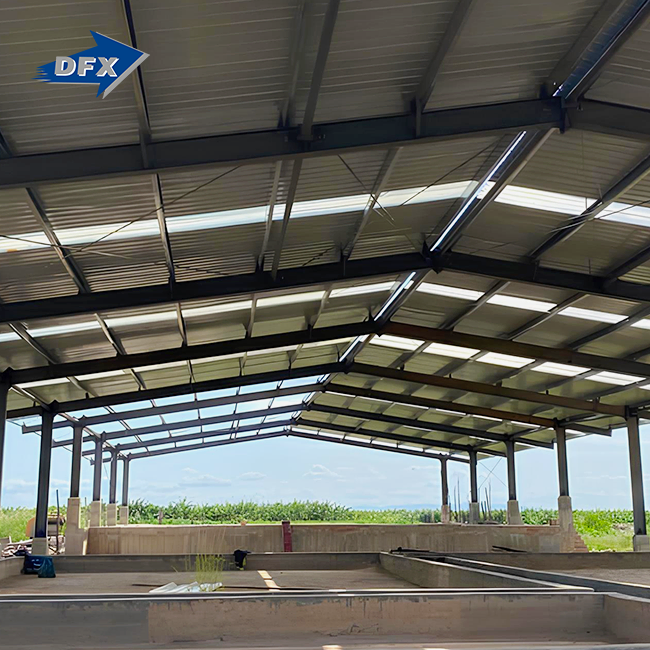
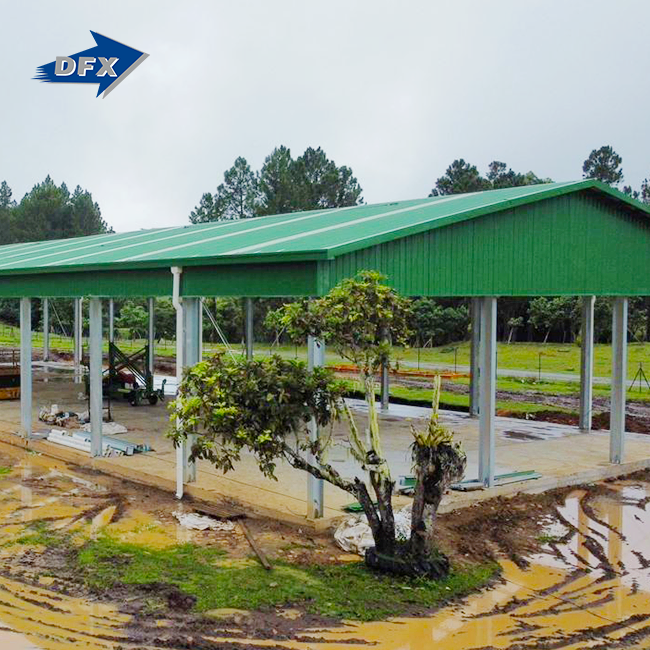
When I talk to school officials and building managers about modern building methods, they get really excited Steel Structure School Building when we talk about steel structure solutions. It's more than just a building to get a Steel Structure School Building; it's an investment that helps many schools solve important problems right now. These buildings use lightweight envelope materials and pre-engineered steel frames, which usually have H-beams and box columns. This makes the learning spaces faster to build, safer in case of accidents, and better able to adapt to changing educational needs. Just the speed of building can cut months off of normal schedules, so schools can open on time without lowering safety or quality standards.

Why Educational Institutions Are Choosing Steel Construction
I've seen the education sector accept structural steel for good reasons over the past ten years. A standard concrete school can take anywhere from 18 to 24 months to build. Because they are made off-site, steel-framed buildings cut that time by 30 to 50 percent. While workers prepare the foundation, our plant makes precise parts out of Q355B steel, which has a yield strength of more than 345 MPa.
Almost every school system has to deal with budget problems. The prices of steel construction are predictable because the parts are made in a controlled factory environment. The weather delays that normally happen on concrete jobs don't matter as much. A procurement manager from a school district in Texas told me that their new middle school wing cost $1.2 million less when they switched from concrete to steel.
Safety in schools is still something that can't be compromised. Steel's great ductility makes it very resistant to earthquakes. When there is an earthquake, the material bends instead of breaking, which keeps students and workers safe. In places where tornadoes or hurricanes are common, steel frames that are properly engineered can survive high winds that would damage other types of buildings.
Understanding the Technical Advantages for School Applications
Because of how it is made, structural steel is perfect for use in school buildings. We usually use high-strength steel with low alloys, such as ASTM A572 Gr.50, which has a tensile strength of 470 to 630 MPa. Because of this strength-to-weight ratio, columns and beams can be thinner than their concrete counterparts, which makes more classroom space useful.
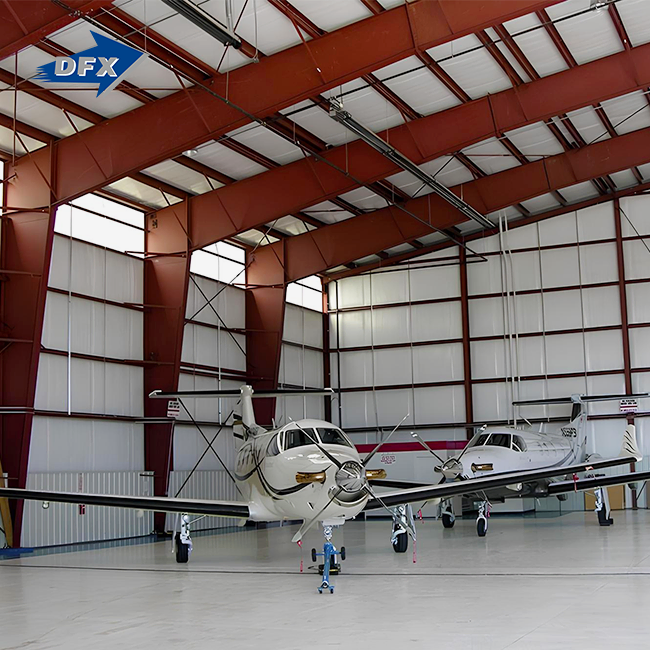
Large-span capabilities change how builders plan classrooms. In a traditional building, there must be a load-bearing wall or tower every 20 to 30 feet. Clear gaps longer than 100 feet are made with steel trusses or space Modular classroom frames. This is very important for modern gyms, cafeterias, performing arts centers, and places where people work together to learn. Open, flexible areas that don't block students' views are good for them.
Many managers who are thinking about steel buildings are worried about fire safety. Modern intumescent coatings spread when heated, keeping steel members safe and preventing damage for two to three hours. This fire-resistance grade meets or goes beyond what is needed for schools. When compartmentalisation and fire systems are used correctly, steel buildings are very good at keeping people safe.
Real-World Applications Across Educational Settings
I've seen steel construction solve diverse challenges across different school types. Elementary schools benefit from modular classroom configurations. As enrollment fluctuates, administrators can easily reconfigure interior spaces or add wings. Bolted connections allow future expansion without major structural modifications.
Modular classroom units constructed with steel frames offer particular advantages for growing districts. These prefabricated units arrive nearly complete, requiring only foundation preparation and utility connections. A California district added 12 classrooms in just six weeks using this approach, accommodating unexpected enrollment growth mid-school-year.
Secondary schools with specialized facilities showcase steel's versatility. Science labs require extensive utility runs and flexible layouts for equipment. Steel framing accommodates these needs without compromising floor-to-floor heights. One high school we worked with installed specialized HVAC systems for chemistry labs, hanging equipment directly from steel beams designed for those loads.
Vocational and technical schools particularly value steel construction's durability. Automotive programs, metalworking shops, and culinary facilities generate heat, noise, and vibration. Steel frames handle these dynamic loads without degradation. The robust structure supports overhead cranes, heavy ventilation systems, and specialized equipment that would challenge conventional buildings.

DFX's Approach vs. Standard Steel Building Suppliers
At Director Steel, we've refined our approach over 12 years of serving the education sector. Many suppliers simply sell components. We provide integrated solutions from architectural layout through installation guidance. Our in-house design team understands building codes across all 50 states, ensuring compliance before fabrication begins.
Our quality control process exceeds industry standards. We verify Mill Test Certificates for every steel batch, checking chemical composition and mechanical properties. During fabrication, our six automatic welded H-beam production lines maintain dimensional accuracy within 2mm tolerance. Pre-assembly trials in our 40,000 square meter facility catch potential issues before shipping.
Standard suppliers often outsource components, creating quality inconsistencies in modular classrooms. We manufacture everything—from primary framing to C/Z purlins, sandwich panels, and corrugated sheets—in our facility. This vertical integration ensures compatibility and eliminates finger-pointing when issues arise. Our annual capacity of 20,000 tons of welded sections and 50,000 square meters of panels means we handle large education projects without delays.
Sound insulation concerns many educators considering steel buildings. Our multi-layer wall systems incorporate rock wool or glass wool infill between steel studs, achieving Sound Transmission Class ratings above 50. This performance matches or exceeds traditional masonry construction, ensuring quiet learning environments. Double-glazed windows with thermally broken aluminum frames complete the acoustic envelope.
Smart Procurement Strategies for Educational Projects
When I advise school districts on steel building procurement, I emphasize several key strategies. Start with a comprehensive structural analysis early in planning. Engage a Safe steel structure specialist who understands educational occupancy requirements, seismic zones, and local snow/wind loads. This upfront investment prevents costly redesigns.
Value engineering should focus on lifecycle costs, not just initial construction expenses. Steel structures require minimal maintenance compared to concrete. Painting intervals extend 15-20 years with proper coating systems. The 50-100 year lifespan of galvanized steel framing far exceeds typical bonding periods, making it an excellent long-term investment.
Specify performance requirements rather than prescriptive details. Require welding procedures qualified to AWS standards rather than dictating specific weld sizes. This approach allows experienced fabricators to optimize designs while maintaining safety and quality. Include third-party inspection protocols, particularly for schools in seismic zones.
Delivery coordination matters enormously for occupied campus sites. We schedule deliveries during low-activity periods and sequence erection to minimize disruption. Steel's relatively quiet, dust-free installation allows schools to remain operational during expansion projects. Compare this to concrete work, which generates noise, dust, and vibration that disrupts nearby classrooms.
Maximizing Long-Term Performance and Flexibility
To get the most out of a steel structure school building, it needs to be carefully planned and well taken care of. If you want to grow in the future, you can build connections that can fit more bays or floors. We often put in reinforced foundation sections and columns that are too big in key spots, which greatly lowers the cost of future growth.
Space planning should be based on how flexible the interior is. Do not line up the mechanical, electrical, and water systems with where the partitions might go in the future. Steel framing makes it possible for long utility runs to go through Safe steel structure ceilings and floors. This system flexibility lets space managers change things as teaching methods change.
The use of technology in modern schools keeps growing. Putting up projectors, interactive screens, and distributed antenna systems is easier when the frame is made of steel. These loads can be put on the structure without any extra support. As technology in schools changes, the building changes with it without big changes.
Saving energy has a big effect on running budgets. Heating and cooling costs can go up if thermal bridges form through steel plates. To fix this, we use continuous insulation on the outside or insulated metal panels that block thermal routes. When high-performance windows and air barriers are added to steel buildings, they can have energy efficiency that is the same as or better than standard buildings.
Critical Considerations for School Steel Structures
When planning educational steel buildings, there are a few things that need extra attention. When designing a foundation, you have to think about concentrated column loads instead of the spread-out wall loads that are common in masonry buildings. If the dirt isn't good, you might need deeper footings or grade beams. Hire geotechnical engineers early on to escape surprises that cost a lot of money during construction.
In bigger buildings, expansion joints need to be carefully detailed. Steel buildings can move several inches due to temperature over 300-foot lengths. When joints are designed correctly, outer finishes don't crack, and weathertight envelopes are kept up. These small features are very important for long-term durability.
Compliance with accessibility standards is more than just ramps and doors. The riser heights, tread depths, and handrail standards for steel stairs must be met by the design. When designing, lift systems need to be coordinated with the framing of the building. These things keep expensive changes from happening during building.
There are times when local building codes have rules for standard construction, safe steel structures that don't directly apply to steel framing. Talk to the authorities right away to make sure everyone understands what the fire ratings, horizontal force-resisting systems, and deflection limits mean. This proactive method keeps the permit review process from being held up.
No matter the temperature, managing moisture is important. Even though steel doesn't rot as wood does, condensation can damage it if the insulation and vapour barriers aren't installed correctly. When it's hot outside, air conditioners have to control the dew points inside. Vapour retarders need to be carefully placed in cold regions to keep wall assemblies from condensing.

Conclusion
Steel buildings have changed the way educational facilities are built by cutting down on time, improving safety, and providing great long-term value. Because it is structurally efficient, allows for more design options, and requires less upkeep, steel framing is perfect for schools that are trying to stay within their budgets while also adding more students. As building rules change and new ways of building are discovered, steel structures will continue to lead the way in making learning spaces that are more durable and flexible. When school districts use this tried-and-true technology, it works reliably for decades and gives students safe, comfortable places that support modern teaching methods.
FAQ
Q1: How long does a steel structure school building actually last?
A: With proper corrosion protection through hot-dip galvanization or high-performance coating systems, the primary steel frame lasts 50-100 years. This lifespan exceeds most school district bonding periods. Regular maintenance focusing on coating integrity ensures structures serve multiple generations of students. The steel itself doesn't deteriorate like concrete, which can suffer from reinforcement corrosion or alkali-aggregate reactions.
Q2: Can we expand or modify the building later?
A: Absolutely. Steel construction offers exceptional adaptability. Bolted connections allow structural modifications without demolition. We can add wings, extend existing buildings, or reconfigure interior layouts much more easily than with concrete structures. When designing your initial building, mention future expansion plans. We'll incorporate connection points and foundation provisions that reduce future costs by 40-60%.
Q3: What about noise between classrooms?
A: Modern steel-framed schools achieve excellent acoustic performance through multi-layer wall assemblies. We install mineral wool or glass fiber insulation between steel studs, then apply multiple layers of gypsum board. This system achieves Sound Transmission Class ratings of 50-55, meeting or exceeding most education specifications. Proper detailing at floor-to-floor connections prevents flanking noise paths.
Q4: How does steel perform during earthquakes?
A: Steel structures provide superior seismic performance compared to rigid concrete frames. The material's ductility allows it to deform during seismic events without sudden failure. Properly designed moment frames or braced frames dissipate earthquake energy through controlled yielding. Schools in California, Alaska, and other high-seismic zones increasingly choose steel for this life-safety advantage.
Partner with DFX for Your Next Educational Building Project
As a specialized Steel Structure School Building manufacturer with over 12 years of experience, Director Steel brings proven expertise to education projects across the United States. Our ISO-certified production facility and CE-certified products ensure compliance with international standards. From initial design consultation through final installation guidance, we support your project team at every phase. Contact Jason at jason@bigdirector.com to discuss how our integrated approach to structural design, fabrication, and installation support can deliver your next school building faster, safer, and more cost-effectively than traditional methods.
References
1. American Institute of Steel Construction (2016). Seismic Design Manual, 3rd Edition. Chicago: AISC Publications.
2. Brown, Michael & Patterson, Laura (2019). Sustainable School Design: Energy Efficiency in Educational Buildings. New York: Academic Press.
3. National Association of School Facility Administrators (2018). Modern Construction Methods for K-12 Education. Washington D.C.: NASFA Press.
4. Thompson, David R. (2020). Structural Steel Design for Architects and Engineers. Boston: Engineering Publications Ltd.
5. Williams, Jennifer K. (2021). "Lifecycle Cost Analysis of School Building Construction Methods," Journal of Educational Facilities Planning, Vol. 34, No. 2, pp. 45-67.
6. Zhang, Wei & Anderson, Robert (2017). Pre-Engineered Metal Buildings: Design and Construction Practice. London: Construction Technical Institute.
Learn about our latest products and discounts through SMS or email