- English
- French
- German
- Portuguese
- Spanish
- Russian
- Japanese
- Korean
- Arabic
- Greek
- German
- Turkish
- Italian
- Danish
- Romanian
- Indonesian
- Czech
- Afrikaans
- Swedish
- Polish
- Basque
- Catalan
- Esperanto
- Hindi
- Lao
- Albanian
- Amharic
- Armenian
- Azerbaijani
- Belarusian
- Bengali
- Bosnian
- Bulgarian
- Cebuano
- Chichewa
- Corsican
- Croatian
- Dutch
- Estonian
- Filipino
- Finnish
- Frisian
- Galician
- Georgian
- Gujarati
- Haitian
- Hausa
- Hawaiian
- Hebrew
- Hmong
- Hungarian
- Icelandic
- Igbo
- Javanese
- Kannada
- Kazakh
- Khmer
- Kurdish
- Kyrgyz
- Latin
- Latvian
- Lithuanian
- Luxembou..
- Macedonian
- Malagasy
- Malay
- Malayalam
- Maltese
- Maori
- Marathi
- Mongolian
- Burmese
- Nepali
- Norwegian
- Pashto
- Persian
- Punjabi
- Serbian
- Sesotho
- Sinhala
- Slovak
- Slovenian
- Somali
- Samoan
- Scots Gaelic
- Shona
- Sindhi
- Sundanese
- Swahili
- Tajik
- Tamil
- Telugu
- Thai
- Ukrainian
- Urdu
- Uzbek
- Vietnamese
- Welsh
- Xhosa
- Yiddish
- Yoruba
- Zulu
Custom Steel Structure Residential Garage Buying Guide
Picking the Right Custom Steel Building. To build a residential garage, you need to know about Steel Structure Residential Garage's current engineering solutions that go beyond traditional building methods. A Steel Building Precision-engineered steel parts like H-beams, C/Z purlins, and galvanised frames are used in a residential garage to make a long-lasting and cost-effective way to store cars. This buying guide walks you through important things to think about, such as structural specifications and choosing a supplier. It is meant to help project managers, manufacturing investors, and construction contractors make smart purchasing choices that balance quality, delivery speed, and long-term performance.

Why Steel Frame Garages Are Revolutionizing Residential Storage
Traditional garage building has problems that never go away, like delays caused by bad weather, a lack of workers, and materials that don't match up. Building a shed out of steel takes care of these problems with factory-controlled accuracy. When compared to traditional ways, the prefabricated steel garage method cuts the time needed to put it together on-site by almost half.
Companies that make things and are growing their facilities, like the clear-span features. Moving tools around is much easier when there aren't any interior columns blocking the floor. Agricultural businesses that store big pieces of equipment benefit from being able to change the sizes, which isn't possible with wood framing.
The problems that come up in coastal areas are special because the salt air speeds up rusting. Marine-grade coatings on home metal garages can stand up to harsh environmental conditions that would destroy regular materials in just a few years. When construction contractors in humid areas mention properly treated steel garage panels, they get a lot fewer warranty claims.
The edge in strength-to-weight means that less foundation is needed. Even though concrete footings are still needed, the total volume is smaller than with masonry options. This saves money on materials without affecting the strength of the structure. Farmers who are watching their budgets and small factories that make things will both like how efficient this is.
Understanding Steel Garage Materials and Specifications
Lifecycle efficiency is based on the choice of material. The backbone of the Metal home garage is made of high-tensile carbon steel that has a stress strength of more than 345 MPa. For single-vehicle uses, light-gauge steel framing that has been galvanised with G90 works well, while heavy-duty H-sections are better for multi-bay layouts and workshop areas that are built in.
Protection against corrosion goes beyond just galvanising. Using 600 grams of zinc per square metre in hot-dip methods makes protective zinc layers that last for decades on end. Epoxy primers that are high in zinc provide extra protection in tough conditions. Managers in charge of buying things should check mill certificates that list the materials' chemical makeup and mechanical qualities against ASTM or GB standards.
Connection methods affect how fast things are put together and how well they hold up. Pre-punched bolt holes made to 2mm standards get rid of the need for changes in the field that slow down projects. Welded joints need non-destructive testing methods, like ultrasonic checking, which finds flaws inside the joint that can't be seen with the naked eye. In procurement deals, engineering directors should spell out the standards for inspections.
Surface treatments make things last a lot longer. Before finishing is applied, mill scale is removed by sandblasting to a grade of Sa 2.5. Check that the primer and finish layers meet the minimum requirements by measuring the thickness of the dry film. Total coating systems with a thickness of more than 120 microns can handle wear and tear during shipping and installation.
Design Considerations for Different Applications
The most basic purpose of a garage is to store cars, but modern steel garage design can meet a wide range of needs. A steel garage for two cars usually has a width of 6-7 meters, but a workshop needs a width of 9–12 meters. When storing RVs or installing car lifts, clear height is important. Avenues with heights of 3.5 meters or more keep clearance issues from happening.
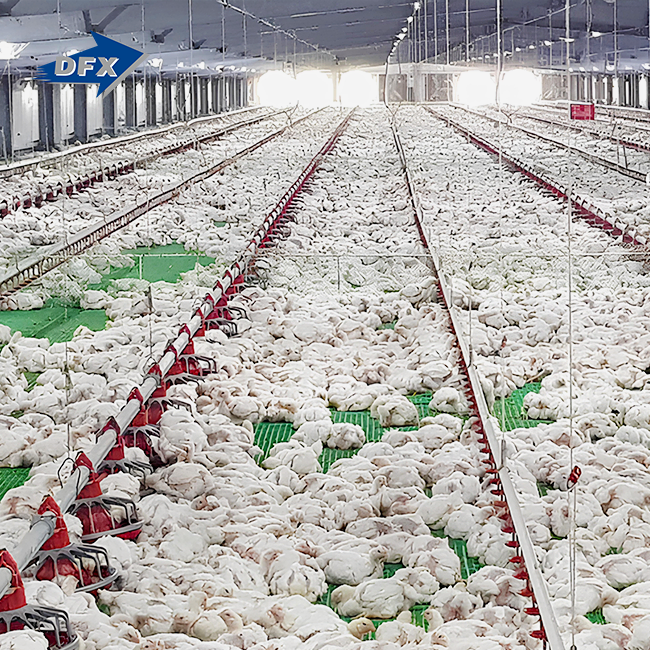
Agricultural businesses that store tools for processing poultry need to be able to clean them. Closed-section framing stops water from getting inside and causing rust. Integrating floor drains and coatings that don't absorb water protects against constant humidity. Ventilation design stops condensation that harms cars and stored equipment.
Better electrical infrastructure is needed in manufacturing sites that store vehicles and do light industrial work. Purlins with pre-punched service holes make it easier to route cable. When maintenance bays have lifting tools, load calculations need to take overhead crane installations into account. During the first planning meetings, operations managers should make sure that these needs are communicated.
The choice of door affects how well it works and how safe it is. Climate-controlled rooms are good places for sectional overhead doors with insulated walls. Rolling steel doors are durable and can handle a lot of use. Side-entry doors for Metal home garage employees should have weatherstripping and locksets that meet security standards.

Evaluating Suppliers and Manufacturing Capabilities
A manufacturer's production capacity shows how well they can meet project deadlines. Large orders can be filled without delays that slow down building schedules at facilities with multiple welded H-beam lines. Before making a commitment to a supplier, EPC contractors with tight deadlines should check the yearly tonnage capacity.
Certification demonstrates quality system maturity. ISO compliance ensures consistent manufacturing processes. CE certification confirms European standard conformance, critical for international projects. Procurement managers should request certificate copies and verify their validity through issuing bodies.
Manufacturing technology affects precision and efficiency. Automated cutting and drilling equipment produces components with tighter tolerances than manual processes. CNC plasma cutting creates clean edges requiring minimal finishing. Welding robots deliver consistent bead quality and penetration depth.
Geographic location impacts logistics costs and lead times. Domestic suppliers often provide faster delivery but may lack specialized expertise. Established Chinese manufacturers like Qingdao Director Steel Structure Co., Ltd. combine competitive pricing with extensive experience across industrial, agricultural, and commercial applications. Their 40,000-square-meter production facility and 200-person workforce handle complex projects that smaller fabricators cannot accommodate.
Installation and Assembly Planning
Site preparation begins before steel arrival. Foundation layout requires precision—anchor bolt positioning within 3mm tolerances prevents costly adjustments. Concrete curing schedules must align with delivery dates to avoid demurrage charges or storage complications.
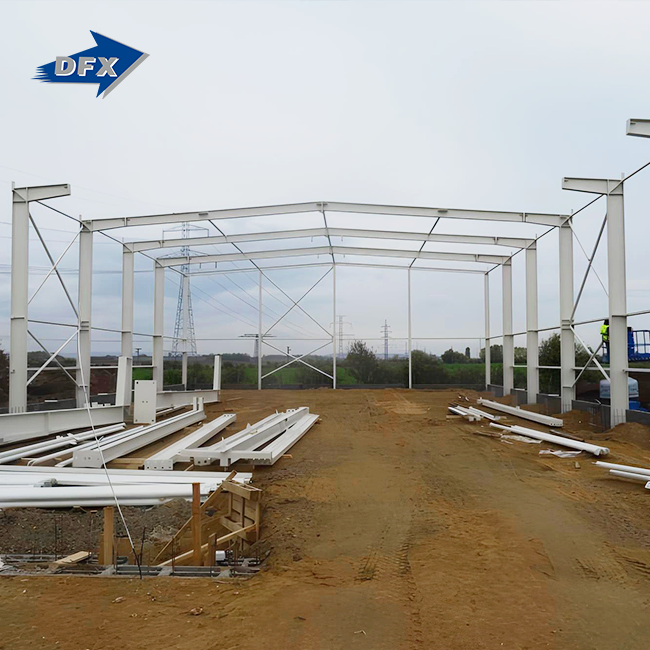
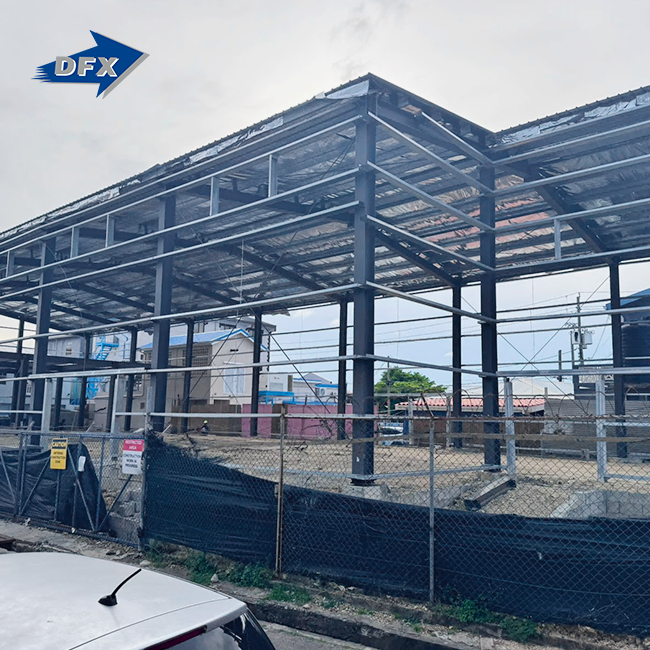
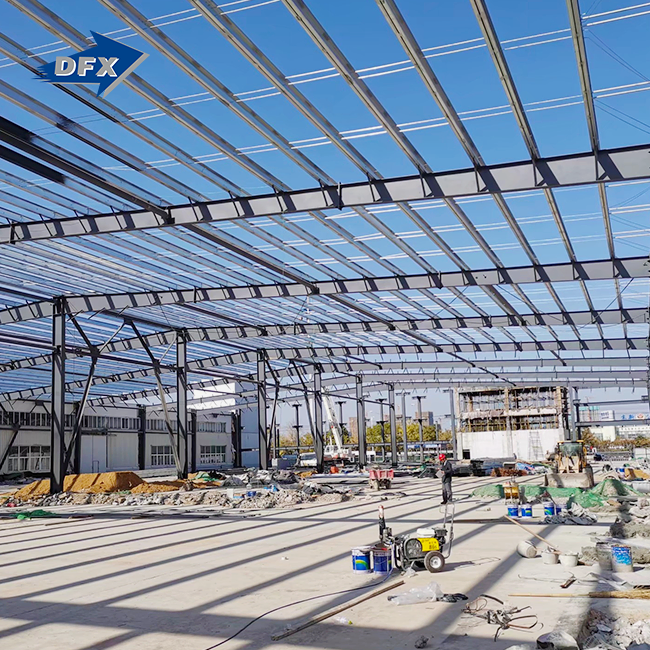
Erection sequencing affects project duration. Primary frames establish structural geometry. Secondary purlins and girts follow logical progressions. Cladding installation proceeds from bottom courses upward, with fastener spacing meeting wind uplift requirements. Contractors inexperienced with steel garage installation benefit from suppliers offering technical supervision.
Weather protection during construction prevents coating damage and moisture infiltration. Tarp systems shield materials awaiting installation. Accelerated schedules reduce weather exposure risks. Procurement managers should discuss seasonal construction implications with suppliers during planning phases.
Connection inspection ensures structural integrity. Bolt torque verification 2-car steel garage using calibrated wrenches confirms proper preload. Weld inspection identifies defects requiring repair. Properly executed connections develop the full strength that engineering calculations assume.
Cost Analysis and Budget Planning
Material costs fluctuate with steel market conditions. Locking prices through confirmed purchase orders protects against volatility during long lead times. Quantity discounts incentivize consolidating multiple building needs into a single procurement.
Shipping represents a significant expense for international sourcing. Container optimization reduces per-ton freight costs. Understanding Incoterms clarifies responsibility boundaries—FOB, CIF, and DDP terms affect total landed costs differently. Experienced suppliers assist with logistics planning that minimizes expenses.
Labor costs depend on regional wage rates and crew experience. Prefabrication reduces field labor hours substantially compared to conventional construction. Installation typically requires smaller crews working shorter durations, offsetting higher material costs through labor savings.
Lifecycle cost analysis reveals long-term value. Minimal maintenance requirements reduce operating expenses over decades. Energy-efficient insulation lowers heating and cooling costs for conditioned spaces. Durability eliminates replacement cycles that plague wood-frame structures.
Navigating Regulations and Building Codes
Local jurisdictions enforce varying structural requirements. Wind load maps, seismic zones, and snow load tables determine design criteria. Building officials review calculations and drawings before issuing permits. Suppliers familiar with international codes help navigate regulatory complexity.
Foundation inspections occur before concrete placement. Structural inspections verify framing compliance during erection. Final inspections confirm completion meets approved plans. Understanding inspection sequences prevents work stoppages.
Setback requirements limit building placement relative to property lines. Height restrictions may constrain eave elevations or ridge heights. Homeowner association rules sometimes regulate appearance through color or architectural style requirements. Due diligence during planning prevents costly redesigns.
Electrical and mechanical systems require separate permits and inspections. Coordinating multiple trades demands careful scheduling. Steel framing accommodates these systems easily when properly planned during design phases.
Maintenance and Long-Term Performance
Preventive maintenance extends structural life beyond design expectations. Annual inspections identify minor issues before they escalate. Gutter cleaning prevents water accumulation that accelerates corrosion. Fastener checks detect loosening of the 2-car steel garage from thermal cycling or vibration.
Coating touch-up addresses scratches and abrasions that expose base metal. Small repair areas respond well to brush-applied systems matching original specifications. Neglected damage spreads rapidly, eventually requiring expensive recoating.
Door mechanisms need periodic lubrication and adjustment. Track alignment affects operational smoothness and seal effectiveness. Spring tension adjustments compensate for door weight changes when modifying storage configurations.
Drainage systems require monitoring in high-precipitation areas. Downspout extensions direct water away from foundations. French drains prevent moisture accumulation under floor slabs.
Documented maintenance history supports warranty claims and demonstrates care during resale. Simple record-keeping—inspection dates, repairs performed, coating touch-ups—provides valuable documentation.
Making the Final Decision
Successful steel garage procurement balances multiple factors. Technical specifications ensure structural adequacy and durability. Supplier capabilities determine whether projects are completed on schedule without complications. Cost analysis confirms budgets align with requirements.
Reference projects demonstrate real-world performance. Requesting contact information for similar installations allows direct feedback from existing customers. Site visits reveal construction quality and long-term appearance.
Warranty terms protect against manufacturing defects and premature failures. Understanding coverage duration, exclusions, and claim procedures prevents disappointments. Reputable suppliers stand behind products with comprehensive protection.
The decision ultimately rests on confidence that suppliers deliver promised quality, service, and value. Thorough evaluation processes identify partners worthy of trust and capable of meeting exacting standards that construction contractors, manufacturing operations, and agricultural enterprises demand.
This comprehensive guide equips decision-makers with the knowledge needed for successful garage steel structure procurement. Understanding materials, evaluating suppliers, planning installation, and maintaining completed buildings ensures projects deliver lasting value and performance that justifies investment decisions.
Partner with DFX for Your Steel Structure Residential Garage
Director Steel Structure Co., Ltd. brings over a decade of specialized Steel Structure Residential Garage expertise as a trusted steel structure residential garage manufacturer. Our 20,000-ton annual production capacity, CE and ISO certifications, and comprehensive design-through-installation services eliminate procurement complexity. Whether you're a construction contractor sourcing project supplies or a manufacturing investor building new facilities, our engineering team provides technical support from concept to completion. Contact jason@bigdirector.com today for customized solutions that meet your exact specifications and timeline requirements.
References
1. American Institute of Steel Construction. (2022). Specification for Structural Steel Buildings (AISC 360-22). Chicago: AISC Publications.
2. Fisher, J.M., & Kloiber, L.A. (2020). Design Guide 25: Frame Design Using Web-Tapered Members (Second Edition). American Institute of Steel Construction.
3. European Committee for Standardization. (2021). Eurocode 3: Design of Steel Structures - Part 1-1: General Rules and Rules for Buildings (EN 1993-1-1). Brussels: CEN Publications.
4. Newman, A. (2019). Metal Building Systems: Design and Specifications (Third Edition). New York: McGraw-Hill Professional.
5. Tamboli, A.R. (2018). Handbook of Structural Steel Connection Design and Details (Third Edition). New York: McGraw-Hill Education.
6. Woolcock, S.T., & Kitipornchai, S. (2021). Design of Portal Frame Buildings (Fourth Edition). Melbourne: Steel Construction Institute Australia.
Learn about our latest products and discounts through SMS or email