- English
- French
- German
- Portuguese
- Spanish
- Russian
- Japanese
- Korean
- Arabic
- Greek
- German
- Turkish
- Italian
- Danish
- Romanian
- Indonesian
- Czech
- Afrikaans
- Swedish
- Polish
- Basque
- Catalan
- Esperanto
- Hindi
- Lao
- Albanian
- Amharic
- Armenian
- Azerbaijani
- Belarusian
- Bengali
- Bosnian
- Bulgarian
- Cebuano
- Chichewa
- Corsican
- Croatian
- Dutch
- Estonian
- Filipino
- Finnish
- Frisian
- Galician
- Georgian
- Gujarati
- Haitian
- Hausa
- Hawaiian
- Hebrew
- Hmong
- Hungarian
- Icelandic
- Igbo
- Javanese
- Kannada
- Kazakh
- Khmer
- Kurdish
- Kyrgyz
- Latin
- Latvian
- Lithuanian
- Luxembou..
- Macedonian
- Malagasy
- Malay
- Malayalam
- Maltese
- Maori
- Marathi
- Mongolian
- Burmese
- Nepali
- Norwegian
- Pashto
- Persian
- Punjabi
- Serbian
- Sesotho
- Sinhala
- Slovak
- Slovenian
- Somali
- Samoan
- Scots Gaelic
- Shona
- Sindhi
- Sundanese
- Swahili
- Tajik
- Tamil
- Telugu
- Thai
- Ukrainian
- Urdu
- Uzbek
- Vietnamese
- Welsh
- Xhosa
- Yiddish
- Yoruba
- Zulu
Automated feeding system integration in steel poultry hangars
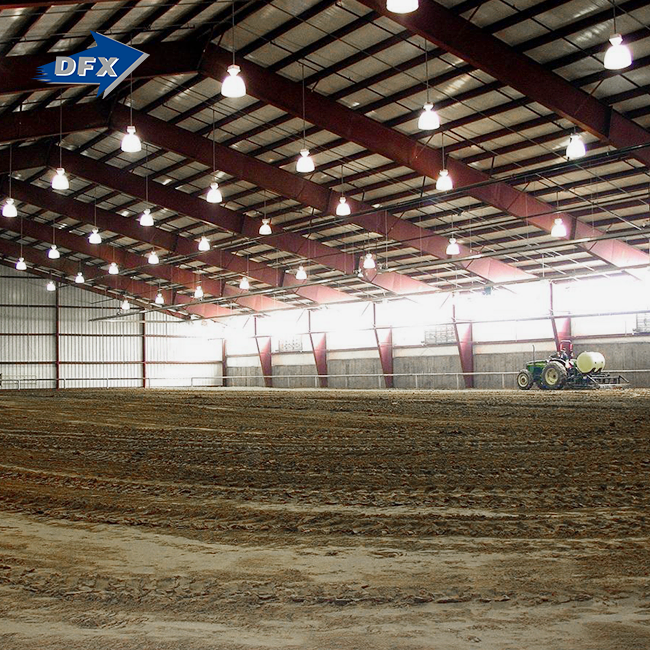
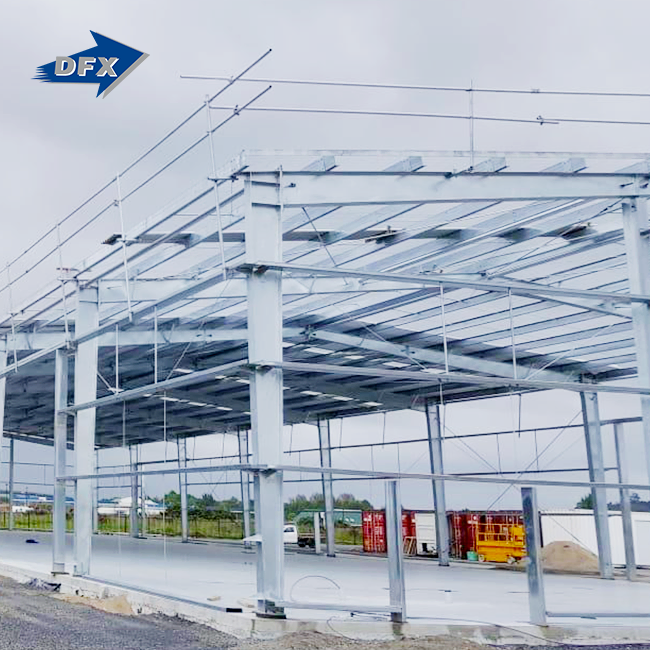
Putting an automated food system into Steel Chicken Poultry Hangars is a revolutionary way to farm chickens in the 21st century, combining precise feed delivery with strong infrastructure. Farm owners can greatly improve the effectiveness of their workers, the feed conversion ratio, and the regularity of their flocks by putting together advanced feeders, sensors, and control units in a Steel Chicken Poultry Hangar. This combination gets rid of the problems that come with feeding by hand and takes advantage of the structural benefits of hot-dip galvanized steel frames made for farming settings. The end result is a biosafe, climate-controlled work area that keeps birds healthy and makes the most money.

Understanding Automated Feeding Systems in Steel Poultry Hangars
These days, chicken farms need both reliable structures and precise technology. The synergy is instantly clear when we look at the connection between building design and feeding robotics.
Core Components of Automated Feeding Systems
An automated food system that works well has many parts that are all linked and work together. Feed storage tanks are linked to auger or chain feeders that send exactly measured meals all over the hangar. Sensors constantly check the amount of feed in pans or troughs, and they start replenishment processes based on how much is actually being used, not on set plans. These parts are all built into control units, which let workers change food plans based on the flock's age, weight goals, and nutritional needs. This teamwork cuts down on waste a lot while still making sure that every bird gets enough food during important growth stages.
Addressing Integration Challenges
Procurement managers often worry about how reliable the power source is and how well it works with other systems. Some chicken farms that are far away may not have stable power connections, so they need backup generators or solar panels to keep running. We suggest that you figure out how much power you'll need early on in the planning process, taking into account the highest demand when all of the feed motors are running at the same time. Another thing to think about is how to match the feed system's ability to the hangar's size and stocking density. Undersized systems have trouble keeping up with chicken farm building with feeding plans when plants are growing quickly, and large equipment costs more up front without giving the same return. Structural fit is more than just the ability to hold weight. Feed lines need to be able to handle thermal growth when temperatures change, especially in places where yearly changes are very big. Our engineering team creates mounting systems with changeable frames that keep the steel purlins in the right place all year long without putting stress on them.
Designing Steel Poultry Hangars for Optimal Automated Feeding Integration
For integration to work, the architecture needs to be carefully planned so that it takes into account where to put tools and how operations will run.
Architectural Considerations for Feed Line Routing
The structure of a Steel Chicken Poultry Hangar has a direct effect on how well the chickens are fed. We put feed storage bins next to the gable end of the hangar so that feed doesn't have to travel too far to get to its distribution spots. Most internal plans have a center feed line that runs the length of the building and branches that serve each feeding station. Compared to perimeter route systems, this setup lowers the load on the motors and the amount of energy it uses. When allocating space, it's also important to think about how to make sure that workers can get to motors, sensors, and augers for repair without stopping work in other areas. Layouts that focus on ventilation work well with automated food systems because they keep the air quality in the whole building at its best. Tunnel ventilation systems create negative pressure in places that get rid of ammonia and dust, which is good for birds and sensitive electronics. Our building plans include sealed service passageways that keep electrical systems and feed control panels away from production areas. This keeps equipment working longer and makes fixing easier.
Safety Features for Equipment and Flock Protection
Automated systems need fail-safe features to make sure that bird care isn't affected when equipment breaks down. There are emergency stop keys all over the hangar that can be used right away to turn off the power if the feed lines get clogged or the motors get too hot. Feed level alarms let workers know when storage silos need more goods before they run out completely. During the manufacturing phase, we make sure that these safety systems are properly connected to the building's electrical design. This way, we can protect the circuits and provide backup power. Birds and accidental damage to electronics can't get through physical walls. Enclosed electrical junction boxes and feed motors keep dust and rodents out, which are two typical reasons why systems fail in farm settings. Our steel buildings are made with a rigid portal frame that holds these protective shelters without affecting the buildings' structural stability or blocking airflow.
Procurement Guide: Selecting the Right Automated Feeding System for Steel Poultry Hangars
To pick the right feeding for a chicken farm building robotics, you have to weigh technical requirements against practical needs and price limits.
Evaluating System Compatibility and Scalability
To choose the right system, you must first accurately evaluate your current wants and your goals for future growth. A 12 m x 60 m broiler house with 15,000 birds needs a different amount of feed distribution capacity than a 20 m x 100 m Steel Chicken Poultry Hangar layer house with multiple levels of cages. We help buying managers figure out how much feed line capacity they need based on the number of birds, how fast they grow, and how often they feed them. Scalable systems let you apply them in stages, so farms can gradually automate as money comes in instead of having to pay for everything all at once. Compatibility extends to control system architecture. Environmental devices that handle lighting, ventilation, and heating systems are often built into modern feeding equipment. If you buy parts from companies that support open communication standards, you can avoid being locked into one seller and make upgrades easier in the future. We look at how well suppliers have kept their guarantee promises and provided quick technical help. This is especially important when buying parts from other countries, where shipping may take longer.
Supplier Reliability and After-Sales Support
Suppliers that have been around for a while and have a history of selling poultry tools can give you more confidence in the long-term availability of parts and professional support. In the twelve years we've been working with farming clients, we've teamed up with feeding system makers who keep large stocks of spare parts and offer remote help for fixing problems. This relationship was very helpful when a client in the southeast US had sensor failures during a heat wave; new parts came within 48 hours, which kept production running as smoothly as possible. Full after-sales help should include training on how to put the product together, teaching operators how to use it, and doing regular maintenance checks. We combine these services with our structural construction and installation advice to make sure that feeding systems work at their best from the start. It's important to carefully read the warranty terms, especially the parts that cover electronic parts that are used in harsh farming settings.

Installation and Maintenance Best Practices for Automated Feeding Systems in Steel Hangars
Installing something correctly sets it up to work reliably for years to come, and regular care keeps it running well and stops expensive problems.
Coordinating Installation with Construction Timelines
To complete a job successfully, the people putting up the Steel Chicken Poultry Hangar structures and installing the tools must work together closely. Feed lines are attached to purlins and bracing systems that are built in during the building phase. This means that planning ahead is needed to make sure that the right fixing points are available in the right places. We give detailed shop plans that show where to connect equipment, so once the structural shell is finished, fitters of the feeding system can get to work quickly. This teamwork keeps delays from happening because of poor support systems or problems with access. Professional installation services make sure that systems work the way the maker says they should and meet local building standards for farm buildings. To properly tighten chain feeders, align auger sections, and calibrate sensors, you need to know how to do these things and have the right tools. Our installation instructions go over these basic Climate control requirements as well as site-specific issues like uneven ground or hard-to-reach places that might mean different installation steps need to be taken.
Managing Spare Parts and OEM Components
A strategic stockpile of extra parts cuts down on downtime when parts break down without warning. Depending on how old the equipment is and how often it is used, we suggest keeping things like sensors, motor contactors, and chain links in stock. Original equipment maker (OEM) parts are more likely to fit and work properly than aftermarket alternatives, which might seem cheaper at first but aren't reliable in harsh agricultural situations. Getting in touch with local distributors who run regional stores can cut wait times by a lot compared to buying directly from makers overseas.
Future Trends and Innovations in Automated Feeding Systems for Steel Poultry Hangars
The chicken business is still changing quickly, with the use of technology changing how things are done and how competition works.
IoT Integration and Data-Driven Management
When connected to the internet, things like feeding systems go from being automatic machines to smart data tools. Keeping an eye on how much feed is eaten in different parts of the barn in real time shows changes in the health and growth of the flock that could not be seen by looking at them by hand. Cloud-based analytics systems collect data from many sources, which helps business management teams find the best ways to do things and systematically fix areas where they aren't working. These skills are especially useful for EPC workers who are in charge of big Steel Chicken Poultry Hangar farms with lots of separate houses. Predictive maintenance algorithms look at sensor data to see when parts will break down so that preventative changes can be scheduled during planned downtime instead of emergency breakdowns. This method cuts down on upkeep costs and makes the system more reliable, both of which are very important for businesses where every day of production delay means big money lost.
Sustainability and Energy Efficiency Advances
Environmental factors are becoming more and more important in choosing tools and designing buildings. Variable-frequency drive motors change the speed of the feed line based on real demand. This uses less energy during times of low activity than constant-speed options. Adding solar power lowers the cost of energy from the grid and provides a backup power source in case the utility goes out, which is especially useful in rural farming areas. Our farm steel buildings are made to be lightweight and can hold solar panels on the roof thanks to the designed truss systems that can handle extra weight without weakening the structure. Building materials that are good for the environment include more than just a steel frame. They also include low-emission coatings and reusable sandwich panel cores that make new construction projects less harmful to the environment. These environmentally friendly methods are in line with what Climate control more and more people want from food production, and they might also help projects get green building benefits and better loan terms.
Competitive Advantages Through Advanced Automation
Early users of integrated automation systems gain measured competitive benefits by converting feeds more efficiently and needing less labor. Using advanced climate control that is tied to feeding plans makes birds more comfortable and improves their growth, so farms can get broilers ready for the market several days earlier than usual. This speeding up adds up over many groups every year, which greatly increases the use of facilities and returns on investment. As government rules change, producers will be in a better situation if they can adapt to new business standards. Automated data collection makes it easier to track food, which supports food safety rules and quality control programs that big stores and food service businesses want. When purchasing managers look at long-term investments, they should give more weight to systems that can be upgraded in a way that works with new technologies without having to be replaced completely.

Conclusion
Adding an automated feeding system to Steel Chicken Poultry Hangars is a tried-and-true way to improve long-term revenue, operational efficiency, and bird comfort. Hot-dip galvanized steel frames are strong and durable, which makes them perfect for precision feeding technology. They also support clear-span plans that make it easier to install and maintain equipment. Careful attention to design factors, purchasing standards, and best practices for installation makes sure that systems give the benefits that were expected from the time they are commissioned for decades of reliable service. As IoT and sustainable features keep getting better, investing early in good infrastructure sets chicken businesses up for long-term success in a market that is becoming more demanding.
FAQ
1. What structural features should I prioritize when selecting a steel building for automated feeding?
Clear-span construction, which doesn't have any interior columns, lets feed lines run freely throughout the plant. To withstand the harsh conditions of a chicken house, ask for hot-dip galvanized framing with a zinc covering of at least 275 g/m². The right amount of roof height allows for hanging feed lines and enough space for repair workers to get to them. Insulated sandwich panels keep the temperature stable and protect delicate electronic parts.
2. How do I determine the right feeding system capacity for my operation?
Find out how much food is eaten every day by looking at the number of birds and the average amount each animal eats at different stages of growth. Add 20 to 30 percent to the capacity gap to account for times of high demand and future growth. Check to see if the feed distribution system can finish delivery cycles in the time you need it to. During times of high usage, full pan or trough refilling usually takes 15 to 20 minutes.
3. What maintenance schedule should I implement for automated feeding equipment?
Visually check the feed lines, motors, and sensors once a week, and fix any odd wear or loose parts right away. Follow the manufacturer's instructions and calibrate the sensors once a month and grease the motor every three months. Every year, you should plan a full system review that includes load testing and a check of the electrical connections. This will help you find problems before they become major problems.
Partner with DFX for Your Steel Chicken Poultry Hangar Solutions
Qingdao Director Steel Structure Co., Ltd. brings over twelve years of specialized experience to every poultry infrastructure project we undertake. Our comprehensive approach covers farm layout planning, structural design, fabrication, and installation guidance—delivering turnkey solutions that integrate seamlessly with your chosen automated feeding systems. As an ISO9001 and CE certified Steel Chicken Poultry Hangar manufacturer, we've supported agricultural enterprises, construction contractors, and EPC firms across multiple continents with structures engineered specifically for intensive poultry production. Our 40,000 square meters of production facilities and advanced fabrication equipment ensure quality control at every stage while maintaining competitive pricing through efficient project-based manufacturing. Reach out to our team at jason@bigdirector.com to discuss how our ventilation-oriented building designs and hot-dip galvanized steel construction can enhance your next broiler farm, layer house, or breeding facility project.
References
1. Bell, D.D. & Weaver, W.D. (2002). Commercial Chicken Meat and Egg Production. Fifth Edition. Springer Publishing, New York.
2. Donald, J. (2010). Optimizing Feed Conversion Efficiency in Broiler Production. Poultry Science Association Annual Conference Proceedings, Atlanta, Georgia.
3. Lacy, M.P. & Czarick, M. (2013). Tunnel-Ventilated Broiler Houses: Broiler Performance and Operating Costs. University of Georgia Cooperative Extension Service Bulletin 1084.
4. National Chicken Council. (2020). Animal Welfare Guidelines and Audit Checklist for Broiler Chickens. Washington, D.C.
5. Ramirez, B.C., Macklin, K.S., & Hess, J.B. (2018). Effects of Automated Feeding Systems on Broiler Performance and Feed Efficiency. Journal of Applied Poultry Research, 27(3), 412-419.
6. Yahav, S. & Tzschentke, B. (2017). Environmental Control in Poultry Production: Temperature, Light, and Air Quality Management. Advances in Poultry Welfare, Woodhead Publishing Series in Food Science.
Learn about our latest products and discounts through SMS or email