- English
- French
- German
- Portuguese
- Spanish
- Russian
- Japanese
- Korean
- Arabic
- Greek
- German
- Turkish
- Italian
- Danish
- Romanian
- Indonesian
- Czech
- Afrikaans
- Swedish
- Polish
- Basque
- Catalan
- Esperanto
- Hindi
- Lao
- Albanian
- Amharic
- Armenian
- Azerbaijani
- Belarusian
- Bengali
- Bosnian
- Bulgarian
- Cebuano
- Chichewa
- Corsican
- Croatian
- Dutch
- Estonian
- Filipino
- Finnish
- Frisian
- Galician
- Georgian
- Gujarati
- Haitian
- Hausa
- Hawaiian
- Hebrew
- Hmong
- Hungarian
- Icelandic
- Igbo
- Javanese
- Kannada
- Kazakh
- Khmer
- Kurdish
- Kyrgyz
- Latin
- Latvian
- Lithuanian
- Luxembou..
- Macedonian
- Malagasy
- Malay
- Malayalam
- Maltese
- Maori
- Marathi
- Mongolian
- Burmese
- Nepali
- Norwegian
- Pashto
- Persian
- Punjabi
- Serbian
- Sesotho
- Sinhala
- Slovak
- Slovenian
- Somali
- Samoan
- Scots Gaelic
- Shona
- Sindhi
- Sundanese
- Swahili
- Tajik
- Tamil
- Telugu
- Thai
- Ukrainian
- Urdu
- Uzbek
- Vietnamese
- Welsh
- Xhosa
- Yiddish
- Yoruba
- Zulu
What is the Multi-span Steel Workshop?
When I first started dealing with manufacturing Multi-span Steel Workshop and construction companies more than ten years ago, they always had the same question: how do we build huge production facilities without going over budget? The answer often came down to the multi-span steel workshop, which is a smart way to build things. This type of building has changed how businesses do large-scale construction by balancing low cost with useful design. This piece will tell you everything you need to know about multi-span steel workshops, from how they work technically to how they can be used in the real world.
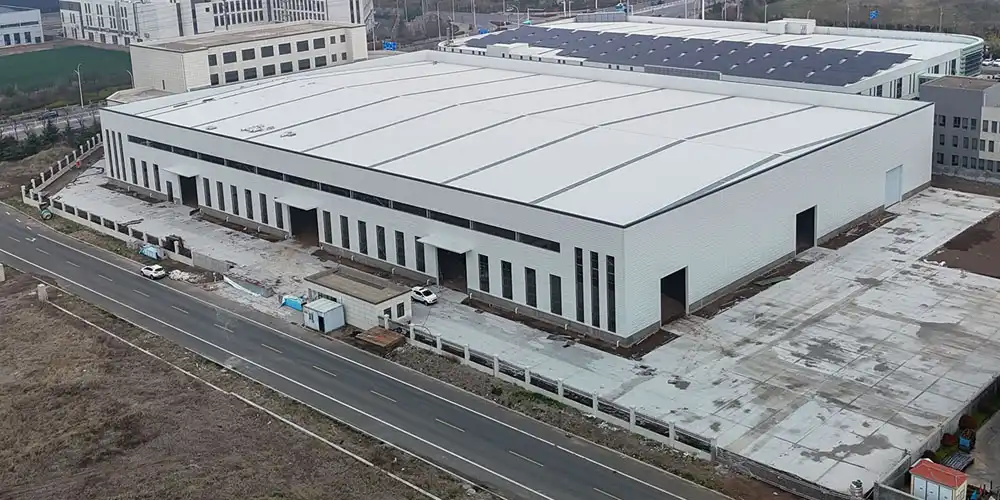
Understanding the Multi-span Steel Workshop: Definition and Core Structure
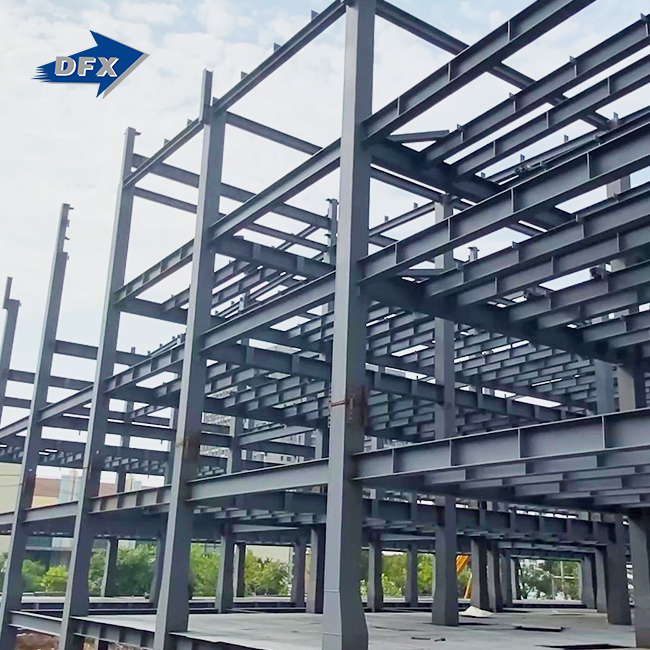
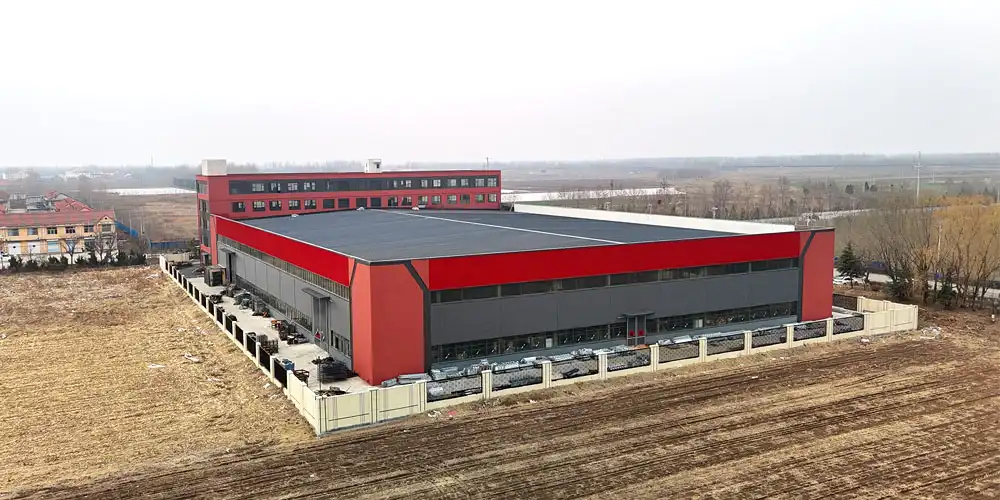
A multi-span steel workshop is a type of pre-engineered building that is intended to cover a large area for industrial use. The structure is held up by columns inside the building. In contrast to clear-span designs that depend only on exterior load-bearing walls—which become structurally inefficient and expensive after 30–40 meters—this system uses intermediate columns to spread the building's vertical loads evenly. The plan includes several portal frames that are linked laterally to make separate bays that can be used for different types of operations in the same building. This method cuts down on the cross-sectional size needed for steel bars and the total amount of steel used per square metre, which makes it the best choice for project managers who want to save money.
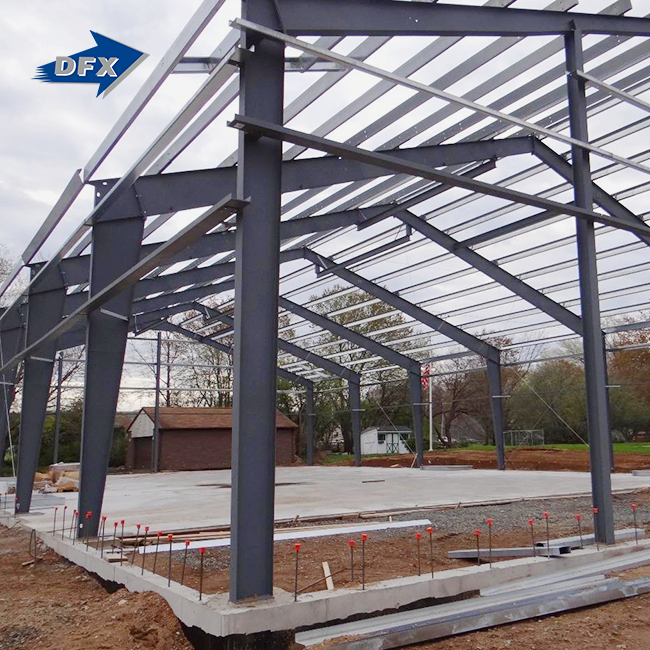
The basic structure is made up of welded H-section steel main frames that are usually made from Q235 or Q355 grade structural steel. The frames are joined together with bolted steel joints, and the roof and wall systems are held up by C and Z steel purlins. Because they are adaptable, these structures can grow in width by adding more spans, which makes them perfect for building projects that are done in stages.
The Industrial Challenge This Building Type Addresses
Manufacturing companies and EPC builders are always in a tough spot because they need huge covered areas for production lines, storage, and logistics, but the old ways of building either take too long or cost too much. Using traditional building methods, it might take 18 to 24 months for a big plant to go from the ground up to being fully operational. That schedule means lost money and taking longer to get into the market.
Many important problems can be solved by multi-span steel industries. They cut building times by a huge amount—most projects are finished in 25–47 days for fabrication and just a few weeks for on-site large-scale factory assembly. Because the structure is so efficient, procurement managers can save 15–30% on costs compared to other ways of making structures wider than 40 meters. The design also solves the problem of scalability: if your business grows, it's easy to add another span without stopping what you're already doing.
In the farming sector, I've seen chicken farm owners have trouble with older buildings' ventilation and climate control. Multi-span structures naturally have multiple ridges that can be used for ridge ventilation systems. These systems improve air quality and lower energy costs, which is very important for livestock facilities where controlling the environment has a direct effect on the health and productivity of the animals.
Core Features and Functional Capabilities
The engineering behind these workshops is based on making sure that the loads are spread out efficiently. The twisting moment on the rafters is lessened by the intermediate columns, which makes the roof beams lighter. This isn't just an idea; when we choose materials for a factory that's 60 meters wide, the difference in steel tonnes between clear-span and multi-span plans can be more than 200 tonnes. That is real money that was saved on building supplies, shipping, and bottom loads.
Each span is usually between 18 and 30 meters long, which is the smallest size that will save money. Going beyond this range needs bigger beam parts, which cancel out the cost savings. Standardised spacing makes it easier to put together quickly and lets construction teams work on multiple bays at once, which speeds up the project plan.
The system easily accommodates overhead crane systems—essential for heavy manufacturing operations. Crane runway beams mount on both intermediate and exterior columns, with structural calculations accounting for scenarios where multiple cranes operate simultaneously in adjacent spans. I've seen automotive assembly plants running 50-ton cranes in three parallel bays without structural concerns.
Technical Foundation: Engineering Principles Made Simple
The magic happens in how forces travel through the structure. When snow accumulates on the roof, or wind pushes against the walls, those loads transfer through the purlins to the main frame rafters. Instead of those rafters spanning the entire building width and requiring massive cross-sections, the intermediate columns intercept the load path. This creates multiple shorter spans, each manageable with standard steel sections.
The bolted steel connections provide flexibility during erection and allow for thermal expansion. Steel expands and contracts with temperature changes—a 100-meter-long building can experience dimensional changes of several centimeters between summer and winter. The connection design accommodates this movement without creating stress concentrations that could lead to fatigue failures.
The steel portal frame system creates what engineers call a "rigid frame" structure. The moment-resistant connections between columns and rafters provide inherent lateral stability, reducing or eliminating the need for large-scale factory-extensive bracing systems that consume valuable interior space.
Key Advantages That Drive Project Decisions
Speed stands out as the primary driver. Project managers facing tight deadlines appreciate that steel workshop design, fabrication, and erection can overlap. While fabrication proceeds in the manufacturing facility, site crews simultaneously prepare foundations. This parallel workflow cuts months off traditional construction schedules.
Cost competitiveness wins over financial decision-makers. The reduced steel tonnage, simplified foundation requirements, and fast erection combine to deliver lower total project costs. Operations managers appreciate the long-term value, minimal maintenance requirements, and the ability to modify or expand the structure as business needs evolve.
Flexibility appeals to industries with changing production requirements. The open interior allows for reconfiguration of production lines, installation of new equipment, or modification of workflow patterns without structural constraints. Internal columns, while present, are strategically located to minimize interference with operational layouts.
The steel building erection process requires smaller crews than conventional construction. A typical team of 15-20 skilled workers can erect the main frame of a 5,000-square-meter workshop in two weeks. This labor efficiency translates to lower construction costs and reduced site management complexity.
Considerations and Practical Limitations
Honesty matters in our industry. Multi-span workshops aren't perfect for every application. The presence of internal columns, while structurally beneficial, does create some operational constraints. Manufacturing processes requiring completely unobstructed floor space—like aircraft assembly or certain chemical processes—may need clear-span alternatives despite higher costs.
Drainage demands careful attention. Unlike simple single-slope roofs, multi-span buildings require internal valley gutters between spans. These gutters handle significant water volumes and must be fabricated from durable materials like stainless steel or heavy-gauge galvanized steel. Improper gutter design or installation leads to leakage problems that can damage stored materials or disrupt operations.
Fire protection requirements vary between internal and external structural members. Building codes often mandate different fire resistance ratings based on column location and building occupancy. Applying intumescent coatings to achieve required fire ratings adds cost and complexity to the project. Procurement managers should budget for these fire protection systems early in project planning.
Transportation logistics can present challenges for very large projects. Although steel components ship more efficiently Multiple ridge building than many building materials, projects in remote locations may face elevated freight costs. Breaking the structure into smaller, more transportable assemblies helps, but requires careful coordination during erection.
Comparing Alternatives: Multi-span Versus Other Building Systems
Clear-span steel buildings offer unobstructed interior space but become cost-prohibitive beyond certain widths. The structural members required to span 50 or 60 meters without intermediate support are massive, expensive, and challenging to transport and erect. Multi-span designs make economic sense for most large-scale factory applications where some internal columns are acceptable.
Concrete tilt-up construction represents another common industrial building method. While tilt-up offers durability and good thermal mass, construction timelines extend considerably. The concrete panels must cure before erection; weather affects the schedule, and the process doesn't offer the same flexibility for future modifications. Steel workshop layouts can be reconfigured by relocating or removing interior partitions—try that with load-bearing concrete walls.
Pre-engineered steel buildings from various manufacturers share similar structural principles, but capabilities and quality vary significantly. Some suppliers offer limited customization, forcing projects into standard dimensions that may not suit operational requirements. Others lack in-house design capabilities, creating coordination challenges between structural engineers, architects, and fabricators.
Who Benefits Most: Target Industries and Applications
Heavy manufacturing and assembly operations represent ideal applications. Automotive parts manufacturers, machinery fabrication shops, and equipment assembly plants need the combination of wide coverage, crane support, and flexible interior layouts that multi-span workshops provide. The distinct bays created by the structural system naturally separate different production stages—raw material storage, machining, assembly, and finished goods—within a single building envelope.
Large-scale logistics and warehousing operations maximize volumetric storage efficiency. The internal columns serve double duty, supporting both the roof structure and racking systems. Distribution centers handling diverse product lines can use the bays to segregate inventory categories or create bonded storage zones adjacent to general warehousing.
Agricultural and livestock businesses discover practical advantages in these structures. Poultry houses benefit from the natural ventilation opportunities created by multiple roof ridges. Dairy operations can separate milking parlors from feed storage and equipment maintenance bays. The steel structure engineering provides the durability needed for agricultural environments while keeping costs manageable for farm operations working with tight margins.
Textile and chemical processing plants face challenging environmental conditions—high humidity, corrosive vapors, and stringent ventilation requirements. The multi-span approach allows designers to create distinct zones with different environmental controls while maintaining structural integrity. The steel roof structure accommodates extensive HVAC ducting, process piping, and ventilation systems, a multiple ridge building without compromising load capacity.
Conclusion: Strategic Value for Industrial Development
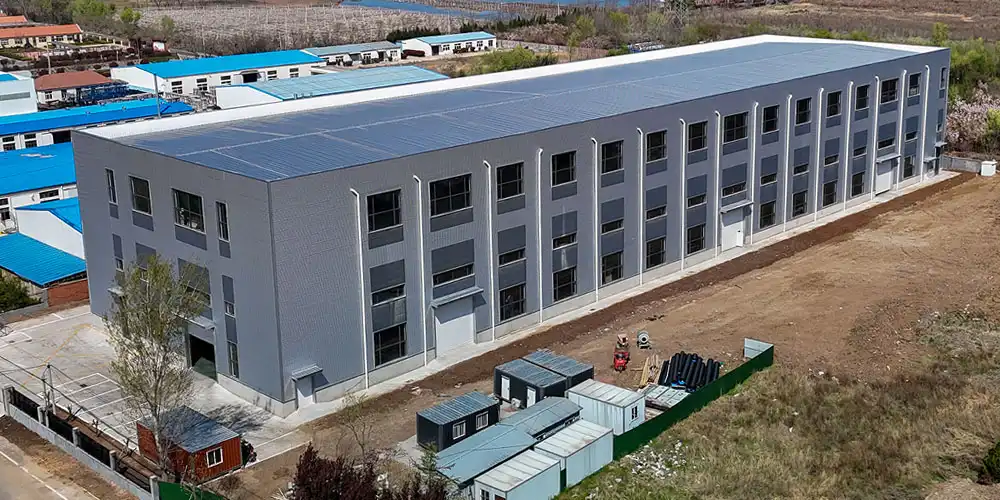
The technology behind multi-span steel workshops is mature and has been used for a long time. They solve real problems for business owners, operations leaders, and project managers. The efficiency of the structure directly leads to financial benefits without sacrificing safety or usefulness. The speed of construction allows for tight project schedules that help companies stay competitive. Because these structures are flexible, they can be used as the basis for modern industry as manufacturing continues to change with the help of automation and flexible production systems. Understanding the technical principles, application requirements, and practical factors helps people make better decisions during the planning stages of a project, which leads to buildings that meet operational needs for decades.
FAQ
1. How does maintenance compare with traditional building types?
Multi-span steel workshops require minimal maintenance compared to wood-frame or masonry structures. The primary maintenance involves inspecting and maintaining the protective coatings on steel members, checking and clearing roof drainage systems, and ensuring door and window seals remain intact. Most owners schedule inspections annually, with repainting needed every 10-15 years, depending on environmental exposure. The bolted connections allow for easy inspection and replacement of individual components without affecting the entire structure.
2. Can we install solar panels on a multi-span roof?
Absolutely. The steel purlins and girts system provides excellent mounting points for solar panel arrays. The structural design can incorporate additional load allowances for solar installations during initial engineering. Many manufacturing clients offset operational energy costs substantially through rooftop solar. The multiple roof slopes actually provide opportunities to optimize panel orientation for maximum energy capture throughout the day.
3. What happens if we need to expand our facility later?
This represents one of the strongest advantages of multi-span design. Adding another bay involves fabricating additional portal frames and connecting them to the existing structure through the end wall. The modular nature means expansion doesn't require modifications to existing spans. I've worked with manufacturing companies that started with four bays and expanded to eight over a decade as production volumes grew. The seamless integration maintains structural integrity while allowing phased capital investment that aligns with business growth.
4. How do acoustic properties compare with insulated concrete buildings?
Steel structures transmit sound differently than mass-based materials like concrete. The steel building insulation packages available today incorporate acoustic batts that significantly reduce noise transmission. Adding insulated metal panels with sound-dampening cores creates interior environments suitable for most manufacturing operations. Facilities with stringent noise requirements—like those near residential areas—can specify enhanced acoustic packages during design. The key is defining acoustic performance requirements early so designers can incorporate appropriate materials.
Partner With Director Steel for Your Multi-span Steel Workshop Project
As a multi-span steel workshop supplier with Multi-span Steel Workshop over 12 years of specialized experience in multi-span steel workshops, Director Steel hasdelivered reliable structural solutions to construction contractors, manufacturing companies, and agricultural operations across diverse markets. Our 40,000-square-meter production facility houses six automatic welded H-beam lines and employs more than 200 skilled workers dedicated to manufacturing excellence. We maintain ISO9001 certification and CE compliance, ensuring every project meets international quality standards. Our integrated approach covers structural design, steel fabrication, surface treatment, and installation support—eliminating coordination headaches between multiple vendors. When you're ready to discuss your project requirements, reach out to our team at jason@bigdirector.com to discover how we deliver cost-effective, engineered solutions tailored to your operational needs.
References
1. American Institute of Steel Construction. (2016). Steel Construction Manual, 15th Edition. Chicago: AISC.
2. Brown, D.G. (2019). Structural Steel Design to Eurocode 3 and AISC Specifications. Chichester: John Wiley & Sons.
3. Gaylord, E.H., Gaylord, C.N., & Stallmeyer, J.E. (1992). Design of Steel Structures, 3rd Edition. New York: McGraw-Hill.
4. Newman, A. (2004). Metal Building Systems: Design and Specifications, 2nd Edition. New York: McGraw-Hill Professional.
5. Trahair, N.S., Bradford, M.A., Nethercot, D.A., & Gardner, L. (2017). The Behaviour and Design of Steel Structures to EC3, 4th Edition. Boca Raton: CRC Press.
6. Willems, N. & Lucas, W.K. (1978). Steel Structures: Design and Behavior Emphasizing Load and Resistance Factor Design. New York: Harper & Row Publishers.
Learn about our latest products and discounts through SMS or email