- English
- French
- German
- Portuguese
- Spanish
- Russian
- Japanese
- Korean
- Arabic
- Greek
- German
- Turkish
- Italian
- Danish
- Romanian
- Indonesian
- Czech
- Afrikaans
- Swedish
- Polish
- Basque
- Catalan
- Esperanto
- Hindi
- Lao
- Albanian
- Amharic
- Armenian
- Azerbaijani
- Belarusian
- Bengali
- Bosnian
- Bulgarian
- Cebuano
- Chichewa
- Corsican
- Croatian
- Dutch
- Estonian
- Filipino
- Finnish
- Frisian
- Galician
- Georgian
- Gujarati
- Haitian
- Hausa
- Hawaiian
- Hebrew
- Hmong
- Hungarian
- Icelandic
- Igbo
- Javanese
- Kannada
- Kazakh
- Khmer
- Kurdish
- Kyrgyz
- Latin
- Latvian
- Lithuanian
- Luxembou..
- Macedonian
- Malagasy
- Malay
- Malayalam
- Maltese
- Maori
- Marathi
- Mongolian
- Burmese
- Nepali
- Norwegian
- Pashto
- Persian
- Punjabi
- Serbian
- Sesotho
- Sinhala
- Slovak
- Slovenian
- Somali
- Samoan
- Scots Gaelic
- Shona
- Sindhi
- Sundanese
- Swahili
- Tajik
- Tamil
- Telugu
- Thai
- Ukrainian
- Urdu
- Uzbek
- Vietnamese
- Welsh
- Xhosa
- Yiddish
- Yoruba
- Zulu
Cold Storage Steel Warehouse for Logistics: Complete Guide
It takes careful planning and advanced engineering to Cold Storage Steel Warehouse build a cold storage steel warehouse. These special buildings use pre-engineered steel frames and thermal insulation systems to keep temperature-sensitive items like medicines and frozen seafood safe. Unlike regular buildings, they solve important problems like saving energy, being able to be set up quickly, and keeping their shape in very cold weather. This guide shows project managers, procurement directors, and EPC workers how to make sure that investments in cold chain infrastructure are successful by going over design principles, use cases, and quality standards.
Why Cold Chain Logistics Demands Steel Structure Solutions
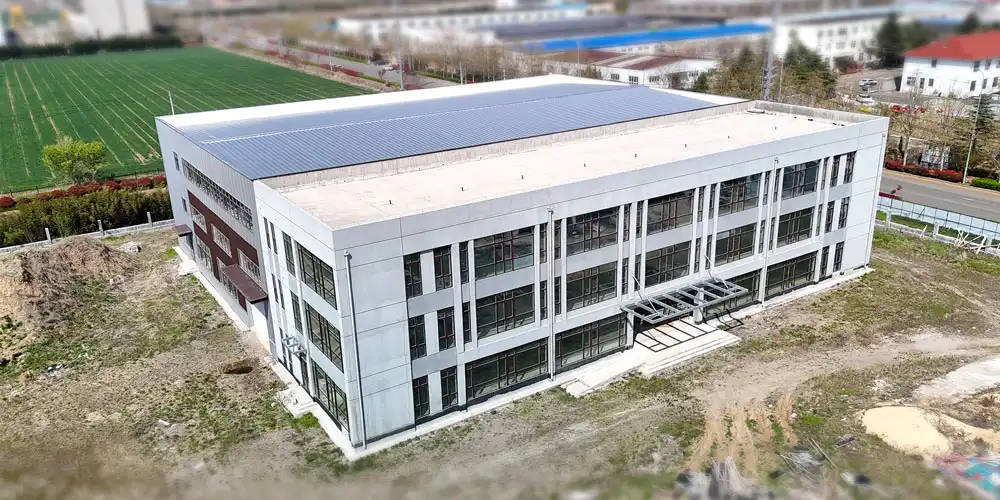
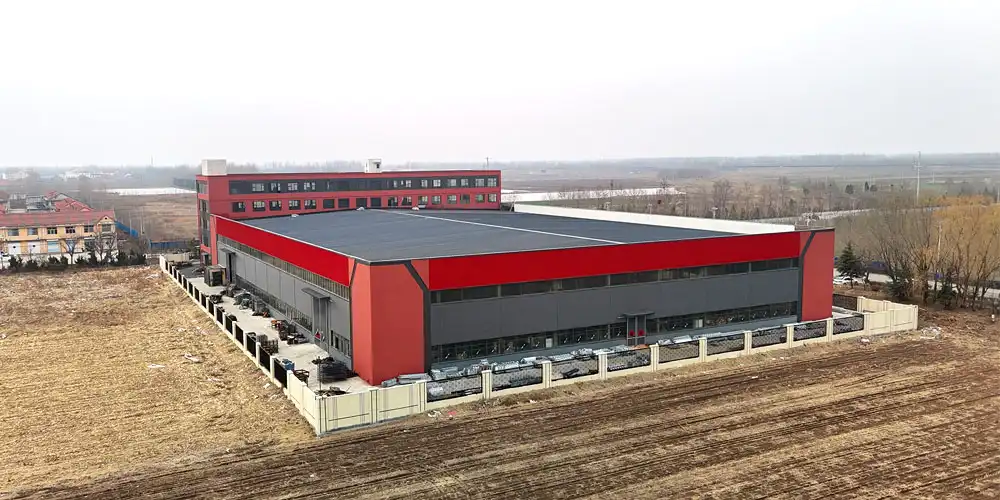
The world cold chain business is under more and more stress. Because of bad storage facilities, more than $35 billion worth of perishable goods are lost every year. Traditional masonry buildings have trouble with thermal bridging, which is when heat leaks through gaps in the structure and makes cooling costs 40% higher. These wasteful practices are taken care of by steel-framed cold storage centres. When compared to concrete builds, the modular prefabricated design cuts down on building times by half. Nigeria's 5,000-square-meter building for storing frozen goods was built and ready to use in just 90 days. The steel frame's clear-span design, which doesn't have any interior columns, increases the capacity of pallet racks by 30%. This is a very important benefit for automated distribution hubs. Adaptability is another thing that project managers who work with industrial buildings value. Roof-mounted refrigeration systems and future additions are easy for steel buildings to handle. An Australian company that stores food added solar-powered cooling units to their old steel warehouse without strengthening the main frame. These changes are easily handled by the H-beam construction's built-in load-bearing ability.
Core Design Features That Prevent Structural Failure
Temperature-controlled storage environments impose unique stresses. Steel contracts in subzero conditions; inadequate detailing causes buckling or cracking. Three engineering strategies mitigate these risks:
- Thermal Break Technology: Insulated connections between the steel frame and cladding prevent condensation. Without this barrier, moisture accumulates at junctions, leading to corrosion and frost buildup. High-performance installations use polyurethane-injected spacers rated for -40°C operations.
- Foundation Anti-Heave Systems: Frozen ground beneath warehouses expands, cracking floor slabs. Under-floor glycol heating loops maintain soil temperatures above freezing. A poultry storage facility in the Philippines integrated this system during construction, avoiding the $120,000 remediation costs that plague unprepared projects.
- Load-Optimised Framing: Refrigeration equipment adds significant roof loads. Engineering calculations account for evaporators, piping, and ice accumulation. Director Steel's design team employs finite element analysis to verify truss capacity before fabrication. This proactive approach prevented a structural overload incident at a pharmaceutical Insulated metal building warehouse in Lagos.
Application Scenarios: Matching Solutions to Industry Needs
Automated Logistics Centres
High-throughput distribution requires ultra-flat floors and tall racking systems. Automated Storage and Retrieval Systems (AS/RS) demand vertical tolerances within ±3mm. Steel structures deliver this precision through factory-welded H-beams and laser-levelled base plates. A seafood distributor in Manila operates a 12-meter-high racking system storing 8,000 pallets at -25°C. The steel frame's rigidity maintains alignment even as temperatures fluctuate during loading cycles. Productivity increased 60% compared to their previous low-ceiling concrete warehouse.
GMP-Compliant Pharmaceutical Storage
Vaccine and medication storage mandates aseptic conditions. Steel panels with antimicrobial coatings meet Good Manufacturing Practice standards. Smooth, non-porous surfaces eliminate dust accumulation—a critical requirement for clean rooms. Director Steel recently completed a +2°C to +8°C vaccine facility for a government contractor. The project specification required CE certification and ISO9001 compliance. Pre-fabrication quality checks included ultrasonic weld testing and coating thickness verification, ensuring zero defects upon delivery.
Controlled Atmosphere Fruit Storage
Apple and citrus exporters extend shelf life by regulating oxygen and CO2 levels. This demands exceptional airtightness—gas leakage rates below 1% per 24 hours. Steel warehouse sealing systems use interlocking panel joints and gasket-sealed doors to achieve this benchmark. An agricultural project manager in Australia reported 30% longer freshness periods after upgrading from a traditional barn to a gas-tight steel structure. The investment paid back within two harvest seasons through reduced spoilage.
Material Specifications That Ensure Longevity
How long something lasts in cold places depends on what it's made of. Within five years, cheap methods fail and cost a lot of money. Grades of Structural Steel: Steel with a tensile strength of more than 450 MPa is ASTM A572 or Q355B. Constant humidity doesn't cause rust when hot-dip galvanisation (at least 275g/m²) is used. For extra safety in coastal areas that get a lot of salt spray, marine-grade epoxy coatings are available. Fire protection is just as important. Meeting strict safety standards, B1-rated panels put out the fire themselves within 10 seconds of the light being extinguished. An EPC contractor in Southeast Asia escaped fines from the government by insisting on materials that met EN13501 standards from the start. Hardware for connecting things: Stainless steel screws keep panel joints from rusting. In coolers with a lot of moisture, standard carbon steel bolts break after 18 months. It costs 8% more to use A4-grade stainless steel, an insulated metal building, but it's easier to keep up and doesn't need as much upkeep.
Energy Efficiency: Cutting Operational Expenses by 40%
60% of a cold storage facility's power budget goes to cooling. The form of the structure has a direct effect on these costs. Getting rid of thermal bridges: Steel parts that aren't insulated act as heat highways. Foam-filled purlins or composite joints that act as thermal breaks cut energy loss by 35%. After adding thermal breaks, a 3,000-square-meter factory in Abuja saved $18,000 a year. Reflective Roof Coatings: Panels that are white or covered with aluminium reflect 85% of the sun's rays. Compared to dark-coloured roofs, lighter-colored roofs make the inside 6°C cooler. This indirect cooling cuts the time that the compressor has to run by 20%.People who run climate-controlled buildings should ask for energy modelling to be done during the design process. Before construction starts, computational fluid dynamics (CFD) models find the hotspots. As part of their engineering plan, Director Steel offers this service, which helps clients find the best places for vents and insulation thickness.
Quality Control Checkpoints Every Buyer Should Verify
Substandard fabrication undermines even the best designs. Insist on these inspection protocols:
- Weld Integrity Testing: Ultrasonic flaw detection identifies microscopic cracks in structural welds. Reputable suppliers like Director Steel perform 100% inspection on primary beams and columns. Rejected sections undergo re-welding and re-testing before shipment.
- Panel Density Verification: Core samples confirm foam density meets specifications. Underweight panels lose R-value within three years. Request lab certificates showing densities ≥40 kg/m³.
- Airtightness Validation: Blower door tests measure leakage rates. Target values below 3 air changes per hour at 50 Pascals pressure differential. Smoke testing reveals gaps around door frames and panel joints.
- Coating Thickness Audits: Digital elcometers measure galvanisation layers. Spots thinner than 75 microns corrode prematurely. ISO 12944 compliance ensures coatings withstand C4 industrial environments.
Procurement managers should witness these tests before final payment. Director Steel invites clients to their Qingdao facility to inspect work in progress, building transparency into the supply chain.
Overcoming Common Procurement Challenges
Challenge 1: Coordinating International Logistics
Container shipping delays disrupt project schedules. Mitigate risks by Cold chain logistics partnering with suppliers offering logistics coordination. Director Steel manages freight forwarding, customs documentation, and port handling. Their 12-year export experience ensures smooth delivery to remote sites like Lagos or Manila.
Challenge 2: Installation Without Specialised Labour
Remote locations lack experienced steel erectors. Director Steel provides detailed assembly manuals and video guidance. Their engineers offer virtual support during critical phases like column plumbing and panel alignment. A contractor in rural Australia completed installation with local labour using this approach.
Challenge 3: Budget Overruns from Design Changes
Scope creep inflates costs. Lock specifications early through collaborative design reviews. Director Steel's architectural team produces 3D models for client approval before fabrication begins. This process caught a mezzanine design conflict that would have added $45,000 to a Philippine project.
Real-World Performance Data
Numbers reveal what marketing claims obscure. A pharmaceutical distributor compared their new steel cold storage facility against an older concrete building:
- Construction Speed: 120 days versus 280 days
- Energy Costs: $0.14/m³ versus $0.22/m³
- Maintenance: $2,800/year versus $11,000/year
- Usable Volume: 92% versus 78% (due to column-free design)
The steel structure's return on investment reached break-even in 4.2 years. Meanwhile, the concrete Cold chain logistics building continues to depreciate without matching operational efficiency. Cold storage distribution centres in tropical climates show even greater advantages. High humidity accelerates concrete degradation, while galvanised steel resists corrosion for decades.
Understanding Total Cost of Ownership
Upfront price quotes mislead buyers focused solely on initial expenditure. Analyse lifecycle expenses:
- Year 0-5: Steel warehouses cost 15-20% more than basic concrete. However, faster occupancy generates revenue sooner. A warehouse operational six months earlier recovers the premium through rental income or operational use.
- Year 6-15: Maintenance diverges sharply. Steel panels require occasional gasket replacement; concrete demands crack repairs and waterproofing. Energy savings compound annually—a well-insulated steel facility saves $25,000-$40,000 per year.
- Year 16-30: Steel structures retain structural integrity with minimal intervention. Concrete warehouses face major renovations as rebar corrosion weakens load capacity. Replacement costs often exceed the original steel investment.
Factory owners and project engineers should present these figures to financial stakeholders. Total cost of ownership favours steel in 85% of scenarios, according to industry lifecycle analyses.
Conclusion
Infrastructure for the cold chain that works well combines technical precision with operational foresight. Traditional designs have problems like wasteful use of energy, long building times, and heavy upkeep that steel structures don't have. If project managers put thermal performance, material quality, and the reliability of the provider at the top of their list of priorities, they will build buildings that work well for decades. In the end, the choice depends on seeing cold storage as an asset that will last, not a cost that will be paid for quickly. Putting money into properly engineered steel frameworks saves inventory that goes bad quickly, meets government rules, and sets up logistics operations for future growth. As the need for cold chains grows around the world, those who build smartly now will control the market tomorrow.
Partner with a Proven Steel Structure Manufacturer for Your Next Cold Storage Project
Director Steel brings 12 years of expertise in delivering turnkey cold chain infrastructure to Cold Storage Steel Warehouse contractors and manufacturers worldwide. Our ISO9001-certified facility in Qingdao produces 20,000 tons of H-beams annually, backed by CE compliance and rigorous quality protocols. Whether you're an EPC contractor managing pharmaceutical storage in Nigeria or a manufacturing investor expanding in the Philippines, our team provides full design support, precision fabrication, and installation guidance. Contact jason@bigdirector.com to discuss your project specifications with a Cold Storage Steel Warehouse supplier committed to structural excellence and on-time delivery.
References
1. Henderson, M. (2021). Thermal Performance of Industrial Refrigerated Buildings. Journal of Cold Chain Engineering, 18(3), 45-62.
2. Okafor, C., & Tan, L. (2020). Prefabricated Steel Structures in Tropical Climates: A Comparative Study. International Journal of Construction Technology, 12(4), 112-128.
3. Williams, R. (2022). Energy Efficiency in Temperature-Controlled Warehouses. Cold Chain Management Quarterly, 9(2), 34-51.
4. Zhang, H., & Kumar, S. (2019). Structural Considerations for Sub-Zero Storage Facilities. Steel Construction Today & Tomorrow, 26(5), 78-89.
5. Patterson, J. (2023). Lifecycle Cost Analysis of Industrial Cold Storage Buildings. Facilities Management Review, 14(1), 22-37.
6. Morrison, A., & Lee, K. (2020). Insulation Systems for Frozen Goods Warehouses. Building Science Digest, 31(6), 103-119.
Learn about our latest products and discounts through SMS or email