- English
- French
- German
- Portuguese
- Spanish
- Russian
- Japanese
- Korean
- Arabic
- Greek
- German
- Turkish
- Italian
- Danish
- Romanian
- Indonesian
- Czech
- Afrikaans
- Swedish
- Polish
- Basque
- Catalan
- Esperanto
- Hindi
- Lao
- Albanian
- Amharic
- Armenian
- Azerbaijani
- Belarusian
- Bengali
- Bosnian
- Bulgarian
- Cebuano
- Chichewa
- Corsican
- Croatian
- Dutch
- Estonian
- Filipino
- Finnish
- Frisian
- Galician
- Georgian
- Gujarati
- Haitian
- Hausa
- Hawaiian
- Hebrew
- Hmong
- Hungarian
- Icelandic
- Igbo
- Javanese
- Kannada
- Kazakh
- Khmer
- Kurdish
- Kyrgyz
- Latin
- Latvian
- Lithuanian
- Luxembou..
- Macedonian
- Malagasy
- Malay
- Malayalam
- Maltese
- Maori
- Marathi
- Mongolian
- Burmese
- Nepali
- Norwegian
- Pashto
- Persian
- Punjabi
- Serbian
- Sesotho
- Sinhala
- Slovak
- Slovenian
- Somali
- Samoan
- Scots Gaelic
- Shona
- Sindhi
- Sundanese
- Swahili
- Tajik
- Tamil
- Telugu
- Thai
- Ukrainian
- Urdu
- Uzbek
- Vietnamese
- Welsh
- Xhosa
- Yiddish
- Yoruba
- Zulu
What is a steel structure warehouse?
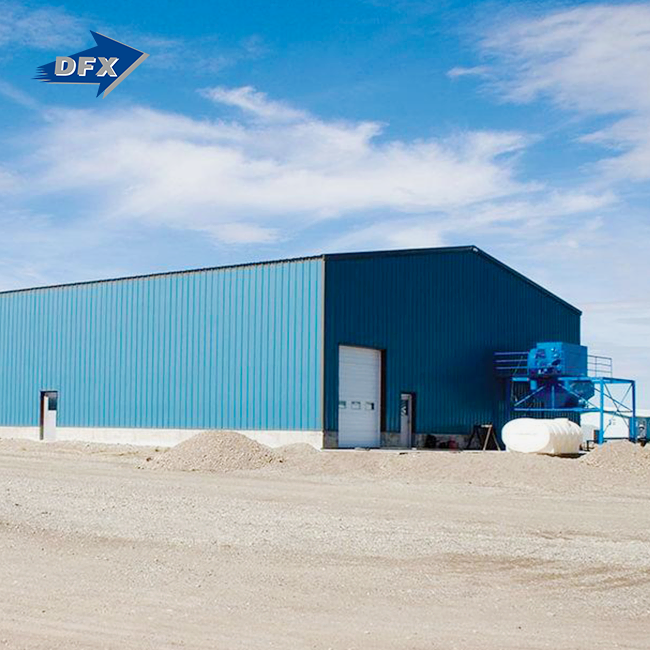
A steel structure warehouse is a type of advanced pre-engineered building system that makes use of a rigid steel framework to make big storage spaces. Compared to traditional concrete buildings, these modern storage buildings are stronger, take less time to build, and cost less because they use H-beam main frames, galvanized C/Z purlins, and advanced bracing systems. The market for building warehouses around the world has grown incredibly quickly. In North America, steel structures are used in over 60% of industrial building projects. This rise shows that more and more businesses, from e-commerce logistics to agricultural storage, need storage solutions that work well.
Understanding Steel Structure Warehouse Technology
A steel structure warehouse is the next step in modern industrial building. It combines precise engineering with the need for storage. High-quality structural steel products, like Q345B or Q355B steel (equivalent to ASTM A572 Gr50) with a minimum yield strength of 355 MPa, are at the heart of this building system.
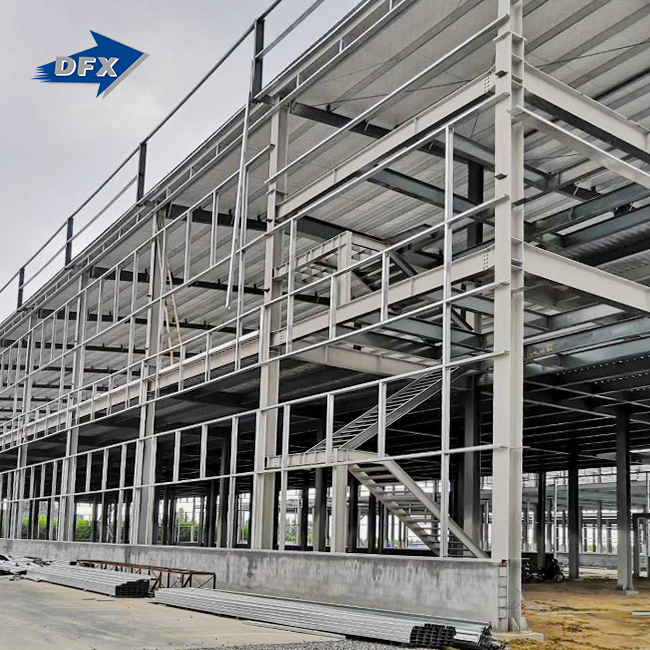
Using Building Information Modeling (BIM) technology for computerized planning is the first step in the building process. Engineers make detailed plans that take into account things like potential earthquakes, wind loads, and the needs of the particular operation. The steel structure is made up of rigid portal frames with H-section columns and beams that work together to move weight to the base.
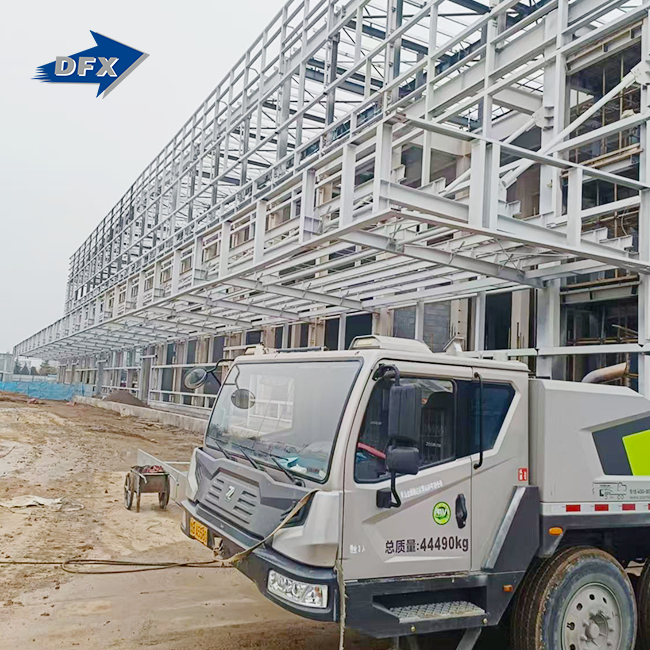
Modular prefabrication is what makes these buildings stand out. Parts are made in controlled factories that make sure the quality and accuracy are always the same. The steel C/Z purlins support the structure's secondary system, and the bracing system makes sure it stays stable on the sides. This methodical technique gets rid of a lot of the factors that can change in traditional construction, so costs and schedules can be predicted.
Cladding systems use either corrugated steel sheets or heated sandwich panels to finish the outside of the building. When needed for climate-controlled storage, these outdoor systems keep out the weather and keep things warm when they need to.
Critical Problems Solved by Steel Structure Warehouses
Traditional warehouse buildings have a lot of problems that steel structures directly solve. Construction projects often take longer than planned because of things like bad weather, a lack of workers, and problems coordinating materials. Many of these factors are taken out of steel buildings because they are made off-site and put together quickly.
Controlling costs is another big problem that needs to be solved in warehouse growth. Concrete buildings need a lot of work done to their foundations, take longer to build, and cost more in labor. Because steel buildings have lighter dead loads, they don't need as much support on the ground. This saves a lot of money on excavation and concrete work.
Warehouse managers always have trouble making the best use of space. Clear-span limitations are caused by traditional building methods, which require designers to include internal columns that get in the way of material handling equipment and lower storage density. Steel frame systems can have clear spans of up to 48 meters without any supports inside, which makes the most of the floor space that can be used.
To meet the needs of the market quickly, many warehouse projects are being done today. As e-commerce grows and supply chain needs change, facilities need to be set up quickly. Steel structure warehouses cut down on construction times by 30 to 50 percent compared to traditional ways. This makes it easier to get into new markets and start making money faster.
Environmental concerns are becoming more and more important in construction choices. At the end of their useful life, steel buildings can be completely recycled, which helps with sustainability goals. The shorter construction time also means less damage to the site and the environment during the building process.
Core Features and Advanced Functionality
Modern steel structure warehouses have high-tech features that make them easier to run and better for the structure itself. Welded H-beams that are designed to handle certain loads are used in the main frame system. The strength-to-weight ratio of these structural members is very high, and the design allows for a wide range of setups.
Anchor bolt assemblies connect steel columns to concrete footings at the foundation contact, which is a key part of the design. This way of connecting things lets you get exact alignment, transfer loads quickly, and handle cycles of thermal expansion and contraction.
Roofing systems are made up of more than just layers that keep the weather out. The structural deck, which is usually made of galvanized steel decking, holds the roofing materials in place and is part of the structure's diaphragm. When they are needed, insulation systems use glass wool or rigid foam to meet certain thermal performance levels.
Industrial steel sheds are different from regular storage buildings because they can integrate cranes. Overhead cranes with capacities between 5 and 100 tons can be supported by runway beam devices. For these systems to work smoothly over decades of use, they need to be more resistant to wear and perfectly aligned.
Adding natural light through skylights and see-through screens lowers energy use and makes working conditions better. Standardized framing details and compatible roofing systems make it easy for modern steel buildings to fit these features.
Steel frame design flexibility is good for ventilation systems. Ridge vents, side wall louvers, and motorized ventilation equipment are all built into the structure so that air can flow freely for a variety of storage needs.
Technical Engineering Excellence
Steel structure warehouses are based on decades of progress in material science and structural optimization. For every design, engineers start with a load path study, which shows how forces move from the roof to the foundation and back again.
To find out how pressure is distributed across building surfaces for wind load resistance, you need to use complex computational fluid dynamics research. These shifting loads are handled by steel buildings with rigid frames and well-planned bracing placement. The houses that were made can stand up to wind speeds of more than 120 km/h and still be structurally sound.
As part of seismic design, ductility concepts are used to make sure that steel connections can bend without breaking during an earthquake. This flexibility, along with the building's lighter weight, makes it more resistant to earthquakes than structures made of weak concrete. With the right detailing and connection design, buildings can get up to Grade 8 ratings for earthquake defense.
Fire protection systems use different methods based on the needs of the building's occupants. Passive fire protection comes from intumescent layers, which expand when heated and keep the steel from getting too hot. The fire protection of these systems ranges from one to four hours, depending on the thickness of the application and the specific product formulations used.
Quality control is based on ISO 9001 standards throughout the production process. Extra certifications, such as the CE mark for European compliance, are also used. Before applying a protective coating, the surface is shot-blasted to prepare it to the Sa 2.5 standard. This makes sure that the coating sticks well and lasts a long time.
Key Advantages Driving Market Adoption
Warehouses with steel structures have clear benefits in several performance areas. The most obvious benefit is faster construction. Compared to cast-in-place concrete options, modular assembly cuts project timelines by 30–50%. This speedup is due to actions happening at the same time, on-site preparation, and off-site fabrication.
Economic efficiency goes beyond the cost of building something. Less need for foundations saves 20 to 30 percent on digging and concrete work. Less labor is needed during construction, which lowers project risk and delays caused by labor. Because a steel building is predictable, it is easier to keep track of costs and budgets.
Operational freedom helps businesses adapt to changing needs over the course of more than 50 years. Steel structures can grow by adding more bays or making the building taller. Loads are transferred through the external frame system, so changes to the inside don't affect the structure's strength.
Maintenance needs are kept to a minimum throughout the life of the building. When steel buildings are properly protected, they don't rust and keep their structural properties for decades. Regular inspections and touch-ups to the covering keep it looking good and working well for very little money.
Some environmental performance benefits are that all materials can be recycled, and there is less building waste. Compared to building on-site, the controlled manufacturing setting reduces the amount of waste. Precise construction standards and insulation systems that work well together can make buildings more energy efficient.
Steel Structures versus Traditional Building Methods
There are clear differences in how well steel-structure warehouses and concrete structures work in several areas. Steel buildings are much faster to build than concrete ones of the same size. Typical warehouse projects are finished 40 to 60 days earlier than concrete ones of the same size.
Different types of buildings have very different foundation needs. For heavy structural elements, concrete warehouses need huge foundations. Steel structures, on the other hand, lower foundation loads by 30 to 40 percent. This difference means that a lot less money will be spent on digging, concrete, and strengthening steel.
The ability to clear-span shows another important difference. Economical spans for concrete buildings are usually limited to 30 to 40 meters, but 48-meter spans are common for steel structures that don't need any supports in the middle. This feature makes it possible for material handling tools to store more things and work more efficiently.
Lifecycle cost analysis often shows that steel buildings are better, even though they cost more at first. Over 20 to 30 year analysis periods, the material premium is balanced out by shorter building times, lower foundation costs, and little upkeep needed.
Steel structures are more flexible in how they are designed and can be built faster than pre-cast concrete platforms. Pre-cast systems need a lot of planning in terms of lead times and logistics for transportation. Steel parts, on the other hand, ship more quickly and can be put together with standard building tools.
Even though wood frame systems are cheaper at first, they can't compare to steel structures when it comes to warehouse uses in terms of clear span and durability. Steel is also better for business storage because it doesn't catch fire, and bugs don't like it.
Target Applications and Ideal Use Cases
Steel structure warehouses are used by many different types of businesses that have different storage and operational needs. Logistics warehouses work best with clear-span designs that make the most of store space and forklift maneuverability. Steel structures are used in e-commerce delivery centers because they can be set up quickly and can grow as needed.
Steel warehouses are needed by factories to help with production, store raw materials, and move produced goods. Steel structures are great for industrial production settings because they can fit overhead cranes and specialized ventilation systems.
Steel structures are used for storage purposes in agriculture because they are durable and don't cost much. They are used to store grain, tools, and animals. Large pieces of farm equipment can fit under the open-span designs, which also offer weather protection and ventilation choices.
In order to keep food and medicine at the right temperature, cold storage facilities use steel buildings with special insulation systems. Steel framing is a structurally efficient material that can hold a lot of insulation while minimizing heat bridging.
Steel buildings are flexible and easy to use, which is good for distribution centers that serve both retail and wholesale markets. Complex transportation operations are made easier by the steel framework's ability to be set up to include loading docks and office spaces.
Hangars for airplanes are a special kind of steel building that needs very large clear spans and height clearances. Because steel is strong for its weight, these difficult projects can be done more affordably than with other building methods.
Conclusion
A Steel Structure Warehouse provides a modern and highly efficient solution for industrial storage and distribution needs. By combining prefabricated steel components, precise engineering, and modular construction techniques, these facilities offer faster construction, lower foundation costs, and large clear-span interiors that maximize usable space. Compared with traditional buildings, steel warehouses deliver better durability, scalability, and long-term cost efficiency. As demand for flexible storage building solutions continues to grow in sectors such as manufacturing, agriculture, and e-commerce, steel structures have become the preferred option for modern logistics warehouse development, enabling businesses to expand operations quickly while maintaining reliable structural performance and operational efficiency.
FAQ
Q1: What are the typical construction timelines for steel structure warehouses?
Construction timelines for steel structure warehouses typically range from 60-120 days for projects between 5,000 and 50,000 square feet. This includes 2-3 weeks for foundation work, 1-2 weeks for steel erection, and 3-6 weeks for cladding and finishing work. The timeline varies based on project size, complexity, and local permitting requirements.
Q2: How do steel structures perform in extreme weather conditions?
Steel structure warehouses excel in extreme weather through engineered design for specific local conditions. Wind resistance capabilities exceed 120 km/h through proper bracing and connection design. Snow load capacity accommodates regional requirements through appropriate structural sizing. Seismic performance benefits from steel's ductility and lighter building weight compared to concrete alternatives.
Q3: What maintenance requirements should owners expect over the building lifecycle?
Maintenance requirements for steel structure warehouses remain minimal when properly designed and constructed. Annual visual inspections identify potential coating issues or connection concerns. Coating touch-ups every 10-15 years preserve appearance and corrosion protection. Roof membrane maintenance follows standard commercial roofing practices. Overall maintenance costs typically represent 0.5-1.0% of initial building cost annually.
Partner with DFX for Your Steel Structure Warehouse Project
DFX delivers comprehensive steel structure warehouse solutions tailored to your specific operational requirements and budget constraints. Our experienced engineering team combines advanced design capabilities with proven fabrication expertise to ensure project success from concept through completion. As a trusted steel structure warehouse supplier, we provide integrated services including structural engineering, precision manufacturing, and erection guidance. Contact jason@bigdirector.com to discuss your warehouse project requirements and discover how our solutions can accelerate your facility development timeline while optimizing long-term operational efficiency.
References
1. American Institute of Steel Construction. "Steel Construction Manual: Design Examples." 15th Edition. AISC Publications, 2022.
2. Fisher, James M. and Kloiber, Lawrence A. "Base Plate and Anchor Rod Design: Second Edition." American Institute of Steel Construction, 2021.
3. Geschwindner, Louis F. "Unified Design of Steel Structures: Third Edition." John Wiley & Sons Engineering Publications, 2020.
4. International Code Council. "International Building Code: Chapter 22 Steel Construction." ICC Publications, 2021.
5. Salmon, Charles G. and Johnson, John E. "Steel Structures: Design and Behavior - Emphasizing Load and Resistance Factor Design." Pearson Engineering Press, 2019.
6. Yu, Wei-Wen and LaBoube, Roger A. "Cold-Formed Steel Design: Fifth Edition." American Iron and Steel Institute Technical Publications, 2020.
Learn about our latest products and discounts through SMS or email