- English
- French
- German
- Portuguese
- Spanish
- Russian
- Japanese
- Korean
- Arabic
- Greek
- German
- Turkish
- Italian
- Danish
- Romanian
- Indonesian
- Czech
- Afrikaans
- Swedish
- Polish
- Basque
- Catalan
- Esperanto
- Hindi
- Lao
- Albanian
- Amharic
- Armenian
- Azerbaijani
- Belarusian
- Bengali
- Bosnian
- Bulgarian
- Cebuano
- Chichewa
- Corsican
- Croatian
- Dutch
- Estonian
- Filipino
- Finnish
- Frisian
- Galician
- Georgian
- Gujarati
- Haitian
- Hausa
- Hawaiian
- Hebrew
- Hmong
- Hungarian
- Icelandic
- Igbo
- Javanese
- Kannada
- Kazakh
- Khmer
- Kurdish
- Kyrgyz
- Latin
- Latvian
- Lithuanian
- Luxembou..
- Macedonian
- Malagasy
- Malay
- Malayalam
- Maltese
- Maori
- Marathi
- Mongolian
- Burmese
- Nepali
- Norwegian
- Pashto
- Persian
- Punjabi
- Serbian
- Sesotho
- Sinhala
- Slovak
- Slovenian
- Somali
- Samoan
- Scots Gaelic
- Shona
- Sindhi
- Sundanese
- Swahili
- Tajik
- Tamil
- Telugu
- Thai
- Ukrainian
- Urdu
- Uzbek
- Vietnamese
- Welsh
- Xhosa
- Yiddish
- Yoruba
- Zulu
8 Ways Steel Enhances the Structural Integrity of Warehouses
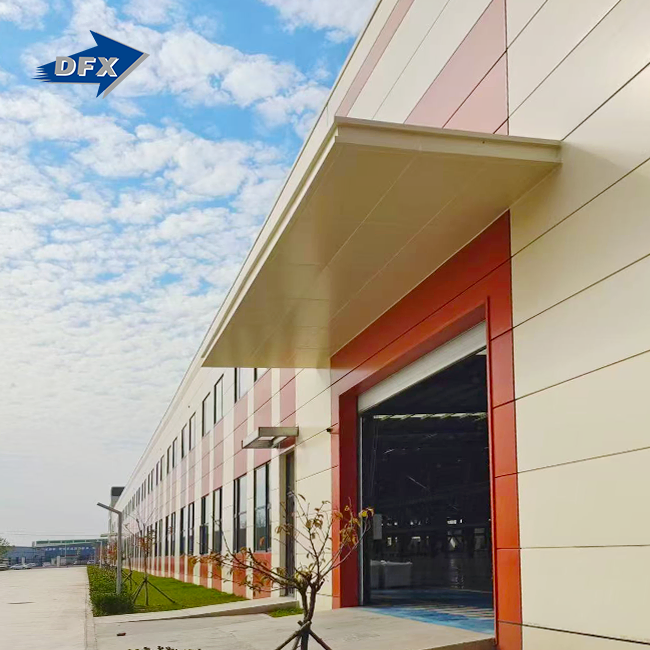
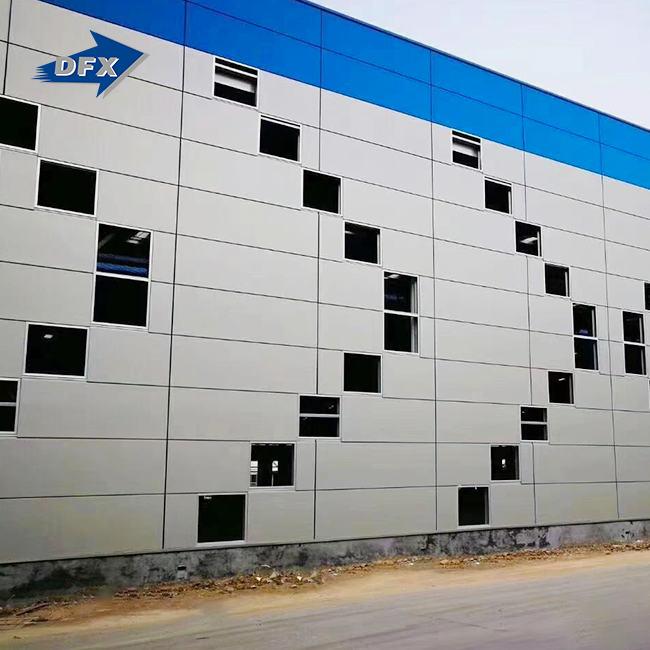
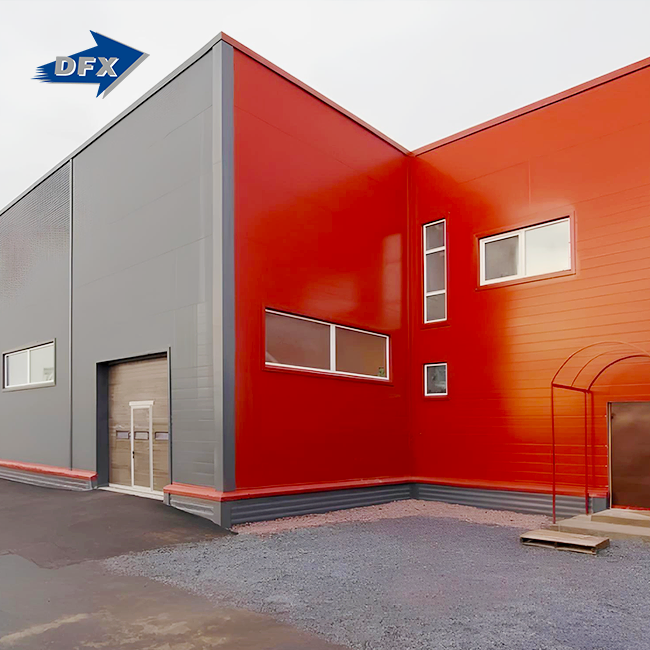
When procurement managers and construction workers look into modern warehouse building options, they need to know how Steel Structure Warehouse technology changes the performance of industrial buildings. Steel buildings offer unmatched structural stability through eight unique benefits that change the way warehouses are designed, how safe they are, and how efficiently they run. With careful engineering, these modular prefabricated steel storage buildings are made with H-beam main steel frames, galvanized C/Z purlins, and advanced bracing systems that work together to make strong infrastructure solutions. Steel structures are better at supporting weight, can be designed in a variety of ways, and can be built faster than structures made of other materials. They are used in logistics centers and transport hubs.
Superior Strength and Load-Bearing Capacity of Steel
Exceptional Material Properties Drive Performance
In factory settings, steel's mechanical qualities make it better than common building materials like concrete, wood, and brick. High-quality structural steel, usually Q345B or Q355B with a yield strength above 355 MPa, has great strength-to-weight ratios that allow for longer clear spans and fewer base needs. Because of this, warehouses can hold big machinery, storage systems with multiple levels, and overhead cranes that can lift up to 100 tons without affecting the safety of the structure.
Real-World Load-Bearing Applications
Manufacturing plants and cold storage operations show how much stronger steel is by using it in real life. Steel frames in industrial stores make it possible for them to handle dynamic loads like heavy machinery vibrations, automatic storage retrieval systems, and a lot of storage at once, which would be hard to do with other building methods. The modular design lets engineers figure out exact load distributions, which ensures the best performance in a range of working situations while still meeting the safety standards set by international building codes.
Design Flexibility and Customization Options
Modular Construction Enables Tailored Solutions
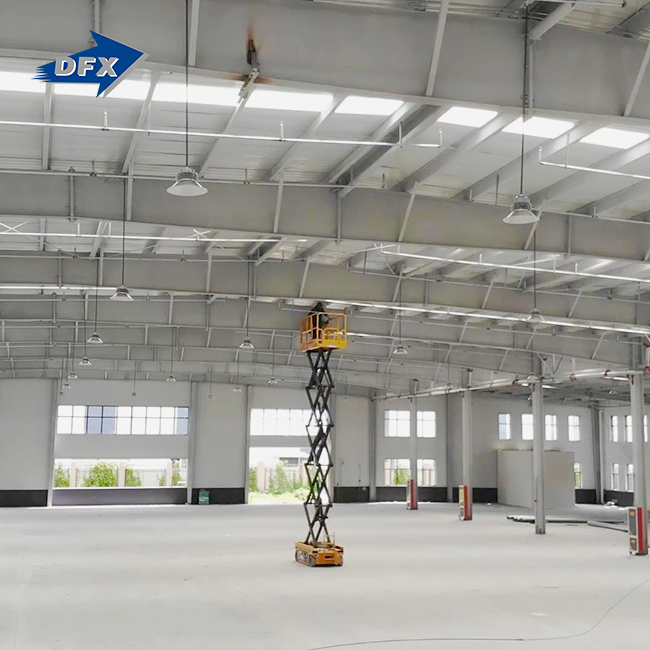
Steel Structure Warehouse systems offer unmatched design flexibility thanks to flexible prefabrication methods that can be used to meet a wide range of operating needs. Engineers can create clear spans from 12 meters to over 48 meters, making internal areas without columns that are best for storage and forklift movement. This adaptability is very helpful for distribution centers that need certain ceiling heights, unique air systems, or the ability to work with automatic material handling equipment.
Streamlined Procurement and Project Delivery
The modular method has a big effect on procurement processes because it lets design work and part fabrication happen at the same time. When compared to traditional building methods, this method cuts total project timelines by 30 to 50 percent because construction teams can start working on the foundations while precision-machined steel parts are being made. This efficiency is especially helpful for EPC companies that are in charge of many projects with tight deadlines for delivery. It lets the warehouse become active faster and gives a better return on investment.
Faster and More Efficient Construction Process
Prefabrication Advantages and Timeline Reduction
Off-site manufacturing is used in a storage building steel warehouse project to keep things running smoothly on-site while speeding up the project's finish. As a result, fewer skilled trades are needed, and delays caused by bad weather are avoided because the parts come already designed and ready to be bolted together. From engineering calculations to manufacturing to erection direction, the whole construction process is streamlined, which makes it possible to open the warehouse faster than with traditional building methods.
Cost Savings Through Construction Efficiency
Less time spent on building directly leads to lower costs through shorter equipment rental periods, lower labor costs, and less business interruption. Predictable project schedules help procurement managers and lower the need for backup plans. On the other hand, manufacturing companies can start up earlier to take advantage of revenue possibilities. These improvements in efficiency are especially helpful for farms and ranches that need to quickly set up facilities to meet seasonal needs.
Long Lifespan and Low Maintenance Requirements
Advanced Material Treatment Makes Things Last Longer.
Corrosion protection systems, such as hot-dip galvanizing with zinc covering layers of 85 to 125 micrometers or high-performance epoxy painting systems, make steel buildings last a very long time. When these treatments are paired with proper drainage and ventilation during design, the services can last longer than 50 years with little upkeep. The durability is especially useful for chemical warehouses and farm storage sites that have to deal with harsh weather.
Analysis of lifecycle costs and planning for maintenance
Long-term operational costs favor steel buildings because they need less upkeep and last longer between replacements. Regular checks, coating touch-ups, and tracking of the insulation system are all recommended maintenance practices that help keep structures strong and reduce the cost of unplanned repairs. For industrial clients who are in charge of managing assets like that, the repair plans are predictable, and the total cost of ownership is lower than with other building materials.
Fire Resistance and Safety Enhancements
Structural Integrity Under High Temperature Conditions
Steel structures are better at preventing fires because they can keep their shape in very hot or cold weather as long as they are properly secured. Modern intumescent coating methods can achieve fire resistance rates of 2 to 4 hours, which is much longer than what is needed for most warehouse uses. This performance makes sure that foreign building codes and insurance requirements are met while also protecting valuable goods, equipment, and staff.
Risk Management and Regulatory Compliance
Comprehensive risk management plans are needed for shipping operations, chemical storage, and manufacturing sites, and the fire resistance features of a metal warehouse kit help with those plans. When it comes to safety, steel buildings meet the high standards needed for government projects and infrastructure projects. They also offer extra protection through designed fire suppression integration points and emergency egress plans. These safety features often lead to lower insurance rates and faster approval processes from regulators.
Energy Efficiency and Environmental Impact
Sustainable Construction Practices and Green Certification
To get the best energy efficiency, Steel Structure Warehouse designs use modern thermal insulation systems that use sandwich plates with PU, EPS, or rockwool cores. The building process creates a lot less trash than traditional building methods, and the fact that steel can be recycled over and over again supports the ideas of the circular economy. These benefits for the environment are in line with companies' goals for sustainability and can help them get LEED or a similar green building approval.
Better thermal performance and lower operating costs
Steel buildings that are properly sealed keep their temperatures stable while lowering the costs of heating and cooling. Thermal-break steel frame and thick polyurethane sandwich panels help cold chain shipping buildings keep temperatures below zero while using very little energy. Advanced insulation systems and precise building methods work together to lower the amount of energy used for operations and the carbon footprint that comes with it.
Cost-Effectiveness and Competitive Pricing
Total Cost of Ownership Analysis
Compared to concrete, wood, or brick warehouses, steel warehouses are much more cost-effective because the materials are cheaper, they can be built faster, and they don't need as much upkeep. The premade method gets rid of a lot of the factors that can cause building costs to go up, and standard parts make it easier to buy in bulk. Project-based manufacturing lets you accurately estimate costs and keep track of your budget throughout the whole buying process.
Strategic Procurement Considerations
Purchasing managers can get the most out of their warehouse investments by choosing providers that offer a full range of services, such as engineering calculations, fabrication, logistics management, and help with setting up the warehouse. When you combine structure design, manufacturing, and installation into one solution, you get more for your money, and it's easier to coordinate. The high standards set by ISO9001 certification and CE marks protect the long-term worth of an investment.
Versatile Applications and Adaptability
Scalability Across Diverse Industrial Applications
Steel warehouse solutions can be used for a wide range of building types, from small storage sheds to large industrial centers. Steel Structure Warehouse technology works well in a wide range of settings, such as process plants, airplane hangars, storage centers, distribution hubs, and transportation warehouses. Because the structural system is naturally flexible, it can be expanded, equipment can be changed, and operations can change in the future without having to be completely rebuilt.
Future-Ready Infrastructure Solutions
It can be changed to work with new technologies like automated storage systems, robot integration, and setups that use renewable energy. The steel frame is the base that holds up solar panel arrays, wind resistance systems, and heavy automation equipment. It also keeps the clear internal spans that are necessary for modern warehouse operations. Because of its flexibility, it will continue to be valuable as businesses change and grow.
Conclusion
Steel buildings completely change the way warehouses are built because they are stronger, more flexible, more efficient, last longer, are safer, cost less, and are more adaptable. All of these benefits help with important buying goals like shortening project timelines, lowering running costs, and protecting long-term asset value. Steel Structure Warehouse systems are the best choice for modern industrial uses that need stable, cost-effective infrastructure solutions because they can hold more weight, can be designed in a variety of ways, and are built quickly and efficiently.
FAQ
Q1: What makes steel structures superior for warehouse construction?
Steel structures are very strong for how heavy they are, which lets them have clear spans of up to 48 meters or more without having to use internal supports. The material has a high yield strength (355+ MPa), which means it can hold big loads while requiring less base material than concrete or wood.
Q2: How quickly can steel warehouses be constructed?
When compared to traditional ways, prefabricated steel buildings cut down on build times by 30 to 50 percent. The modular method lets base work and component production happen at the same time. Depending on size and complexity, warehouse projects are usually finished in 8 to 12 weeks.
Q3: What maintenance requirements do steel warehouses have?
Steel Structure Warehouse systems don't need much upkeep as long as they are properly protected against rust. Hot-dip galvanizing or advanced coating methods can last for 50 years or more, with regular inspections and coating touch-ups being the major upkeep tasks.
Q4: Can steel warehouses accommodate future expansions?
The flexible design makes it possible to add more bays without stopping the activities that are already going on. Steel frame systems can handle vertical additions, machine additions, and changes to how things work while still keeping the structure strong.
Q5: What certifications ensure steel warehouse quality?
Certifications for quality management like ISO9001, CE marking for European compliance, and optional EN1090 approval show that the product meets quality standards for production. These approvals make sure that foreign projects follow the rules and have reliable structures.
Partner with DFX for Superior Steel Structure Warehouse Solutions
DFX offers complete Steel Structure Warehouse options that combine top-notch planning with tried-and-true manufacturing skills to make your industrial infrastructure projects a success. As a reliable Steel Structure Warehouse maker with more than 12 years of experience, we offer full services, from planning calculations to fabrication and installation help. Our production facilities are ISO9001-certified, our products are CE-marked, and our designs are flexible and prefabricated to make sure that you get logistics stores, storage centers, and distribution hubs that work better than expected. Get in touch with jason@bigdirector.com to talk about your project needs and find out how our skills can shorten the time it takes to build something while keeping costs low.
References
1. American Institute of Steel Construction. "Steel Construction Manual: Design Standards for Structural Steel Buildings." 15th Edition, 2017.
2. European Committee for Standardization. "Eurocode 3: Design of Steel Structures - Part 1-1: General Rules and Rules for Buildings." EN 1993-1-1:2005.
3. Building and Construction Authority. "Code of Practice for Structural Use of Steel 2011: Guidelines for Pre-Engineered Steel Buildings." Singapore Standards Council.
4. International Building Code. "Steel Structure Design Requirements for Industrial and Commercial Buildings." International Code Council, 2021 Edition.
5. Steel Construction Institute. "Design Guide for Pre-Engineered Steel Buildings: Structural Performance and Economic Analysis." Publication P448, 2020.
6. American Society of Civil Engineers. "Minimum Design Loads and Associated Criteria for Buildings and Other Structures: Steel Structure Applications." ASCE/SEI 7-16 Standard.
Learn about our latest products and discounts through SMS or email