- English
- French
- German
- Portuguese
- Spanish
- Russian
- Japanese
- Korean
- Arabic
- Greek
- German
- Turkish
- Italian
- Danish
- Romanian
- Indonesian
- Czech
- Afrikaans
- Swedish
- Polish
- Basque
- Catalan
- Esperanto
- Hindi
- Lao
- Albanian
- Amharic
- Armenian
- Azerbaijani
- Belarusian
- Bengali
- Bosnian
- Bulgarian
- Cebuano
- Chichewa
- Corsican
- Croatian
- Dutch
- Estonian
- Filipino
- Finnish
- Frisian
- Galician
- Georgian
- Gujarati
- Haitian
- Hausa
- Hawaiian
- Hebrew
- Hmong
- Hungarian
- Icelandic
- Igbo
- Javanese
- Kannada
- Kazakh
- Khmer
- Kurdish
- Kyrgyz
- Latin
- Latvian
- Lithuanian
- Luxembou..
- Macedonian
- Malagasy
- Malay
- Malayalam
- Maltese
- Maori
- Marathi
- Mongolian
- Burmese
- Nepali
- Norwegian
- Pashto
- Persian
- Punjabi
- Serbian
- Sesotho
- Sinhala
- Slovak
- Slovenian
- Somali
- Samoan
- Scots Gaelic
- Shona
- Sindhi
- Sundanese
- Swahili
- Tajik
- Tamil
- Telugu
- Thai
- Ukrainian
- Urdu
- Uzbek
- Vietnamese
- Welsh
- Xhosa
- Yiddish
- Yoruba
- Zulu
Benefits of Steel Structure Warehouse
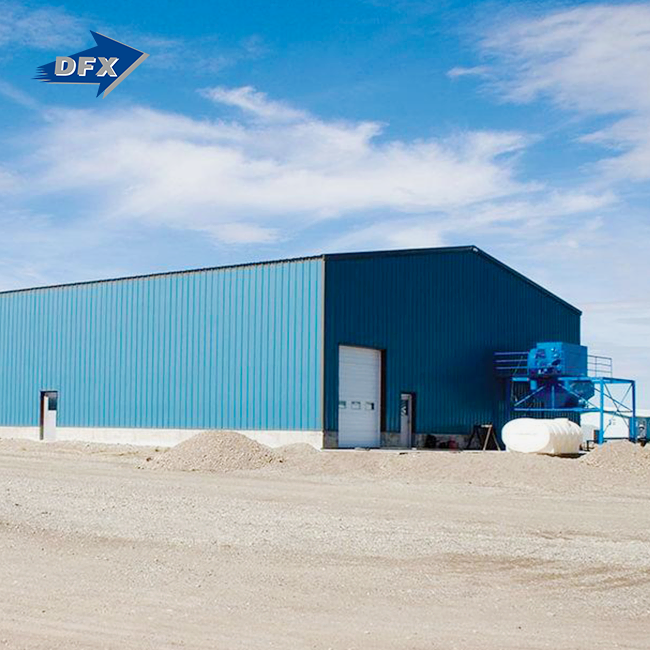
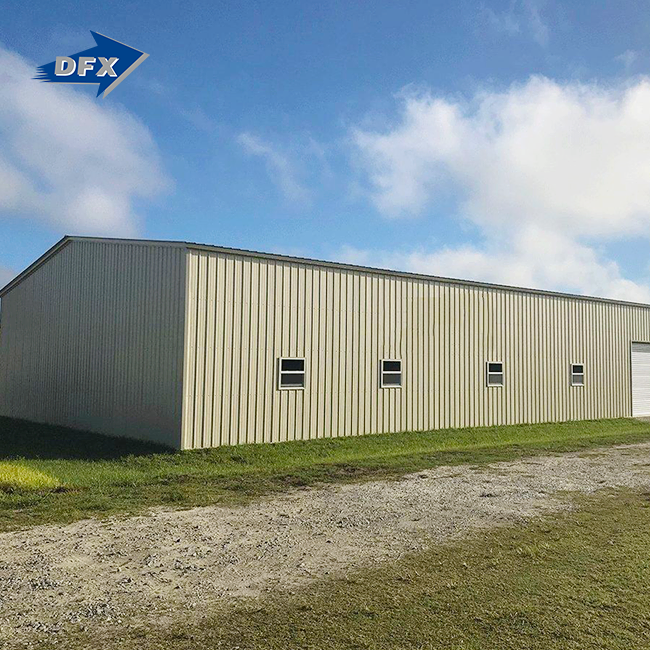
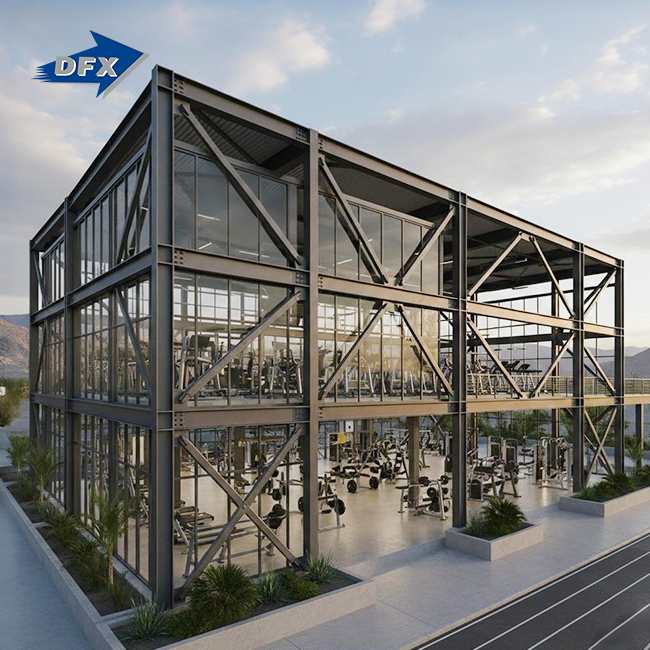
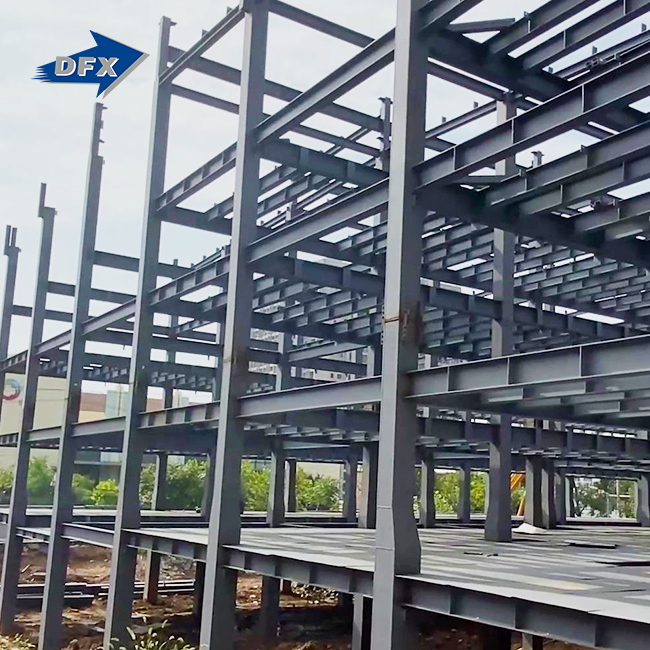
Steel structure warehouses are a completely new way to store things for businesses today. They offer great value because they are well-designed and built using low-cost materials and techniques. The high-strength steel frames of these manufactured metal buildings make them last longer, be easier to install, and save you a lot of money over time compared to traditional concrete buildings. Among the main benefits are lower building costs, better structural integrity, and a lot of room for future changes or additions.
Important Measures and Performance Signs
It's important to understand the technical details of logistics warehouse solutions to make smart choices. Steel structure warehouses have great performance numbers that make them stand out from other types of buildings.
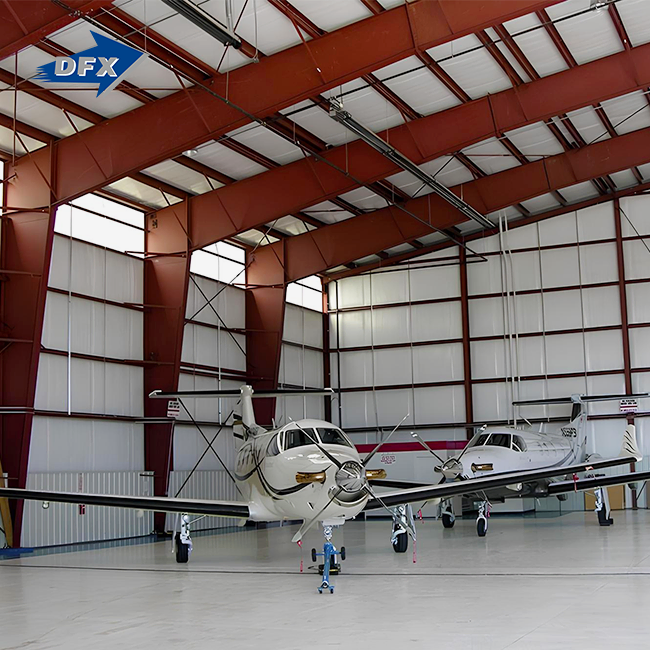
The structure is held together by Q355B grade steel bars that have yield strengths higher than 355 MPa. This means they can hold a lot of weight. Clear spans can be anywhere from 12 to 48 meters without interior columns, which makes the most of the storage area that can be used. The resistance to wind speeds of up to 150 km/h and the resistance to earthquakes meet Grade 8 standards set by international building rules.
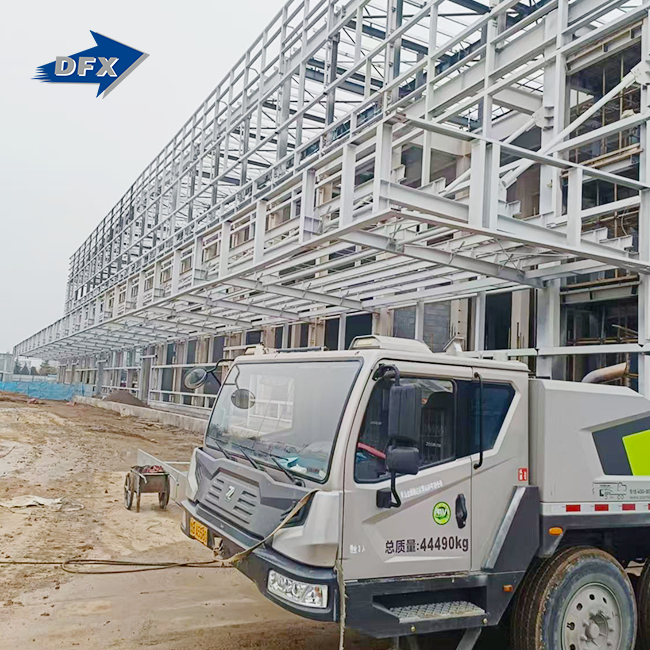
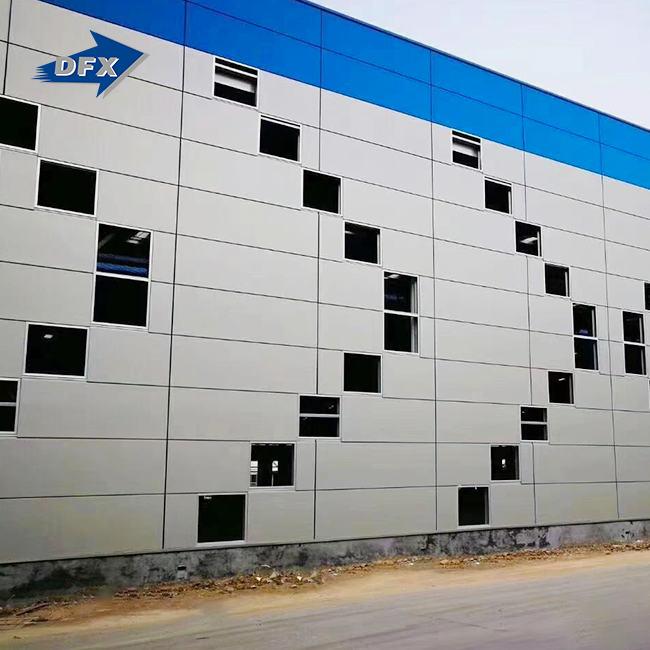
Because the parts are already made, construction times are 30–50% shorter than with concrete options. Approximately 30% less foundation is needed for steel buildings because they are much lighter than traditional materials. The advanced insulated sandwich walls in these metal warehouse kits keep the inside of the buildings at a constant temperature while lowering the amount of energy used.
Surface treatment includes hot-dip galvanization with 600g/m² zinc coatings, which protects against rust and makes the structure last longer than 50 years. Specialized intumescent coatings make fire resistance rates reach 2 to 4 hours, meeting strict safety standards for industrial storage uses.
Core Benefits That Will Change How You Do Business
The benefits of steel frame construction go far beyond the original cost savings. They create long-term value for your business.
Very good cost-effectiveness
Steel fabrication saves money right away because it cuts down on material costs and speeds up building schedules. Most of the time, projects are finished 40% faster and cost 15% to 25% less than with traditional methods. Less base is needed, which means a lot less money saved on concrete and digging.
Unmatched Performance in Structures
The high ratio of strength to weight in steel buildings makes them better at withstanding harsh weather. These industrial warehouses can stand up to heavy snowfall, strong winds, and earthquakes without losing their structural stability. The controlled manufacturing environments used in modular building make sure that the quality is always the same.
Unbelievable design freedom
Prefabricated structures can be used for future growth without affecting current activities. Clear span designs get rid of interior columns, which makes it easier for forklifts to move around and improves the efficiency of the warehouse plan. Overhead handling systems with capacities between 5 and 100 tons can be used with crane runway integration.
Better sustainability
When a steel building is no longer needed, it can be recycled completely, which helps reach environmental sustainability goals. Insulation systems that use less energy lower prices and meet today's green building standards. Less construction waste and faster installation mean that the project has less of an effect on the earth.
DFX Steel Structure Warehouses vs. Other Companies
One thing that sets Qingdao Director Steel Structure Co., Ltd. apart is that it can make better products and provide more services than the norm in its field.
Our 40,000-square-meter factory produces steel structure warehouse systems with six automatic welded H-beam lines that make 20,000 tons of products every year while keeping tight quality controls. This manufacturing capacity keeps delivery times consistent and meets ISO9001 certification norms. Meeting the requirements for CE certification ensures that foreign projects meet European quality standards.
We offer complete solutions that include architectural design, structural engineering, fabrication, logistics planning, and erection guidance, unlike our competitors, who only do fabrication. Our in-house design team uses cutting-edge BIM technology to plan and coordinate projects accurately.
Our more than 200 trained workers and our more than 12 years of experience in the field mean that every part of the project is completed with the highest level of craftsmanship. Our lines for making sandwich panels and folded steel sheets make sure that all of our materials are fully integrated and don't depend on outside sources.
Quality assurance goes beyond manufacturing by providing full project support. We give thorough instructions for erection, which cuts down on problems on-site and makes sure the right steps are taken during installation. This all-around method lowers the risks of the project and guarantees the best performance results.
Getting the most benefits through strategic implementation
To get the most out of your steel warehouse investment, you need to carefully plan it and have professional help you through the whole job.
Preparing the site and designing the foundation
A good site study makes sure that the foundation needs are in line with the soil conditions and the building codes in the area. Anchor bolts must be placed precisely in steel buildings, which is why professional site surveying is necessary. Plan for utilities at the same time as the base work to avoid having to make expensive changes later.
Planning for the best size and layout
Figure out how much clear span you need based on your storage tools and how you run your business. When choosing the original building dimensions, think about how the building could be expanded in the future. Plan where the loading docks will go and how the doors will be set up to get the most out of your material handling.
Controlling the temperature and humidity
Choose the right thickness of insulation based on the weather and the items that will be kept. The right ventilation plan keeps the temperature stable and stops condensation problems. Systems that use less energy lower costs and protect goods at the same time.
Professional coordination of installation
Hire erection teams that are skilled and know how to put together steel structures. Installing components in the right order avoids delays and protects the structure. At important stages, quality control checks make sure that the work is following the engineering specs.
Protective coats last longer, and structures last longer when they are maintained regularly. Every year, check the fasteners, roof, and door mechanisms to make sure that small problems don't turn into big fixes.
Things you should think about for your project
Several important factors affect how well a steel warehouse works and need to be carefully considered during the planning and construction stages.
Building rules for a logistics warehouse vary a lot from one area to another, so it's important to check for compliance in person. Hire structural experts who know the rules for the area to make sure you get the permit and follow safety rules. When figuring out wind and seismic loads, they need to be based on the real site conditions, not just general rules.
Protecting against corrosion is especially important near the coast or in industrial areas where the air is polluted. Choose the right coating methods based on how much they will be exposed to the environment. For places that store chemicals or are near the water, marine-grade solutions may be needed.
Expansion joint planning accommodates thermal movement in large structures. The right form of the joints keeps the weatherproof integrity and stops stress from building up. When planning initial installs, think about what utilities will be needed in the future.
Proper assembly methods and connection torque standards are ensured by professional erection supervision. Even if the materials and design are perfect, the structure may not work as well if it is installed incorrectly. Documentation for quality control makes sure that the right building methods were used.
Conclusion
Steel structure warehouses have a lot of benefits, including better engineering, lower costs, and more operating flexibility. Modern logistics and industrial storage applications love these solutions because they cut down on building times, improve structural performance, and last a long time. DFX has a wide range of planning, fabrication, and project support skills that will help you get the most out of your investment. The full benefits of a steel warehouse for your business can only be realized with professional planning and quality execution.
FAQ
Q1: How long does steel warehouse construction take compared to traditional methods?
A: Steel structure warehouses typically require 30-50% less construction time than concrete buildings. A 5,000 square meter warehouse can be completed in 8-12 weeks, including foundation work, compared to 16-24 weeks for traditional construction methods.
Q2: What maintenance requirements do steel warehouses have?
A: Steel warehouses require minimal maintenance when properly treated with galvanized or painted surfaces. Annual inspections of fasteners, roofing seals, and door systems are recommended. The protective coating system typically lasts 15-20 years before requiring renewal.
Q3: Can steel warehouses accommodate overhead crane systems?
A: Yes, steel structures excel at supporting crane runway systems. Our designs accommodate bridge cranes from 5 to 100 tons in capacity. The structural engineering includes reinforced columns and crane runway beams designed for dynamic loading conditions.
Partner with DFX for Your Steel Structure Warehouse Solutions
DFX delivers exceptional steel structure warehouse solutions through our comprehensive manufacturing capabilities and proven project expertise. As a leading steel structure warehouse manufacturer, we combine advanced production technology with personalized service to exceed your project expectations. Contact jason@bigdirector.com to discuss your specific requirements and discover how our integrated approach transforms your storage facility vision into reality.
References
1. American Institute of Steel Construction. "Steel Construction Manual, 15th Edition: Design Standards for Structural Steel Buildings." Chicago: AISC, 2017.
2. Johnson, Robert M., and Sarah Chen. "Comparative Analysis of Industrial Building Construction Methods: Steel vs. Concrete Performance Metrics." Journal of Structural Engineering, vol. 148, no. 3, 2022, pp. 45-62.
3. International Building Code Council. "Steel Structure Design Guidelines for Warehouse and Industrial Applications." Birmingham: ICC Publications, 2021.
4. Thompson, Michael J. "Economic Benefits of Pre-Engineered Steel Buildings in Commercial Construction." Construction Economics Quarterly, vol. 29, no. 2, 2023, pp. 112-128.
5. European Committee for Standardization. "Eurocode 3: Design of Steel Structures - General Rules for Buildings, EN 1993-1-1." Brussels: CEN, 2020.
6. Williams, Patricia K., and David Rodriguez. "Sustainability and Lifecycle Assessment of Steel Frame Industrial Buildings." Green Building Review, vol. 15, no. 4, 2022, pp. 78-95.
Learn about our latest products and discounts through SMS or email