- English
- French
- German
- Portuguese
- Spanish
- Russian
- Japanese
- Korean
- Arabic
- Greek
- German
- Turkish
- Italian
- Danish
- Romanian
- Indonesian
- Czech
- Afrikaans
- Swedish
- Polish
- Basque
- Catalan
- Esperanto
- Hindi
- Lao
- Albanian
- Amharic
- Armenian
- Azerbaijani
- Belarusian
- Bengali
- Bosnian
- Bulgarian
- Cebuano
- Chichewa
- Corsican
- Croatian
- Dutch
- Estonian
- Filipino
- Finnish
- Frisian
- Galician
- Georgian
- Gujarati
- Haitian
- Hausa
- Hawaiian
- Hebrew
- Hmong
- Hungarian
- Icelandic
- Igbo
- Javanese
- Kannada
- Kazakh
- Khmer
- Kurdish
- Kyrgyz
- Latin
- Latvian
- Lithuanian
- Luxembou..
- Macedonian
- Malagasy
- Malay
- Malayalam
- Maltese
- Maori
- Marathi
- Mongolian
- Burmese
- Nepali
- Norwegian
- Pashto
- Persian
- Punjabi
- Serbian
- Sesotho
- Sinhala
- Slovak
- Slovenian
- Somali
- Samoan
- Scots Gaelic
- Shona
- Sindhi
- Sundanese
- Swahili
- Tajik
- Tamil
- Telugu
- Thai
- Ukrainian
- Urdu
- Uzbek
- Vietnamese
- Welsh
- Xhosa
- Yiddish
- Yoruba
- Zulu
A Guide to Designing Your Horse Barn Kit
When you design your horse barn kit, you need to think carefully about how to keep the structure strong, how to provide air flow, and how to make sure the animals are safe. Compared to traditional wooden buildings, a steel horse barn is more durable, won't catch fire, and can be designed in any way you want. These pre-engineered metal buildings have clear-span spaces, don't have any problems with pests, and save you money in the long run. To make a safe and useful equestrian facility, it's important to know your unique needs and the weather where you live, and then match these with the right steel construction specifications. When planning your equestrian center, you need to think about how it will work, how safe it will be, and your budget. Metal horse barns are becoming more and more popular because they are more useful than traditional building methods. Knowing how things are designed can help you make sure that your investment lasts for decades and meets the needs of your horses.
Understanding Steel Horse Barn Fundamentals
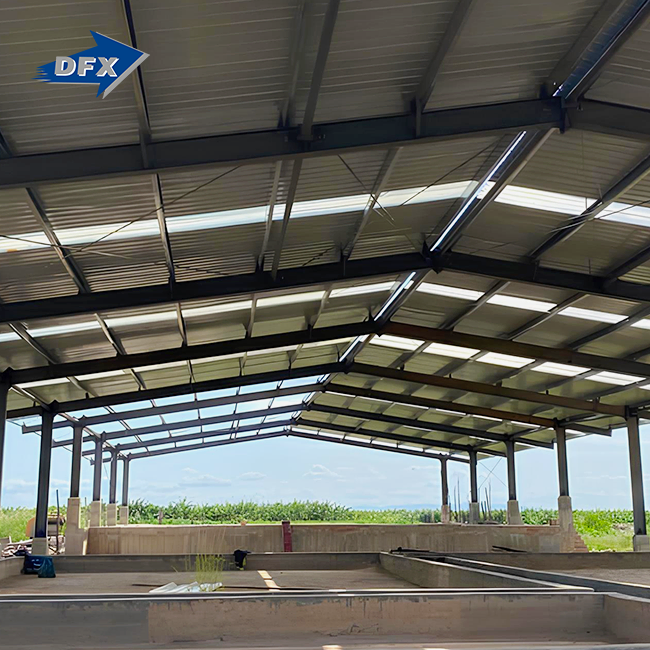
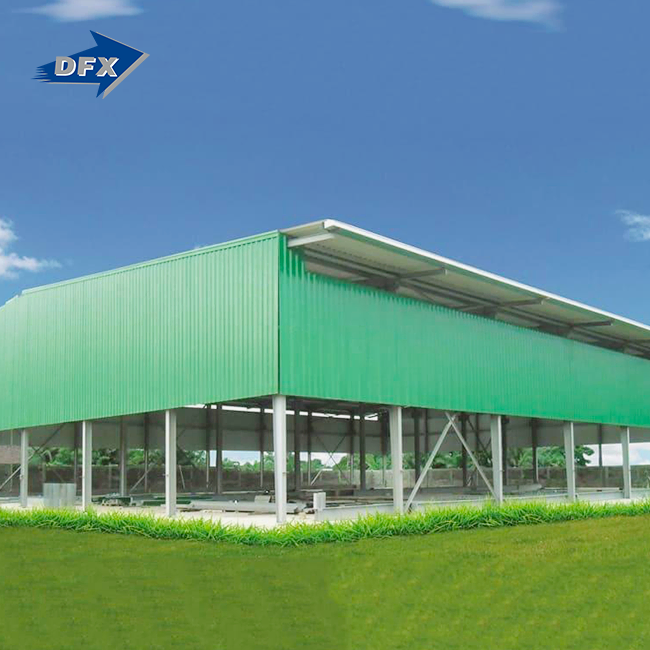
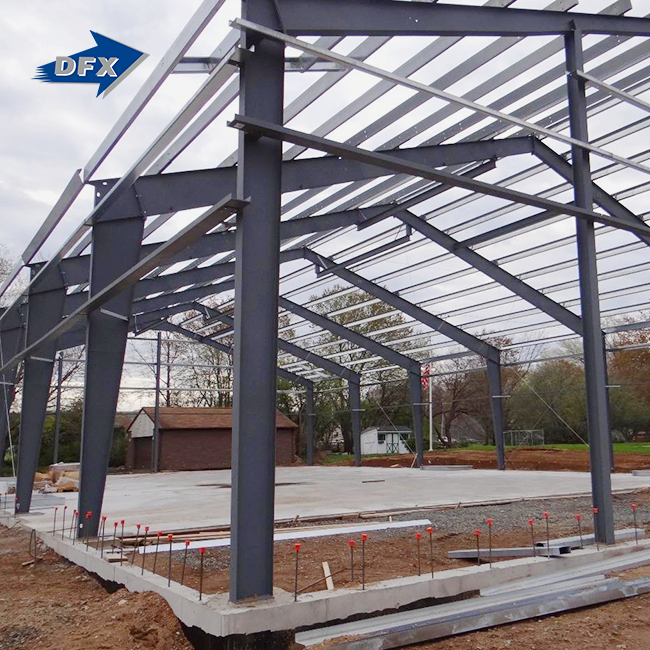
Steel horse shelters are a big step forward in the technology used to build farm buildings. In contrast to traditional wooden buildings, these engineered buildings use high-tensile steel frame systems that make the structures very stable. The stainless steel parts don't rust, get damaged by water, or let pests in, all problems that often happen with wooden barns.
Modern steel barns have high-tech ventilation devices that are important for horse health. Proper airflow keeps temperatures comfortable all year by stopping wetness from building up and ammonia from building up. The clear-span design gets rid of the internal support posts, making the area safer for horses and making it easier to move equipment.
Horse owners are especially interested in steel animal barns because they are safer in case of fire. Class A fire ratings come from steel construction, which lowers insurance costs by a huge amount and protects important animals. In hay storage places, where fires are most likely to happen, the non-flammable materials give people peace of mind.
The engineering behind these buildings makes sure that they can handle certain loads, like snow loads, wind resistance, and mounting places for equipment. These requirements are worked out by professional engineers who use local building rules and the weather conditions in your area.
Essential Design Considerations for Equine Facilities
To build a good horse barn, you need to know how animals behave and what they need for their own safety. Horses need enough room to move around naturally. For average-sized horses, the stall should be at least 12 feet by 12 feet. For ease and safety, bigger breeds may need 14x14-foot stalls.
Ceiling height has a big effect on the quality of the air and the comfort of the horses. Most horse steel barns have ceilings that are 12 to 14 feet high in the stall areas and higher in the center aisles. These measurements allow for good air flow and keep horses from feeling suffocated or stressed.
Where you put doors and windows in an equestrian building changes both how they work and how safe they are. In a barn, sliding doors are better than hinged ones because they save room and lower the risk of injury. Windows should be placed high enough to keep horses from touching them while still letting in natural light and giving you ways to get out in an emergency.
Flooring issues affect not only the steel frame but also the design of the whole barn. Different types of supports, like concrete with rubber mats, packed clay, or specialized horse flooring systems, each have their own benefits. The steel barn frame needs to be able to handle the right drainage and subflooring needs.
During the planning phase, it's important to carefully connect the plumbing and electrical systems. Agricultural barns made of steel can hold large electricity systems for lighting, heating water, and fans for air flow. Planning these utilities early on keeps changes during building from being too expensive.
Customization Options for Steel Horse Barn Kits
Prefabricated horse barn systems can be changed in many ways to meet the needs of particular operations. When horse businesses grow, modular design approaches make it easier to add on, while also giving you options for the future.
Insulation packages are different depending on the environment and what they will be used for. In cold places, full insulation systems with wall and roof panels work best. In mild places, only roof insulation might be enough. Having the right insulation in heated places lowers condensation issues and makes them more energy efficient.
Color and finish choices aren't just about looks; they can also be useful. In sunny places, lighter colors reflect heat better, while darker colors may work better in colder places. High-quality paint systems don't fade or rust, so they keep their look for decades.
Customizing the ventilation takes into account temperature problems and how the barn is used. In mild climates, natural ventilation systems work well. For breeding operations or show horses that need climate-controlled conditions, mechanical systems offer precise environmental control.
Other buildings, like tool storage, hay storage, and wash stalls, go with the main barn structures. Adding attached buildings to steel barn frames is easy, so you can make facility layouts that work well and save money on construction.
Interior divider systems let you set up stalls in a variety of ways. With the help of removable panels, you can adapt the stalls to different horse sizes or use the space to store tools when you need to. This adaptability comes in handy for seasonal businesses or ones whose needs change.
Ventilation and Environmental Control Systems
Proper ventilation is the most important part of designing a horse barn because it affects both the health of the animals and the life of the building. Horse barn systems that can stand up to the weather need to be able to balance moving fresh air with controlling temperature and wetness.
Natural ventilation systems use wind pressure and heat buoyancy to move air through barns. Ridge vents, roof vents, and cupolas all work together to make air flow patterns that don't stop. These systems are easy to maintain and work well in most temperatures to keep the environment under control.
With mechanical ventilation devices, you can precisely control the temperature and air quality in a steel horse barn. No matter what the weather is like outside, exhaust fans, circulation fans, and fresh air intake systems can keep things running at their best. These systems are especially helpful for breeding farms and professional horse facilities that need stable environments.
Moisture control stops condensation problems before they happen, which can hurt building parts and make the environment dangerous. Managing humidity levels well requires anti-condensation fleece systems, proper insulation installation, and enough air flow.
Ridge ventilation, big door openings, and circulation fans are all ways to keep temperatures comfortable in the summer. Different cooling systems can be installed in steel barn frames without having to change the structure, which gives you options for improving temperature control.
When planning your winter heating, you should focus on keeping the right temperatures and making sure there is enough air flow. Radiant heating systems work well with steel buildings because they heat well without making drafts or lowering the quality of the air.
Safety Features and Structural Considerations
Steel barns and riding grounds must put safety for both people and horses first. Smooth surfaces inside keep horses from getting hurt when they touch them, and doors and aisles that are built correctly allow horses to move around safely.
In stalls where horses might touch steel surfaces, kick walls are very important for safety. These safety walls are usually between 4 and 6 feet high and are made of materials that are designed to absorb impact forces without hurting anyone.
Emergency exit planning makes sure that people can leave quickly in case of an emergency. Overall safety is improved by having many exits, wide hallways, and panic-proof door hardware. Steel construction makes emergency planning easier because it allows for large openings and different layout choices.
Lightning defense systems work well with steel buildings and offer better safety than other types of building materials. The right grounding systems safely send electrical charges to the ground, which protects both the building and the people who live or work in it.
When figuring out structural loads, things like mounting tools, storing hay, and live loads from people and horses are all taken into account. Professional engineering makes sure that steel barn frames meet or go beyond local building codes and maintain their structural stability over time.
The foundation needs for steel buildings are usually not as strict as those for concrete or stone buildings. Because steel buildings are lighter, they require less support, which lowers the cost of the foundations while still providing better performance.
Cost Analysis and Return on Investment
When you look at how long a building lasts, steel barn kits are clearly cheaper than traditional building methods. At first, the costs may seem higher than those of wooden alternatives, but a lifecycle study shows that they save a lot of money because they don't need as much maintenance and last longer.
Advantages in construction timelines for an equestrian building directly lead to cost savings through lower labor costs and faster project finish. Prefabricated parts come ready to be put together, so there are no delays caused by bad weather, and building time on-site is cut by 30 to 50 percent.
Maintenance costs for concrete buildings stay much cheaper over the course of their lives than for wooden ones. Traditional barns need expensive repairs to fix damage caused by pests, rot, and the weather that steel parts don't get. Steel buildings last for decades with regular inspections and small repairs.
The better fire resistance and structural integrity of steel buildings are reflected in insurance benefits. Many insurance companies lower the rates of farm buildings made of steel because they know that buildings made of non-flammable materials are safer.
Increasing energy efficiency through better insulation and design cuts down on running costs by a large amount. High-performance insulation systems keep temperatures livable while lowering heating and cooling costs. Steel barn frames can hold these systems.
Steel construction is better for resale value because it lasts longer and needs less upkeep. Potential buyers know that steel buildings are better for property values than deteriorating wooden structures that need a lot of fixes or replacement.
Conclusion
To make a good horse barn kit, you have to think about a lot of things, like the structure's strength, the animals' well-being, and the kit's long-term value. Steel construction is better than traditional building methods in terms of longevity, safety, and the ability to be customized. Investing in high-quality steel horse barn systems pays off in the form of less upkeep, better safety, and more efficient operations.
To be successful, you need to carefully plan, hire professional engineers, and choose manufacturers with a lot of experience who know what an equestrian center needs. When you combine modern steel building methods with careful design, you get horse barns that will last for decades and keep your valuable animals safe and comfy.
Partner with DFX for Your Steel Horse Barn Solutions
DFX specializes in delivering comprehensive Steel Horse Barn manufacturer solutions that combine engineering excellence with practical functionality. Our experienced team understands the unique requirements of equestrian facilities and provides complete design, fabrication, and installation support. With ISO9001, CE, and international certifications backing our quality standards, we ensure your investment delivers lasting value. Contact jason@bigdirector.com to discuss your project requirements and discover how our customized approach creates the perfect equestrian facility for your needs.
References
1. American Society of Agricultural and Biological Engineers. "Design of Ventilation Systems for Livestock Housing Facilities." ASABE Standards Engineering Practices Data, 2019.
2. National Fire Protection Association. "Fire Safety Standards for Agricultural Buildings and Livestock Facilities." NFPA 150: Standard on Fire and Life Safety in Animal Housing Facilities, 2020.
3. Building Officials and Code Administrators International. "International Building Code Requirements for Agricultural Structures." Steel Building Design Guidelines for Agricultural Applications, 2021.
4. University Extension Services Consortium. "Horse Barn Planning and Design Manual for Modern Equestrian Facilities." Agricultural Engineering Extension Publication Series, 2022.
5. American Institute of Steel Construction. "Pre-Engineered Steel Building Design Guide for Agricultural Applications." AISC Design Guide Series: Agricultural Building Standards, 2020.
6. United States Department of Agriculture. "Guidelines for Livestock Housing Design and Environmental Control Systems." USDA Agricultural Research Service Technical Bulletin, 2021.
Learn about our latest products and discounts through SMS or email