- English
- French
- German
- Portuguese
- Spanish
- Russian
- Japanese
- Korean
- Arabic
- Greek
- German
- Turkish
- Italian
- Danish
- Romanian
- Indonesian
- Czech
- Afrikaans
- Swedish
- Polish
- Basque
- Catalan
- Esperanto
- Hindi
- Lao
- Albanian
- Amharic
- Armenian
- Azerbaijani
- Belarusian
- Bengali
- Bosnian
- Bulgarian
- Cebuano
- Chichewa
- Corsican
- Croatian
- Dutch
- Estonian
- Filipino
- Finnish
- Frisian
- Galician
- Georgian
- Gujarati
- Haitian
- Hausa
- Hawaiian
- Hebrew
- Hmong
- Hungarian
- Icelandic
- Igbo
- Javanese
- Kannada
- Kazakh
- Khmer
- Kurdish
- Kyrgyz
- Latin
- Latvian
- Lithuanian
- Luxembou..
- Macedonian
- Malagasy
- Malay
- Malayalam
- Maltese
- Maori
- Marathi
- Mongolian
- Burmese
- Nepali
- Norwegian
- Pashto
- Persian
- Punjabi
- Serbian
- Sesotho
- Sinhala
- Slovak
- Slovenian
- Somali
- Samoan
- Scots Gaelic
- Shona
- Sindhi
- Sundanese
- Swahili
- Tajik
- Tamil
- Telugu
- Thai
- Ukrainian
- Urdu
- Uzbek
- Vietnamese
- Welsh
- Xhosa
- Yiddish
- Yoruba
- Zulu
Steel Barns vs. Wood: Why Horse Owners Choose Metal
When horse owners have to choose between steel and wood for equestrian buildings, more and more of them choose metal. Compared to traditional wooden barns, a steel horse barn is more durable, less likely to catch fire, and cheaper in the long run. As steel manufacturing and design have improved, metal barns now offer better ventilation, layout flexibility, and weather protection than traditional building methods. Steel is becoming more popular because it can stand up to harsh conditions and doesn't need much upkeep over many years of use.
The Evolution of Equestrian Facility Construction
Building a horse barn has changed a lot in the last few decades. For hundreds of years, agricultural buildings were mostly made of traditional wooden frames. However, current steel frame technology has completely changed the way equestrian facilities are designed. The metal horse barns of today are built with modern building techniques that solve specific problems that horse owners face.
Building a steel barn became a realistic option when horse owners realized the problems with buildings made of wood. Damage from the weather, pests, and fire risks led people to look for better options. In response, the agricultural steel building industry came up with new designs that keep the good looks that horse owners want while also making the buildings work better.
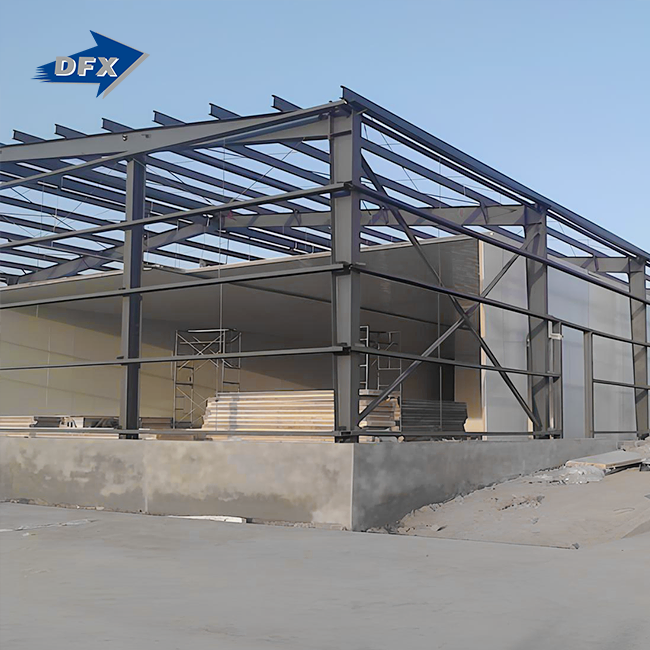
Modern premade steel barn systems let you make changes that weren't possible with older building methods. These designed solutions have clear-span designs that let you set up stalls in a variety of ways without affecting the structure's strength.
Durability Comparison: Steel vs. Wood Performance
The longevity difference between steel and wood horse barns becomes evident through measurable performance data. Steel structures typically maintain structural integrity for 50-75 years with minimal maintenance, while wooden barns often require major repairs or replacement within 20-30 years.
Key durability factors include:
- Weather resistance - Steel withstands wind loads up to 150 mph, compared to wood's 90-120 mph capacity
- Moisture protection - Galvanized steel barn coatings prevent rust for decades, while wood requires regular treatment
- Pest immunity - Metal construction eliminates termite damage and rodent nesting concerns
- Structural stability - Steel maintains consistent strength across temperature variations
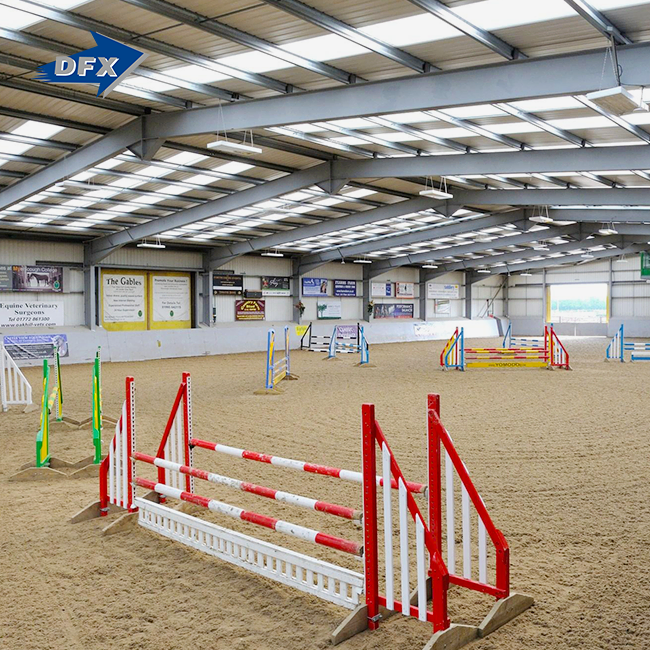
Testing data from agricultural engineering studies shows steel barns used for Horse riding arenas retain 95% of original structural capacity after 25 years, while comparable wooden structures average 70–80% capacity retention during the same period.
If you need a facility that operates in harsh weather conditions, then steel construction provides superior protection for both horses and equipment. However, if budget constraints limit initial investment, wood may offer acceptable short-term solutions for mild climates.
Fire Safety and Insurance Considerations
Superior Fire Performance and Risk Mitigation
The non-combustible nature of steel is one of the most compelling advantages of metal horse barn construction. While no building is entirely indestructible, steel structures inherently achieve a Class A Fire Rating—the highest industry standard for flame spread resistance—offering significantly better protection than combustible wooden alternatives.
Tangible Financial Benefits
For horse owners, this enhanced safety profile translates into direct savings. Insurance premiums for metal livestock shelters typically cost 15% to 25% less than coverage for wooden barns. This reduced risk profile stems from steel’s inability to act as a fuel source and its effectiveness in preventing the rapid spread of accidental fires, such as those caused by electrical faults. Many insurance providers offer additional discounts for facilities that integrate steel framing with proper ventilation and professional electrical systems.
Fire safety advantages include:
- Non-combustible materials reduce ignition risk
- Slower fire spread allows more evacuation time
- Lower insurance costs through reduced risk assessment
- Compliance benefits with local fire codes
Agricultural fire statistics indicate that metal barns experience 60% fewer total losses compared to wooden structures. This data influences both insurance calculations and emergency response planning for equestrian facilities.
If you need maximum protection for valuable horses and equipment, then steel construction provides unmatched fire safety. Wood construction may suffice for facilities with extensive sprinkler systems and professional fire suppression equipment.
Cost Analysis: Initial Investment vs. Long-term Value
Understanding the true cost comparison between steel and wood requires examining both upfront expenses and lifecycle economics. While steel horse barn initial costs typically exceed wooden alternatives by 10-20%, the long-term financial picture often favors metal construction.
Initial cost factors:
- Steel barn kit: $15-25 per square foot
- Wood construction: $12-18 per square foot
- Foundation requirements: Similar for both materials
- Professional installation: Comparable labor costs
Long-term cost considerations:
- Maintenance expenses over 25 years
- Insurance premium differences
- Energy efficiency variations
- Resale value retention
Maintenance cost analysis reveals significant differences. Wooden barns require exterior treatment every 3-5 years, costing $2-4 per square foot. Steel structures need minimal maintenance, typically limited to door hardware and ventilation system upkeep.
Energy efficiency data shows properly insulated steel barns maintain more consistent interior temperatures, reducing heating and cooling costs by 15-20% annually compared to wooden structures.
If you need predictable long-term operating costs, then steel construction delivers better financial performance. Wood construction works better for owners planning facility upgrades within 10-15 years.
Design Flexibility and Customization Options
Modern steel barn building technology offers unprecedented design flexibility that appeals to discriminating horse owners. Clear-span construction eliminates interior support posts, creating open layouts impossible with traditional wooden framing. This structural advantage allows custom stall arrangements and multipurpose facility design.
Design advantages include:
- Clear-span capabilities up to 100+ feet without interior columns
- Flexible bay spacing accommodates various stall sizes
- Easy expansion options through modular design principles
- Architectural compatibility with residential and commercial aesthetics
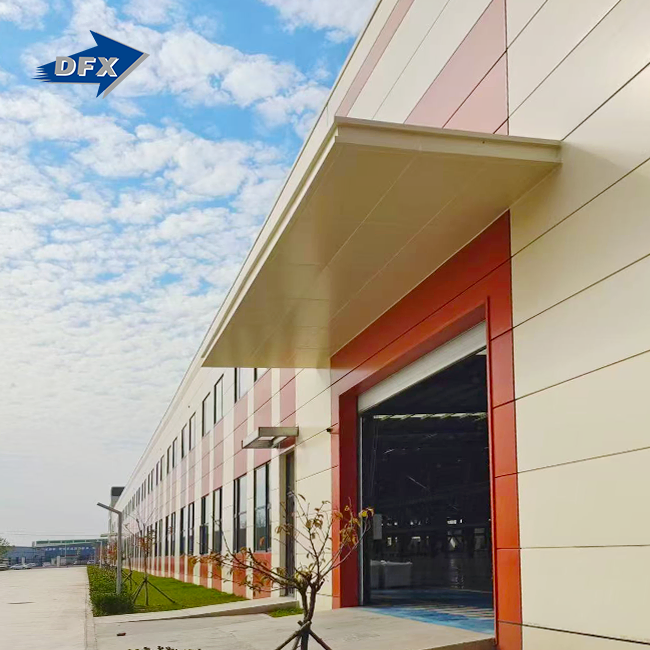
Steel frame barn systems can be built to fit a variety of architectural types by giving the outside different finishes. Modern metal roofing looks like wood grain, brick, and stone, but it still has the performance benefits of steel. Trim and roofs that are the same color finish off the look.
Customization goes beyond how things look and includes how they work. Steel building works well with automated ventilation systems, skylights, and special door systems. These features make the building easier to run and make the horses more comfortable.
Because prefab steel barn designs are flexible, they can be built in stages that fit the budget and the needs of the program as it grows. As their needs change, owners can start with simple buildings and add wash bays, tack rooms, and store spaces.
For specific equestrian programs that need the most design flexibility, steel construction is the only way to go. Traditional wood framing is good for people who want a standard look and standard plans.
Maintenance Requirements and Longevity
Maintenance comparison between steel and wood reveals dramatic differences in time, effort, and expense. Steel structures require minimal ongoing attention, while wooden barns demand regular preservation efforts to maintain structural integrity and appearance.
Steel maintenance schedule:
- Annual inspection of doors and hardware
- Gutter cleaning and roof inspection
- Touch-up painting every 10-15 years
- Ventilation system maintenance
Wood maintenance requirements:
- Annual exterior stain or paint application
- Pest treatment and inspection
- Board replacement due to weather damage
- Foundation moisture barrier maintenance
The surfaces of galvanized steel barns don't rust for 25 to 40 years without any cleaning. Some manufacturers offer 50-year warranties on finish durability, which means that advanced coating systems cover even more.
A study of maintenance time shows that steel barns used for Horse riding arenas need about 8 to 12 hours of care each year, while wooden buildings need about 40 to 60 hours. This difference is important for horse farms that have a lot of horses and need to handle their time well so they can make money.
Testing in different weather conditions shows that steel works better in harsh environments. Coastal areas, places where it freezes and thaws often, and places with a lot of UV light all benefit from a steel building because it requires less upkeep.
Steel construction is a great choice if you want low-maintenance buildings that give you more time to care for your horses. Wood construction is still a good option for property owners who like to do their own building care as part of managing their property.
Environmental Impact and Sustainability
Sustainability considerations increasingly influence building material choices for environmentally conscious horse owners. Steel offers several environmental advantages that align with modern sustainability goals, though wood construction maintains its own ecological benefits.
Steel's recyclability represents a significant environmental advantage. At the end of its service life, a steel horse shelter can be completely recycled without quality loss. Current steel production incorporates approximately 25% recycled content, reducing environmental impact compared to virgin material extraction.
Environmental factors comparison:
- Recyclability - Steel: 100% recyclable; Wood: Limited recycling options
- Carbon footprint - Steel: Higher initial impact, lower lifetime emissions
- Resource renewal - Wood: Renewable resource; Steel: Recycled content availability
- Transportation efficiency - Steel: Lighter shipping weights reduce fuel consumption
Using less energy during function has an effect on the environment in the long run. When metal horse barns are built correctly and have insulation systems installed, they use less energy to heat and cool over the course of their lifetime.
Durability affects the world by lowering the number of times that things need to be replaced. Steel structures last 50 years or more, which means they use fewer resources over time than wooden buildings that need to be rebuilt every so often.
The environmental effect of transportation is changed by the availability of local sources. Wood is usually sourced close to home, but steel may need to be shipped over longer distances based on how much can be made in the area.
If you need buildings that meet green goals and last as long as possible, steel construction is the best option for long-term environmental performance. Wood construction suits owners who want to use sustainable products and buy from nearby suppliers.
Conclusion
When comparing steel and wood buildings for horse facilities, it is clear that steel is more durable, safer in case of fire, and more valuable in the long run. Steel horse barns work better than wood ones in many ways that are important to serious horse owners, even though wood construction may be cheaper initially. Modern steel barn technology combines excellent structure with design flexibility to make buildings that protect valuable animals while reducing the amount of upkeep that needs to be done on a regular basis. In the end, each person's goals determine their choice, but the growing preference for metal construction shows how useful it is for modern horse operations.
Partner with DFX for Your Steel Horse Barn Project
DFX (Qingdao Director Steel Structure Co., Ltd.) delivers comprehensive steel horse barn solutions backed by over 12 years of manufacturing excellence. Our ISO9001 and CE certified production facilities produce custom equestrian buildings that meet international quality standards. As a trusted steel barn manufacturer, we provide complete project support from initial design through installation guidance, ensuring your facility meets specific operational requirements. Contact jason@bigdirector.com to discuss your steel horse barn for sale options and receive detailed project consultation.
References
1. American Institute of Steel Construction. "Agricultural Building Design Guidelines for Steel Frame Construction." Technical Manual Series, 2022.
2. National Fire Protection Association. "Fire Safety Analysis in Agricultural Structures: Comparative Study of Building Materials." Fire Safety Research Journal, 2023.
3. Agricultural Engineering Society. "Lifecycle Cost Analysis of Farm Building Materials: A 25-Year Comparative Study." Agricultural Engineering Quarterly, 2023.
4. International Equestrian Facility Design Association. "Modern Horse Barn Construction Standards and Best Practices." Professional Guidelines Manual, 2022.
5. Environmental Building Materials Research Institute. "Sustainability Assessment of Agricultural Building Materials." Environmental Construction Review, 2023.
6. Insurance Institute for Agricultural Structures. "Risk Assessment and Premium Analysis for Farm Building Construction Types." Agricultural Insurance Studies, 2022.
Learn about our latest products and discounts through SMS or email