- English
- French
- German
- Portuguese
- Spanish
- Russian
- Japanese
- Korean
- Arabic
- Greek
- German
- Turkish
- Italian
- Danish
- Romanian
- Indonesian
- Czech
- Afrikaans
- Swedish
- Polish
- Basque
- Catalan
- Esperanto
- Hindi
- Lao
- Albanian
- Amharic
- Armenian
- Azerbaijani
- Belarusian
- Bengali
- Bosnian
- Bulgarian
- Cebuano
- Chichewa
- Corsican
- Croatian
- Dutch
- Estonian
- Filipino
- Finnish
- Frisian
- Galician
- Georgian
- Gujarati
- Haitian
- Hausa
- Hawaiian
- Hebrew
- Hmong
- Hungarian
- Icelandic
- Igbo
- Javanese
- Kannada
- Kazakh
- Khmer
- Kurdish
- Kyrgyz
- Latin
- Latvian
- Lithuanian
- Luxembou..
- Macedonian
- Malagasy
- Malay
- Malayalam
- Maltese
- Maori
- Marathi
- Mongolian
- Burmese
- Nepali
- Norwegian
- Pashto
- Persian
- Punjabi
- Serbian
- Sesotho
- Sinhala
- Slovak
- Slovenian
- Somali
- Samoan
- Scots Gaelic
- Shona
- Sindhi
- Sundanese
- Swahili
- Tajik
- Tamil
- Telugu
- Thai
- Ukrainian
- Urdu
- Uzbek
- Vietnamese
- Welsh
- Xhosa
- Yiddish
- Yoruba
- Zulu
What is a prefabricated steel building?
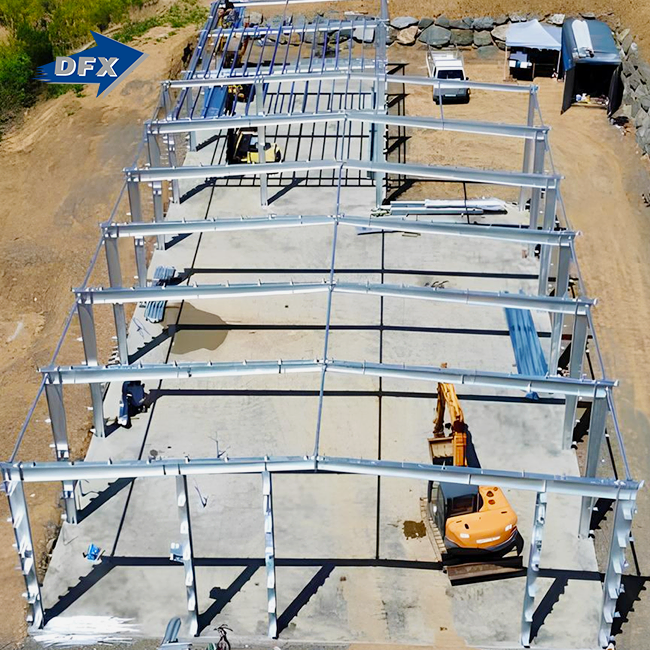
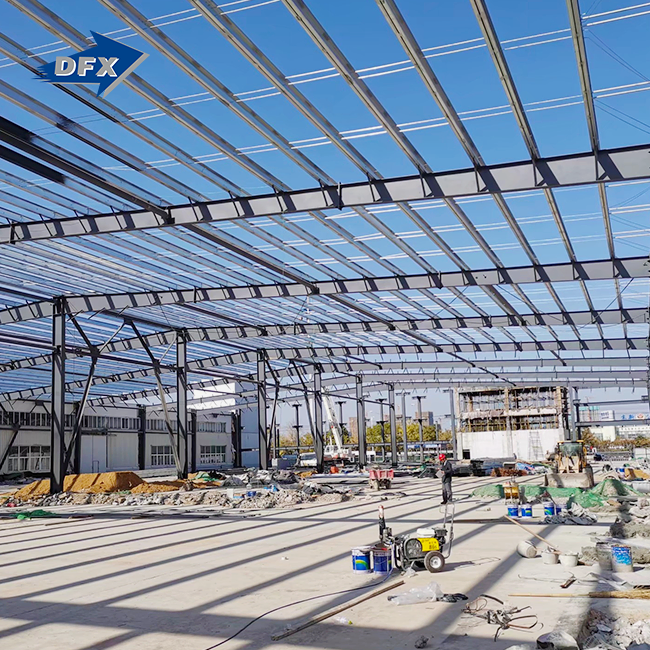
What does a prefabricated steel building look like? A prefabricated steel building is a new way of building. The main structural parts, like H-section columns, beams, and steel frames, are made, cut, and welded in a controlled factory setting before being shipped to construction sites to be put together. This modular construction method changes the way buildings are usually made by providing better quality control, faster project timelines, and more cost-effective options for industrial, business, and agricultural uses in many different fields. There is more and more pressure on the building industry to finish projects faster, cheaper, and to higher quality standards. Traditional ways of building often have problems with quality control, uncertain schedules, and delays caused by bad weather. At the same time, prices keep going up because of a lack of skilled workers and wasteful use of materials. Because of these conditions, we need new and creative building methods that can solve these basic problems while still meeting safety and structural standards.
What Makes Prefabricated Steel Buildings Unique?
Pre-engineered building systems use advanced manufacturing techniques to change the way buildings are built. Instead of making things on-site like most structures do, these use advanced computer-aided design tools like TEKLA and AutoCAD to make sure that every part is perfect before production starts. The first step is to do thorough engineering calculations to find the best steel specifications, load distributions, and connection needs.
Precision manufacturing is only possible in factory-controlled settings, not on construction sites. Automated welding systems, like Submerged Arc Welding (SAW), make parts that are always strong and don't have flaws that are caused by weather or mistakes made by people. Quality control experts keep an eye on every step, from making sure the raw materials are correct to doing the final inspection.
The modular method lets work be done at the same time, so while foundation work is going on at the site, steel fabrication is going on in the factory at the same time. When compared to old ways of doing things, this concurrent process cuts project schedules by 30 to 50 percent. The parts come ready to be put together; they only need to be bolted together, which can be done quickly by trained workers.
Steel building kits come with carefully made parts like main frame members, secondary structure parts like C/Z purlins, metal roofing panels, and hardware for connecting them. Each piece has an identification mark that matches a detailed installation drawing. This makes sure that the assembly is done correctly, no matter how complicated the job is.
Industry Challenges Addressed by Prefabricated Solutions
There are three major problems that construction professionals always have that modular steel construction directly fixes. Traditional projects have hard-to-predict completion dates because of things like weather, late deliveries of materials, and complicated manufacturing on-site. These differences are taken away from steel structure systems by using controlled manufacturing settings and standard assembly steps.
Another big problem is that quality isn't always the same. Conditions for welding on-site are very different depending on the weather, the skill level of the workers, and the supply of equipment. When production is controlled in a factory, temperatures, humidity levels, and working conditions stay the same. Certified welders use high-tech tools and follow strict rules to make sure the welds are strong and the structure is intact.
Material waste usually takes up 10 to 15 percent of construction funds. Specialized nesting software improves steel cutting designs so that less waste is made and less damage is done to the environment. With precise production, changes and rework in the field are not needed, which further cuts down on costs and waste.
Skilled trades like welding and steel construction are especially affected by a lack of workers. Bolted connections take the place of complicated welding processes, so putting together fabricated steel parts doesn't require as many specialized skills. This method cuts down on the need for scarce skilled workers while keeping safety and quality standards high.
Advanced Engineering and Manufacturing Technology
Advanced engineering concepts and the newest manufacturing technology are used in modern steel building design. Building Information Modeling (BIM) makes 3D models of whole buildings that are very accurate before they are built. During the design process, not during construction, engineers look at load paths, find the best way to use materials, and find possible conflicts.
High-strength low-alloy steel types like Q355B or ASTM A572 Grade 50, which have yield strengths above 345 MPa, are often used for main structural members. Because these materials are so strong for how light they are, they can support clear spans of up to 60 meters without any internal frames. These features make the most of the useful floor space while lowering the foundation needs.
Galvanized steel parts have zinc coats that range from 120g/m² to 275g/m² to protect them from rust. Hot-dip galvanizing methods make metallurgical bonds between steel and zinc that last for decades without needing to be fixed. Shot blasting to Sa 2.5 standards is another way to treat the surface. Epoxy zinc-rich bases and polyurethane topcoats are then applied.
Protocols for quality assurance include thorough testing and checking of all materials. Mill Test Certificates (MTC) list the chemicals that are in raw materials and their mechanical qualities. Ultrasonic testing (UT) and radiographic testing (RT) are two non-destructive ways to check the quality of a repair that meets AWS D1.1 standards. Dimensional accuracy checks make sure that parts meet the ±2mm tolerances needed for important connections.
Key Advantages of Prefabricated Steel Construction
Prefabricated steel houses have many great benefits that help with real-life building problems. Speed of construction is the main benefit; most projects are finished 40–60% faster than with traditional methods. This speedup is due to the ability to handle multiple tasks at once and to make assembly easier on-site.
Project managers and workers get a lot of value from the cost predictability provided by modular steel construction. Fixed-price manufacturing cuts down on wasteful use of materials and on the cost of labor by making production more efficient. When speed, quality, and fewer change orders are taken into account, total project costs usually go down by 15 to 25 percent compared to standard building methods.
In a number of important ways, structural performance is better than that of traditional building systems. Because steel is naturally flexible, it is better at resisting earthquakes because it releases energy when the ground moves. High strength-to-weight ratios make it possible to build spans that are longer and require less base. Consistent factory-controlled production makes sure that the building's structural features are always reliable.
Environmental sustainability is becoming more and more important in construction choices. 90% of steel buildings are made from recycled materials, and when they're done, they can be remade again and again. Shorter construction timelines mean less damage to the place and less energy use. Precision production almost completely gets rid of material waste, which supports green building practices.
Design flexibility lets different building needs and future changes work with the design. Open floor plans with few internal supports give you the most options for how to set up your space. When a business's needs change, it's easy to expand or reconfigure modular components. Specialty features like crane systems, mezzanines, or machine platforms can be added to custom steel buildings.
Comparing Prefabricated Steel to Alternative Systems
When compared to prefabricated steel systems, traditional concrete buildings have different pros and cons. Concrete is very good at resisting fire and keeping heat in, but it takes longer to build and needs a lot of formwork. The weather has a big effect on when concrete projects get done, but steel production can go ahead no matter what the site conditions are.
In traditional stick-built steel construction, manufacturing and welding are done on-site, which raises the cost of labor and changes the quality of the building. These worries are taken away with prefabricated systems, which are made in a factory and have easier setup steps. Due to their ability to handle multiple tasks at once, prefabricated methods always work better for meeting project deadlines.
Wood frame construction is cheaper to set up at first for smaller buildings, but it can't span as far and doesn't last as long as steel systems. Steel construction is better for business and industrial uses because it lasts longer, doesn't catch fire, and doesn't attract pests. Steel buildings can also hold loads and forces that are too strong for wood frames, like heavy tools.
Target Applications and Ideal Use Cases
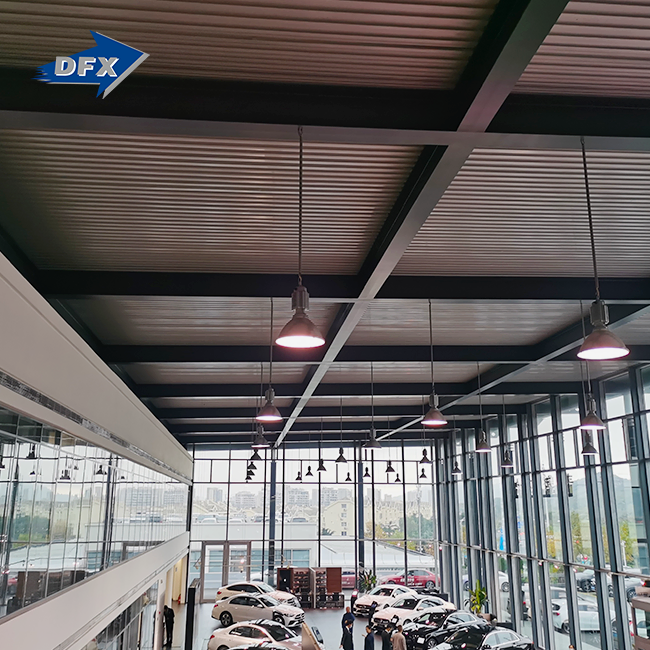
Because they need to have long, clear spans, hold heavy equipment, and be built quickly, manufacturing sites are great places for prefabricated steel buildings. The inside of production buildings is free of columns, which makes it easier to set up flexible work areas and install overhead cranes.
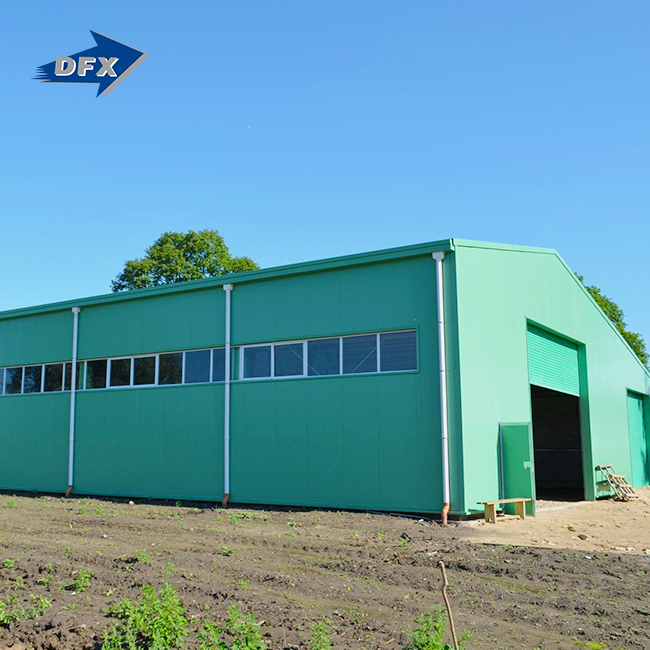
Agricultural and livestock businesses are using steel building systems more and more because they last longer and cost less. Steel framing is a great material for building poultry houses, livestock barns, and agricultural storage facilities because it allows for large, enclosed areas with specialized ventilation systems.
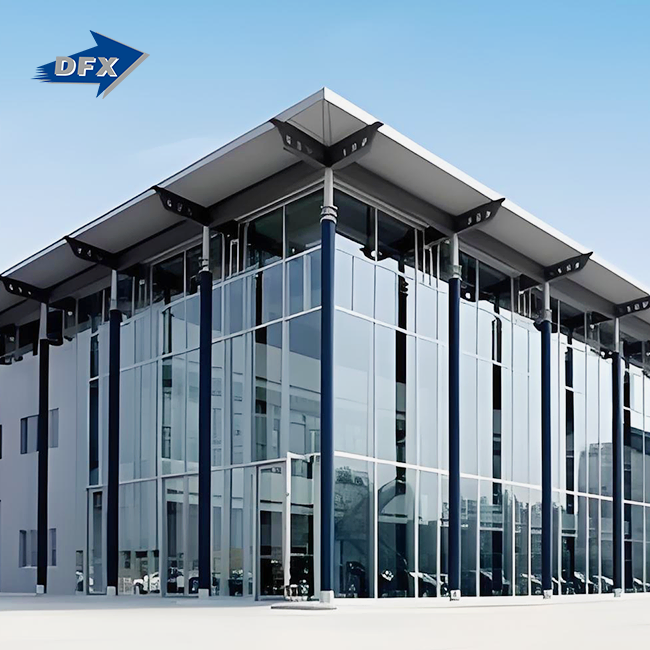
Steel buildings can make huge enclosed spaces with little structural disruption, which is useful for commercial and industrial warehouses. Logistics operations need layouts that are flexible enough to change as storage and delivery needs do. Steel buildings are the right kind of structure for these changing needs.
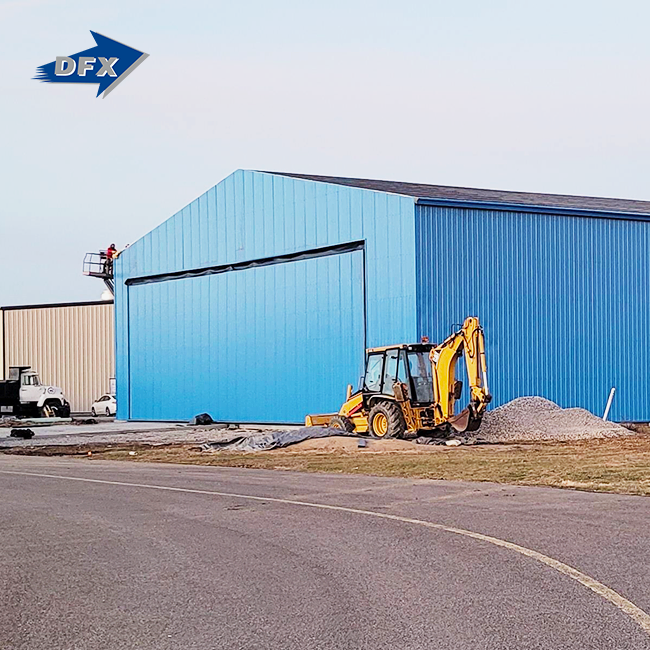
Custom engineering solutions are needed in aircraft hangars and other specialized industry facilities. Prefabricated steel systems can easily meet these needs. For these uses, special building features, the inclusion of specific equipment, and high-performance standards that are better met with factory-controlled manufacturing processes are common.
Conclusion
Prefabricated steel buildings are an example of how construction technology is changing to make buildings that are more efficient, last longer, and cost less. As the need for workers grows and project deadlines get tighter, these methods have been shown to solve problems in the past. These days, advanced manufacturing techniques and high-tech engineering design tools keep making steel building applications more useful. Sustainable building practices are becoming more popular, and steel construction is a good choice because it can be recycled and has less of an effect on the environment during construction.
FAQ
Q1: How long does it take to construct a prefabricated steel building?
A: Typical construction timelines range from 4-12 weeks, depending on building size and complexity. The fabrication process requires 25-45 days, while on-site assembly usually takes 1-4 weeks. This represents 40-60% time savings compared to conventional construction methods due to parallel processing of fabrication and site preparation.
Q2: What maintenance requirements do prefabricated steel buildings have?
A: Properly protected steel buildings require minimal maintenance. Galvanized components typically need no maintenance for 25-30 years, while painted surfaces may require touch-up every 10-15 years, depending on environmental conditions. Regular inspections of roofing systems and door seals represent the primary ongoing maintenance requirements.
Q3: Can prefabricated steel buildings withstand severe weather conditions?
A: Steel buildings excel in severe weather performance when properly engineered. They resist high winds better than most building types due to structural continuity and connection strength. Snow loads, seismic forces, and wind loads are specifically calculated during design to meet or exceed local building code requirements for your geographic location.
Partner with DFX for Your Prefabricated Steel Building Project
DFX stands as your trusted prefabricated steel building supplier, combining over 12 years of manufacturing expertise with comprehensive project support from design through installation. Our 40,000 square meters of production facilities and advanced welding capabilities ensure quality components for your next project. Contact jason@bigdirector.com to discuss your specific requirements and discover how our integrated design-build approach can streamline your construction timeline while maintaining exceptional quality standards.
References
1. American Institute of Steel Construction. (2016). Steel Construction Manual, 15th Edition. Chicago: AISC Press.
2. Newman, Alexander P. (2019). Pre-Engineered Buildings: Design and Construction Practices. Journal of Structural Engineering, 145(8), 04019087.
3. Carter, Michael J. & Rodriguez, Elena S. (2020). Sustainable Steel Construction: Environmental Impact Assessment of Prefabricated Systems. Green Building Review, 34(2), 78-92.
4. Thompson, Robert K. (2018). Factory-Controlled Steel Fabrication: Quality Assurance in Modern Construction. Industrial Construction Quarterly, 29(4), 156-171.
5. Davis, Sarah L. & Wilson, James M. (2021). Economic Analysis of Prefabricated vs. Conventional Steel Construction Methods. Construction Economics and Building, 21(3), 45-63.
6. International Building Code Council. (2021). Steel Building Systems: Code Compliance and Performance Standards. Building Safety Journal, 18(7), 23-38.
Learn about our latest products and discounts through SMS or email