- English
- French
- German
- Portuguese
- Spanish
- Russian
- Japanese
- Korean
- Arabic
- Greek
- German
- Turkish
- Italian
- Danish
- Romanian
- Indonesian
- Czech
- Afrikaans
- Swedish
- Polish
- Basque
- Catalan
- Esperanto
- Hindi
- Lao
- Albanian
- Amharic
- Armenian
- Azerbaijani
- Belarusian
- Bengali
- Bosnian
- Bulgarian
- Cebuano
- Chichewa
- Corsican
- Croatian
- Dutch
- Estonian
- Filipino
- Finnish
- Frisian
- Galician
- Georgian
- Gujarati
- Haitian
- Hausa
- Hawaiian
- Hebrew
- Hmong
- Hungarian
- Icelandic
- Igbo
- Javanese
- Kannada
- Kazakh
- Khmer
- Kurdish
- Kyrgyz
- Latin
- Latvian
- Lithuanian
- Luxembou..
- Macedonian
- Malagasy
- Malay
- Malayalam
- Maltese
- Maori
- Marathi
- Mongolian
- Burmese
- Nepali
- Norwegian
- Pashto
- Persian
- Punjabi
- Serbian
- Sesotho
- Sinhala
- Slovak
- Slovenian
- Somali
- Samoan
- Scots Gaelic
- Shona
- Sindhi
- Sundanese
- Swahili
- Tajik
- Tamil
- Telugu
- Thai
- Ukrainian
- Urdu
- Uzbek
- Vietnamese
- Welsh
- Xhosa
- Yiddish
- Yoruba
- Zulu
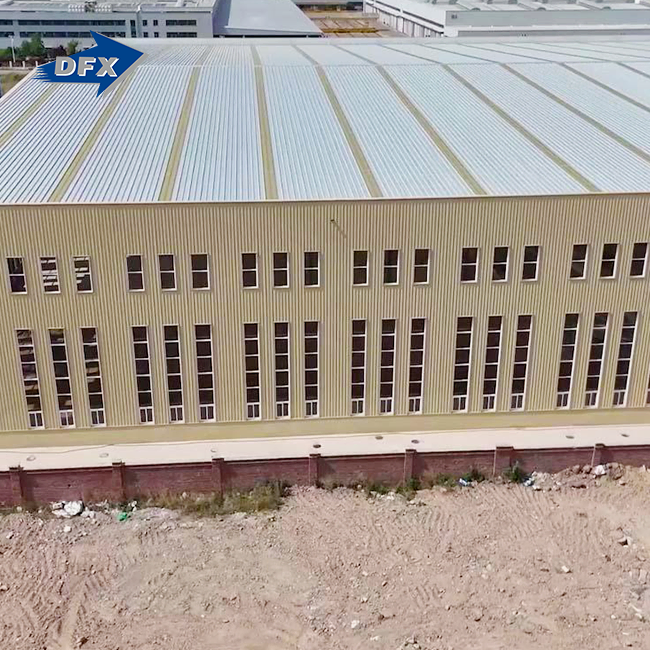
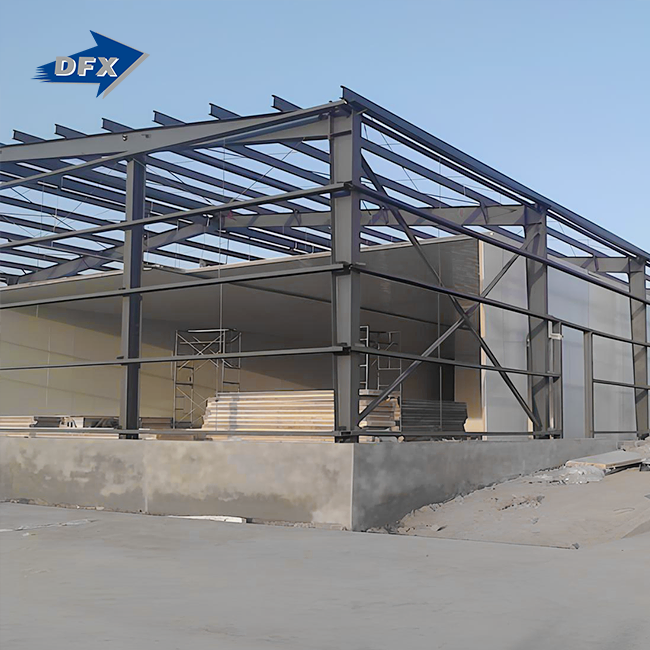
What is peb building?
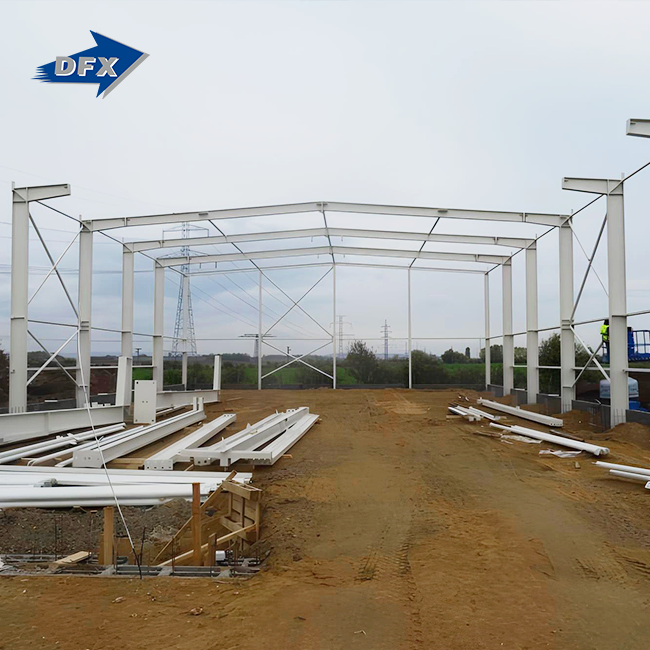
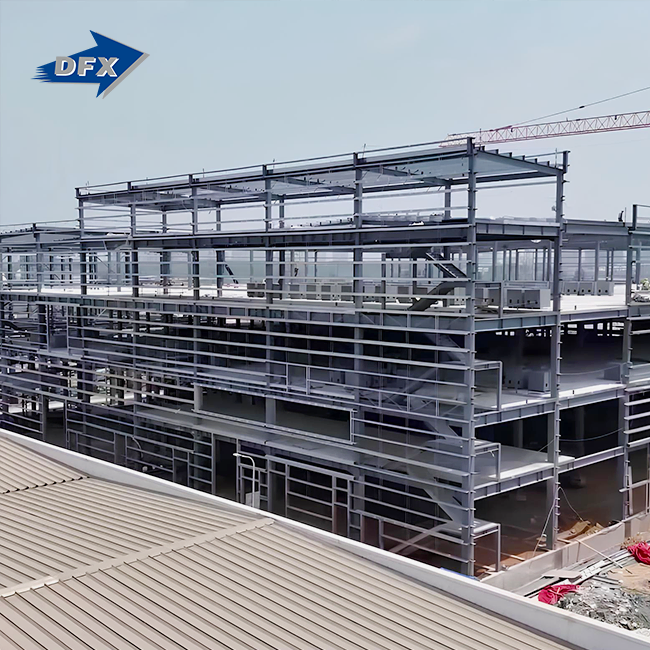
A PEB building is a complex steel structure system where building parts are made in a controlled workshop and then brought to the construction site to be put together quickly. This new way of building uses advanced engineering design software and standard building parts to make structures that are durable, cost-effective, and meet the needs of the project while cutting down on construction time and total costs by a large amount.
How PEB Buildings Address Critical Construction Challenges?
There is more and more pressure on the building industry to finish projects faster, cheaper, and to higher quality standards. Traditional ways of building often have problems with quality control, unpredictable schedules, and rising prices. PEB buildings became a new way to deal with these long-lasting problems.
Normal building sites are plagued by weather delays that cause projects to go over budget and stakeholders to become angry. During the fabrication phase, weather-related delays are avoided when metal buildings are made in controlled factory settings. Only the final building is done on-site, which greatly reduces the amount of time that the structure is exposed to bad weather.
Construction plans across the United States are still being slowed down by a lack of workers. When compared to traditional building methods, prefabricated steel building parts need fewer trained workers on-site. Standardized connection systems and detailed installation drawings make putting things together easier, which makes jobs easier to handle even when skilled workers aren't readily available.
When construction is done fully on-site, with changing conditions and many subcontractors, it can be hard to keep the quality consistent. This problem is solved by factory-controlled manufacturing methods in pre-engineered buildings. Before leaving the production center, every structural part goes through strict quality checks. This makes sure that all parts of the building meet the same standards.
Cost predictability is still a big problem for buying teams and project managers. Costs often go up in traditional building because of things like wasted materials, delays caused by bad weather, and change orders. Standardized PEB systems help builders get more accurate cost estimates and avoid surprises during building.
Engineering Excellence Behind PEB Building Systems
Advanced structural engineering and manufacturing techniques are the building blocks of all great PEB projects. Computer-aided design software makes sure that every part of a building works as efficiently as possible while still meeting safety standards and structural stability.
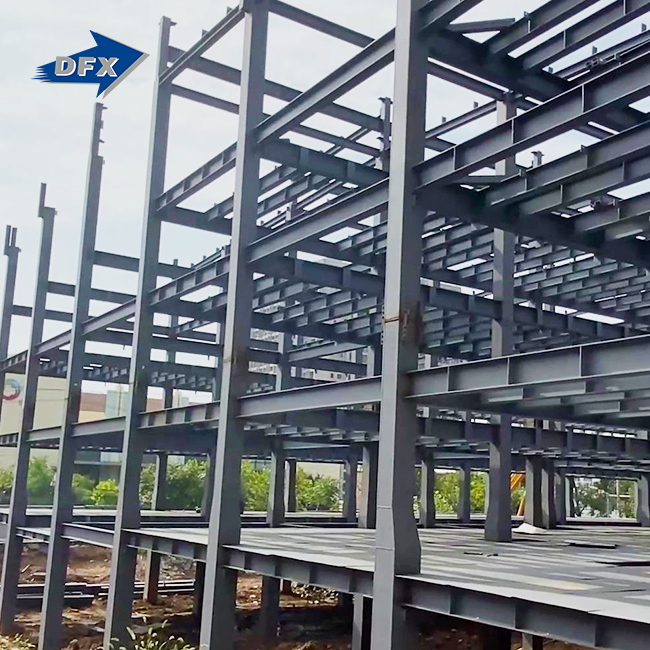
The main frames of buildings are made up of welded H-section steel parts that are usually made from high-quality steel like Q355 or ASTM A572 Grade 50. Because these materials are so strong for how light they are, they can support long spans without any poles in the middle. Strict quality control rules are used during the welding processes to make sure that the structural links are all the same level of strength and penetration.
Cold-formed C and Z purlins are used in secondary framing systems. They connect to the main frame using standard bolted connections. This method gets rid of the need for welding in the field, which cuts down on installation time and the chance of quality problems. The bolted connection method also makes it easy to make changes or add-ons in the future if the business needs to.
Through designed attachment methods, building envelope systems fit together perfectly with the structural frame. Special fasteners are used to connect the roof and wall panels to the secondary framing so that they will last for a long time and hold up under different loads. Insulation and vapor barriers are often built into the panel systems, which makes the building surfaces more energy-efficient.
Engineers can mimic different types of loads using advanced software, such as wind, snow, earthquakes, and live loads. This thorough study makes sure that every part of the building can handle the conditions at the project site. The optimization process cuts down on the amount of material needed while still meeting safety standards set by building codes.
There are written methods for welding, cutting, drilling, and surface preparation that are used for quality control throughout the whole manufacturing process. Material traceability systems keep track of every steel part from the time the raw materials are bought until they are delivered to the end destination. This gives complete records for the project.
Comprehensive Advantages of Modern PEB Buildings
Implementing modular steel construction methods yields measurable advantages in several project areas. Knowing these benefits helps people make decisions about whether to build PEB buildings or other types of buildings.
One of the best things about pre-engineered building systems is that they can be put together quickly. In standard building methods, different trades have to be done one after the other, but PEB projects let them be done at the same time. Site planning and foundation work happen at the same time that building parts are being made off-site. Compared to traditional building methods, this parallel technique can cut project timelines by 30 to 50 percent.
Several parts of the PEB construction method work together to make it cost-effective. When compared to fully customized structure systems, standard designs save engineers money. Making things in a factory gets rid of the waste of materials that happens a lot in field building, where cutting and fitting materials together often creates a lot of scrap. The shorter building timeline lowers the cost of financing and lets facilities that make money start using them sooner.
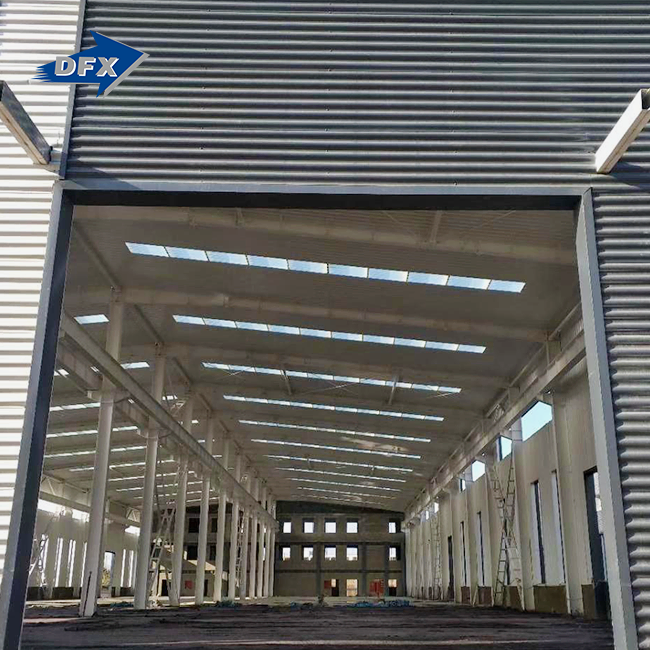
Design flexibility lets different design needs be met while keeping the efficiency gains of standard systems. With a clear span of up to 300 feet, open floor plans are perfect for factories, warehouses, and places where things are put together. Using modular design principles makes it easy to add building bays or extend current structures in the future.
When PEB buildings are properly designed, they meet or beat traditional building standards for structural performance. Steel buildings are very resistant to earthquakes because they are strong compared to their weight. This is especially important in places where earthquakes are common. Through specific connection details and reinforcement strategies, wind-resistant powers meet the needs of places that are prone to hurricanes.
One benefit of being environmentally friendly is that steel parts can be recycled when the building is no longer needed. Steel is made from recycled materials that have been used in other ways, which supports the ideas of a circular economy. When compared to traditional building methods, these have less of an effect on the environment because they use more efficient production processes and produce less construction waste.
As long as the surface is properly treated and the plan is correct, steel structures don't need much maintenance. With regular inspections and upkeep, galvanized paint or coatings protect against corrosion, which makes the building last longer. It's easier to make repairs or changes when structural links are easy to get to.
PEB Buildings vs. Conventional Steel Construction Methods
Traditional steel construction and pre-engineered buildings are very different in how they are built, how much they cost, and how they are delivered. These similarities help people involved in the project make smart choices based on the needs of the project.
In traditional steel construction, each part of the job is usually designed and made to order. For each job, structural engineers plan out the beam sizes, connection details, and member layouts. This customized method gives you the most design options, but it takes longer for planning and production.
The two methods have very different cost structures. Because of the unique design needs, a custom steel building usually has higher engineering costs. Custom links may also make fabrication more expensive because they need to be cut, drilled, and welded in special ways. Standardized designs and production methods are used in PEB systems to lower the costs of both engineering and fabrication.
Because they can be processed in parallel and have standard installation steps, pre-engineered buildings help keep construction schedules on track. Because of the need for custom details and sequential manufacturing processes, traditional steel buildings often take longer to build. Custom steel buildings may need more skilled workers and more time to put together when they are installed in the field.
There are different ways to do quality control for each technique. Most PEB manufacturers keep quality standards consistent by using standard methods and inspecting their work on a frequent basis. When it comes to traditional steel fabrication, quality rests more on the skills of the fabricator and the quality control measures that are used on that particular project.
Architectural integration skills tend to support traditional steel construction when the design calls for complicated building shapes or specific aesthetic needs. PEB buildings work best in situations where usefulness and cost-effectiveness are more important than architectural complexity.
Target Applications and Ideal Use Cases
Because of how they are made, pre-engineered buildings work especially well for certain kinds of construction projects and user needs. Being aware of these ideal uses can help you figure out when PEB technology is most useful.
Manufacturing facilities are one of the main markets for industrial buildings because they need big clear spans, quick construction, and low costs. For production workshops to be useful, the floor plans need to be able to adapt to different equipment arrangements and manufacturing methods. The ability to reach spans of 100 to 300 feet without using intermediate poles gives businesses the most options for how they can run.
The prefabricated steel building systems are advantageous for warehouse and distribution centers due to their low cost and adaptable design options. To meet logistics needs and seasonal changes, these sites often need to be set up quickly. Standardized design and building methods make it possible to set reliable delivery dates for projects, which is important for planning the supply chain.
Agricultural uses include buildings for animals, places to store tools, and processing plants. Farms need structures that are long-lasting, cost-effective, and can fit a lot of different kinds of tools and operational needs. Steel structures can be treated to make them resistant to corrosion, which makes them last longer in farming settings.
Retail buildings, churches, leisure centers, and office buildings are all commercial uses. In these kinds of projects, cost and style needs are often balanced. Because PEB systems are easy to build, they can be used with a wide range of architectural styles while still being cost-effective.
For big clear spans and high door openings, aviation facilities like hangars need special engineering. In these tough situations, where standard building methods are too expensive, pre-engineered building systems are the best choice for the structure.
Modular construction methods are useful for emergency and temporary buildings because they can be set up quickly. For disaster relief, temporary medical facilities, and military installations, things need to be able to be put together quickly and work reliably in tough circumstances.
Conclusion
In modern construction, PEB buildings represent a practical and efficient alternative to traditional building methods. By combining modular steel construction with advanced engineering design and factory-controlled manufacturing, these structures deliver faster project completion, predictable costs, and consistent quality. The use of prefabricated steel building components allows parallel construction processes, reduces on-site labor requirements, and minimizes weather-related delays. At the same time, steel’s strength, durability, and recyclability support long-term structural performance and environmental sustainability. For industries that require large clear spans, rapid project delivery, and cost efficiency, PEB building systems provide a reliable solution that aligns with modern construction demands and future scalability needs.
FAQ
Q1: How long does it typically take to complete a PEB building project?
A: The total project timeline for PEB buildings typically ranges from 25-45 days for manufacturing plus 2-4 weeks for on-site assembly, depending on building size and complexity. This represents approximately 30-50% time savings compared to conventional construction methods. Site preparation and foundation work can proceed simultaneously with off-site manufacturing, further optimizing the overall schedule.
Q2: Can PEB buildings withstand severe weather conditions like hurricanes and earthquakes?
A: Yes, properly engineered PEB buildings can meet and exceed building code requirements for wind and seismic loads. The structural design incorporates specific load calculations for the project location, including hurricane wind speeds and seismic zone requirements. The high strength-to-weight ratio and ductility of steel structures provide excellent resistance to dynamic loads from severe weather events.
Q3: What maintenance requirements do PEB buildings have over their service life?
A: PEB buildings require minimal maintenance when properly designed and constructed. Routine maintenance includes periodic inspection of roof and wall systems, cleaning of gutters and drainage systems, and touch-up of protective coatings as needed. The galvanized or painted steel components typically provide 20-30 years of service before requiring major maintenance, making them very cost-effective over the building's lifetime.
Choose DFX for Your Next PEB Building Project
Ready to experience the benefits of advanced pre-engineered building solutions for your next construction project? DFX brings over 12 years of specialized expertise in PEB buildings manufacturing and installation. Our comprehensive capabilities include structural design, fabrication, surface treatment, and on-site guidance, ensuring seamless project delivery from concept to completion. As a trusted PEB buildings supplier, we maintain ISO9001 and CE certifications while delivering cost-effective solutions tailored to your specific requirements. Contact jason@bigdirector.com today to discuss your project needs and discover how our modular steel construction expertise can accelerate your construction timeline while maintaining the highest quality standards.
References
1. American Institute of Steel Construction. "Pre-Engineered Steel Buildings: Design Guide and Specifications." AISC Steel Design Series, 2023.
2. Butler Manufacturing Company Research Division. "Comparative Analysis of Pre-Engineered vs. Conventional Steel Construction Methods." Journal of Industrial Construction, Vol. 45, 2022.
3. International Building Code Council. "Seismic Design Requirements for Pre-Engineered Metal Buildings." IBC Commentary and Applications, 2023 Edition.
4. National Institute of Standards and Technology. "Performance Evaluation of Pre-Engineered Buildings Under Wind Loading Conditions." NIST Technical Publication 1847, 2022.
5. Steel Building Industry Association. "Sustainability and Lifecycle Assessment of Pre-Engineered Metal Buildings." SBIA Environmental Report, 2023.
6. United States Department of Agriculture. "Agricultural Building Design Standards for Pre-Engineered Steel Structures." USDA Engineering Manual, 2022 Revision.
Learn about our latest products and discounts through SMS or email