- English
- French
- German
- Portuguese
- Spanish
- Russian
- Japanese
- Korean
- Arabic
- Greek
- German
- Turkish
- Italian
- Danish
- Romanian
- Indonesian
- Czech
- Afrikaans
- Swedish
- Polish
- Basque
- Catalan
- Esperanto
- Hindi
- Lao
- Albanian
- Amharic
- Armenian
- Azerbaijani
- Belarusian
- Bengali
- Bosnian
- Bulgarian
- Cebuano
- Chichewa
- Corsican
- Croatian
- Dutch
- Estonian
- Filipino
- Finnish
- Frisian
- Galician
- Georgian
- Gujarati
- Haitian
- Hausa
- Hawaiian
- Hebrew
- Hmong
- Hungarian
- Icelandic
- Igbo
- Javanese
- Kannada
- Kazakh
- Khmer
- Kurdish
- Kyrgyz
- Latin
- Latvian
- Lithuanian
- Luxembou..
- Macedonian
- Malagasy
- Malay
- Malayalam
- Maltese
- Maori
- Marathi
- Mongolian
- Burmese
- Nepali
- Norwegian
- Pashto
- Persian
- Punjabi
- Serbian
- Sesotho
- Sinhala
- Slovak
- Slovenian
- Somali
- Samoan
- Scots Gaelic
- Shona
- Sindhi
- Sundanese
- Swahili
- Tajik
- Tamil
- Telugu
- Thai
- Ukrainian
- Urdu
- Uzbek
- Vietnamese
- Welsh
- Xhosa
- Yiddish
- Yoruba
- Zulu
What do steel modular boxes for multifamily construction look like?
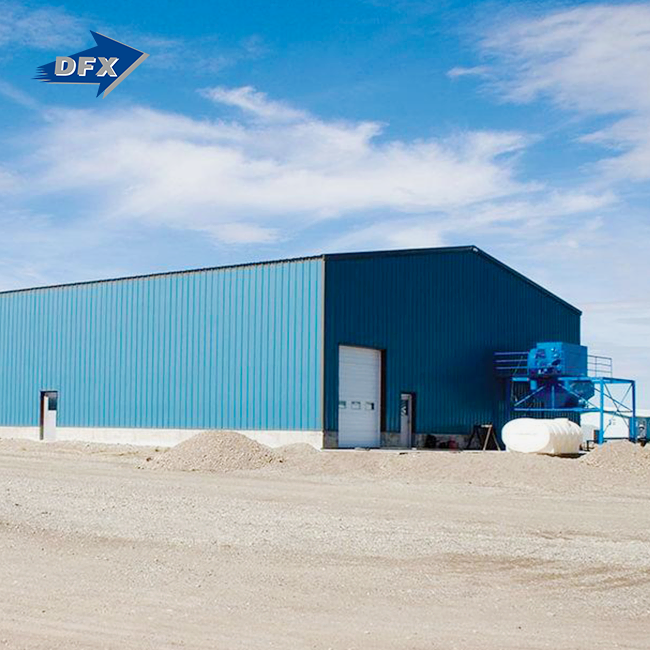
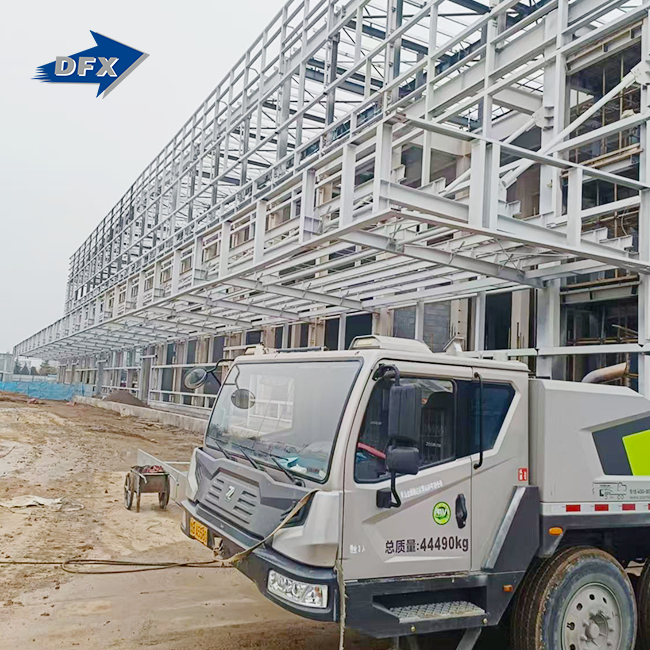
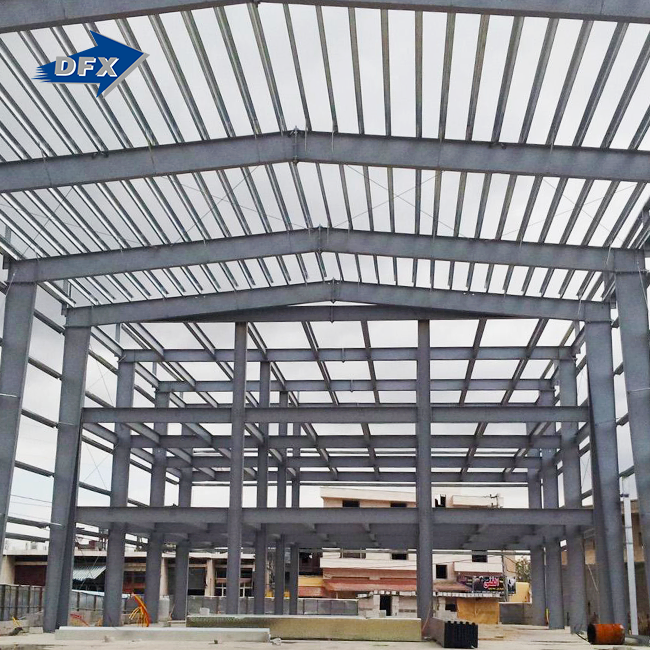
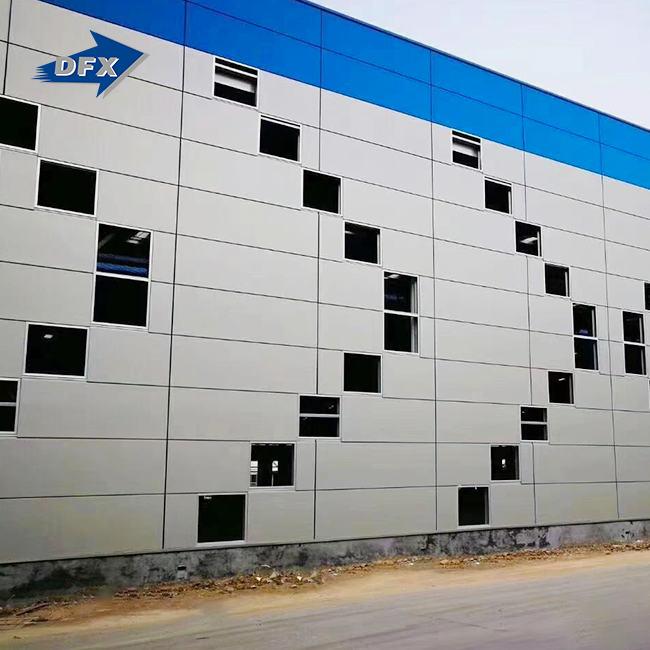
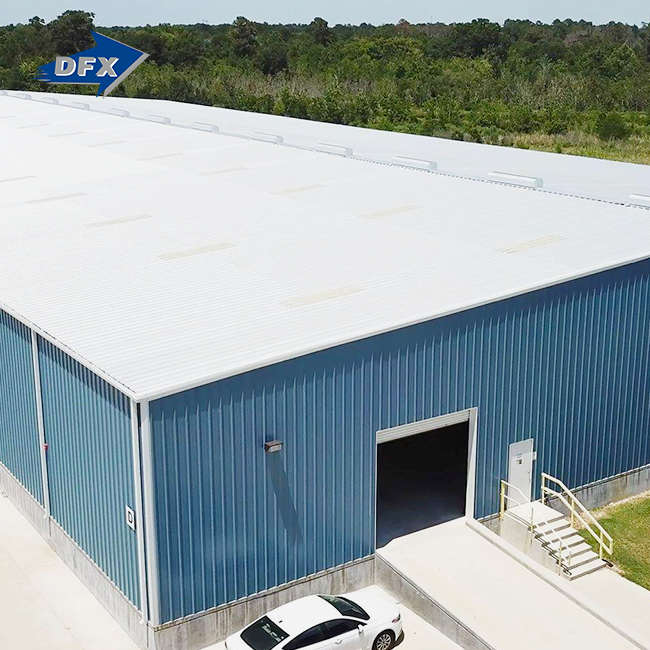
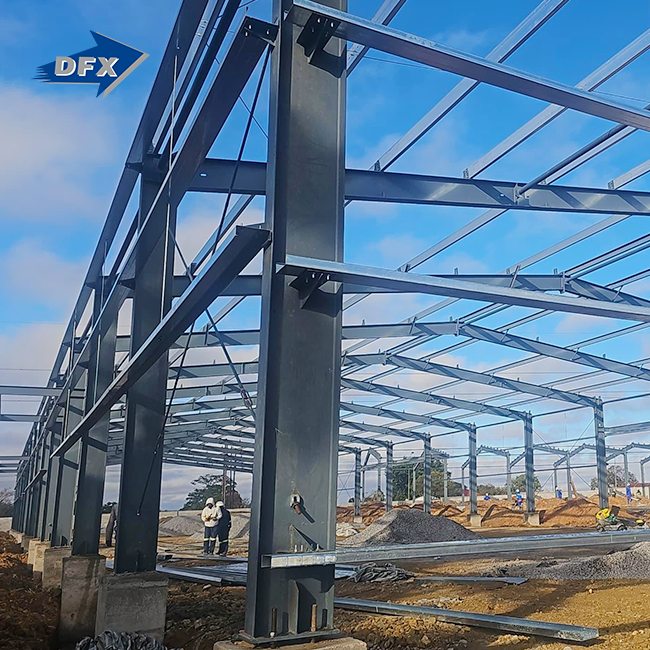
Steel modular boxes for multifamily construction appear as precisely engineered, factory-assembled structural units featuring welded H-section steel frames with clean lines and modular dimensions. These units showcase large-span industrial aesthetics with open interior spaces, utilizing Q235/Q355 steel main frames connected through high-strength bolted systems. The modular steel construction approach creates standardized, rectangular building blocks that stack and connect seamlessly to form complete residential structures while maintaining structural integrity and architectural flexibility.
Understanding Steel Modular Boxes in Multifamily Construction
Modular steel construction represents a radical departure from conventional on-site building techniques and toward precision-engineered factory production. These steel modular boxes are strong like industrial-grade materials and easy to put together because they are prefabricated. They are a good answer for current problems in multifamily buildings.
Structural Composition and Design Philosophy
Steel modular boxes have main frames made of welded H-section steel that is either Q235 or Q355 grade steel. These frames are very strong and allow for a lot of design freedom. For the secondary frame, the main structure has C/Z steel purlins that make up a strong core that can support a variety of cladding systems and interior plans. This way of engineering lets each part work on its own while also combining smoothly with units that are close by.
The design theory supports regulation while letting people make their own choices. Each module arrives at the construction site with electrical lines, water rough-ins, and insulation systems already installed. This greatly reduces the amount of work that needs to be done on-site. The bolted connection method makes it easy to put things together quickly while still maintaining structural integrity that meets or goes beyond normal building standards.
Factory Assembly and Quality Control
Manufacturing takes place in controlled plants with exact machines that make sure all parts are of the same high quality. Modern factories have automatic welding systems, cutting tools that are controlled by computers, and quality checks that happen in several steps. This controlled climate gets rid of the delays and waste that come from bad weather, which is common in traditional buildings.
As part of quality assurance, materials must be approved and checked to make sure they meet ASTM standards. Dimensional accuracy must also be checked, and the building must be loaded. Before leaving the plant, each module goes through a full inspection to make sure it meets the standards for ISO9001 quality control systems and CE certification. This strict method gives procurement workers confidence in the security and regularity of the products they buy.
Advantages of Using Steel Modular Boxes in Multifamily Projects
The adoption of steel modular systems delivers measurable benefits across a wide range of project sizes. This is why building builders, EPC companies, and real estate owners looking for competitive advantages in tough markets are becoming more and more interested in them.
Timeline and Cost Efficiency Benefits
Modular steel construction typically reduces the total project time by 40 to 60 percent compared to conventional methods. Preparing the site goes on at the same time as production in the plant. This gets rid of the time-consuming dependencies that normally slow down building plans. This directly leads to lower financing costs, earlier income generation, and better return on investment for projects that are being built.
Time shortening isn't the only way that cost gains show up. Factory production lets you buy a lot of materials, keeps worker costs low by using regular assembly methods, and cuts down on weather-related delays that drive up project costs. When procurement teams compare the total costs of a job between modular and normal building methods, they find that modular methods save 15 to 25 percent of the costs.
Environmental and Sustainability Advantages
Compared to traditional building methods, a Prefabricated Steel Building system makes a lot less trash during development. When things are made in a factory, exact estimates can be made for materials, and scrap steel can be reused. On the other hand, the dry building assembly method cuts down on water waste and dust pollution on construction sites. Steel parts can be recycled naturally, which is in line with green building standards and environmental rules that are becoming more important to big investors.
With careful industrial installation of insulation systems and weather barriers, energy efficiency goes up. The controlled assembly setting makes sure that the thermal shell works the same way every time. This lowers the building owners' long-term costs and makes tenants happier by making them more comfortable.
Durability and Compliance Assurance
For housing use, steel modular boxes have fire resistance scores, seismic design factors, and the ability to withstand extreme weather. The solid steel framework works better in places that are prone to hurricanes, earthquakes, and other bad weather. Because of this, insurance costs go down, and long-term asset values go up.
Building codes are followed during the planning and production stages, with experienced experts making sure that local, state, and federal rules are followed. Legal processes are sped up when designs are already accepted, and inspection and usage decisions are backed up by paperwork from plant quality control.
The Modular Steel Construction Process for Multifamily Buildings
Understanding the comprehensive workflow enables procurement experts to handle relationships with suppliers and arrange project tasks across multiple partners and delivery stages if they understand the whole process.
Design and Engineering Collaboration
The process starts with talks where architects, engineers, and factory experts work together on the design. Building Information Modeling (BIM) software creates 3-D models with lots of information that help find problems before they happen. Putting money into design planning early on saves a lot of money on changes that need to be made during production or installation.
Engineering figures take into account things like snow loads, wind loads, and the need for earthquakes in the area. They also make better use of materials and structures that cost less. The modular method lets high-performance features be standardized while still being able to meet the needs of each project through smart customization spots.
Factory Fabrication and Assembly
The things that are made are put together in special buildings that have overhead cranes, automatic welding stations, and climate-controlled production areas. Sometimes it takes 25 to 45 days, but it depends on how hard the job is and how busy the production line is. In a plant, several units can be made at the same time while quality control standards are followed throughout the process.
Protective coatings, primer systems, and finish paints done in controlled settings are all examples of surface treatments. Professional packing methods keep units safe during transport, and detailed installation plans and on-site directions help field assembly go smoothly.
Transportation and Site Installation
Logistics planning makes sure that modules arrive on time so that they can be installed on time, which cuts down on crane time and site congestion. Plant experts are often on professional construction teams that help with the building process and make sure that all the links between units are made correctly. This way of working together cuts down on work time while still meeting the guarantee and performance standards.
Comparing Steel Modular Boxes with Other Modular Construction Systems
Evaluating alternative modular systems across key performance criteria helps procurement teams make informed decisions based on project requirements and long-term objectives.
Steel vs. Precast Concrete Systems
Although poured concrete is great for keeping heat in and noise out, steel modular systems are more flexible for future changes and additions. Steel's high strength-to-weight ratio lets it support longer spans with less base work, which usually means lower overall project costs. Also, steel sections can be taken apart and moved if the property's uses change, which isn't possible with concrete systems.
When it comes to transportation, a steel modular building is better because the modules are lighter and easier to move. Heavy-duty transportation and special moving tools are needed to move precast concrete blocks, which could limit the size of projects and make operations more expensive.
Comparison with Timber and Aluminum Systems
Timber modular systems are cheaper at first, but they might not be able to be used in high-rise buildings because of fire code rules and structural limitations. Modular steel construction lets you build to any height, and fire resistance grades are important for multiple occupancy classes.
Even though aluminum systems are light and don't rust, they usually can't match the structural strength of steel and may need more complicated connection details. Steel has a history of reliability in industrial settings, which gives buying professionals peace of mind when they think about long-term performance standards and upkeep needs.
Procurement Guide: How to Source Steel Modular Boxes for Multifamily Construction
Successful procurement requires systematic evaluation of suppliers, clear specification development, and strategic contract structuring that protects project interests while enabling supplier success.
Supplier Evaluation and Selection Criteria
Professional steel makers should have ISO9001 approval, CE marking, and materials that meet ASTM standards. The study of manufacturing capacity looks at things like output numbers, quality control systems, and expert support resources. Visits to production sites can teach you about working skills and how to handle quality.
The financial stability review makes sure that suppliers won't be interrupted during important parts of the project. References from similar residential projects can help you understand how well a seller performs, how they solve problems, and how they work with others when things get tough.
Pricing Structure Understanding
The price of a steel modular unit generally includes design services, production, surface cleaning, packing, and help with installation. Understanding the different parts of a cost lets you negotiate well and find ways to save money. Price breaks may be possible with volume deals, and standard designs are cheaper to build than fully customized solutions.
For fast assembly, lead time management requires coordination between production plans at the plant, site readiness, and the availability of the construction crew. Professional providers give thorough project plans that include both the stages of production and the time frames needed for building. This lets managers be aware of any delays or chances to speed up the process.
Conclusion
Steel modular boxes for apartment buildings are a smart way to combine the principles of industrial engineering with the needs of home development. Their look shows how accurate machine production can be while also meeting the needs of current housing projects for good looks. Modular steel construction is a great choice for buyers who want to gain a competitive edge in tough markets because it is structurally efficient, good for the environment, and good for business.
FAQ
Q1: What customization options are available for different floor plans?
Steel modular systems can be used with a variety of floor plans because the modules are all the same size and can be put together in different ways. Modules usually measure between 12x40 feet and 16x60 feet, which lets you make studio, one-bedroom, and multi-bedroom floor plans. Partitions in interior wall systems are not load-bearing and can be changed to fit the needs of the design.
Q2: How long do steel modular buildings last, and what maintenance is required?
If you take care of your steel prefab houses the right way, they can last up to 50 years. Link spots, protective coats, and weatherproofing systems are checked on a regular basis. The skeletal steel framework doesn't need much maintenance other than being cleaned and painted over every so often.
Q3: Do steel modular buildings comply with local building codes?
The International Building Code (IBC), the International Residential Code (IRC), and any local changes are all taken into account when planning and building steel modular homes. Before units leave the factory, they are checked for quality and compliance by qualified engineers and quality control staff.
Partner with DFX for Advanced Modular Steel Construction Solutions
DFX builds great homes by combining its more than 12 years of experience with structural steel with the latest modular steel construction techniques. Our 40,000-square-meter production center has six welded H-beam lines, as well as advanced automatic systems and strict quality control methods that make sure we meet ISO9001 and CE standards.
Our integrated method covers the whole project, from the initial design to final installation advice. This means that you don't have to deal with the planning problems that come up when you have different providers. Email jason@bigdirector.com to talk to our tech team about your apartment building needs. As a reliable company that makes modular steel buildings, we offer tried-and-true solutions that cut down on project times while still meeting high-quality standards.
References
1. Smith, R.J. and Anderson, K.M. "Structural Performance of Modular Steel Housing Systems in Seismic Regions." Journal of Structural Engineering, Vol. 148, No. 7, 2022.
2. Thompson, L.C. "Cost-Benefit Analysis of Modular Construction Methods in Multi-Family Housing Development." Construction Economics Review, Vol. 34, No. 2, 2023.
3. Williams, D.A. and Chen, S. "Fire Safety Performance of Steel Modular Building Systems." Fire Safety Journal, Vol. 125, 2021.
J4. ohnson, M.K. "Environmental Impact Assessment of Prefabricated Steel Construction versus Traditional Building Methods." Sustainable Construction Research, Vol. 15, No. 4, 2022.
5. Rodriguez, P.L. and Kumar, A. "Quality Control Systems in Factory-Built Modular Steel Construction." International Journal of Construction Management, Vol. 23, No. 8, 2023.
6. Brown, T.S. "Transportation and Logistics Optimization for Large-Scale Modular Steel Building Projects." Construction Logistics Quarterly, Vol. 29, No. 3, 2022.
Learn about our latest products and discounts through SMS or email