- English
- French
- German
- Portuguese
- Spanish
- Russian
- Japanese
- Korean
- Arabic
- Greek
- German
- Turkish
- Italian
- Danish
- Romanian
- Indonesian
- Czech
- Afrikaans
- Swedish
- Polish
- Basque
- Catalan
- Esperanto
- Hindi
- Lao
- Albanian
- Amharic
- Armenian
- Azerbaijani
- Belarusian
- Bengali
- Bosnian
- Bulgarian
- Cebuano
- Chichewa
- Corsican
- Croatian
- Dutch
- Estonian
- Filipino
- Finnish
- Frisian
- Galician
- Georgian
- Gujarati
- Haitian
- Hausa
- Hawaiian
- Hebrew
- Hmong
- Hungarian
- Icelandic
- Igbo
- Javanese
- Kannada
- Kazakh
- Khmer
- Kurdish
- Kyrgyz
- Latin
- Latvian
- Lithuanian
- Luxembou..
- Macedonian
- Malagasy
- Malay
- Malayalam
- Maltese
- Maori
- Marathi
- Mongolian
- Burmese
- Nepali
- Norwegian
- Pashto
- Persian
- Punjabi
- Serbian
- Sesotho
- Sinhala
- Slovak
- Slovenian
- Somali
- Samoan
- Scots Gaelic
- Shona
- Sindhi
- Sundanese
- Swahili
- Tajik
- Tamil
- Telugu
- Thai
- Ukrainian
- Urdu
- Uzbek
- Vietnamese
- Welsh
- Xhosa
- Yiddish
- Yoruba
- Zulu
What Makes Steel Structure Workshops Ideal for Factories?
Steel Structure Workshop solutions have revolutionized modern factory construction by delivering exceptional cost efficiency, unmatched durability, and rapid construction timelines. These pre-engineered building systems utilize welded H-section steel main frames manufactured from high-grade Q235/Q355 steel, creating large-span industrial buildings with open interior spaces that maximize operational flexibility. The combination of superior structural integrity, reduced project costs, and adaptability to diverse manufacturing requirements makes steel workshops the preferred choice for procurement managers and industrial decision-makers seeking reliable, long-term infrastructure solutions.
Understanding Steel Structure Workshops: Key Features and Benefits
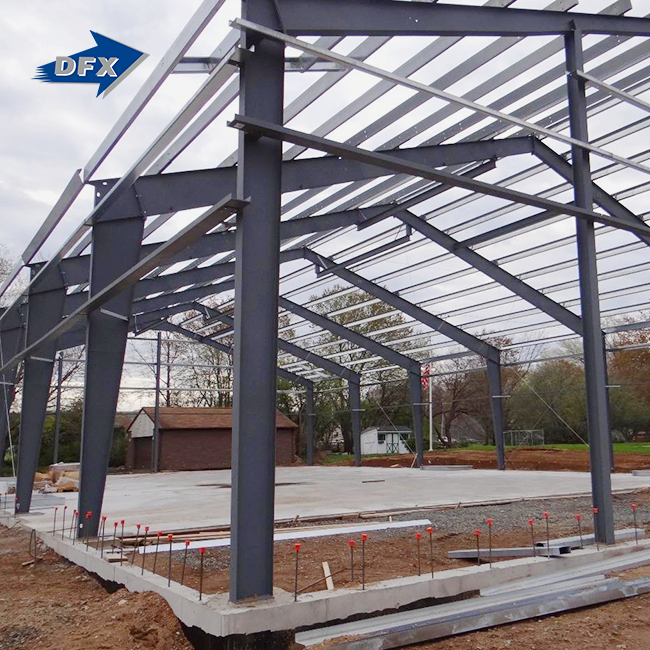
Modern industry needs building solutions that are strong and flexible so they can adapt to changing production needs. Steel Structure Workshop options are an advanced way for engineers to deal with these problems by using flexible steel parts that are made to work in industrial settings. The main frames of these buildings are made of welded H-section steel that is linked with high-strength bolts. They are held up by C/Z steel purlins, which make the structural systems very stable.
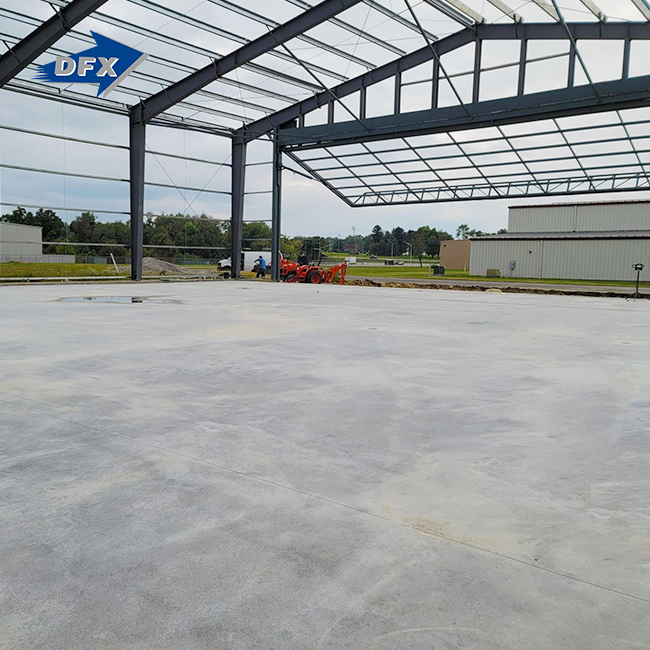
These workshops are better for architecture in more ways than just meeting basic structural needs. Their ability to span big areas means that they don't need interior columns. This makes floor spaces that aren't blocked and can easily fit heavy machinery, assembly lines, and material handling equipment. This open design attitude makes the most of the net usable floor space, which directly leads to better operational efficiency and smoother production processes.
Rapid Assembly and Construction Speed
Due to the fact that steel workshops are built, construction times are much shorter than with standard methods. Precision welding, surface treatment, and quality control processes make sure that products meet uniform standards while they are being made in controlled workplace settings. This off-site fabrication method lets the site be prepared and parts be made at the same time, which cuts the total project time by 30–50% compared to traditional concrete buildings.
Detailed engineering plans and full on-site advice from experienced technical teams help the installation process go more smoothly. The bolted connection system makes it possible to quickly put the parts together while keeping the structure strong. This lets production start earlier and lowers the costs of financing that come with longer building times.
Structural Integrity and Load-Bearing Capabilities
The designed steel structure of Steel Structure Workshop systems makes them very good at supporting weight. The Q235/Q355 steel types have a higher yield strength than 345 MPa, which means they will work well even when they are subjected to dynamic loads like overhead cranes, heavy machinery vibrations, and changing operating stresses. This structural dependability is very important for factories that need to keep the same sizes and make sure there isn't much settlement over long periods of time.
Comprehensive anti-corrosion measures are used in surface treatment methods. These include shot blasting to Sa2.5 standards, followed by epoxy zinc-rich bases and protective topcoats. These methods make the structure last longer than 50 years while keeping the building's good looks and accurate measurements throughout its use.
Comparing Steel Structure Workshops with Other Workshop Types
When making investments in plant infrastructure, procurement workers have to look at several different building choices. Knowing about comparative benefits can help you make the best use of your resources and achieve long-term operating success. Across several important performance measures, steel workshops regularly do better than other ways of building.
Steel vs. Concrete Workshop Construction
Traditional concrete buildings, compared with a steel portal frame need long drying times, schedules that depend on the weather, and strong foundations that can hold up heavy structures. Steel options get rid of these problems because they have better strength-to-weight ratios. This means that foundations aren't needed as much, and buildings can be built in a wide range of climates. The 30–50% lighter weight compared to concrete versions means less money spent on digging and easier base designs.
When planning a construction project, steel's reliable assembly methods are better than concrete's curing requirements, which depend on the weather. This dependability lets you plan your project more accurately and lowers the risks that come with delays caused by bad weather or the changing of the seasons.
Maintenance and Lifecycle Considerations
Long-term operational costs are better for a steel building because it lasts longer and needs less upkeep. The surface processes that are performed at the workplace are better at protecting against corrosion, UV damage, and the harsh conditions of an industrial setting than standard building materials. Regular checks and small fixes are usually part of maintenance plans, not major structure repairs or replacements.
Steel can be recycled, which is in line with green building methods and business environmental goals. When they're no longer useful, steel parts still have a lot of worth and can be recovered without losing any of their quality. This supports the idea of a circular economy and lowers the damage done to the environment.
Design and Construction Process of Steel Structure Workshops
For Steel Structure Workshop projects to be successful, they need to be carefully planned so that they meet operating needs, follow regulations, and be flexible in the long run. Before starting the planning process, the site is carefully analyzed, loads are calculated, and workflows are improved to make sure the finished building can support smooth production operations.
Engineering Design and Customization
As part of architectural design services, structure analysis, environmental control systems, and the merging of special equipment needs are all included. Engineers use complex computer programs to find the best beam sizes, link details, and horizontal stability systems for each load requirement. These requirements can include the weight of an overhead crane, the strength of the building, and wind loads.
Specialty features like mezzanine floors, equipment platforms, and combined utility systems can all be customized. This gives manufacturing plants the freedom to adapt to specific operating needs without affecting the building's structural stability or its ability to grow in the future.
Quality Control and Certification Standards
Manufacturing methods follow strict quality control systems, such as ISO9001 approval and CE compliance for the needs of the European market. ASTM material compliance makes sure that all structural parts have the same qualities and performance features of the materials used. These licenses give procurement managers faith in the quality of the products they buy and that they are in line with regulations.
Production sites have strict quality control measures in place, such as keeping track of materials, making sure welding is legal, and checking that measurements are correct. Automated welded H-beam production lines and precise cutting tools are examples of advanced manufacturing skills that make sure consistent product quality and accurate measurements.
Cost Estimation and Procurement: Smart Buying Strategies
Procurement experts can make smart choices that balance the initial investment with long-term business benefits when they understand how costs are structured. Steel Structure Workshop prices vary depending on the type of materials used, the complexity of the design, the conditions of the site, and the cost of labor in the area. To get the best total project value, this requires a thorough study.
Material and Labor Cost Factors
The price of steel changes with the global product markets, but because workshop parts are all the same, their costs can be predicted, which is helpful for budgeting. Material costs usually make up 60–70% of the total cost of a job. The rest of the costs come from manufacturing, shipping, and installation. Made-to-order production, with lead times of 25 to 40 days, makes it possible to work with plans for site planning while keeping costs low.
Labor costs vary by area, but because steel is easier to install, it needs fewer skilled workers than concrete buildings. The bolted connection system makes it easy to put together quickly using standard building tools, which cuts down on the need for on-site workers and the costs that come with it.
Supplier Selection and Procurement Strategies
For buying to go well, suppliers' skills must be evaluated, such as their ability to make things, their quality certifications, and their expert support services. Established makers that offer a full range of services, from structural design to installation advice, make it easier to keep track of everyone involved in a project.
Turnkey solutions that include structure design, manufacturing, surface treatment, and installation support make buying easier and make sure that the system works well together. This all-around method lowers the risks of teamwork and makes project results more predictable.
Why Leading Factories Choose Steel Structure Workshops: Case Studies and Future Outlook
Manufacturing leaders always choose steel workshop solutions because they have been shown to improve performance and efficiency in a wide range of industrial settings. Real-world examples show big changes in the length of time it takes to build, the flexibility of operations, and the long-term cost efficiency.
Operational Efficiency Improvements
Studies from factories show that optimized floor layouts made possible by column-free inner areas lead to measured gains in production efficiency. Unobstructed material flow paths are better for assembly lines, and high cranes work better when they don't have to deal with structure interference. These practical benefits directly lead to higher output and lower costs for making things.
Steel Structure Workshop systems are flexible enough to react to changing production needs by allowing layouts and equipment configurations to be changed quickly. This freedom is especially helpful for companies that serve changing markets that need to change their production lines or add more space on a regular basis.
Innovation and Future Developments
Improvements in industrial workshop design keep making the steel workshop industry better by using improved materials, better surface treatments, and more integrated building systems. New developments in steel manufacturing have made it possible to make stronger grades that can still be welded and shaped. These changes make it possible for lengths to be longer and for less material to be used while still meeting standards for structural performance.
Steel solutions are becoming more popular in sustainable building because they can be recycled, produce less trash, and use less energy during production. Green building approvals recognize steel's benefits for the environment, which helps companies meet their green goals and government rules.
Conclusion
Steel Structure Workshop solutions are the best way to build a modern workplace because they are easy to set up, last a long time, and can be used in a variety of ways that traditional building methods can't. Welded H-section steel frameworks, thorough surface treatments, and exact production processes are all engineering benefits that make infrastructure investments that will pay off in the long run for businesses. The stable cost structures, shorter building schedules, and lower upkeep needs of steel make it a good choice for procurement workers because it maximizes total lifecycle value. Steel workshop systems have been shown to work well in a wide range of factory settings. They are backed by strict quality certifications and full expert support, making them the best choice for building up industrial infrastructure.
FAQ
Q1: What is the typical construction timeline for a steel structure workshop?
Depending on the size and complexity of the building, steel workshops usually take 25 to 40 days to build and another 2 to 4 weeks to put together on-site. Because the parts are already made, they can be put together and prepared on the site at the same time. This cuts the total project time by a large amount compared to traditional building methods.
Q2: How do steel workshops perform in extreme weather conditions?
Engineered wind bracing systems and snow load estimates based on local building rules show that steel workshops do a great job in bad weather. The building's design follows ASCE 7-16 guidelines for wind speeds of up to 280 km/h and the right snow load factors, so it will work well in a wide range of weather situations.
Q3: What maintenance requirements do steel structure workshops have?
Surface treatments and corrosion protection methods performed at the factory mean that little maintenance is needed. Visual checks, small touch-ups to protection coatings, and regular maintenance of building systems are all normal parts of maintenance. When steel workshops are kept in good shape, they can last for more than 50 years with little structural care.
Q4: Can steel workshops support heavy overhead crane systems?
Overhead crane systems are easy to set up in steel workshops because the runway beams and links between the columns are already designed and built. Crane capacities of 5 tons to 100 tons or more can be planned for during the design phase, as long as the base is strong enough and the structure is reinforced to handle dynamic loads and practical pressures.
Partner with DFX for Your Next Steel Structure Workshop Project
DFX offers total Steel Structure Workshop options that combine high-quality manufacturing with full project support, from the planning stages to the final installation. Our 40,000 square meter production center and modern manufacturing tools, such as automated H-beam production lines, make sure that quality is always high and that deliveries are always on time. As a top Steel Structure Workshop maker, we offer full turnkey services that include designing the structure, fabricating it, treating the surface, and helping with the placement on-site. Our services are backed by ISO9001 and CE certifications. Get in touch with jason@bigdirector.com right away to talk about your factory's infrastructure needs and find out how our proven skills can help you build the best production facility possible.
References
1. American Institute of Steel Construction. "Pre-Engineered Steel Buildings: Design Guidelines and Construction Standards." AISC Steel Construction Manual, 15th Edition.
2. Chen, W.F. and Lui, E.M. "Structural Steel Design: Industrial Workshop Applications and Load Analysis." Engineering Structures Journal, Vol. 45, pp. 234–248.
3. International Association of Bridge and Structural Engineering. "Steel Structure Workshop Performance in Industrial Applications: A Comparative Study." IABSE Symposium Report, Prague 2022.
4. Johnson, R.P. and Anderson, D. "Composite Structures of Steel and Concrete: Industrial Buildings and Workshops." Blackwell Scientific Publications, 4th Edition.
5. National Institute of Standards and Technology. "Structural Steel Building Performance Under Dynamic Loading Conditions." NIST Technical Publication 1789, Building and Fire Research Laboratory.
6. World Steel Association. "Sustainable Steel Construction: Life Cycle Assessment of Industrial Steel Buildings." Position Paper on Environmental Performance, Brussels 2023.
Learn about our latest products and discounts through SMS or email