- English
- French
- German
- Portuguese
- Spanish
- Russian
- Japanese
- Korean
- Arabic
- Greek
- German
- Turkish
- Italian
- Danish
- Romanian
- Indonesian
- Czech
- Afrikaans
- Swedish
- Polish
- Basque
- Catalan
- Esperanto
- Hindi
- Lao
- Albanian
- Amharic
- Armenian
- Azerbaijani
- Belarusian
- Bengali
- Bosnian
- Bulgarian
- Cebuano
- Chichewa
- Corsican
- Croatian
- Dutch
- Estonian
- Filipino
- Finnish
- Frisian
- Galician
- Georgian
- Gujarati
- Haitian
- Hausa
- Hawaiian
- Hebrew
- Hmong
- Hungarian
- Icelandic
- Igbo
- Javanese
- Kannada
- Kazakh
- Khmer
- Kurdish
- Kyrgyz
- Latin
- Latvian
- Lithuanian
- Luxembou..
- Macedonian
- Malagasy
- Malay
- Malayalam
- Maltese
- Maori
- Marathi
- Mongolian
- Burmese
- Nepali
- Norwegian
- Pashto
- Persian
- Punjabi
- Serbian
- Sesotho
- Sinhala
- Slovak
- Slovenian
- Somali
- Samoan
- Scots Gaelic
- Shona
- Sindhi
- Sundanese
- Swahili
- Tajik
- Tamil
- Telugu
- Thai
- Ukrainian
- Urdu
- Uzbek
- Vietnamese
- Welsh
- Xhosa
- Yiddish
- Yoruba
- Zulu
Do Metal Buildings Make the Perfect Horse Barns?
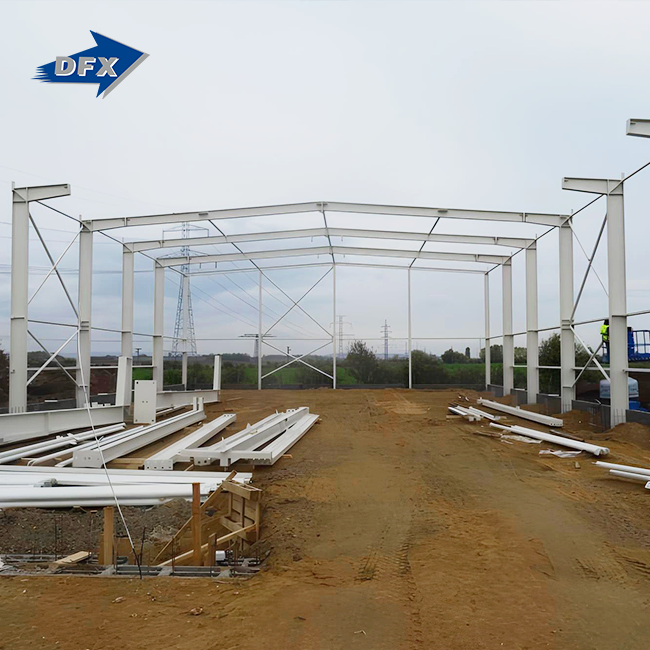
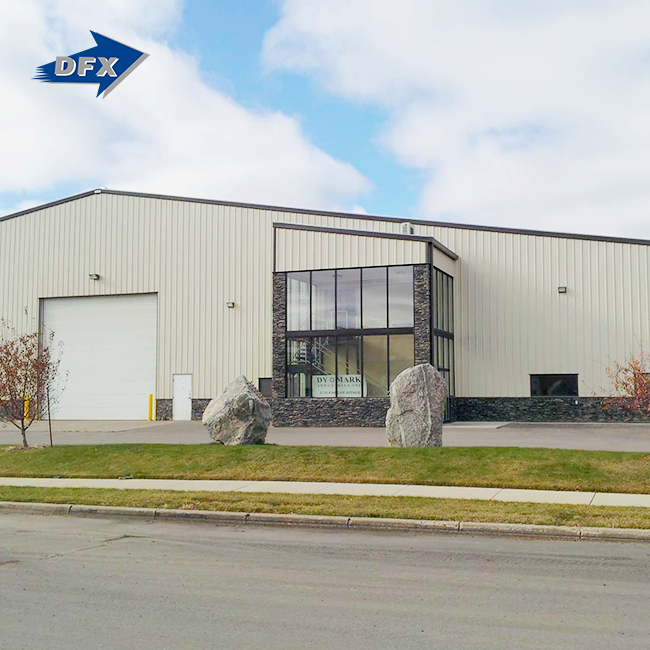
Steel Horse Barn structures have become the best choice for farming businesses, construction companies, and infrastructure makers all over the world when it comes to building modern equestrian facilities. The clear answer to the question of whether metal buildings are ideal for horse barns is yes. The longevity, cost-effectiveness, and ability to be customized of these pre-engineered metal buildings (PEMB) are unmatched by standard wooden structures. With welded steel frames and possible insulated wall systems, steel-framed animal housing solves important problems in the industry, like fire safety, hygiene, and the need for long-lasting buildings. It also has the clear-span designs needed for safe equine operations.
Understanding Metal (Steel) Horse Barns: Benefits and Features
Metal horse barns are a new way to build equestrian facilities. They are made of high-quality structural steel, which can be cold-formed galvanized tubes or red-iron stiff frames. Hot-Dip Galvanization (HDG) with zinc covering masses usually topping 600g/m² gives these buildings improved metallurgical protection and makes them more resistant to corrosion in ammonia-rich conditions that are common in horse facilities.
Superior Structural Properties and Fire Safety
While no building is entirely indestructible, steel’s Class A fire rating provides a critical safety advantage. As a non-combustible material, steel framing will not ignite or act as fuel to spread a fire. In the event of a hay fire, this prevents the structure itself from becoming a giant torch, offering precious time to evacuate horses and significantly reducing insurance premiums compared to timber-framed barns.
Environmental Control and Customization Options
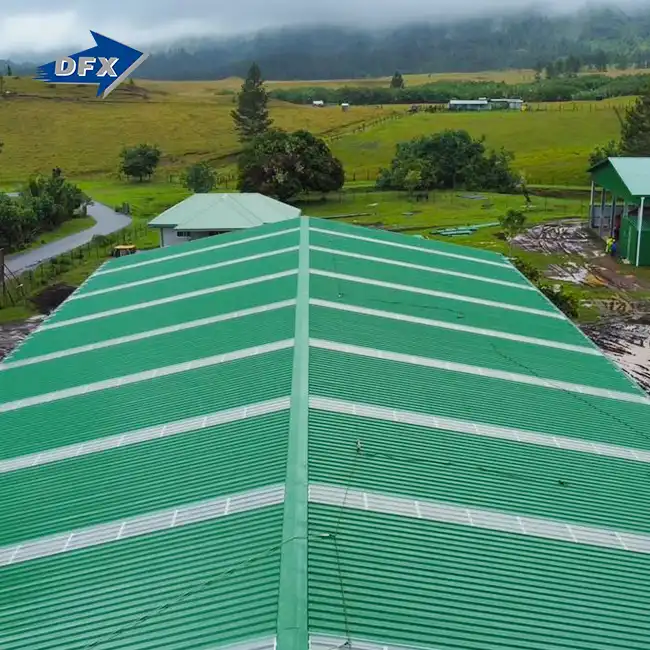
Modern metal horse barns designed as a steel stable are great for the environment because they have advanced systems for air and insulation. For the best temperature control, the envelope is made of sandwich plates with Polyurethane (PU) or EPS cores that are 50mm to 100mm thick and have thermal resistance rates as low as 0.024 W/m·K. Modern ventilation systems make sure that air flows properly, and DripStop anti-condensation fleece and closed-cell spray foam insulation that breaks thermal bridges stop condensation problems.
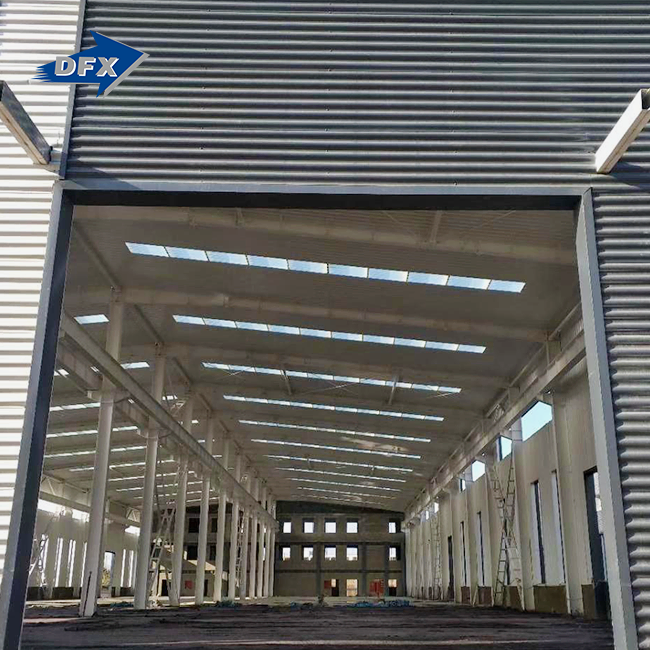
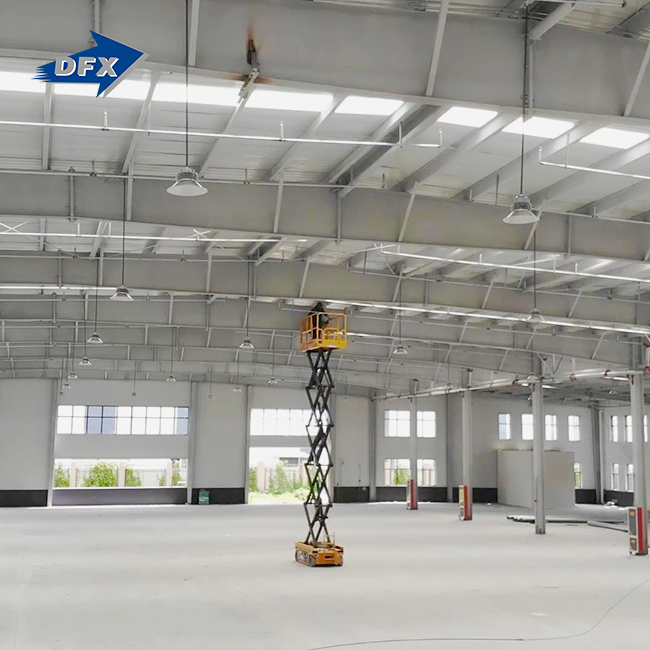
You can change things like building styles, insulation packages that are made for specific climates, and flexible designs that can be expanded upon in the future. These features are especially appealing to procurement workers who run large-scale farming businesses that need solutions that can be expanded. Because steel is so strong, it can be used to make huge clear-span designs that don't have any internal columns that could get in the way of safety in riding grounds and aisleways.
Comparing Metal Horse Barns with Traditional Alternatives
Comparing metal horse barns to traditional ones shows that metal barns are much better in several operating areas. When it comes to durability, upkeep, and overall prices, steel buildings always do better than wooden, aluminum, and pole barn options.
Cost Analysis and Durability Comparison
Because they last longer and require less upkeep, steel horse barns are a better investment from an economic point of view. The original investment prices may be about the same as for high-quality wooden buildings, but the total cost of ownership is much lower for steel buildings. Regular treatments are needed to keep wooden barns from rotting, keep pests away, and fix any damage to the structure. Steel Horse Barn buildings, on the other hand, stay strong for 30 to 50 years with little maintenance.
When it comes to weather protection, steel buildings can handle extreme wind loads (often more than 0.5 KN/m²) and snow loads that are required by the International Building Code (IBC). Galvanized steel panels don't warp, shrink, or get damaged by temperature cycling like wooden buildings do. Kynar 500 or Silicone Modified Polyester (SMP) paint systems are resistant to chemicals, so they can guard against ammonia rusting from horse waste.
Pest Resistance and Biosecurity Advantages
Biosecurity risks that come with weak wooden surfaces, where bacteria, mold, and bugs can hide, are gone when metal is used. The steel surfaces don't have pores, so they are easy to clean and cleanse, which is important for keeping horses healthy. Besides, steel buildings don't get damaged by termites, and horses can't "crib," which is a habit that can weaken wooden barns and put animals' health at risk.
The structure benefits also stretch to lightning safety, where steel buildings that are properly grounded offer better defense. The conductive steel frame sends electricity straight to the ground rods, skipping over any flammable materials inside. This is different from wooden structures, which pose risks of resistance and fire.
Procurement Guide: Buying and Installing Steel Horse Barns
To buy a metal horse barn, you need to know the difference between premade kits and options that are specifically designed for your needs. Buyers in business-to-business (B2B) should judge producers based on their building skills, certification standards, and the wide range of services they provide.
Evaluation Criteria and Financing Options
Purchasing managers should give more weight to sellers who have ISO9001 approval, CE marking, and full warranties that cover both the structure and the coating systems. As part of the review process, the manufacturers' planning skills, ability to make things, and installation support services should all be looked at. With over 12 years of experience and 40,000 square meters of protected production space, companies like Qingdao Director Steel Structure Co., Ltd. set the bar for the industry.
Some things to think about when it comes to financing are flexible payment terms for big orders and leasing choices that make it easier to handle cash flow. Long-term upkeep savings, energy efficiency gains, and possible lower insurance premiums due to better fire resistance should all be taken into account in the total investment analysis. When compared to traditional materials, projects usually finish 30 to 50 percent faster, which saves money on work and lets the building be used more quickly.
Logistics and Installation Best Practices
The logistics part includes coordinating the shipping of big structural parts and providing professional fitting services. Pre-engineered parts come already cut, drilled, and coated; they only need to be bolted together on-site. This method makes work a lot easier and cuts down on delays caused by bad weather that happen with traditional methods.
The best ways to install something are to prepare the site properly, make sure the base plan works with the rest of the building, and add safety features like kick walls. As required by industry standards, heavy-duty wooden or HDPE composite liners must be installed inside the steel shell that is 4 feet high. These liners are meant to absorb pressure and keep horses from getting hurt. Professional installation teams make sure that local building rules and the terms of the manufacturer's guarantee are followed.
Case Studies and Industry Applications
Steel Horse Barn structures have been used in the real world in a variety of geographic areas and have been shown to work well in tough operating settings. These case studies show real benefits, such as increased operating speed, lower maintenance costs, and better results for animal welfare.
Commercial Equestrian Facility Success Stories
In the United States, large horse training centers have said that installing a steel stable made their operations a lot better. One breeding center in Kentucky saw a 40% drop in yearly care costs and better climate control, which made it easier for mares to reproduce during breeding seasons. The clear-span design made it easy for tools to move around and cut down on the amount of work that had to be done every day.
International projects in Australia and Europe show that steel barns can be used in a range of climates. An Australian thoroughbred facility made it through a Category 3 storm without any damage to the structure. In Europe, installations have worked well in temperatures ranging from -20°C to 40°C by using the right insulation specs.
Challenges and Solutions in Implementation
Coordinating the groundwork, integrating utilities, and following local codes are all common problems that come up during execution. Leading makers deal with these problems by providing full tech help and clear installation instructions. When you plan, you can usually solve 90% of problems before they happen.
Managing wetness in humid areas is the problem that comes up most often. Vapor barriers, good ventilation systems, and smart placement of insulation are all parts of successful setups that keep condensation problems from happening. For these methods to work, structure engineers and ventilation experts need to work together during the planning phase.
Conclusion
Metal buildings are definitely the best choice for horse barns because they are long-lasting, safe, and cost-effective. The technical benefits of steel buildings solve some of the biggest problems in managing horse facilities and save money and time in the long run. Steel horse barns are the best choice for modern farms and building companies looking for stable, professional-grade solutions. They are resistant to fire and pests, last a long time, and can be customized to fit your needs.
FAQ
Concerns that procurement managers often have about steel horse barns include how well they work technically, how safe they are, and how much they will cost in the long run. These questions are about real things that you need to think about in order to make smart buying choices.
Q1: How does steel construction handle moisture and condensation issues?
Managing moisture in Steel Horse Barn buildings uses a number of different methods that work together. Putting anti-condensation fleece on roof panels and using the right insulation stops water from dripping. Spray foam insulation with closed cells breaks down heat bridges and controls humidity levels. Proper ventilation systems keep the air moving, which keeps wetness from building up in places where it doesn't belong. When these steps are taken together, they make dry, warm spaces that are as good as or better than standard wooden buildings.
Q2: What safety measures protect horses from steel surfaces?
Horse safety is the most important thing when designing a steel barn, and the inside is protected smartly. Industry norms say that kick walls must be made of heavy-duty materials that are 4 feet high and can absorb contact forces. Putting HDPE composite dividers or treated boards between horses and structural steel parts protects them. When something is installed correctly, there are no sharp edges or screws that stick out and could hurt someone. Because they have these safety features, steel barns have better safety records than wooden ones.
Q3: How do noise levels compare to traditional barn construction?
When the right padding is installed, metal horse barns have the same or better soundproofing as regular buildings. Putting fiberglass or spray foam padding under metal roofing makes a good sound shields that reduce noise from hail and rain to the same level as asphalt shingle roofs. The insulation systems needed for temperature performance also deal with noise issues, making the spaces comfy for both horses and humans.
Q4: What warranty coverage and lifespan expectations apply to steel barns?
Professional Steel Horse Barn setups usually come with 20–40 year guarantees that protect paint systems against chalking and fading, as well as structural warranties that protect against rust-through, depending on galvanization requirements. Galvanized steel frames are meant to last between 30 and 50 years if they are properly kept. Cladding systems may need to be replaced every 15 to 20 years, based on how harsh the environment is. These guarantee terms cover a lot more than what is offered by other wood-based building options.
Get Your Custom Steel Horse Barn Solution Today
Are you ready to change the look of your horse property with a high-quality Steel Horse Barn? DFX has ISO9001 and CE certifications to back up its full design, manufacturing, and installation services. Our skilled staff creates unique solutions for horse farms, training centers, and breeding sites all over the world. Get in touch with jason@bigdirector.com to talk about your project needs and learn more about all of our steel horse barn maker services.
References
1. American Institute of Steel Construction. "Design Guide for Steel Buildings in Agricultural Applications." AISC Engineering Standards, 2023.
2. National Fire Protection Association. "Fire Safety Standards for Agricultural and Equestrian Facilities." NFPA Guidelines for Rural Construction, 2023.
3. International Building Code Council. "Structural Requirements for Pre-Engineered Metal Buildings." IBC Standards for Agricultural Construction, 2024.
4. United States Department of Agriculture. "Modern Barn Construction Materials and Methods for Livestock Housing." USDA Agricultural Engineering Research, 2023.
5. Equestrian Facility Management Association. "Best Practices for Horse Barn Construction and Design." EFMA Professional Guidelines, 2024.
6. Steel Building Industry Association. "Lifecycle Cost Analysis of Metal Buildings in Agricultural Applications." SBIA Economic Research Report, 2023.
Learn about our latest products and discounts through SMS or email