- English
- French
- German
- Portuguese
- Spanish
- Russian
- Japanese
- Korean
- Arabic
- Greek
- German
- Turkish
- Italian
- Danish
- Romanian
- Indonesian
- Czech
- Afrikaans
- Swedish
- Polish
- Basque
- Catalan
- Esperanto
- Hindi
- Lao
- Albanian
- Amharic
- Armenian
- Azerbaijani
- Belarusian
- Bengali
- Bosnian
- Bulgarian
- Cebuano
- Chichewa
- Corsican
- Croatian
- Dutch
- Estonian
- Filipino
- Finnish
- Frisian
- Galician
- Georgian
- Gujarati
- Haitian
- Hausa
- Hawaiian
- Hebrew
- Hmong
- Hungarian
- Icelandic
- Igbo
- Javanese
- Kannada
- Kazakh
- Khmer
- Kurdish
- Kyrgyz
- Latin
- Latvian
- Lithuanian
- Luxembou..
- Macedonian
- Malagasy
- Malay
- Malayalam
- Maltese
- Maori
- Marathi
- Mongolian
- Burmese
- Nepali
- Norwegian
- Pashto
- Persian
- Punjabi
- Serbian
- Sesotho
- Sinhala
- Slovak
- Slovenian
- Somali
- Samoan
- Scots Gaelic
- Shona
- Sindhi
- Sundanese
- Swahili
- Tajik
- Tamil
- Telugu
- Thai
- Ukrainian
- Urdu
- Uzbek
- Vietnamese
- Welsh
- Xhosa
- Yiddish
- Yoruba
- Zulu
Why Steel Barns Are Safer for Your Horses?
When you care about the safety and well-being of your horses, the material you use to build the barn becomes very important. And finally, a Steel Horse Barn is the safest way to house horses because it is more resistant to fire, structural failure, and natural dangers than traditional wooden barns. Steel-framed animal housing that is built to last is the safest way to keep your valuable horses. It also saves money and time over time for horse farms, training centers, and breeding facilities.
Introduction
Barn safety is very important for the horses' well-being and for running the business efficiently. This is especially true in business-to-business buying, where decisions are based on long-term investments and worries about liability. When compared to traditional wooden barns, steel barns are a better choice because they offer better protection, longevity, and sustainability that modern horse businesses need. This detailed guide talks about the main safety benefits of steel barns and includes useful tips on how to build, maintain, and buy them. These tips will help industrial buyers, engineers, and dealers make smart choices. We'll look at how these buildings keep horses safe while also meeting the cost and performance standards that are most important to farmers and people who build equine facilities.
Understanding the Safety Advantages of Steel Horse Barns
Many of the problems that come with traditional wooden barns are lessened by steel barns. These problems include fire dangers, pest infestations, and structural weaknesses that can be caused by bad weather. Because steel doesn't catch fire, fires happen much less often. This is especially important in hay-filled areas where flammable materials are a constant danger to horses' safety.
Fire Resistance and Non-Combustible Construction
The best thing about steel structure for safety is that it has a Class A fire grade. Unlike wooden structures, which can catch fire quickly and spread flames, steel framing stays strong even when it's very hot outside. In barns, where hay storage, electricity equipment, and heating systems can all be possible ignition sources, this trait is very useful. Steel's non-flammability gives horses and people important time to get out in case of an emergency.
Structural Durability Against Environmental Threats
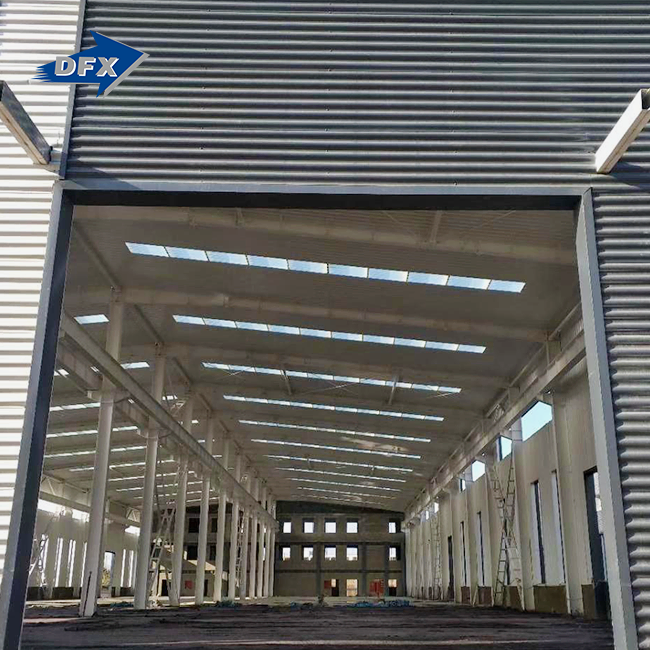
High-tensile steel frame with yield strengths above 50,000 PSI is used in Steel Horse Barn construction to build buildings that can resist extreme weather conditions like strong winds, heavy snow loads, and earthquakes. The welding steel frame system evenly spreads weight across the whole structure, avoiding weak spots that could put horses in danger. Hot-dip galvanization with a zinc covering makes something very resistant to rust, so the structure won't be damaged even after decades of use.
Pest Resistance and Biosecurity Benefits
Wood rot, mold, and bacterial growth problems that come with open wooden surfaces are not an issue in a steel stable. Because the material is resistant to termites, mice, and other bugs, it makes the area cleaner for the horses and requires less upkeep. This biosecurity benefit is especially important in breeding sites, where keeping diseases at bay has a direct effect on both the growth of the business and the well-being of the animals.
Comparing Steel Barns with Other Types: Why Steel Is the Safer Choice?
When compared to wooden, pole, or metal barn options, steel superstructures always do better in the safety and durability tests that horse facility owners care about the most. Knowing these comparative benefits helps people who work in buying make choices that are based on facts and put safety and long-term value first.
Steel vs. Wooden Barn Construction
Wooden barns pose serious safety problems because they can catch fire, are easy for pests to damage, and lose their strength over time. For wood to be resistant to insects and rot, it needs to be treated with a lot of chemicals. This could be bad for horses with breathing problems. Over the course of 20 years, the maintenance costs for wooden buildings are usually 40–60% higher than those for steel structures. Additionally, wooden structures are less resistant to fire and bad weather.
Advantages Over Pole Barn Structures
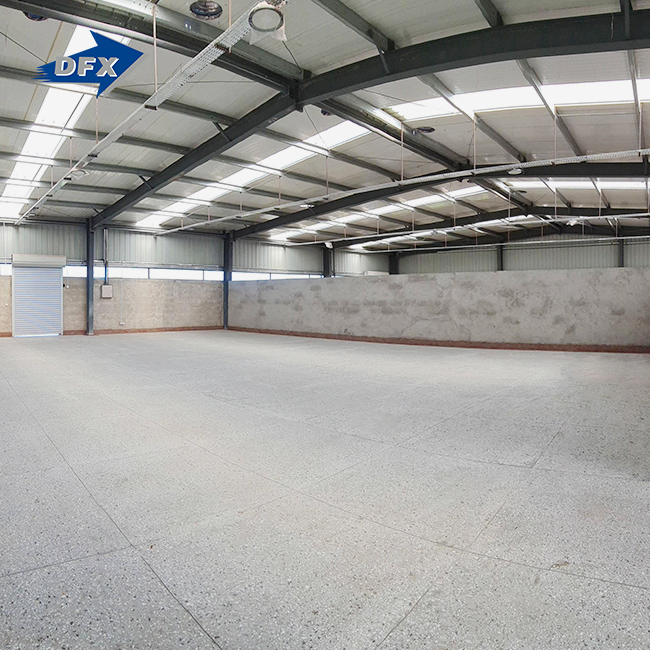
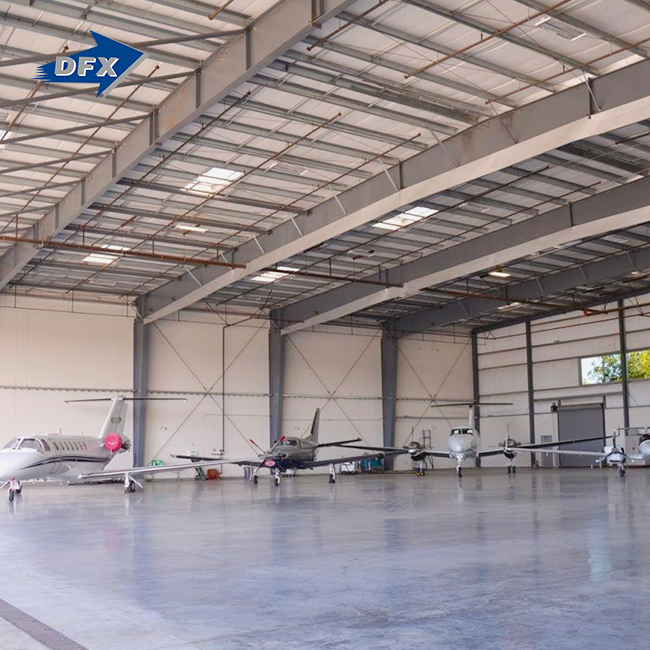
Even though pole barns are cheap at first, they don't always have the building strength needed for tough environments. Frost heaving, settling, and damage from water can all happen to the attached post base system, which makes the structure less stable. Steel barns have engineered base systems and clear-span designs that don't need internal columns. This makes riding grounds safer and lowers the chance that horses will collide with other horses.
Prefabricated vs. Custom Steel Solutions
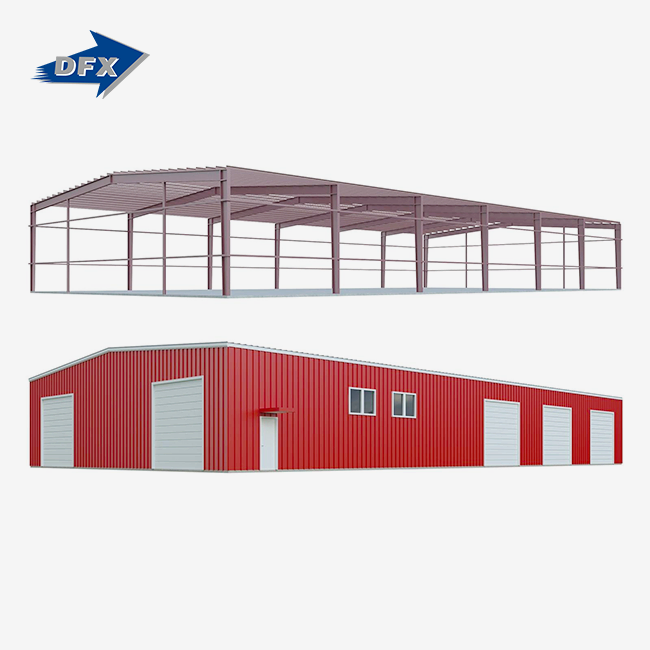
Controlled manufacturing conditions and standard engineering specs make prefabricated steel barns a reliable choice for quality. These methods make rollout faster while keeping safety standards the same. Custom-built choices let you add safety features that are just right for you, like custom air systems, emergency exit layouts, and climate control that works with your home automation system. With both techniques, safety is higher than with standard building methods, and they can be changed to fit different operational needs.
Design and Maintenance Best Practices to Maximize Steel Barn Safety
The safest steel barns start with well-thought-out designs that include fire prevention features, good air systems, strategically placed insulation, and well-planned stall plans. Professional engineering makes sure that local building rules are followed while also taking into account operational needs and environmental difficulties.
Ventilation and Climate Control Systems
The right ventilation design keeps the air clean so that horses can stay healthy and stops moisture from building up that could damage steel parts. Ridge vents, corner louvers, and motorized ventilation systems all work together to make sure that air flows in a steady way. Utilizing insulated wall systems to control temperature helps keep conditions comfortable for horses all year long, preventing condensation.
Structural Maintenance Requirements
Regular care for steel barns includes checking the structure, stopping rust before it starts, and maintaining the protected coating. Galvanized steel parts usually don't need much maintenance, but painting surfaces might need touch-ups every so often to keep them as protective shields. Professional check plans help find problems early, before they become dangerous or need expensive fixes.
Safety-Focused Layout Planning
Steel Horse Barn designs include wide aisles, good drainage systems, and escape paths in case of an emergency. These features put daily operating safety and emergency response skills at the top of the list. Stall setups use steel frames with protective linings on the inside to keep people from getting hurt while keeping the structure strong. Agricultural building rules require that electrical systems be integrated in a way that reduces the risk of fire while still providing enough lights and power.
Procurement Insights: Selecting and Buying the Safest Steel Horse Barns
To be successful at procurement, you need to carefully evaluate makers, make sure your contract covers everything, and be able to provide long-term support. DFX and other well-known steel structure makers have the knowledge and dependability that are needed for horse center projects to go well.
Manufacturer Evaluation Criteria
Some important things that are looked at are ISO9001 approval, CE compliance, and a history of building in agriculture. Full planning, fabrication, and installation support services should be part of the manufacturing skills. Quality management systems make sure that product standards are always met, and professional knowledge lets people make solutions that fit their unique needs.
Cost Analysis and Budget Planning
When comparing initial investments, you should think about the long-term costs of running them, such as repairs, insurance, and replacement. Steel buildings usually last 30 to 50 percent longer than wooden alternatives and need a lot less upkeep. Energy economy comes from using the right shielding, which lowers costs and makes animals more comfortable.
Installation and Support Services
Professional installation services make sure that the parts are put together correctly and that they meet engineering standards. Customized production lets you get answers that fit your needs while still meeting quality standards. Long-term operational success depends on support services provided after the sale, such as upkeep advice, access to replacement parts, and expert consultation services.
The Environmental and Economic Benefits of Choosing Steel Barns
Steel barns are great for the earth because they can be recycled and use less energy, which lowers their carbon footprint and operating waste. Because they last longer than standard wooden buildings, they save you a lot of money in the long run because they don't need as many repairs or replacements.
Sustainability and Environmental Impact
Steel buildings support sustainable farming practices because the materials can be recycled, and the manufacturing and installation methods have less of an effect on the environment. Because Steel Horse Barn structures last a long time, they don't need to be replaced as often, which saves resources over the lifecycle of the building. Proper insulation and airflow design can save energy and lower the carbon footprint of operations while keeping the best conditions for horse health.
Long-Term Economic Advantages
A study of investments shows that a steel stable building has clear economic benefits over 20 to 30 years of use. The longer work life, lower insurance costs due to fire resistance, and lower upkeep needs all help to calculate a good return on investment. The structural integrity of steel construction keeps the worth of a building high while also making operations reliable, which helps farming businesses stay in business.
Conclusion
For horse facilities that need to be safe, steel horse barns are the best option because they don't catch fire and are reliable over time, which is something that wooden barns can't do. The many safety benefits, such as a building that doesn't catch fire, resistance to pests, and protection from the weather, make safe spaces that keep valuable horses safe while lowering operating risks. Traditional building methods are always beaten by steel when it comes to performance measures that make investment decisions worth it for farms, breeding facilities, and training centers that want to be as safe and productive as possible.
FAQ
Q1: What is the expected lifespan of a steel horse barn?
When properly kept, Steel Horse Barn construction usually lasts more than 50 years, far outlasting wooden alternatives that may need to be replaced every 20 to 25 years. During its entire useful life, the galvanized steel framing will not rust or break down, and it will still be able to hold weight.
Q2: How does steel construction handle condensation issues?
Professional steel barn design includes ways to stop condensation, like using DripStop fleece, good insulation, and controlled air to keep moisture levels in check. These engineering methods stop problems caused by condensation and keep the air perfect for horses.
Q3: What maintenance requirements are necessary for steel horse barns?
As part of regular upkeep, the structure is checked, protective coatings are touched up, and the air system is cleaned. Compared to wooden buildings, galvanized steel parts don't need as much upkeep. Making sure there is proper drainage and ventilation also ensures long-term performance and safety.
Partner with DFX for Premium Steel Horse Barn Solutions
DFX has more than 12 years of experience making steel structures and offers high-quality Steel Horse Barn options to farms all over the world. Our production methods are ISO9001 and CE certified, which means they meet high-quality and safety standards that protect your horse investments. As a reliable steel horse barn provider, we offer a full range of services, such as unique design, precise manufacturing, and professional installation support that are all suited to your needs. Get in touch with jason@bigdirector.com right away to talk about your steel horse barn project and find out how our proven skills can make your property safer and more efficient.
References
1. American Society of Agricultural and Biological Engineers. "Design Standards for Agricultural Steel Structures." Agricultural Engineering Handbook, 2023.
2. National Fire Protection Association. "Fire Safety Guidelines for Agricultural Buildings." NFPA Agricultural Code Standards, 2022.
3. International Building Code Council. "Structural Requirements for Agricultural Facilities." Commercial Building Standards Manual, 2023.
4. Equine Facility Design Association. "Best Practices for Horse Barn Construction and Safety." Professional Guidelines for Equine Facilities, 2022.
5. Steel Construction Institute. "Durability and Performance of Galvanized Steel in Agricultural Applications." Technical Research Report, 2023.
6. Agricultural Building Standards Commission. "Comparative Analysis of Construction Materials in Livestock Facilities." Industry Safety Report, 2022.
Learn about our latest products and discounts through SMS or email