- English
- French
- German
- Portuguese
- Spanish
- Russian
- Japanese
- Korean
- Arabic
- Greek
- German
- Turkish
- Italian
- Danish
- Romanian
- Indonesian
- Czech
- Afrikaans
- Swedish
- Polish
- Basque
- Catalan
- Esperanto
- Hindi
- Lao
- Albanian
- Amharic
- Armenian
- Azerbaijani
- Belarusian
- Bengali
- Bosnian
- Bulgarian
- Cebuano
- Chichewa
- Corsican
- Croatian
- Dutch
- Estonian
- Filipino
- Finnish
- Frisian
- Galician
- Georgian
- Gujarati
- Haitian
- Hausa
- Hawaiian
- Hebrew
- Hmong
- Hungarian
- Icelandic
- Igbo
- Javanese
- Kannada
- Kazakh
- Khmer
- Kurdish
- Kyrgyz
- Latin
- Latvian
- Lithuanian
- Luxembou..
- Macedonian
- Malagasy
- Malay
- Malayalam
- Maltese
- Maori
- Marathi
- Mongolian
- Burmese
- Nepali
- Norwegian
- Pashto
- Persian
- Punjabi
- Serbian
- Sesotho
- Sinhala
- Slovak
- Slovenian
- Somali
- Samoan
- Scots Gaelic
- Shona
- Sindhi
- Sundanese
- Swahili
- Tajik
- Tamil
- Telugu
- Thai
- Ukrainian
- Urdu
- Uzbek
- Vietnamese
- Welsh
- Xhosa
- Yiddish
- Yoruba
- Zulu
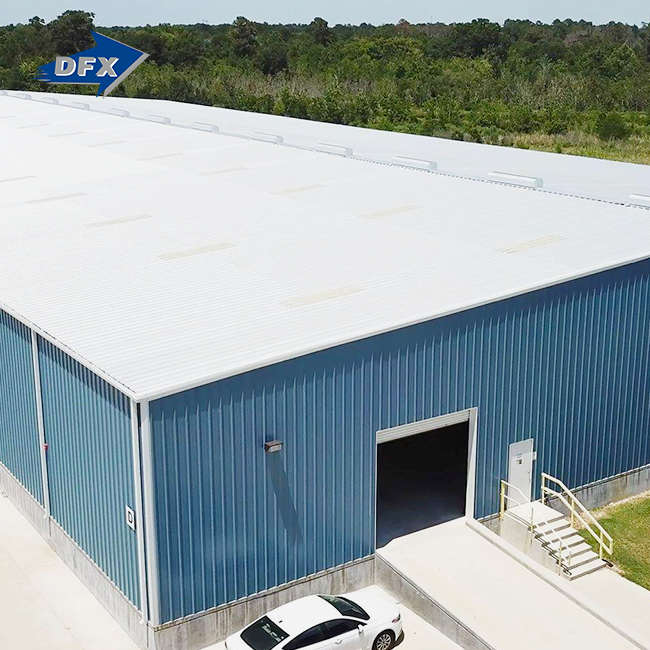
Industrial Fuel Storage Shed
Origin: Manufactured in China
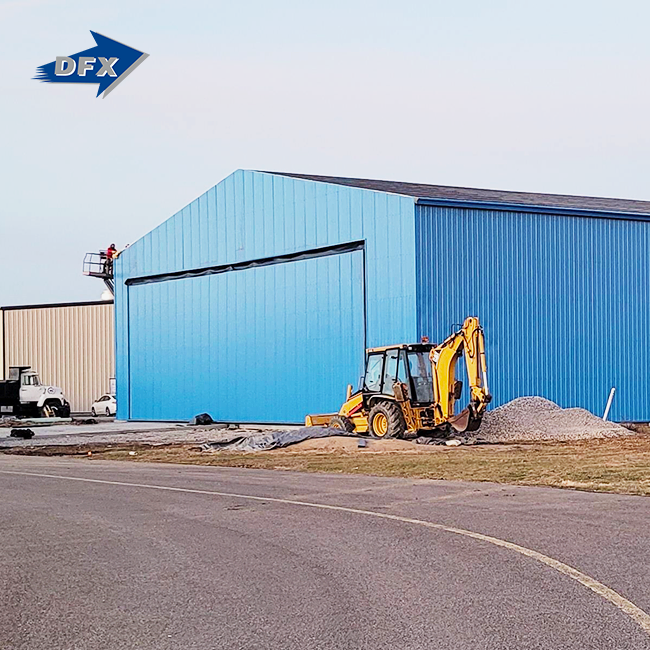
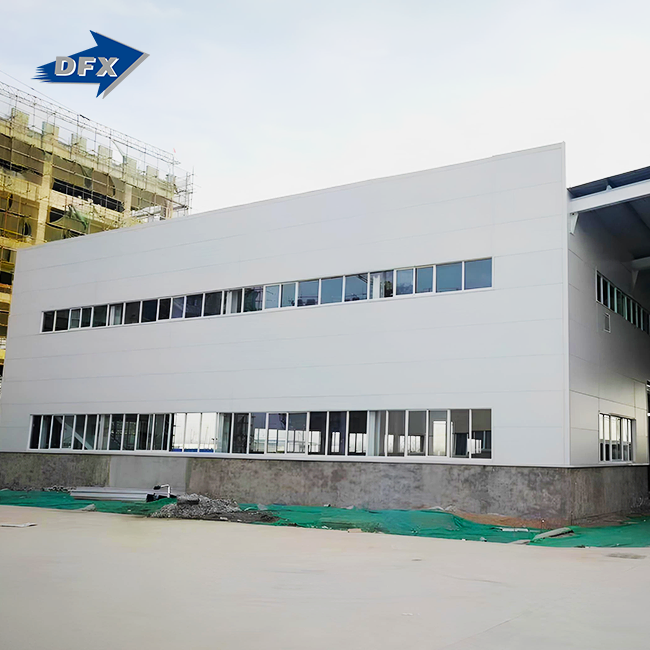
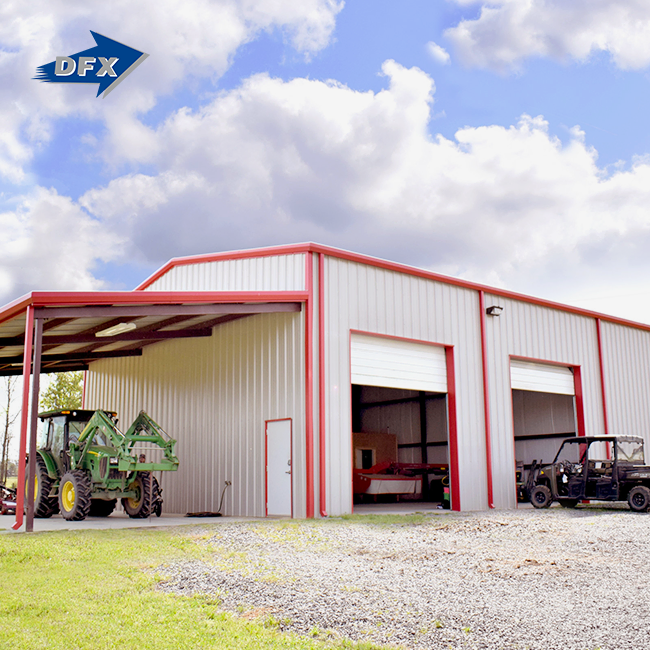
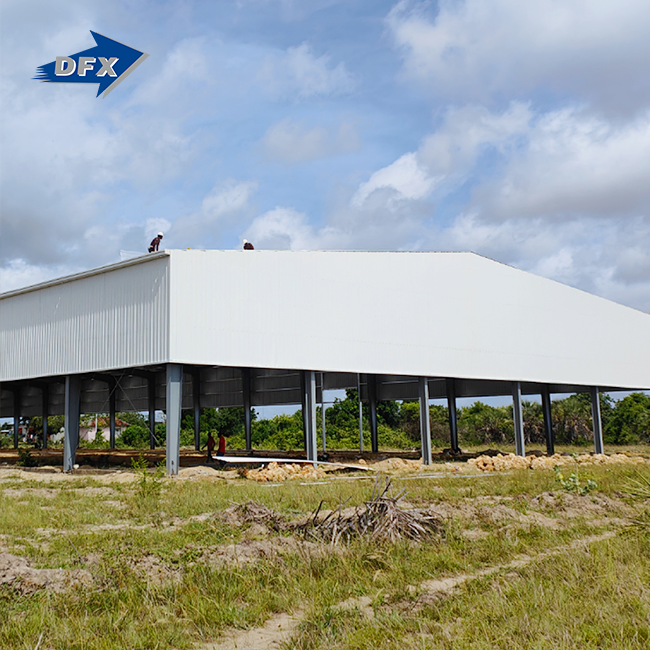
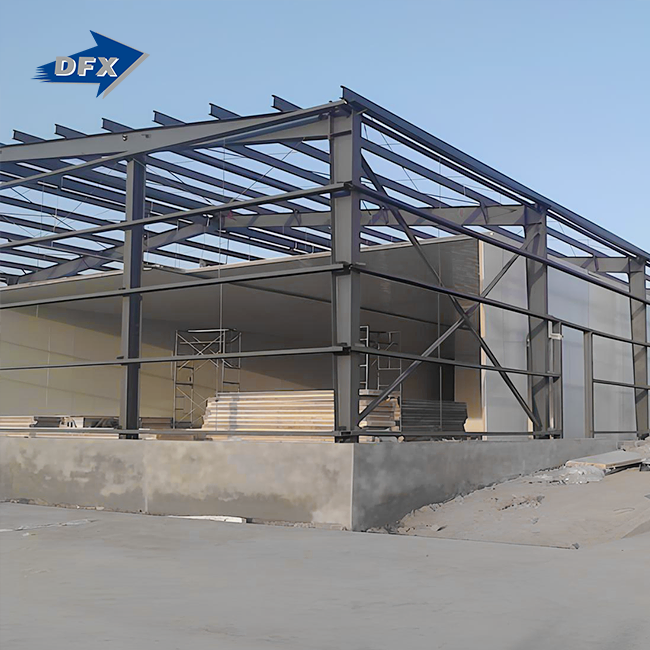
Structure & Materials: H-section beam and columns, C/Z galvanized purlins. sides claded or open with free space.
Service Scope: Standard design, fabrication, packing, installation drawings
Application: farm hay storage, Vehicle parking, equipment storage, maintenance sheds
Certificates: ISO9012,CE, COC, PVOC
Delivery & Stock: Short production cycle
Industrial Fuel Storage Shed: Safe & Reliable Steel Structure Solutions

An Industrial Fuel Storage Shed becomes crucial to your activities when you need a reliable way to store dangerous and combustible fuels. These special buildings are made to meet strict safety standards and keep flammable liquids like diesel, gasoline, and aviation fuel safely inside. We at Director Steel know that storing fuel needs more than just a simple box. Environmental dangers, fire risks, and problems with following the rules are just some of the things that your building needs strong defense against. Our options for storing industrial fuel use modern steel fabrication and built-in safety features.
Why Choose Steel Structure Fuel Storage Buildings?
Steel structure is the most durable way to store dangerous materials. Your property should be protected in a way that can stand up to harsh industrial settings and keep its structural integrity for decades.
Heavy-gauge stainless steel and welded tube frames make up our steel fuel storage buildings. These buildings can handle the heavy snow and wind loads that are usual at open industry sites. The strong design makes sure that your fuel store is safe no matter what the weather is like.
Fire protection is a very important benefit. Wall and roof panels on our buildings can be fire-rated and meet FM Global and UL standards. This safety gives you time in case of an accident and keeps your valuable fuel inventory safe.

Key Features & Technical Specifications
| Specification | Details |
|---|---|
| Specifications | Single or multiple bays |
| Structure & Materials | H-section beam and columns, C/Z galvanized purlins |
| Service Scope | Standard design, fabrication, packing, installation drawings |
| Application | Fuel storage, equipment protection, industrial containment |
| Certificates | ISO9012, CE, COC, PVOC |
| Delivery & Stock | Short production cycle |
| Origin | Manufactured in China |
Secondary Containment Systems
For environmental safety, secondary containment that is combined is needed. The bunded floors in your Industrial Fuel Storage Shed are made to hold 110% of the volume of your biggest storage tank without leaking. This method keeps groundwater from getting dirty and makes sure that no water leaks into the environment.
A lot of hydrostatic leak tests are done on the storage tank. We put water in the tank and check it carefully every 24 to 48 hours to make sure the seal is completely intact. This test makes sure that your building meets the standards of EPA 40 CFR 264.175.
Corrosive vapors can't get to steel parts that are coated with chemically proof cement. These marine-grade finishes make your building last longer while keeping its protection effectiveness.
Safety Features & Regulatory Compliance
The place where you store fuel must follow the rules set by NFPA 30, OSHA, and the EPA. Explosion-relief panels and grounding points are built into our buildings to protect against fires and static electricity buildup.
Ventilation systems can be changed based on the type of fuel you use. Class 1A flammable liquids need automatic airflow that gives them one cubic foot of air per minute for every square foot of floor space. Passive gravity-flow vents are a cheap way to handle vapors for steady flammables like diesel.
Depending on how close your building is to occupied buildings, fire ratings run from 2 hours to 4 hours of safety. Buildings that are less than 10 feet away from other buildings usually need 4-hour rates, while buildings that are 10 to 50 feet away usually only need 2-hour protection.
Manufacturing Excellence at Director Steel
Director Steel has been in business for more than 12 years and runs a 40,000-square-meter protected working space. There are more than 200 trained workers at our plant, which has six automatic welded H-beam production lines.
We can make up to 20,000 tons of welding H beams and columns every year, so we can meet the deadlines for your project. All steps in the manufacturing process are governed by ISO quality control systems, and CE approval shows that they meet international standards.
Our in-house building design and detailing service is here to help you with your job from start to finish. From the first idea to the final installation, we offer bundled services that make the buying process easier for you.

Quality Control & Inspection
Quality assurance focuses on structural integrity and containment reliability. Critical inspection procedures include hydrostatic leak testing of secondary containment systems using ASTM E165 dye penetrant methods.
Fire rating verification confirms wall panel listings meet specified resistance duration requirements. Coating thickness testing uses dry film thickness gauges to ensure anti-corrosion paint systems achieve marine-grade C5-M standards.
Electrical continuity testing validates grounding mechanisms prevent static discharge sparks. These comprehensive quality checks ensure your product performs reliably throughout its service life.
Installation & Maintenance
Modular design enables efficient installation and future relocation if needed. High-quality buildings include crane lifting lugs and reinforced forklift pockets for safe handling during setup or repositioning.
Regular maintenance involves weekly visual inspections of containment systems and quarterly technical inspections. This schedule includes debris clearing, corrosion checks, and seal degradation assessment to maintain optimal performance.
Contact Us
Ready to secure your fuel storage operations with a professional Industrial Fuel Storage Shed? Director Steel's expert team will work with you to design the perfect solution for your specific requirements.
Contact us at jason@bigdirector.com for detailed specifications, pricing, and delivery schedules. Our comprehensive service includes design consultation, fabrication, shipping, and installation support to ensure your project succeeds from start to finish.
Learn about our latest products and discounts through SMS or email