- English
- French
- German
- Portuguese
- Spanish
- Russian
- Japanese
- Korean
- Arabic
- Greek
- German
- Turkish
- Italian
- Danish
- Romanian
- Indonesian
- Czech
- Afrikaans
- Swedish
- Polish
- Basque
- Catalan
- Esperanto
- Hindi
- Lao
- Albanian
- Amharic
- Armenian
- Azerbaijani
- Belarusian
- Bengali
- Bosnian
- Bulgarian
- Cebuano
- Chichewa
- Corsican
- Croatian
- Dutch
- Estonian
- Filipino
- Finnish
- Frisian
- Galician
- Georgian
- Gujarati
- Haitian
- Hausa
- Hawaiian
- Hebrew
- Hmong
- Hungarian
- Icelandic
- Igbo
- Javanese
- Kannada
- Kazakh
- Khmer
- Kurdish
- Kyrgyz
- Latin
- Latvian
- Lithuanian
- Luxembou..
- Macedonian
- Malagasy
- Malay
- Malayalam
- Maltese
- Maori
- Marathi
- Mongolian
- Burmese
- Nepali
- Norwegian
- Pashto
- Persian
- Punjabi
- Serbian
- Sesotho
- Sinhala
- Slovak
- Slovenian
- Somali
- Samoan
- Scots Gaelic
- Shona
- Sindhi
- Sundanese
- Swahili
- Tajik
- Tamil
- Telugu
- Thai
- Ukrainian
- Urdu
- Uzbek
- Vietnamese
- Welsh
- Xhosa
- Yiddish
- Yoruba
- Zulu
What Is an Automotive Assembly Workshop and How It Works?
An Automotive Assembly Workshop is a special kind of factory where parts of cars are put together to make finished or almost finished cars. Instead of making raw materials like most factories do, these workshops only do systematic assembly, which means they use organized processes to put together engines, chassis, body panels, electrical systems, and interior parts. Skilled workers and precise tools are used in this process to make sure that every car meets high-quality standards. In the automotive supply chain, these workshops are very important hubs where OEMs, suppliers, and freelancers work together to make hundreds of separate parts into working cars. They connect making parts to products that are ready to go on the market.

Understanding the Automotive Assembly Workshop
What Makes Assembly Workshops Different from Manufacturing Plants
Instead of starting from scratch, Automotive Assembly Workshops focus on putting things together. A manufacturing plant might make metal parts or form plastics, but an assembly workshop takes parts that are already made and puts them together according to engineering rules. This focused method makes it easier to customize vehicles and makes it faster to make changes to their designs. This plan is often preferred by project managers and procurement directors because it cuts down on the need to buy expensive heavy equipment while still letting them keep control over the quality of the end product.
Safety Standards and Compliance Requirements
Following the rules isn't a choice when putting together cars; it's essential. Workshops have to follow rules for worker safety that cover everything from protecting machines to moving dangerous materials safely. In the US, OSHA rules spell out specific standards for electricity safety, fall protection, and the design of ergonomic workstations. Not only are fire suppression devices, emergency exits, and good air good ideas, they're also the law. For business-to-business clients in charge of cross-border projects, knowing these rules keeps delays from costing a lot of money and protects workers at all operating sites.
Key Components and Equipment in an Automotive Assembly Workshop
Automotive Assembly Workshop operations depend on high-tech machines and tools that combine the skills of humans with the ability to do things automatically. Knowing about these parts helps buying managers make smart choices about where to spend.
Most assembly lines are built around conveyor systems, a car manufacturing plant that moves cars or parts between workspaces at controlled speeds. Body parts are moved by overhead conveyors, and chassis sections are moved by systems that are mounted on the floor. Robots that are more advanced can do dangerous or repetitive jobs like welding body lines, putting on adhesives, or fitting heavy parts like engines. Precision cutting kits make sure that the torques on the bolts are correct, and checking tools like laser scanners and coordinate measuring machines make sure that the dimensions are correct.
There are clear benefits to automation, such as consistency in jobs that are done over and over, higher output, and lower labor costs over time. To the contrary, the initial investment can be very large; for complete systems, this can easily reach millions of dollars. Another problem is teaching the workforce; techs need to learn new skills to set up, fix, and program automated equipment. More and more, electric car assembly lines are able to successfully integrate automation. This is especially true when installing battery packs, which require accuracy and safety.
There are quality control tools built into the process that find mistakes early on before they get worse. Leak testers, vision systems, and torque sensors all check that parts are properly fastened and that seals are not broken. Preventive maintenance plans are more important than reactive fixes when it comes to maintenance. Regular inspections and part replacements help avoid unexpected downtime. Here, having relationships with reliable suppliers is very important; having responsive vendors who can quickly send spare parts keeps production going when equipment breaks down.
Comparing Different Automotive Assembly Workshop Models
Assembly Workshops vs. Full Manufacturing Plants
The main changes are scale and reach. Full production plants do everything, from handling raw materials to putting the final touches on the product. These plants need a lot of land and a lot of money to run. Automotive Assembly Workshops are smaller and only do integration work. This means that mid-sized companies and specialized makers can use them. The operational focus is also different. For example, plants put a lot of emphasis on vertical integration and standardizing parts, while workshops are great at customization and quickly switching between models. Knowing these differences helps business-to-business buyers choose the type of facility that best fits their output needs and business plans.
Modular Workshop Design vs. Fixed Infrastructure
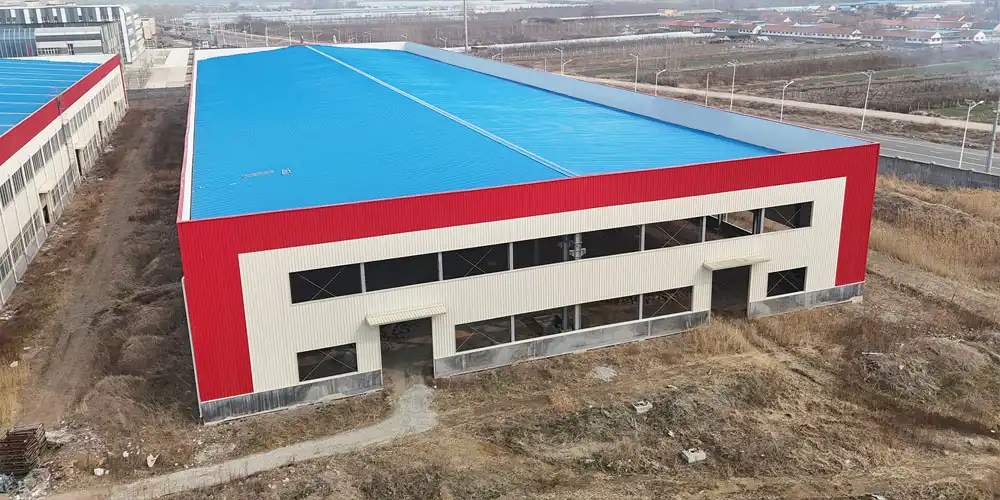
Flexibility costs money, but it pays off over the life of a building. Modular designs use desks that can be moved, conveyor pieces that can be rearranged, and utilities that can be changed as production needs change. This method works for businesses that expect to change their product lines or their sales during certain times of the year. Fixed infrastructure is the most efficient way to make stable, high-volume products because it uses specialized tools and optimizes worker moves to cut down on cycle times to a minimum. A study of costs shows that modular systems usually require a 15-20% higher original investment, but they can save 60% on reconfiguration costs compared to set layouts when changes need to be made in a car manufacturing plant.
Cost Analysis and ROI Considerations
The initial cost of buying tools is only one part of the total costs of owning. Over decades of use, a facility's operating costs, such as energy, repairs, staff, and supplies, add up. For more complicated ROI estimates, you need to take into account things like the number of products you make, how hard they are to make, the job market, and how long you expect the facility to last. For purchasing managers looking at bids, thorough cost modeling shows that automated solutions usually pay for themselves in three to five years for high-volume operations. On the other hand, flexible human systems are still cost-effective for lower volumes or product lines that change a lot. These findings help with strategic facility growth and capital planning.
How to Choose the Right Automotive Assembly Workshop Solution
Defining Procurement Requirements by Business Segment
Facility needs depend on where your business fits in the automotive environment. Automotive Assembly Workshops that are flexible enough to do custom work without a lot of extra costs are good for small companies that make specific cars or parts. Original Equipment Manufacturers (OEMs) that are working on new car platforms need facilities that can be expanded from small test runs to full production. When subcontractors take on extra work for more than one client, they need a flexible infrastructure that can quickly switch between different assembly jobs. To customize your answer, you should first be honest about how much you produce, what kinds of products you make, and how much you expect your business to grow over the next 5 to 10 years.
Evaluating Equipment Suppliers and Certification Requirements
Choosing a supplier has long-lasting effects on the success of a business. Reliable sellers show their track records by giving client references, case studies, and building tours that show off current installations. Certifications are important. For example, ISO 9001 quality control systems, CE marking for European markets, and ASTM material compliance make sure that technology meets global standards. Engineers in charge should look closely at the guarantee terms, the availability of spare parts, how quickly technical help responds, and the training programs that are available. Companies like Director Steel Structure, which is certified by both ISO 9001 and CE, meet the high standards of dependability that safe supply Auto factory design chains need.
Software Integration and Automation Platform Selection
Software controls machines, keeps track of materials, and checks quality levels in real time in modern workshops, which are fully connected cyber-physical systems. It's important that platforms work together; for example, production control systems need to be able to talk to ERP software, quality records, and tools for managing the supply chain. Using industry-standard protocols and open design platforms keeps you from being locked into one seller and makes it easier to improve in the future. By checking the system's ability to integrate with other systems before buying it, you can avoid the need for expensive middleware development and operating silos that make it hard for information to flow through your company.
Enhancing Workshop Performance and Safety
Optimization Strategies for Increased Efficiency
Methods for continuous improvement find and get rid of Automotive Assembly Workshop production bottlenecks in a planned way. Time studies show which stations speed up total throughput, which helps decide where to put money to get faster tools or more staff. Value stream mapping shows how things and information move, pointing out actions that don't add value that can be gotten rid of. Kaizen events get field workers involved in quick improvement projects that use their deep knowledge of the process to solve problems that keep coming up. These tried-and-true methods always lead to 10–20% increases in efficiency without requiring large amounts of cash.
Compliance with North American Safety Frameworks
Facilities in the US and Canada must follow strict safety rules that protect workers during the whole assembly process. Machine guarding rules keep people from touching moving parts, lockout/tagout methods keep repair workers safe, and personal protective equipment rules make sure that the right gear is used for each job. Safety checks, methods for reporting incidents, and ongoing training programs help keep people in line with the rules and promote a safety culture. For business-to-business clients, working with providers who know and support these rules and can provide the right paperwork, training materials, and safety-approved tools lowers legal risk and keeps your employees safe.
Industry 4.0 and Emerging Automation Technologies
Automotive is one of the industries that is leading the way in going digital. IoT devices, predictive analytics, digital twins, Auto factory design, and collaborative robots are some of the technologies that are changing the way groups work. Sensors installed all over buildings collect real-time information on how well equipment is working. This allows for predictive maintenance, which stops problems before they cause downtime. With digital twins, changes to the structure or new processes can be tested virtually without stopping production. Collaborative robots work safely with human operators, mixing the consistency of automation with the adaptability and sense of humans. These new ideas are especially helpful for putting together electric and self-driving cars because the battery systems and sensors are so complicated that they need more precision than old ways can provide.

Conclusion
Automotive Assembly Workshops are complex industrial environments where precise engineering meets operational excellence. This guide has looked at how these facilities are different from regular factories, what tools and processes are used to make them productive, and how different operating models can help with making strategic decisions. If you understand these basics, you can make better choices that balance cost, quality, and flexibility, whether you're a project manager looking at different building options, a procurement director looking for reliable suppliers, or an operations leader making the most of the production you already have. The modern workshop is flexible and quick, thanks to its strong steel frame, advanced technology, and lean principles. It meets the needs of today's competitive auto market.
FAQ
1. What essential equipment does an assembly workshop require?
What are the most important tools that an Automotive Assembly Workshop needs? Core equipment includes systems for moving materials, lifting tools like high cranes for big parts, precise tools for attaching things, and checking tools to make sure the quality. Robotic arms, vision systems, and customizable controls are added to automated factories. The exact mix relies on the amount of output, the type of car, and the level of automation. For example, manual operations may spend more on ergonomic workstations and hand tools, while automated facilities put more emphasis on robots and software for integration.
2. How do manual and automated assembly lines compare?
How are automatic and manual production lines alike and different? The starting cost of manual lines is cheaper, and they give you the most options for custom work or frequent changeovers. They work well for low to medium production levels where variety is more important than number. Automated systems offer uniform quality and better output, but they need a lot of money and highly skilled technical staff to operate. Most of the time, an ROI study shows that automation is more cost-effective above 50,000 units per year for standard goods. For smaller volumes or more varied production, manual or semi-automated methods are still cost-effective.
3. What safety requirements apply to automotive assembly facilities?
What safety rules do places that put together cars have to follow? Facilities in North America have to follow OSHA rules about electricity safety, machine guarding, handling dangerous materials, fall protection, and ergonomics. Sprinkler systems and proper routes are required by fire safety rules. Environmental laws control how paint is used and how trash is thrown away. Regular safety training, reporting of incidents, and written compliance processes aren't options; they're the law and protect workers and companies from harm.
Partner with DFX for Your Automotive Assembly Workshop Project
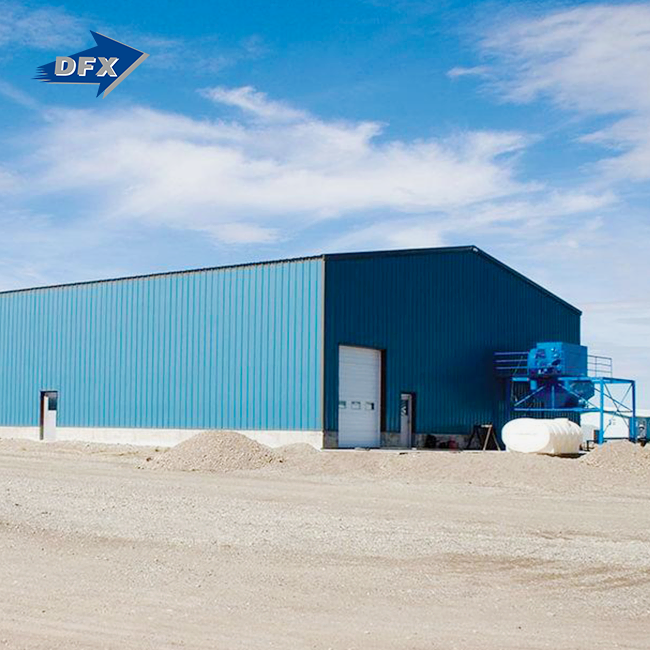
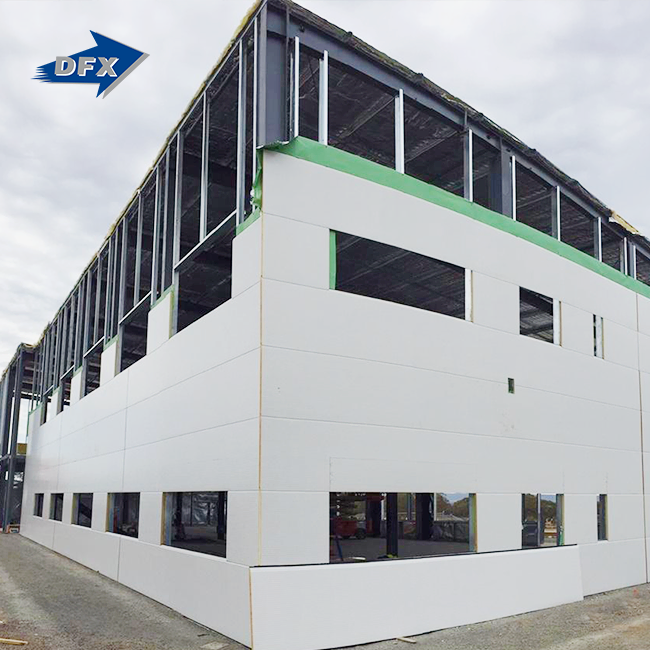
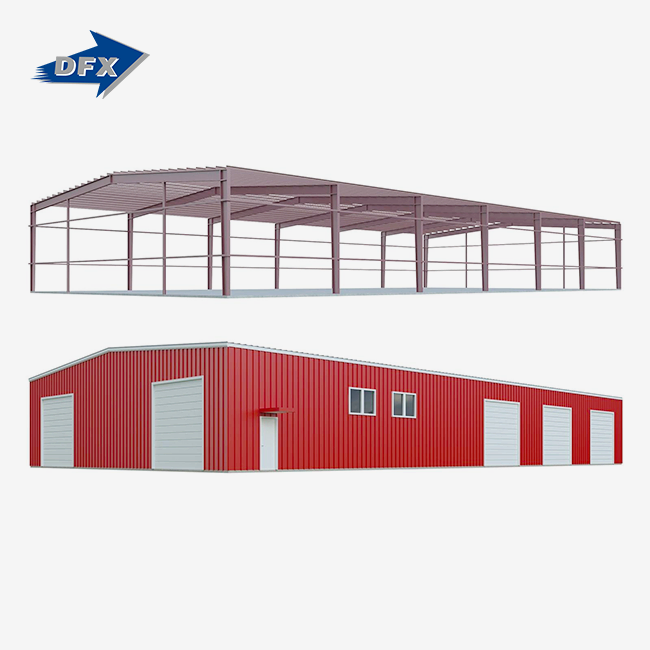
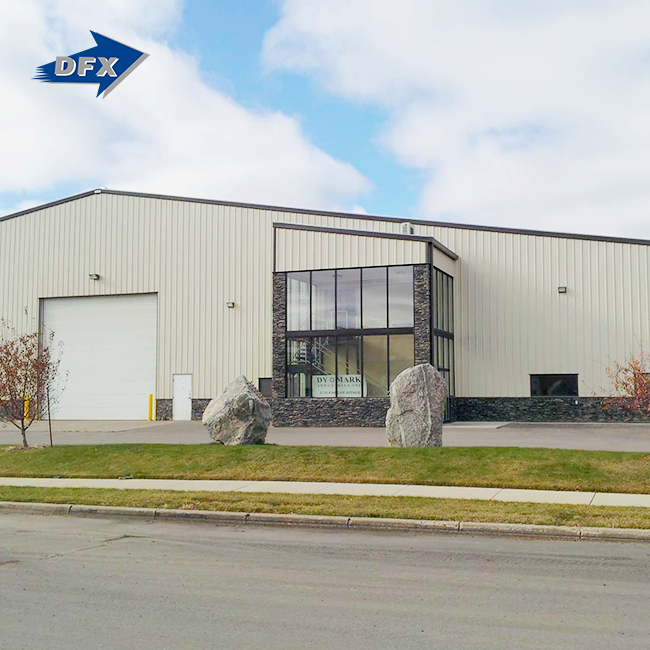
To make a car assembly plant work well, you need more than just tools. You also need a partner who knows about structural integrity, production processes, and the long-term success of the business. The Director of Steel Structure has more than 12 years of experience making big industrial steel buildings that are great for putting together vehicles. Welded H-section steel main frames made of high-grade Q235/Q355 steel make up our Automotive Assembly Workshop solutions. These create column-free spans of more than 30 meters, which are perfect for flexible production plans, overhead crane systems, and future growth.
We offer full turnkey services that include designing the structure, fabricating it, treating the surface, making installation plans, and providing on-site help to make sure your facility meets all of your needs. Our buildings meet the foreign quality standards that purchasing managers look for because they are certified by ISO9001, CE, and ASTM. Our production plant is 40,000 square meters, and we have more than 200 skilled workers who can finish projects in 25 to 48 days. This will help you meet your tight building plans.
Our engineering team is ready to turn your ideas into a working reality, whether you're setting up a new assembly line, increasing the capacity of an existing one, or looking for a reliable Automotive Assembly Workshop manufacturer for your next project. Get in touch with Jason at jason@bigdirector.com to talk about your unique needs and find out how our tried-and-true steel structure solutions help make car assembly processes safe, efficient, and ready for the future.
References
1. Smith, J.R. & Thompson, M.K. (2021). Modern Automotive Manufacturing Systems: Design and Operations. Industrial Engineering Press.
2. Chen, L. & Rodriguez, P. (2020). "Structural Requirements for Heavy-Load Industrial Assembly Facilities." Journal of Manufacturing Infrastructure, 45(3), 112-128.
3. Automotive Industry Action Group (2022). Assembly Plant Design Guidelines and Best Practices. AIAG Publications.
4. Williams, D.A. (2019). Lean Manufacturing in Automotive Assembly: From Theory to Implementation. Production Excellence Publishing.
5. National Institute for Occupational Safety and Health (2021). Safety Standards for Automotive Manufacturing Facilities. NIOSH Document 2021-156.
6. Foster, K.L., Nguyen, T.H., & Park, S.J. (2023). "Industry 4.0 Technologies in Vehicle Assembly: Current Applications and Future Trends." International Journal of Advanced Manufacturing, 58(2), 234-251.
Learn about our latest products and discounts through SMS or email