- English
- French
- German
- Portuguese
- Spanish
- Russian
- Japanese
- Korean
- Arabic
- Greek
- German
- Turkish
- Italian
- Danish
- Romanian
- Indonesian
- Czech
- Afrikaans
- Swedish
- Polish
- Basque
- Catalan
- Esperanto
- Hindi
- Lao
- Albanian
- Amharic
- Armenian
- Azerbaijani
- Belarusian
- Bengali
- Bosnian
- Bulgarian
- Cebuano
- Chichewa
- Corsican
- Croatian
- Dutch
- Estonian
- Filipino
- Finnish
- Frisian
- Galician
- Georgian
- Gujarati
- Haitian
- Hausa
- Hawaiian
- Hebrew
- Hmong
- Hungarian
- Icelandic
- Igbo
- Javanese
- Kannada
- Kazakh
- Khmer
- Kurdish
- Kyrgyz
- Latin
- Latvian
- Lithuanian
- Luxembou..
- Macedonian
- Malagasy
- Malay
- Malayalam
- Maltese
- Maori
- Marathi
- Mongolian
- Burmese
- Nepali
- Norwegian
- Pashto
- Persian
- Punjabi
- Serbian
- Sesotho
- Sinhala
- Slovak
- Slovenian
- Somali
- Samoan
- Scots Gaelic
- Shona
- Sindhi
- Sundanese
- Swahili
- Tajik
- Tamil
- Telugu
- Thai
- Ukrainian
- Urdu
- Uzbek
- Vietnamese
- Welsh
- Xhosa
- Yiddish
- Yoruba
- Zulu
Custom Prefab Steel Warehouses for Industrial Needs
A Custom Industrial Steel Warehouse is both efficient and strong, making it perfect for projects that need reliable storage solutions that can be set up quickly. These modular, manufactured steel storage buildings are made up of high-tensile H-beam main frames, galvanized C/Z purlins, and advanced bracing systems. They are strong structures that can be used in industrial storage centers, distribution hubs, and logistics stores. These buildings, which are made with precision engineering in China and meet ISO9001, CE, and possibly EN1108 standards, meet the urgent need for cost-effective growth while cutting down on construction times. Project-based fabrication makes sure that every building exactly fits the needs of the operation. It gives procurement managers and engineering directors a complete answer that includes full instructions on how to put it together and the coordination of supplies.

Understanding Custom Prefab Steel Warehouses
What Makes Prefabricated Steel Warehouses Different
Using old-fashioned building methods can take months, cost a lot of money, and stop activities that are already going on. Steel buildings that are built ahead of time completely change this plan. Components are made off-site in controlled settings and come ready to be quickly put together. This cuts project times by 30 to 50 percent. The flexible design philosophy gives buying teams more freedom because structures can change to meet new business needs without having to be rebuilt from scratch. Because of how it is made, steel has benefits that concrete just can't match. Frames made of high-tensile steel, usually Q355B or ASTM A572 Grade 50, can have clear lengths of more than 30 meters without the need for internal supports. This open design makes the most of the cubic storage space, makes it easier for forklifts to move around, and makes it easy for automated recovery systems to work. Companies that make things that are increasing their production capacity, like column-free spaces, make it easier to set up workflows and place equipment.
Core Benefits Driving B2B Adoption
Industrial clients are under more and more pressure to keep costs down while keeping their operations flexible. Steel warehouses deal with these different needs by using efficiency measures that can be measured. The strength-to-weight ratio means that less base is needed, which means that less money is spent on site preparation than with heavy materials. Ductility makes sure that better energy absorption during earthquakes, which protects investments in goods and equipment in areas that are prone to earthquakes. The speed of construction is another important issue. EPC workers who are in charge of tight project plans use prefabrication to cut down on time without lowering quality. While concrete structures take a long time to harden, steel parts can be put together quickly, allowing buildings to be occupied and making money faster. Agricultural businesses that are building chicken coops or facilities for animals love this speed because it helps them finish projects on time for yearly production cycles. Scalability is what sets prefab steel apart from fixed options. Rigid frame links let operations grow along the length of the structure, protecting original investments while allowing for future capacity increases. This flexible method, Bespoke steel design, works well for plant managers who want to add more production lines but can't say for sure when or how they will be set up years in advance.
How Are Custom Prefab Steel Warehouses Built?
Engineering and Pre-Construction Planning
Clearly defining the project's goals is the first step to any successful warehouse project. When engineers figure out how much weight needs to be stored, they don't just look at the static weight; they also look at the dynamic forces that come from forklifts, high cranes, and possible equipment setups. Structural estimates are based on wind loads, snow accumulation, and seismic action that is unique to the spot. Before manufacturing starts, plans are checked to make sure they follow local building codes, fire safety rules, and environmental laws. The shape of the foundation gets extra care. Steel buildings have lower dead weights than concrete ones, but strong grounding systems are needed for wind lifting forces. Anchor bolt cages with Grade 8.8 or 10.9 hardware are firmly embedded in reinforced concrete foundations, and a study of the soil's bearing capacity shows that they can resist toppling moments. When base engineering is done right, expensive repairs are avoided, and the structure stays stable for decades.
On-Site Assembly and Erection
When parts get to the job site, they come with full erection plans and instructions on how to put them together. Crane teams place main frames based on layouts for foundation anchors and use high-strength bolts to join members. Attaching secondary purlins to main frames makes the roof and wall planes. When installed crosswise, bracing systems keep the building stable against wind and earthquake forces. Using this method, logistics companies that turn empty land into distribution hubs have built 10,000-square-meter buildings in less than eight weeks. Auto parts companies that are adding more storage space to current sites, like modular assembly, keep operations running smoothly. When compared to cast-in-place building, the systematic method cuts down on weather delays and the need for skilled labor.
Choosing the Right Design and Features for Your Steel Warehouse
Essential Customization Elements
The way the roof is set up affects both how it looks and how it works. Gable roofs are good for places where it rains or snows a lot because they shed water well. Monoslope designs make draining easier and lower the cost of materials for projects that need to stay within a budget. Ridge ventilators built into roof peaks help passive air flow, which is very important for storing things that need to be kept at a certain temperature or for doing work that generates heat and humidity. Specifications for insulation have a direct effect on running costs. Sandwich panels with polyurethane or mineral wool bases and stainless steel faces can achieve R-values that are good for climate-controlled spaces. Panel thickness options, which range from 50 mm for warm areas to 200 mm for cold chain logistics, balance how well the panels keep heat in with how much they cost up front. When vapor shields are set up correctly, they stop condensation, which speeds up corrosion and damages stored goods. Planning access points takes into account how materials will move and the size of the equipment. Roll-up doors work well for areas with a lot of truck traffic, and dock-height loading bays make it easier to load and unload trailers. Safety rules are met by personnel doors with panic gear that doesn't lower security. Placing windows in a way that combines the benefits of natural light with worries about thermal efficiency is important for Bespoke steel design workshops that do both storage and light production.

Balancing Custom Versus Standard Designs
Structures that are fully designed make the best use of every measurement and feature for specific tasks. The technical work is worth it for chemical storage sites that need special coatings, explosion-proof ventilation, and containment curbs. Adding big overhead cranes to a project requires custom column size and runway beam integration during the design phase. Adding crane capacity after the fact is hard and costs a lot of money.When operating needs match up with tried-and-true designs, prefabricated standard models can save you money. When logistics warehouse workers store palletized goods in standard rack systems, they often find that catalog designs meet their needs without having to pay extra for custom building. The most important thing for procurement managers to do when making a choice is to weigh the costs of customization against the benefits of improved business efficiency over the long term. They do this by figuring out how to measure the effects on workflow and the chances of growth.
Cost Considerations and Procurement Process for Custom Steel Warehouses
Understanding Total Investment Factors
Material costs change with the price of steel around the world and usually make up 40 to 50 percent of all project funds. The primary frame tonnage changes based on the clear span lengths and load needs. Structures that are wider and heavier-duty use more material per square meter. Depending on the complexity of the design and the finish requirements, secondary parts like purlins, braces, and covering are added one at a time. Labor costs depend on the local wage rate and how easy it is to get to the job site. Crane workers and erection teams have to pay more to get to remote sites. Compared to bolt-together systems, complex designs that need a lot of field welding or special fitting take more time to put together. Logistics for transportation play a big role in foreign projects; fees for moving containers and optimizing containers affect the cost of delivery. Fees for permits and technical work range from place to place. Some cities and towns need sealed plans from locally licensed engineers, even if the maker can do it themselves. Environmental impact studies, stormwater management plans, and approvals from the fire department all add to the time and money needed to complete the project. Suppliers with a lot of experience help clients find their way through the regulatory mazes, using their existing ties to speed up decisions.
Working With Qualified Manufacturers
Qingdao Director Steel Structure Co., Ltd. is a good example of the kind of specialized knowledge that industrial warehouse projects need. The company has over 200 trained workers in 40,000 square meters of production space and six automatic welded H-beam lines that make 20,000 tons of steel each year. Integrated sandwich panel and C/Z purlin production lines make sure that all the parts work together and that shipping is coordinated. International buyers can feel safe when they buy things across borders if the products are CE certified and follow ISO quality control standards. Architectural planning and finishing services are available in-house to help customers from the initial idea to the final construction. Engineering calculations help make the best use of materials while still passing safety standards for structures. Logistics planning skills make foreign shipping easier, and construction advice stops mistakes that cost a lot of money. This turnkey method is especially helpful for building contractors and EPC firms that are working on multiple projects, tailored metal buildings at once, and don't have a lot of experience with steel structures.
Maintaining and Enhancing the Performance of Modern Steel Warehouses
Proactive Maintenance Protocols
Controlling corrosion affects how long a structure will last. Visual checks done once a year find damage to the coating caused by accidents, chemicals, or water getting in. Coastal sites in C4/C5 marine settings need to be looked at more closely because salt spray speeds up oxidation even when hot-dip galvanizing is used. Touch-up painting can fix small flaws before they get worse, and epoxy zinc-rich bases cover for 5 to 7 years before they need to be repainted. Connections and load-bearing parts are the main things that structural soundness checks look at. Verifying the tightness of the bolts makes sure that the links keep their clamping force, which stops them from coming free due to vibration or temperature changes. Welds are tested for magnetic particles on a regular basis, especially at crane runway extensions that are loaded and unloaded many times. Monitoring foundation settlement finds differences in movement early, so correction filling can be done before structural damage happens. Maintaining the roof and wall panels keeps the building shell working well. When temperatures rise, fasteners can back out, which creates leak paths that need to be fixed on a regular basis. UV light breaks down the sealant at panel joints, so it needs to be replaced every ten years. Cleaning your gutters and downspouts keeps water from building up, which speeds up rusting and makes ice dams dangerous in cold areas.
Energy Efficiency and Sustainability
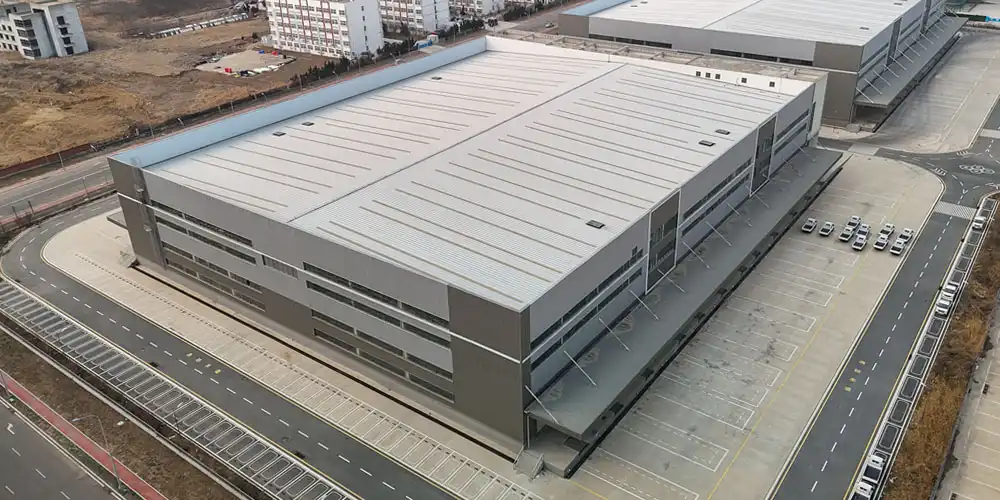
The cost of running an HVAC system is greatly reduced by new shielding technologies. Vacuum insulation panels have high R-values for their thin thickness, which is useful in situations where normal insulation choices are limited by the need for internal clearance. In warm places, reflective roof coats cut down on sun heat gain, which lowers the need for cooling by 15 to 25 percent. Automated skylight systems weigh the benefits of natural light with the need to keep the building cool, lowering artificial light when natural light is enough. Recycling steel is in line with companies' promises to be more environmentally friendly. Structures that are no longer needed are taken apart into parts that still have a lot of worth as scrap metal. This keeps materials out of landfills. Recycling uses 75% less energy than making steel from scratch, which lowers the carbon footprint of the steel. Green building standards like LEED and BREEAM are increasingly recognizing the environmental benefits of steel construction. Using building roofs for renewable energy is a good idea. Structures are built to support systems for placing solar panels, which produce power on-site that balances out power used from the grid. Wind turbine setups work well in places with a lot of wind, but structural engineers need to think about how the vibrations from the turbines will affect the building. When you combine green energy sources with battery storage systems, you can control demand charges and be off the grid during outages.
Conclusion
Custom prefab steel buildings have real benefits for businesses that value speed of construction, operating freedom, and long-term value. Engineered precision, flexible scalability, and proven longevity all work together to solve major problems that procurement managers and project engineers are having. Clear span designs make the most of the room that can be used, and systematic quality control makes sure that the structure will hold up in a wide range of settings, from factories to cold chain logistics. Preventative repair and technologies that use less energy make things last longer and keep costs down, which helps with both financial goals and environmental promises. For projects to be successful, they need to be well planned, have open relationships with suppliers, and have realistic timelines that are in line with business goals.
FAQ
1. Can Prefab Steel Warehouses Support Heavy Overhead Cranes?
During the construction step, structural planning is needed for crane integration. Columns need to be the right size to handle vertical loads, horizontal surge forces, and the dynamic effect that comes from using a crane. Runway beams connect to column brackets that are designed to handle the crane's weight and job cycle. Adding crane ability to buildings that weren't built to hold that much weight in the first place runs the risk of buckling and connection failure. By laying out the crane's needs ahead of time, engineers can make sure that the H-beam flanges and webs are the right size, which ensures safe operation for the structure's entire life and allows for future capacity increases within the design limits.
2. How Do Steel Warehouses Perform in Extreme Weather Conditions?
Engineering estimates take into account the temperature problems that are unique to each place. Wind load analysis uses local velocity pressure data and exposure groups to make frames and bracing that can stand up to lifting and lateral forces. The snow load measures take into account how much snow falls on the ground, how it drifts, and how it slides off neighboring roof planes. Seismic design is based on regional zone classifications and uses flexible links and base separation when needed. With the right base grounding and structural design, steel warehouses can weather storms, blizzards, and earthquakes that would damage less-engineered buildings. This protects inventory investments and keeps the business running.
3. What Maintenance Budget Should Owners Anticipate?
Maintenance costs usually run from 0.5 to 1.0% of the total cost of building. Normal tasks include inspections, small touch-ups to the finish, and tightening of fasteners. Every 5 to 10 years, you have to pay a lot of money for things like recoating in places where the paint is acidic, replacing sealant, and fixing panels that were damaged by accident. Emergency fixes are much more expensive than planned ones, and fixing small rust spots is much cheaper than replacement beams that have been corroded. Facilities in inland environments that are generally safe don't need much help other than regular checks. On the other hand, facilities near the coast or in areas with high chemical exposure need more active preservation programs to reach the same service life.
Partner With DFX for Your Next Industrial Warehouse Project
When you're building your industrial infrastructure, you need a source that knows both how to do great engineering work and how to get projects done. We at DFX (Qingdao Director Steel Structure Co., Ltd.) have spent more than 12 years perfecting Custom Industrial Steel Warehouse solutions for farming operations, building companies, and manufacturers all over the world. Our production methods are ISO9001 and CE certified, and we can make up to 20,000 tons of H-beams every year. We also offer integrated planning services, which makes us a trusted steel structure maker. Whether you're planning a 5,000-square-meter distribution center or a specialized building with cranes and environmental controls, our engineering team can help you with calculations, precise fabrication, logistics coordination, and erection guidance. They can turn your project ideas into working buildings. Get in touch with jason@bigdirector.com right away to talk about your needs and get a full quote that fits your budget and schedule.
References
1. American Institute of Steel Construction. (2016). Specification for Structural Steel Buildings (AISC 360-16). Chicago: AISC.
2. Brown, T. & Martinez, R. (2021). Pre-Engineered Metal Buildings: Design and Construction Best Practices. New York: Industrial Press.
3. European Committee for Standardization. (2018). EN 1090: Execution of Steel Structures and Aluminium Structures. Brussels: CEN.
4. Johnson, K. (2020). Modern Warehouse Design: Optimizing Industrial Storage Facilities. London: Construction Publications Ltd.
5. Smith, J. & Chen, W. (2019). Steel Structure Fabrication and Erection: A Practical Guide for Engineers. Singapore: Technical Engineering Press.
6. United States Green Building Council. (2022). LEED Reference Guide for Building Design and Construction. Washington DC: USGBC.
Learn about our latest products and discounts through SMS or email