- English
- French
- German
- Portuguese
- Spanish
- Russian
- Japanese
- Korean
- Arabic
- Greek
- German
- Turkish
- Italian
- Danish
- Romanian
- Indonesian
- Czech
- Afrikaans
- Swedish
- Polish
- Basque
- Catalan
- Esperanto
- Hindi
- Lao
- Albanian
- Amharic
- Armenian
- Azerbaijani
- Belarusian
- Bengali
- Bosnian
- Bulgarian
- Cebuano
- Chichewa
- Corsican
- Croatian
- Dutch
- Estonian
- Filipino
- Finnish
- Frisian
- Galician
- Georgian
- Gujarati
- Haitian
- Hausa
- Hawaiian
- Hebrew
- Hmong
- Hungarian
- Icelandic
- Igbo
- Javanese
- Kannada
- Kazakh
- Khmer
- Kurdish
- Kyrgyz
- Latin
- Latvian
- Lithuanian
- Luxembou..
- Macedonian
- Malagasy
- Malay
- Malayalam
- Maltese
- Maori
- Marathi
- Mongolian
- Burmese
- Nepali
- Norwegian
- Pashto
- Persian
- Punjabi
- Serbian
- Sesotho
- Sinhala
- Slovak
- Slovenian
- Somali
- Samoan
- Scots Gaelic
- Shona
- Sindhi
- Sundanese
- Swahili
- Tajik
- Tamil
- Telugu
- Thai
- Ukrainian
- Urdu
- Uzbek
- Vietnamese
- Welsh
- Xhosa
- Yiddish
- Yoruba
- Zulu
Steel Structure Conference Center | Steel Structure Solution 2026
Steel-framed construction methods are being used more and more by Steel Structure Conference Center project managers and procurement workers to plan big event venues. A Steel Structure Conference Center is a building that was specifically made to hold conferences, exhibitions, and business meetings. It is made with structural steel elements like H-beams, trusses, and composite decking, and its internal areas are large and column-free. These engineered systems solve some of the most important problems that the building and infrastructure industries face today, like short project timelines, tight budgets, and the need for places that can be changed and are ready for the future. By using precision parts made in a factory and modular assembly methods, steel conference centers can cut down on construction times by 30 to 50 percent compared to traditional concrete options. They also offer better seismic performance and design flexibility that can adapt to changing event needs.
Introduction
Steel Structure Conference Center solutions have become a popular choice for businesses that want to host modern events that can be expanded as needed. In 2026, buying trends across the US show that there is a higher demand for these designed systems. This is because they are more flexible in how they work, have predictable costs, and are in line with sustainability goals. This detailed guide looks at all the important things that affect steel conference center options, such as new ideas in architecture and how well the structure works, as well as buying strategies and the overall value over the building's lifetime. People who make choices in the infrastructure, manufacturing, building, and EPC contracting sectors will find useful information that they can use to make better business decisions and projects. Today's project calls for places that can handle a wide range of events, from trade shows and product launches to academic conferences and government meetings. Steel design gives you the clear-span ability, quick deployment, and adaptability you need to get the most out of your place and make the most money. When procurement teams know about the technical, financial, and practical aspects of these systems, they can choose solutions that meet the needs of the company while lowering project risks.
Understanding Steel Structure Conference Centers
Core Advantages Over Conventional Building Methods
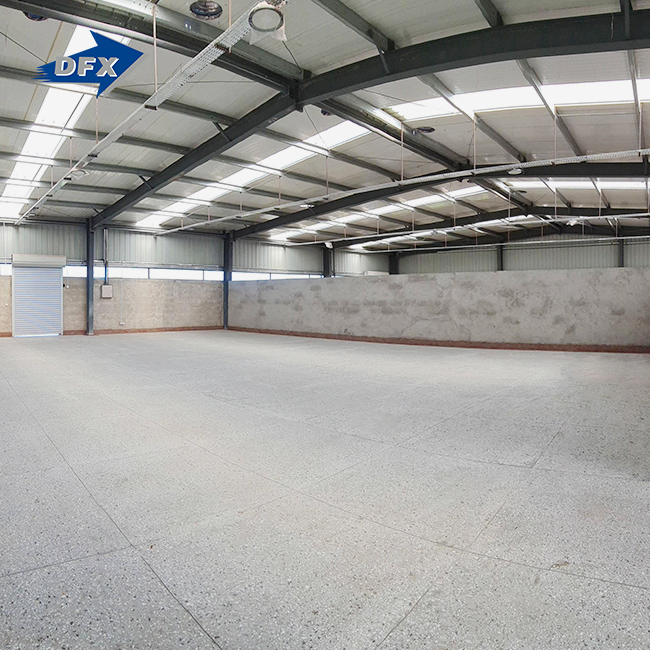
Steel Structure Conference Center buildings are strong and can be designed in a variety of ways, so they can meet the needs of a wide range of clients in business, government, and private settings. The material's high strength-to-weight ratio lets clear gaps be longer—often over 100 feet—without having to add columns in the middle. This makes the most of the floor space and planning options. This feature is very useful for show halls that need clear lines of sight and booths that can be set up in different ways. Another important benefit is that it lasts a long time. Because of how it is made, steel buildings don't bend, crack, or settle like concrete structures do. When covered properly with hot-dip galvanizing and epoxy coating methods that meet ISO 12944 standards, structural steel will stay strong for 25 to 50 years, even in harsh conditions. This makes the object last longer, which lowers its Event hall lifecycle upkeep costs and keeps its value over many years of use.
Environmental and Economic Benefits
Sustainability factors are becoming more and more important in purchasing decisions. Steel can be recycled, and 90% of its structural parts can be recovered and used again without losing any quality. This is in line with green building efforts and business environmental promises. A lot of steel conference projects try to get LEED approval by using open information about materials and energy-saving design techniques to meet sustainability standards. There are more economic benefits than just comparing costs at first. When foundation needs are cut down, building plans are sped up, and weather delays are kept to a minimum, steel structures usually have 15 to 25 percent lower total project costs. Because the prices of steel goods are stable, it is easier to plan budgets for them than for concrete projects, where the supply of cement can change quickly. During the planning and approval stages of a project, procurement managers like how stable this makes things financially.
Design and Construction of Steel Structure Conference Centers
Architectural Flexibility and Customization
Modern Steel Structure Conference Center design uses flexible ideas that can be changed to fit the needs of each client while keeping the structure's efficiency. Architects and engineers work together using Building Information Modeling (BIM) tools to find the best sizes for members, the best ways to connect them, and the best ways to combine mechanical, electrical, and water systems. This digital planning keeps field disputes to a minimum and cuts down on expensive change orders during construction. There are many more aesthetic options than just a functional, mechanical look. Curtain wall glazing, artistic metal panels, and hybrid cladding systems are all used in modern surfaces to give them a unique look while still meeting standards for thermal and sound performance. Any design idea can be realized with interior finishes, from showing off industrial-style structural elements to supporting high-end business settings with a hidden frame.
Construction Process and Quality Assurance
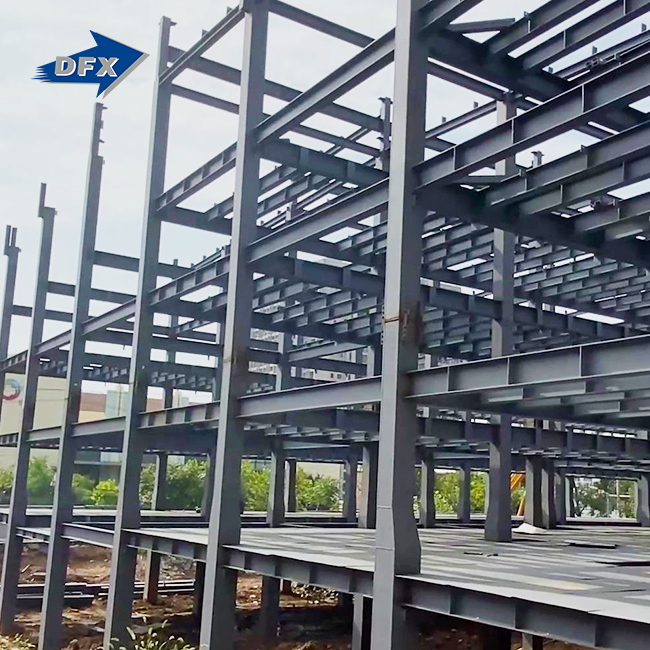
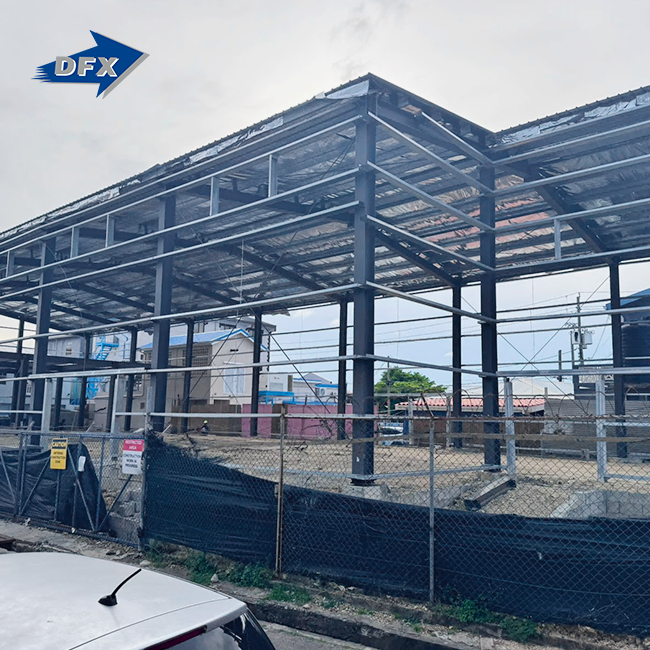
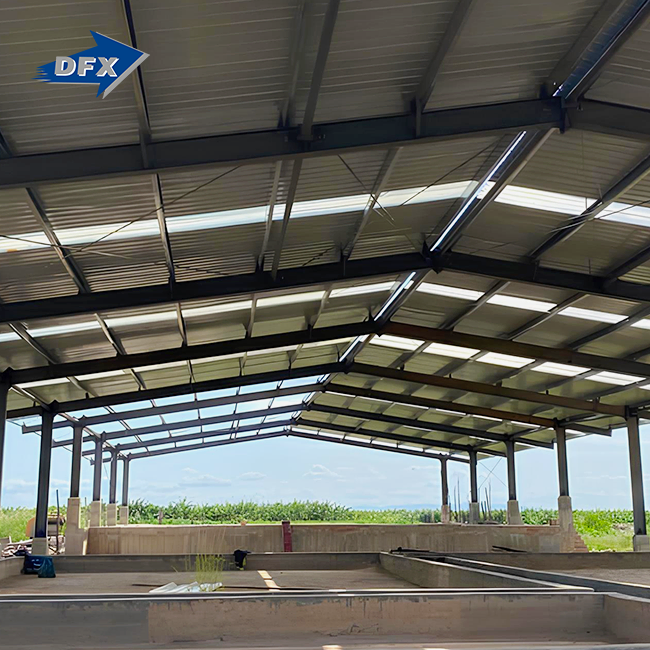
The building process and making sure quality starts with engineered footing systems that are made to move building loads efficiently while taking into account the dirt conditions in the area. Fabrication of structural steel takes place at the same time in climate-controlled factories that use automatic welding equipment and CNC machines to make parts with millimeter-level accuracy. Compared to a sequential concrete building, this simultaneous process greatly shortens the time needed to complete a job. Strict quality standards are followed during on-site production. For strong connections, certified welding methods that meet AWS D1.1 standards are used, and high-strength bolt setups use torque measuring tools that are regularly tested to make sure they work right. Non-destructive testing methods, like ultrasonic testing and magnetic particle screening, make sure that important weld quality is met without damaging structural parts. With these quality controls, you can be sure that the finished buildings meet or go beyond safety and design standards. Before any steel leaves our factory at Qingdao Director Steel Structure Co., Ltd., 3D laser scanning technology is used to check the sizes of every part. This pre-assembly approval gets rid of fit-up problems that happen during field setup, making sure that construction goes smoothly Event hall and the project are finished on time.

Cost and Procurement Considerations
Understanding Total Project Investment
Steel Structure Conference Center budgets include many cost factors that need to be carefully looked at. The prices of raw materials represent the state of the steel market. For example, high-strength low-alloy grades like Q355B or ASTM A572 Grade 50 command higher prices, which are supported by their better performance. Fabrication work, protective coatings, and custom connection tools are some of the other costs that experienced providers clearly list in detailed quotes. Logistics for delivery and installation services are big cost factors that are often overlooked when planning first. Moving big pieces of structural steel needs special tools and careful route planning, especially when the sites are inland and far from the manufacturing facilities. Professional construction teams with the right cranes and rigging gear charge more, but their safety knowledge and ability to meet deadlines make it worth it. Instead of just looking at the prices of materials, procurement teams should look at the total cost of the project.
Strategic Supplier Selection
Choosing the right steel structure partner is just as important to the success of a project as having a good plan or a good budget. Technical skills, output capacity, quality certifications, and a history of completed projects should be emphasized in the evaluation factors. Having suppliers with ISO 9001 quality management systems and CE-certified goods shows that they follow international rules and keep an eye on the whole process. Director Steel's combined skills, which include architectural design, engineering, manufacturing, and installation support, make it easier to keep track of projects and make sure everyone is responsible for their work. Six automatic H-beam welding lines and specialized tools for secondary members, cladding panels, and accessories are used in our 40,000-square-meter production plant. This wide range of skills lets one person be responsible for everything, which makes buying things easier and lowers the risks that come up when working with many suppliers. We have built conference and show centers in difficult foreign markets, learning a lot about export paperwork, containerized shipping logistics, and following different regional building codes along the way. This knowledge means that clients building sites anywhere in the United States can lower their procurement risk and make the project run more smoothly.
Performance, Sustainability, and Maintenance
Structural Resilience and Adaptability
When it comes to many operational aspects, Steel Structure Conference Center facilities work exceptionally well. Seismic resistance is very important in areas where there are a lot of earthquakes because steel's pliability lets it release energy slowly while the ground moves without breaking. Using SAP2000 or a similar structural software for engineering analysis checks performance against relevant seismic Large span auditorium design standards. This gives officials who issue permits and insurers written proof of the safety. Durability in the environment goes beyond simple resistance to rust. When steel systems are properly designed, they can handle thermal expansion and contraction without putting harmful loads on them. On the other hand, composite roof parts with high-density insulation keep inside temperatures stable no matter what the weather is like outside. Marine-grade protective paint systems, which include zinc-rich primers and fluorocarbon topcoats, keep the look and structure of sites near the coast even after being exposed to salt spray. Steel structure is different from harder options because it can be changed in the future. When conference centers change to suit new audiovisual technology, more people, or different space programming, these changes can be made with simple structure additions or rearrangements. This adaptability safeguards the long-term worth of an object because operating needs change over many years of service.
Sustainability Metrics and Maintenance Requirements
Green building alignment includes more than just recycling materials; it also includes how well the building runs. When compared to steel conference centers with low insulation, those that are built with continuous insulation, high-performance glass, and reflective roofing systems use a lot less energy to heat and cool. These savings can be measured with energy modeling during the planning phase. This helps with lifetime cost analysis and applications for sustainability certification. Maintenance plans focus on keeping coatings in good shape and checking the stability of connections on a regular basis. Maintenance on coatings usually happens every five to seven years, but this depends on how exposed the coating is to the environment. Small amounts of touch-up work can fix abrasion or contact damage before rust starts. After bad weather or an earthquake, structural checks make sure that building systems keep working the way they were designed to. These everyday tasks don't cost as much as fixing concrete buildings that crack, peel, and fail due to reinforcing corrosion, which costs a lot of money.
How to Choose the Right Steel Structure Conference Center Solution
Aligning Project Requirements with Technical Capabilities
The best way to choose a Steel Structure Conference Center solution is to weigh the needs of many people, including those with different budgets, schedules, design goals, and operating needs. Early on in the planning process, procurement professionals should come up with detailed project specifications. These specifications should set clear performance standards that can be used to objectively evaluate possible solutions. The size and span needs of the venue directly affect the choice of structural system. Conventional rigid frame systems with cheap member sizes and simple links can be used in smaller meeting rooms that can hold 200 to 500 people. Truss or space frame systems are good for larger events that need clear spans of 80 feet or more because they spread loads efficiently while keeping the building's architectural beauty. Experienced structural engineers compare these options using design studies that measure the trade-offs between cost and function.
Evaluating Supplier Credentials and Project Experience
Technical know-how is not enough to ensure the success of a project; planning ability and dependability are also important. When a supplier is being evaluated for a contract, their financial security, production capacity compared to the needs of the project, and track record of providing similar facilities on time and on budget should all be taken into account. References from past clients are a great way to find out how quick, problem-solving, and dedicated to customer happiness a business is, above and beyond what is required by contract. Certifications show that you are systematically committed to safety and quality. ISO 9001 quality management certification means that methods are written down, audits happen regularly, and there is a mindset of continuous growth. When structural steel goods have the CE stamp, it means they meet European standards that are known for being very strict. In some cases, extra qualifications like PVOC or COC may be needed for certain areas or client needs. Potential clients are welcome to the Large span auditoriumin Qingdao center to see how production works, a large auditorium to meet our engineering and project management teams, and look at finished projects that show what we can do. Being open and honest builds trust and personal relationships that make working together on difficult projects easier, even when time is limited.

Conclusion
In 2026, procurement workers in charge of complex venue building projects will find that Steel Structure Conference Center options offer clear benefits. Engineered steel systems are better than traditional building methods because they can be built quickly, can be designed in a variety of ways, are strong, and are environmentally friendly. This guide explains technical issues, cost factors, and source selection criteria. By understanding these, decision-makers can make the best decisions and reach practical goals. As companies realize that the value of a project over its lifetime goes far beyond its original cost, the market continues to favor steel buildings. Being able to make changes in the future, reduce the amount of upkeep needed, and support green building standards all protect the long-term value of an asset while meeting the changing needs of stakeholders. Partnering with experienced suppliers that can do design, manufacturing, and installation all in one step speeds up project delivery and lowers the coordination risks that come with using different buying methods.
FAQ
1. What is the expected service life of a steel conference facility?
When properly designed and kept, Steel Structure Conference Center facilities usually last between 40 and 60 years, and some industrial buildings keep running for over 80 years. The quality of the protected layer and how well it is maintained have a bigger impact on how long something lasts than the material itself. Regular inspections and quick paint replacements will always keep the structure in good shape.
2. How do steel buildings perform in extreme weather conditions?
When built according to the relevant wind and snow load standards, steel meeting centers are very resistant to bad weather. Structures built for areas with a lot of wind can withstand hurricane-force winds without damage, and roofs that are pitched correctly can shed snow and rain well. Lightning safety systems and grounding measures safely get rid of electrical strikes that don't damage building parts.
3. Can the building handle growth in the future?
Modular steel buildings naturally allow for phased growth and future additions. Engineers plan base systems and structure links with growth in mind, so when it comes time to expand, the costs of making changes are kept to a minimum. This flexibility is helpful for businesses that aren't sure what their long-term room needs will be when they're planning the project in the beginning.
4. What fire resistance ratings can be achieved?
Protection systems are used to make sure that steel parts meet the needed fire resistance ratings. When heated, intumescent coatings expand and protect steel from fire temperatures. For bigger jobs, cementitious sprays are a cheaper way to protect it. These systems typically provide fire resistance ratings of two to four hours, which meet the standards of the International Building Code for assembly areas.
Partner with Director Steel for Your Next Conference Center Project
To build a world-class Steel Structure Conference Center, you need more than just regular construction. You need a manufacturing partner with strong engineering skills, production capabilities, and an unwavering dedication to client success. Director Steel has more than twelve years of specialized experience building business steel structures around the world for tough uses. Our all-in-one method includes designing the structure, using cutting-edge automated equipment to make it, and coordinating the whole building process so that projects stay on schedule and on budget.
At our ISO 9001-certified factory, we make steel frame structures, composite floor decks, and ornamental cladding systems. Our CE certification shows that we meet international quality standards. We offer a full range of services, from coming up with the initial idea to putting the building into use. We work closely with MEP builders and facade experts to provide complete turnkey solutions. Our large production capacity—20,000 tons of welded H-beams and columns every year—and technical know-how gained from hundreds of successful installations help every project.
When project managers and sourcing professionals need a reliable steel structure conference center provider, Director Steel is a great choice. Email our engineering team at jason@bigdirector.com to talk about your unique needs and get a full project quote. We offer clear prices, reasonable plans, and technical solutions that have been used successfully in a wide range of settings, from shopping malls to factories. Let us show you why more and more building companies, EPC firms, and infrastructure providers are putting their most important projects in the hands of Director Steel.
References
1. American Institute of Steel Construction (2022). Steel Construction Manual, 15th Edition. Chicago: AISC.
2. Nethercot, D.A. (2021). Structural Steel Design to Eurocode 3 and AISC Specifications. London: CRC Press.
3. Baddoo, N.R. (2020). "Sustainability of Steel in Construction," Journal of Constructional Steel Research, Vol. 168, pp. 103-119.
4. Galambos, T.V. & Surovek, A.E. (2019). Design of Steel Structures for Buildings. New York: McGraw-Hill Education.
5. Federal Emergency Management Agency (2021). Seismic Design of Steel Special Moment Frames: A Guide for Practicing Engineers. Washington, D.C.: FEMA P-751.
6. Green Building Council (2023). LEED v4.1 Rating System: Building Design and Construction. Washington, D.C.: USGBC.
Learn about our latest products and discounts through SMS or email