- English
- French
- German
- Portuguese
- Spanish
- Russian
- Japanese
- Korean
- Arabic
- Greek
- German
- Turkish
- Italian
- Danish
- Romanian
- Indonesian
- Czech
- Afrikaans
- Swedish
- Polish
- Basque
- Catalan
- Esperanto
- Hindi
- Lao
- Albanian
- Amharic
- Armenian
- Azerbaijani
- Belarusian
- Bengali
- Bosnian
- Bulgarian
- Cebuano
- Chichewa
- Corsican
- Croatian
- Dutch
- Estonian
- Filipino
- Finnish
- Frisian
- Galician
- Georgian
- Gujarati
- Haitian
- Hausa
- Hawaiian
- Hebrew
- Hmong
- Hungarian
- Icelandic
- Igbo
- Javanese
- Kannada
- Kazakh
- Khmer
- Kurdish
- Kyrgyz
- Latin
- Latvian
- Lithuanian
- Luxembou..
- Macedonian
- Malagasy
- Malay
- Malayalam
- Maltese
- Maori
- Marathi
- Mongolian
- Burmese
- Nepali
- Norwegian
- Pashto
- Persian
- Punjabi
- Serbian
- Sesotho
- Sinhala
- Slovak
- Slovenian
- Somali
- Samoan
- Scots Gaelic
- Shona
- Sindhi
- Sundanese
- Swahili
- Tajik
- Tamil
- Telugu
- Thai
- Ukrainian
- Urdu
- Uzbek
- Vietnamese
- Welsh
- Xhosa
- Yiddish
- Yoruba
- Zulu
Steel Systems in Hangar and Warehouse Structures
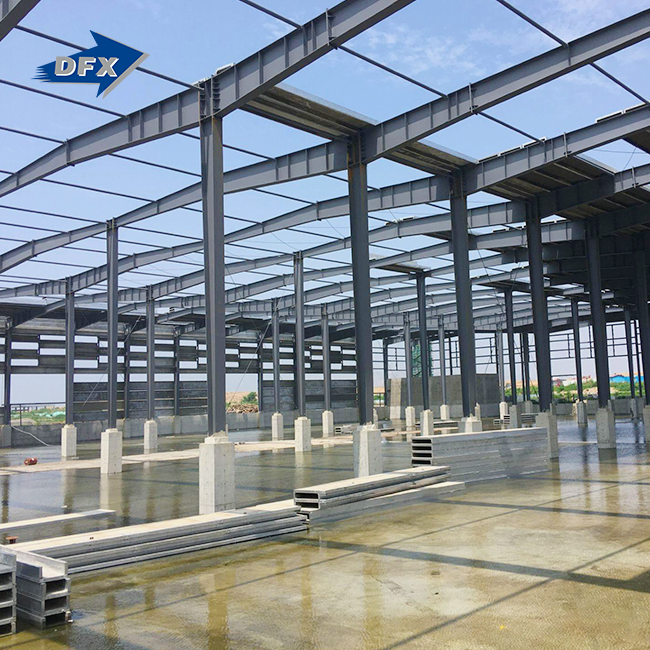
In contemporary aviation and industrial infrastructure, steel systems have transformed large storage and operational facilities. Steel Structure Hangars are pre-engineered buildings with high-strength welding. H-section steel frames that provide enormous, column-free rooms for aircraft storage, producing items, and protecting heavy gear. These buildings answer key challenges for construction businesses and facility managers: they offer unbroken clear spans of up to 100 metres, shorten construction times by nearly half, and are weatherproof. They are great for airport hangars and industrial buildings around the US since they are flexible and can handle more weight.

Understanding Steel Structure Hangars and Warehouses
What Makes Steel Systems the Optimal Choice
Because they overcome core technical issues with previous building approaches, steel systems are most prevalent in hangar and warehouse construction. I usually speak to procurement managers and project engineers about three factors that can't be changed: the structure's lifetime value, how fast it can be erected, and its reliability.
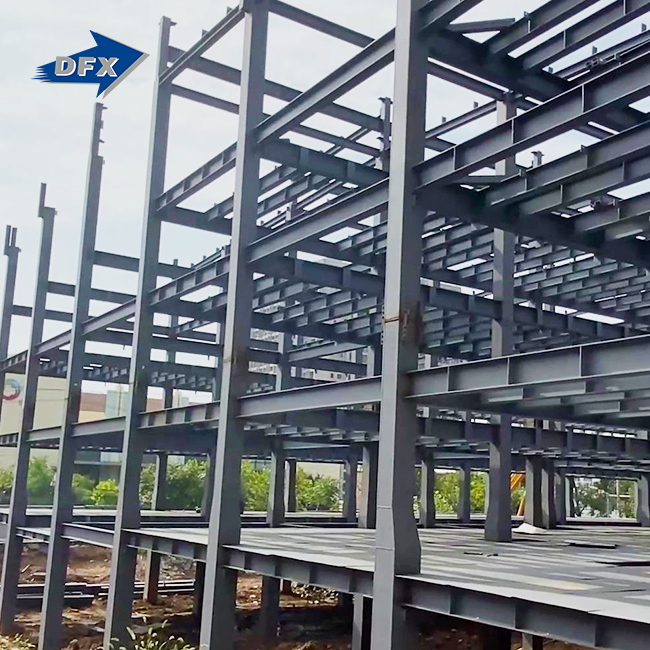
These portal frame structures employ welded H-section columns and beams to provide strong linkages that distribute loads uniformly. Moulds and curing time are needed for concrete constructions. Director Steel Structure Co., Ltd. produces steel parts with precision manufacturing to ensure strict standards and faultless installation on-site.
Core Features of Modern Steel Hangars
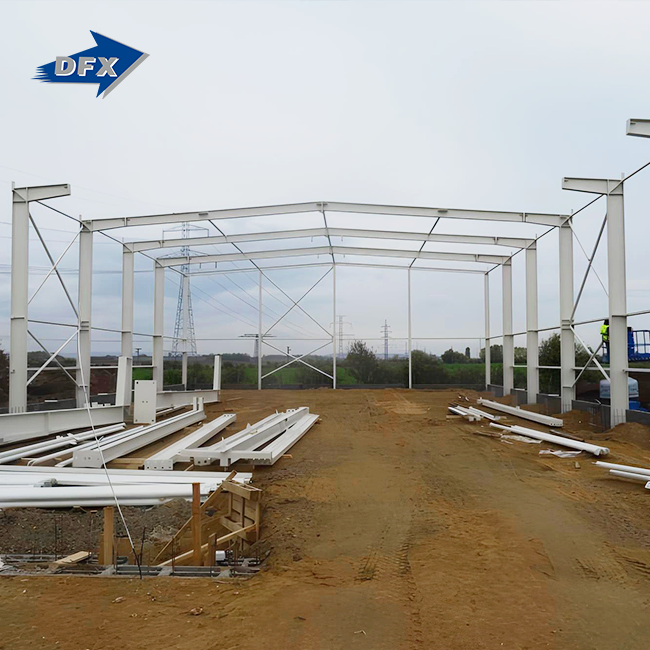
Modern steel hangars have several distinguishing characteristics. The clear-span feature, which enables you to create open interior regions without columns for moving planes, manufacturing lines, or storage, is still the most crucial. High-grade steel (typically Q355B or ASTM A572 Gr. 50, with a yield strength of above 345 MPa) can withstand a lot of weight, and engineered bracing systems can manage side forces, giving designers creative flexibility.
Its flexible construction style is another highlight. Pre-assembled main frames, secondary purlins, roof panels, and wall cladding are transported to the construction site. Prefabrication reduces weather and on-site work delays, saving money and keeping projects on schedule.
Pay attention to solid steel surface treatment processes. Things are shot-blasted to the Sa2.5 standard and coated with a multi-layer system of epoxy zinc-rich primer and polyurethane topcoats with a dry film thickness of 120 micrometres or more to prevent corrosion. Even in coastal places where salt air accelerates corrosion, hot-dip galvanisation with a 600-gram zinc coating lasts decades without maintenance.
Comparing Steel to Alternative Materials
Steel outperforms wood and metal in many aspects for large-scale construction. Wooden structures are inexpensive, but they can't have clear spans for hangars or industries without intricate truss systems that decrease height. Wood requires constant treatment to prevent dampness, pests, and fire, which increases long-term maintenance costs.
Aluminium isn't rusty, but it's too weak for structures exceeding 30 metres or overhead cranes. Aluminium structural parts are 40% more costly than steel ones of the same size; thus, budget builders can't utilise them.
Steel constructions can withstand weight, which is crucial for buildings that must support maintenance equipment, HVAC systems, or high snowfall in the north. Ductile structural steel bends under earthquake energy instead of shattering like stiff materials, making it better for earthquakes.
Design Principles and Construction Process of Steel Systems
Structural Engineering Fundamentals
The design of a helicopter shelter relies on load distribution and structural integrity principles. Dead loads include the steel frame, roofing, mechanical installations, and interior finishes. Live loads account for snow accumulation, maintenance personnel, and equipment movement. In open airfields, wind loads are particularly critical and influence overall structural design.
Structural engineers utilise CAD software to simulate mixed-pressure instances and discover the ideal member sizes for material consumption. A balance between structural ability and economy is sought. Large members squander resources, whereas little members endanger individuals. Optimisation considers connections, bracing, and foundation requirements to ensure the construction lasts.
Construction Sequence and Timeline Benefits
A steel hangar or factory that uses prefabricated elements has a natural arrangement. Site preparation begins with earthwork, foundation digging, and concrete for anchor bolts and grade beams. The manufacturing factory makes steel as the foundation, and concrete cures, shortening the project timetable.
When the supports are sturdy enough, the steel is rapidly installed. Crane crews install the major structural poles, horizontal beams, and bracing elements. Next is secondary framing, which supports roof and wall panels using purlins and girts. This structure construction takes weeks instead of months, which is far faster than cast-in-place concrete.
Steel construction systems may be built in phases due to their flexibility. A manufacturing plant may establish a basic structure and add bays without impacting its strength as it expands. This scalability helps growing organisations align facility development with revenue growth instead of erecting enormous structures that strain their capital budgets.
Cost Considerations and Value Engineering
Understanding what drives cost changes helps purchasing managers allocate dollars. Material costs vary with global steel prices, although they make up a minor portion of project costs. The cost covers engineering design, foundation construction, steel fabrication, shipping, building assembly personnel, and envelope materials.
Value engineering studies provide cost-cutting opportunities without sacrificing performance. Changing bay distances, standardising connection details, or using inexpensive covering materials may save costs significantly. Avoiding corrosion prevention or structural strength causes long-term issues that cost more than the initial savings.
Reputable manufacturers like Director Steel provide detailed pricing quotations. This transparency helps buyers compare plans and make educated decisions. The company's ISO9001 and CE certifications ensure that minimising expenses never compromises construction quality or safety.
Comparison and Decision-Making: Selecting the Right Steel System
Prefabricated Versus Site-Built Structures
The majority of hangar and warehouse projects still choose prefabrication over site-built buildings. Prefabricated houses come in packages with accurate pieces created in regulated conditions. Quality controls are performed at various stages of manufacturing to identify issues before the materials reach the construction site.
On-site construction requires additional staff, specialised equipment, and longer durations. Weather slows progress and makes field adjustments to remedy measurement errors more expensive. Many of these unknowns are eliminated by accurate plant manufacture, which meets project timetables.
Standard Versus Customised Solutions
Easy jobs with conventional weight and size constraints may be done using basic construction blueprints. Many manufacturers have catalogues of tried-and-true designs that may be easily adapted. These conventional procedures reduce construction costs and accelerate delivery.
Customised solutions are needed for projects with unusual dimensions, loading circumstances, or design demands. Built-in 10-tonne overhead cranes may be needed in aircraft maintenance hangars. Agricultural storage structures may require unique ventilation or temperature. This should be part of the initial design since manufacturing businesses may need to expand.
Director Steel's architectural design and detailing service offers engineering assistance from concept to completion. The technical team helps customers understand their business requirements and then delivers cost-effective, customised solutions.
ROI Analysis and Project Examples
Evaluating the ROI of a clear-span hangar involves considering efficiency, durability, and long-term savings. A well-engineered steel hangar may cost 15% more than minimum-code alternatives, but it can save 30% over time through better insulation, reduced maintenance, and extended lifespan.
Consider an EPC contractor constructing a storage facility for a manufacturer. The project requires 80-metre open spaces for shelving and material handling equipment. A distinctive steel structure with pre-engineered sections may be completed in six months, allowing the customer to start producing money quicker. The finishing procedure is so powerful that it doesn't require painting for 20 years; therefore, manufacturing never stops. Good engineering and materials pay off with these practical advantages.
Maintenance, Lifespan, and Long-Term Performance Optimisation
Inspection Protocols and Preventive Care
Steel building maintenance needs frequent inspections to identify issues before they become costly. Structures should have their linkages tested annually for loose bolts or movement at beam-column joints. Covering systems show where rust prevention has worn down and requires repair.
Heat expansion and contraction weaken roof and wall panel fasteners; thus, they must be tightened regularly. To maintain the building as weathertight, reapply sealant joints around holes every 5–7 years. Regular maintenance extends the life of the structure and maintains the protective envelope that keeps activities safe.
Factors Influencing Service Life
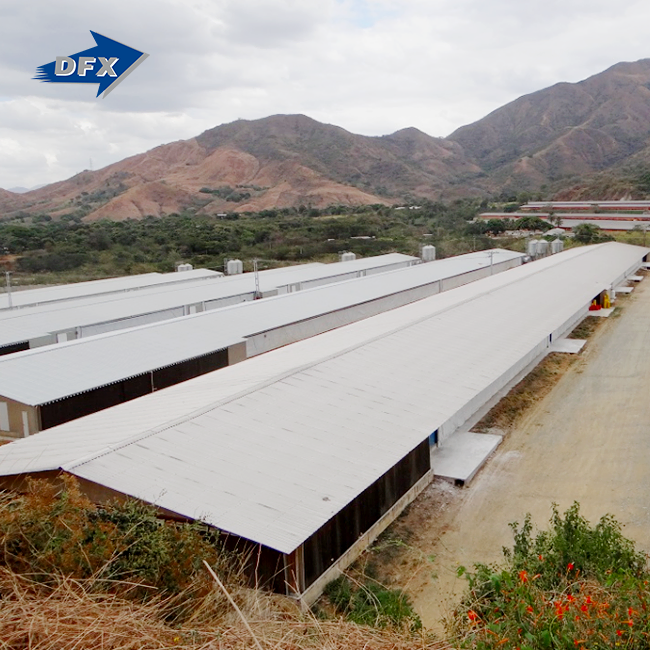
The environment affects how long steel structures endure without substantial maintenance. In dry, warm places with minimal factory pollution, buildings may endure 50 years or more with appropriate maintenance. Rust promotes coating wear in facilities near chemical processing plants or on the seashore.
Operational stresses affect longevity. When not in use, hangars for aircraft don't alter much, but industrial warehouses for large overhead cranes undergo greater stress cycles that wear down structural linkages. Design engineers consider utilisation patterns while choosing member sizes and connections. However, service circumstances might be harsher than designers expected.
Energy Efficiency and Climate Control
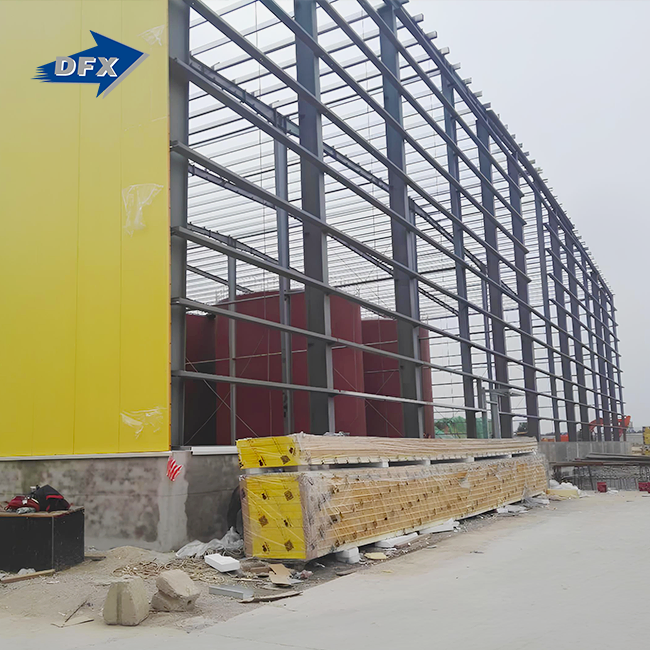
Insulated metal panel technologies have transformed steel building temperature and humidity management. Modern sandwich panels with polyurethane foam bottoms are as heat-resistant as walls. They retain prefabricated assembly speed. These panels save heating and cooling costs, making the workplace more comfortable and preserving temperature-sensitive instruments and stored objects.
In aeroplane hangars, where fuel and exhaust fumes pile up, ventilation must be properly planned. Natural airflow via roof vents and sidewall louvres is free in moderate weather. Automatic ventilation systems that interact with building automation may be needed in larger buildings to maintain air quality and save energy. Airflow designs help manage humidity, which speeds up construction and reduces aircraft corrosion.
Procurement Guide: How to Source and Purchase Steel Structure Hangars
Defining Your Project Requirements
Successful procurement starts with clearly documented requirements that communicate your needs to potential suppliers. Project managers should make precise plans that include the size of the building, the minimum safe height, the layout of the doors, the space for the crane, and the weather conditions. Whether it's for storing aeroplanes, making things, or farming, the intended use determines certain design elements that makers need to know about.
Manufacturers come up with good solutions by using budget limits and expected delivery dates as guides. A worker who has to work under a fixed-price contract needs firm quotes that make costs clear. A private developer might be willing to work with a wider range of prices if it means they can offer more customisation choices that make operations run more smoothly.
Evaluating Manufacturers and Certifications
When selecting a manufacturer for a steel structure hangar, it is crucial to assess their expertise, quality control systems, and business reliability. ISO9001 certification confirms that quality management systems are in place and consistently applied, while CE marking ensures compliance with European safety standards. For projects in the US, adherence to AISC guidelines and local building codes is critical.
When project deadlines are short, production ability is important. Director Steel has a production room of 40,000 square meters that has six automatic H-beam welding lines, two sandwich panel lines, and other equipment that helps them make 20,000 tonnes of structural members every year. This size makes sure that big projects get the most care without putting too much pressure on production plans.
Understanding the Ordering Process
The process of buying something starts with an initial consultation, where expert teams talk about the needs of the project and the conditions of the place. Based on this information, manufacturers make rough designs and price quotes. Once the client agrees with the idea, detailed engineering creates manufacturing plans that show the exact sizes and connections of all the parts.
Once the drawings are approved, the production process starts with getting the materials and building the thing. Quality control checks are done at several times, including when the materials are first received and checked, while they are being welded, after the coating is applied, and before they are shipped. Finished parts come with documentation files that confirm the grades of materials, the quality of the welds, and the measures of the coating thickness.
Coordinating logistics makes sure that things get to the people who need to put them up when they're ready. The order of filling containers matches the order of putting them together so that parts that are needed first can be found as soon as they arrive. International orders from Chinese companies like Director Steel usually get to their destinations in 30 to 45 days, but this depends on the ports of entry and the time it takes to clear customs.
Different manufacturers offer different types of installation support, but most of the time, it includes thorough erection drawings, assembly routines, and expert help for questions that come up in the field. Some providers supervise on-site during important stages of assembly to make sure that links meet required torque levels and size limits.
Conclusion
Steel systems have completely changed how we build hangars and warehouses. They offer speed, structural efficiency, and long-term sturdiness that older ways can't match. When you combine clear-span capabilities, flexible prefabrication, and engineered performance, you get buildings that meet strict practical needs while keeping costs low. When looking at steel structure options, people in charge of buying things should give more weight to makers with proven technical skills, quality certifications, and full support services. Investing in steel buildings that are properly designed and built pays off over many years with reliable service, low upkeep needs, and operating flexibility that can be adjusted to meet changing business needs.
FAQ
1. What span widths can steel structure hangars achieve?
Clear gaps of 30 to 100 metres are common in modern steel hangar systems that don't have any columns in the middle. The exact span relies on how heavy the roof is, how tall the building is, and how the structure is set up. The strong frames made of welded H-sections and strengthened support systems are what these large open areas need. When the spans get longer, the beam sections need to be deeper, and the connections need to be stronger. During the planning part, engineering analysis helps make the best use of these factors. Technically, projects with spans longer than 100 metres are possible, but they need specialised engineering and might use curved or truss structures instead of simple portal frames.
2. How long does steel hangar construction take compared to conventional buildings?
Usually, building a steel structure takes 30 to 50 per cent less time than building a similar concrete structure. From breaking ground to finishing up, a medium-sized aeroplane hangar might take six months, with the real steel erection taking only four to six weeks of that time. The speedup is due to working on the foundations and making steel at the same time, as well as quickly putting together premade parts. Using traditional building methods means pouring concrete one step at a time, which takes longer than expected and delays the next part of the work. The weather has less of an effect on steel projects because the structure is put together quickly, limiting the time that the project is exposed to bad conditions.
3. What maintenance does a steel structure hangar require?
Maintenance is done on a regular basis to keep the rust protection in good shape and make sure the connections are solid. Coating systems should be checked for damage or wear every year, and touch-up painting should be done as needed. Checking structural pin connections on a regular basis to make sure torque values stay right is important. Thermal cycling loosens connections on the roof and wall panel bolts every couple of years, so they need to be tightened. In mild areas, steel hangars that are well taken care of can usually last 15 to 20 years before they need a major coating update. Buildings in tough areas may need to have their outside surfaces cleaned more often if they are subject to salt spray or industrial pollutants.
Partner With DFX for Your Next Steel Structure Hangar Project
Director Steel Structure Co., Ltd. brings over 12 years of specialised experience in manufacturing and installing steel systems for aviation, industrial, and commercial applications throughout global markets. Our engineering team provides complete turnkey solutions—from structural calculations and customised design through fabrication, delivery, and installation guidance. With ISO9001, CE, COC, and PVOC certifications, we deliver steel structure hangar solutions that meet the highest quality standards around the world. Our advanced welded H-beam lines and 20,000-tonne yearly production capacity make sure that your project gets exactly manufactured parts that can be put together quickly and on time. Our team creates value-engineered solutions that are tailored to your business needs and budget, whether you need aeroplane hangars with 100-metre clear spans or industrial warehouses with built-in crane systems. Get in touch with our steel structure hangar supply team right away at jason@bigdirector.com to talk about the details of your project and get a full technical quote.
References
1. American Institute of Steel Construction (AISC). (2017). Steel Construction Manual, 15th Edition. Chicago: AISC Publications.
2. Newman, Alexander. (2019). Pre-Engineered Metal Buildings: Design and Construction Principles. New York: McGraw-Hill Professional.
3. Salmon, Charles G., Johnson, John E., and Malhas, Faris A. (2009). Steel Structures: Design and Behaviour, 5th Edition. Upper Saddle River: Pearson Education.
4. Trahair, N.S., Bradford, M.A., Nethercot, D.A., and Gardner, L. (2017). The Behaviour and Design of Steel Structures to EC3, 4th Edition. London: Taylor & Francis.
5. Davies, J. Michael. (2001). Lightweight Sandwich Construction. Oxford: Blackwell Science Publishing.
6. Gorenc, Branko E., Tinyou, Ron, and Syam, Arun A. (2012). Steel Designers' Handbook, 8th Edition. Sydney: University of New South Wales Press.
Learn about our latest products and discounts through SMS or email