- English
- French
- German
- Portuguese
- Spanish
- Russian
- Japanese
- Korean
- Arabic
- Greek
- German
- Turkish
- Italian
- Danish
- Romanian
- Indonesian
- Czech
- Afrikaans
- Swedish
- Polish
- Basque
- Catalan
- Esperanto
- Hindi
- Lao
- Albanian
- Amharic
- Armenian
- Azerbaijani
- Belarusian
- Bengali
- Bosnian
- Bulgarian
- Cebuano
- Chichewa
- Corsican
- Croatian
- Dutch
- Estonian
- Filipino
- Finnish
- Frisian
- Galician
- Georgian
- Gujarati
- Haitian
- Hausa
- Hawaiian
- Hebrew
- Hmong
- Hungarian
- Icelandic
- Igbo
- Javanese
- Kannada
- Kazakh
- Khmer
- Kurdish
- Kyrgyz
- Latin
- Latvian
- Lithuanian
- Luxembou..
- Macedonian
- Malagasy
- Malay
- Malayalam
- Maltese
- Maori
- Marathi
- Mongolian
- Burmese
- Nepali
- Norwegian
- Pashto
- Persian
- Punjabi
- Serbian
- Sesotho
- Sinhala
- Slovak
- Slovenian
- Somali
- Samoan
- Scots Gaelic
- Shona
- Sindhi
- Sundanese
- Swahili
- Tajik
- Tamil
- Telugu
- Thai
- Ukrainian
- Urdu
- Uzbek
- Vietnamese
- Welsh
- Xhosa
- Yiddish
- Yoruba
- Zulu
How to choose a Heavy-duty Steel Workshop
Before choosing a heavy-duty steel workshop, you must determine your operational demands and how they meet the building's construction. Heavy-duty steel workshops are industrial buildings with high-strength H-section steel frames that can bear heavy loads, enable overhead cranes exceeding 20 tonnes, and have huge clear spans without internal beams. This infrastructure is crucial for factories, assembly lines, and other manufacturing facilities. Its success rests on its rapid setup and longevity. Consider how much weight they can hold, the quality of the steel (Q235/Q355), their corrosion resistance, ISO9001 and CE certifications, and whether the provider can design, build, and install the structure.
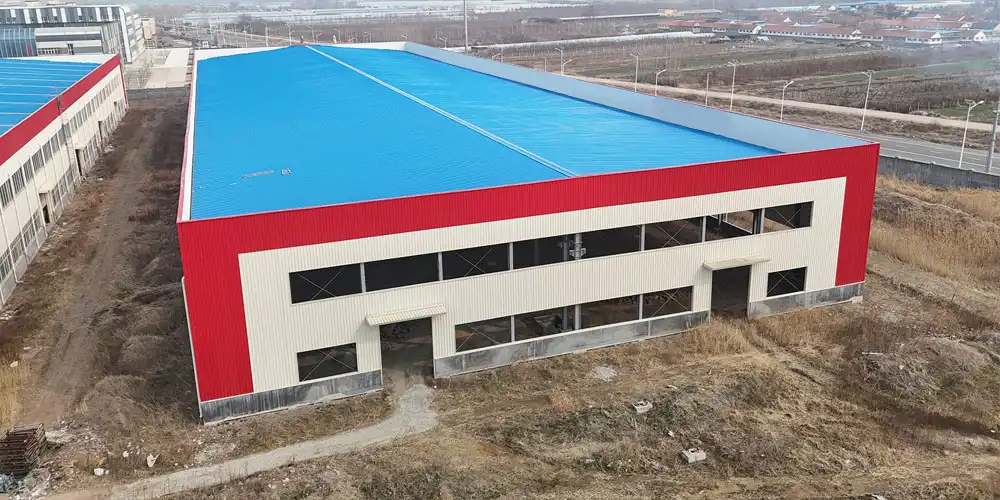
Understanding Heavy-Duty Steel Workshops: Key Features and Benefits
Companies that require sturdy, versatile, and productive workplaces should invest in industrial steel. These structures are designed to withstand extreme working conditions and provide quantifiable cost and performance advantages.
Defining Heavy-Duty Steel Workshops and Their Core Types
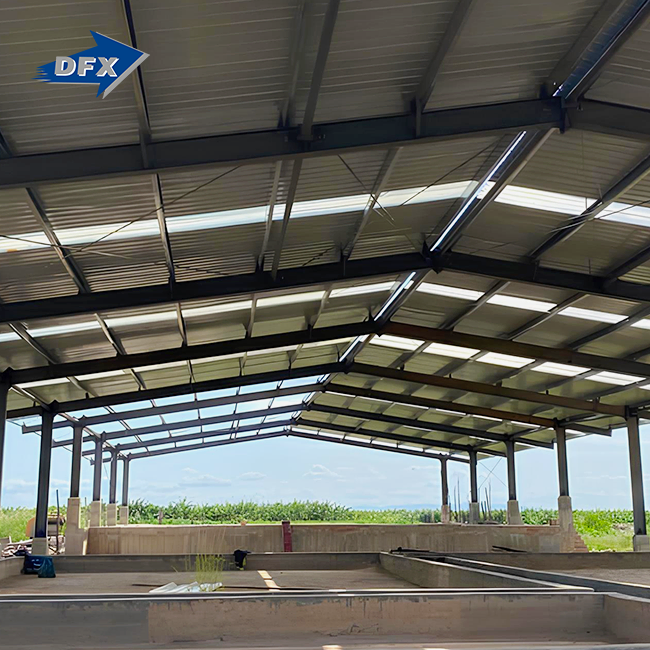
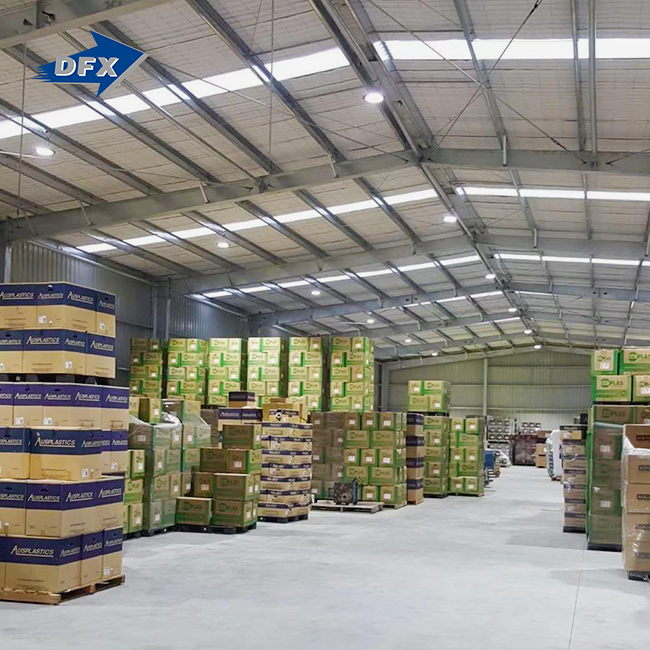
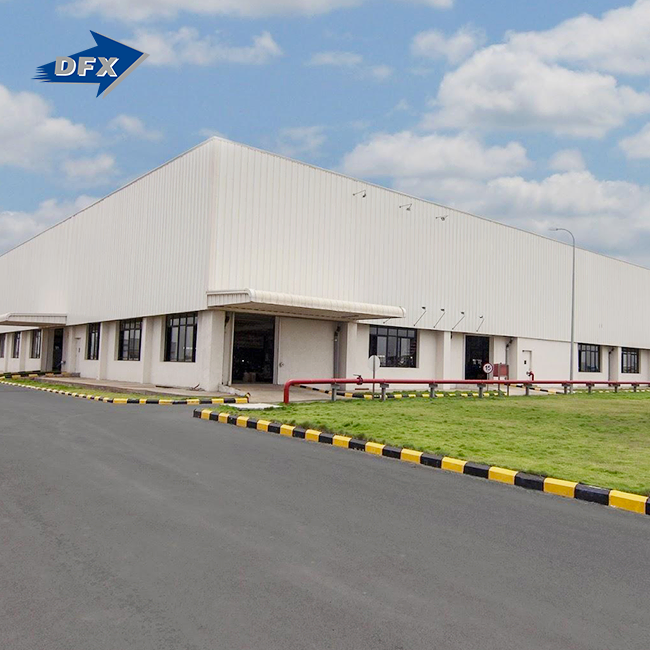
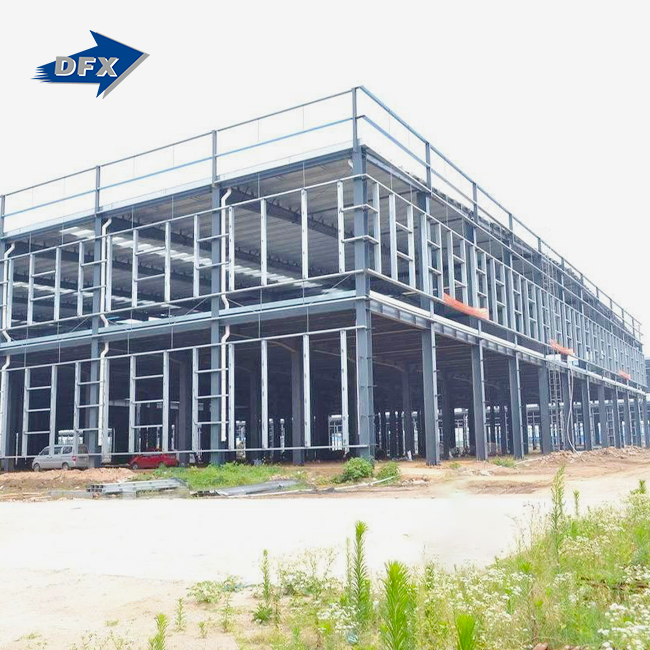
A heavy-duty steel workshop is a large industrial building formed by welding H-section steel beams and columns, generally Q235/Q355 grade steel. These workshops have open interiors, bolted steel links, and C/Z steel purlins for the roof and walls. Interior load-bearing walls are unnecessary because of the building's design. Manufacturing assembly lines, heavy equipment activities, and logistical storage are ideal here. Custom-built workshops provide on-site engineering to meet load, land, and work demands. Prefabricated modular workshops save construction timelines by shipping plant-made pieces ready for assembly on-site. Both systems provide contractors, EPC companies, and factory owners with choices for varying project sizes and budgets.
Unmatched Durability and Weather Resistance
Traditional masonry or wood-frame structures are less durable than steel structures. High-grade structural steel can withstand wind speeds above 150 mph and maintain yield strength in extreme temperatures if built properly. A ductile material absorbs energy; thus, it can tolerate earthquake activity. Shot blasting to a Sa2.5 grade, epoxy zinc-rich bases, and polyurethane topcoats prevent industrial rust and last over 50 years with no maintenance. This durability addresses the problems of agricultural and industrial companies that operate livestock structures in humid climates and coastal or chemically adverse regions.
Cost Efficiency and Long-Term Value
Steel workshops have similar upfront material costs to normal buildings, but a lower total cost of ownership. Construction timeframes are 30–40% quicker than brick-and-mortar choices, lowering labour costs and speeding ROI. The high strength-to-weight ratio of steel reduces the requirement for foundations, lowering construction costs. Recycling the material helps achieve sustainability objectives and preserves its worth. This attracts construction corporations that manage government projects with tight environmental regulations.
Essential Equipment Integration and Layout Planning
Heavy-duty workshops have overhead bridge cranes, CNC machine centres, industrial HVAC systems, and multi-level process platforms. Good spatial design optimises workflow by placing loading docks near assembly areas, keeping heavy equipment away from quality control areas, and adding mezzanine levels for administrative functions without taking up production space. Operations managers and project engineers may make better judgments with vendors who provide in-house architectural design. This is because suppliers can ensure that building layouts match manufacturing lines, material flow, and the company's expansion objectives.
Core Criteria to Consider When Choosing a Heavy-Duty Steel Workshop
Structured review frameworks simplify purchase by ensuring that courses match practical demands within budget. The F-1 criterion screening method checks technical specifics, supplier expertise, and reliability over time.
Assessing Operational Scale and Functional Requirements
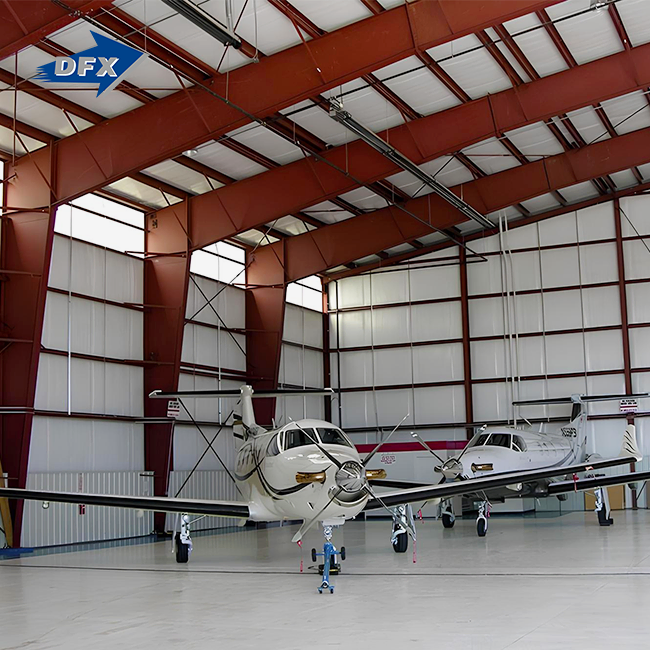
First, determine your clear span—the distance between load-bearing beams. Auto part manufacturers may need 30-meter spans for robotic assembly stations, whereas aeroplane hangars need 60-meter spans. Use crane hook heights and overhead utility routes to calculate vertical distance. Consider both the static weights of storage goods and the moving loads of tools to calculate the floor weight. EPC professionals must consider process-specific demands like explosion-proof power and dust- and fume-removing ventilation networks while developing an industrial facility.
Evaluating Steel Quality and Corrosion Protection
The structure's performance and durability depend on the steel type. For workplaces that need to carry several heavy-duty cranes or platforms with various levels, Q355 steel's yield strength of 345 MPa is superior to Q235's 235 MPa. Mill test certificates reveal ASTM-compliant chemical makeup, tensile strength, and elongation. Corrosion protection systems must meet environmental exposure ratings C3 for shaded farming buildings, C4 for industrial buildings with mild humidity, and C5 for coastal or chemical processing sites that need luxury coatings with a dry film thickness of over 150 microns.
Steel Versus Alternative Materials: Performance Trade-Offs
Aluminium constructions don't rust without coatings, but they're lighter and more costly than steel for major industries. In certain agricultural contexts, wood-frame workshops are attractive but prone to size fluctuations, fire, and short spans. The best strength-to-weight ratios allow heavy-duty steel workshop constructions to have larger open regions with fewer structural supports. However, they require exterior rust protection. In industrial and logistical buildings, structural performance is more essential than material-specific qualities; hence, procurement managers always pick steel.
Design Flexibility and Customisation Capabilities
Reliable suppliers have structural engineering teams that can adapt designs to uneven terrain, seismic zones, and uneven floor layouts. Also, facade systems may be customised. Heating sandwich panels may be utilised in climate-controlled environments. Standing seam metal roofs retain heat, and translucent polycarbonate sheets allow in light. Buyers should verify BIM integration for conflict detection before production. This streamlines structural frames, MEP systems, and architectural finishes.
ISO Compliance, Warranties, and After-Sales Support
ISO9001 certification ensures quality control from planning to delivery. The CE label proves the item satisfies European safety regulations, which helps workers sell abroad. Check structural part insurance (10–15 years) and paint system insurance (5–7 years for industrial coatings). Installation, pin torque, and care should be overseen and discussed as part of after-sales support. Manufacturing companies with continuous production plans need suppliers that provide technical assistance and replacement parts 24/7 to save downtime.
Budgeting for Total Cost of Ownership
The initial quotations should segregate structural steel, surface treatments, fasteners, and transportation costs. This simplifies cost comparison. Foundation costs depend on soil strength and construction design. Soft soil pile foundations cost 15–20% more. Energy-saving measures like insulated roof panels and natural air systems may cut your bills over time. Equipment leasing, staggered payment agreements, and export credit help medium-sized construction enterprises manage cash flow across several projects.
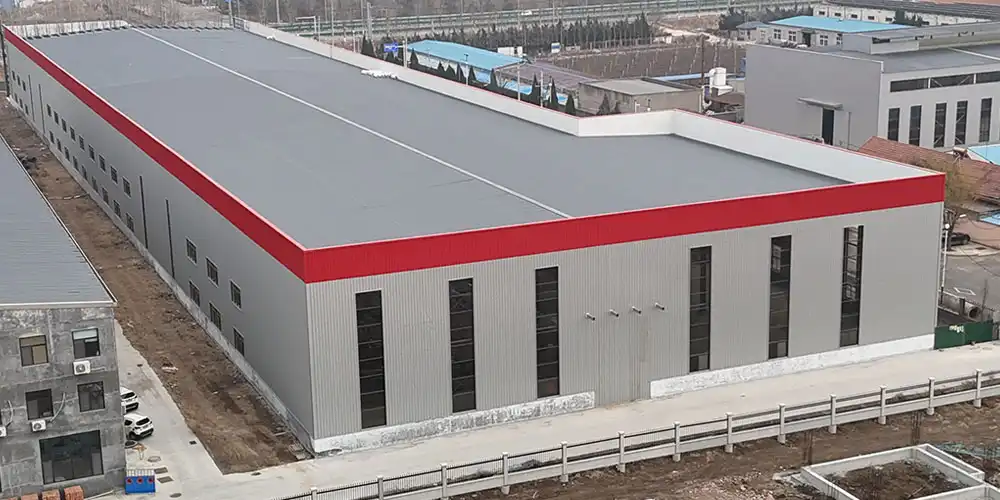
Comparing Heavy-Duty Steel Workshops with Alternative Workshop Types
Comparing different types of structures, sourcing methods, and seller credentials in a fair way makes sure that building expenses are in line with business goals. The F-2 demand matching method focuses on success measures, lifecycle costs, and the dependability of the relationship.
Steel Versus Wood and Aluminum: Performance and Longevity
Heavy-duty steel workshop facilities are more fire-resistant than wooden ones. They can meet fire resistance rates of two to four hours by using intumescent coats or concrete encasing. Even though steel may be 20–30% more expensive than wood at first, its 50–year lifespan and low upkeep needs make up for the extra cost. Because aluminium conducts heat more easily than steel, insulation layers have to be thicker, which raises the cost of the frame without giving steel's load-bearing benefits. When agricultural project managers choose chicken house structures, steel is better than wood because it can safely support ventilation systems placed on the roof and mezzanines for storing feed.
Prefab Versus Custom-Fabricated Workshops
Standardised component sizes and repeated connection details are used in prefabricated workshops to speed up production and cut costs by 10 to 15 per cent. These methods work best for simple rectangular plans where the load conditions are known ahead of time. Custom manufacturing can handle complicated shapes, different roof pitches, or crane runway beams that need special welding details. Usually, construction companies that are in charge of airport hangars or power plant turbine halls need special engineering to make sure that the new buildings meet building codes and wind load requirements and fit in with the architecture of the existing buildings. Lead times for prefab systems are usually 25 to 30 days, but for unique projects, they can be up to 35 to 45 days, based on how complicated the design is.
Supplier and Brand Vetting Through Certifications and Reviews
Facility checks are a good way to find out how much your suppliers can make. Reputable makers have specialised welding lines, automated shot blasting systems, and climate-controlled paint booths to make sure quality is always the same. Look at project files that show work of a similar size and level of difficulty, preferably in the business you want to work in. In client reviews, you should talk about how on-time deliveries were, how accurate the sizes of the parts that were shipped were, and how quickly you were during the installation process. Being a member of an industry group like the AISC or a similar area group shows that you are committed to professional standards. Suppliers who offer full-scope services, from original design to final installation, lower the organisational risks that come with buying from more than one vendor.
Procurement and Installation Process: From Quote to Setup
A clear and streamlined procurement process minimises delays, controls costs, and ensures timely project delivery. Understanding each stage allows procurement teams to anticipate requirements, coordinate stakeholders effectively, and guarantee that all parties are aligned throughout the handling of high-load steel frame components from quotation to on-site assembly.
Obtaining Accurate Cost Estimates and Transparent Quotations
Requests for quotations (RFQs) should be very specific about the clear span sizes, eave heights, roof slopes, crane abilities, earthquake design categories, and surface finish needs. Include the address of the spot for freight calculations and soil study results that affect the design of the foundation. Quotes that are easy to understand list the weight of the structural steel, the connection hardware, the paint system specs, the cost of packing, and the shipping methods. Don't buy from sellers who give you a lump-sum price without showing you the material grade paperwork or engineering calculation reports. Ten to fifteen per cent of the budget is set aside in case unexpected site conditions or changes to the design are found during the review process for permits.
Customisation and Ordering Workflow
Before signing the contract, engineers should meet to talk about load cases, utility connection points, and design tastes. This is the first step in working together well. Suppliers who use CAD software make 3D models for clients to approve before they start making things. Approve shop plans that show that the beam profiles, bolt patterns, and weld specs are correct based on the structural models. Production schedules usually last between 20 and 35 days, but this depends on how busy the Heavy-duty Steel Workshop is and how long it takes for the steel mill to deliver the goods. Keep lines of communication open so that people can get information on the work's progress and quality assurance materials, such as NDT reports for important welds.
Logistics, Shipping, and Professional Installation Services
Steel parts are shipped on trailer trucks or ocean freight containers, and paint finishes are protected during transport by packing. Schedule deliveries so that they happen at times when the on-site crane is available, and the weather is good for putting up the structure. Professional installation teams check the depth of the base bolts, put together frame sections using torque wrenches that have been measured, and make sure the building is plumb and level before removing the temporary braces. Supervision by the supplier's expert agents during the erection phases finds and fixes fit-up problems quickly, which avoids having to do expensive repairs. Installation can take anywhere from one to two weeks per 5,000 square metres of workshop space, based on the size of the crew and how easy it is to get to the spot.
Leasing Versus Purchasing and Maintenance Planning
When established makers plan to use a facility for a long time, buying workshops outright can help their assets depreciate faster. Leasing agreements with companies that finance tools give project-based workers more options when they need temporary facilities or need to manage how their money is spent on different projects. As part of routine maintenance, roof bolts, gutter systems, and the quality of the paint are checked once a year. To keep crane runway beams from wearing out too quickly, the rails must be aligned, and the bolts must be tightened every six months. Painting over scratched surfaces before they rust stops the rust from spreading, extends the life of protection coatings, and keeps the structure's good looks.
Safety and Operational Best Practices for Heavy-Duty Steel Workshops
Safety standards and proactive management safeguard people, tools, and the company. Successful operating standards boost production and reduce accidents.
Structural Fire Resistance and Stability Requirements
Building codes specify fire resistance classes depending on occupancy and height. Beyond 550°C, structural steel loses yield strength fast. Intumescent paints that cover surfaces or cementitious sprays with two- to three-hour rates are required for passive fire prevention. Connection quality determines fire load stability. Bolted joints using grade 10.9 screws last longer than welded joints, which might shift when heated. Wide, well-marked emergency exits with photoluminescent signs that can be seen through smoke work.
Workflow Design and Ergonomic Equipment Placement
By reducing forklift trips and traffic, placing raw material storage near work areas improves material flow. To eliminate dead zones that need manual handling, overhead crane coverage should increase by 10–15%. Supervisors may monitor regular work in glass-walled mezzanine offices away from industrial noise and dust. Good illumination (at least 500 lux at workstation heights) reduces eye fatigue and improves quality control. Climate control systems increase worker comfort and equipment performance, particularly for precision cutting activities that are sensitive to thermal expansion, by maintaining temperatures between 15°C and 25°C.
Real-World Case Studies Demonstrating Successful Implementations
A Philippine electronics manufacturer erected a 6,000-square-metre heavy-duty steel workshop with 10-tonne cranes to boost productivity. After 35 days of construction, manufacturing began 60 days later. A poultry farm owner in Australia replaced wooden structures with rust-proof steel ones with automated ventilation. This stabilised temperature, reducing bird mortality by 12%. These examples demonstrate how aligning structural requirements to operational demands yields quantifiable business outcomes, boosting steel workshop investment confidence.
Conclusion
To choose the best heavy-duty steel workshop for your industrial plant, you need to weigh operational goals against technical specifications, supplier expertise, and total project costs. Prioritise structural steel types that meet the required load capacities, verify supplier certifications to ensure consistent quality, and evaluate how customisable options can address challenges unique to your site. A clear procurement process—from detailed RFQs to professional management of installation—reduces risks and accelerates project timelines. Steel workshops remain the most durable, space-efficient, and high-value structures available, positioning your industrial plant for long-term growth, operational efficiency, and a sustainable competitive advantage.
FAQ
1. What is the typical lifespan of a heavy-duty steel workshop compared to traditional buildings?
When properly kept, steel workshops can last longer than 50 years, and with regular coating replacement, they can often last up to 100 years. Masonry buildings last about as long, but they need fixes more often. Wood-frame businesses, on the other hand, fall apart after 20 to 30 years because of damage from water and changes in the building's shape. Steel lasts longer than organic materials because it is made in a controlled workplace environment, has high-quality rust protection, and doesn't break down biologically as organic materials do.
2. How does the procurement process handle customisation for unique site conditions?
During the pre-contract steps, reputable makers have structural engineers look over geotechnical reports, area wind and snow loads, and the layout needs of the client. With thorough shop plan approvals, custom fabrication can work with sloped foundations, asymmetrical roof geometries, and built-in mezzanines. Flexibility includes connection methods, insulation requirements, and wall finishes, making sure that the workshops supplied exactly meet operational needs and legal requirements.
3. What certifications validate supplier quality and compliance?
ISO9001 certification proves that the quality control system is strict throughout the planning, production, and shipping processes. The CE mark shows that the product meets European safety and performance standards, which is necessary for projects that span borders. ASTM material approvals record the chemical makeup and mechanical qualities of steel, which prevents substitutes that don't meet standards. Membership in the AISC or a regional approval that is similar shows that you follow best practices and industry technical standards in structural engineering.
Partner with DFX for Your Next Industrial Steel Workshop Project
Through its business name, Qingdao Director Steel Structure Co., Ltd., DFX has more than 12 years of experience making heavy-duty steel workshop structures for building companies, factories, and farms around the world. Our production facilities are 40,000 square metres and are ISO9001 and CE approved. They have six automated H-beam welding lines and modern surface treatment systems that can build 20,000 tonnes of structures every year. We offer full turnkey solutions, including structural planning, making things out of Q235/Q355 steel, installation plans, and expert support on-site. This way, we can make sure that your workshop meets all of the load requirements, timelines, and budgets. As a reliable heavy-duty steel workshop provider, we help our clients by giving them clear quotes, making designs that fit their specific needs, and delivering on time every 25 to 41 days. Email our team at jason@bigdirector.com to talk about your project needs and get a full quote that fits your needs for a manufacturing, assembly, or processing centre.
References
1. American Institute of Steel Construction. (2022). Steel Construction Manual (15th ed.). Chicago: AISC.
2. Baddoo, N. R. (2018). Stainless Steel in Construction: A Review of Research, Applications, Challenges and Opportunities. Journal of Constructional Steel Research, 152, 206-223.
3. Hancock, G. J., & Rasmussen, K. J. R. (2020). Recent Research on Cold-Formed Steel Structures. Thin-Walled Structures, 154, 106826.
4. Lawson, R. M., & Tata Steel. (2019). Design for Manufacture and Assembly in Steel Construction. The Structural Engineer, 97(8), 34-42.
5. National Steel Bridge Alliance. (2021). Guidelines for Steel Truss Bridges. Chicago: American Iron and Steel Institute.
6. Zhao, X. L., & Zhang, L. (2017). State-of-the-Art Review on FRP Strengthened Steel Structures. Engineering Structures, 138, 390-409.
Learn about our latest products and discounts through SMS or email