- English
- French
- German
- Portuguese
- Spanish
- Russian
- Japanese
- Korean
- Arabic
- Greek
- German
- Turkish
- Italian
- Danish
- Romanian
- Indonesian
- Czech
- Afrikaans
- Swedish
- Polish
- Basque
- Catalan
- Esperanto
- Hindi
- Lao
- Albanian
- Amharic
- Armenian
- Azerbaijani
- Belarusian
- Bengali
- Bosnian
- Bulgarian
- Cebuano
- Chichewa
- Corsican
- Croatian
- Dutch
- Estonian
- Filipino
- Finnish
- Frisian
- Galician
- Georgian
- Gujarati
- Haitian
- Hausa
- Hawaiian
- Hebrew
- Hmong
- Hungarian
- Icelandic
- Igbo
- Javanese
- Kannada
- Kazakh
- Khmer
- Kurdish
- Kyrgyz
- Latin
- Latvian
- Lithuanian
- Luxembou..
- Macedonian
- Malagasy
- Malay
- Malayalam
- Maltese
- Maori
- Marathi
- Mongolian
- Burmese
- Nepali
- Norwegian
- Pashto
- Persian
- Punjabi
- Serbian
- Sesotho
- Sinhala
- Slovak
- Slovenian
- Somali
- Samoan
- Scots Gaelic
- Shona
- Sindhi
- Sundanese
- Swahili
- Tajik
- Tamil
- Telugu
- Thai
- Ukrainian
- Urdu
- Uzbek
- Vietnamese
- Welsh
- Xhosa
- Yiddish
- Yoruba
- Zulu
7 Reasons to Use Steel Buildings for Strip Mall Construction
When developing retail malls or commercial plazas, the correct construction approach affects deadlines, budgets, and long-term value. Steel structure shopping malls employ prefabricated steel elements as load-bearing structures instead of concrete or stone. This strategy greatly reduces time-to-market, provides designers greater latitude, and overcomes some of the biggest strip mall construction and procurement issues. Steel's strong strength-to-weight ratio allows large column-free areas for retail designs while cutting base costs. This strategy works effectively in the US because corporate real estate businesses prioritise speed and affordability.
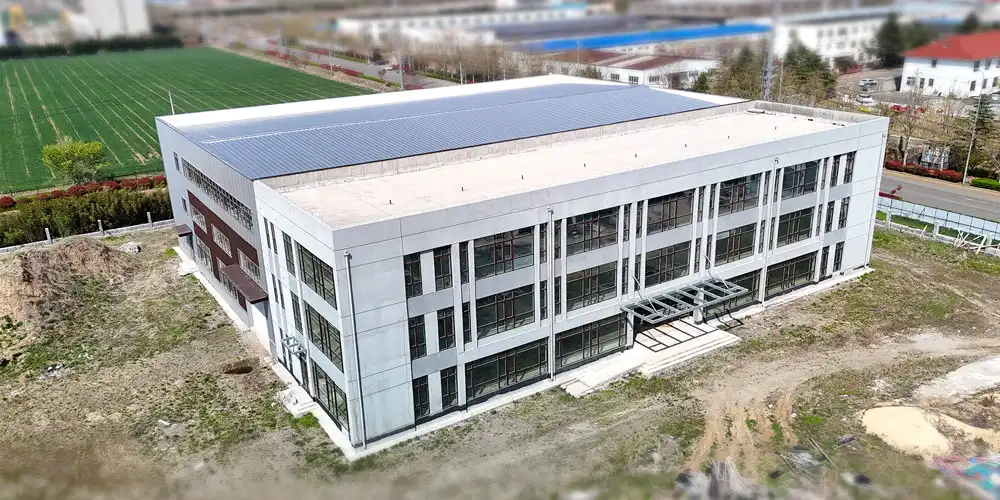
Reason 1 – Superior Durability and Longevity of Steel Structure Strip Malls
Modern retail centres require durable components. Steel-framed commercial structures withstand environmental forces that tear down other buildings more quickly. Understanding these lifetime advantages helps procurement professionals make sensible decisions that safeguard long-term investments.
Corrosion Resistance Through Advanced Protective Systems
Even in humid coastal locations, hot-dip galvanised or zinc-rich epoxy-primed high-strength low-alloy steel prevents corrosion. Protective coatings prevent water from entering and rusting, weakening structures. Factory treatments ensure that all steel pieces are equally coated before delivery. Well-maintained shop structures may survive more than 50 years with these safety measures.
Resistance to Pests and Structural Fatigue
Steel never shrinks, unlike timber or concrete constructions. Because of its construction, the material resists pests, rot, and water damage. Strip mall operators in hot or pesty areas benefit from this feature. From repetitive loads like people walking on it, HVAC equipment, and tenant changes, structural wear resistance keeps the structure strong.
Reduced Lifecycle Costs and Maintenance Frequency
North American shopping mall case studies suggest that steel structures need fewer repairs than concrete ones. Less maintenance implies reduced running expenses and fewer tenant issues. In 20 years, steel-framed retail complex property managers report they spent 30–40% less on structural maintenance. Business developers and construction workers working on several projects get a higher return on their investment as this cost advantage rises.
Reason 2 – Enhanced Design Flexibility and Customisation Options
Retail spaces must adapt to tenants and market demands. Steel structure allows architects to create functional and beautiful commercial spaces, maximising leasable area and tenant satisfaction.
Modular Components Enable Rapid Layout Modifications
Standardised linkages in prefabricated steel systems simplify layout changes during planning and maintenance. Engineers can modify columns, expand floors, or rearrange structural bays without much modification. This adaptability helps attract anchor tenants with unique space demands or adapt existing layouts to new retail concepts. The composite floor deck system works with several building flooring kinds, so it can accept varied styles while providing structural support.
Large Clear Spans Maximise Usable Retail Space
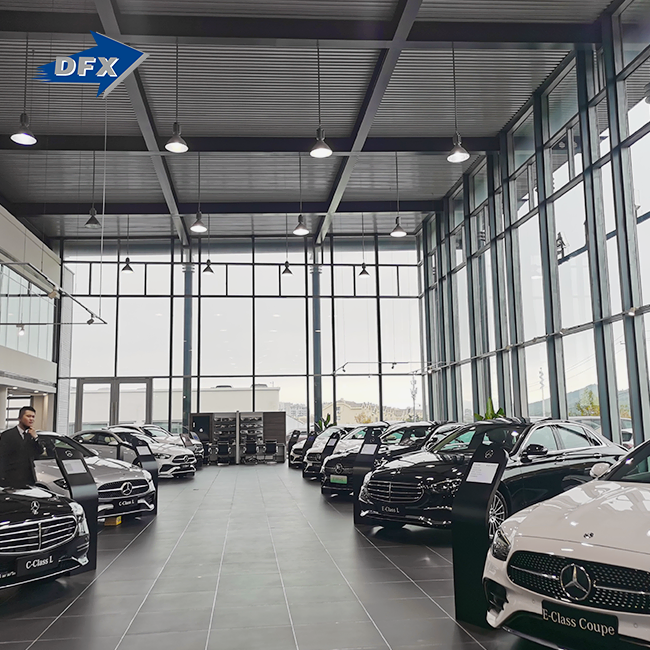
With its strength-to-weight ratio, steel can support column-free regions longer than 30 metres. Open marketplaces are conceivable with this, but not with concrete. These huge areas offer flexible walls for diverse tenants and attractive displays for items without construction. Retail owners benefit from more rentable square feet per building footprint because it boosts revenue. Shopping malls with portal rigid frames or space-frame roofs have warehouse-style interiors suited for big-box tenants while maintaining architectural beauty.
Integration with Modern Architectural Systems
The latest design software optimises materials and supports complicated building shells and surfaces. Steel frames suit MEP, curtain wall, and energy-efficient window components. Mixed-use architects admire how steel complements contemporary architecture to create striking entrances, atriums, and outdoor finishes. Structure may sustain building expansions or development without foundation reinforcement. This overcomes urban brownfield redevelopment issues.
Reason 3 – Cost-Effectiveness and Faster Construction Timelines
Commercial building projects are often constrained by strict budgets and tight deadlines. Using steel production methods provides tangible financial benefits throughout the project lifecycle, from initial investment to operational handover, especially for a steel structure shopping mall.
Prefabrication Reduces Onsite Labour Requirements
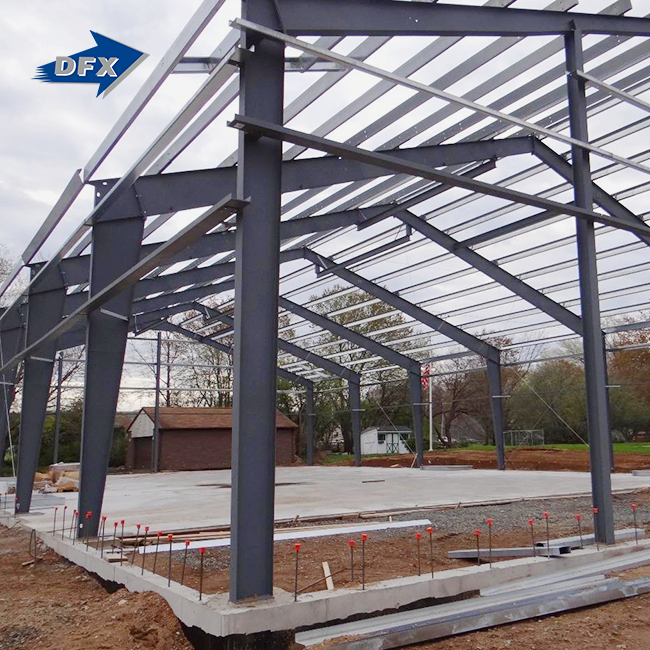
Making steel parts in controlled workplace settings cuts down on weather delays and makes quality more consistent. Compared to cast-in-place concrete, production and site planning happen at the same time, which cuts total project schedules by 30 to 50 per cent. This simultaneous work speeds up the occupancy of tenants, which lets them start making money sooner and greatly increases the project's internal rate of return (IRR). Fewer work hours on a building site mean lower wages and a lower risk of accidents happening on the job.
Lower Foundation and Transportation Costs
Because steel buildings are so light—about one-third the weight of similar concrete structures—they don't need as many foundations or the work that goes along with them. When projects are built on areas with moderate soil-bearing ability, they don't need expensive deep foundations or ground-improvement steps. Also, transportation is more efficient because more parts fit on a truckload than with premade concrete elements. These saves add up over the course of a big strip mall project that includes more than one building or phase.
Predictable Pricing from Established Manufacturers
When purchasing from ISO-certified manufacturers, purchasing managers can be sure of clear prices and reliable delivery dates. Companies that use ISO9001 quality control systems keep production standards uniform, which cuts down on waste and extra work. Companies like Qingdao Director Steel Structure Co., Ltd., which has been making steel structures for over 12 years and can produce 20,000 tonnes of steel each year, offer project-based production that fits in with building schedules. Their combined design and detailing services help clients at all stages of a project, from engineering to building. This makes sure that budgets are predictable, which is very important for EPC companies that manage fixed-price contracts.
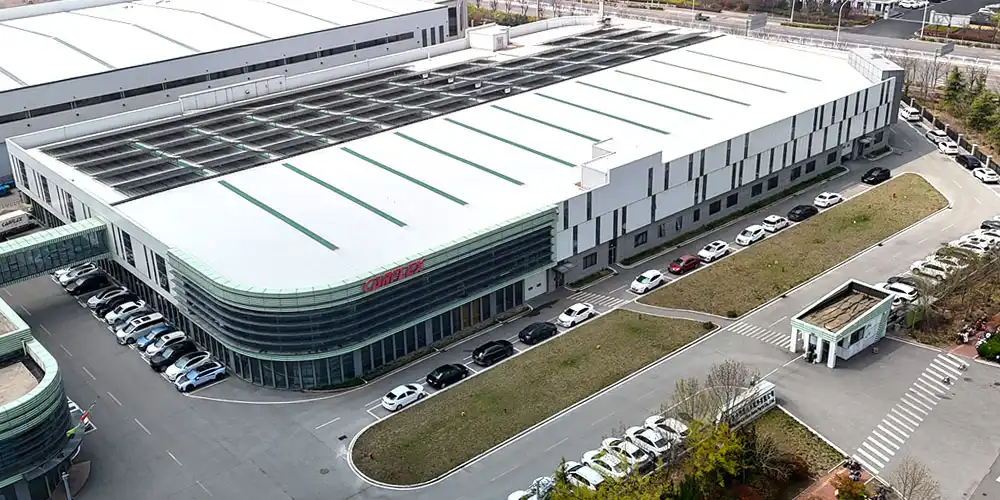
Reason 4 – Energy Efficiency and Environmental Benefits of Steel Strip Malls
Rising energy costs and corporate sustainability requirements are pushing business developers to find ways to build that are better for the environment and cost less to run. There are several natural ways that steel structures help green building goals.
Superior Thermal Performance Through Advanced Insulation
High-performance insulation systems that go beyond the basic standards of the code can be used in steel frame structures. The ornamental cladding system and composite floor deck work together to make a continuous thermal shell. This stops heat from moving around and lowers the load on the HVAC system. Using insulated covering and hollow filling can help reduce the thermal bridge problems that come with steel framing. When compared to concrete buildings with little insulation, retail centres that add these improvements report 20–30% less energy use. This directly lowers tenants' electricity costs and makes leases more affordable.
Recyclability and Reduced Carbon Footprint
Steel is one of the most recycled building materials in the world. When a building is taken down, its valuable scrap is reused in the manufacturing process without losing any quality. When compared to making concrete, which releases a lot of CO₂ into the air, this closed-loop recyclability makes a big difference in stored carbon. Lifecycle studies show that steel is good for the environment, especially when it comes from mills that use electric arc furnace technology. Developers who want to get LEED or other green building certifications find that steel construction helps them reach certification goals.
Renewable Energy Integration Capabilities
Steel-framed strip shops have roofing systems that can easily handle solar panel arrays without adding extra support to the structure. Photovoltaic systems, battery storage equipment, and mounting tools can all be supported by steel roof sections because they can hold a lot of weight. This green energy potential is appealing to stores that want to run net-zero businesses and corporate buyers who use ESG measures to make buying decisions. Together, energy-efficient building shells and on-site generation make store spaces that meet the growing demand for sustainability.
Reason 5 – Safety and Structural Integrity Under Various Conditions
Steel buildings are recognised for their high safety performance, a fact supported by decades of scientific research and real-world testing, making them a reliable choice in modern mall architecture.
Fire Resistance Through Passive Protection Systems
Steel that isn't protected loses strength at high temperatures, but modern steel buildings use intumescent paints or cementitious spray systems that give them fire ratings of 2 to 4 hours, which is the same as concrete. When these inactive fire protection treatments are heated, they spread and create an insulating char layer that keeps the structure strong during fires. Following the rules set by the International Building Code makes sure that store spaces meet life safety standards by giving people enough time to get out of the building and stopping it from collapsing. As part of the inspection process, the right coating thickness is checked by measuring the dry film, which guarantees the amount of protection that was agreed upon.
Seismic Resilience and Ductility
Steel is naturally flexible, which means it can absorb energy during earthquakes and let buildings bend without breaking. Moment-resisting frames and braced-frame systems made to AISC 360 standards offer effective horizontal load resistance in places with a lot of earthquakes. This performance trait is very important for building strip malls in California, the Pacific Northwest, or other places that are prone to earthquakes. Best practices in engineering make sure that the load path is solid by using the right connection details and making sure that high-strength pin assemblies are torqued to the right pre-tension levels.
Weather Event Durability
Portal-stiff frame systems can handle strong winds and large amounts of snow that are common in the northern United States. Because steel's properties are predictable, engineers can make accurate predictions that take into account extreme weather conditions in the area. This gets rid of the confusion that comes with the fact that concrete strengths can vary. Steel frames used to build shopping centres have stood up to hurricanes, tornadoes, and blizzards, keeping operations running smoothly and protecting tenant goods. Procurement managers who have to choose building methods that protect business investments can rest easy knowing that these methods are reliable.
Reason 6 – Simplified Maintenance and Lower Operational Costs
Long-term building management costs have a big effect on how profitable a retail property is. A steel building has operational benefits that make upkeep easier and extend the life of assets with little work.
Resistance to Common Structural Deterioration
Many things that break down concrete buildings don't happen in steel structures, like the alkali-silica reaction, freeze-thaw damage, and rebar rust. Not having these ways for things to break down means that you don't have to pay for expensive repair cycles like crack filling, concrete spalling, and structural strengthening. During routine checks, the focus is on the soundness of the connections and the state of the protective coating. They don't do in-depth material tests or destructive investigations. This easier repair process cuts down on downtime and keeps tenant operations running as smoothly as possible.
Preventive Anti-Corrosion Strategies
Protective systems last forever if the uncovered steel parts are re-coated on a regular basis. These preventative steps can be easily scheduled by property management teams during off-peak times, when tenants don't have to do much planning. The cost of these upkeep tasks is still a lot less than the cost of fixing structures that are made of broken concrete. Working with makers who offer a guarantee and after-sales support adds to your security and makes sure that you can get help quickly when maintenance issues arise.
Total Cost of Ownership Advantages
When comparing different building options, smart buying teams look at the costs over the whole project's life, not just the original costs of building. Steel buildings always have a lower total cost of ownership because they require less upkeep, have lower insurance rates because they are more resistant to fire and weather, and keep their structural strength so that future renter changes can be made without having to be reinforced. These benefits add up over time and help big investors manage commercial real estate portfolios across multiple markets, where operating efficiency has a direct effect on fund success.
Reason 7 – Flexible Procurement and Industry Support Network
The success of a project depends on the availability of reliable production capacity and skilled construction partners. The steel building industry, particularly for PEB mall projects, has well-established supply chains and turnkey solutions that simplify procurement and reduce project risks.
Scalable Manufacturing Capacity for Multi-Phase Projects
Fabricators who run multiple production lines are able to make enough goods for large-scale store projects. Automatically welded H-beam lines, C/Z section steel equipment, and sandwich panel systems are used in facilities to make complete building kits that make it easier to coordinate purchases. This integrated production potential gets rid of the problems that come with organising multiple suppliers of materials and lowers the costs of buying things. Companies with more than 40,000 square metres of sealed production space and more than 200 trained workers keep the quality of their work high throughout all stages of a project.
Turnkey Installation Services
A lot of companies that make steel structures give full services that include designing the structure, making it, and putting it together on-site. This "turnkey" method gives project planning duties to skilled professionals, which makes it easier for the general contractor to handle. Our in-house architectural design and detailed services make sure that all of the structural systems, roofing assemblies, cladding applications, and opening installations work together perfectly. The integrated delivery plan is especially helpful for building companies that have to handle multiple jobs at once and don't have a lot of engineering staff on staff.
Global Supply Chain Considerations
When purchasing managers look at foreign suppliers, they need to check that they have the right certifications, can handle logistics, and follow the right contact methods. Companies that make steel structures and have ISO9001, CE, and project-specific certifications (COC and PVOC) show that their quality systems are mature and that they have experience selling their products in foreign markets. Manufacturers from China offer big savings on prices while still keeping quality standards by having a third-party check their work. Careful screening of suppliers makes sure that they are in line with the project's goals, release dates, and professional performance standards. More and more international steel structure projects are succeeding, which shows that global procurement methods can work for business construction.
Conclusion
Using steel building systems to build a strip mall has many benefits, including long-lastingness, design freedom, low costs, sustainability, safety, ease of upkeep, and easy access to materials. These seven reasons show why more and more construction companies, EPC firms, and business investors choose steel-framed buildings for retail projects. Steel is the best material for procurement managers who need to build high-quality business places on time and on budget because it can be built quickly, has better structural performance, and has lower costs over its lifetime. As demands for sustainability grow and project timelines get shorter, steel building methods keep picking up market share in the store development sector.
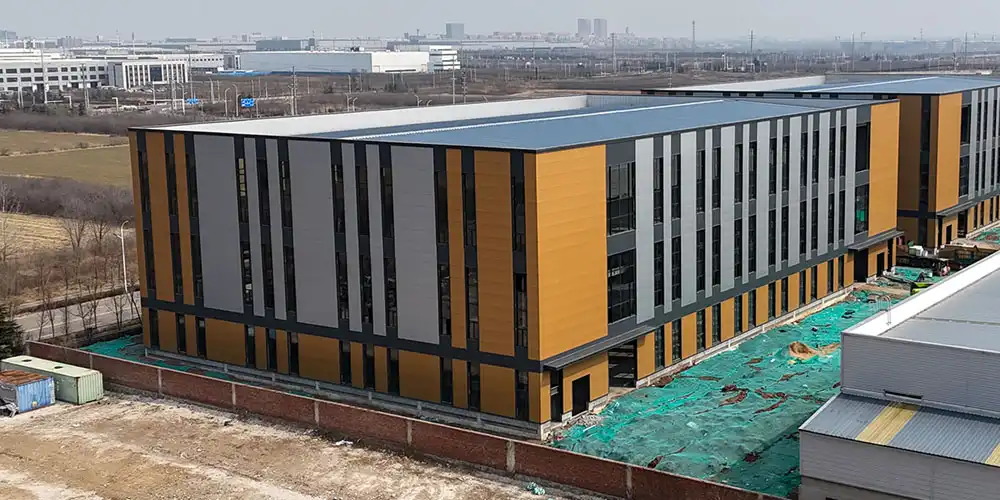
FAQ
1. How does steel compare to concrete for strip mall construction?
Because it can be prefabricated, steel can shorten the time it takes to build things by 30 to 50 per cent. While concrete naturally doesn't catch fire, passive safety systems can make steel buildings as fire-resistant as concrete ones. Steel's high strength-to-weight ratio lets you have bigger areas without columns, which lowers the cost of the foundation and increases the amount of retail space that can be rented. Steel is usually better for lifecycle upkeep costs because it doesn't crack, bugs don't damage it, and water doesn't make it break down.
2. What construction duration should be expected?
Depending on the size and complexity of the building, project-based production of steel parts usually takes 8 to 12 weeks. After the base is finished, site construction usually takes between 4 and 8 weeks for most strip mall designs. This shortened schedule lets renter fit-out start earlier, which speeds up income generation compared to concrete alternatives that need longer to cure.
3. Are sustainability certifications accessible for steel strip malls?
Multiple credit categories, such as recycled material, building waste management, and energy efficiency, support LEED approval for steel construction. The material can be recycled naturally and works with high-performance insulation systems, which helps green building goals. A lot of companies that make steel structures keep up with their environmental management standards, which show that their supply chains are sustainable.
Partner with DFX for Your Next Retail Development Project
Qingdao Director Steel Structure Co., Ltd. has been making steel-framed business buildings for shopping malls, retail centres, and commercial plazas around the world for more than 12 years. Our 40,000-square-metre factory has six automatic welded H-beam lines and a wide range of tools for making parts. It can produce 20,000 tonnes of goods each year and is ISO9001 and CE certified. We offer full turnkey solutions, from designing and building the structure to coordinating the MEP systems and helping with the installation on-site. Whether you're a procurement manager looking for manufacturers for multi-phase retail projects or a construction contractor looking for a reliable steel structure shopping mall supplier, our architectural design team and experienced fabrication specialists will make sure the project goes smoothly from the beginning to the end. Get in touch with jason@bigdirector.com to talk about your unique needs and find out how our integrated manufacturing skills can save you time and money while improving the performance of your structure. You can look at our full list of projects and professional tools at dafanggangjiegou.aixdb.cn.
References
1. American Institute of Steel Construction. (2016). Specification for Structural Steel Buildings (ANSI/AISC 360-16). Chicago, IL: AISC.
2. Lawson, R. M., & Ogden, R. G. (2018). Sustainable Steel Construction: Commercial Buildings. Steel Construction Institute Technical Report.
3. National Institute of Standards and Technology. (2020). Fire Resistance of Structural Steel Framing. NIST Technical Note 2080.
4. U.S. Green Building Council. (2019). LEED Reference Guide for Building Design and Construction. Washington, DC: USGBC.
5. Deierlein, G. G., & Noguchi, H. (2017). Seismic Design of Steel Structures: International Practice and Performance. Journal of Constructional Steel Research, Vol. 138.
6. Gorgolewski, M. (2019). Resource Efficiency and Life Cycle Assessment of Steel Construction Systems. Canadian Institute of Steel Construction Research Publication.
Learn about our latest products and discounts through SMS or email