- English
- French
- German
- Portuguese
- Spanish
- Russian
- Japanese
- Korean
- Arabic
- Greek
- German
- Turkish
- Italian
- Danish
- Romanian
- Indonesian
- Czech
- Afrikaans
- Swedish
- Polish
- Basque
- Catalan
- Esperanto
- Hindi
- Lao
- Albanian
- Amharic
- Armenian
- Azerbaijani
- Belarusian
- Bengali
- Bosnian
- Bulgarian
- Cebuano
- Chichewa
- Corsican
- Croatian
- Dutch
- Estonian
- Filipino
- Finnish
- Frisian
- Galician
- Georgian
- Gujarati
- Haitian
- Hausa
- Hawaiian
- Hebrew
- Hmong
- Hungarian
- Icelandic
- Igbo
- Javanese
- Kannada
- Kazakh
- Khmer
- Kurdish
- Kyrgyz
- Latin
- Latvian
- Lithuanian
- Luxembou..
- Macedonian
- Malagasy
- Malay
- Malayalam
- Maltese
- Maori
- Marathi
- Mongolian
- Burmese
- Nepali
- Norwegian
- Pashto
- Persian
- Punjabi
- Serbian
- Sesotho
- Sinhala
- Slovak
- Slovenian
- Somali
- Samoan
- Scots Gaelic
- Shona
- Sindhi
- Sundanese
- Swahili
- Tajik
- Tamil
- Telugu
- Thai
- Ukrainian
- Urdu
- Uzbek
- Vietnamese
- Welsh
- Xhosa
- Yiddish
- Yoruba
- Zulu
Steel Structure Explained: From Types to Real-World Uses
Knowing how to solve problems with steel structures is very important when building industrial infrastructure. A Steel Structure Warehouse is a high-tech Pre-Engineered Building system that uses rigid steel structures like H-section columns and beams, C/Z-section purlins, and high-strength bracing to hold heavy loads effectively. These modular manufactured steel storage buildings are different from traditional concrete buildings because they are made off-site using cutting-edge BIM technology and then put together on-site using precise bolting connections. This method cuts down on building times by 30–50%, lowers the cost of the foundation by about 30%, and allows for large clear-span designs that don't need interior columns. This makes modern distribution hubs and logistics warehouses more storage-efficient and flexible in how they are used.
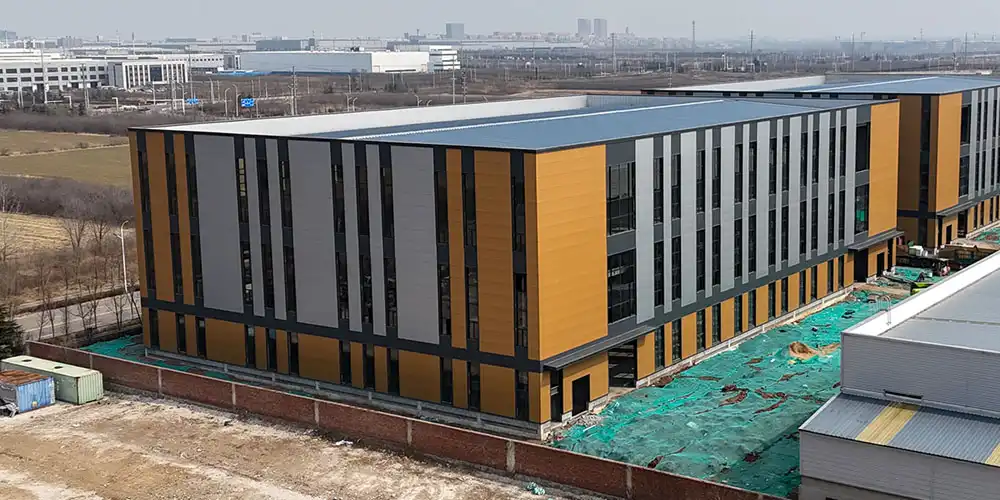
Understanding Steel Structure Warehouses: An Overview
Steel construction has transformed how businesses approach storage and production facilities across the United States. Whether you're an operations manager expanding manufacturing capacity or a project manager overseeing an EPC contract, recognizing the nuances between steel building types shapes your project success from foundation to final inspection.
Primary Steel Framework Systems
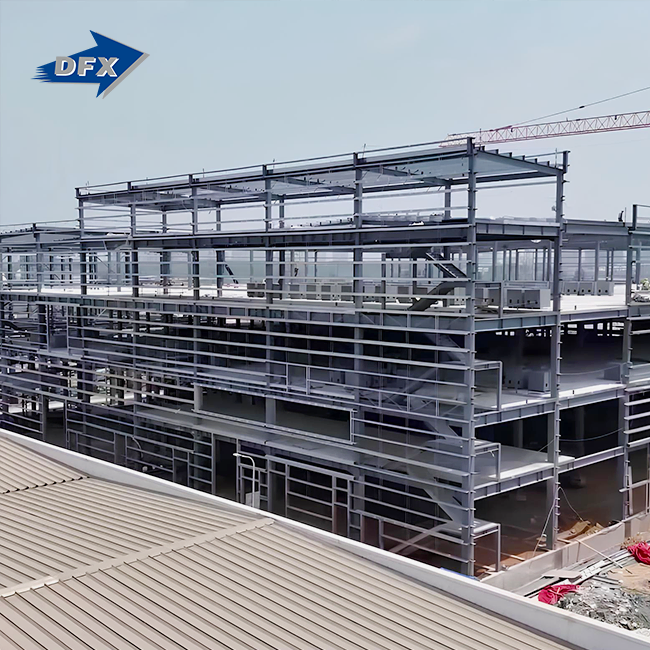
Framing systems that are carefully designed are what hold steel structures together. H-beam main steel frames are the most common type used in industry because they can hold a lot of weight while still being lightweight. Director Steel makes H-beams out of Q345B or Q355B high-grade structural steel, which is the same as ASTM A572 Gr50 and has a yield strength of 355 MPa. This choice of material makes sure that your building can withstand wind loads greater than 0.50 KN/m² and seismic activity up to Grade 8. This is important for meeting AISC 360 and Eurocode 3 standards. Galvanised C/Z purlins finish the structure by connecting the main frames and supporting the roof and wall coverings. These secondary parts are hot-dip galvanised with zinc coating layers that reach 600g/m² (84µm thickness). This protects them from corrosion for decades, even in damp or seaside areas. The bracing system holds everything together and spreads the side forces from wind and earthquakes across the structure. This stops the building from falling apart in stages, which can happen with less strong designs.
Modular Prefabricated Versus Custom-Built Solutions
When modular prefabricated steel storage buildings get to your site, they come in pieces that have already been cut and drilled so they can be put together quickly. When compared to standard building methods, this method cuts down on construction times by a large amount. Your procurement timeline gets shorter because fabrication happens at the same time as site planning. We organise operations so that structural members, sandwich panels, and fastening hardware are delivered exactly when your crew needs them. This saves you money on storage and handling costs. Custom-built steel structures are perfect for projects that have specific architectural needs or uneven site conditions. When standard bay spacing or building height doesn't meet your operational needs—for example, when you're putting 20-ton overhead cranes or making sure that agricultural chicken houses have the right ventilation—custom engineering makes sure that every design parameter is optimised. This customised method takes longer to complete, but the facilities you get will perfectly fit your production schedule, equipment clearances, and plans for future growth.
International Design Standards and Compliance
Knowing how to follow building Logistics warehouse codes and safety rules will protect your investment and speed up the approval process. Steel buildings made in China that are sold in the U.S. must show that they meet American standards or widely recognised standards that are the same. The ISO9001 certification ensures that quality control is followed during the whole manufacturing process. The CE marking and optional EN1090 certification make sure that the structure meets European standards, which are often accepted by U.S. authorities for imported steel parts. Load-bearing calculations take into account snow loads, wind pressure zones, and seismic design categories that are unique to your project site. As building owners try to get LEED certification or a similar green building credential, energy efficiency guidelines become more important in the planning process. Insulation that is properly chosen, like glass wool batts or polyurethane sandwich panels, lowers heating and cooling costs and meets thermal performance codes. These compliance requirements aren't just red tape; they're value-protection steps that will make sure your building works safely and efficiently for the next 50 years or more.
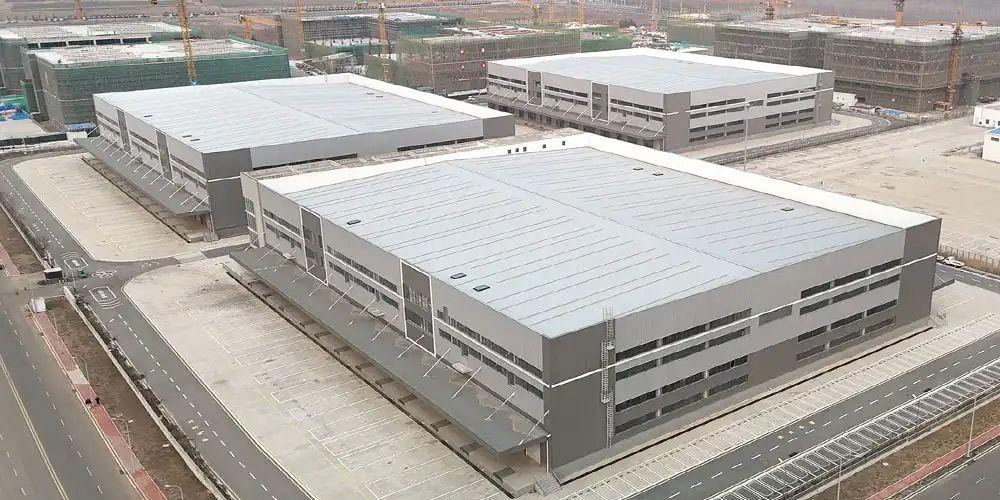
Key Benefits of Steel Structure Warehouses for B2B Procurement
Procurement managers evaluating storage and production facilities weigh immediate costs against long-term operational expenses. Steel buildings consistently deliver superior return on investment through multiple performance dimensions that concrete or wood-frame alternatives struggle to match.
Superior Durability and Reduced Maintenance Requirements
Because steel is a naturally strong material, its lifetime prices are lower. Steel doesn't get bugs, rot, or warp as wood does. Steel doesn't crack like concrete does when it freezes and thaws or when foundations settle. Surface treatments make this natural durability even better. For example, shot blasting to the Sa 2.5 standard followed by a zinc-rich epoxy primer creates a barrier against rust that lasts decades longer than regular paint systems. In normal industrial settings, we've seen maintenance intervals longer than 15 years for properly treated steel frames. Because they last longer, your building operations teams can focus on core business tasks and spend less time planning repairs. When maintenance is needed, modular construction makes it easier to change parts. A broken purlin or panel can be replaced without taking apart the building around it. This cuts down on production downtime that messes up schedules.
Cost Efficiency Throughout the Project Lifecycle
The initial cost of building your facility is just the beginning of its financial impact. Steel structures save you money up front because they can be put up faster. When your builder puts up the building in weeks instead of months, labour costs go down. Steel is a lightweight material that helps foundation engineers because it lowers the dead load. This means that shallow foundations are often used instead of deep piling systems, which are needed for heavy concrete structures. Over decades, these ongoing operational savings add up. When high-performance insulated panels keep the inside of a building at a steady temperature, energy costs go down. Our production lines for sandwich panels make roof and wall systems with polyurethane or rock wool cores that are 50 mm to 200 mm thick. These systems have R-values that lower HVAC costs. Precision manufacturing in the factory gets rid of thermal bridges that happen in field-assembled buildings, stopping the energy losses that drain budgets month after month. Customisation options help you avoid overbuilding for current needs while still allowing for growth. Modular bay space lets you add length to a building without stopping operations—just add more frames and extend the roof system. This scalability keeps you from wasting money on building extra room up front or moving when you outgrow a building that can't be changed.
Sustainable Practices Aligned with Corporate Environmental Goals
Steel is one of the most recycled things in the world, and structural steel keeps its properties even after being recycled over and over again. When your building's useful life is over, the steel parts will still be worth a lot as scrap metal, keeping thousands of tonnes out of dumps. Manufacturers who are under pressure from investors and customers to show they care about the environment will like this circular material economy. Green building certifications like LEED give points for recycled content, regional materials, and managing construction waste, all of which are areas where steel construction does very well. When compared to building on-site, the controlled factory setting where we make your building parts makes much less waste. Scrap steel and offcuts go straight back to steel mills, while packing materials are recycled in the usual way. These steps will help your project reach certification levels that raise the value of the property and improve the company's image.
Steel Structure Warehouse Construction: Process and Best Practices
Building an effective storage or manufacturing facility demands coordinated execution across multiple project phases. Understanding this workflow helps you set realistic schedules, allocate resources appropriately, and identify potential bottlenecks before they disrupt critical paths.
Detailed Planning and Design Phase
Every successful project begins with thorough Logistics warehouse engineering that translates your operational requirements into structural specifications. Our in-house architectural design and detailing service works directly with project managers, operations directors, and procurement teams to capture essential parameters: building dimensions, column spacing, crane loads, door locations, insulation levels, and expansion provisions. This collaboration phase typically spans 2-4 weeks, depending on project complexity. Computer-aided design using Building Information Modeling creates three-dimensional representations of your facility before fabrication begins. BIM technology identifies clashes between structural members, mechanical systems, and architectural elements—problems easily resolved on-screen but expensive to fix in the field. Load calculations verify that every beam, column, and connection safely carries design loads with appropriate safety factors. Wind tunnel analysis or computational fluid dynamics may inform designs for facilities in hurricane zones or exposed locations. Detailed shop drawings emerge from this engineering process, specifying every dimension, connection detail, and material specification. These drawings guide fabrication while providing the documentation building officials require for permit issuance. Experienced project teams budget 30-45 days for plan review and approval in most U.S. jurisdictions, though complex projects in major cities may extend this timeline.
Controlled Fabrication and Quality Assurance
Manufacturing structural components in a controlled factory environment delivers consistency impossible to achieve with field fabrication. Our 40,000-square-meter enclosed production facility in Qingdao employs six automatic welded H-beam production lines capable of producing 20,000 tons annually. Computerized welding equipment maintains precise heat input and weld profiles, creating connections stronger than the base material while minimizing distortion. Quality control occurs at multiple checkpoints throughout fabrication. Incoming steel undergoes mill certificate verification and sample testing to confirm grade and chemical composition. Dimensional inspection verifies that cut lengths and hole locations match shop drawings within tolerance—typically ±2mm for structural members. Non-destructive testing using ultrasonic or magnetic particle inspection identifies internal weld defects before they compromise structural integrity. This rigorous process ensures components arrive at your site ready for assembly without field modifications that delay schedules. Surface preparation and coating application follow SSPC standards for industrial steel structures. Shot blasting removes mill scale and contaminants, creating the anchor profile necessary for coating adhesion. Hot-dip galvanizing or multi-coat paint systems then protect steel surfaces according to your project's corrosion environment and design life requirements. We maintain dedicated coating facilities that apply uniform protection impossible to achieve with field painting, particularly in concealed connection areas.
Efficient On-Site Assembly and Installation
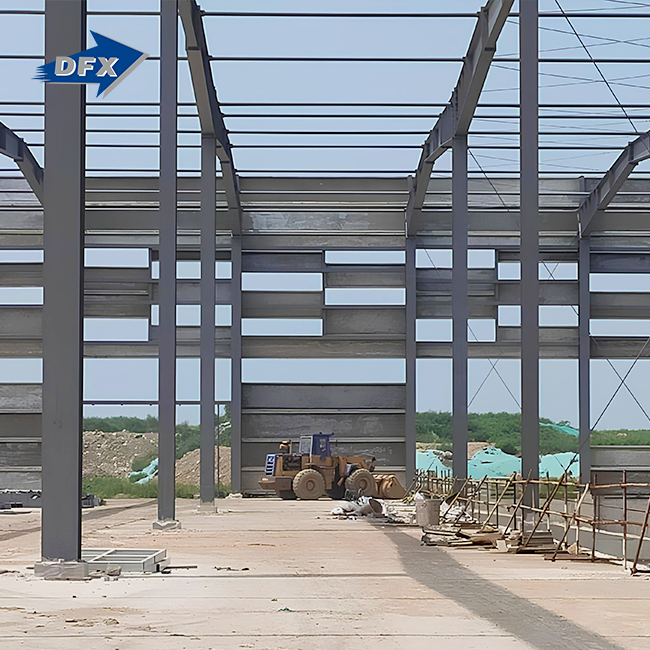
Project-based fabrication means your building components arrive in a logical sequence matching the erection schedule. Foundation work proceeds while fabrication continues, optimizing the overall timeline. Once concrete cures to design strength, crews begin setting anchor bolts using precision templates that ensure alignment with fabricated base plates. Steel erection typically advances at 300-500 square meters daily, depending on building height, crane availability, and connection complexity. Main frames rise quickly since prefabricated components simply bolt together—no field welding delays or weather sensitivity like concrete placement. Purlins attach to frames, followed by bracing installation that stabilizes the structure. Roof and wall panels complete the building envelope, making the interior space weather-tight so interior work can proceed regardless of conditions. Erection guidance from experienced structural engineers helps your contractor avoid common pitfalls. Connection tightening sequences prevent accumulated tolerance issues. Temporary bracing requirements ensure stability during construction before all permanent lateral systems are complete. Pre-planning crane positions and material staging minimizes double-handling that wastes labor hours. These best practices, developed across hundreds of projects, compress schedules while maintaining safety standards that protect workers and surrounding operations.
Making the Right Choice: Comparing Steel Structure Warehouses to Alternatives
Procurement decisions involve evaluating multiple building systems against your specific operational requirements, budget constraints, and long-term facility plans. Understanding performance trade-offs across different construction approaches helps you select solutions that truly fit rather than compromise.
Steel Versus Concrete Building Performance
Structural steel and reinforced concrete both deliver strong, durable buildings, yet they differ significantly in characteristics that matter to facility operations. Construction speed favors steel decisively—foundations cure while fabrication proceeds, then erection happens in weeks. Concrete requires sequential construction: foundations, then columns and floors, then roof structure, extending schedules by months. This speed advantage translates directly into earlier revenue generation for manufacturing plants and distribution centers. Flexibility distinguishes steel structures throughout their service life. Modifying a steel building to a metal warehouse kit to accommodate new equipment, expanded production lines, or altered storage configurations involves straightforward structural calculations and relatively simple reinforcement. Concrete buildings resist modification—removing a column or enlarging a door opening requires extensive engineering, shoring, and expensive retrofits that may prove impractical. When your business needs evolve, steel adapts while concrete constrains. Maintenance costs tilt toward steel despite concrete's perception as "maintenance-free." Concrete develops cracks from settling, temperature cycling, and structural loads. Water intrusion through these cracks corrodes embedded rebar, leading to spalling and progressive deterioration requiring costly epoxy injection or concrete replacement. Properly protected steel remains stable for decades, requiring only periodic inspection and minor coating touch-up in damage-prone areas. Insulation performance reaches comparable levels in both systems when properly designed. Concrete possesses thermal mass that moderates temperature swings but conducts heat readily without insulation layers. Steel-framed buildings use sandwich panels or cavity insulation to achieve any desired R-value, with continuous insulation eliminating thermal bridging that compromises concrete assemblies at structural members.
Evaluating Suppliers and Mitigating Procurement Risks
Selecting a steel structure manufacturer involves assessing capabilities beyond price quotations. Certification verification starts this evaluation—ISO9001 demonstrates documented quality management, while CE marking and EN1090 certification confirm structural competence recognized internationally. These aren't mere marketing badges; they represent audited compliance with rigorous manufacturing and testing protocols that protect your project. Product quality manifests in material specifications, fabrication tolerances, and connection details. Request mill certificates documenting steel grade and mechanical properties. Examine dimensional tolerances in shop drawings—tight tolerances indicate precise fabrication equipment and skilled workers. Review connection designs for adequate capacity and practical field assembly; overly complex connections create erection difficulties that inflate labor costs and extend schedules. After-sales support separates mediocre suppliers from reliable partners. Technical assistance during installation helps contractors interpret drawings, resolve field conditions, and maintain quality during erection. Warranty policies should clearly define coverage periods and responsibilities—typically 1-2 years for workmanship and material defects. Responsive communication throughout the project lifecycle, from engineering inquiries through warranty claims, indicates supplier commitment that extends beyond the initial sale. Price transparency matters as much as competitive pricing. Detailed proposals break costs into material, fabrication, surface treatment, and logistics components, allowing meaningful comparison between suppliers. Beware artificially low quotes that omit essential scope items or specify substandard materials—price differences often reflect quality variations that emerge after purchase when modifications or repairs become necessary.
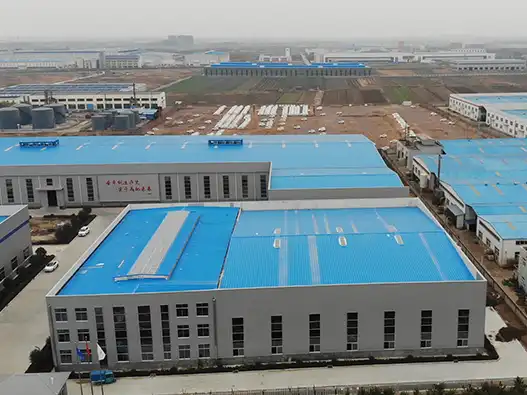
Real-World Uses and Industry Applications of Steel-Structure Warehouses
Theoretical advantages only matter if they translate into practical benefits across diverse operational environments. Steel structures prove their versatility daily in facilities ranging from climate-controlled storage to heavy industrial manufacturing.
Manufacturing and Production Facilities
Production workshops demand clear-span spaces accommodating assembly lines, material handling equipment, and overhead cranes without column obstructions. Steel construction readily achieves 40-60 meter clear spans using truss or rigid frame systems, creating flexible floor plans that adapt as production processes evolve. One automotive parts manufacturer we supplied expanded their production line by relocating only interior partition walls, leaving the structural system untouched—a modification requiring mere days instead of the months needed to restructure a column-supported building. Heavy manufacturing integrates overhead cranes rated from 5 to 100 tons, creating substantial vertical loads and dynamic forces on supporting structures. Crane runway beams attach to main columns with connections engineered for fatigue resistance, preventing the progressive cracking that develops under millions of load cycles. Enhanced steel grades and connection reinforcement in crane-supporting bays ensure reliable service throughout decades of intensive use. Manufacturing plants often operate 24/7, making structural reliability non-negotiable—unplanned maintenance shutdowns destroy production schedules and customer relationships.
Logistics Warehouses and Distribution Centers
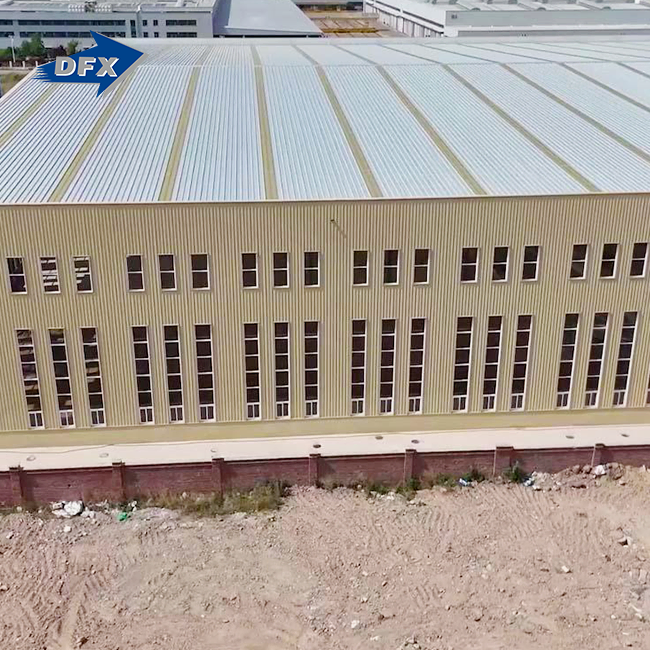
Modern logistics depends on maximizing storage density while maintaining rapid access to inventory. Steel structure buildings optimize this balance through tall, clear-span spaces accommodating high-bay racking systems. Column-free widths allow efficient forklift circulation patterns and systematic storage organization. One regional distribution hub we completed utilized an 18-meter eave height with column spacing at 24 meters, achieving 35% higher storage capacity than their previous facility on similar land area. Distribution operations increasingly integrate automation—conveyor systems, sortation equipment, robotic picking. Steel's structural predictability simplifies integrating these systems since equipment manufacturers receive accurate building dimensions and load capacities during facility design. Mounting automated storage-retrieval systems to steel columns and beams follows straightforward engineering, whereas retrofitting automation into buildings with dimensional uncertainties or inadequate structural capacity creates expensive complications.
Agricultural Buildings and Livestock Operations
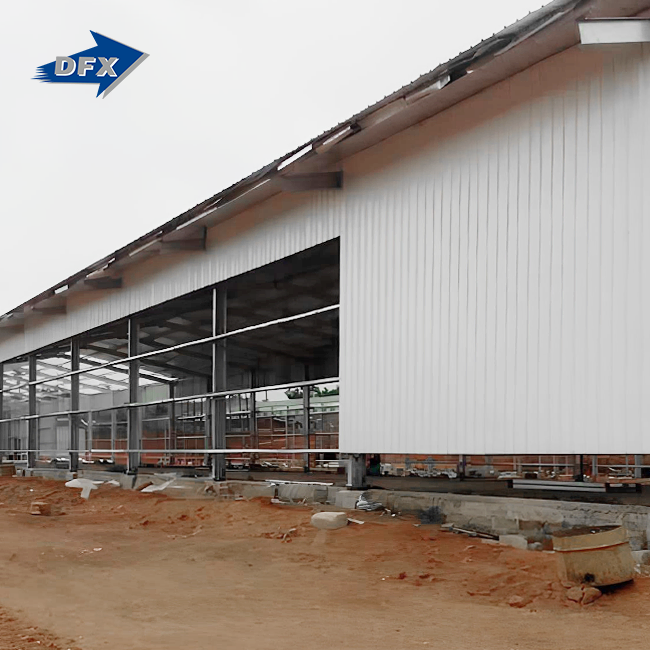
Poultry houses and livestock facilities require cost-effective structures protecting animals and feed from weather while providing adequate ventilation. Steel framing supports large roof overhangs for sun shading, accommodates natural or mechanical ventilation systems, and resists corrosive environments from animal waste. Galvanized structural members tolerate ammonia and moisture exposure that rapidly deteriorates unprotected steel or wood framing. Agricultural operations value durability since facilities operate continuously with minimal maintenance opportunities. One poultry Metal warehouse kit operation spanning 12,000 square meters specified our galvanized C/Z purlin system with standing-seam metal roofing, achieving watertight integrity, protecting expensive climate control systems and bird populations from weather extremes. Insulated sandwich panels maintain stable temperatures, reducing heating and cooling expenses—critical cost factors in climate-controlled livestock production.
Storage Centers and Specialized Applications
Steel buildings are used for more than just regular storage. They are also used for specialised storage that needs special features. Thick polyurethane sandwich panels are used to make continuous insulation covers in cold storage facilities to keep temperature-sensitive medicines or foods safe. Panel joints have thermal breaks that stop humidity and heat transfer, which could make the temperature less stable. Structures may have vapour barriers and specialised door systems that keep the cold chain intact. Storing dangerous materials must follow strict rules for control, ventilation, and fire suppression. Specialised cladding systems, like fire-rated panels, explosion-venting wall sections, or secondary containment barriers, can be attached to steel frames. Marine-grade coating methods keep steel safe in chemically aggressive places. For these uses, you need to be an expert in engineering to turn legal requirements into workable structural solutions that meet the rules while keeping costs low.
Conclusion
Steel structure construction is a tried-and-true method that has measurable benefits in a wide range of industry settings. With quick deployment times that cut down on your time-to-operation and flexible designs that can adapt to changing business needs, steel buildings solve real operational problems. They are also made of sustainable materials that are in line with the companies' environmental promises. If you're a construction project manager planning logistics warehouses, an operations director planning a manufacturing expansion, or a procurement manager looking at infrastructure investments, knowing how steel works will help you make decisions that are safe for your budget and schedule. The modular prefabricated method uses H-beam frames, galvanised purlins, and engineered bracing systems to make sure quality is controlled in the workshop instead of in the field. Steel structures are reliable buildings that can support your operations for decades if you choose a supplier that focuses on certifications, expert support, and clear pricing.
FAQ
1. What are the typical lead times for steel structure warehouse projects?
Project timelines vary based on building size and complexity, but fabrication typically requires 30-45 days after engineering approval. Simple warehouse structures under 5,000 square meters may complete fabrication in 4 weeks, while larger facilities with specialized features extend to 8-10 weeks. Concurrent site preparation during fabrication optimizes overall project schedules. On-site erection generally progresses at 300-500 square meters daily, meaning a 10,000-square-meter facility reaches weather-tight enclosure within 3-4 weeks after steel delivery. Total project duration from engineering start to building completion typically spans 3-5 months.
2. How do steel structures perform in high-wind or seismic regions?
Modern steel building engineering accounts for regional hazards through load calculations meeting local building codes. Wind resistance depends on structural design, connection strength, and cladding attachment rather than material choice alone. Properly engineered steel frames routinely withstand wind speeds exceeding 150 mph in hurricane-prone coastal areas. Seismic design exploits steel's ductility—the material's ability to deform without fracturing—allowing structures to absorb earthquake energy. Buildings meeting Grade 8 seismic standards remain operational after events that collapse brittle concrete structures. Your structural engineer applies local code requirements, ensuring appropriate safety margins.
3. What maintenance do steel warehouses require?
Routine maintenance focuses on preserving protective coatings and monitoring connection integrity. Inspect coating systems annually for damage from impacts or abrasion, touching up compromised areas before corrosion develops. Check fastener tightness in high-vibration areas like crane runways every 2-3 years. Roof and wall panel conditions require visual inspection, addressing sealant degradation at panel laps and penetrations. Facilities in corrosive environments—coastal locations or chemical processing—may require coating renewal every 10-15 years, depending on original specification. Overall, steel structures demand substantially less maintenance than wood or concrete alternatives.
Partner with DFX for Reliable Steel Structure Solutions
Director Steel brings over 12 years of specialized experience as a trusted Steel Structure Warehouse manufacturer serving construction contractors, manufacturing companies, and agricultural enterprises throughout global markets. Our 40,000-square-meter production facility employs 200 skilled workers operating advanced fabrication lines—six automatic H-beam systems, multiple sandwich panel and C/Z purlin lines—producing 20,000 tons of primary structural steel annually. ISO9001, CE, and EN1090 certifications demonstrate our commitment to internationally recognized quality standards that your projects demand.
We provide complete project support from engineering calculations and fabrication through logistics coordination and erection guidance. Our in-house design team collaborates directly with your project managers and engineers, translating operational requirements into optimized structural solutions. Reach out to our team at jason@bigdirector.com to discuss your specific project requirements and discover how our modular prefabricated steel storage buildings deliver the performance, reliability, and value your procurement team needs.
References
1. American Institute of Steel Construction (2016). Specification for Structural Steel Buildings (AISC 360-16). Chicago: AISC Publications.
2. European Committee for Standardization (2005). Eurocode 3: Design of Steel Structures - Part 1-1: General Rules and Rules for Buildings. Brussels: CEN Publications.
3. Gaylord, E. H., Gaylord, C. N., & Stallmeyer, J. E. (1992). Design of Steel Structures, Third Edition. New York: McGraw-Hill Education.
4. Newman, A. (2004). Metal Building Systems: Design and Specifications, Second Edition. New York: McGraw-Hill Professional.
5. Trahair, N. S., Bradford, M. A., Nethercot, D. A., & Gardner, L. (2017). The Behaviour and Design of Steel Structures to EC3, Fourth Edition. London: Taylor & Francis.
6. Zaharia, R. & Dubina, D. (2006). Stainless Steel Members and Structures: Design According to Eurocode 3. Berlin: Ernst & Sohn Verlag.
Learn about our latest products and discounts through SMS or email