- English
- French
- German
- Portuguese
- Spanish
- Russian
- Japanese
- Korean
- Arabic
- Greek
- German
- Turkish
- Italian
- Danish
- Romanian
- Indonesian
- Czech
- Afrikaans
- Swedish
- Polish
- Basque
- Catalan
- Esperanto
- Hindi
- Lao
- Albanian
- Amharic
- Armenian
- Azerbaijani
- Belarusian
- Bengali
- Bosnian
- Bulgarian
- Cebuano
- Chichewa
- Corsican
- Croatian
- Dutch
- Estonian
- Filipino
- Finnish
- Frisian
- Galician
- Georgian
- Gujarati
- Haitian
- Hausa
- Hawaiian
- Hebrew
- Hmong
- Hungarian
- Icelandic
- Igbo
- Javanese
- Kannada
- Kazakh
- Khmer
- Kurdish
- Kyrgyz
- Latin
- Latvian
- Lithuanian
- Luxembou..
- Macedonian
- Malagasy
- Malay
- Malayalam
- Maltese
- Maori
- Marathi
- Mongolian
- Burmese
- Nepali
- Norwegian
- Pashto
- Persian
- Punjabi
- Serbian
- Sesotho
- Sinhala
- Slovak
- Slovenian
- Somali
- Samoan
- Scots Gaelic
- Shona
- Sindhi
- Sundanese
- Swahili
- Tajik
- Tamil
- Telugu
- Thai
- Ukrainian
- Urdu
- Uzbek
- Vietnamese
- Welsh
- Xhosa
- Yiddish
- Yoruba
- Zulu
Temporary Sheds vs. Permanent Warehouses: What’s Right for You?
Your project's schedule, price, and long-term goals will help you decide between a Temporary Construction Shed and a permanent warehouse. For short-term needs, Temporary Construction Sheds are flexible and easy to set up, while permanent structures provide long-lasting facilities for ongoing operations. Knowing the exact requirements of your building project, industrial expansion, or farming business will help you select the solution that delivers the best return on investment. This guide breaks down the most important factors affecting your decision, including cost-effectiveness and structural stability for a Temporary Construction Shed.
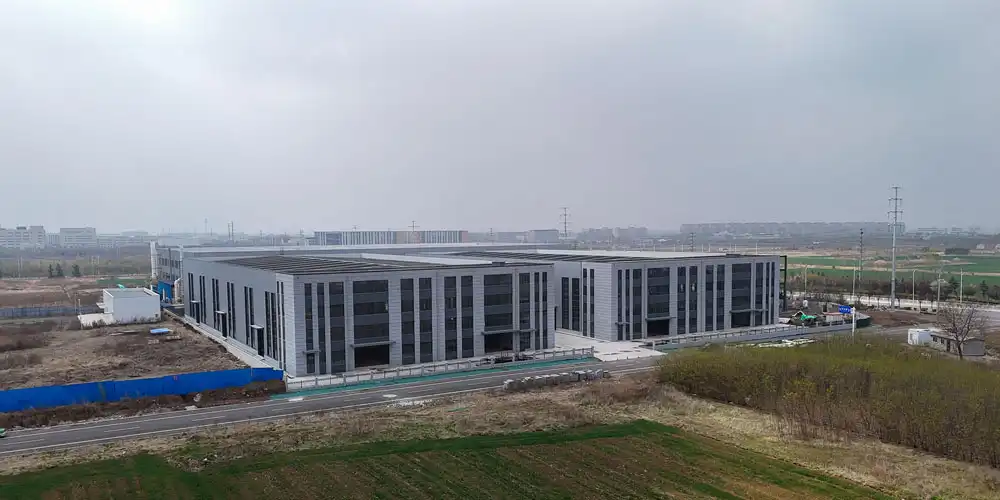
Understanding Temporary Construction Shed Solutions
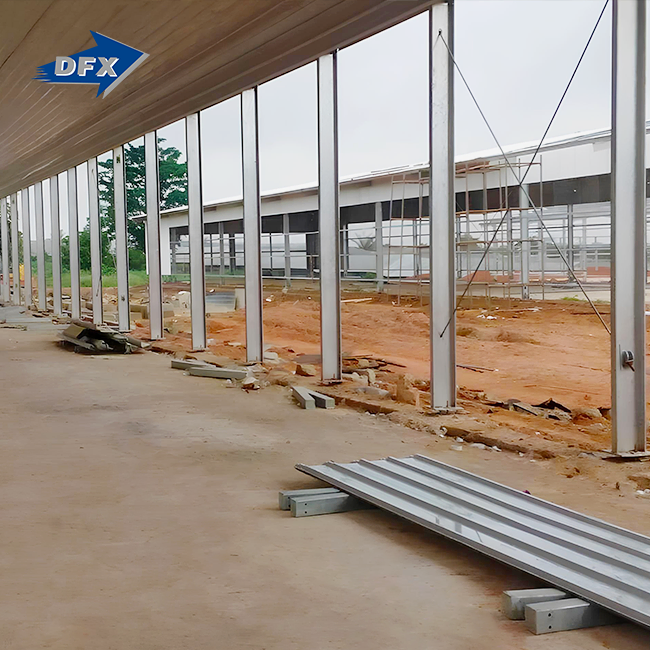
The purpose of a temporary building shed is to provide a movable cover that can be used right away on construction sites, industrial facilities, or farms. These moveable building systems usually have light steel frames with galvanised C/Z purlins. They can be set up as fully covered structures or open-sided units, based on the needs of the job.
The main benefit is how quickly it can be installed. It only takes 7–10 working days to build a standard 500-square-meter movable steel shed, but 6–8 weeks to build a normal permanent building. This quick deployment is especially helpful for EPC companies that have to keep to tight project plans in places like Nigeria, the Philippines, and Australia, where weather windows determine when buildings can be built.
Modern designs for portable shelters use hot-dip galvanised parts that don't rust for 15 to 20 years as long as they are taken care of properly. The flexible structure makes it possible to move or add on to the building as the needs of the project change. A lot of building site managers like that these premade shed units can be taken apart and used for more than one project. This spreads the cost of the initial investment over more than one venture.
Portable buildings can be used faster than permanent ones if you need to store construction tools on-site right away or create a temporary workspace while your facility grows.
The Case for Permanent Warehouse Structures
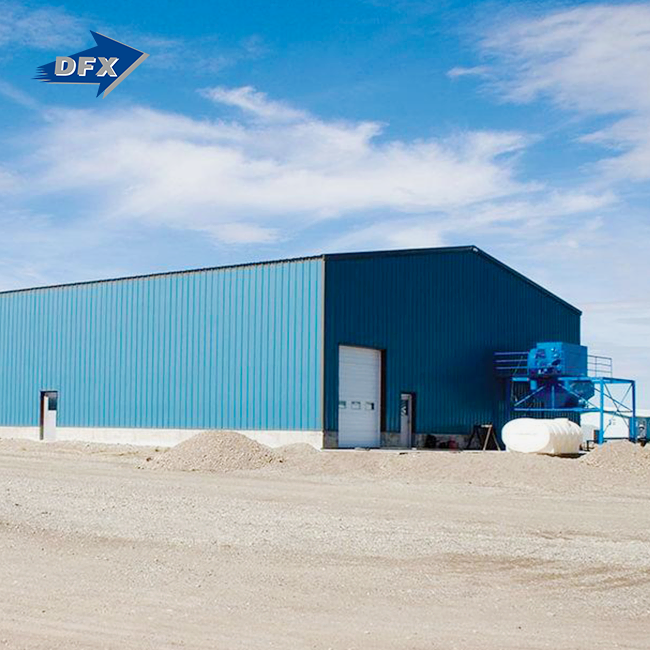
Permanent warehouses are long-term investments in infrastructure. They are made with stronger steel parts and are designed to last for many decades. Most of the time, these buildings use steel H-beam beams and rafters that are 200–300% stronger than temporary installs.
The difference in price shows that this product will last longer. Installing a permanent steel structure costs about $85 to $120 per square metre, while installing a temporary cage system costs about $45-70 per square metre. Permanent facilities, on the other hand, can hold heavy loads, support high cranes up to 50 tonnes, and meet stricter building rules needed for industrial production or transport operations.
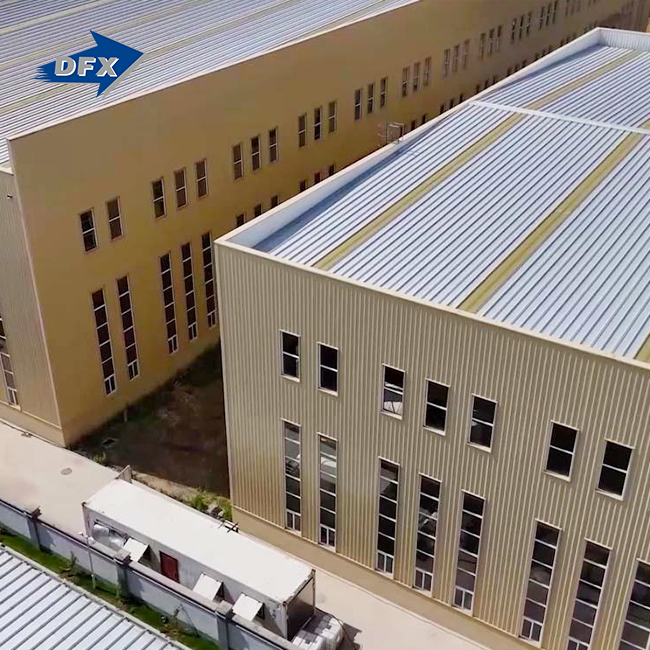
For companies that make things and want to open new factories in Southeast Asia or Africa, stable buildings give them the security they need to set up equipment, connect utilities, and plan their long-term staff. Customised bay spacing, upper floors, and built-in office areas are made possible by the structure's design, which is hard to do with temporary buildings.
Permanent buildings are also better at keeping heat in. When compared to single-skin insulation, which is popular in temporary installs, insulated sandwich panel systems in permanent buildings achieve R-values of 3.5 to 4.2, which lowers HVAC costs by 40 to 60%. This energy economy is very important for climate-controlled storage or industrial processes that need to be kept at a certain temperature.
Permanent warehouse construction has a higher starting cost, but it has better lifetime value if your business needs a building to last 20 years or more with few structural changes.
Key Comparison: Three Core Differences
Structural Load Capacity
Welded H-sections with moment-resisting links are used in permanent buildings to handle snow loads of up to 1.5 kN/m² and wind speeds of more than 55 m/s. Testing done in ISO-certified labs shows that these links keep the structure strong even when loads are 2.8 times higher than with temporary frame systems.
Lighter gauge steel is used for bolted joints on temporary building shed frames. These systems can handle up to 0.8 kN/m² of snow load and 45 m/s of wind resistance, which is fine for storage and non-essential tasks. For projects in areas prone to tropical cyclones or at high elevations, this difference is very important.
Foundation Requirements
When installing a portable steel shed, flexible ground screws or small concrete pads are often used. This cuts the cost of preparing the site by 65% compared to fixed supports. This method works for project managers in agriculture who need to build barns for animals on leased land or for construction site offices that need to be moved when the project is finished.
Deep foundations with designed soil studies are needed for permanent buildings. Even though these supports add $8 to $15 per square metre to the cost of a project, they stop uneven settlement that could mess up the positioning of crane rails or the tuning of production equipment in factories.
Permitting and Compliance
In most places, temporary facility permits let people live in a building for 18 to 36 months without following all building code rules. This regulatory freedom speeds up project decisions for EPC companies that are in charge of building projects with set due dates.
Permanent stores need to go through a full design review, get structural engineering stamps, and follow all the rules, which include having fire control systems, earthquake strengthening, and features that make the building accessible. The approval process adds 8 to 12 weeks to the time frame, but it makes sure that the item meets foreign standards that are needed for insurance coverage and selling value.
Cost Analysis: Short-Term vs. Long-Term Value
Budget concerns go beyond the initial purchase price and include the total costs of owning over the service time.
Costs of a temporary construction shed:
Installing a portable shelter that covers 1,000 square meters costs about $55,000. Maintenance that includes checking the fasteners and touching up the paint costs between $800 and $1,200 per year. If the building is well taken care of, it will keep 60–70% of its selling value after three years. This gives project-based buying methods an exit value.
In most tax countries, depreciation happens faster, which means that building companies can get their money back in 5 to 7 years. This fits well with project-specific spending, where moving assets to different places and getting money back works out well.
If your business buys things based on projects and moves assets from one job site to another, temporary shelter options can help you save money and make the best use of your assets.
The Economics of a Permanent Warehouse:
Installing the same 1,000-square-meter fixed building costs between $95,000 and $110,000. Due to better weatherproofing and structure safety, yearly upkeep drops to $400 to $600. The building's value goes up with the value of the land, and after 15 years, it keeps 85–90% of its structure value.
The terms of financing are better for a permanent building. For example, business lenders offer 15–20-year terms with rates that are 1.5–2% lower than equipment financing for temporary structures. For manufacturing owners setting up long-term production capacity, this makes cost structures stable, which helps with planning a business.
The cost of energy adds to the differences. Permanent climate-controlled buildings use 35–45% less energy than portable ones. In warm areas, a 1,000-square-meter facility would save $4,800–6,200 a year on energy costs. Over many decades of use, these savings add up.
If your business wants to stay in one place for 10 years or more, a fixed building will save you money in the long run, even though it costs more up front.
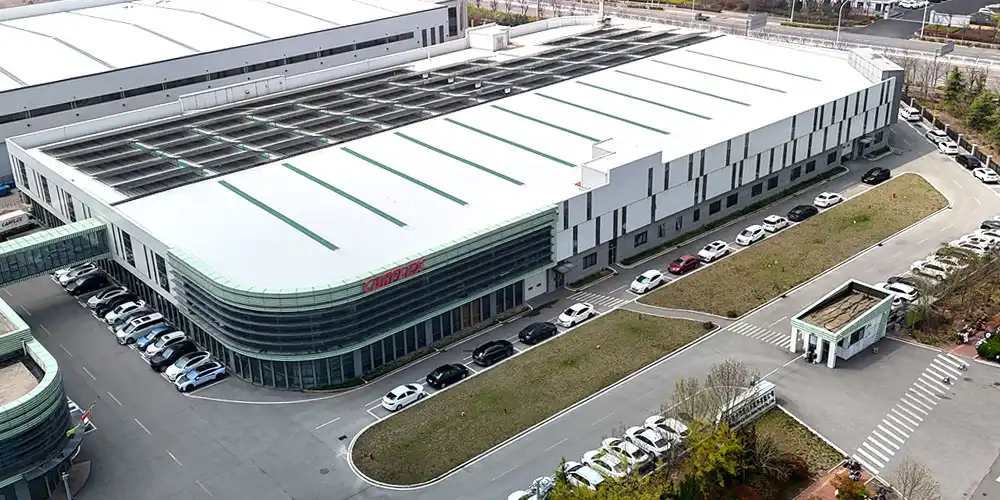
Application-Specific Recommendations
Construction and EPC Contractors:
Site office complexes and equipment storage during active construction phases benefit from temporary installation flexibility. A Relocatable building can be erected during site mobilization and relocated or sold upon project completion, avoiding stranded assets.
Permanent warehouses make sense for contractors maintaining regional equipment depots or fabrication yards serving multiple simultaneous projects. The investment supports operational infrastructure rather than project-specific needs.
Manufacturing Companies:
Production workshop requirements typically demand permanent construction due to overhead crane integration, precision equipment foundations, and utility distribution systems. The structural stability supports manufacturing equipment calibration and reduces vibration that affects product quality.
Temporary workspace solutions work well for phased expansions where initial market testing precedes full-scale production investment. A mobile unit can house pilot production lines while permanent facilities undergo design and permitting.
Agricultural and Livestock Operations:
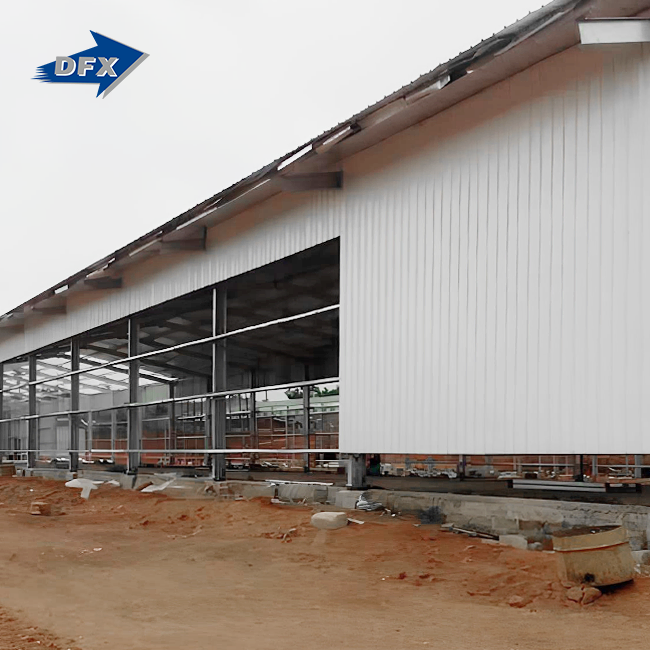
Poultry house construction and livestock buildings often employ hybrid approaches. Permanent perimeter walls and foundations support temporary roof systems that can be upgraded as operations scale. This strategy balances initial cost control with long-term expansion flexibility.
Hay storage and equipment sheds suit fully temporary construction, particularly on leased agricultural land where permanent improvements complicate lease negotiations. The relocatable nature preserves capital flexibility for farm owners managing seasonal cash flow.
Infrastructure Projects:
Aircraft hangars and public buildings mandate permanent construction meeting stringent safety codes and operational requirements. The engineering design must accommodate specialized systems and provide multi-decade service life.
Temporary facility applications include construction staging areas, site management offices, and worker amenities during infrastructure development. These installations support the construction process without representing end-use facilities.
Comparative Advantages Summary
| Feature | Temporary Construction Shed | Permanent Warehouse |
|---|---|---|
| Installation Timeline | 7-10 days | 6-8 weeks |
| Cost per SQM | $45-70 | $85-120 |
| Service Life | 8-15 years | 30-50 years |
| Relocation Capability | Fully relocatable | Fixed installation |
| Load Capacity | 0.8 kN/m² | 1.5 kN/m² |
| Foundation Cost | $5-8/SQM | $15-25/SQM |
| Energy Efficiency | R-value 2.0-2.8 | R-value 3.5-4.2 |
| Permit Complexity | Simplified | Comprehensive |
| Resale Value (3 years) | 60-70% | 85-90% |
Why DFX Temporary Construction Shed Solutions Stand Out
Director Steel's approach to temporary installation design combines manufacturing precision with practical construction site requirements. Our engineering team has developed several competitive advantages for Temporary Construction Shed solutions:
- Rapid Fabrication Cycles: Twenty corrugated steel sheet production lines and two C/Z section steel lines enable 7-day turnaround from order confirmation to shipment for standard configurations up to 2,000 square meters
- Structural Testing Compliance: All frame components undergo load testing at 1.5x rated capacity with full documentation, meeting CE certification standards that many overseas contractors require for project acceptance
- Climate-Specific Design: Hot-dip galvanized steel resists corrosion in tropical coastal environments for 18-22 years based on accelerated weathering tests, exceeding standard 15-year temporary structure expectations
- Modular Expansion Capability: Bolt pattern standardization across product lines allows future bay additions without structural modifications to existing sections, supporting phased growth strategies
- Transportation Optimization: Nested component packing reduces container requirements by 30-35% compared to conventional temporary structures, lowering logistics costs for international projects
- Multi-Application Versatility: Open-sided configurations suit equipment maintenance sheds and vehicle parking, while fully enclosed versions serve as on-site storage or temporary housing for construction crews
The 40,000-square-meter manufacturing facility produces components under ISO 9001 quality management systems with traceability documentation supporting project audits and compliance verification. This structured approach gives procurement managers confidence that delivered materials match specifications critical for construction project scheduling.
Making Your Decision: A Practical Framework
Evaluate your situation against these decision criteria:
Choose temporary construction shed solutions when:
- Project duration spans less than 5 years
- Future relocation remains a possibility
- Simplified permitting reduces timeline pressure
- Capital preservation outweighs total lifecycle cost
- Site conditions preclude extensive foundation work
- Asset redeployment across multiple projects creates efficiency
Select permanent warehouse construction when:
- Operational plans exceed 10-year horizons
- Heavy equipment or crane systems require robust support
- Energy efficiency generates measurable cost savings
- Building codes mandate permanent construction standards
- Property appreciation contributes to investment value
- Financing terms favor real property over equipment loans
Many successful projects combine both approaches strategically. An EPC contractor might install a temporary workspace during active construction while planning permanent maintenance facilities for ongoing operations. A manufacturing company could deploy portable steel shed units for initial production testing before committing capital to permanent workshops once market demand validates expansion.
The decision ultimately aligns with your strategic objectives, risk tolerance, and capital allocation philosophy rather than representing a universal right answer.
Conclusion
The temporary versus permanent decision hinges on project timeline, budget parameters, and operational requirements rather than the inherent superiority of either approach. Temporary construction shed systems excel in flexibility, rapid deployment, and capital efficiency for defined-duration projects. Permanent warehouses provide structural capacity, energy performance, and long-term value for established operations. Successful project managers match building solutions to strategic objectives, recognizing that optimal choices vary across industries, locations, and business models. Careful evaluation of the factors outlined in this guide positions decision-makers to select structures that support both immediate needs and long-term organizational goals.
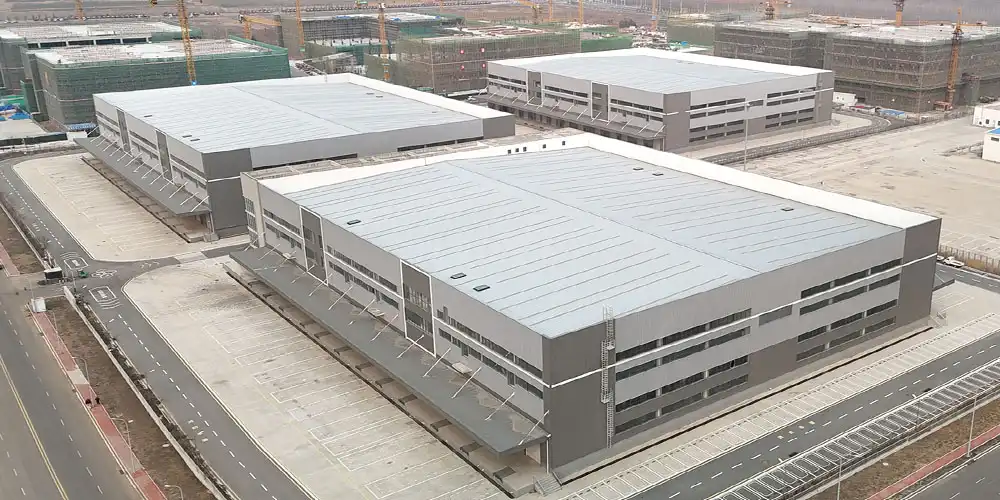
Partner with DFX for Your Next Steel Structure Project
Whether your project demands temporary flexibility or permanent infrastructure, Director Steel delivers engineered solutions backed by 12 years of international project experience. Our technical team assists with design optimization, material specification, and installation planning for construction contractors, manufacturing companies, and agricultural operations worldwide. As a reliable temporary construction shed manufacturer, we support project success from initial concept through final erection. Contact our engineering team at jason@bigdirector.com to discuss your specific requirements and receive detailed technical proposals within 48 hours.
References
1. Steel Construction Institute, "Comparative Analysis of Temporary and Permanent Steel Structure Performance Under Varied Loading Conditions," Journal of Structural Engineering Applications, 2022
2. International Code Council, "Building Code Requirements for Temporary Structures in Commercial and Industrial Applications," ICC Publications, 2021
3. Construction Industry Research Association, "Lifecycle Cost Analysis of Portable versus Fixed Industrial Buildings," Annual Technical Report, 2023
4. Agricultural Engineering Society, "Structural Requirements for Livestock Housing and Storage Facilities," Industry Standards Publication, 2022
5. Project Management Institute, "Asset Optimization Strategies for Project-Based Construction Procurement," PMI Research Papers, 2023
6. Manufacturing Technology Association, "Infrastructure Planning for Production Facility Expansion: Decision Framework and Case Studies," MTA Industry Guide, 2022
Learn about our latest products and discounts through SMS or email