- English
- French
- German
- Portuguese
- Spanish
- Russian
- Japanese
- Korean
- Arabic
- Greek
- German
- Turkish
- Italian
- Danish
- Romanian
- Indonesian
- Czech
- Afrikaans
- Swedish
- Polish
- Basque
- Catalan
- Esperanto
- Hindi
- Lao
- Albanian
- Amharic
- Armenian
- Azerbaijani
- Belarusian
- Bengali
- Bosnian
- Bulgarian
- Cebuano
- Chichewa
- Corsican
- Croatian
- Dutch
- Estonian
- Filipino
- Finnish
- Frisian
- Galician
- Georgian
- Gujarati
- Haitian
- Hausa
- Hawaiian
- Hebrew
- Hmong
- Hungarian
- Icelandic
- Igbo
- Javanese
- Kannada
- Kazakh
- Khmer
- Kurdish
- Kyrgyz
- Latin
- Latvian
- Lithuanian
- Luxembou..
- Macedonian
- Malagasy
- Malay
- Malayalam
- Maltese
- Maori
- Marathi
- Mongolian
- Burmese
- Nepali
- Norwegian
- Pashto
- Persian
- Punjabi
- Serbian
- Sesotho
- Sinhala
- Slovak
- Slovenian
- Somali
- Samoan
- Scots Gaelic
- Shona
- Sindhi
- Sundanese
- Swahili
- Tajik
- Tamil
- Telugu
- Thai
- Ukrainian
- Urdu
- Uzbek
- Vietnamese
- Welsh
- Xhosa
- Yiddish
- Yoruba
- Zulu
Steel Building Designs for Commercial Spaces
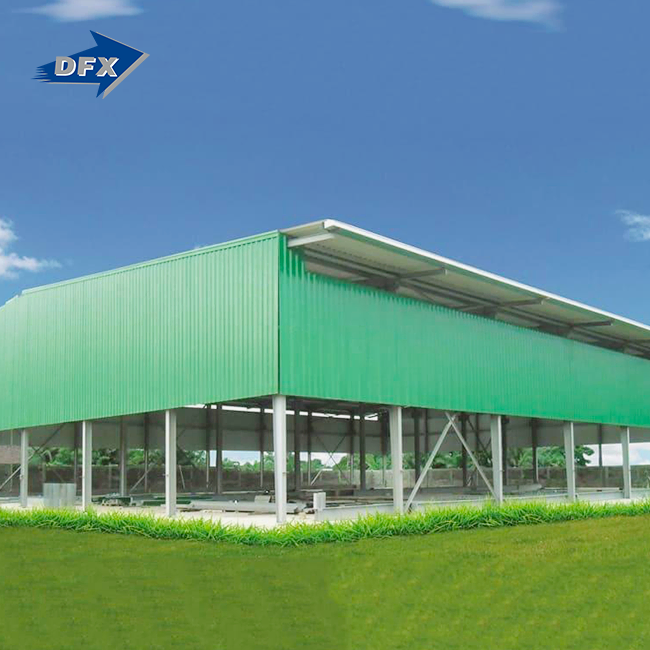
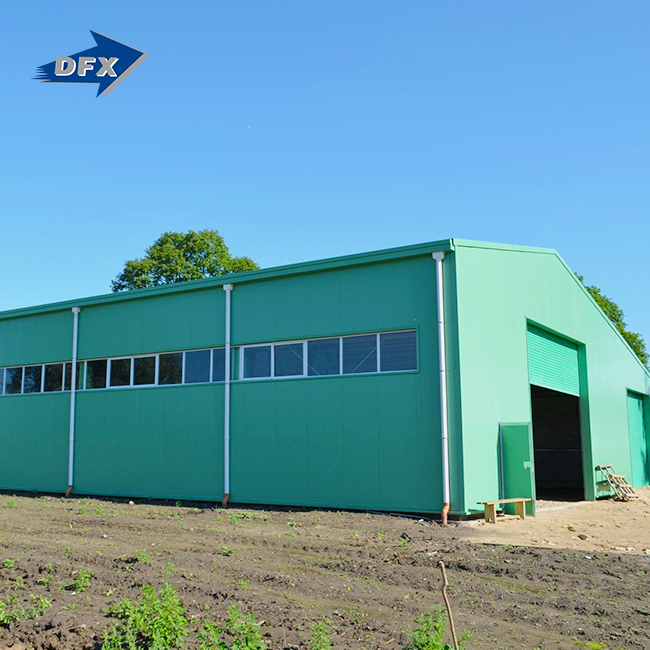
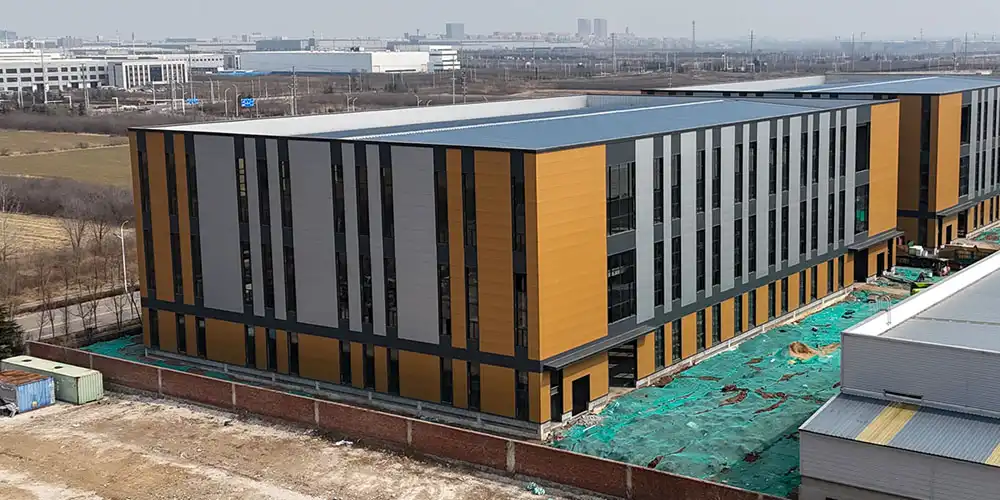
The structural system used for a contemporary corporate building project may determine its budget and long-term performance. Steel building designs for commercial spaces are popular among procurement managers, project engineers, and EPC builders who desire sturdy, low-cost choices. Steel structure office buildings demonstrate this modern technology. Strong steel beams and columns form the major load-bearing system of this prefabricated construction. This structure is ideal for corporate offices, administrative buildings, and business centres since it is quicker to construct, earthquake-resistant, and versatile. Modern curtain walls or metal panel faces, Q235 or Q355 steel column-beam frameworks, and composite floor systems are typical of these structures. They all satisfy ISO9001 and CE requirements.
Understanding Steel Structure Office Buildings
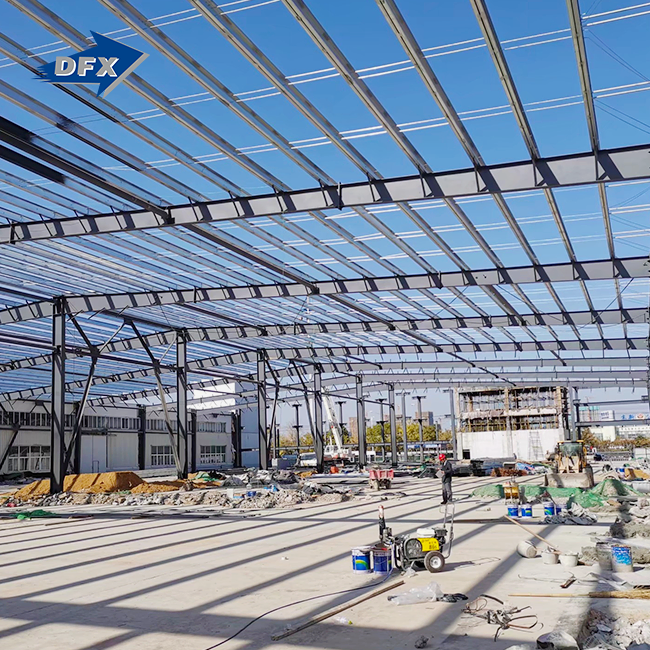
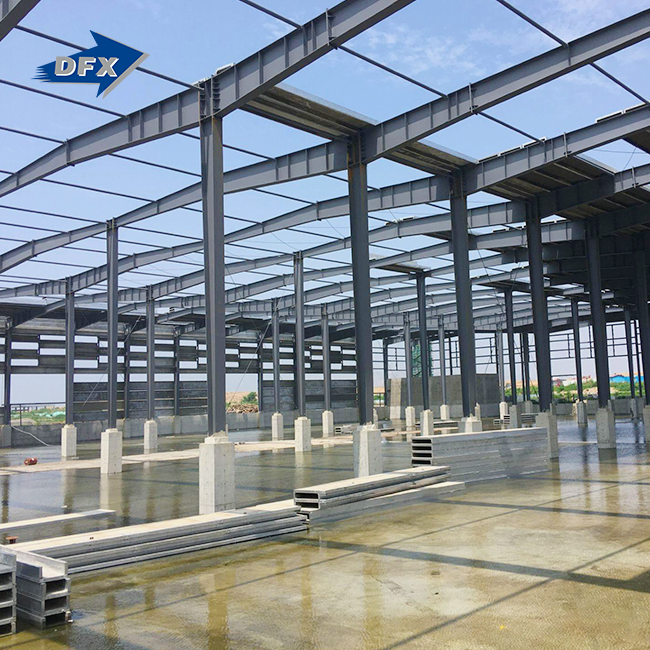
Today's businesses value efficiency, durability, and design flexibility. Steel-structure office buildings meet these demands with designed frames that employ prefabricated steel pieces instead of reinforced concrete. H-beams, box columns, and lattice girders provide a sturdy, earthquake-proof framework for contemporary facade systems and composite floor decks.
What Makes Steel Structures Different from Conventional Buildings
Because concrete cures faster, steel-framed commercial structures save project timeframes by 30 to 50%. This speed advantage helps construction businesses achieve tight deadlines for commercial centres, transportation warehouses, and industrial operations. Because lower dead loads need less underpinning, the high strength-to-weight ratio drastically reduces foundation expenses. These buildings feature large, column-free interior spans that allow for open floor layouts that can adapt to changing operational demands, making them ideal for expanding manufacturing companies.
Key Structural Components and Material Standards
High-quality steel-framed office buildings employ Q355B or ASTM A572 Grade 50 steel to yield strengths above 345 MPa. Before arriving at the construction site, items undergo tight factory-controlled production procedures to ensure proper size and welds. Apply hot-dip galvanisation with 275g/m² coverage or high-performance epoxy coatings to the surface. These treatments defend against corrosion in various weather conditions. To manage wind and earthquake horizontal loads, structural systems employ moment-resisting and braced frames.
Design Flexibility for Commercial Applications
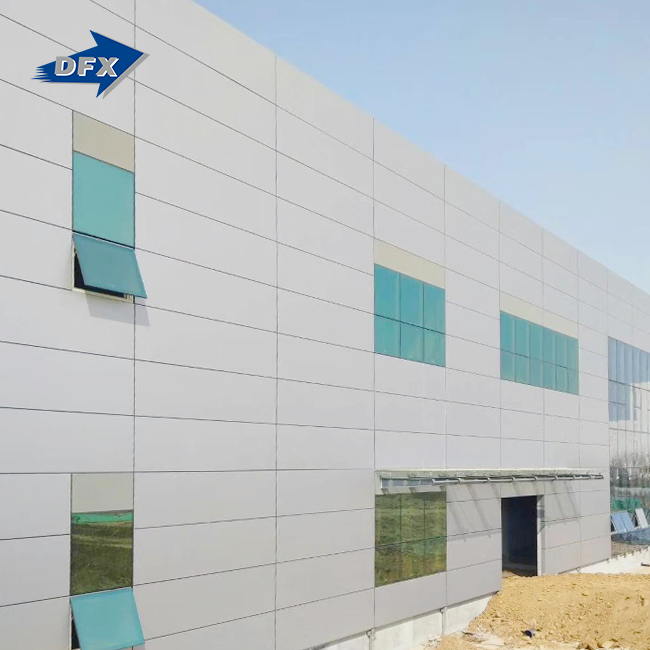
Steel frames allow architects to develop corporate offices, executive towers, and business centres freely. Different configurations with one or more storeys might match the space and company. Curtain wall systems or metal panel facades integrate into the steel frame, displaying your design while strengthening the structure. Companies may reorganise their workplaces without making costly structural improvements since there are no load-bearing walls.
Environmental and Economic Advantages
Steel frames make a real difference in environmentally friendly building methods. The material can be recycled over and over again, which helps with LEED or BREEAM green building standards that are important to project partners who care about the environment. Industrialised production in controlled factories doesn't produce any waste on-site, which helps meet the growing legal demands for building debris. Long-term economic benefits include lower maintenance costs and longer service life. Steel offices that are well taken care of will stay functional and cost-effective for decades.
Steel Structure Office Buildings vs Traditional Construction Methods
When looking at business building choices, procurement managers often compare steel structure office buildings to alternatives made of concrete, brick, and wood. Knowing these differences helps building companies and EPC firms make smart choices that fit the needs of the project and the budget.
Structural Performance and Build Speed
When comparing strength to weight, a steel building is better than concrete or masonry methods. This mechanical advantage means that structural parts can be made of lighter materials and span longer distances, reducing the need for intermediate supports. Because the steel parts come prefabricated and ready for assembly, construction times are dramatically reduced. Concrete doesn’t need to cure for weeks or months, so projects like commercial office buildings can be completed faster. Project managers appreciate the accelerated schedule because it lowers financing costs and allows tenants to occupy the space sooner.
Lifecycle Cost Considerations
At first glance, steel may seem like a more expensive material than some other choices, but a full lifecycle study shows that it saves a lot of money in the long run. Total cost of ownership is good because foundation costs go down, building plans go faster, and maintenance needs go down. Steel structures don't have problems like insect damage, rot, bending, and cracks that settle, so they don't need as many repairs over the course of their useful life. Insurance rates are often lower for steel buildings because they are less likely to catch fire when they are coated properly.
Modular Construction Compatibility
Modular building methods are becoming more and more popular among manufacturing and farming businesses, and steel frames naturally go well with them. Steel frames and factory-built sections fit together well, taking advantage of the speed benefits of both methods. This collaboration is especially helpful for projects that need to be set up quickly, like adding on to chicken coops or building temporary offices for construction sites that are far away. Precision in the workshop makes sure that the bolt holes are lined up correctly and that the geometric tolerances match the building plans. This keeps expensive changes from having to be made on-site.
Energy Efficiency and Insulation Performance
Modern business buildings made of steel use advanced insulation techniques that are on par with or better than those used in older buildings. Composite wall systems that use sandwich panels with mineral wool or polyurethane bases are very good at keeping heat in. Engineering teams can choose R-values that are right for the temperature in a given area, from cold climates in the north to hot climates in the south. Concerns about thermal bridging are dealt with by using special connection details and insulated cladding systems. This makes sure that goals for the energy economy are met while also meeting predictions for running costs.
How to Build a Steel Structure Office Building: Step-by-Step Process
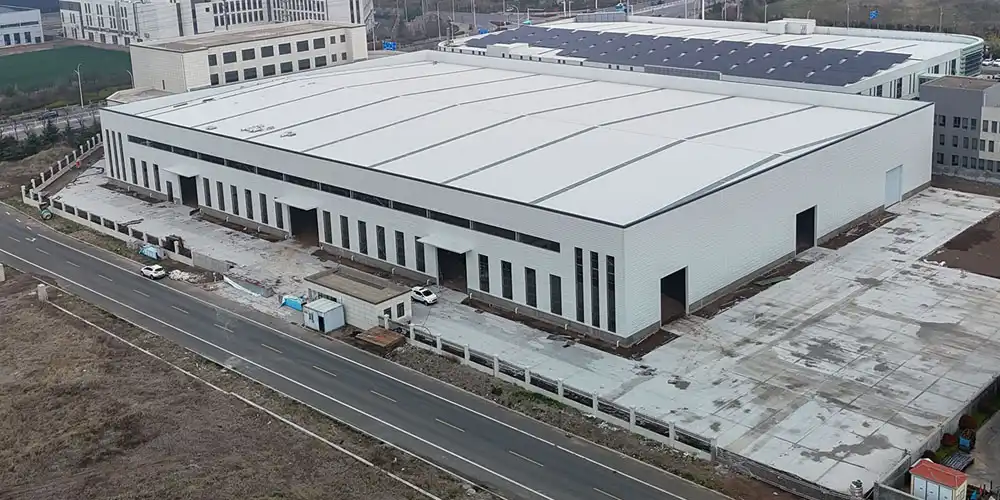
Construction engineers and procurement managers can do their jobs better if they know how steel-structure office building projects are put together from start to finish. This information makes it easier to make reasonable schedules, correct budgets, and maintain good relationships with suppliers.
Planning and Design Phase
The first step is a full review of the spot and an architectural schedule. Engineering leaders work with design teams to figure out things like office plans, loading capacities, how to connect mechanical systems, and how the building should look. During this step, the steel type is chosen. Q235 is good for normal uses, while Q355 is recommended for high-stress areas or seismic zones. Structural formulas make sure that the sizes of the frame members, the ways they are braced, and the details of how they are connected are in line with local building codes and foreign standards such as AISC 360 or Eurocode 3.
Cost Estimation and Budget Development
Accurate cost estimates take into account the cost of materials, the work needed to make them, the difficulties of transporting them, and the assembly on-site. Forty to fifty per cent of the budget is usually set aside for steel materials and manufacturing, twenty to twenty-five per cent for foundation work, fifteen to twenty per cent for installation labour, and the rest of the money goes to design finishes, mechanical systems, and backup plans. Schedules are affected by delivery times; making standard parts can take 8 to 12 weeks, and making special engineering solutions could take up to 16 weeks.
Supplier Qualification and Procurement
Finding qualified steel structure makers is an important step in the buying process. Suppliers' skills are judged on a number of factors, including whether they have ISO9001 quality management certification, whether their products comply with CE marking requirements, how much they can manufacture, how advanced their equipment is, and whether they have worked on similar projects in the past. Turnkey solutions from suppliers that include structure design, steel manufacturing, building materials supply, and installation support make it easier to coordinate projects and lower the risks that come up when working with multiple contractors.
Manufacturing and Quality Assurance
In controlled workshop settings with automatic welding lines, CNC drilling equipment, and precise cutting machines, parts are put together. Non-destructive testing methods, like ultrasonic testing and magnetic particle inspection, are used in quality control processes to find problems with welds. Before shipping, the dimensions of major structure parts are checked by putting them together for the first time. Surface treatments are applied and inspected to ensure they meet the requirements for dry film thickness. This guarantees that the fireproofing and anti-corrosion coatings meet the required longevity standards, which is especially important for multi-story steel-frame office buildings exposed to varied environmental conditions.
Onsite Assembly and Installation
Steel parts are already made when they get to the building site, and they are clearly marked to show how to put them together. Mobile cranes are used by erection teams to place columns and beams according to shop models and erection plans. Torque values are set for bolt joints, and they are checked to make sure they are properly engaged. The skeletal frame is usually finished in a few weeks instead of months, which lets the trades quickly start work on the roof, the siding, and the internal fit-out. Installing the product correctly depends on following the manufacturer's instructions, which cover situations in the field that need small changes.
Maintenance and Longevity of Steel-Structure Office Buildings
Long-term success and return on investment rely a lot on how well maintenance is done and how long-lasting the steel structure office building construction systems are in general.
Structural Durability and Environmental Resistance
When properly designed, steel office buildings are very strong and can withstand a wide range of weather conditions. It is possible to get magnitude 8 scores for seismic resistance by carefully designing moment frames and braced configurations that allow controlled ductile displacement to happen during earthquakes. The wind load capacity is based on the needs of the area, and the structure can't bend more than L/400 or to tighter standards to protect fragile curtain-wall systems. Steel parts don't change size when the temperature changes, unlike wood or concrete, which warps or cracks when the temperature changes.
Routine Maintenance Requirements
Preventive maintenance plans keep buildings working well and make them last longer than what was expected when they were first built. Every year, inspections check the connections, the state of the coating, and the draining system's ability to work. Corrosion control focuses on weak spots where water can gather, like where the roof meets the base or where mechanical equipment is connected. Touch-up painting fixes small flaws in the coating before they expose the steel below and cause rust to spread. These simple steps don't cost as much as the structural fixes that are often needed on old concrete or brick buildings.
Lifecycle Performance Documentation
Agricultural businesses that run chicken coops and manufacturing businesses that run production workshops have shown that steel structures can last longer than 30 years with regular care. These case studies show how important trust is when making decisions about big purchases that will cost a lot of money. Because steel ages in a way that can be predicted, facility managers can correctly plan their upkeep budgets. This way, they can avoid the unexpected repair costs that come up with older building types.
Choosing the Right Steel Structure Office Building Supplier and Brand
The choice of supplier has a direct effect on the project's results, touching everything from the accuracy of the design and the quality of the fabrication to the reliability of shipping and helping with the installation of a steel structure office building.
Certification Standards and Quality Benchmarks
Professional buyers put a high value on sellers who have ISO9001 quality management systems and offer CE-marked goods that meet European standards. Extra certificates like COC (Certificate of Conformity) and PVOC (Pre-Export Verification of Conformity) show that the company can do business in other countries. Design that follows local building codes, like the International Building Code (IBC) in the US or regional versions, makes sure that the approval process goes easily and that expensive engineering changes aren't needed.
Manufacturing Capabilities and Capacity
Looking at a supplier's production sites shows how well they can handle the size and complexity of a project. Advanced makers run a number of automatic welded H-beam lines, steel production equipment for C/Z sections, and systems for making sandwich panels. Annual capacity measures, like 20,000 tonnes of welding beams and columns or 50,000 square metres of insulated panels, show if the seller can handle the size of the project without putting delivery times at risk. Having building design and finishing services done in-house is valuable because it helps customers with their projects from the beginning (idea) to the end (installation).
Customisation, Flexibility and Technical Support
Suppliers who offer engineering customisation instead of just basic catalogue items are good for construction contractors and EPC firms. Capable makers are different from basic component sellers because they can change structural systems to fit different site conditions, combine certain mechanical systems, or meet specific aesthetic needs. Installation help and expert support during construction keep projects on track and on budget by reducing problems in the field.
Geographic Considerations and Sourcing Strategy
When deciding between local and foreign sources, you have to look at more than just the unit price. Chinese companies have built strong names in the production of steel structures by offering reasonable prices, having a lot of production capacity, and raising quality standards. The people in charge of buying things should look at the total landed costs, which should include shipping, customs taxes, and the effects on the project timeline. Suppliers who know how to handle foreign transportation can make planning go more smoothly, especially for big projects that need to ship things in more than one step.
U.S. building companies and EPC firms look for manufacturers that meet the professional standards set by Qingdao Director Steel Structure Co., Ltd. Director Steel has been specialising in business buildings, aeroplane hangars, and industrial facilities for more than 12 years. They have 40,000 square meters of working space and more than 200 trained workers. Six automatic welded H-beam lines and other tools work together to make 20,000 tonnes of main structural parts every year. International standards are met thanks to ISO quality control and CE approval. The company's integrated approach, which includes architectural design, structural calculations, manufacturing, and installation advice, meets the need for a turnkey solution that project managers often want because they want to be responsible to only one source.
Conclusion
Building plans made of steel have changed business construction by making it faster, cheaper, and better at lasting for a long time. Steel structure office buildings are perfect for construction companies, manufacturing firms, and infrastructure project managers who need solid options for their corporate offices, executive buildings, and business centres. Forward-thinking procurement professionals choose steel buildings because it is built precisely, can withstand earthquakes, can be designed in a variety of ways, and is good for the environment. The choice of supplier has a big impact on how well the project turns out, so it's important to carefully look at their manufacturing skills, quality certifications, and expert help before making a decision.
FAQ
1. How long does steel-structure office building construction typically take?
Construction times depend on the size and complexity of the project, but in general, steel buildings are 30 to 50 per cent faster to finish than similar concrete buildings. It takes 8 to 12 weeks to make a standard 5,000-square-metre office building out of steel, 3 to 4 weeks to put up the structure, and more time for design finishes and mechanical systems. Usually, the whole project takes between 6 and 10 months, from the end of the planning phase to moving in. This is shorter than the 12 to 18 months needed for traditional building.
2. Are steel office buildings suitable for cold-climate regions?
When built with the right insulation methods, modern steel buildings work great in cold places. Composite wall panels with high R-value cores stop thermal bridging, and engineering teams choose insulating thicknesses that meet the needs of each area. In northern U.S. states, buildings usually have insulated panels that are 6 inches thick or more, air barriers, and internal finishing systems that keep working conditions comfortable while keeping heating costs low.
3. How do steel building costs compare to traditional construction?
At first, steel materials may be 5 to 15 per cent more expensive than options like concrete or masonry. However, overall project costs are often cheaper because the building goes faster, which lowers finance costs and site overhead. Lifecycle cost analysis shows big benefits like lower insurance rates, less upkeep, and fewer repair costs. For business office uses, this usually means a good return on investment within 8 to 12 years.
Partner with DFX for Your Commercial Steel Building Needs
Director Steel Structure Co., Ltd. (DFX) is ready to help you with your next business building project by providing complete steel structure office building options. Our production skills include designing and building layouts, figuring out structures, making precise parts, and helping with installation. This gives project managers the turnkey solution they want. We can handle jobs ranging from single-storey business centres to multi-storey company headquarters every year because we can weld more than 20,000 tonnes of H-beams and columns. ISO9001 and CE certifications make sure that the quality meets foreign standards, and following U.S. building rules makes sure that the permitting process goes smoothly. Get in touch with our team at jason@bigdirector.com to talk about your needs with an experienced steel structure office building source that is dedicated to delivering on time and providing excellent planning.
References
1. American Institute of Steel Construction. (2016). Steel Construction Manual, 15th Edition. Chicago: AISC.
2. Trahair, N.S., Bradford, M.A., Nethercot, D.A., & Gardner, L. (2017). The Behaviour and Design of Steel Structures to EC3, 5th Edition. London: Taylor & Francis.
3. Geschwindner, L.F. (2011). Unified Design of Steel Structures, 2nd Edition. Hoboken: John Wiley & Sons.
4. Salmon, C.G., Johnson, J.E., & Malhas, F.A. (2009). Steel Structures: Design and Behaviour, 5th Edition. Upper Saddle River: Pearson Education.
5. Newman, A. (2004). Metal Building Systems: Design and Specifications, 2nd Edition. New York: McGraw-Hill Professional.
6. Duggal, S.K. (2010). Design of Steel Structures, 3rd Edition. New Delhi: Tata McGraw-Hill Education.
Learn about our latest products and discounts through SMS or email