- English
- French
- German
- Portuguese
- Spanish
- Russian
- Japanese
- Korean
- Arabic
- Greek
- German
- Turkish
- Italian
- Danish
- Romanian
- Indonesian
- Czech
- Afrikaans
- Swedish
- Polish
- Basque
- Catalan
- Esperanto
- Hindi
- Lao
- Albanian
- Amharic
- Armenian
- Azerbaijani
- Belarusian
- Bengali
- Bosnian
- Bulgarian
- Cebuano
- Chichewa
- Corsican
- Croatian
- Dutch
- Estonian
- Filipino
- Finnish
- Frisian
- Galician
- Georgian
- Gujarati
- Haitian
- Hausa
- Hawaiian
- Hebrew
- Hmong
- Hungarian
- Icelandic
- Igbo
- Javanese
- Kannada
- Kazakh
- Khmer
- Kurdish
- Kyrgyz
- Latin
- Latvian
- Lithuanian
- Luxembou..
- Macedonian
- Malagasy
- Malay
- Malayalam
- Maltese
- Maori
- Marathi
- Mongolian
- Burmese
- Nepali
- Norwegian
- Pashto
- Persian
- Punjabi
- Serbian
- Sesotho
- Sinhala
- Slovak
- Slovenian
- Somali
- Samoan
- Scots Gaelic
- Shona
- Sindhi
- Sundanese
- Swahili
- Tajik
- Tamil
- Telugu
- Thai
- Ukrainian
- Urdu
- Uzbek
- Vietnamese
- Welsh
- Xhosa
- Yiddish
- Yoruba
- Zulu
Steel Aircraft Hangar Solutions for Modern Aviation Facilities
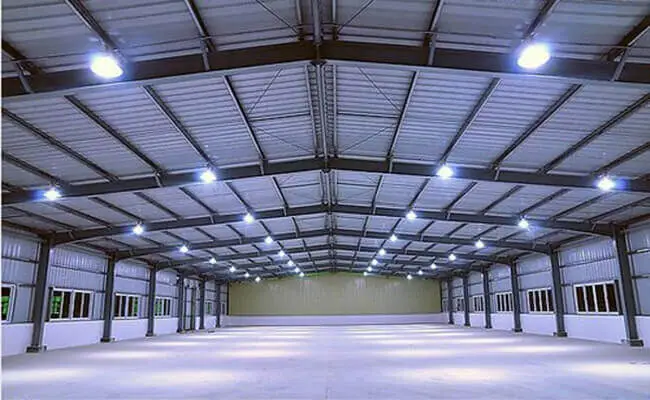
Modern steel aviation hangars address the increasing requirement for secure aircraft storage and maintenance. High-strength welded H-section steel frames and improved bracing systems provide spacious, column-free interior spaces for aircraft of various sizes in a steel structure hangar. These pre-engineered construction systems are carefully produced in contemporary facilities. They have unmatched structural integrity, fast installation, and designs that can be customised for corporate airports, military installations, and private aircraft operations worldwide.
Understanding Steel Structure Hangars: Design, Benefits, and Construction
Aviation infrastructure must balance structural strength and operational agility. Modern steel hangars meet these criteria with improved construction methods that prioritise safety and speed.
Fundamental Components and Aviation Applications
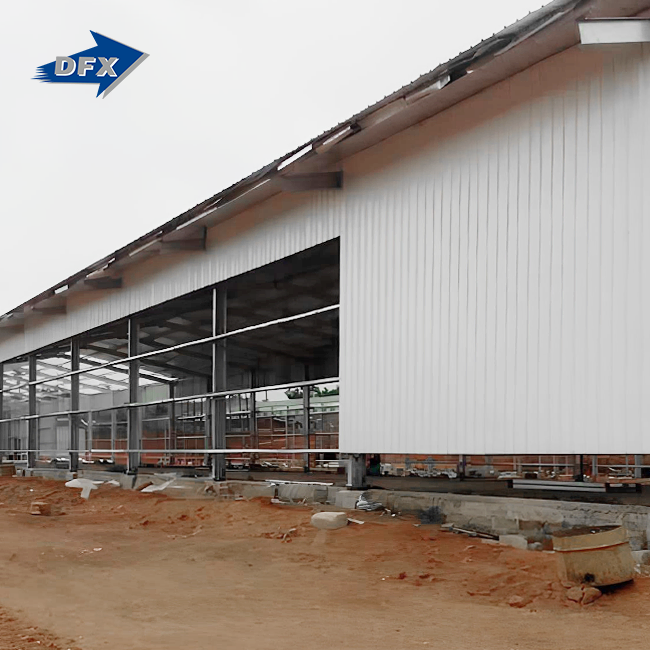
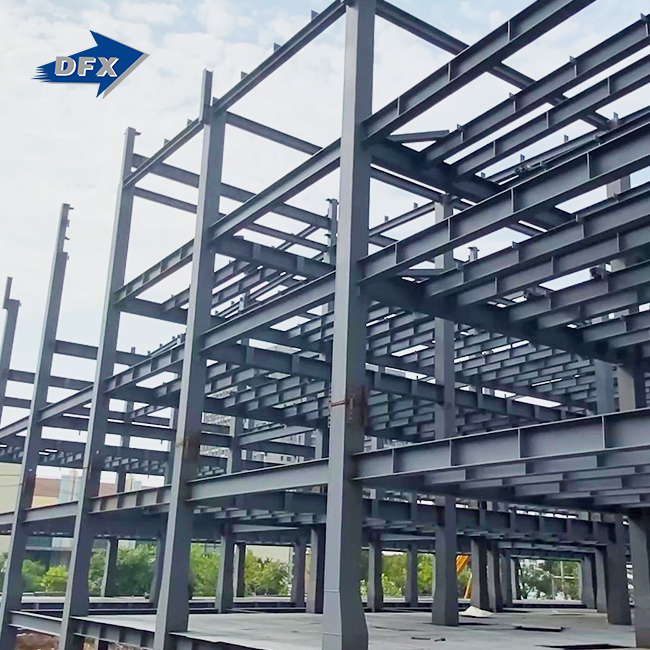
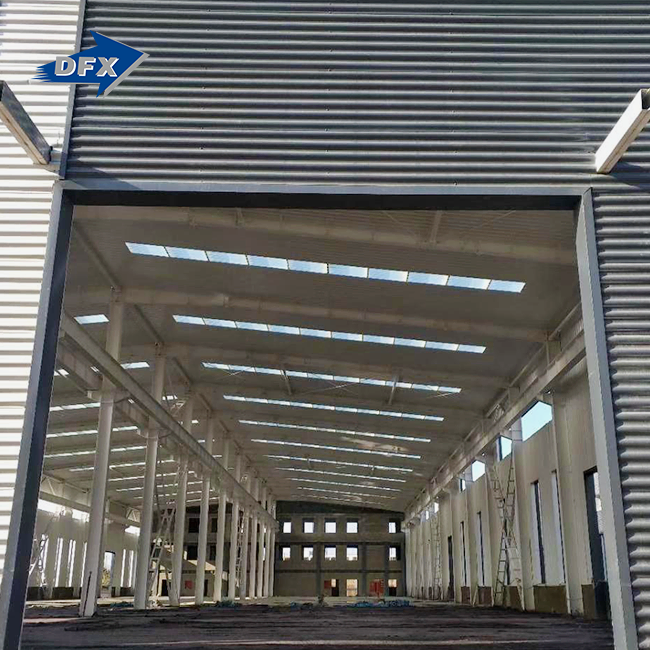
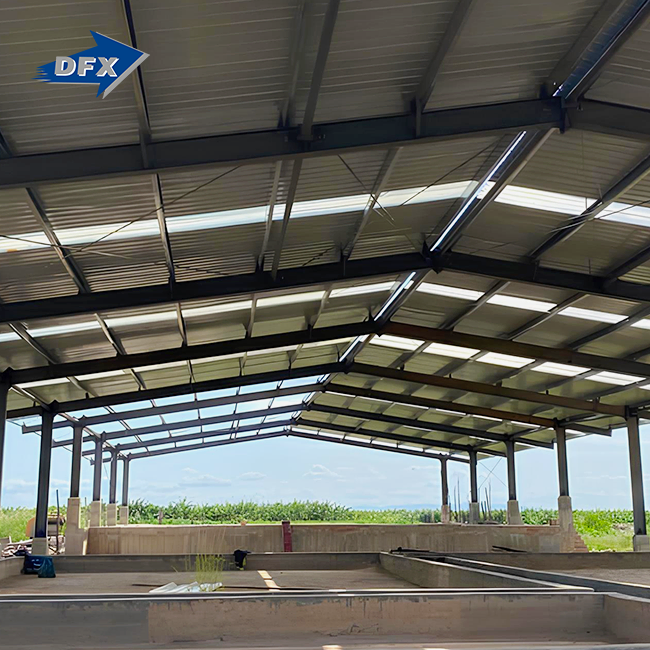
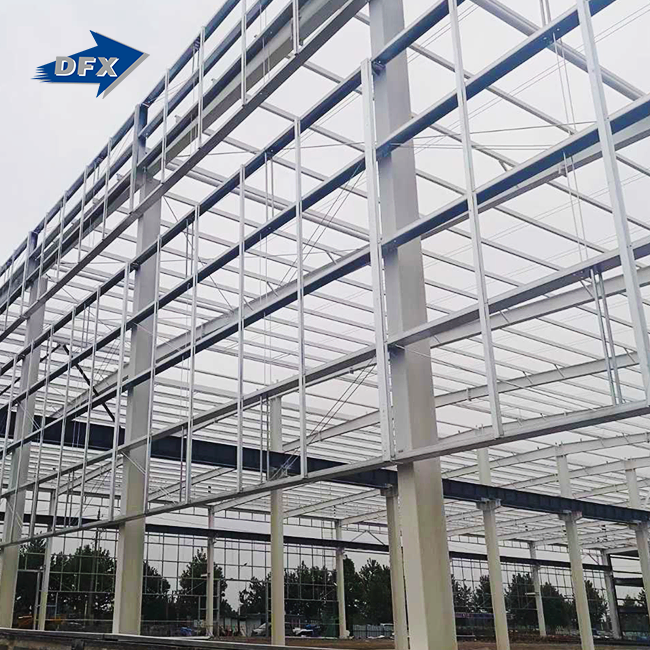
Pre-engineered steel hangars are built using welded H-section steel supports and beams, C/Z-section purlins, and high-strength side bracing. Without poles, this configuration creates distinct gaps from 30 to over 100 meters. It provides aircraft space to manoeuvre and fly. The building's shape makes it appropriate for commercial airline maintenance facilities, helicopter operations centers, private aircraft storage, and military defence sites. Quality structural steel like Q355B or ASTM A572 Gr. 50 has an excellent weight-to-strength ratio and bending strength above 345 MPa.
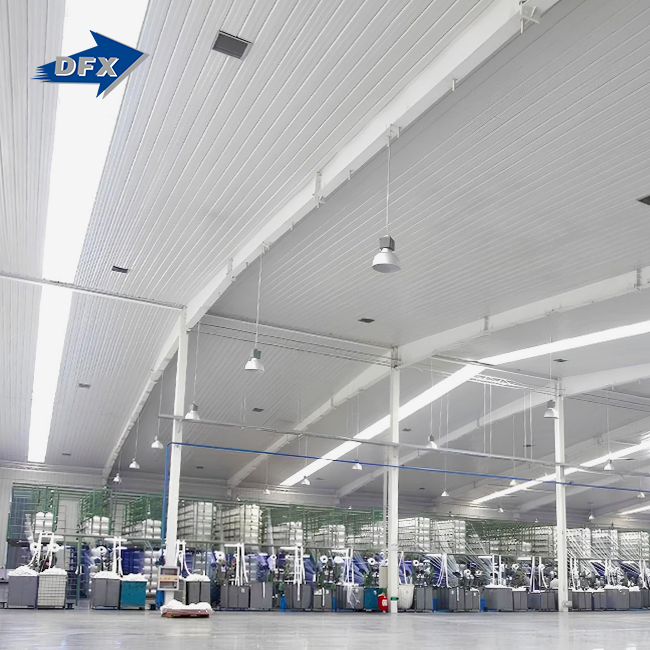
Buildings may be utilised for more than storage. High bridge cranes that lift 5 to 10 tonnes, FAA-compliant lighting, and NFPA 409 fire control systems are used in aeroplane maintenance facilities. Roof supporting structures house mechanical equipment, airflow ducts, and insulation layers to maintain a comfortable temperature for fragile electronics.
Design Principles Optimizing Load Capacity and Space
Engineers consider dead loads from structural elements, live loads from maintenance equipment, wind loads of above 140 km/h at airfields, and snow buildup in northern regions when designing aeroplane hangars. For roof members, structural analysis software replicates beam link stress distribution and confirms that bending maintains permitted limits below, generally span/360.
Understanding operations is the first step to space optimisation. Hangar layouts include rooms for parts storage, tool stations, and administrative offices, as well as access doors for fast aircraft taxiing. Due to strengthened jamb elements that can withstand numerous operation cycles, bi-fold, hydraulic sliding, and vertical lifting door systems fit flawlessly into structural frames. The minimum clear height is 8–25 meters, but may be greater or lower depending on aircraft tail height. Overhead service platforms have more space.
Insulation integration is another design consideration. Sandwich panel systems with steel sides and polyurethane or mineral wool cores provide R-16–R-30 heat resistance. This reduces heating and cooling costs and prevents aircraft condensation. You must balance thermal performance, local temperature, and budget while picking panels.
Construction Process and Prefabrication Advantages
Controlled factories are used for production, and automatic welding machines make sure that H-beam assemblies meet the requirements of AWS D1.1 structural welding rules. Six automatically welded H-beam production lines working at the same time can produce close to 20,000 tons of steel each year. Parallel C/Z section steel lines and sandwich panel production facilities make sure that the whole building envelope is made under a single quality management system that is certified to ISO 9001 standards.
Parts are delivered to the site pre-cut, drilled, and painted. This reduces reliance on weather-sensitive field manufacturing, which can delay progress and compromise quality. Erection teams follow detailed assembly plans to bolt prefabricated pieces together, allowing the structural frames of a helicopter shelter to be completed in weeks rather than months, as is typical with traditional construction methods. This accelerated timeline lowers financing costs, minimizes operational disruption at active airfields, and speeds up the return on infrastructure investments.
During manufacturing, quality control measures are put in place to make sure that important welds are tested with ultrasound waves, that dimensions are accurate to within 1/1000 of the length of the member, and that the thickness of the anti-corrosion coating meets the requirements. These strict checking steps keep problems from happening during field fit-up and make sure that the structure will work well for a long time.
Comparing Steel Hangars Against Alternative Materials: Making the Right Choice
The choice of material has a big effect on both the original cost of cash and the costs of running the business over its lifetime. To make smart choices about what to buy, you need to objectively compare the performance traits of the different options you have.
Structural Strength and Maintenance Comparison
Concrete hangars are very good at keeping out fires and blocking noise, but they need very strong foundations and take a long time to build—often more than twelve months. The compression strength of concrete is good for uses with vertical loads, but it can be hard to span long distances without any supports in between. Maintenance includes checking the reinforcements for rust and fixing cracks from time to time.
The starting prices of fabric structures are low, and the clear panels let in natural light. However, membrane materials break down when exposed to UV light and need to be replaced every 15 to 25 years. They also don't provide much shielding, so extra temperature control systems are needed. Wind resistance is still lower than that of fixed frame systems, which means they can't be used in seaside areas with a lot of wind.
Wood framing worked well for aviation in the past, but current building rules don't allow it because it poses fire and insect risks. Aluminum frames are lighter than steel ones, but they are not as strong for their weight, and they cost more to make. Galvanic rusting can happen when aluminum comes into contact with metals that are not the same, which makes connection details more difficult.
Steel buildings are strong, last a long time, and don't cost a lot of money. Steel frames that are well taken care of usually last longer than 50 years. To protect them from rust, they can be hot-dip galvanized at 600 g/m² or coated with epoxy zinc-rich bases and polyurethane topcoats that have dry film thicknesses greater than 120 micrometers. Maintenance mostly includes cleaning and checking the torque on the bolts on a regular basis, not replacing essential parts.
Cost Implications and Fire Resistance Analysis
The initial cost of a steel hanger is usually between $80 and $150 per square foot, but this depends on the clear span width, the site, and how much customization is needed. Compared to concrete buildings, which often cost more than $200 per square foot, this is a good deal. At first, cloth buildings may cost $40 to $60 per square foot, but the cost of replacements makes the total cost of ownership higher.
Improvements to fire protection include intumescent coatings that expand when exposed to heat, keeping steel parts warm and able to hold their own weight during fires. Fire rules say that these coverings can stand up to fires for one to three hours. Adding smoke-exit fans and automatic sprinkler systems to fire protection plans makes them complete and meets NFPA standards for airplane hangars.
Energy efficiency comes from things like continuous insulation that stops thermal bridging, reflective roof coatings that stop sun heat gain, and airtight building that stops air from leaking out. Operational data from finished projects shows that insulated metal buildings have 30 to 40 percent lower heating and cooling costs than uninsulated metal buildings. This justifies the slightly higher cost of insulated panels by saving money on utilities.
Procurement Guide: Finding and Financing the Ideal Steel Aircraft Hangar
To successfully buy a hangar, you need to carefully consider the needs of the building, the abilities of the suppliers, and the financial structures that can handle big expenses.
Essential Specifications and Procurement Criteria
Assessing the number of planes is the first step in setting hangar requirements. Write down the length, width, and height of the fuselage, as well as the added safety gaps for moving, for all airplanes that need to be accommodated. This sets the minimum clear span and door opening size. When planning the size of buildings, keep future fleet growth in mind so that they don't become obsolete too soon.
Operational needs affect design elements such as the number and placement of staff doors, the placement of windows for natural lighting, the number of offices and bathrooms, the amount of utility service that can be provided, and the floor loading requirements if heavy repair equipment or fuel trucks will be working inside. The elements of the site affect the design of the foundation. Soil holding capacity tests show whether shallow spread footings are enough or deep pilings are needed.
Pricing Models and Total Cost of Ownership
Standard quotations for aircraft hangars typically cover the steel frame, roof and wall panels, trim and flashing, bolts and seals, and shipping to the nearest port. Foundation work, utility connections, interior finishes, doors and windows, and erection labor are usually excluded unless a full turnkey delivery is requested.
Customizations that change the price include better insulation, higher-quality wall finishes, unique door systems, the inclusion of a crane runway, mezzanine platforms, and extra buildings connected to the main structures. When you ask for detailed prices, you can do value engineering to find ways to save money without sacrificing functionality.
Supplier Certifications and After-Sales Support
Steel hangar makers with a good reputation keep licenses that show they follow international safety and quality standards. Getting ISO 9001 certification means that quality management systems have been put in place to oversee the planning, purchasing, production, and shipping processes. By testing and documenting, getting a CE mark means that a product meets European health, safety, and environmental protection standards. Extra certificates like COC (Certificate of Conformity) and PVOC (Pre-Export Verification of Conformity) make it easier to get goods through customs in African markets.
Support after the sale is what sets one provider apart from others that are competing on similar technical specs. Support that covers everything includes structural calculations that check designs against local building codes, customized engineering drawings that change standard configurations to fit the needs of the site, fabrication progress reports with photos to show what's happening, installation guidance with step-by-step instructions and technical help, and warranty coverage for any problems that happen during the manufacturing process. Setting clear lines of contact and reaction times can help avoid costly project delays.
Optimizing Steel Hangar Performance: Durability, Maintenance, and Longevity
To keep infrastructure investments safe, you need to plan ahead for upkeep and choose materials that will last in harsh environments.
Climate Influences and Durability Factors
The salty air near the coast makes corrosion very difficult, so defensive layers need to be stronger. In coastal environments, hot-dip galvanization is better at resisting corrosion than paint systems. However, it has higher starting costs that need to be weighed against the benefits over the product's lifetime. Another option is to use epoxy finishes made for marine use and do regular inspections and touch-up upkeep to get good results at a lower initial cost.
In desert areas, buildings are exposed to huge changes in temperature, strong UV rays that damage organic coatings, and wind-blown sand that wears away protective finishes. Light-colored coats that reflect light reduce thermal expansion stress, and UV-resistant formulas make it possible to paint more often. Sand gets into joints that aren't sealed, which speeds up the wear on moving door parts.
Preventive Maintenance Strategies
Every six months, there should be a routine checkup that checks the structure for loose bolts, the coatings for rust spots or flaking, the roof panels for missing fasteners or sealant wear, and the door action for parts that are out of place or broken. Documentation with dated photos shows how the state changes over time, which helps decide which repairs are most important.
Cleaning drains and downspouts to keep water from building up, lubricating door hinges and track systems, tightening connection bolts to the right torque levels, and cutting back plants that are growing on foundations are all examples of preventative maintenance. Minor coating damage found during checks is fixed right away, which stops the damage from getting worse faster.
Future Trends and Innovations in Steel Aircraft Hangar Solutions
Aviation infrastructure is always changing because of new technologies, the need to be more environmentally friendly, and shifting business models that are determining the future of the industry.
Prefabrication and Modular Design Advancements
Automation in manufacturing improves accuracy while lowering the cost of labor. Robotic welding cells make regular welds that meet high-quality standards with little help from people. Computer-controlled cutting tools make the best use of materials, lowering the amount of waste to less than five percent. Building Information Modeling (BIM) software combines the planning, making, and building stages by creating detailed 3D models that coordinate the building's structure, architecture, and MEP (mechanical, electrical, and water) systems before the building is made.
With modular design, steel structure hangars can be assembled from standardized parts produced at scale, saving costs. Interchangeable modules allow multiple configurations from the same components, simplifying logistics and reducing engineering expenses. Built-in expansion features enable capacity growth without dismantling existing structures, providing operational flexibility.
Smart Building Integration and Sustainability
Smart building technologies make buildings run more efficiently and use less energy. Automated lighting systems change the amount of light depending on who is in the room and how much sunshine there is. This uses 40% less electricity than systems that are controlled by hand. Climate control systems that use smart thermostats and fans with changeable speeds keep the temperature cozy while cutting down on heating and cooling costs.
Structural health tracking tools constantly check how well a building is working and find problems that need to be looked into. Internet-connected devices send data to site management platforms, which show building systems in real time and send out alerts for planned repairs.
Sustainability efforts include photovoltaic solar panels that produce clean energy and balance out grid use. Rainwater harvesting systems catch runoff from roofs and use it for things other than drinking, like cleaning floors and watering plants. Using recycled steel in structure parts keeps things out of landfills and lowers the amount of carbon that is released into the atmosphere compared to making steel from scratch.
Conclusion
Steel airplane hangars are tried-and-true ways to meet the needs of flight facilities. They do this by using engineered systems that balance performance, cost, and environmental friendliness. When it comes to large clear-span options, faster construction times, and strong structural stability, pre-engineered steel buildings are the best choice for airport owners, military bases, and private aviation businesses. These infrastructure investments will last for decades and support organizational excellence thanks to careful supplier selection, thorough planning, and proactive upkeep strategies. As the flight industry grows around the world, steel hangar technology changes to keep up with changing needs. This is done through automation, flexible design, and smart building integration.
FAQ
1. What factors should influence my steel aircraft hangar choice?
The main specification is the clear span needed because of the size of the airplane. The second specification is the door configuration that works with operational processes. The weather affects the choice of finish, and the amount of insulation, and local building codes set the rules for design factors related to wind, snow, and earthquakes. Budget limits, time constraints, and plans for growth are some of the other factors that help decide which combinations are best.
2. How do steel hangar costs compare with other materials?
Steel buildings usually cost between $80 and $150 per square foot to install. This is in the middle range of prices, between inexpensive cloth buildings that cost $40 to $60 per square foot and concrete buildings that cost more than $200 per square foot. However, a lifetime cost study that takes into account upkeep, energy use, and replacement cycles often shows that steel is better than cloth choices, even though it costs a bit more at first.
3. What maintenance do steel hangars require?
The main upkeep tasks are checks every six months that look at coatings, links, and door systems. Touch-up painting fixes small rust problems before they get worse. Operating problems are avoided by checking the strength of the bolts and lubricating the door's parts. As long as they are well taken care of, steel hangars can last for 50 years, with painting being the main cost of upkeep.
Partner with DFX for Your Steel Structure Hangar Project
Aviation infrastructure needs precise planning and high-quality manufacturing, which DFX provides through its extensive service and proven knowledge. Our 40,000-square-meter ISO 9001-certified production facilities have six automatic welded H-beam lines that make 20,000 tons of steel every year. They are backed by modern C/Z section steel and sandwich panel manufacturing capabilities. We offer full turnkey solutions that include structural calculations, custom design that changes standard setups to fit your needs, precise manufacturing that meets CE and COC certification standards, and detailed installation instructions to make sure the project is finished successfully.
Over 200 skilled professionals add technical knowledge they've gained from working on hundreds of projects around the world, ranging from military helicopter bases to repair facilities for commercial airlines. Our in-house architectural design team works directly with project engineers and sourcing managers to turn practical needs into the best structural solutions. As a well-known steel structure hangar maker, we know how important it is to stick to the plan and keep the quality high to protect your investment.
Get in touch with jason@bigdirector.com right away to talk about your aviation building needs and get a full project plan with clear pricing, realistic timelines, and detailed specs. Find out why top airport operators and building companies trust DFX for steel airplane hangar options that are built to last.
References
1. American Institute of Steel Construction. (2016). Steel Construction Manual, 15th Edition. Chicago: AISC.
2. Federal Aviation Administration. (2019). Advisory Circular 150/5300-13B: Airport Design. Washington, D.C.: U.S. Department of Transportation.
3. Newman, Alexander. (2018). Pre-Engineered Metal Buildings: Design and Construction Practices. New York: McGraw-Hill Education.
4. National Fire Protection Association. (2021). NFPA 409: Standard on Aircraft Hangars. Quincy, MA: NFPA.
5. Trahair, N.S., and Bradford, M.A. (2017). The Behaviour and Design of Steel Structures to EC3, 5th Edition. London: CRC Press.
6. Wells, Alexander T., and Rodrigues, Clarence C. (2020). Commercial Aviation Safety, 6th Edition. New York: McGraw-Hill Education.
Learn about our latest products and discounts through SMS or email