- English
- French
- German
- Portuguese
- Spanish
- Russian
- Japanese
- Korean
- Arabic
- Greek
- German
- Turkish
- Italian
- Danish
- Romanian
- Indonesian
- Czech
- Afrikaans
- Swedish
- Polish
- Basque
- Catalan
- Esperanto
- Hindi
- Lao
- Albanian
- Amharic
- Armenian
- Azerbaijani
- Belarusian
- Bengali
- Bosnian
- Bulgarian
- Cebuano
- Chichewa
- Corsican
- Croatian
- Dutch
- Estonian
- Filipino
- Finnish
- Frisian
- Galician
- Georgian
- Gujarati
- Haitian
- Hausa
- Hawaiian
- Hebrew
- Hmong
- Hungarian
- Icelandic
- Igbo
- Javanese
- Kannada
- Kazakh
- Khmer
- Kurdish
- Kyrgyz
- Latin
- Latvian
- Lithuanian
- Luxembou..
- Macedonian
- Malagasy
- Malay
- Malayalam
- Maltese
- Maori
- Marathi
- Mongolian
- Burmese
- Nepali
- Norwegian
- Pashto
- Persian
- Punjabi
- Serbian
- Sesotho
- Sinhala
- Slovak
- Slovenian
- Somali
- Samoan
- Scots Gaelic
- Shona
- Sindhi
- Sundanese
- Swahili
- Tajik
- Tamil
- Telugu
- Thai
- Ukrainian
- Urdu
- Uzbek
- Vietnamese
- Welsh
- Xhosa
- Yiddish
- Yoruba
- Zulu
How to save on shopping mall construction with steel frame technology
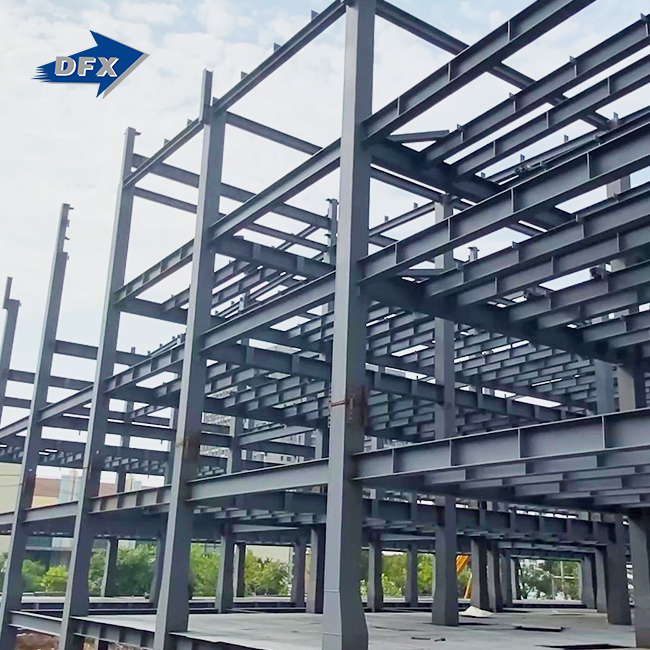
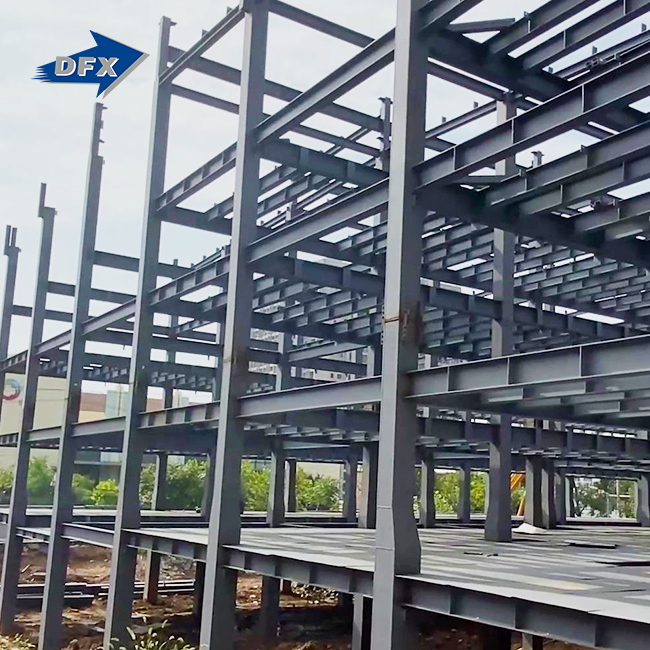
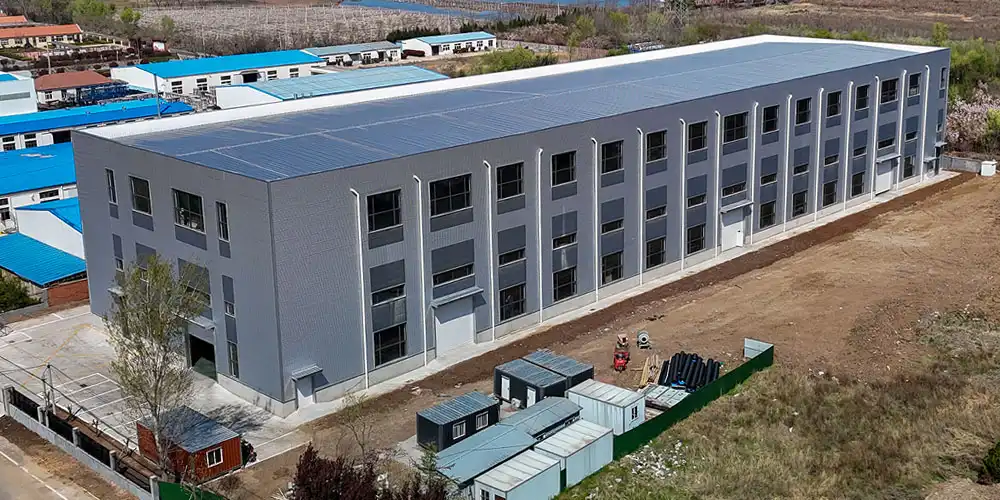
Building a retail complex is expensive, so project managers search for methods to save expenses without sacrificing quality. Steel structure shopping malls employ H-beams, box columns and lattice trusses instead of concrete to support the building. This technology reduces construction times by 30–50%, lowering labour costs and speeding product launch. Steel's excellent strength-to-weight ratio makes it appropriate for flexible store layouts' large clear spans. Foundations cost less because of their light weight. These advantages are becoming increasingly apparent to procurement specialists and construction builders developing corporate complexes. This makes steel frame technology ideal for mall developments on a budget.
Understanding the Cost Challenges in Traditional Shopping Mall Construction
When building a traditional shopping mall, there are always problems with money that make it hard to stick to budgets and deadlines. Concrete and brickwork are used a lot in traditional ways, but they require a lot of work and a long time to cure. Because of their nature, these features cause costs to rise and rise throughout the building process.
Material Expenses and Foundation Complexity
Building with concrete and bricks takes a lot of formwork, support steel, and long drying times, which means that crews have to stay on-site longer than with other building methods. Because these things are so heavy, they need strong foundations, which usually mean deep pilings or expensive dirt-stabilising measures. When the dirt is bad, base costs are especially high and can make up 15 to 20 per cent of the total cost of building. Weather delays make these costs even higher because rain and changes in temperature stop concrete pours and brickwork, making project timelines more unpredictable.
Labor Intensity and Schedule Overruns
To put together traditional buildings on-site, skilled workers must work in steps, such as pouring foundations, erecting walls, and putting up floor systems, with each step depending on the finish of the one before it. This straight method doesn't leave much room for activities to happen at the same time, which makes projects take longer and cost more to complete. Schedules that depend on the weather often get behind, which means that projects take longer than planned to finish, which can lead to fines or missed sales chances. Managers of business projects that use procurement know that these delays pose a big risk to the budget and need careful planning for what to do in case something goes wrong.
Limited Flexibility and Hidden Lifecycle Costs
Once the building is finished, traditional methods don't allow for much flexibility. Changing the design during building is expensive and takes a lot of time. Also, when the house is being renovated in the future, it needs to have invasive structural changes made. Over time, maintenance problems arise when concrete cracks, brickwork breaks down, and water gets inside and causes ongoing repair needs. The total return on investment for the project goes down because of these secret lifetime costs that add up over the life of a mall. Even though they are experienced and have established supply lines, project engineers are becoming more and more unsure about whether traditional methods provide the best long-term value.
How Steel Frame Technology Addresses Key Construction Cost Issues
Steel frame systems have major benefits that directly address the cost problems that come with standard buildings. In this method, lightweight, high-strength steel is used instead of heavy brickwork and concrete. This changes both the way the building is built and how it works.
Prefabrication and Accelerated Construction Timelines
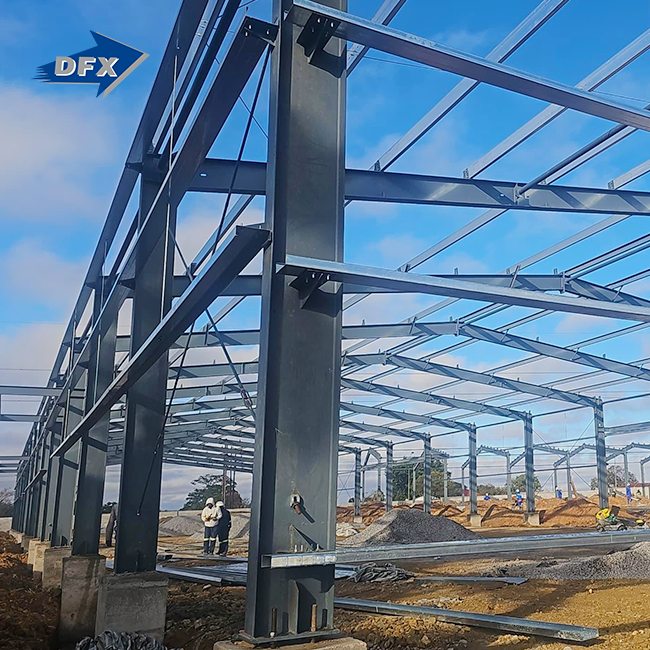
Modern steel frame parts are carefully made to meet engineering specifications and are ready to be put together as soon as they arrive at the building site. With this method of prefabrication, both the foundation work and the steel fabrication can be done off-site at the same time, which greatly shortens the project timeline. Instead of waiting for the concrete to harden, assembly teams bolt connections together. This allows for fast vertical building that is rarely slowed down by bad weather. Usually, projects get occupied 30–50% faster than concrete versions. For steel structure shopping mall developers, this means tenants can move in earlier, revenue can start flowing sooner, and financing costs during construction are reduced.
Reduced Foundation Requirements and Material Efficiency
Because steel is so strong for how heavy it is—about one-third the weight of similar concrete structures—foundation loads and prices are greatly reduced. Sites with poor soil conditions can be built on without having to use expensive deep base systems. This gives developers more site choices. The use of less material goes beyond foundations; steel sections improve load paths and reduce waste compared to concrete's need for overdesign margins. Companies in China make these parts in tightly controlled factories with strict quality control systems. This ensures a level of regularity that is hard to find in concrete that is built on the job site.
Comparative Performance and Environmental Benefits
Multiple important performance indicators for procurement workers have been shown over and over again by independent studies to be better than concrete buildings. Durability is better than traditional materials because steel doesn't rust or get damaged by pests or other natural factors that break down concrete and brickwork. At the end of its useful life, steel can be recycled, which helps companies stick to their sustainable goals. Steel keeps all of its original qualities even after being recycled over and over again. Steel works well with high-performance insulation systems, which improve energy efficiency and lower operating costs over the life of the building. Steel is being used more and more by construction companies working on industrial or business projects because it has so many benefits.
Step-by-Step Guide to Cost-Efficient Steel Frame Shopping Mall Construction
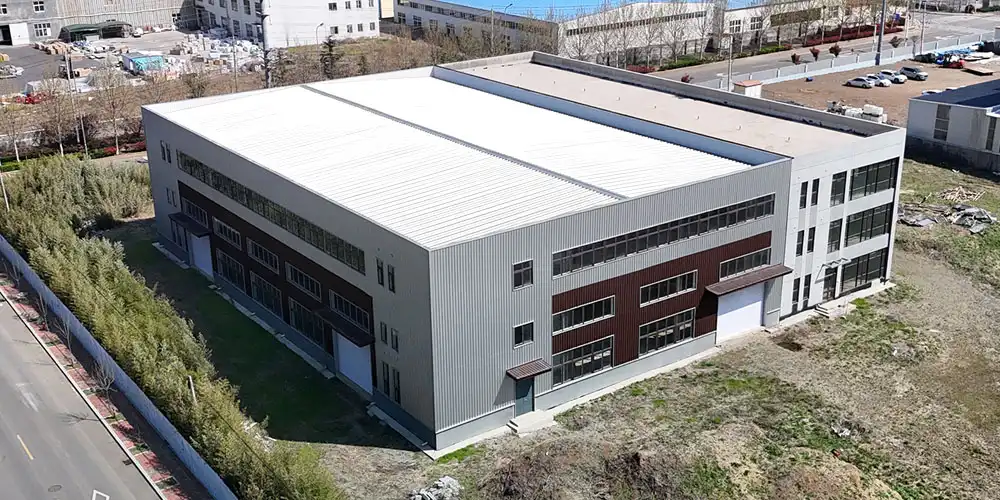
To get the most out of your budget, you need to plan strategically and make smart decisions throughout the whole job. A systematic method that optimises each step from the original idea to final occupancy is needed to build a steel-frame mall that works well.
Strategic Planning and Modular Design
Cost-effective steel building starts with design methods that take advantage of the benefits that steel already has. Modular planning uses standard bay sizes and connecting features that make the design simpler and lower the cost of production. Large-span designs get rid of as many internal columns as possible, making retail areas that can be changed to meet the needs of different tenants without having to make expensive structural changes. When architects work with steel systems, they create roofs and floor decks that use a mix of materials, like steel decking on top of lightweight concrete, which is good for both structure and soundproofing. During this part of joint planning, costs are usually cut by 15 to 25 per cent compared to when designs made for concrete construction are changed to fit steel construction.
Procurement Strategies for Component Sourcing
When looking for steel parts, you need to carefully check the manufacturer's skills and credentials. Fabricators with a good reputation use ISO9001 quality control systems and offer CE approval to show that their products meet international standards. The 2011-founded Qingdao Director Steel Structure Co., Ltd. has 40,000 square metres of production space with high-tech automatic equipment, such as six welded H-beam lines and the ability to make all kinds of sandwich panels. Their yearly production capacity is up to 20,000 tonnes of structural parts, which helps them meet the delivery dates for big business projects. Getting makers involved early in the design process is good for procurement managers because it lets value engineering help cut down on material requirements while keeping the structure's strength. Buying in bulk and making plans based on projects are two good ways to keep unit costs under control.
Construction Best Practices and Quality Control
If you choose workers who have experience working with steel frames, you can be sure that the work will go smoothly and on time. Erection teams with a lot of experience know the right way to connect things, follow safety rules, and make sure the work is done right. Streamlined logistics arrange the arrival of parts with the progress of the installation. This keeps the site from getting crowded and reduces the need for storage. At every stage of building, quality control checks the bolt torque values, the stability of the welds, and the accuracy of the measurements. These organised methods keep the fast schedule that makes steel buildings financially beneficial and avoid expensive repairs. Engineering leaders in charge of business projects know that choosing the right contractor has a big effect on both the cost and quality of the finished project.
Maintenance and Lifecycle Savings with Steel Structure Shopping Malls
Steel-frame shopping centres offer big financial advantages over the course of their entire lives, which increases the long-term value of an investment. All of these benefits come from the way steel is made and from current safety measures.
Durability and Hazard Resistance
When properly engineered, steel buildings are more likely to resist earthquakes, high winds, and heavy snow loads than other types of construction. The flexibility of the material lets controlled energy absorption happen during tremors, which keeps people safe and prevents catastrophic failure. Fire protection meets standards with intumescent coatings or cementitious spray treatments that keep steel parts safe during heat events. Steel buildings can still be used in coastal and humid areas as long as hot-dip galvanisation offers rust protection greater than a 275 g/m² zinc coating mass, which meets ISO 1461 standards. These safety steps make sure that the structure stays strong in all of the different weather conditions that happen in the US market. For developers and tenants, a steel-frame retail hub means both resilience and peace of mind.
Preventive Maintenance and Extended Service Life
If you follow the right upkeep steps, steel frames can last between 50 and 100 years. Regular checks find small problems before they get worse and cost a lot to fix, and replacing the protection layer every 15 to 20 years keeps it from corroding cheaply. The structure is naturally stable, so it doesn't need as much upkeep as structures made of concrete or mortar, which crack and flake over time. This dependability is especially important for manufacturing companies that are growing, since unplanned structural fixes can mess up business operations and relationships between tenants. Agricultural businesses that need big, clear-span buildings also benefit from steel's low upkeep needs, which lets them focus on their main business activities instead of managing the building.
Sustainability and Energy Efficiency
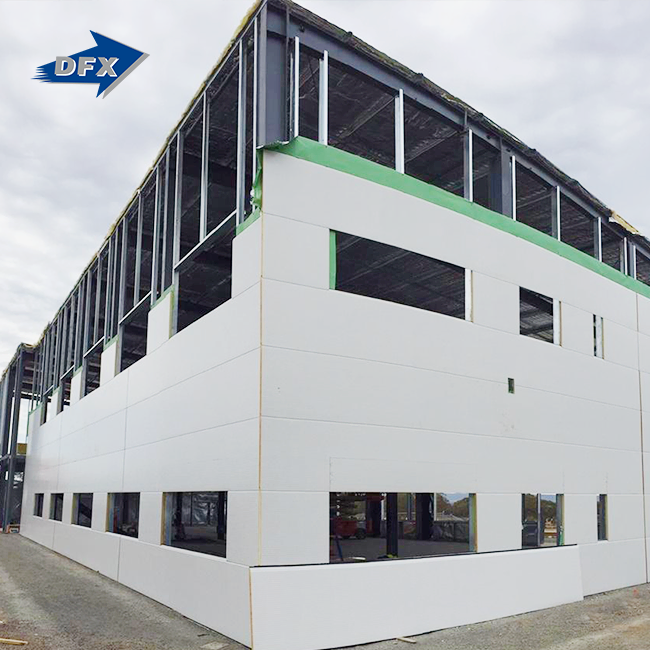
Steel can be recycled in any way, which is in line with companies' environmental promises, which are becoming more important to state agencies and institutional investors. End-of-life material recycling keeps its full value, while tearing down a concrete building costs money and hurts the earth. The operational energy efficiency comes from the fact that the steel frame works with modern outer systems, such as sandwich panels with R-values that are designed for the efficiency of the mechanical system. Retail stores use composite floor systems that effectively separate sounds between floors and do a good job of distributing air conditioning. These traits lower running costs by a large amount over decades of service, which increases mall owners' net operating income and asset value.
Successful Cost Reduction Through Steel Frame Implementation
The financial benefits of steel buildings can be seen in how well projects work in the real world. Leading makers keep track of measurable results that procurement professionals use to back up their choices of materials.
Documented Time and Cost Savings
Compared to solid standard predictions, recent commercial projects show building schedule compression of 35 to 50 per cent. One 85,000-square-metre shopping centre finished putting up the structure in seven months instead of the fourteen months that had been planned for the concrete building. This meant that the fit-out could start a lot earlier. Comparing the costs of different materials shows that steel systems can save 12 to 18% on structural frame costs when base costs are cut and site operations are made easier. Shorter plans mean lower labour costs, and shorter site durations mean lower general conditions costs, project management overhead, and building financing charges. Most of the time, these savings add up to 20 to 30 per cent of the total project cost.
Supply Chain Efficiency and Risk Management
Well-known steel structure makers stick to regular production plans that aren't too affected by weather problems that can happen with other building materials. Factory-controlled production ensures consistent quality and accurate measurements that are hard to get with field-built concrete. This cuts down on rework and schedule unpredictability. When managing complicated building schedules with many trade companies, project managers value this predictability. The prefabrication method also keeps quality control in the factories, where regular checks find problems before they are put together in the field, saving a lot of money on costly fixes that have to be made there. When making integrated project completion promises, EPC contractors who are in charge of whole infrastructure projects know how reliable steel's supply chain is.
Strategic Insights for Procurement Excellence
There are some things that all successful steel frame projects have in common that procurement professionals can copy. Including the maker early on in the design process is the best way to get the most value engineering benefits, which include finding the best member shapes and connection details. Clear descriptions of protective protection systems keep disagreements from happening in the field and guarantee long-lasting use. Focusing on steel construction experience during contractor prequalification stops the learning curve inefficiencies that hurt plans. These lessons learned help shape risk management plans and ways for suppliers to work together, which are both necessary to reach the cost-saving goals. When fighting for business-building projects with bigger companies that have more resources, these structured methods really help construction companies with 20 to 200 workers.
Conclusion
Steel frame technology offers huge cost savings throughout the whole process of building a shopping mall, from the initial construction to decades of use. Through prefabrication, faster schedules, fewer base requirements, and minimal lifetime upkeep, the method handles the major cost drivers in traditional building. It gives procurement managers and project engineers more control over their budgets, shorter timelines, and designs that can be changed to meet evolving store needs. Case studies show that projects can save 20 to 30 per cent of their total cost while also making structures work better and being better for the environment. As the cost of commercial real estate development rises, modern mall architecture using steel buildings offers tried-and-true solutions that balance initial investment with long-term value creation. These solutions give forward-thinking producers a competitive edge in tough market conditions.
Frequently Asked Questions
1. What percentage savings can steel frame construction typically achieve compared to traditional concrete malls?
Compared to concrete buildings, steel structure shopping malls usually save 20 to 30 percent on the total cost of the project. These saves come from shorter building schedules, which lower the cost of labour and funding; easier foundations, which lower the cost of civil engineering; and prefabrication efficiency, which lowers the waste of materials. Actual savings depend on where the project is located, the conditions of the site, and how complicated the plan is. Sites with difficult soil conditions or urgent transportation needs tend to see the most benefits.
2. How should procurement managers evaluate steel structure manufacturers?
Some important things that are looked at during the review process are ISO9001 certification, output capacity that matches project timelines, and technical ability for integrated design services. Look at portfolios of similar-sized and complex business projects that have been done before. Check the longevity of the protective coatings, like hot-dip galvanisation or modern paint systems. Check to see if there is available technical support to help with coordinating the MEP and façade systems. For complicated store projects, it's best to work with manufacturers who offer a full range of services, from structural design to manufacturing.
3. Can steel structures perform safely in seismic zones and extreme weather regions?
When designed correctly, modern steel frame systems work great in dangerous places. When there is an earthquake, ductile steel links often do better than rigid concrete buildings at absorbing energy. When it comes to wind protection, steel building works especially well. Structures with a rigid frame or braces are very stable on the sides. Member size tuning makes it possible for snow load capacity to grow efficiently. Protective coats make steel buildings possible in humid seaside areas and factories. Engineers plan buildings according to local building rules, making sure that they meet the environmental, seismic, and wind standards of each area in the United States.
Partner with Experienced Steel Structure Shopping Mall Manufacturers
Through Qingdao Director Steel Structure Co., Ltd, DFX brings more than twelve years of specialised experience to steel structure shopping mall projects around the world. Our 40,000-square-meter production plant makes 20,000 tonnes of structural steel every year. It also makes a wide range of sandwich panels and related parts. International quality standards are guaranteed by ISO9001 and CE certifications, and our in-house building design team offers complete solutions from the initial idea to the final installation. We work well with MEP and façade contractors to make project delivery easier for building companies, EPC contractors, and developers of industrial facilities. Get in touch with jason@bigdirector.com to get cost quotes, technical details, and supply solutions that are specifically made for your business growth needs. Our open consultation method helps procurement workers make decisions with confidence, knowing that their choices are based on accurate planning and fair prices.
References
1. American Institute of Steel Construction. (2022). Steel Construction Manual, 15th Edition. Chicago: AISC.
2. Chen, W.F. & Lui, E.M. (2018). Handbook of Structural Engineering, 2nd Edition. Boca Raton: CRC Press.
3. Lawson, R.M. & Ogden, R.G. (2020). Sustainable Steel Construction: Design Principles and Practice. London: Steel Construction Institute.
4. National Institute of Standards and Technology. (2021). Cost-Effectiveness of High-Performance Steel Structures in Commercial Buildings. NIST Technical Report 1945.
5. Salmon, C.G., Johnson, J.E., & Malhas, F.A. (2019). Steel Structures: Design and Behaviour, 6th Edition. Upper Saddle River: Pearson Education.
6. Trahair, N.S., Bradford, M.A., & Nethercot, D.A. (2017). The Behaviour and Design of Steel Structures to EC3, 5th Edition. London: Taylor & Francis.
Learn about our latest products and discounts through SMS or email