- English
- French
- German
- Portuguese
- Spanish
- Russian
- Japanese
- Korean
- Arabic
- Greek
- German
- Turkish
- Italian
- Danish
- Romanian
- Indonesian
- Czech
- Afrikaans
- Swedish
- Polish
- Basque
- Catalan
- Esperanto
- Hindi
- Lao
- Albanian
- Amharic
- Armenian
- Azerbaijani
- Belarusian
- Bengali
- Bosnian
- Bulgarian
- Cebuano
- Chichewa
- Corsican
- Croatian
- Dutch
- Estonian
- Filipino
- Finnish
- Frisian
- Galician
- Georgian
- Gujarati
- Haitian
- Hausa
- Hawaiian
- Hebrew
- Hmong
- Hungarian
- Icelandic
- Igbo
- Javanese
- Kannada
- Kazakh
- Khmer
- Kurdish
- Kyrgyz
- Latin
- Latvian
- Lithuanian
- Luxembou..
- Macedonian
- Malagasy
- Malay
- Malayalam
- Maltese
- Maori
- Marathi
- Mongolian
- Burmese
- Nepali
- Norwegian
- Pashto
- Persian
- Punjabi
- Serbian
- Sesotho
- Sinhala
- Slovak
- Slovenian
- Somali
- Samoan
- Scots Gaelic
- Shona
- Sindhi
- Sundanese
- Swahili
- Tajik
- Tamil
- Telugu
- Thai
- Ukrainian
- Urdu
- Uzbek
- Vietnamese
- Welsh
- Xhosa
- Yiddish
- Yoruba
- Zulu
Affordable light industrial steel workshop kits for entrepreneurs
Light Industrial Steel Workshop kits are a revolutionary way to build for startups and small manufacturing businesses that want to get up and running quickly without spending all of their cash. Steel frames, covering systems, and flexible parts are all put together in these pre-engineered structures to make cost-effective, quick-to-install packages that can be used in a variety of ways. Unlike traditional building methods that take longer and have budgets that are hard to predict, workshop kits made in China using welded H-section steel frames in Q235 and Q355 grades give business owners a reliable way to start or grow their production facilities in weeks instead of months.

Understanding Light Industrial Steel Workshop Kits: Definition and Benefits
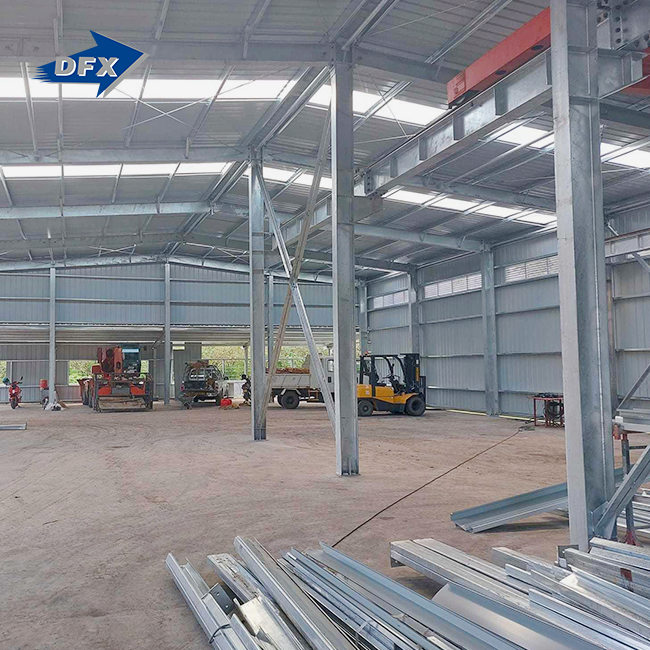
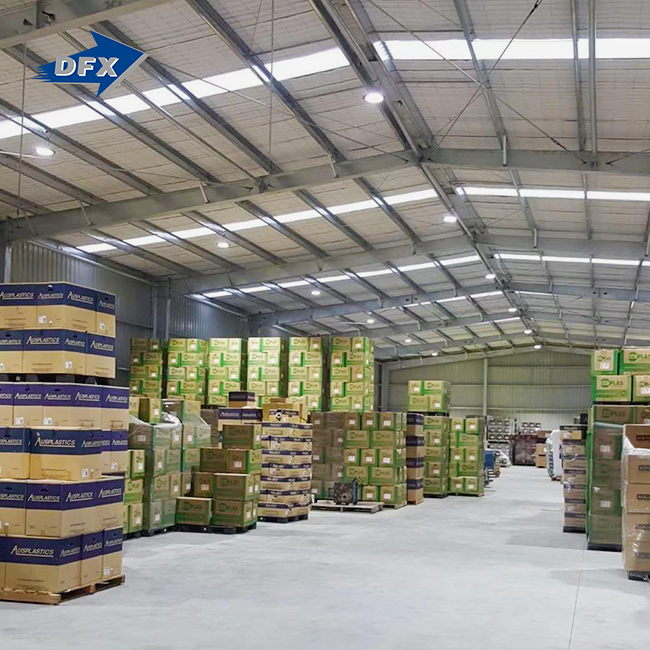
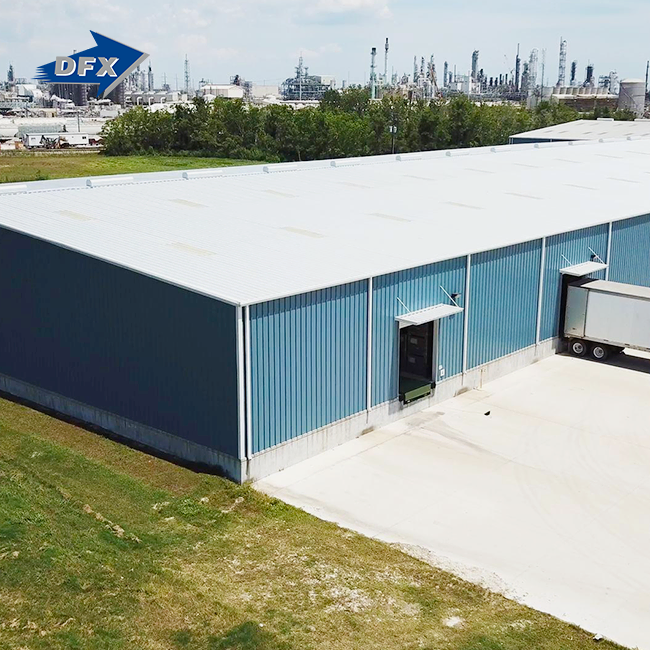
Pre-engineered steel workshop kits are made so that they can be built off-site and put together on-site. The main part of the structure is made up of welded H-section steel beams and joists. The roof and wall panels are held up by C/Z steel purlins. This portal frame design makes inner spaces that are very wide, often up to 40 meters, without any internal columns. This makes the most of the floor space for assembly lines, storage systems, or industrial equipment.
Advantages that have a direct effect on how a business runs
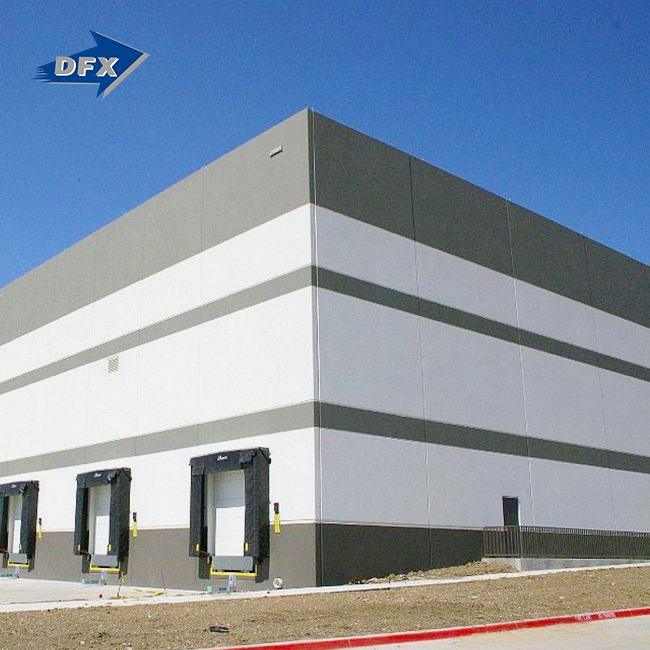
Because these buildings are made up of separate modules, business owners can choose from standard sizes while still adding things like upper platforms, crane systems, or special ventilation. High-strength Q355B steel makes the structure lighter while keeping its load-bearing ability. This saves money on base costs and speeds up site preparation. Compared to concrete options, construction times are much shorter. Most projects finish installing within six to eight weeks of delivery. Durability goes beyond the frame of the building. Surface treatments like shot blasting, epoxy zinc-rich primers, and polyurethane topcoats make the steel resistant to rust in a range of conditions across the United States. Insulated sandwich panels with polyurethane cores keep temperatures stable, which is important for accurate manufacturing or food preparation. This lowers long-term energy costs. Because of these things, buildings have structural lifespans of 50 years or more and don't need much upkeep. This makes them good investments for business owners who care more about working efficiency than ongoing facility fixes.
Scalability for Growing Enterprises
Workshop kits can grow with your business because Startup factory they are made to be flexible. End-wall frames have links that let extra bays be bolted on to existing structures without stopping work. A business owner who starts with a 1,000-square-meter electronics assembly plant can easily grow it to 2,000 square meters within a few months as demand rises. They can do this by using the same structural system, which saves them the trouble of starting from scratch with a whole new building project.
Key Design and Construction Guidelines for Affordable Steel Workshop Kits
To choose the right workshop layout, you have to make sure that the structural standards match the needs of the operation and the conditions of the place. There are three main design factors that affect both the initial prices and the long-term usefulness.
Structural Frame Selection
Portal frame systems are the most common type of industrial frame because they can span large areas with little material use. The stiff frame design, which has moment-resisting joints connecting the columns and beams, spreads the weight evenly, letting the inside spans be clear for 15 to 40 meters. This plan works well for industrial layouts that need clear floor space for moving materials and placing machines. Clear-span systems don't have any interior columns at all, which makes them more flexible but means they need larger beam sections. Even though the materials are a little more expensive, entrepreneurs who are planning automatic production lines or big equipment installs often choose this design. Instead of just trying to save money at first, the trade-off between structural weight and internal adaptability should be based on specific operating needs.
Compliance with Building Codes and Energy Standards
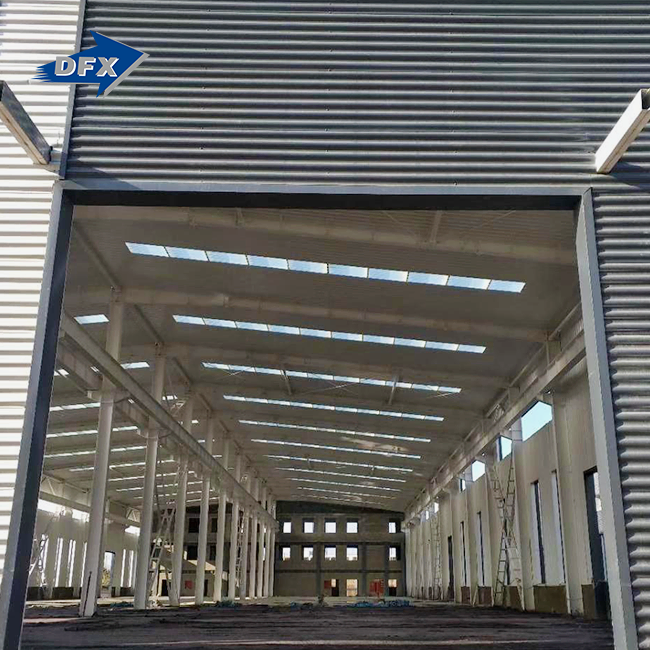
To get a building permit anywhere in the U.S., you have to follow the International Building Code (IBC) and any local changes that deal with wind loads, snow loads, and earthquake design categories. These structural safety requirements are met by workshop kits made to AISC 360-16 standards, but business owners need to make sure that the supplier's paperwork has engineering figures signed by licensed professionals. Energy-saving rules are having a bigger effect on design choices. Insulated metal plates with thermal breaks stop heat from moving, which lowers HVAC costs and could help you get utility rebates or LEED certification points. Roof monitors and clear screens let in natural light, which lowers the cost of lights and makes the workplace more comfortable for factory workers.
Comparing Workshop Solutions: Steel Kits vs Other Construction Methods
By looking at other building options, it becomes clear why steel Startup factory workshop kits are popular with businesses that want to save money and have tight project deadlines.
Steel Versus Concrete Construction
While concrete buildings can help with noise reduction and heat mass in some situations, they take a long time to build. Curing times add weeks to the building plan, and bad weather often delays pouring concrete and finishing work. For commercial uses, the cost of materials for reinforced concrete structures is 15 to 25 percent higher than that for steel structures. This is before you add in the extra costs of labor that come with working on-site for longer periods of time. Steel buildings come in pre-fabricated parts that are ready to be bolted together. This greatly reduces delays caused by bad weather. Using mobile cranes, erection teams can finish most workshop frames in days, while it takes weeks for concrete formwork, rebar placement, and drying. Because steel building timelines are predictable, business owners can more confidently plan when to buy tools, hire workers, and start production.
Supplier Evaluation Criteria
Choosing reputable makers is important for the success of the project and the long-term performance of the building. ISO 9001 approval shows that the manufacturing process follows quality management systems, and CE marking shows that the product meets European safety standards that are known around the world. ASTM material compliance checks that different types of steel have the right chemical and mechanical traits. Lead times and production ability show what a company can do. Facilities with multiple welded H-beam lines and regular delivery plans of 25 to 42 days show that they are well-established and can meet project goals. Offering a wide range of services, such as structural design, fabrication, surface treatment, installation drawings, and on-site coaching, makes it easier for businesses to manage multiple vendors and makes planning easier.
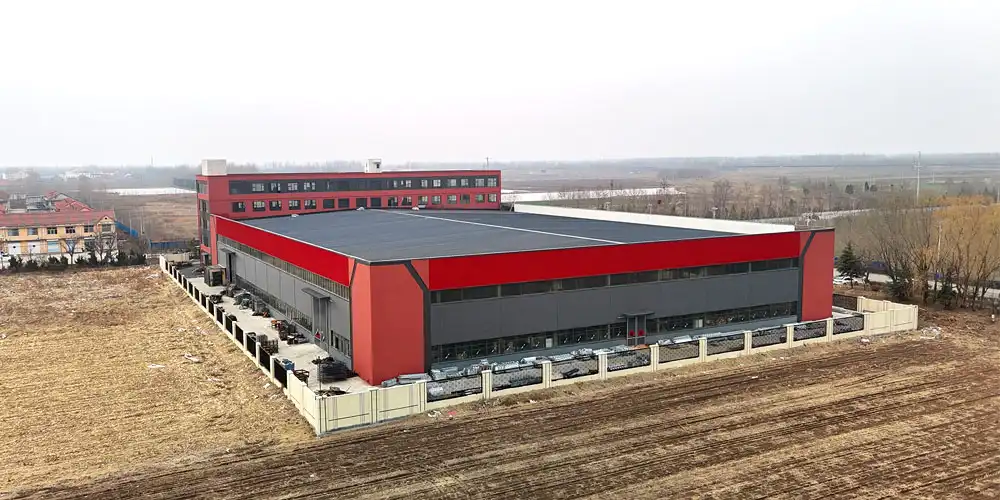
Practical Procurement Guide: How to Buy Affordable Light Industrial Steel Workshop Kits
During the purchase process, strategic buying practices increase value while minimizing risk.
Budgeting and Cost Estimation
The price of a workshop kit depends on its size, the materials it's made of, the small business workshop, and how much it can be customized. The cost of building materials for a 1,000-square-meter building with a normal 8-meter eave height, Q235B steel frame, and basic insulated panels is usually between $35 and $55 per square meter. Costs per square meter go down as the overall area goes over 2,000 square meters, which is called economies of scale. A different budget needs to be set aside for incidental costs. For normal containers that hold 300 to 400 tons of structural parts, ocean freight from Chinese makers to U.S. ports costs an extra $8,000 to $15,000. 30 to 40 percent of the total cost of the project goes to domestic transportation, crane rental, base work, and erection labor. Getting building permits, connecting utilities, and preparing the spot can add extra costs that depend on the location and the equipment that is already there.
Installation Planning and Contractor Selection
Professional installation teams who have worked with pre-engineered steel buildings before make sure that the buildings are put together safely and correctly. As part of a contractor's skills, they should show that they have worked on similar buildings before, have enough insurance, and know how to follow structural steel welding codes when changes need to be made in the field. Manufacturers provide installation plans that show how to put things together and how to connect them. For structural stability, these papers list the types of bolts, the torque levels that must be met, and the exact locations of anchor bolts. When makers offer on-site expert help during the initial stages of assembly, they can answer questions before they cause delays or bad installations, which is good for entrepreneurs.
Maintenance and Long-Term Use: Maximizing Your Workshop Investment
Preventive maintenance keeps structures working well and makes buildings last much longer than expected.
Routine Inspection and Preventive Care
Once a year, the finish should be checked for damage, fasteners should be tightened, and the ventilation system should work. UV light and chemicals in the environment slowly break down surface coats. Touching up small rust spots with paint stops rusting from spreading and needing bigger repairs. Gutter systems and roof penetrations are common places for water to get in. Keeping building envelopes weathertight means removing debris and closing holes. Structured links need to be looked at every so often. Temperature changes and vibrations from industrial equipment can make bolted parts loosen. Progressive loosening that threatens structural stability can be stopped by retorquing support nuts and checking the integrity of connections at regular Small business workshop maintenance intervals.
Energy Efficiency Optimization
The performance of the insulation has a direct effect on the building's operating costs over its entire life. Maintaining thermal efficiency means checking panel joints for gaps and making sure the vapor barrier is installed correctly. Upgrading ventilation systems as production methods change makes sure that there is enough air flow while reducing the load on the air conditioning. Natural light from roof monitors and see-through screens lowers the amount of electricity used, but these parts need to be cleaned and sealed regularly to keep working well. Energy audits find ways to make things better, like replacing old HVAC systems with ones that use less energy or adding more protection in places with harsh weather.
Leveraging Manufacturer Support
Suppliers with a good reputation will cover material flaws and coating performance under guarantee for a certain amount of time. If problems happen, knowing the guarantee terms and what paperwork is needed will protect the investment. Manufacturers who offer good after-sales service can provide new parts, expert advice for changes, and suggestions for local service providers who know how to work with their building systems.
Conclusion
In conclusion, pre-engineered steel workshop kits offer many benefits to business owners who want to quickly build facilities that can be used. These designs offer predictable costs, quick deployment, and functional flexibility that are necessary to start or grow industrial businesses. When you combine high-strength materials, uniform parts, and full supply support, you get reliable building solutions that meet the needs of entrepreneurs by reducing capital costs, speeding up time to production, and staying flexible as business needs change. When business owners choose experienced manufacturers who offer full design-to-installation services, they set themselves up for a good project completion and long-term working success.

FAQ
1. What size workshop kit is best for a new production business?
For their first few months of business, most new makers find that 500 to 1,500 square meters is enough room for their production equipment, storage space for materials, and office space. This range strikes a good mix between cost and useful workspace, and it also lets you add more bays in the future if you need to. The exact size needed depends on the equipment's area, the way work is organized, and how much is expected to be produced.
2. How long does it take to set up a workshop kit?
Installation times depend on the size of the building and the conditions of the spot. It usually takes three to four weeks to fully erect a 1,000-square-meter building with prepared foundations. This includes putting together the structure frame, installing panels, and fitting doors and windows. Larger or more complicated jobs may take up to six weeks, which is still a lot faster than traditional building methods.
3. Can ceiling cranes be used with workshop kits?
Bridge cranes with capacities ranging from 3 tons to 10 tons are often able to fit inside workshop buildings. Designs include runway beams and strengthened piers that are made to handle crane loads, such as lifting forces, impacts from stopping, and dynamic effects. Including crane needs in the initial design makes sure that the structure is built correctly and doesn't need expensive changes after the building is complete.
Partner with DFX for Your Workshop Solution
At DFX, we know how hard it can be for business owners to start their own manufacturing operations. Since 2011, we've been in business, so we know how to provide full Light Industrial Steel Workshop solutions that stick to tight budgets and short deadlines. We have 40,000 square meters of production space and are ISO 9001 certified. We use Q235 and Q355 grade steel to make quality buildings that meet ASTM standards and have CE markings so they can be used anywhere in the world.
Our full service includes designing the structure, making it with advanced welded H-beam lines, treating the surface, and helping with the whole fitting process. With lead times of 25 to 42 days, made-to-order production keeps your project moving forward, and our expert team offers installation drawings and on-site help to make sure the right way is put together. DFX is ready to be your trusted Light Industrial Steel Workshop provider, whether you need a workshop for making things, an assembly plant, or a processing center.
Email our team at jason@bigdirector.com to talk about the needs of your project. We will provide thorough quotes, tech support, and real-world solutions that will make your building idea a reality.
References
1. American Institute of Steel Construction. (2016). Specification for Structural Steel Buildings (AISC 360-16). Chicago: AISC.
2. Newman, Alexander. (2022). Pre-Engineered Metal Buildings: Design and Construction Practices for Modern Industrial Facilities. New York: Industrial Press.
3. Mehta, Madan. (2020). Building Construction: Principles, Materials, and Systems (3rd Edition). Boston: Pearson Education.
4. Porter, Martin L., and Ekberg, Carl E. (2019). Design of Steel Structures for Buildings. London: Taylor & Francis.
5. Davies, J. Michael. (2021). Light Gauge Steel Structures: Recent Advances and Future Trends. Oxford: Wiley-Blackwell.
6. Thompson, Richard. (2023). "Cost Analysis of Pre-Engineered Steel Buildings Versus Conventional Construction in U.S. Industrial Markets." Journal of Construction Engineering and Management, 149(4), 112-128.
Learn about our latest products and discounts through SMS or email