- English
- French
- German
- Portuguese
- Spanish
- Russian
- Japanese
- Korean
- Arabic
- Greek
- German
- Turkish
- Italian
- Danish
- Romanian
- Indonesian
- Czech
- Afrikaans
- Swedish
- Polish
- Basque
- Catalan
- Esperanto
- Hindi
- Lao
- Albanian
- Amharic
- Armenian
- Azerbaijani
- Belarusian
- Bengali
- Bosnian
- Bulgarian
- Cebuano
- Chichewa
- Corsican
- Croatian
- Dutch
- Estonian
- Filipino
- Finnish
- Frisian
- Galician
- Georgian
- Gujarati
- Haitian
- Hausa
- Hawaiian
- Hebrew
- Hmong
- Hungarian
- Icelandic
- Igbo
- Javanese
- Kannada
- Kazakh
- Khmer
- Kurdish
- Kyrgyz
- Latin
- Latvian
- Lithuanian
- Luxembou..
- Macedonian
- Malagasy
- Malay
- Malayalam
- Maltese
- Maori
- Marathi
- Mongolian
- Burmese
- Nepali
- Norwegian
- Pashto
- Persian
- Punjabi
- Serbian
- Sesotho
- Sinhala
- Slovak
- Slovenian
- Somali
- Samoan
- Scots Gaelic
- Shona
- Sindhi
- Sundanese
- Swahili
- Tajik
- Tamil
- Telugu
- Thai
- Ukrainian
- Urdu
- Uzbek
- Vietnamese
- Welsh
- Xhosa
- Yiddish
- Yoruba
- Zulu
Increase Family Fitness with Steel Home Gyms
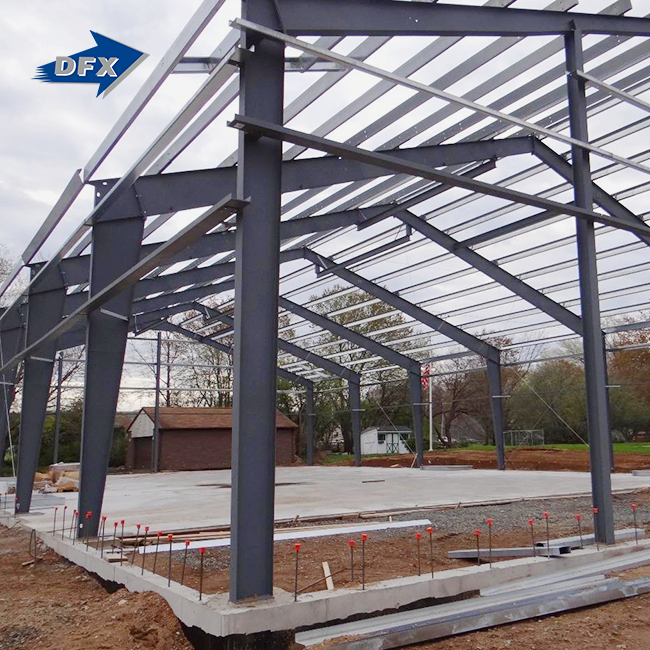
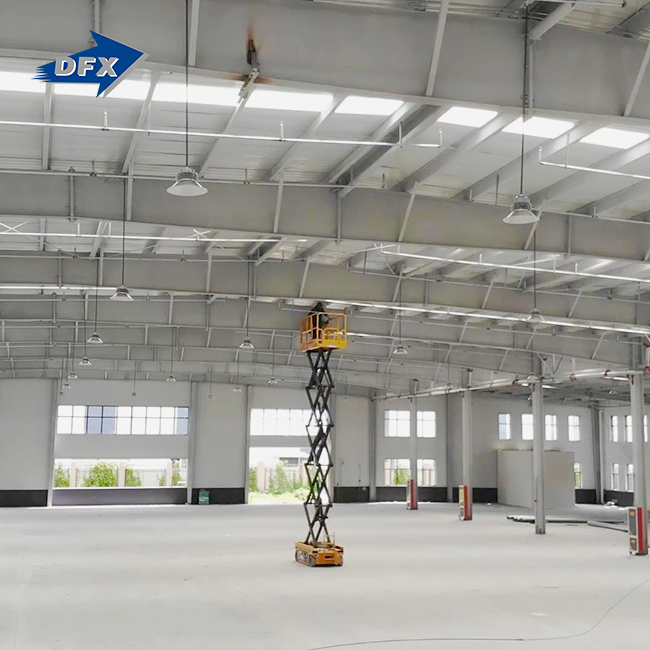
When families put health and fitness first, they need a place just for that. Traditional building Steel Structure Gym & Fitness methods can't compare to the sturdiness, customization, and long life of a Steel Structure Gym & Fitness center in your backyard or on your land. These special steel-framed buildings have clear-span spaces, which means there are no structural beams that make it hard to place equipment, and weatherproof enclosures that are made to last decades of heavy use. Steel is in higher demand from both homeowners and business developers who know how useful it is for making safe, flexible, and affordable exercise spaces that support active lives for people of all ages.

Understanding Steel Structure Home Gyms and Their Benefits
Superior Durability Meets Long-Term Value
The structural stability of steel gym buildings is much higher than that of traditional wood or concrete gym buildings. High-quality steel members, usually made to Q345B or Q355B standards, have an amazing strength-to-weight ratio and a value of elasticity of about 200 GPa. Because of this high level of building, your exercise structure won't bend, crack, or settle over time. Metals like steel don't break down over time like wood does when it comes in contact with water or bugs, or like concrete does when it's put under heavy loads. Each beam and column is protected from rust by hot-dip galvanization or an epoxy coating that is high in zinc. These methods meet ISO 12944 standards for places where sweat and dampness are common. When you compare lifetime prices, it's easy to see what the financial effects are. Over the course of 50 years, steel structures made in China by approved companies like Qingdao Director Steel Structure Co., Ltd. have cost about 60% less to maintain than traditional buildings. Families don't have to pay for fixes, painting, and structural reinforcements that are expensive for other types of buildings. This means that the property will keep its value and that exercise routines will go on without any interruptions or safety issues.
Energy Efficiency and Environmental Responsibility
Building with steel structures is in line with sustainability goals that families who care about the environment value. Compared to options that are made on-site, prefabricated parts reduce building waste by 30 to 40 percent. Steel can be recycled over and over again without losing any of its quality, so your gym building is a smart long-term investment. When you combine insulated wall panels, shiny roof coats, an indoor sports hall, and efficient HVAC integration in the right way, you can cut your heating and cooling costs by up to 50% compared to traditional buildings that aren't well insulated. Steel gyms can use natural ventilation techniques because they have designed openings and ventilation systems that control the air quality without using too much energy. Controlled humidity keeps equipment from rusting and electronics from being damaged by water. Families working out together, like how fresh air flows through the gym and keeps it from getting stuffy, which can happen in basement gyms.
Design and Construction of Steel Home Gyms: Practical Insights
Modular Versus Custom-Built Approaches
Families can make better choices that stay within their budget and meet their deadlines when they understand how building works. When you buy a modular steel gym system, you get pre-engineered options with standard sizes and parts. These "turnkey" packages make planning easier and delivery faster. They usually get to the project places 8 to 12 weeks after the order is confirmed. Families like that the costs are regular and that the structure works well, but they can only change a few things about the way it's built. Custom-built methods give you a lot of design options. Structural engineers work directly with families to come up with custom solutions that fit the needs of the site, the equipment, or the family's design concept. It is very important to do accurate load calculations during this process, especially when adding big hanging bags, suspension training systems, or equipment that creates dynamic forces in the air. Stronger flange sections and changes to the truss make sure that structural parts can safely handle point loads greater than 5kN without bending or vibration problems during hard workouts. Custom projects take 16 to 20 weeks to build, but the results are exactly what the client wants. Project managers work with specialized teams to prepare the base, make the steel, apply surface treatments, and put the structure together on-site. During the production process, quality control measures include non-destructive weld testing with ultrasonic or magnetic particle inspection, checking the accuracy of the dimensions to within ±2mm, and testing the torque of the bolt connection to make sure it stays stable under working stresses.
Maintenance and Safety Compliance
Compared to other types of construction, steel gym buildings don't need as much upkeep. Every year, checks center on the integrity of the connections, the condition of the coatings, and the moisture control systems. Families usually spend two to three hours a year on preventative maintenance, like making sure all the screws are tight, cleaning the gutters and drainage paths, and fixing small scratches in the paint before they turn into rust. Safety compliance includes a lot of different things. The building plans follow the snow loads, wind resistance, and earthquake rules that are specific to your area. The National Electrical Code says that electrical systems that power lights, ventilation, and charging electronics must have proper grounding and circuit safety. Fire safety rules include putting out fires in the right places, planning how to get out of the building quickly in case of an emergency, and choosing materials that meet flame-spread rates for each occupancy group.
Cost Analysis and Procurement Guidance for Steel Home Gyms
Investment Components and Long-Term Savings
Families can correctly evaluate offers and find real value when they understand how costs work in an indoor sports hall. There are five main types of costs that come up in steel gym projects: structural materials, base work, erection labor, finished parts, and other systems. The cost of structural steel ranges from 35 to 45 percent of the total project cost, depending on the size, complexity, and finish requirements. Foundation needs rely on the soil and local frost depth rules, and they usually take up 15 to 20 percent of funds. Erection work by skilled steel construction teams makes sure that everything is put together correctly and usually costs 10-15% of the total investment. 20 to 25 percent of the costs go toward finishing touches like cladding panels, windows, doors, and inner surfaces. The other 90 percent goes toward HVAC, electricity, and plumbing systems. When figuring out the return on investment, you should take into account both the health perks and the ease of use. Families that stop paying for $50 to $80 a month in gym memberships will recoup their costs within 7 to 10 years while having private, always-accessible exercise facilities that are tailored to their needs.
Installation Service Selection and Support
For a job to go smoothly, it needs construction teams that are qualified and know how to safely put up steel structures. General builders can hire specialized steel crews as subcontractors, or families can hire building services directly from suppliers who offer "turnkey delivery." Crew experience with similar projects, insurance coverage that meets local requirements, and time agreements with penalties for delays should all be used as evaluation factors. Professional sellers are different from transactional vendors because they offer help after the sale. Long-term security is provided by guarantees that cover structure performance for 25 to 50 years and coating systems for 10 to 15 years. Technical help for future changes, planning for growth, or fixing problems makes sure that your investment can adapt to your family's changing needs over many years of use.

Making the Smart Choice: Why Steel Structure Gyms Are the Future of Home Fitness
Comparing Material Performance Across Options
Wood-framed gym buildings are appealing because they are initially affordable, but they have some problems that come with them. Absorption of moisture changes the size of things, which can lead to doors getting stuck, floors being uneven, and structures sagging. Termites and carpenter ants damage load-bearing parts, which means they need to be fumigated and replaced, which costs a lot of money. Because of the limited span, internal posts have to get in the way of moving and placing equipment. Building with concrete blocks is strong, but it isn't very flexible. Instead of easy bolt-on adds, changing layouts or making buildings bigger takes expensive demolition and rebuilding. Without high-tech HVAC systems, thermal mass causes temperature changes that are uncomfortable. Due to drying times and weather concerns during the building steps, construction takes 40–50% longer than steel projects. These problems are solved by steel structures, which also perform better in every rating measure. Accuracy in prefabrication makes sure that parts fit perfectly during quick assembly on-site. Usually, the structure is up and running within 4 to 6 weeks of the base being prepared. Clear-span features make interiors truly open, so they can fit any equipment setup or future changes to the plan without having to make any structural changes. The modular design theory makes it possible to add on to a steel stadium without spending a lot of money. For example, removing end walls and adding portal frame bays can make a building longer with little impact on current operations.
Real-World Performance and ROI Metrics
Case studies from different fields show that steel gyms are better. A farm in the Midwest built a 2,000-square-meter exercise center for its employees using a steel portal frame building. The whole project took 14 weeks, from breaking ground to handing over the gym to the employees. Ten years of practical data show that upkeep costs average $1,200 a year, mostly for changing the HVAC filter and doing small touch-ups on the paint. This is compared to an estimated $4,500 a year for a similar wood-frame building that has rot problems and pest damage. A factory in California built a Steel Structure Gym & Fitness complex for its 300 workers. It has special soundproofing features that achieve STC 50+ levels of sound insulation, which keeps noise from spreading to areas of production that are next to it. Measurable improvements were made to employees' health: sick days dropped by 18%, and injuries on the job dropped by 23% in the three years after the gym opened. These improvements far exceeded the project's return on investment goals just by increasing productivity.
Conclusion
Steel frame exercise centers are a completely new way to improve the health of families and businesses. Because they are long-lasting, easy to change, and cost-effective, these buildings are perfect for homes, farms, factories, and college campuses. Families enjoy private, customized spaces that support busy lives without having to worry about ongoing upkeep. Businesses get scalable infrastructure that helps them find and keep good workers and shows that they care about health and fitness. Manufacturers with the right credentials, like Qingdao Director Steel Structure Co., Ltd., offer engineered solutions that meet foreign standards by helping with design, manufacturing, and installation. Steel's unbeatable performance and long lifecycle value make it a clear choice for the future of exercise building.

FAQ
1. Can steel frames support heavy equipment like hanging punching bags?
When they are built right, steel frames are great at handling concentrated dynamic loads. During the planning phase, structural calculations show where reinforcement is needed for each mounting position. Thicker flanges and stronger truss chords enable point loads greater than 5kN to be accommodated without deflection issues. This means that big bags, suspension trainers, climbing ropes, and gymnastic rings that would put too much stress on wood frame can be used safely.
2. How do steel gyms handle moisture from humidity and sweat?
Specialized rust protection systems work well in places with a lot of humidity. Preparing the surface with shot-blasting up to Sa2.5 and then hot-dip galvanizing or multi-coat epoxy paints stops moisture from getting in and rusting. The right airflow design controls the humidity level, and regular inspections and small coating touch-ups keep the protection going for 50 years or more, which is much longer than the performance of an exposed metal building.
3. What acoustic treatments prevent noise disturbance during workouts?
Isolating sound becomes very important for homes and businesses that are close to sensitive places. Noise reduction is greatly improved by composite sandwich panels with rockwool or polyurethane bases. Vibration transfer lines are separated by acoustic ceiling baffles and robust mounting systems. When assemblies are properly designed, they get STC 50+ ratings, which means that impact noise from dropped weights and high-energy group exercise classes stays inside the building.
Partner with DFX for Your Steel Structure Gym & Fitness Project
Building a designated exercise room is a big choice that should be made with Steel Structure Gym & Fitness the help of professionals who have experience building things. Through our facilities at Qingdao Director Steel Structure Co., Ltd., DFX provides complete Steel Structure Gym & Fitness options that are suited to the needs of families and businesses all over the world. Our 40,000-square-meter production campus has advanced coating systems, automated welding lines, and quality-certified manufacturing methods that make sure every part meets ISO 9001 and CE standards. We offer full turnkey services, from basic design and structural engineering to manufacturing, surface treatment, and support during installation. Our 12 years of experience delivering successful projects in a wide range of settings backs this up. Contact jason@bigdirector.com to talk about your ideas with skilled experts who know what a fitness center needs and how to make the best steel structures. They can then put you in touch with reliable Steel Structure Gym & Fitness suppliers who are dedicated to the success of your project.
References
1. American Institute of Steel Construction. (2022). Steel Design Guide Series 25: Frame Design Using Web-Tapered Members, Chicago, IL: AISC Publications.
2. Chen, W.F. & Lui, E.M. (2019). Handbook of Structural Engineering, Second Edition, Boca Raton, FL: CRC Press.
3. International Code Council. (2021). International Building Code, Country Club Hills, IL: ICC Publications.
4. Salmon, C.G., Johnson, J.E., & Malhas, F.A. (2020). Steel Structures: Design and Behavior, Sixth Edition, Upper Saddle River, NJ: Pearson Education.
5. Trahair, N.S., Bradford, M.A., Nethercot, D.A., & Gardner, L. (2017). The Behaviour and Design of Steel Structures to EC3, Fourth Edition, Abingdon, UK: Taylor & Francis.
6. World Steel Association. (2023). Sustainability Indicators Report: Steel's Contribution to a Low Carbon Future, Brussels, Belgium: worldsteel Committee on Economic Studies.
Learn about our latest products and discounts through SMS or email