- English
- French
- German
- Portuguese
- Spanish
- Russian
- Japanese
- Korean
- Arabic
- Greek
- German
- Turkish
- Italian
- Danish
- Romanian
- Indonesian
- Czech
- Afrikaans
- Swedish
- Polish
- Basque
- Catalan
- Esperanto
- Hindi
- Lao
- Albanian
- Amharic
- Armenian
- Azerbaijani
- Belarusian
- Bengali
- Bosnian
- Bulgarian
- Cebuano
- Chichewa
- Corsican
- Croatian
- Dutch
- Estonian
- Filipino
- Finnish
- Frisian
- Galician
- Georgian
- Gujarati
- Haitian
- Hausa
- Hawaiian
- Hebrew
- Hmong
- Hungarian
- Icelandic
- Igbo
- Javanese
- Kannada
- Kazakh
- Khmer
- Kurdish
- Kyrgyz
- Latin
- Latvian
- Lithuanian
- Luxembou..
- Macedonian
- Malagasy
- Malay
- Malayalam
- Maltese
- Maori
- Marathi
- Mongolian
- Burmese
- Nepali
- Norwegian
- Pashto
- Persian
- Punjabi
- Serbian
- Sesotho
- Sinhala
- Slovak
- Slovenian
- Somali
- Samoan
- Scots Gaelic
- Shona
- Sindhi
- Sundanese
- Swahili
- Tajik
- Tamil
- Telugu
- Thai
- Ukrainian
- Urdu
- Uzbek
- Vietnamese
- Welsh
- Xhosa
- Yiddish
- Yoruba
- Zulu
Steel Office Buildings | 2026 Modern Workspace Trends
There are big changes happening in the world of business real estate. As of 2026, Steel Structure Office Buildings are the most popular type of modern office building. They use prefabricated steel frames and flexible design principles to adapt to changing business needs. Instead of traditional reinforced concrete and wood framing, these business buildings use high-strength steel grades like Q355 and Q235 as their main load-bearing systems. This led to a building method that cuts down on project timelines by up to 40%, gives open-plan layouts unmatched spatial flexibility, and is in line with the sustainability standards that U.S. corporate governance standards are starting to demand more and more.
Understanding Steel Structure Office Buildings: Definition and Benefits
What Makes Steel Structures Different from Traditional Buildings
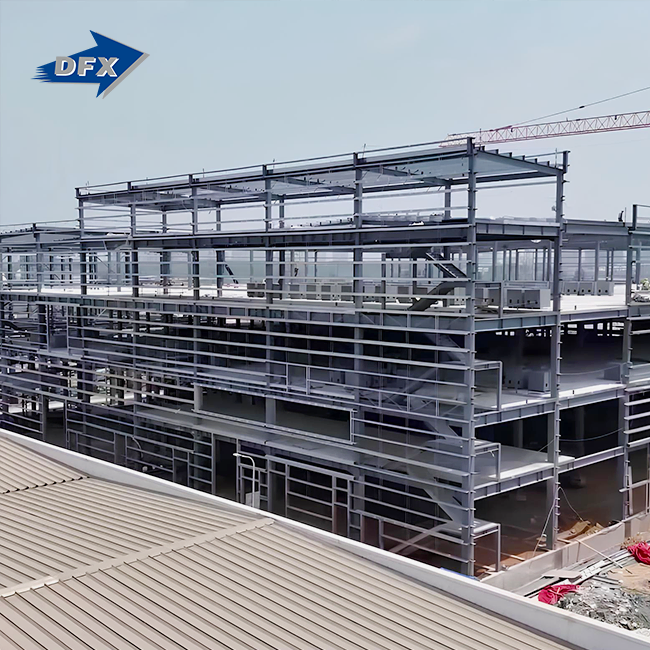
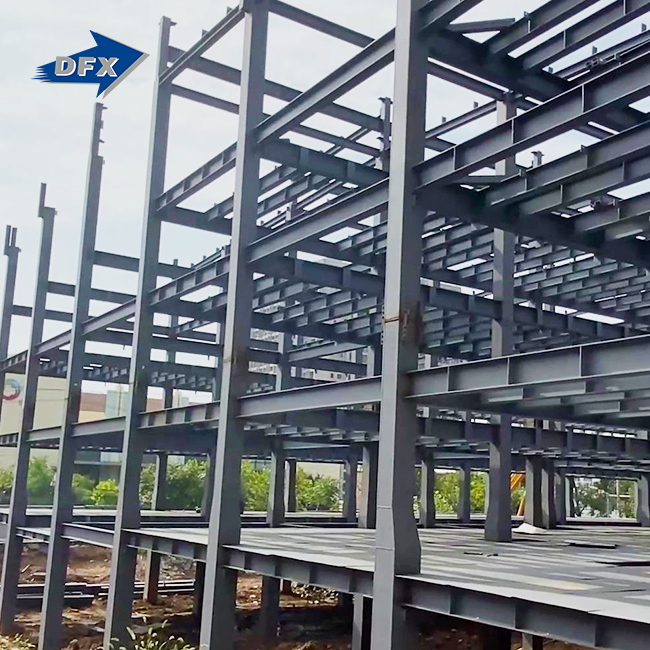
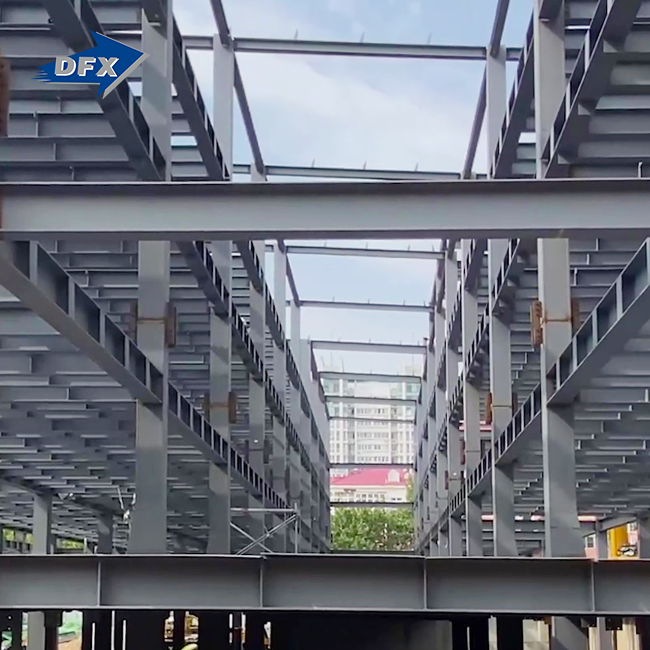
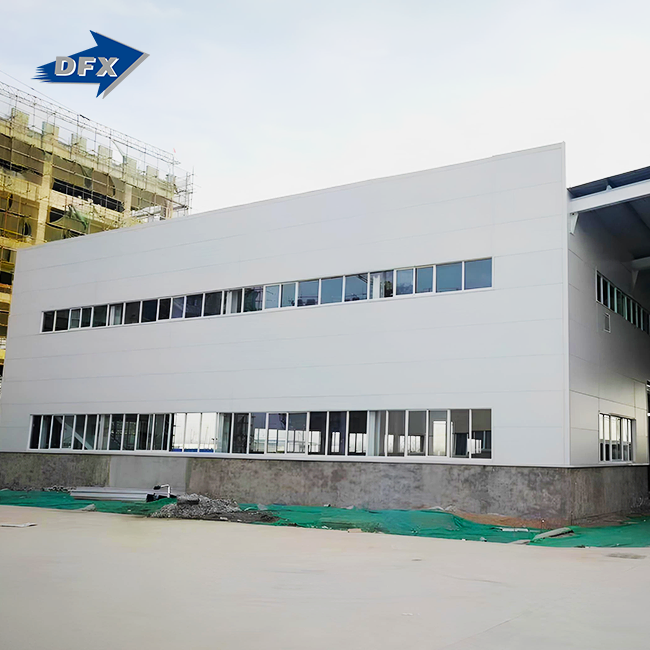
Engineered steel columns and beams make up the rigid skeleton of a steel-framed office building. They hold up composite floor systems and exterior elements. Unlike concrete buildings, which need weeks to cure, steel parts come pre-made from factories and are accurate to within a millimetre. This more organised method gets rid of the waste and delays caused by bad weather that happen during regular building. When our team designs office buildings or business centers, project managers see the value right away: faster occupancy means earlier revenue generation. The structure is usually made up of H-beams and box columns connected by high-strength bolted joints or welded connections. This framework can be attached to curtain wall systems or metal panel facades to make weathertight enclosures that still allow for architectural freedom. Steel's high strength-to-weight ratio lowers foundation costs, which is important for manufacturing businesses that are growing their headquarters because industrial zones often have unstable soil conditions.

Speed and Efficiency Advantages
One of the main reasons procurement managers choose steel frames for office projects is that it speeds up the building process. In traditional concrete buildings, the steps must be done in order: curing the base, pouring the columns, and curing the floor slab. Each step must be completed before moving on to the next. The way a steel building works is different. While the foundations are being prepared, steel fabricators work in climate-controlled sites to make building parts. Once the structural frame is delivered, it is put together in days instead of months by erection teams. We recently helped an EPC contractor build a three-story administrative center in the Midwest. Three weeks after the base was finished, the steel frame was at full height. After that, the interior fit-out started right away, which cut the total schedule by five months compared to the original concrete plan. As a result, the cost of financing the project went down, and the client moved into their new building before rivals who were still having problems with construction delays.
Long-Term Durability and Resilience
When properly protected, modern steel design from rust, structural steel will always have the same mechanical properties. Modern surface treatments, like hot-dip galvanisation with a zinc covering of at least 275g/m² or multi-layer epoxy paint systems, make sure that the structure will last for decades without any repairs, even in harsh urban environments. Building owners like that steel members won't rot like wood, crack like concrete when heated, or get eaten by termites. In places where earthquakes are likely, steel's seismic resilience makes it stand out. Because the material is naturally flexible, it can be deformed in a controlled way during earthquakes, releasing energy that would otherwise damage more fragile materials. Current IBC and AISC standards say that steel frames can usually survive magnitude 8 earthquakes with little damage. This robustness directly affects business continuity; after natural disasters, operations pick up quickly instead of having to be shut down for long periods of time.
Steel vs Traditional Materials: Making the Right Choice for Your Project
Upfront Investment and Total Cost Analysis
When procurement workers look at building materials, they naturally look at how much they cost at first. Sometimes, the starting costs of materials for steel structures are higher than those for basic wood framing. However, this narrow comparison doesn't take into account the overall costs of the project. When building goes faster, costs for labour, site overhead, and financing go down. Insurance rates go down because the building is less likely to catch fire. With modern insulation systems and a better thermal envelope, energy costs go down. Recently, a manufacturing investor building a new corporate office compared two designs: one was made of concrete and would take 14 months to finish, while the other was made of steel and would cost 112% of the base price and take 9 months to finish. The faster occupancy meant that the business could be active for five more months, making a lot more money than the marginal material premium. More and more, engineering heads are seeing the bigger picture of costs instead of just focusing on individual line items.
Environmental Sustainability and Green Certifications
Material choice decisions are now based on corporate social duty goals. Steel is better than concrete and wood because it can be recycled over and over again without losing any of its quality. When steel buildings are torn down, they are used to make new steel, which closes the resource loop. This feature supports LEED certification standards that are being asked for more and more by Fortune 500 companies renting office space. Better energy efficiency through advanced building envelope design further improves steel's environmental profile. When placed outside the steel frame, continuous insulation systems get rid of thermal bridging. This lowers the heating and cooling loads by 25–35% compared to regular construction. Less practical energy use means less carbon emissions over the building's 50-year life, which is a key factor that sustainability officers look at closely when judging capital projects.
Addressing Common Concerns
When designing, it is important to think about thermal bridging through steel parts. Steel that isn't insulated lets heat flow through it, which lowers the general performance of the envelope. This is taken care of by modern detailing. Modern steel design techniques like continuous exterior insulation, thermal breaks at interface places, and careful placement of vapour barriers. These design considerations don't add much to the cost if they are included in the planning stages from the start. For example, to protect against corrosion, the right coating systems must be chosen based on the climate. Coastal areas or industrial areas with airborne pollutants need stronger security than mild suburban areas. Reliable steel structure makers offer coating specifications that are tailored to the needs of the project and usually follow the ISO 12944 corrosivity categories. Coatings that are properly chosen and kept don't break down for decades.
Procurement and Construction: Navigating the Buying Process in 2026
Understanding Pricing Factors
There are a lot of things that affect how much a steel building costs. Base material prices change with the world steel market, but long-term trends tend to stay the same. The price of a project is greatly affected by how complicated it is. Simple rectangular floor plans are cheaper per square foot than artistically complex designs with many roof penetrations and different roof lines. The structural needs depend on the height of the building; taller buildings need heavier members and stronger connections. The amount of customisation affects the final price. The least expensive choice is a standard warehouse-style building with metal panels on the outside. Because they are harder to design and build, high-end company headquarters with curtain wall systems, integrated mechanical chases, and custom finishes cost a lot more. Clear specs should be set early on by project managers because changes made in the middle of a project can throw off schedules and cause costs to go up.
Prefabricated Versus Custom-Built Solutions
The fastest way to move into an office building is a modular-built office building. In controlled factory settings, manufacturers make whole volumetric modules that include finishes on the inside, mechanical systems, and fixtures. These pieces are shipped to the site where they will be quickly put together on foundations that have already been prepared. Agricultural companies that are building administrative offices often choose this method when speed is more important than architectural customisation. Custom-designed steel structures let architects express themselves in any way they want while still keeping steel's natural benefits. Engineers work together to make sure that the structural systems they create are the best ones for the spot, the local building codes, and the functional needs of the client. Because no two infrastructure projects are the same, this custom method is usually needed by EPC contractors working on those projects. Compared to modular solutions, the time it takes from design to fabrication is longer, but the end result is perfect for the job.
Selecting Certified Manufacturers
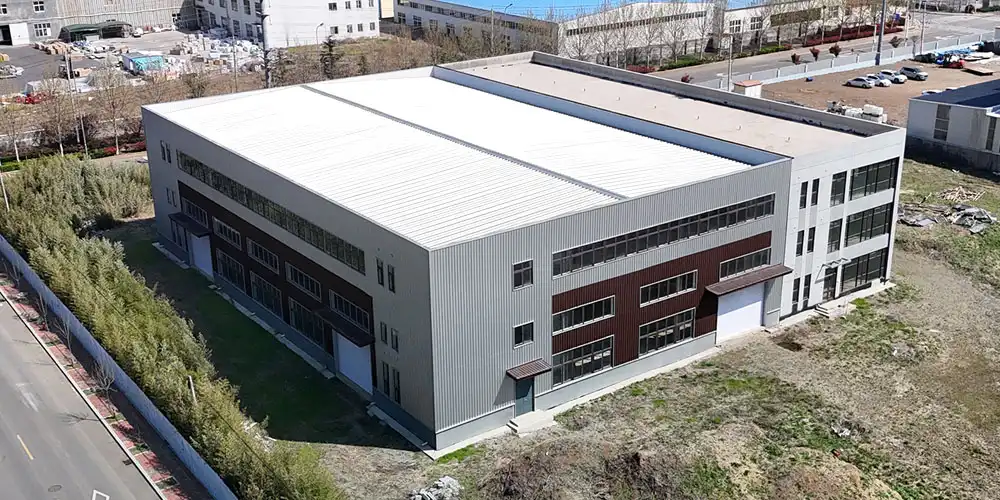
Quality control starts with choosing the right maker. Getting ISO 9001 approval means that the production processes are governed by well-established quality management systems. The CE mark shows that the product meets European standards, which is important for foreign contractors who need to make sure that the same standards are used on all of their projects around the world. Buyers should make sure that makers keep their welding certifications up to date according to AWS D1.1 or a similar standard. This is to make sure that the structural connections meet engineering standards. When evaluating potential suppliers, production capacity is important. A company with 40,000 square meters of enclosed production space and many H-beam lines, panel lines, and purlins production lines can handle large project numbers without having to wait for equipment to be delivered. Make sure the provider has experienced engineers on staff who can help with architectural layout design, structural calculations, and connection detailing. These are all services that make project coordination easier.
Performance, Safety, and Maintenance of Steel Office Buildings
Fire Safety and Code Compliance
Building officials need proof that Multi-story steel frame structural parts are fire-resistant based on the type of occupancy and the height of the building. Steel buildings get the right ratings by using fireproofing materials that have been tried and approved by reputable labs. Depending on the project's budget and aesthetics, spray-applied mineral fibre products, intumescent paints, and cementitious coatings all have their own benefits. New testing shows that properly fireproofed steel keeps its load-carrying capacity during required resistance periods, which lets people safely evacuate and fight fires. Manufacturers' certificates of compliance spell out the exact application thicknesses needed for each fire rating. Before giving occupancy permits, third-party inspectors make sure the installation was done correctly.
Seismic Design and Structural Integrity
Earthquake-prone regions demand ductile structural systems capable of dissipating seismic energy. Steel's material properties ideally suit these requirements. Moment-resisting frames allow controlled plastic hinging at beam-column connections, absorbing earthquake forces while preventing catastrophic collapse. Concentrically braced frames offer economical lateral resistance for structures where architectural constraints permit diagonal bracing. Engineering analysis following AISC 341 seismic provisions ensures adequate strength, stiffness, and ductility. Connection detailing receives particular attention, as these zones experience the highest stresses during seismic events. Quality control during fabrication includes ultrasonic testing of critical welds and dimensional verification through pre-assembly trials.
Maintenance Requirements and Lifecycle Costs
Steel structures demand minimal maintenance compared to other materials. Periodic inspections identify any coating damage requiring touch-up before corrosion initiates. Building operators typically schedule these inspections on five-year cycles, examining exposed steel at roof penetrations, expansion joints, and grade-level locations where moisture accumulation occurs. Long-term lifecycle costs favor steel construction. The material won't rot, warp, or suffer insect damage that plagues wood structures. Concrete spalling and rebar corrosion don't occur. Mechanical and electrical systems retrofits proceed easily since non-load-bearing partition walls can be relocated without affecting structural integrity. This adaptability extends the building's useful life as tenant requirements evolve.
Future Trends and Strategic Insights for Steel Office Buildings in 2026
Digital Integration and Smart Building Systems
Modern office buildings function as sophisticated technological platforms. Steel structures readily accommodate the cabling, conduit, and equipment required for smart building systems. Structural designs incorporate pathways for network infrastructure, sensor arrays, and control systems from initial planning stages rather than as costly retrofits. Building management systems monitor energy consumption in real-time, adjusting HVAC operations based on occupancy patterns detected through integrated sensors. This operational intelligence reduces utility costs while maintaining optimal comfort conditions. Tenants increasingly expect these capabilities, viewing them as essential workplace amenities rather than luxury features.
Modular and Flexible Workspace Design
Workforce patterns continue shifting toward hybrid arrangements, mixing remote and in-office work. This trend drives demand for reconfigurable office layouts that adapt as team sizes fluctuate. Steel's column-free spanning capabilities enable this flexibility, supporting today's open collaboration zones that might become tomorrow's private offices without structural modifications. Modular furniture systems, movable partition walls, and raised access floors integrate seamlessly with steel building platforms. Facility managers reconfigure floor plans over weekends rather than enduring months of disruptive construction. This operational agility provides a competitive advantage as businesses respond to market changes.
Supply Chain Evolution and Advanced Fabrication
Digital fabrication technologies and multi-story steel frames continue to improve steel construction efficiency. Building Information Modeling coordinates design disciplines, identifying conflicts before fabrication begins. CNC-controlled cutting and drilling equipment produces components with precision impossible through manual methods. Automated welding systems deliver consistent quality across thousands of connections. These manufacturing advances benefit buyers through shorter lead times and reduced error rates. A steel structure manufacturer equipped with modern production lines completes projects faster while maintaining tighter tolerances. Components arrive on site, fitting together as designed, eliminating the field modifications that disrupt schedules and inflate costs.
Conclusion
Steel construction has matured into the optimal solution for modern office buildings, offering construction speed, structural performance, and lifecycle economy that traditional materials cannot match. Project managers evaluating options for corporate offices, administrative buildings, or business centers find that steel frameworks address their core concerns: predictable schedules, controlled costs, and adaptable spaces supporting evolving workplace strategies. The material's inherent recyclability and energy efficiency potential align with corporate sustainability commitments that influence both internal capital allocation and external stakeholder perceptions. As workspace requirements continue shifting through 2026 and beyond, steel's combination of strength, flexibility, and speed positions it as the foundation for future-ready office infrastructure.
FAQ
1. What is the typical construction timeline for a steel office building?
A three-story steel-framed office building typically requires 8-12 months from foundation start to occupancy, compared to 14-18 months for equivalent concrete construction. The timeline varies based on project size, architectural complexity, and site conditions. Steel fabrication occurs concurrently with foundation work, compressing the schedule significantly. Erection of the steel frame itself often completes within 3-6 weeks for buildings up to 50,000 square feet.
2. How do steel office buildings perform in extreme weather conditions?
Steel structures excel in regions facing hurricanes, earthquakes, and temperature extremes. Engineered connections and bracing systems resist wind loads exceeding 150 mph when designed to current codes. Ductile steel frames dissipate seismic energy during earthquakes, preventing collapse. Proper insulation and vapor barriers enable comfortable interior conditions from Arctic winters through desert summers. Fire-resistant coatings protect structural members, maintaining integrity during emergencies.
3. What certifications should I verify when selecting a steel building manufacturer?
Quality-focused manufacturers maintain ISO 9001 certification, demonstrating systematic quality control. CE marking indicates European standards compliance—valuable for international consistency. Verify welding certifications to AWS D1.1 or equivalent standards. Request evidence of design capability, including PE-stamped engineering drawings. Check production capacity and equipment sophistication to ensure the manufacturer can handle your project scope without delays.
Partner with DFX for Your Next Steel Office Project
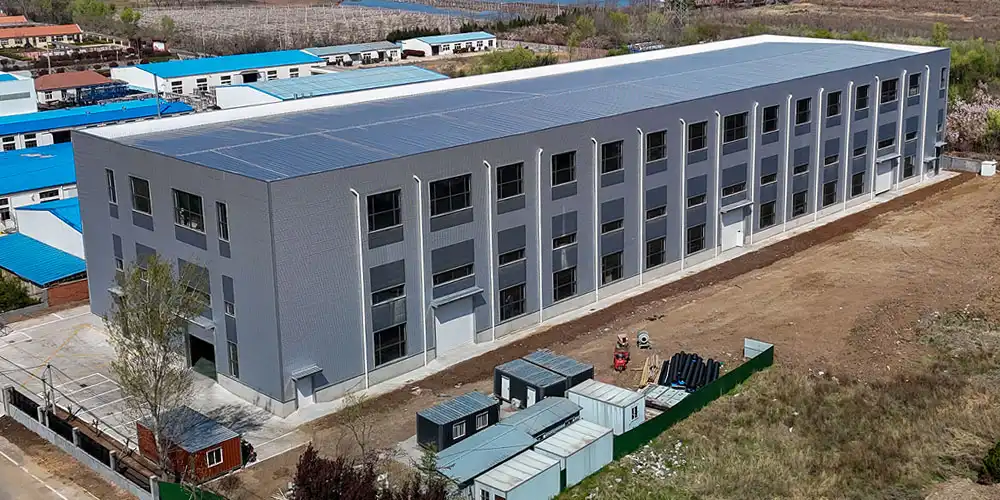
Director Steel Structure brings over 12 years of specialized experience in manufacturing steel-framed commercial buildings for clients worldwide. Our 40,000-square-meter production facility houses six automatic H-beam lines and comprehensive fabrication equipment, enabling us to serve as your trusted Steel Structure Office Building supplier from concept through installation. We provide complete architectural layout design, structural calculations compliant with local building codes, ISO9001 and CE certified fabrication, and on-site installation guidance. Whether you're an EPC contractor requiring multi-story administrative buildings or a manufacturing company building new corporate headquarters, our engineering team delivers turnkey solutions matching your schedule and budget requirements. Contact jason@bigdirector.com today to discuss how our steel structure expertise can accelerate your next office building project.
References
1. American Institute of Steel Construction. (2023). Specification for Structural Steel Buildings (ANSI/AISC 360-22). Chicago: AISC.
2. Bjorhovde, R., & Colson, A. (2024). "Sustainable Steel Construction: Environmental and Economic Benefits in Commercial Buildings." Journal of Constructional Steel Research, 215, 108-124.
3. Chen, W.F., & Lui, E.M. (2024). Handbook of Structural Engineering: Steel Structure Design for Office Buildings (3rd ed.). Boca Raton: CRC Press.
4. International Code Council. (2024). 2024 International Building Code. Country Club Hills: ICC.
5. Lawson, R.M., & Richards, J. (2023). "Modular Steel Construction for Modern Office Buildings: Design Strategies and Performance Analysis." Steel Construction Design and Research, 16(3), 245-262.
6. U.S. Green Building Council. (2025). LEED v5 Steel Structure Requirements and Carbon Accounting Methods. Washington, DC: USGBC.
Learn about our latest products and discounts through SMS or email