- English
- French
- German
- Portuguese
- Spanish
- Russian
- Japanese
- Korean
- Arabic
- Greek
- German
- Turkish
- Italian
- Danish
- Romanian
- Indonesian
- Czech
- Afrikaans
- Swedish
- Polish
- Basque
- Catalan
- Esperanto
- Hindi
- Lao
- Albanian
- Amharic
- Armenian
- Azerbaijani
- Belarusian
- Bengali
- Bosnian
- Bulgarian
- Cebuano
- Chichewa
- Corsican
- Croatian
- Dutch
- Estonian
- Filipino
- Finnish
- Frisian
- Galician
- Georgian
- Gujarati
- Haitian
- Hausa
- Hawaiian
- Hebrew
- Hmong
- Hungarian
- Icelandic
- Igbo
- Javanese
- Kannada
- Kazakh
- Khmer
- Kurdish
- Kyrgyz
- Latin
- Latvian
- Lithuanian
- Luxembou..
- Macedonian
- Malagasy
- Malay
- Malayalam
- Maltese
- Maori
- Marathi
- Mongolian
- Burmese
- Nepali
- Norwegian
- Pashto
- Persian
- Punjabi
- Serbian
- Sesotho
- Sinhala
- Slovak
- Slovenian
- Somali
- Samoan
- Scots Gaelic
- Shona
- Sindhi
- Sundanese
- Swahili
- Tajik
- Tamil
- Telugu
- Thai
- Ukrainian
- Urdu
- Uzbek
- Vietnamese
- Welsh
- Xhosa
- Yiddish
- Yoruba
- Zulu
How Steel Structure Warehouses Support Rapid Expansion for Growing Businesses?
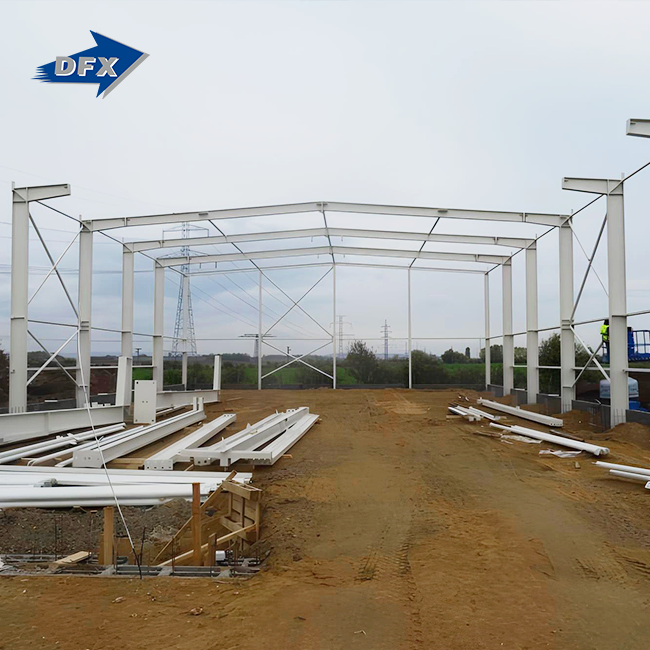
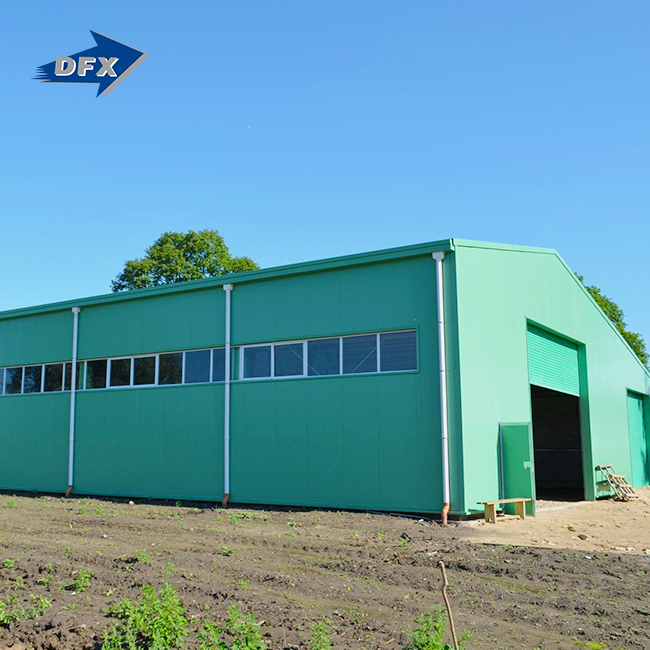
When a business grows quickly, it needs more storage and work area right away. Steel-structure warehouses have become the best option for businesses that want to grow quickly and cheaply. These modular prefabricated buildings are both highly accurate technical works that are quickly put together. This lets businesses grow without having to wait a long time. Using H-beam primary frames and galvanised C/Z purlins, these warehouses provide structural stability while cutting project timelines by 30–50% compared to traditional building methods. This makes them perfect for meeting the changing needs of the market.
Understanding the Advantages of Steel Structure Warehouses for Business Growth
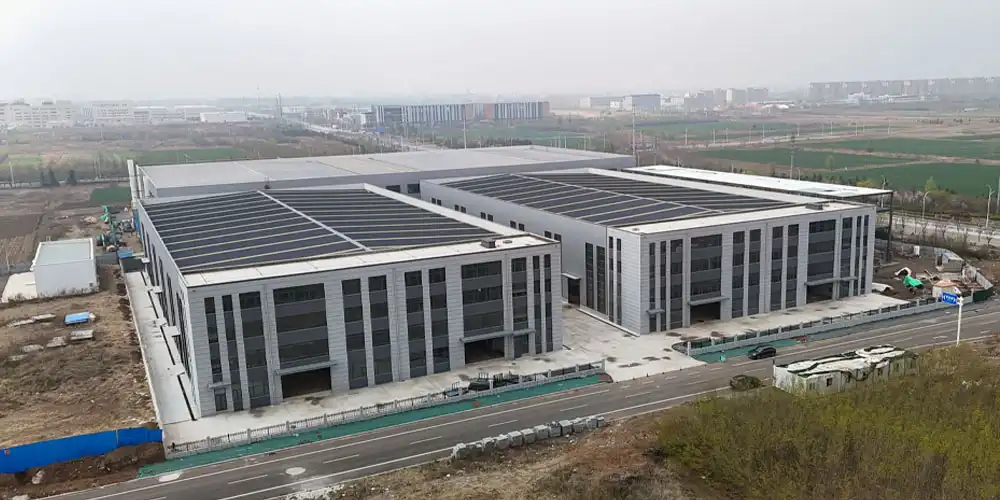
Expanding businesses face constant pressure to increase storage capacity, optimize logistics, and control costs simultaneously. Prefabricated steel buildings address these challenges through inherent design flexibility and rapid deployment capabilities.
Accelerated Construction Timelines Reduce Market Entry Delays
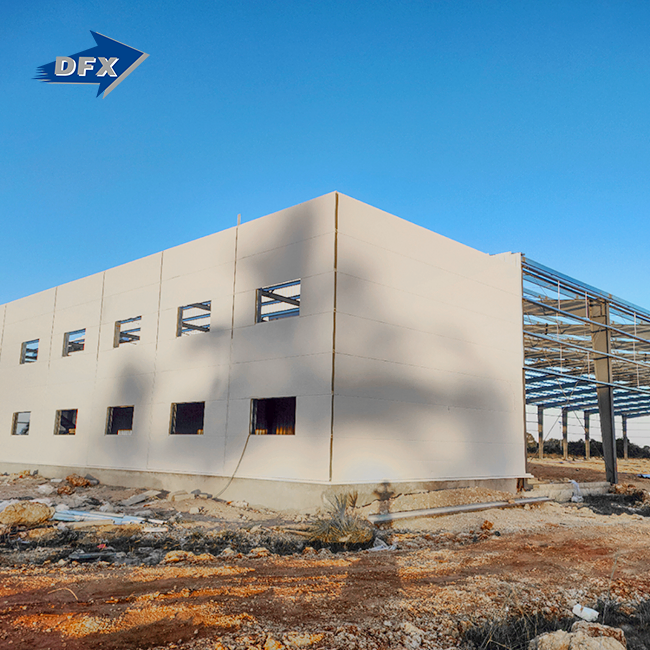
Usually, it takes 12 to 18 months from planning to finishing for a traditional concrete warehouse. Steel buildings cut this time frame by a huge amount. When parts are made away from the building site, they come ready to be put together. This cuts down on the need for on-site labour and delays caused by bad weather. China has factories with automatic welded H-beam production lines that can make structural parts while the site is being prepared at the same time. With this parallel process, projects can be finished in 4 to 6 months, giving businesses plenty of time to act on market opportunities. For growing businesses, construction speed is very important. A manufacturing investor who wants to grow into new areas can't afford to have long construction periods that keep them from starting production. Problem solved by prefabricated steel systems that are put together using bolt-connected ways that don't require a lot of specialised work. Installation instructions from skilled fabricators make sure that even faraway project sites keep quality standards high during assembly.
Superior Strength-to-Weight Ratios Enable Flexible Space Planning
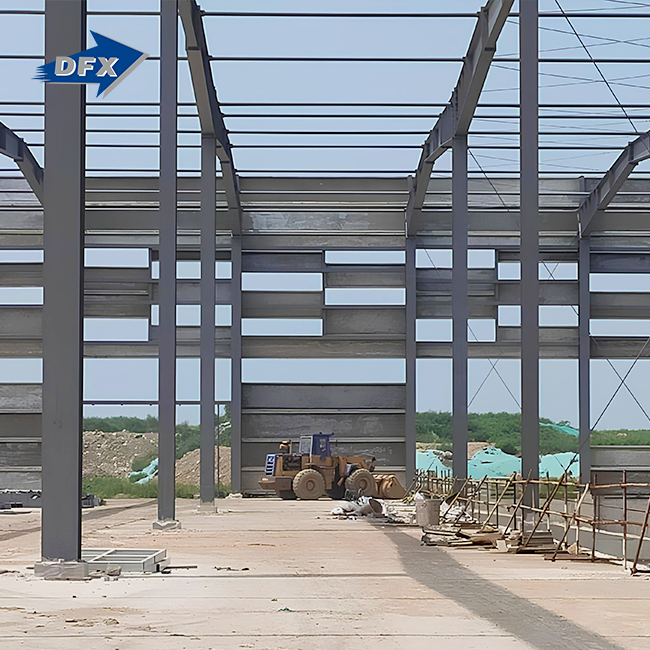
Steel has unique qualities that make it useful in many situations. High-tensile structural steel, such as Q345B, has a yield strength greater than 345 MPa, which lets big clear-span designs go up without any interior columns. Unobstructed floor space is especially helpful in distribution centers because it increases the amount of store space and forklift manoeuvrability. Spans of 60 meters or more get rid of the space problems that come with most building designs. This makes the structure more efficient, which saves money. Less heavy dead loads mean that a 30% smaller base is needed, which means that less money is spent on digging and pouring concrete. The lower structural weight also makes it easier to move the parts, which is especially helpful when sending parts to places in other countries. These economic benefits build up over the course of a project's lifecycle, giving budget-conscious decision-makers a better return on their investment.
Scalable Design Architecture Supports Phased Business Expansion
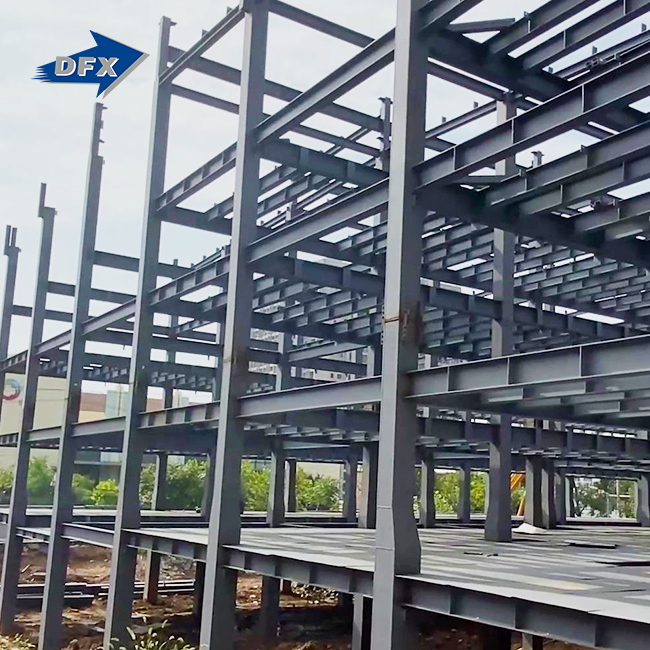
Growth doesn't usually happen in expected ways. Businesses need buildings that can be changed to meet new needs. Through modular construction, steel warehouse systems can be expanded in stages. Initial construction can set the core storage capacity, and the structure can be changed to allow future vertical or horizontal additions without stopping operations. This flexibility is very useful for manufacturing companies that aren't sure how much room they will need in the future. Instead of making too much at first or running out of space too soon, modular steel structures can be expanded in small steps. Engineering calculations done during the initial design make sure that the structure's integrity stays the same during all of its expansion steps. This forward-thinking method keeps operational Storage building flexibility while protecting capital investments.
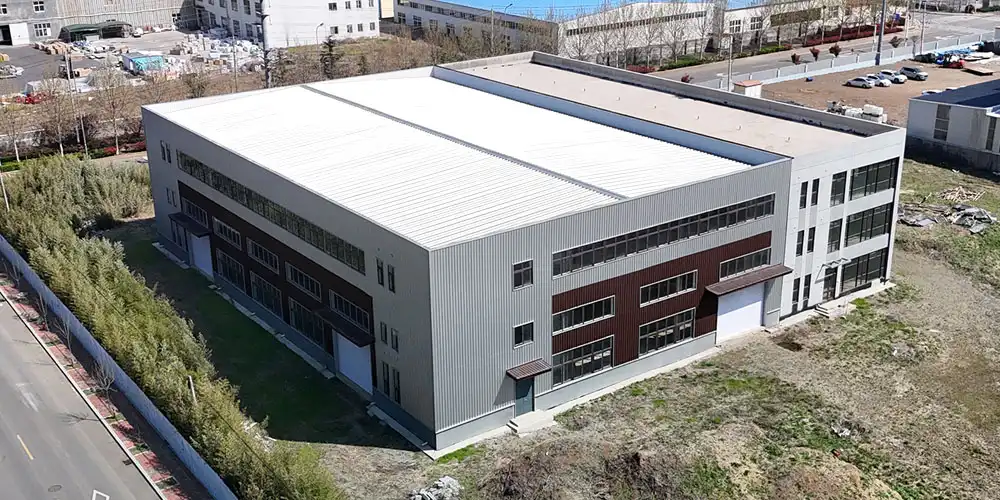
Key Design and Construction Considerations for Scalable Steel Warehouses
Effective warehouse projects balance immediate functional requirements with long-term operational goals. Several technical factors determine whether a steel structure delivers sustained value.
Advanced Engineering Ensures Regulatory Compliance and Structural Safety
Modern steel warehouses are built with complex software that makes sure they meet international standards and distribute loads in the best way possible. Buildings have to be able to handle wind loads, earthquake forces, and the stress that comes from using heavy tools or overhead cranes. Building Information Modelling (BIM) is used by structural engineers to simulate these conditions and find possible weak spots before the building process starts. Following standards such as AISC 360, Eurocode 3, or GB/T requirements keeps businesses safe and protects them from liability. Through intumescent coating systems, fire resistance ratings can reach 2 to 4 hours, which meets insurance standards for storing valuable goods. In geologically busy areas, having seismic resilience that meets Grade 8 standards gives people peace of mind. These technical skills set professional steel fabricators apart from other building companies.
Material Selection Impacts Durability and Maintenance Requirements
Different types of operational settings don't all make structural steel work the same. Facilities that store agricultural goods in humid areas need better corrosion protection than facilities that store gadgets in climate-controlled warehouses. Hot-dip galvanising with zinc coating layers exceeding 600g/m² gives better rust protection, extending the structure's life beyond 50 years with little upkeep. Cladding systems should also be carefully thought out. Sandwich panels with polyurethane or rockwool bases that are insulated provide the thermal efficiency that is needed for stock that needs to be kept at a certain temperature. Corrugated steel sheets are a cheap way to protect general store areas from the weather. By matching the specs of the materials to the needs of the business, costs can be kept low, and performance standards are met.
Turnkey Solutions Streamline Project Management Complexity
A lot of businesses that are growing don't have the staff to manage complicated construction jobs. This gap is filled by turnkey steel structure providers, who take care of the whole process from the initial idea to the finished product. Integrated services that include engineering calculations, fabrication, logistics planning, and erection advice get rid of the need to work with multiple vendors. This all-around approach cuts down on mistakes and schedule conflicts. A single point of responsibility makes sure that the design purpose is carried out correctly from the planning stage to the final installation. Project managers and procurement managers like how this streamlines their work, especially when they are in charge of multiple growth projects at the same time in different parts of the world.
Comparing Steel Structure Warehouses to Traditional Warehousing Options
Decision-makers evaluating expansion options need clear comparisons between construction methodologies. Steel structures offer measurable advantages across multiple performance dimensions.
Cost Analysis Reveals Lifecycle Economic Benefits
Initial price quotes only show a small part of how much the whole job will really cost. When compared to similar concrete buildings, steel warehouses usually have 15–25% lower total project costs. Faster building lowers the cost of financing and speeds up the time it takes for operational facilities to start making money. Lower upkeep costs over many years add to the economic benefits. However, concrete buildings require more labour because they take longer to build and need special forms. Repair costs go up as buildings age, especially in places where temperatures change a lot or where the ground settles. These ongoing costs are kept to a minimum by steel's longevity and dimensional stability. Businesses that care about the long-term performance of their assets know that these benefits over the lifecycle of the asset are greater than any small differences in the original capital outlay.
Environmental Performance Supports Corporate Sustainability Goals
Steel's ability to be recycled meets the growing environmental responsibility and storage building demands of stakeholders. When their useful life is over, structural parts still have value and can be used for something else without losing any of their performance. This circular economy method is very different from tearing down concrete buildings, which creates a lot of trash for landfills. Steel construction also uses less energy during operations, which is another benefit. When compared to old warehouses, modern warehouses with steel framing and insulation systems cut heating and cooling costs by 20 to 30 percent. This working efficiency cuts down on carbon emissions and makes the business more profitable. Companies that want to get green building certifications find that steel structures make it easier to meet strict environmental standards.
Construction Flexibility Enables Rapid Market Response
In areas with a lot of competition, business conditions change quickly. Because they can be changed quickly, steel buildings help businesses adapt quickly to changing market needs. Adding loading bays, mezzanine levels, or automated storage systems is easier to do in steel frames than in rigid concrete buildings. This flexibility is especially useful for logistics companies that have to meet changing customer needs. As the needs of e-commerce fulfilment shift toward faster delivery times, warehouse layouts need to change to suit new sorting technologies and easier access for vehicles. Because steel is naturally flexible, these changes in operations can be made without having to rebuild the whole building.
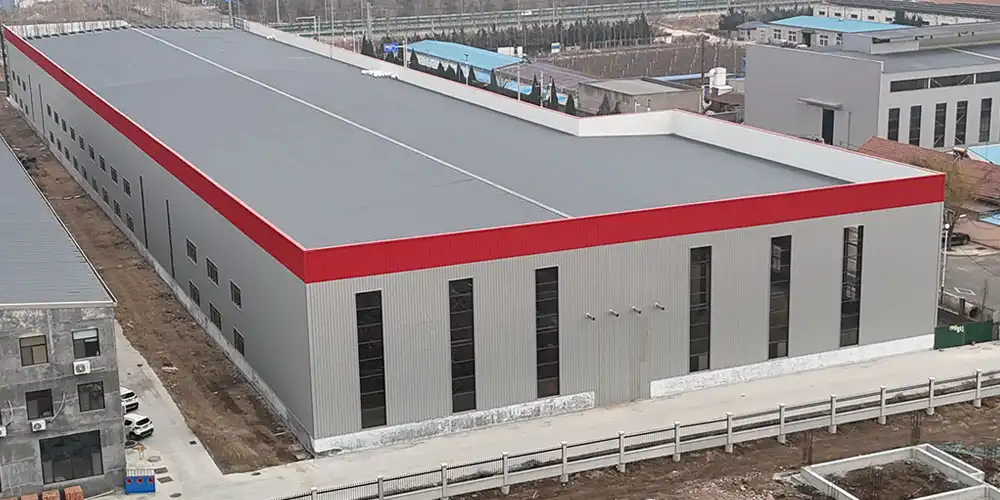
Procurement and Investment Strategies for Steel-Structure Warehouses
Successful warehouse projects require strategic planning beyond basic construction decisions. Several factors influence project outcomes and long-term satisfaction.
Supplier Evaluation Criteria Protect Project Investments
Selecting fabricators with proven track records significantly reduces project risks. ISO9001 certification demonstrates commitment to quality management systems, while CE marking confirms compliance with European safety standards. Reviewing supplier portfolios reveals experience with projects matching your scale and complexity requirements. Production capacity matters when project timelines are critical. Facilities operating multiple H-beam production lines and sandwich panel lines can accommodate urgent delivery schedules without compromising quality. Companies like Qingdao Director Steel Structure, with 40,000 square meters of enclosed production space and 200 trained workers, exemplify the manufacturing scale necessary for reliable commercial project execution.
Budget Planning Must Account for the Complete Project Scope
Comprehensive cost estimation includes more than structural steel prices. Foundation preparation, utility connections, and interior finishing contribute significantly to total expenses. Transparent suppliers provide detailed breakdowns covering engineering calculations, fabrication, logistics coordination, and erection guidance as integrated service packages. Financing strategies should align with business cash flow patterns. Project-based procurement allows staged payments matching construction milestones, easing capital management challenges. Some growing businesses leverage equipment leasing or green building loans, offering favorable terms for energy-efficient structures. Exploring these financial mechanisms can make expansion projects feasible without straining operational budgets.
Geographic Considerations Influence Supplier Selection
International sourcing from manufacturing hubs like China offers cost advantages while requiring careful logistics planning. Container shipping timelines, customs clearance procedures, and local erection capabilities all impact project schedules. Experienced suppliers manage these complexities through established logistics partnerships and documentation expertise. Local regulations regarding imported building materials vary by jurisdiction. Verifying that structural components meet destination country standards prevents costly delays or rejection at customs checkpoints. Suppliers offering CE certification alongside ISO standards demonstrate Logistics warehouse readiness for international project requirements, simplifying compliance verification for procurement managers.
Long-Term Maintenance and Environmental Considerations
Warehouse investments span decades, making maintenance planning and environmental impact crucial factors in decision-making.
Routine Inspection Protocols Prevent Costly Repairs
Steel structures require minimal maintenance compared to traditional buildings, but periodic inspections ensure optimal performance throughout their service life. Annual reviews should examine connection integrity, coating condition, and drainage system functionality. Addressing minor issues promptly prevents escalation into structural concerns requiring expensive remediation. Properly maintained steel warehouses easily exceed 50-year operational lifespans. This durability protects capital investments while providing stable operational environments for inventory and equipment. Businesses planning multi-generational growth appreciate assets that remain functional and valuable across extended timeframes.
Energy Efficiency Reduces Operational Expenses
Thermal efficiency has a direct effect on the costs of running a warehouse. When compared to single-layer insulation systems, insulated wall and roof panels cut down on heat transfer by 20 to 30 percent. This level of efficiency is especially useful for temperature-controlled storage used in the food or drug businesses. Modern insulation materials, such as polyurethane foam or rockwool, keep the inside of a building at a steady temperature and meet fire safety standards. If you choose the right systems, they will balance the prices of the materials at first with the money you will save on energy costs over time. This way, you will get your money back within three to five years by saving money on utilities.
Sustainable Building Practices Enhance Brand Reputation
Corporate social duty affects how customers and investors see a business more and more. Building facilities with reusable materials and energy-saving systems shows concern for the environment, which is in line with what stakeholders value. Steel's natural benefits for sustainability back up marketing messages about doing business in a responsible way. Green building certifications like LEED or BREEAM look at a building's overall environmental performance, such as where the materials come from, how it handles construction trash, and how efficiently it runs. Companies that get these titles become leaders in their fields and may be able to get tax breaks or better financing terms that are only available to sustainable development projects.
Conclusion
Steel Structure Warehouses give growing businesses the speed, flexibility, Logistics warehouse and low costs they need to increase their operating capacity. Because they are modular and prefabricated, these facilities cut down on construction times by months while still keeping the buildings' structural stability and long-term durability. Buildings that can change with changing business needs without losing performance are made with H-beam frameworks, galvanised parts, and improved insulation systems. Steel warehouses offer scalable solutions backed by international quality certifications and full turnkey services that include design and installation. They can be used to support the growth of manufacturing, farming, or transportation infrastructure.
FAQ
1. What factors determine steel warehouse construction timelines?
Construction speed depends on several variables, including site preparation status, design complexity, component fabrication schedules, and erection crew availability. Standard warehouses spanning 1,000-5,000 square meters are typically completed within 4-6 months from contract signing to operational readiness. This timeline assumes parallel workflows where foundation work occurs while steel components undergo off-site fabrication. Complex projects requiring specialized features like integrated crane systems or extensive utility installations may extend timelines by 6-8 weeks. Weather conditions and permit approval processes also influence completion dates, though prefabricated steel construction minimizes weather-related delays compared to traditional methods.
2. How do steel warehouses perform in extreme weather conditions?
Engineered steel structures withstand severe environmental stresses through proper design and material selection. Wind load calculations ensure structural stability during storms exceeding 120 km/h, while seismic engineering protects against earthquake forces reaching Grade 8 intensity. Galvanized coatings and specialized paint systems prevent corrosion in humid or coastal environments. Insulated cladding maintains interior temperature stability during extreme heat or cold, protecting inventory while reducing energy costs. Buildings in hurricane-prone regions incorporate reinforced connection details and impact-resistant panels meeting local building codes. Proper engineering tailored to site-specific conditions ensures steel warehouses deliver reliable performance across diverse climates.
3. What certifications should I verify when selecting a steel warehouse supplier?
ISO9001 certification confirms suppliers maintain quality management systems, ensuring consistent production standards. CE marking demonstrates compliance with European health, safety, and environmental protection requirements. EN1090 certification specifically addresses structural steel fabrication and erection standards. Review supplier portfolios showing completed projects similar in scale and complexity to your requirements. Verify production capacity through facility inspections or detailed equipment inventories. Check references from previous clients in your industry to assess supplier reliability, communication effectiveness, and post-installation support quality. These verification steps protect your investment while ensuring project delivery meets expectations.
Partner with DFX for Your Next Warehouse Expansion Project
Growing your business requires reliable partners who understand Steel-structure warehouses and the complexities of rapid expansion. Director Steel Structure brings over 12 years of specialized experience in designing and manufacturing Steel Structure Warehouses for diverse commercial applications. Our ISO9001-certified production facilities utilize automated H-beam lines and advanced fabrication equipment to deliver precision-engineered components that meet international standards, including CE and EN1090 certifications. We provide comprehensive support from initial engineering calculations through on-site erection guidance, ensuring your project progresses smoothly regardless of location. Connect with our team at jason@bigdirector.com to discuss how our turnkey solutions can accelerate your expansion timeline while controlling costs. As a trusted Steel Structure Warehouse supplier, we transform your growth vision into operational reality.
References
1. Smith, J. & Thompson, R. (2022). Structural Steel Design for Commercial Buildings: Engineering Principles and Modern Applications. Construction Industry Press.
2. Williams, M. (2021). "Comparative Life-Cycle Cost Analysis of Industrial Warehouse Construction Methods." Journal of Building Economics and Management, 45(3), 287-304.
3. Chen, L., Rodriguez, A., & Park, S. (2023). Prefabricated Steel Structures: Design, Fabrication, and Rapid Construction Techniques. International Engineering Publishers.
4. National Steel Construction Association. (2022). Best Practices for Steel Warehouse Design and Construction Standards. Technical Report Series, Volume 18.
5. Anderson, K. (2020). "Sustainability Performance of Steel Buildings in Commercial Applications." Environmental Construction Review, 12(4), 156-173.
6. Davis, P. & Martinez, C. (2023). Industrial Facility Planning: Strategic Approaches to Warehouse Expansion and Logistics Optimization. Business Infrastructure Publishing.
Learn about our latest products and discounts through SMS or email