- English
- French
- German
- Portuguese
- Spanish
- Russian
- Japanese
- Korean
- Arabic
- Greek
- German
- Turkish
- Italian
- Danish
- Romanian
- Indonesian
- Czech
- Afrikaans
- Swedish
- Polish
- Basque
- Catalan
- Esperanto
- Hindi
- Lao
- Albanian
- Amharic
- Armenian
- Azerbaijani
- Belarusian
- Bengali
- Bosnian
- Bulgarian
- Cebuano
- Chichewa
- Corsican
- Croatian
- Dutch
- Estonian
- Filipino
- Finnish
- Frisian
- Galician
- Georgian
- Gujarati
- Haitian
- Hausa
- Hawaiian
- Hebrew
- Hmong
- Hungarian
- Icelandic
- Igbo
- Javanese
- Kannada
- Kazakh
- Khmer
- Kurdish
- Kyrgyz
- Latin
- Latvian
- Lithuanian
- Luxembou..
- Macedonian
- Malagasy
- Malay
- Malayalam
- Maltese
- Maori
- Marathi
- Mongolian
- Burmese
- Nepali
- Norwegian
- Pashto
- Persian
- Punjabi
- Serbian
- Sesotho
- Sinhala
- Slovak
- Slovenian
- Somali
- Samoan
- Scots Gaelic
- Shona
- Sindhi
- Sundanese
- Swahili
- Tajik
- Tamil
- Telugu
- Thai
- Ukrainian
- Urdu
- Uzbek
- Vietnamese
- Welsh
- Xhosa
- Yiddish
- Yoruba
- Zulu
The Allure of Steel-Structure Office Buildings
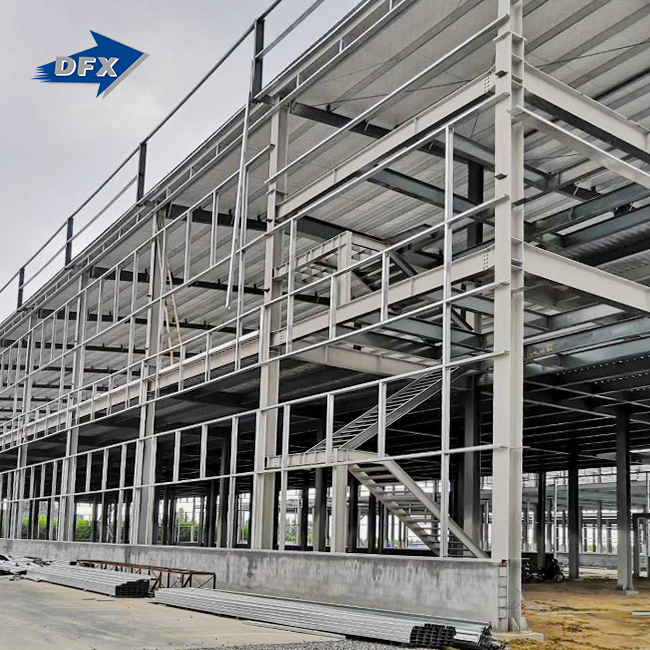
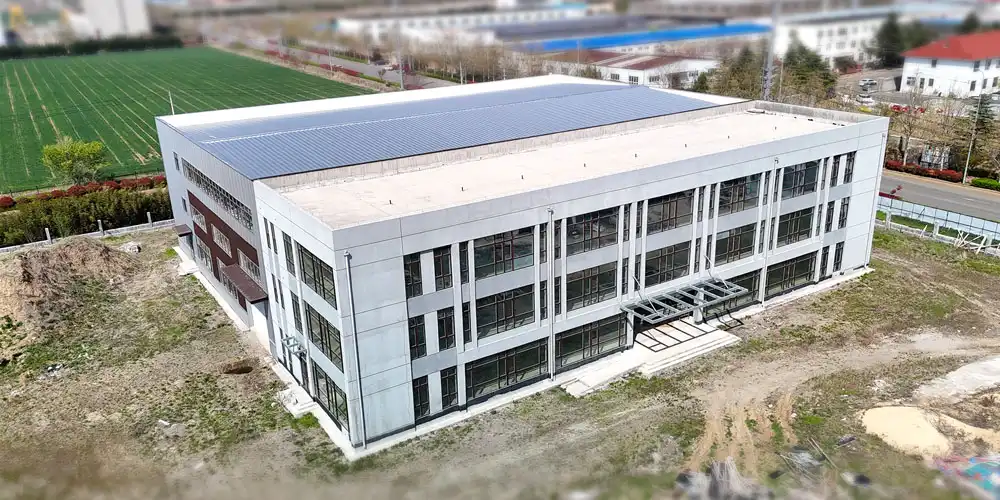
If you think of a modern city skyline, you probably Steel Structure Office Building think of tall, steel-framed buildings that seem to reach for the sky. A Steel Structure Office Building isn't just a choice in architecture; it's also a smart investment that combines building precision with business sense. Instead of using traditional reinforced concrete systems, these buildings use prefabricated frames made of high-strength steel parts like H-beams, box columns, and lattice girders. This method solves long-standing problems in the industry by cutting down on the time it takes for concrete to harden, making foundation costs lower by reducing the weight of the structure, and making column-free internal spans perfect for flexible office layouts that can change as business needs do.
Understanding Steel-Structure Office Buildings
Core Materials and Structural Characteristics
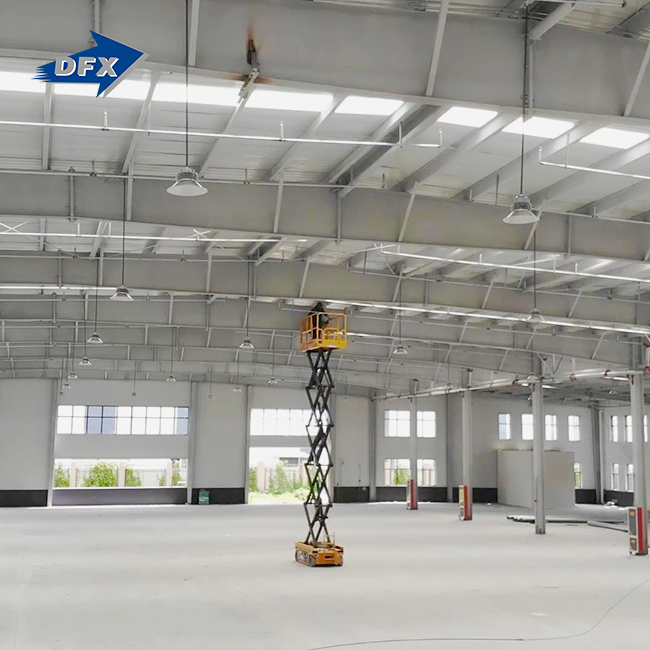
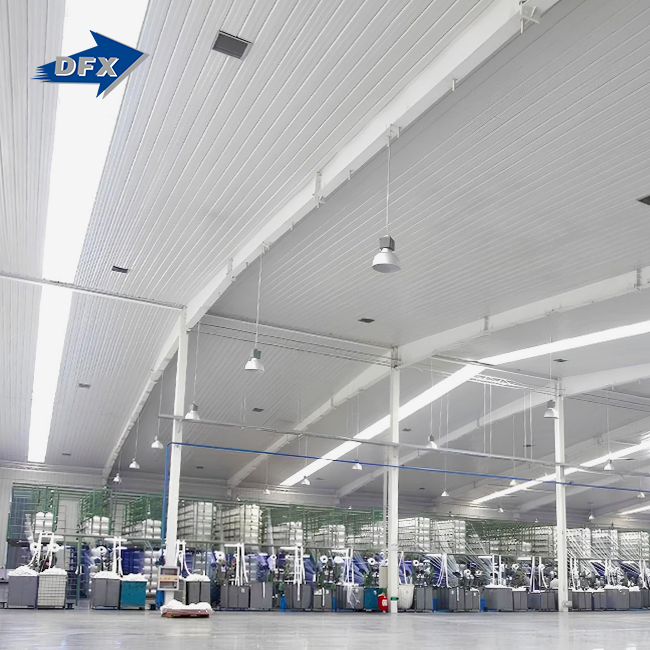
Steel-framed business buildings stand out because of the high-quality materials they use. We build buildings out of steel grades Q235 and Q355, which have yield strengths higher than 345 MPa. These grades meet foreign standards that are the same as ASTM A572 Grade 50 or European S355JR requirements. The main system for supporting weight is made up of steel column-beam frames that work with composite floor systems and bracing that is placed in specific places. This layout makes a rigid, earthquake-resistant frame that can handle strong side forces from wind and earthquakes. The facade systems include curtain walls or metal panel cladding, which protect against the weather and allow for thermal expansion. These parts come pre-engineered with sub-millimeter tolerances, which makes them easier to put together in the field than brickwork or poured concrete. Our factory in China makes both single-story and multi-story designs that are perfect for business centers, administrative buildings, and company offices.
Prefabrication Versus Traditional Construction
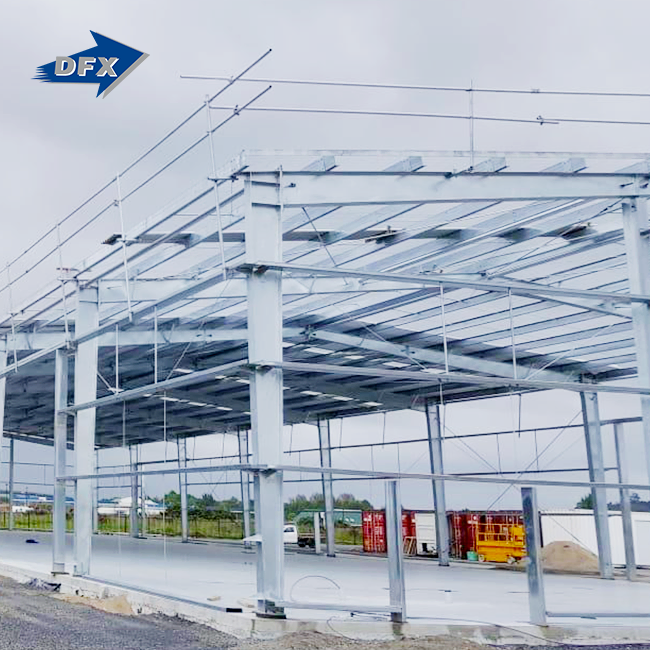
In traditional building methods, steps like shaping, pouring, curing, and finishing are done one after the other on-site, and each one depends on the weather and the supply of workers. This way of thinking is changed with prefabricated steel buildings. Before being sent out, the parts made in our 40,000-square-meter enclosed building are checked for quality. When they arrive, they are ready to be put together quickly. Compared to concrete options, this industrialised method shortens project timelines by 30 to 50 percent. Not being affected by the weather is another important benefit. While concrete needs to be in certain temperature ranges and levels of moisture to cure properly, steel erection can be done safely all year long. Our six automatically welded H-beam production lines are always running, making about 20,000 tonnes of high-quality H-beams every year. Site crews focus on putting things together instead of processing materials. This cuts down on labour costs and waste, which is becoming an increasingly important factor for projects that want to get LEED or BREEAM approvals.
Durability and Maintenance Considerations
Long-term performance backs up the choices made at the start. When properly designed, steel structures last a very long time, especially when they are protected with advanced surface treatments. We use hot-dip galvanisation that meets ISO 1461 standards and puts down a zinc covering of at least 275g/m², or high-performance epoxy systems that mix zinc-rich primers with polyurethane topcoats. In urban industrial settings classified as C3 to C5 environments, these processes make the steel resistant to corrosion. They also require less maintenance than concrete, which can deteriorate over time due to spalling, rebar corrosion, and alkali-silica reactions. Wooden buildings can get damaged by water, bugs, and the risk of fire. Because steel is stable, its performance can be predicted over many years. Inspections done on a regular basis look at the state of the coating and connections rather than the damage to the structure itself. The fact that the material can be recycled over and over again adds to its lifetime value. When a project is finished, the parts still have value, a multi-story steel frame, and don't have to be thrown away.
Benefits and Performance Comparison
Superior Strength and Design Adaptability
Structural engineers appreciate steel's high strength-to-weight ratio. A typical steel frame weighs 30-50% less than an equivalent concrete structure while providing comparable or superior load capacity. This characteristic reduces foundation requirements, particularly valuable on sites with challenging soil conditions. Lower dead loads translate directly to reduced foundation volumes, excavation costs, and construction timelines. Design flexibility extends throughout the building lifecycle. Interior reconfigurations accommodate evolving business needs without structural modifications. Open-plan layouts spanning 30 meters or more eliminate interior columns, maximizing usable floor area. When expansions become necessary, additional bays integrate seamlessly with existing structures. We've supported clients who doubled their office capacity within 18 months—an impossibility with conventional construction.
Energy Efficiency and Sustainability
Modern steel buildings use thermal efficiency strategies that lower the cost of running the building. High-performance insulation systems, like the sandwich panels we make, have R-values that are higher than those of regular wall sections. Our panels have steel faces and polyurethane or mineral wool centers, which make them strong and resistant to heat. Thermal bridging is a common problem in metal buildings that can be fixed by making sure the connections are properly detailed. Natural daylighting techniques lower the loads of artificial lighting. Large-span features allow buildings to have bigger footprints while keeping the same ratios of glazing around the edges. Modern curtain wall systems have low-emissivity finishes and thermally broken frames that let in natural light while keeping heat from entering. Computational fluid dynamics modelling is used in ventilation designs to make sure that air flows smoothly while using as little energy as possible. Environmental qualifications go beyond operational efficiency. Electric arc furnaces are being used more and more to process recovered materials, which lowers the amount of carbon that is contained in the material compared to using new materials. Because the material can be recycled, it forms a closed-loop system where the parts of today's office block will be used tomorrow to build something else. Prefabrication makes it much easier to cut down on construction waste, which is a persistent problem in the business. Our factory-controlled methods make very little waste, and the rest of the material is recycled instead of being dumped.
Performance Benchmarking
Comparing structural systems requires examining multiple performance dimensions. Steel demonstrates superior ductility, deforming plastically during seismic events rather than failing catastrophically. This characteristic proves critical in earthquake-prone regions, where building codes increasingly mandate resilient design. We engineer moment-resisting frames and braced configurations meeting seismic design categories D through F, the most stringent classifications. Concrete offers mass and thermal inertia but demands lengthy construction schedules and extensive formwork. Wood provides renewable material benefits but faces span limitations and fire vulnerability. Steel balances these considerations, offering rapid deployment, design flexibility, and predictable performance. Our ISO 9001 certification and CE marking provide third-party verification of manufacturing quality, addressing procurement concerns about material consistency and structural reliability.

Design Ideas and Optimization Strategies
Prefabricated and Modular Solutions
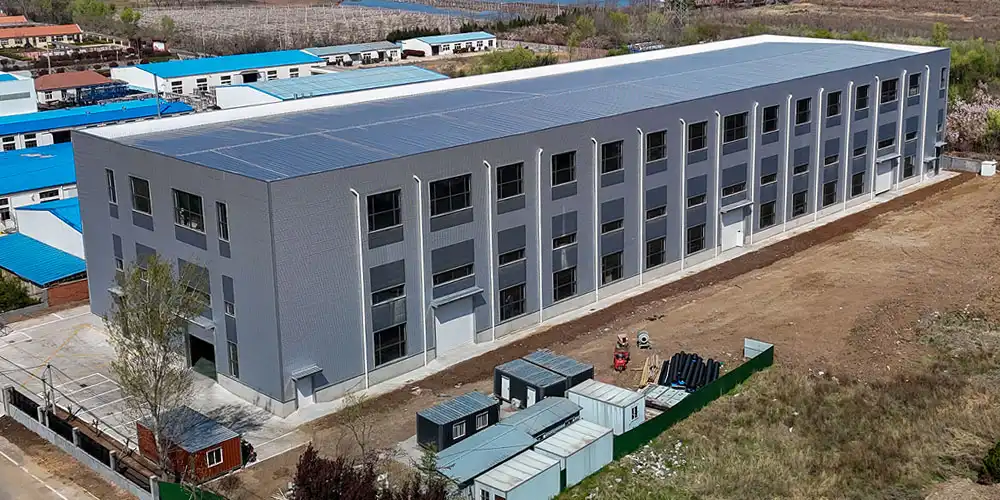
Modular construction represents the evolution of prefabrication principles. Rather than shipping individual components for field assembly, entire volumetric units arrive substantially complete. This approach suits projects requiring rapid deployment or phased occupancy. We've delivered modular office facilities, achieving beneficial occupancy within 12 weeks from order confirmation—a timeline unattainable through conventional methods.Customization remains available despite standardized production processes. Our architectural design team collaborates with clients to develop layouts addressing specific operational Multi-story steel frame requirements. Manufacturing flexibility accommodates varied floor plans, façade treatments, and internal finishes. The key lies in design discipline—establishing parameters early and minimizing field modifications. This front-loaded engineering effort pays dividends through predictable costs and accelerated schedules. Industrial sectors particularly value this approach. Manufacturing companies expanding production capacity cannot afford extended administrative building construction, disrupting existing operations. EPC contractors managing complex infrastructure projects require reliable office facilities supporting project teams. Agricultural operations need administrative spaces complementing production buildings. Each application benefits from steel's adaptability and construction speed.
Energy Efficiency Design Priorities
Operational costs often exceed initial construction expenses across a building's lifecycle. Energy-conscious design delivers measurable returns. We recommend triple-glazed window systems in climate zones experiencing temperature extremes, reducing heat loss during winter and solar gain during summer. Roof assemblies incorporating reflective coatings and adequate insulation thickness minimize HVAC loads. Lighting design integrates daylight harvesting strategies with efficient fixtures. Clerestory windows and light shelves distribute natural illumination deeper into floor plates, reducing dependence on artificial sources. When electric lighting operates, LED systems controlled through occupancy sensors and daylight dimming minimize consumption. These strategies compound over decades, significantly reducing operational expenses. Ventilation optimization balances indoor air quality requirements with energy conservation. Heat recovery ventilators capture exhaust air energy, pre-conditioning incoming fresh air. Displacement ventilation strategies leverage natural buoyancy, reducing fan energy compared to conventional mixing systems. Our design team performs energy modeling during project development, identifying cost-effective efficiency measures delivering positive returns within typical investment horizons.
Cost Analysis and Budget Optimization
Transparent cost understanding enables informed procurement decisions. Steel structure pricing reflects multiple variables: material grades, fabrication complexity, surface treatments, and logistics. Current market conditions show Q355 structural steel averaging $650-$850 per ton delivered to major U.S. ports, with fabrication adding $200-$400 per ton depending on connection complexity and finishing requirements. Complete building costs range from $80 to $180 per square foot for office applications, influenced by finish levels, mechanical systems, and site conditions. This compares favorably to concrete frame construction, typically costing $120-$220 per square foot for equivalent quality. The cost advantage stems from reduced labor, faster schedules (reducing financing costs), and simplified foundations. Budget optimization begins with realistic scope definition. Over-specification wastes resources without performance benefits. We guide clients through grade selection, connection strategies, and finish specifications aligned with actual requirements. Factory-direct sourcing eliminates distributor markups, particularly valuable for international procurement. Our project-based fabrication model means production schedules align with client timelines, avoiding inventory carrying costs while ensuring delivery reliability.
Procurement and Supplier Selection Guide
Evaluating Manufacturing Capabilities
Supplier selection profoundly impacts project outcomes. Manufacturing capacity determines delivery reliability—critical when construction schedules depend on component availability. Our facility operates six automatic welded H-beam production lines, two sandwich panel lines, and multiple section steel lines, providing production flexibility across component types. This vertical integration means single-source accountability rather than coordinating multiple suppliers. Production quality depends on equipment sophistication and workforce skill. Automated welding systems ensure consistent penetration and strength, verified through non-destructive testing, including ultrasonic examination and magnetic particle inspection. Our team of 200+ trained workers follows documented procedures under ISO 9001 quality management systems. Third-party certifications, including CE marking, provide independent verification of manufacturing conformance. Factory visits reveal operational realities beyond marketing claims. Observing material handling, welding procedures, and quality control protocols provides insight into capability and consistency. We welcome client inspections, viewing them as Commercial office opportunities demonstrating manufacturing proficiency and commitment to transparency.
Certifications and Compliance Standards
International projects demand compliance with varied regulatory frameworks. Our products carry ISO 9001 certification verifying quality management systems, CE marking confirming European regulatory compliance, and COC/PVOC certificates required for specific markets. Beyond these general certifications, designs comply with local building codes—whether the International Building Code (IBC) prevalent across the United States, Eurocodes governing European projects, or national standards in Asia and Africa. Structural calculations follow recognized engineering principles, typically AISC 360 (Specification for Structural Steel Buildings) or EN 1993 (Eurocode 3: Design of Steel Structures). These standards provide rigorous analytical methods ensuring structural adequacy under all load combinations. Our engineering team maintains professional certifications and stays current with code revisions affecting design practice. Fire protection represents another critical compliance area. Steel loses strength at elevated temperatures, requiring passive protection in occupied structures. We specify intumescent coatings or spray-applied fireproofing, achieving ratings from one to four hours, depending on occupancy classifications and egress requirements. Testing documentation from accredited laboratories verifies that these protection systems meet applicable standards.
Factory-Direct Sourcing Advantages
Eliminating intermediaries reduces costs while improving communication. Direct manufacturer relationships provide access to engineering expertise during design development, when alternative approaches can optimize constructibility and cost. Our architectural layout design service assists clients in refining spatial requirements before fabrication begins, avoiding expensive modifications during construction. Structural calculation support ensures designs meet regulatory requirements while optimizing material efficiency. We analyze load paths, connection details, and bracing configurations, identifying opportunities to reduce steel tonnage without compromising performance. This collaborative engineering approach benefits projects throughout their development, from conceptual estimating through construction documentation. Installation guidance bridges the gap between manufacturing and field assembly. Our technical team provides erection drawings, sequence plans, and on-site consultation supporting local contractors. This support proves particularly valuable for firms new to steel construction or tackling complex geometries. Clear communication and technical accessibility differentiate manufacturers committed to project success from those viewing their role as ending at component shipment.
Case Studies and Real-World Applications
Manufacturing Facility Expansion
A mid-sized manufacturing company in the Philippines required additional administrative space supporting production expansion. Existing concrete facilities had required 14 months from groundbreaking to occupancy, creating operational challenges. The company engaged us for a 15,000-square-foot steel-framed office building adjacent to existing production areas. Design focused on rapid deployment and future flexibility. A single-storey layout with 25-meter clear spans eliminated interior columns, providing open floor plates accommodating evolving organizational structures. Metal panel façades in corporate colors are integrated architecturally with existing facilities. High-performance insulation and reflective roofing addressed the tropical climate, reducing cooling loads. Fabrication required eight weeks, with components shipped directly to the project site. Local contractors completed the erection in four weeks, with interior finishes and MEP systems installed concurrently. Total project duration from design commencement to occupancy: 18 weeks. The client reported 40% cost savings compared to concrete construction, with the accelerated schedule preventing administrative bottlenecks that would have constrained production growth.
EPC Contractor Regional Office
A Nigerian construction contractor specializing in infrastructure projects, a commercial office, needed a regional office supporting project teams across West Africa. The facility required a professional appearance suitable for client meetings while providing functional workspace for engineering and administrative staff. Budget constraints and aggressive timelines characterized the procurement process. We developed a two-storey design featuring curtain wall glazing on public-facing elevations and insulated metal panels on secondary façades. Structural engineering addressed local wind loads and provided redundant load paths meeting enhanced seismic provisions. The 12,000-square-foot facility included conference rooms, open office areas, and private offices for senior leadership. Prefabrication occurred during site preparation, compressing the overall schedule. Container shipment from our Chinese facility arrived as foundation work was completed, enabling immediate erection. The contractor's own crews performed foundation and site work, with our technical team providing remote support and on-site consultation during critical erection phases. The completed facility demonstrated steel's capability to deliver sophisticated architecture on constrained budgets and timelines, enhancing the contractor's regional presence and operational efficiency.
Agricultural Operations Administration Building
An Australian poultry business needed to combine offices that were spread out across the production area into one set of administrative buildings. The building had to look professional for clients and officials who came to visit, and it had to be a useful place for operations, quality assurance, and administrative staff to work. Due to the rural location, it took longer for standard building materials to arrive, and there weren't many contractors to choose from. To deal with the harsh sun in the area, a single-story plan with large overhangs was used. Even though there were big changes in temperature between night and day, the inside stayed warm thanks to insulated roof panels and wall systems. Using natural ventilation methods cuts down on the need for mechanical cooling, which is in line with the company's commitments to being environmentally friendly. Large parking lots and landscaping made an inviting entrance that was different from the production buildings next door. Delivering parts in standard containers made getting to the remote site easier. Local crews who were familiar with agricultural buildings but not with structural steel were able to put it up successfully by following our detailed instructions. The client really liked how quickly the construction went, which kept things running smoothly during busy production times. When the building was finished, it created a business space that made it easier to hire people and keep them in a competitive rural job market.
Conclusion
Steel-framed office buildings have a lot of benefits for procurement pros who have to balance cost, schedule, quality, and long-term performance. The material's strength-to-weight ratio means that foundations are not needed as much, and the internal layouts can be changed easily. Through factory-controlled processes, prefabrication shortens the time it takes to build something and raises the quality. Environmental perks, like being able to recycle and making less construction waste, are in line with growing calls for sustainability. Our manufacturing skills, backed by ISO 9001 and CE certifications, give foreign projects the quality assurance and technical support they need to succeed. Whether you're an EPC contractor looking for reliable project facilities, a manufacturer growing your business, or an agricultural company updating your infrastructure, steel construction has options that have worked in the past for a wide range of industries and locations.
FAQ
1. How does the lifespan of steel construction compare to concrete?
Properly engineered and maintained steel structures demonstrate lifespans exceeding 50 years, comparable to concrete construction. The key lies in corrosion protection—hot-dip galvanization or high-performance coating systems prevent oxidation that would otherwise compromise structural integrity. Steel's advantage emerges in adaptability; modifications and expansions integrate more readily than concrete retrofits. Concrete structures face alkali-silica reactions, chloride penetration, and rebar corrosion that may require expensive repairs. Steel's predictable behavior and maintenance requirements make lifecycle cost analysis favorable despite potentially higher initial investment.
2. What certifications ensure quality and compliance?
International steel building projects require multiple certifications addressing manufacturing quality and design compliance. ISO 9001 verifies quality management systems governing production processes. CE marking confirms conformance with European health, safety, and environmental protection standards. Project-specific certificates, including COC (Certificate of Conformity) and PVOC (Pre-Export Verification of Conformity) meet import requirements in various markets. Beyond manufacturing certifications, structural designs should comply with recognized engineering standards—AISC specifications in North America, Eurocodes in Europe, or applicable national codes. Third-party engineering review provides additional assurance for complex or critical projects.
Partner with DFX for Your Next Steel Structure Office Building Project
DFX invites procurement professionals, project managers, and business owners to explore how our steel structure office building solutions can transform your next commercial development. As an established steel structure office building manufacturer with over 12 years of specialized experience, we provide complete support from initial concept through final installation. Our capabilities include architectural layout design tailored to your operational requirements, rigorous structural calculations meeting applicable codes, precision fabrication in our certified facilities, and comprehensive installation guidance ensuring successful field assembly.
Contact our team at jason@bigdirector.com to discuss your project, Steel Structure Office Building specifications, and receive detailed technical proposals. We provide transparent cost estimates, realistic schedule projections, and engineering solutions optimized for your specific application—whether corporate headquarters, regional offices, or administrative facilities supporting industrial operations.
References
1. American Institute of Steel Construction. (2016). Specification for Structural Steel Buildings (ANSI/AISC 360-16). Chicago: AISC.
2. Bjorhovde, R. (2018). "Development and Use of High Performance Steel." Journal of Constructional Steel Research, 114, 119-136.
3. Gorgolewski, M. (2017). Resource Salvation: The Architecture of Reuse. Oxford: Wiley-Blackwell.
4. Lawson, R. M., & Richards, J. (2019). "Modular Design for High-Rise Buildings." Proceedings of the Institution of Civil Engineers - Structures and Buildings, 163(3), 151-164.
5. Tamboli, A. R. (2016). Handbook of Structural Steel Connection Design and Details (3rd ed.). New York: McGraw-Hill Education.
6. Tata Steel Construction. (2018). "Sustainable Steel Construction: Life Cycle Assessment and Environmental Product Declarations." Technical Report Series, Issue 42.
Learn about our latest products and discounts through SMS or email