- English
- French
- German
- Portuguese
- Spanish
- Russian
- Japanese
- Korean
- Arabic
- Greek
- German
- Turkish
- Italian
- Danish
- Romanian
- Indonesian
- Czech
- Afrikaans
- Swedish
- Polish
- Basque
- Catalan
- Esperanto
- Hindi
- Lao
- Albanian
- Amharic
- Armenian
- Azerbaijani
- Belarusian
- Bengali
- Bosnian
- Bulgarian
- Cebuano
- Chichewa
- Corsican
- Croatian
- Dutch
- Estonian
- Filipino
- Finnish
- Frisian
- Galician
- Georgian
- Gujarati
- Haitian
- Hausa
- Hawaiian
- Hebrew
- Hmong
- Hungarian
- Icelandic
- Igbo
- Javanese
- Kannada
- Kazakh
- Khmer
- Kurdish
- Kyrgyz
- Latin
- Latvian
- Lithuanian
- Luxembou..
- Macedonian
- Malagasy
- Malay
- Malayalam
- Maltese
- Maori
- Marathi
- Mongolian
- Burmese
- Nepali
- Norwegian
- Pashto
- Persian
- Punjabi
- Serbian
- Sesotho
- Sinhala
- Slovak
- Slovenian
- Somali
- Samoan
- Scots Gaelic
- Shona
- Sindhi
- Sundanese
- Swahili
- Tajik
- Tamil
- Telugu
- Thai
- Ukrainian
- Urdu
- Uzbek
- Vietnamese
- Welsh
- Xhosa
- Yiddish
- Yoruba
- Zulu
Chemical Warehousing: What You Need to Know
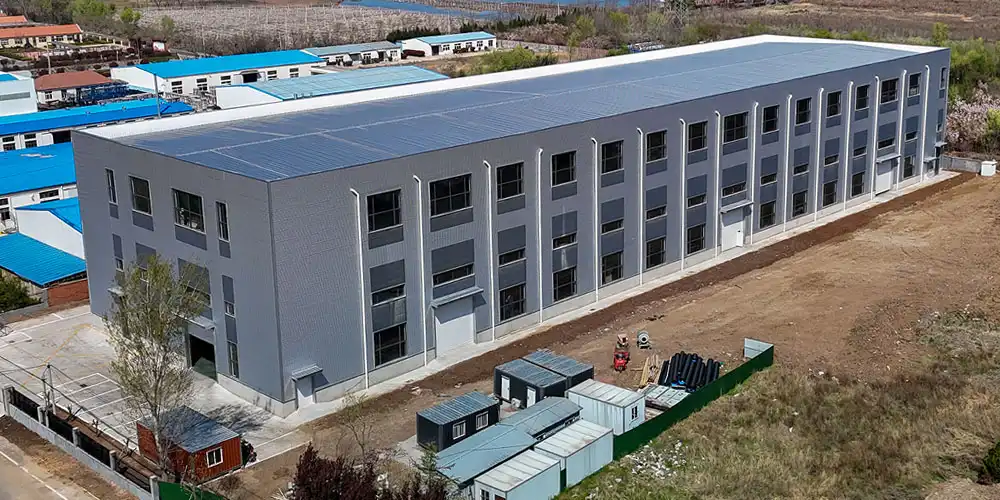
The infrastructure you pick is very important, Chemical Storage Warehouse when you are in charge of chemical processes. An industrial building made of solid steel parts is called a chemical storage warehouse. Its sole purpose is to safely handle, store, and move dangerous materials and chemical compounds. Unlike regular warehouses, these buildings have active safety engineering built in, such as blast-resistant supports, spill containment sumps, and atmospheric controls, all within a rigid framework that was already planned out. They mostly talk about how acidic vapours can damage structures, how to follow fire separation rules, and how environmental damage from leaks could happen. When procurement managers, project engineers, and operations directors know these basics, they can make choices that protect people and property.

Understanding Chemical Storage Warehouse Safety and Compliance
International Safety Standards and Regulatory Frameworks
To find your way around the rules for chemical storage, you need to know a lot of different ones. The NFPA rules set the minimum distances between fires and the methods that must be used to put them out, while OSHA's Hazard Communication Standard (29 CFR 1910.1200) says how things must be labelled and stored. Chapter 4 of the International Building Code (IBC) lists specific standards based on the type of occupancy. The EPA has rules about how to stop and contain spills. Not only are these frameworks ideas, but they are also legal requirements that keep your business safe from liability.
Environmental Controls: Ventilation and Temperature Management
Environmental control systems that work well keep chemicals stable and stop dangerous buildups from happening. Mechanical ventilation systems need to change enough air every hour, depending on what is being kept. For moderate-hazard chemicals, this means six to twelve changes per hour. Controlling the temperature is also very important, since changes in temperature can speed up damage or cause dangerous pressure to build up. Modern facilities have automated tracking systems that keep an eye on the environment and let operators know when things aren't going as planned before they become emergencies.
Hazard Classification and Risk Management Strategies
Putting chemicals away safely starts with correctly classifying the risks. Materials are put into groups based on how reactive, flammable, corrosive, or toxic they are. Each group has its own storage needs. Acids and bases, oxidisers and flammables, and other substances that don't combine well with each other must be physically separated to avoid terrible reactions. Risk management includes more than just keeping things physically separate. It also includes making sure that your team has complete emergency response plans, evacuation routes, and spill response procedures that they can follow without any problems.
Fire Prevention and Emergency Preparedness
To keep chemicals safe from fire, you need more than one layer of Hazardous material storage protection. Fire-resistant coatings on structures with R60 to R180 grades are examples of passive measures. Active systems include sprinklers, foam suppression, or special firefighting agents that are made for different types of chemicals. Explosion-relief screens let out internal pressure during deflagrations, which keeps the frame of the building from collapsing. To be ready for an emergency, you need to have regular drills, clearly marked exits, easy access to safety tools, and set ways to communicate with local fire departments that know about your facility's chemical inventory.
Best Practices for Effective Chemical Storage Warehouse Layout and Design
Aisle Configuration and Shelving Systems
A well-planned warehouse layout improves both safety and speed. Forklifts that move intermediate bulk containers (IBCs) and drum pallets should be able to use major aisles that are at least 8 to 10 feet wide. Shelving systems must be made of materials that can handle the chemicals they hold, like stainless steel or coated steel for corrosive environments, and they must have load rates that are clearly marked and followed. Fire suppression works best when there is enough space between the highest stored items and water heads.
Hazard Zoning and Chemical Segregation Principles
By dividing your facility into separate places based on the level of danger, zoning keeps materials that don't go together from being close to each other. Flammable liquids are kept in different rooms or fire-rated areas that have their own ventilation. Oxidisers are kept away from reduction agents and things that can catch fire. Corrosives are kept in secondary containment with floors made of strong materials. This separates the area so that an accident or spill won't spread to nearby areas. This keeps the damage to a minimum and makes it easier to respond.
Material Selection: Durability and Corrosion Resistance
The choice of structural materials has a direct effect on how long a building lasts and how safe it is. Q355B or ASTM A572 Gr. 50 high-strength low-alloy steel can hold its shape under heat stress. Hot-dip galvanisation with a zinc layer of at least 600g/m² protects against oxidation from volatile organic compounds. Metallic zinc-aluminum base layers followed by high-build epoxy phenolic topcoats make duplex coating systems more protective in acidic or alkaline settings. ASTM B117 salt spray tests should show that the corrosion resistance is greater than 1,000 hours for harsh chemical exposures.
Environmental and Temperature Control Integration
Climate control systems help make sure that chemicals stay safe while also following the rules. Insulated sandwich panels with polyurethane or polyisocyanate cores keep temperatures inside stable by reducing heat transfer. In classified electrical areas, HVAC systems use explosion-proof parts and spread conditioned air evenly to get rid of hot spots. Dashboards for real-time tracking show measurements of temperature, humidity, and air quality, so problems can be fixed right away when they get out of acceptable ranges.
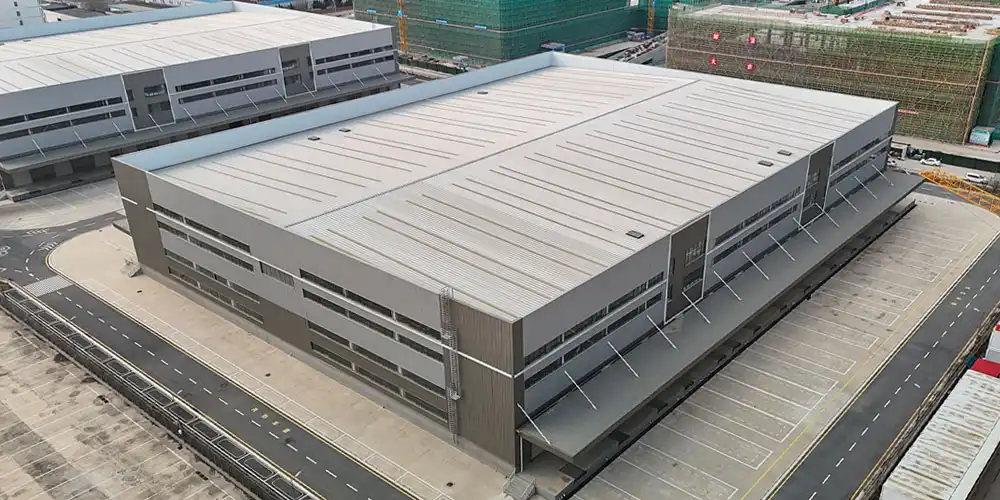
Selecting the Right Chemical Storage Warehouse Solutions for Your Business
Evaluating Construction Options: New Build vs. Modular Systems
Depending on the time frame and space limitations of the site, you may choose between building from scratch or using flexible prefabricated systems. Traditional construction lets you make the most changes, but it takes 18 to 24 months longer to finish a job. It takes 40 to 60 percent less time to build modular prefabricated steel storage buildings with H-beam main frames, galvanised C/Z purlins, and bracing systems than to build them on-site. The pre-engineered parts that come with these systems make installation easier and speed up the project's finish. Certifications like ISO9001 and CE make sure that the quality of the hazardous material storage goods being made meets foreign standards.
Custom Manufacturing vs. Standardized Products
Custom-engineered solutions are made to meet specific practical needs, such as odd dimensions, specific load capacities, or special environmental controls. Customisation costs more and takes longer, but it gives you infrastructure that exactly meets your business needs. When your needs are similar to those of other customers, standardised goods can save you money and get them to you faster. Project-based fabrication strikes a mix between these methods by starting with tried-and-true designs and making any changes that are needed without having to pay for full custom engineering.
Financial Considerations and ROI Analysis
Putting money into good chemical storage facilities up front pays off in a clear way. Better corrosion protection makes a building last 15-20 years longer than buildings that aren't protected well enough. By following the rules, you can escape expensive fines, shutting down operations, and legal trouble. Better safety cuts down on the number of accidents, which lowers insurance costs and protects worker output. Lifecycle costs, such as maintenance, energy use, and regulation compliance, should not only be taken into account when comparing bids.
Identifying Reputable Suppliers and Manufacturers
Choosing a supplier has a big effect on how the job turns out. Companies that have been in business for a long time—usually more than ten years—have a history of reliability. A full range of services, including engineering calculations, fabrication, logistics coordination, and advice on how to set up the structure, makes project management and accountability easier. Quality management methods are approved by ISO9001 certification, and safety standards in Europe are met by CE marking. Referrals from customers in related fields can help you figure out how reliable, communicative, and helpful the company is after the delivery.
Maintenance, Inspection, and Long-Term Management of Chemical Storage Warehouses
Routine Maintenance Schedules and Inspection Protocols
Systematic maintenance preserves facility integrity and operational safety. Monthly visual inspections identify corrosion, coating degradation, or structural damage requiring attention. Quarterly detailed inspections examine ventilation system performance, fire suppression equipment functionality, and emergency lighting operation. Annual comprehensive assessments include structural load testing, electrical system verification, and review of safety documentation. Inspection checklists should document findings, corrective actions taken, and scheduled follow-up items.
Ventilation and Fire Prevention System Verification
Mechanical systems require consistent verification to maintain performance. Ventilation airflow measurements confirm adequate exchange rates, with filter inspections and replacements per manufacturer schedules. Fire suppression systems undergo quarterly checks of pressure gauges, control valves, and alarm circuits, with annual full-system testing by certified technicians. Explosion-relief panels need periodic examination for corrosion or obstruction that could impair the pressure release function during emergencies.
Technology-Enabled Monitoring and Safety Management
Advanced facilities leverage technology for continuous safety oversight. Automated monitoring systems track temperature, humidity, gas concentrations, and structural stress, transmitting data to centralized chemical-resistant coating dashboards accessible by operations staff. Predictive maintenance algorithms analyze equipment performance trends, scheduling service before failures occur. Mobile applications enable remote facility monitoring, alerting managers to abnormal conditions requiring immediate attention. These technologies transform reactive maintenance into proactive safety management.
Staff Training and Safety Culture Development
Technical infrastructure alone cannot ensure safety—human factors matter equally. Comprehensive training programs familiarize personnel with hazard classifications, spill response procedures, emergency evacuation routes, and proper material handling techniques. Regular drills reinforce learned behaviors, building muscle memory for crisis situations. Safety culture develops when leadership prioritizes protection over productivity shortcuts, empowering employees to halt unsafe operations without fear of reprisal. This cultural foundation transforms compliance from obligation into shared commitment.
Case Studies and Practical Insights from Industry Leaders
Petrochemical Distribution Center Modernization
A major petrochemical distributor replaced aging masonry storage buildings with modern steel structures featuring explosion-proof construction and integrated spill containment. The new facilities reduced incident frequency by 73 percent over three years while improving material throughput by 35 percent through optimized layout. Modular prefabricated components accelerated construction, minimizing operational disruption during the transition.
Agrochemical Storage Optimization
A company that sells farm chemicals to several states has centralised regional storage into buildings that are made to handle high corrosion. Specialised polymer-coated steel covering and ventilated ridge systems kept the products from breaking down because of condensation. Automated inventory management that worked with a structured design made it possible to see where materials were at all times and keep records of compliance with regulations. Within four years, the investment paid for itself by cutting down on product loss and making it easier to file government reports.
Pharmaceutical Manufacturing Expansion
A pharmaceutical company that was increasing its production capacity needed to store temperature-sensitive ingredients separately under GMP conditions. Custom-built compartments with their own climate control kept exact temperature ranges and kept materials that didn't work together separate. The turnkey answer included designing the structure, making the steel, and helping with the installation. The whole process took eleven months, which is much shorter than the usual way of building something.
Comparative Analysis: Traditional vs. Modern Approaches
Chemical storage used to be done in over-engineered masonry buildings that didn't have much environmental control or safety tracking by hand. These days, the focus is on "right-sized engineering," which means getting the safety performance needed without spending too much on materials. Automated systems cut down on mistakes made by people, and modular building speeds up deployment. When compared to old ways, these innovations raise safety standards while lowering total lifecycle chemical-resistant coating costs by 25 to 40 percent.
Conclusion
Chemical storage is an important infrastructure investment that needs to be carefully thought out in terms of safety, compliance, and operating efficiency. Modern steel structures designed to store dangerous materials are safer, more compliant with regulations, and more valuable over their entire lifetime than older options. To be successful, you need to choose manufacturers with a good reputation who offer full help throughout the entire project lifecycle, from engineering calculations to installation instructions. With the right planning, good building, and regular upkeep, chemical storage warehouses can be used safely and legally for decades, saving people, property, and the environment.
FAQ
1. How does steel construction handle explosion risks in chemical storage?
Explosion mitigation incorporates damage-limiting construction techniques. Lightweight explosion-relief panels mount on strategic wall or roof sections, releasing at predetermined internal pressures to vent deflagration forces outward while preserving the main structural frame. This controlled failure mechanism protects personnel in adjacent areas and maintains structural integrity for post-incident investigation and recovery.
2. What corrosion protection is necessary for acid or alkaline chemical storage?
Corrosive environments require duplex coating systems combining metallization and barrier coatings. Hot-dip galvanization provides sacrificial zinc protection, while high-build epoxy phenolic topcoats resist direct chemical attack. Salt spray testing validates coating performance, with specifications typically requiring 1,000+ hours of resistance. Regular coating inspections identify degradation before structural compromise occurs.
3. Can modular steel warehouses meet local building codes?
Properly engineered modular systems comply with international building codes when designed by licensed engineers familiar with local requirements. Certification packages include structural calculations, material certifications, and compliance documentation. Manufacturers with ISO9001 quality management and CE marking demonstrate systematic adherence to recognized standards, facilitating approval processes with local building authorities.
Partner with Director Steel for Your Chemical Storage Warehouse Needs
Building a compliant chemical storage facility demands expertise spanning structural engineering, safety regulations, and practical operational requirements. Director Steel brings over twelve years of specialized experience in manufacturing pre-engineered steel buildings for demanding industrial applications. Our 40,000 square meter production facility operates six automatic H-beam lines and advanced fabrication equipment, producing 20,000 tons of structural steel annually under ISO9001 quality management with CE certification.
We provide integrated solutions encompassing engineering calculation, steel fabrication, logistics coordination, Chemical Storage Warehouse, and erection guidance—supporting your project from concept through commissioning. Our modular prefabricated steel storage buildings feature H-beam primary frames, galvanized C/Z purlins, and engineered bracing systems optimized for chemical storage applications. Whether you're a construction contractor seeking a reliable Chemical Storage Warehouse supplier, an EPC firm requiring turnkey solutions, or a manufacturing operation expanding hazardous material handling capacity, Director Steel delivers quality infrastructure meeting international safety standards.
Contact Jason at jason@bigdirector.com to discuss your chemical warehousing requirements. Our technical team will collaborate with you to develop optimized solutions balancing safety, compliance, and operational efficiency.
References
1. National Fire Protection Association (2021). NFPA 400: Hazardous Materials Code. NFPA Publications.
2. Occupational Safety and Health Administration (2020). Hazard Communication Standard: Safety Data Sheets. U.S. Department of Labor.
3. American Institute of Steel Construction (2019). Steel Design Guide 26: Design of Blast Resistant Structures. AISC Publications.
4. International Code Council (2021). International Building Code Chapter 4: Special Detailed Requirements Based on Use and Occupancy. ICC Publications.
5. Environmental Protection Agency (2018). Spill Prevention, Control, and Countermeasure Rule. EPA Regulatory Guidance.
6. Chemical Safety Board (2020). Storage and Segregation of Incompatible Materials: Safety Bulletin. U.S. Chemical Safety and Hazard Investigation Board.
Learn about our latest products and discounts through SMS or email