- English
- French
- German
- Portuguese
- Spanish
- Russian
- Japanese
- Korean
- Arabic
- Greek
- German
- Turkish
- Italian
- Danish
- Romanian
- Indonesian
- Czech
- Afrikaans
- Swedish
- Polish
- Basque
- Catalan
- Esperanto
- Hindi
- Lao
- Albanian
- Amharic
- Armenian
- Azerbaijani
- Belarusian
- Bengali
- Bosnian
- Bulgarian
- Cebuano
- Chichewa
- Corsican
- Croatian
- Dutch
- Estonian
- Filipino
- Finnish
- Frisian
- Galician
- Georgian
- Gujarati
- Haitian
- Hausa
- Hawaiian
- Hebrew
- Hmong
- Hungarian
- Icelandic
- Igbo
- Javanese
- Kannada
- Kazakh
- Khmer
- Kurdish
- Kyrgyz
- Latin
- Latvian
- Lithuanian
- Luxembou..
- Macedonian
- Malagasy
- Malay
- Malayalam
- Maltese
- Maori
- Marathi
- Mongolian
- Burmese
- Nepali
- Norwegian
- Pashto
- Persian
- Punjabi
- Serbian
- Sesotho
- Sinhala
- Slovak
- Slovenian
- Somali
- Samoan
- Scots Gaelic
- Shona
- Sindhi
- Sundanese
- Swahili
- Tajik
- Tamil
- Telugu
- Thai
- Ukrainian
- Urdu
- Uzbek
- Vietnamese
- Welsh
- Xhosa
- Yiddish
- Yoruba
- Zulu
Pro Guide to Chemical Storage: Acids, Bases, Solvents & Safety
To safely store dangerous drugs, you need more than just shelves and good plans. When you work with acids, bases, or flammable liquids, the risks become much higher. Pollution of the environment, injuries to workers, fines from the government, and huge fires can all happen because of bad infrastructure.
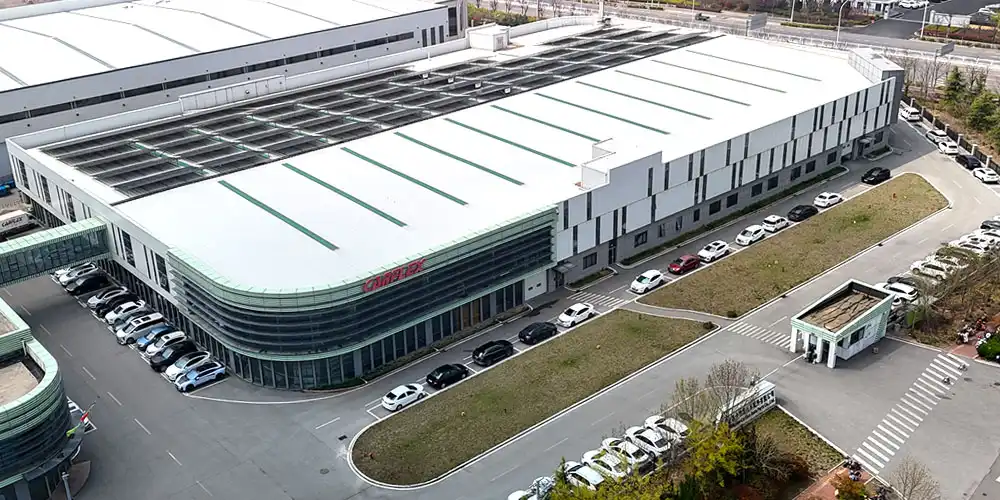
that are properly designed and built take these risks head-on by using specific structure design, material choice, and built-in safety systems. This guide shows project managers, procurement specialists, and facility engineers the most important things they need to think about when building chemical storage solutions that are safe, long-lasting, and affordable while also meeting international safety standards for people, property, and the communities around the sites.
Understanding Chemical Reactivity: Why Material Compatibility Matters
Chemicals only behave in predictable ways when they are stored in the right way. Acids break down metals that aren't protected, bases make heat when mixed with water, and solvents give off vapours that build up to powerful levels. Every design choice for infrastructure that stores dangerous materials is based on understanding how these things behave.
Acids like sulphuric, hydrochloric, and nitric acids are very destructive to regular carbon steel. In wet places, rust happens faster, weakening the structure over months instead of years. Chemical-resistant covering systems, like epoxy phenolic barriers or zinc-aluminium metallisation, keep harmful vapours from getting through to steel parts that hold weight. Independently checking the thickness of the covering with Dry Film Thickness readings ensures that the protection layers meet the minimum requirements.
Alkaline products are harder to work with in some ways. The hygroscopic properties of ammonia compounds and acidic liquids make it easier for water to condense on cold surfaces. When moisture and alkaline dust mix, they make rough slurries that get into joints and fastener surfaces. The design of the ventilation system becomes very important—constant air exchange keeps the oxygen levels safe for people to enter.
Liquids that can catch fire need to be kept away from oxidising agents and sources of burning. Building rules require certain spacing between chemical groups that don't mix. Steel framing supports fire-rated partition walls that create flexible compartmentalisation. This lets workers store a wide range of chemicals in a single building while still following all the rules. This freedom is very helpful for manufacturing companies that have to deal with yearly changes in their supplies or the addition of new products to their lines.
Structural Engineering for Hazardous Environments
Without special planning, standard building plans don't work at all when they are used to store chemicals. The effects go beyond buildings falling down; poisons being released cause secondary disasters that make the first fail into regional emergencies.
When it comes to heat stress and dynamic pressure, high-strength low-alloy steel types perform better. Materials that meet the requirements of Q355B or ASTM A572 Grade 50 have yield strengths greater than 345 MPa. This ensures that a Chemical Storage Warehouse remains structurally sound even if exposed to fire or accidental impact during material handling. Complete material traceability is enabled by mill test certificates linking each steel component to its production heat number, which is necessary for environmental compliance and insurance inspections.
Clear-span features set purpose-built chemical storage structures apart from buildings that have been modified to fit their needs. Column-free inner areas 30 meters or more in width allow for efficient forklift traffic patterns and racking setups without obstructing sight lines or creating crash risks. When you use large-span stiff frames, the horizontal wind loads and seismic forces are transferred through soldered links instead of internal support, which makes the structure less flexible.
Explosion-relief systems keep investments in buildings safe during deflagrations. When lightweight release panels are put in wall or roof systems, they let out internal pressure spikes before they become harmful. Calculated release points (usually 1.0 to 1.5 kPa) are built into fastener designs. These points lose changeable panels while keeping the expensive main frame. EPC companies that run petroleum plants often ask for these systems because managed failure modes keep total loss events from happening.
Spill protection is built into foundation systems, not added on as an addition. When you cast solid concrete slabs around the edges, you make pools that can't be broken into by chance until the repair teams get there. Liquids flow toward collection sumps with sensors that can find leaks because the floors are sloped. This planned method meets environmental protection requirements while reducing operations managers' responsibility for pollution.
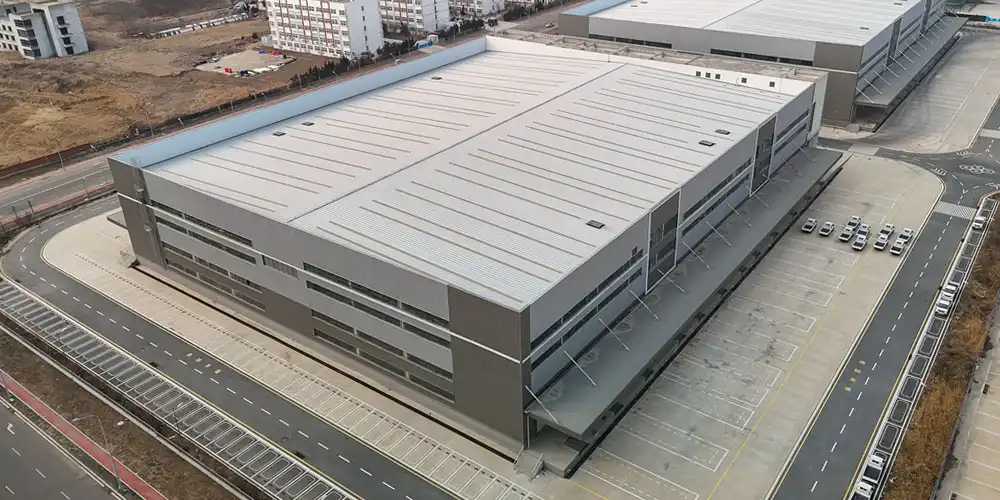
Fire Protection and Thermal Performance
When explosives are involved in a fire, things happen differently than when regular things are involved. When it gets hot, reaction rates speed up, container pressures rise toward the point where they will break, and harmful byproducts of breakdown spread through smoke plumes. Both passive and active fire control systems need to take these differences in how fires burn into account.
When applied to structural steel, intumescent coatings grow when exposed to flames. This creates protective char layers that slow the rise in temperature in load-bearing sections. Getting an R120 fire resistance rating—which means the building can keep working for two hours under normal fire conditions—gives people time to get out and stops the building from falling apart during emergency response operations. Controlled settings and qualified applicators are needed to apply coatings. Cross-cut adhesion testing in the field shows that the surface is properly prepared and that the bond is strong.
There are specific rules for designing sprinkler systems for storing dangerous materials. Because some chemicals respond badly to water, foam control or dry chemical devices are needed instead. When sprinklers are turned on, they don't create dangerous vapour clouds because the exhaust fans are fixed high and the intake air is placed near the floor. The fans catch rising gases and replace the oxygen that is lost during burning. Fire control companies use thorough lists of chemicals and Material Safety Data Sheets to come up with the best ways to keep people safe.
Insulated sandwich walls help keep the inside of a building at a comfortable temperature and separate fire areas. When you bond polyurethane or polyisocyanurate cores between galvanised steel sides, you get thermal resistance values higher than R-30. This keeps temperature-sensitive materials stable while they are being stored. Panel seams have interlocked shapes and fire-resistant seals that keep the integrity grades even when they are exposed to flames. Companies that make things that are starting to make medicines need these tools to make sure they stay in line with GMP and safety rules.
Compliance with Safety Regulations and International Standards
Different places have different rules about how to store chemicals, but they all have the same goals: to keep workers safe, stop fires, and limit leaks. To get around in this complicated world, you need to know a lot of different code groups and best practices for your business.
The NFPA sets basic rules for storing flammable liquids, such as the maximum amount that can be stored in a fire area, how to figure out the size of a vent, and how to classify electrical areas. Class I Division 1 places need things that can't explode and wiring methods that are naturally safe. These are design restrictions that affect how buildings are laid out and how utilities are routed. During the planning process, construction companies taking on industrial projects have to show that they are following the rules. Pre-engineered building systems with clear licenses speed up the review process.
Specific training, labelling rules, and emergency tools are required by OSHA guidelines. Eyewash stations must be at least 10 seconds' walk from areas where chemicals are handled, ventilation rates must keep vapour concentrations below the limits for safe exposure, and secondary containment volumes must be equal to 110% of the largest container capacity. These are legal requirements that have been checked during workplace inspections. If these features are built into a building from the start, it will not need expensive repairs or be cited.
International approvals, such as CE marking and EN 1090 compliance, allow manufactured steel parts to be sold all over the world. Third-party inspection agencies check the steps used in manufacturing, including the welding methods, the ability to track materials, and the quality control records. When project managers need to buy structural steel for projects in other countries, they look for sellers with these qualifications. The approvals show that the steel is consistently made and lowers the technical risk of buying across borders.
Environmental protection laws regulate potential contamination of soil and groundwater. Facilities storing large chemical volumes often require leak detection systems, impermeable covers, and groundwater monitoring wells. For agricultural storage of fertilisers, proper design and construction prevent nutrient runoff. The use of chemical-resistant coatings on structural and containment surfaces enhances durability and compliance, ensuring long-term operational stability and legal adherence.
Ventilation, Access Control, and Operational Safety
Safe chemical storage includes more than just thinking about the structure. It also includes operating procedures and how well the building system works. Integrated design thought keeps safety standards and daily process efficiency from clashing.
The safe environment is kept by mechanical ventilation systems that swap air all the time. To figure out what airflow rates are needed, calculation methods take into account how volatile chemicals are, how much space they take up, and the shape of the building. Negative pressure differences made by exhaust fans move vapours away from people and toward filtered release places. Temperature controls stop thermal stratification, which builds up a layer of vapour near the roof. When systems are properly built, they don't need natural air, which is important for buildings in hot areas where open doors make it harder to control the temperature and keep pests out.
Controlled entry keeps people who aren't supposed to be there from getting into dangerous places. Entrances to vestibules are built with doors that lock into each other, so one barrier stays closed while the other opens. Readers for proximity cards keep track of when someone enters, which helps with investigations. Emergency escape requirements say that exits must be clear, even if access is limited. Panic hardware and breaking locks combine security needs with life safety requirements.
Personal safety equipment staging places that are built into the plan of buildings make compliance easier by making it more convenient. Putting lockers with respirators, chemical-resistant gloves, and protective glasses next to storage places makes it easier for people to use safety gear correctly. Mounted on frost-proof supply lines, emergency shower and eyewash units work all year. During the planning process, these things may not seem important, but they have a big impact on safety culture and following the rules throughout the lifetime of a building.
Inventory management systems that monitor chemical quantities and locations improve emergency responsiveness. As chemicals move through receiving, storage, and dispensing stages, barcode or RFID systems keep databases up to date. When ventilation integrates with building management systems, airflow rates adjust dynamically based on real-time inventory data. Emergency responders can remotely assess facility conditions, guiding evacuation and containment decisions.
Designing a hazardous material storage facility with integrated IT infrastructure, safety staging, and controlled access ensures both operational efficiency and compliance with stringent environmental and workplace safety regulations.
Selecting the Right Chemical Storage Warehouse Partner
Long-term effects come from decisions made about how to store dangerous materials. Failures in the structure put people's lives at risk, violations of regulations stop operations, and environmental spills cause cleaning costs that are much higher than the original budgets for building. These risks can be reduced by choosing manufacturers and design-build partners with a track record of proven skill and performance.
The ability to manufacture determines whether a project is possible and how reliable the plan is. Automatic welding systems that make H-beams and columns make sure that the quality of the welds and the accuracy of the dimensions are always the same. These are very important for big buildings where an error stack-up can make them hard to put together. Surface preparation and application conditions are controlled by in-house paint application facilities. This takes away the need for subcontractors to coordinate different tasks. When rival orders put a strain on resources, plan delays can be avoided by making sure that production capacity matches project scale.
Engineering help throughout the entire lifetime of a project is what sets capable partners apart from stock sellers. Before detailed engineering starts, preliminary design services turn operational needs into structural ideas that allow planning to be done correctly. To make sure the structure can hold enough weight, load calculations are done that take into account chemical density, racking setups, and earthquake loads. The way the connections are made allows for heat extension while keeping the covers weathertight. Help with installation from maker staff who know about certain structure systems speeds up field assembly and cuts down on mistakes.
Quality management systems that are approved to ISO 9001 standards show that a company is dedicated to using uniform methods and making improvements all the time. Quality breakouts that threaten safety-critical structures are stopped by document control, processes for nonconforming materials, and corrective action routines. External checks make sure that the system works as it should, ensuring that internal rules do their job. When project engineers choose structural steel for chemical storage, they should make sure it has the latest ISO certification and ask for reports from surveillance audits that show compliance.
Conclusion
Chemical storage infrastructure demands engineering precision, regulatory expertise, and manufacturing quality that ordinary construction seldom requires. Acids, bases, and solvents create operating environments where material selection, coating systems, and safety integration determine long-term viability. Project stakeholders evaluating Chemical Storage Warehouse solutions should prioritise fabricators demonstrating relevant experience, certified quality systems, and comprehensive service capabilities. The investment in properly engineered infrastructure protects personnel, satisfies regulatory mandates, and prevents environmental liabilities that jeopardise business continuity. Thoughtful planning and partner selection transform hazardous material storage from operational liability into a competitive advantage, supporting sustainable growth.
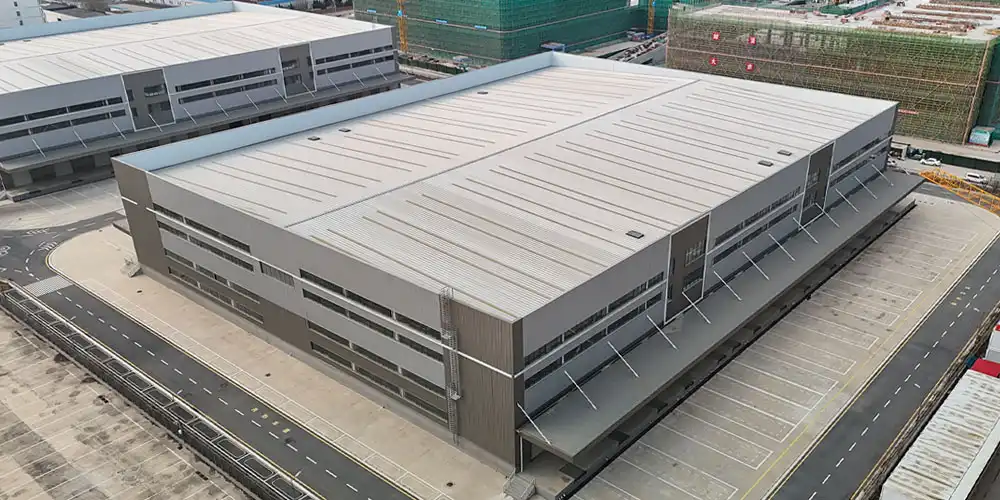
Partner with DFX for Your Chemical Storage Warehouse Solution
Director Steel combines 12 years of specialised fabrication experience with comprehensive engineering capabilities to deliver compliant, durable Chemical Storage Warehouse solutions. Our 40,000-square-meter manufacturing facility produces steel structures meeting CE and ISO 9001 standards, backed by complete material traceability and rigorous quality control. Whether you're an EPC contractor tendering a petrochemical facility or a manufacturing investor planning pharmaceutical expansion, our team provides turnkey support from structural calculations through installation guidance. Contact jason@bigdirector.com today to discuss your hazardous material storage requirements with an experienced Chemical Storage Warehouse supplier ready to deliver safety-focused infrastructure on schedule and within budget.
References
1. National Fire Protection Association (2021). NFPA 30: Flammable and Combustible Liquids Code. Quincy, MA: NFPA Publications.
2. Occupational Safety and Health Administration (2019). Chemical Storage and Handling: A Comprehensive Guide for Workplace Safety. Washington, DC: U.S. Department of Labour.
3. American Institute of Steel Construction (2020). Steel Design Guide 25: Frame Design Using Web-Tapered Members. Chicago, IL: AISC Publications.
4. European Committee for Standardisation (2018). EN 1090-2: Technical Requirements for Steel Structures. Brussels: CEN Publishing.
5. International Code Council (2021). International Building Code Chapter 4: Special Detailed Requirements Based on Use and Occupancy. Washington, DC: ICC Publications.
6. Chemical Processing Magazine (2020). Best Practices for Hazardous Material Warehousing in Process Industries. Grand View Media Group Technical Series.
Learn about our latest products and discounts through SMS or email