- English
- French
- German
- Portuguese
- Spanish
- Russian
- Japanese
- Korean
- Arabic
- Greek
- German
- Turkish
- Italian
- Danish
- Romanian
- Indonesian
- Czech
- Afrikaans
- Swedish
- Polish
- Basque
- Catalan
- Esperanto
- Hindi
- Lao
- Albanian
- Amharic
- Armenian
- Azerbaijani
- Belarusian
- Bengali
- Bosnian
- Bulgarian
- Cebuano
- Chichewa
- Corsican
- Croatian
- Dutch
- Estonian
- Filipino
- Finnish
- Frisian
- Galician
- Georgian
- Gujarati
- Haitian
- Hausa
- Hawaiian
- Hebrew
- Hmong
- Hungarian
- Icelandic
- Igbo
- Javanese
- Kannada
- Kazakh
- Khmer
- Kurdish
- Kyrgyz
- Latin
- Latvian
- Lithuanian
- Luxembou..
- Macedonian
- Malagasy
- Malay
- Malayalam
- Maltese
- Maori
- Marathi
- Mongolian
- Burmese
- Nepali
- Norwegian
- Pashto
- Persian
- Punjabi
- Serbian
- Sesotho
- Sinhala
- Slovak
- Slovenian
- Somali
- Samoan
- Scots Gaelic
- Shona
- Sindhi
- Sundanese
- Swahili
- Tajik
- Tamil
- Telugu
- Thai
- Ukrainian
- Urdu
- Uzbek
- Vietnamese
- Welsh
- Xhosa
- Yiddish
- Yoruba
- Zulu
How to maintain proper ventilation in chemical storage warehouses
Proper airflow in a Chemical Storage Warehouse is essential for safety, property, and the company's reputation. Effective airflow systems regularly minimise and eliminate harmful gases to prevent worker injury and fires. Knowing how ventilation works in chemical situations helps operations engineers enhance warehouses and project managers build industrial plants to ensure compliance, durability, and cost-effective purchases. This article provides tips for business-to-business owners dealing with the complex laws of Chemical Storage Warehouse sites in the US and abroad.
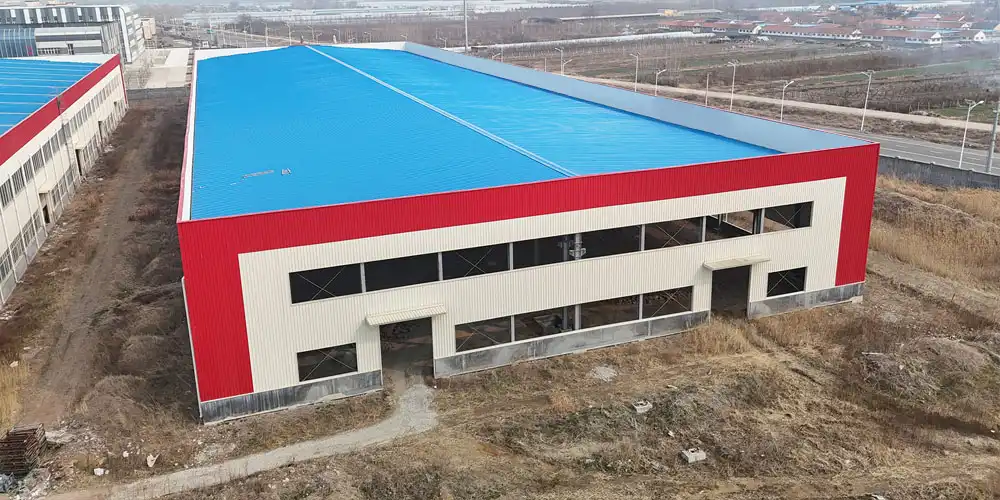
Understanding the Importance of Proper Ventilation in Chemical Storage Warehouses
In explosive, volatile, and corrosive storage areas, ventilation is the first line of defence. In closed Chemical Storage Warehouse units, even small volumes of smoke may rapidly build up to deadly proportions. Good ventilation ensures fresh air enters and dirty air leaves. This maintains air quality below occupational health guidelines.
Why Ventilation Matters for Safety and Compliance
Poor airflow causes more than discomfort. Chemical vapours may damage workers' lungs or whole bodies, depending on how toxic the material is and how much is in the air. Lack of airflow allows harmful vapours to build up and erupt. Especially in facilities that hold solvents, fuels, or hazardous petrochemical and agrochemical intermediates.
Airflow issues might cause business challenges. Businesses that don't satisfy air quality regulations might be penalised by OSHA or EPA, shut down, or sued during regulatory examinations. Insurance firms are growing more concerned about ventilation when planning Chemical Storage Warehouse facilities. Because they know excellent atmospheric controls reduce loss. Purchasing specialists must consider these factors along with initial construction expenses when considering warehouse expenditures, since air is an essential feature of the facility that cannot be added later.
Common Hazards Linked to Ventilation Deficiencies
Chemical Storage Warehouses have airflow issues that standard building ventilation can't address. Acid and alkali vapours accelerate structural deterioration, striking unprotected steel and weakening the building. In locations with poor airflow, temperature variations produce hot patches where heat-sensitive materials break down more quickly, affecting product quality and waste.
Static air pockets in low places may trap heavy odours. This creates hazard zones that normal monitoring may overlook. This phenomenon is particularly problematic in chlorinated liquid or agricultural chemical storage areas since they collect near the floor. Seasonal humidity worsens these concerns because water condensation on cold surfaces interacts with hygroscopic substances, generating unpleasant reactions or material caking that is hard to manage.
Key Regulations and Design Guidelines for Chemical Storage Warehouse Ventilation
To fulfil Chemical Storage Warehouse ventilation regulations, you must know several laws that govern distinct design aspects. Workers are protected by these fundamental performance criteria, and building owners and equipment providers know the law.
Major Regulatory Standards Affecting Ventilation Design
According to 29 CFR 1910.106 of the Occupational Safety and Health Act, flammable liquid holding facilities must have adequate air movement to prevent vapour buildup beyond 25% of the lower flammable limits. Building size and chemicals determine minimal air change rates under these criteria. Hazardous materials need active ventilation. NFPA 30, published by the National Fire Protection Association, covers fire safety guidelines such as connecting ventilation systems to emergency response systems.
Chemical Storage Warehouses that store restricted medicines must follow the EPA Risk Management Program guidelines. To avoid leaks, these facilities need adequate ventilation and air tracking. The International Building Code discusses hazardous material occupancy classifications in Chapter 4. It links air demands to chemical concentrations and danger. Procurement professionals must consider regional peculiarities while buying for overseas projects. The European ATEX guidelines and other international standards contain supplementary explosion-proof equipment and area requirements.
Essential Design Principles for Chemical Facility Ventilation
Know the difference between natural and mechanical systems to promote good airflow. Natural ventilation moves air through precisely constructed holes using thermal buoyancy and wind pressure. While inexpensive to operate, it offers limited control over airflow. This approach works effectively for mild-climate facilities that hold low-risk goods, but it doesn't operate reliably in calm or cold weather.
Mechanical ventilation systems, by contrast, ensure consistent performance regardless of external conditions. These systems are critical for Hazardous material storage because they allow precise adjustment of air flow rates, vent locations, and flow directions. Fan capacity should consider building size, chemical vapour density, and emission rates. Ordinary hazardous storage typically requires six to twelve air changes per hour, with higher rates for more volatile substances.
Integration with fire control facilities is another design consideration. Water sprinklers, smoke evacuation procedures, and ventilation must function together. Some ventilation systems feature automated dampers that prevent duct fires while maintaining safe exits. During explosions, explosion venting systems release too much air, preventing catastrophic failure of the primary structure.
Core Components and Best Practices for Effective Chemical Warehouse Ventilation
Choose items that can withstand Chemical Storage Warehouse conditions to construct a good ventilation system. In poisonous environments, high temperatures, and explosion risks, standard industrial equipment typically fails.
Critical System Components for Hazardous Environments
In hazardous materials storage areas, explosion-proof exhaust fans are the most important mechanical ventilation system component. These specialised units have sealed motor housings made of aluminium bronze or treated steel to prevent sparks from starting vapour clouds outside. When selecting a fan, balance airflow with the static pressure required from pipe length and filter resistance. Variable frequency drives adjust capacity to storage demands.
Intake ventilation requires equal attention to prevent unclean air from entering the system. Clean intake louvres draw in fresh air to guard against weather and pests while minimising pressure loss and system efficiency. Ductwork materials must resist chemicals. Heavy-gauge galvanised steel works in moderate climates. For very corrosive situations, utilise polymer coatings or stainless steel.
Air filtration protects workers and communities by capturing particles and chemical mists. Activated carbon filters remove VOCs, while HEPA filters remove powder-made tiny particles. Chemical storage and air quality regulations determine the filter. Some localities need emissions tracking to ensure environmental compliance.
Operational Best Practices and Maintenance Protocols
Effective airflow requires both equipment installation and ongoing management. Zoning separates incompatible chemical families in larger operations. This is done with dedicated ventilation systems that keep reactive substances from mixing. This strategy is ideal for pesticide distribution facilities that hold acidic and alkaline fertilisers that should never be combined.
Routine inspections detect issues before they become harmful. Monthly visual examinations ensure that intake louvres are clean and exhaust stacks may empty freely. Performance testing using calibrated equipment compares actual airflow to design requirements every three months. Annual inspections evaluate motor bearings, belt tightness and electrical connections. Detailed records prove that regulations are followed.
Modern tracking techniques turn ventilation into an active safety system. Real-time sensors measure target compounds in the air and increase ventilation when levels approach action thresholds. Building automation systems collect performance data to identify gradual efficiency decreases that indicate component failure for scheduled maintenance.
Practical Application in Pharmaceutical Distribution
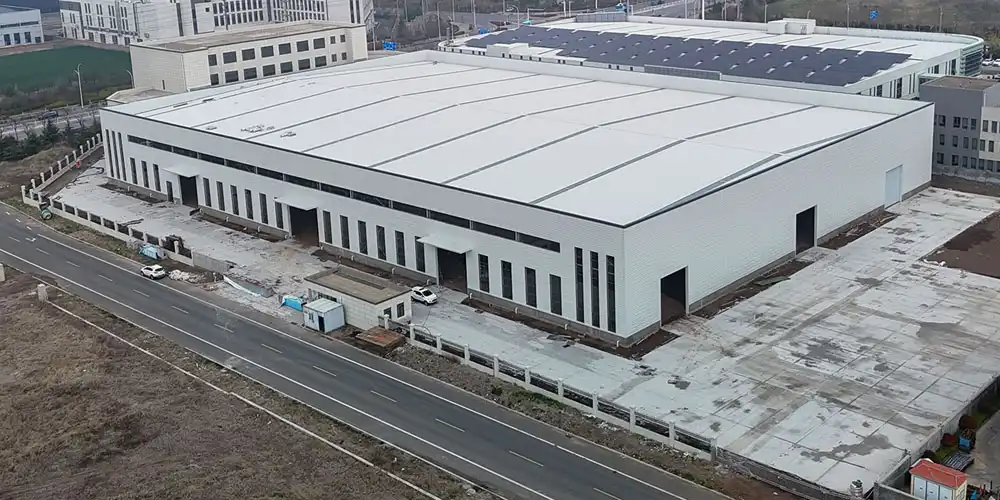
A New Jersey pharmaceutical delivery company with a 50,000-square-foot Chemical Storage Warehouse updated its ventilation system to handle additional chemicals. The building's mechanical system included three exhaust circuits for distinct risk zones. Each circuit measured volatile organic chemicals using safe sensors. They designed their modular steel storage facility with an H-beam primary steel structure. Roof purlins with dynamic stresses supported explosion-proof fans. In six months of operation, atmospheric tracking indicated vapour levels below 10% of exposure guidelines. Energy-efficient variable speed controls reduced system expenses by 30% over the constant-volume system.
How to Choose and Procure Ventilation Solutions for Chemical Storage Warehouses
When choosing the right ventilation equipment, you have to weigh a lot of different technical and business factors that are specific to the type of building and its needs. Structured evaluation systems help people who work in B2B buying make sure that all important factors are given the right amount of weight when decisions are being made.
Key Selection Criteria for Equipment Evaluation
Because ventilation equipment must fulfil chemical safety regulations and local legislation, regulatory compliance is the most significant consideration when purchasing it. This includes ensuring that explosion-proof ratings match the facility's hazardous area classifications, airflow capacity fulfils minimum air change requirements, and environmental release licenses match emission control equipment standards. Third-party certification to accepted standards is crucial for regulatory and insurance evaluations.
Corrosive durability affects a building's total cost of ownership, which is normally over twenty years. Purchase specifications should specify chemical resistant coatings that are weather-appropriate for long-term low-level exposure and spills. Matching alloy compositions or preventive treatments to known corrosion processes in chemical manufacturer compatibility tables is necessary for wetted components like fans, ductwork, and dampers exposed to chemical vapours.
As the company expands, scalability allows the air system to adapt without being replaced. Modular designs that enable adding fan units or duct branches to improve capacity, safeguard original investments, and promote expansion. Open-communication control systems may be modified to support new building automation capabilities. This prevents obsolete technology from rendering equipment worthless.
Custom Versus Standard System Approaches
Off-the-shelf air kits may benefit smaller operations with basic demands and typical chemical profiles. Standardised systems operate well, new parts are easier to locate, and planning expenses are reduced since the designs have been proven. Selection software from manufacturers simplifies size calculations and lets purchasing teams pick the proper models without much discussion. Standard systems don't smoke while they're not functioning, making them ideal for bottled chemical distribution facilities.
Custom solutions are required when construction demands go beyond what standard items can accomplish or when chemicals must be blended in strange ways. Large-scale chemical storage operations benefit from integrated designs that enhance airflow patterns across complex layouts and feature several ventilation zones with distinct controls for each storage location. Extremely hot or cold regions require particular systems to manage the heating or cooling demands of allowing outside air in, and places with limited electrical supply need energy optimisation that typical systems may not provide.
From the outset, modular prefabricated steel storage buildings integrate ventilation and structural engineering. That helps the building's skin and mechanical systems operate better together. This approach is ideal for supporting ventilation equipment with galvanised C/Z purlins and bracing systems since structural requirements may be incorporated during production rather than adjusted during installation. Engineering estimate services that include mechanical and structural engineering prevent costly issues and changes in construction projects.
Importance of Supplier Partnerships and Support Services
In addition to the specs of the equipment, the choice of provider has a huge impact on the long-term success of a ventilation system. Reputable makers with a lot of experience working in dangerous facilities can help with application knowledge that keeps specification mistakes from happening, which happen a lot when general industrial equipment is used in chemical storage in the wrong way. Getting technical help during the planning phase makes it easier for procurement teams to meet strict legal requirements while also improving system performance and lowering costs.
Because explosion-proof equipment and chemical-rated parts are so specialised, installation advice services are very helpful. Manufacturers that give on-site commissioning help make sure that the system is set up correctly. This includes balancing the airflow across various zones, setting the control system, and teaching operators how to do maintenance. This hands-on help cuts down on starting issues and creates standard performance records that are needed for future troubleshooting.
System reliability is maintained throughout the facility's working life by ongoing maintenance assistance and the supply of spare parts. When suppliers keep enough filters, belts, bearings, and motors in stock, downtime is kept to a minimum when replacements are needed. Forward-thinking makers offer regular performance audits to find signs of wear and tear before they happen. This lets them plan upkeep, which keeps them from having to make emergency repairs during production times.
Qingdao Director Steel Structure Co., Ltd. is a good example of an integrated seller because they offer full services from structure design to mechanical installation. In their sealed factories, they make the H-beam main steel frames, galvanised purlins, and structural bracing that are needed for fitting ventilation systems reliably. Their engineering calculation services make sure that the loads on the structure are balanced with the loads on the ventilation equipment during the planning process. ISO9001 and CE certifications guarantee the quality of their products. This collaboration creates flexible prefabricated steel storage buildings that are perfect for a Chemical Storage Warehouse, with structural reinforcements placed to support explosion-proof fans and pipes without having to be changed on-site. Their logistics planning and erection guidance services make sure that ventilation parts fit together smoothly during building, and their project-based manufacturing can handle the unique needs of chemical plants.
Conclusion
For Chemical Storage Warehouse activities to be safe and legal, they must have the right ventilation equipment. This guide shows that to control the atmosphere well, you need to pay close attention to rules, choose the right parts, and do regular maintenance that goes beyond just installing fans. When procurement professionals look at ventilation as a whole system, including structural requirements, control technology, and supplier support, along with equipment specs, they set their companies up for practical success and protect workers and assets. Because chemical storage ventilation is so complicated, it's important to work with providers who have a lot of experience and can help with everything from the initial design to long-term upkeep. Companies that buy properly designed air systems and rely on reliable technical support have a competitive edge because they face less risk, pay less for insurance, and run their businesses more efficiently, which helps them grow in tough industrial markets.
FAQ
1. What ventilation standards apply when storing Class I flammable liquids?
Facilities storing Class I flammable liquids must comply with OSHA 29 CFR 1910.106 and NFPA 30 requirements mandating mechanical ventilation sufficient to limit vapour concentrations to 25% of lower flammable limits. This typically requires six to twelve air changes hourly, depending on building configuration and chemical volatility. Intake air must originate from clean sources, while exhaust discharges at least ten feet from property lines and building openings.
2. How frequently should chemical warehouse ventilation systems undergo inspection?
Industry best practices recommend monthly visual inspections verifying unobstructed airflow paths, quarterly performance testing measuring actual air change rates against design specifications, and annual comprehensive examinations covering electrical connections, motor conditions, and structural mounting integrity. Facilities storing acutely hazardous materials may require more frequent inspection intervals based on risk assessments.
3. Can existing steel warehouses be retrofitted with compliant chemical ventilation?
Retrofitting represents a viable and often cost-effective approach when existing structural capacity accommodates ventilation equipment loads. Engineering evaluation must confirm roof framing can support explosion-proof fans and ductwork dead loads plus wind uplift forces. Modular fan arrays and ductless displacement systems simplify retrofits by minimising structural modifications. Successful projects coordinate mechanical upgrades with any necessary electrical service expansions and hazardous area reclassification of Chemical Storage Warehouse units.
Partner with DFX for Engineered Chemical Storage Warehouse Solutions
Safe Chemical Storage Warehouse starts with building structures and air systems that work well together and meet your unique needs. For more than twelve years, DFX has been making modular built steel storage buildings that are specifically designed for use with dangerous materials. From the first idea to the final completion, our all-inclusive method manages H-beam primary steel frames, corrosion-resistant coating systems, and structural features that support explosion-proof ventilation equipment. As a Chemical Storage Warehouse maker that is ISO9001 and CE certified, we offer full engineering calculation, fabrication, and installation guide services that make sure projects are completed on time and within budget. Our expert team knows the unique problems that procurement professionals face when they have to choose chemical facilities. They can help you find a solution that meets both safety standards and your budget. Get in touch with jason@bigdirector.com to talk about your chemical storage project needs and find out how DFX can help you with reliable, legal warehouse solutions that are backed by experienced production and quick technical support for as long as your facility is in use.
References
1. National Fire Protection Association. (2021). NFPA 30: Flammable and Combustible Liquids Code. Quincy, MA: NFPA Publications.
2. Occupational Safety and Health Administration. (2020). Hazardous Materials Storage and Handling: OSHA Standards Interpretation and Compliance Guide. Washington, DC: U.S. Department of Labour.
3. American Society of Heating, Refrigerating and Air-Conditioning Engineers. (2019). ASHRAE Handbook—HVAC Applications, Chapter 32: Industrial Ventilation. Atlanta, GA: ASHRAE Publications.
4. Center for Chemical Process Safety. (2018). Guidelines for Engineering Design for Process Safety, Second Edition. Hoboken, NJ: John Wiley & Sons.
5. International Code Council. (2021). International Building Code, Chapter 4: Special Detailed Requirements Based on Use and Occupancy. Washington, DC: ICC Publications.
6. Environmental Protection Agency. (2019). Risk Management Program Guidance for Warehouses Storing Hazardous Chemicals. Washington, DC: EPA Office of Emergency Management.
Learn about our latest products and discounts through SMS or email