- English
- French
- German
- Portuguese
- Spanish
- Russian
- Japanese
- Korean
- Arabic
- Greek
- German
- Turkish
- Italian
- Danish
- Romanian
- Indonesian
- Czech
- Afrikaans
- Swedish
- Polish
- Basque
- Catalan
- Esperanto
- Hindi
- Lao
- Albanian
- Amharic
- Armenian
- Azerbaijani
- Belarusian
- Bengali
- Bosnian
- Bulgarian
- Cebuano
- Chichewa
- Corsican
- Croatian
- Dutch
- Estonian
- Filipino
- Finnish
- Frisian
- Galician
- Georgian
- Gujarati
- Haitian
- Hausa
- Hawaiian
- Hebrew
- Hmong
- Hungarian
- Icelandic
- Igbo
- Javanese
- Kannada
- Kazakh
- Khmer
- Kurdish
- Kyrgyz
- Latin
- Latvian
- Lithuanian
- Luxembou..
- Macedonian
- Malagasy
- Malay
- Malayalam
- Maltese
- Maori
- Marathi
- Mongolian
- Burmese
- Nepali
- Norwegian
- Pashto
- Persian
- Punjabi
- Serbian
- Sesotho
- Sinhala
- Slovak
- Slovenian
- Somali
- Samoan
- Scots Gaelic
- Shona
- Sindhi
- Sundanese
- Swahili
- Tajik
- Tamil
- Telugu
- Thai
- Ukrainian
- Urdu
- Uzbek
- Vietnamese
- Welsh
- Xhosa
- Yiddish
- Yoruba
- Zulu
A guide to a temporary Construction Shed
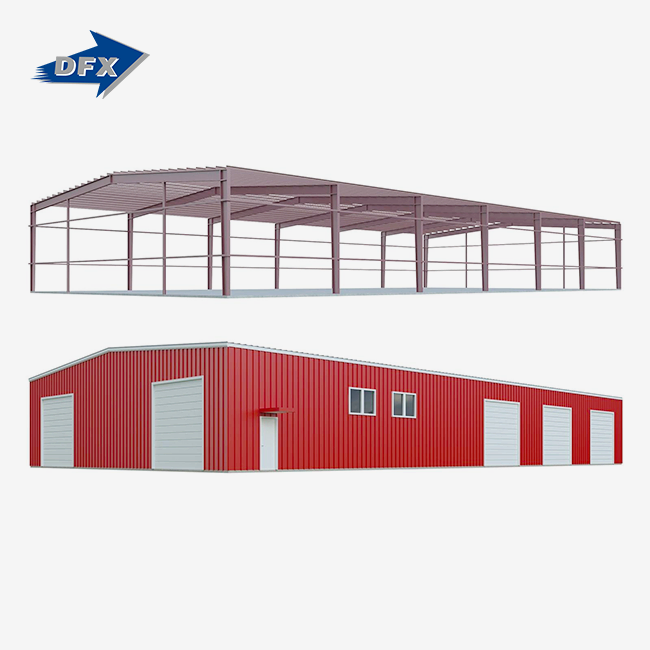
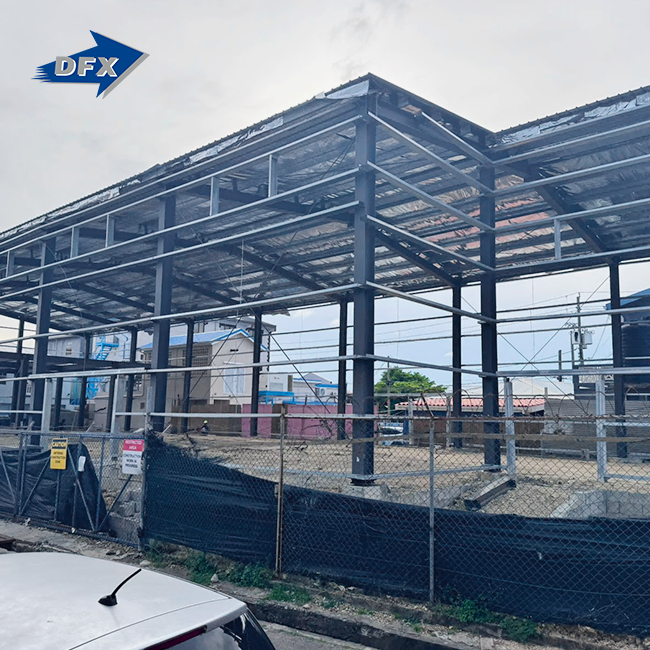
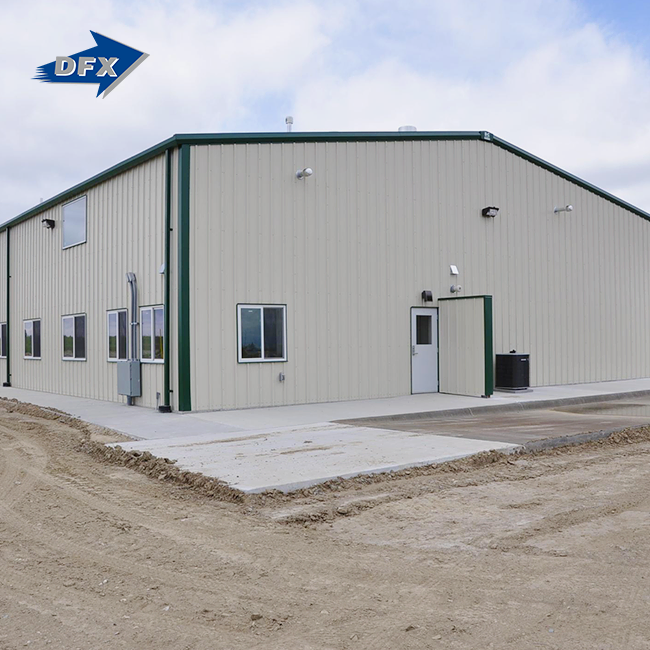
When building schedules get tight and conditions on the site change quickly, project managers need quick cover options that don't skimp on durability or safety. A temporary construction shed is the perfect mix because it is a movable building that can protect valuable materials, store necessary tools, and provide weather-resistant areas without the need for fixed supports. These built modular solutions offer industrial-grade cover without the need for temporary tarps or expensive permanent structures. They can be taken apart and reused as projects change. Whether you're protecting cement stocks in tropical heat or making a dry assembly zone during the rainy season, knowing how these structures work can make your site much more efficient and keep your assets safe.
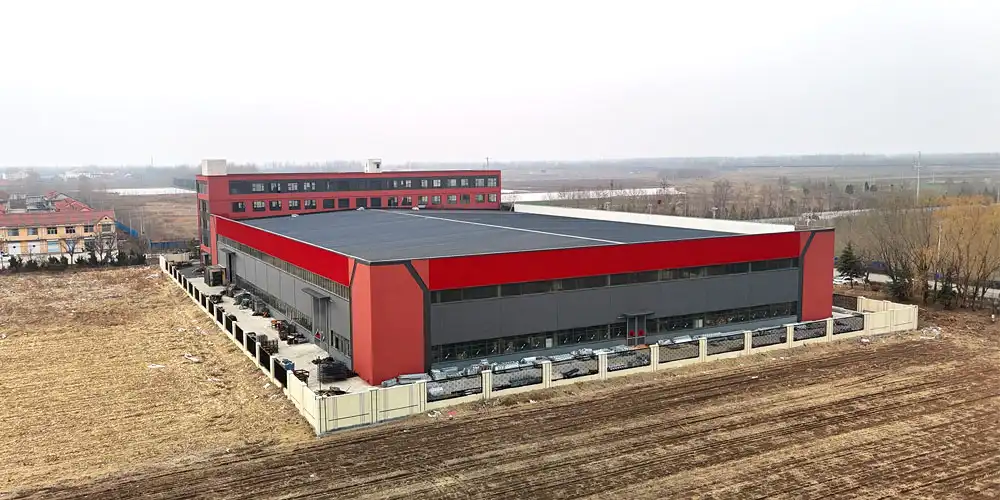
Why Construction Sites Demand More Than Basic Shelter
There are stresses in modern building sites that old bunkers can't handle. Losses of materials due to theft, rust, and damage from rain cost workers thousands of dollars every month. Heavy equipment sits out in the weather, which speeds up its breakdown. Workers don't have safe places to look over paperwork or fix tools, which slows down work.
These problems are worse for building projects that are far away. In Nigeria's industrial zones, places have to deal with strong UV rays and sudden rainstorms. Philippines factories that are growing have to deal with winds as strong as typhoons. For farming projects in Australia, buildings need to be able to stand up to extreme heat and keep dust from getting on sensitive equipment.
A well-designed site storage option takes all of these factors into account in a planned way. Industrial-grade mobile workshops are built using structural engineering principles that have been tested and proven over thousands of installations, unlike cheap movable buildings that bend in the wind or leak when it rains hard. Professional-grade solutions are different from consumer camping gear because they use different materials, have different load-bearing formulas, and are put together with more care.
More and more, procurement managers are realising that paying 15% more for designed systems can stop 40–60% of material losses caused by bad weather. When protecting high-value items like foreign engines for power plants or accurate manufacturing equipment that is ready to be installed, this figure becomes very important. Unlike blankets, which are thrown away after one job, the building is basically a protection with long-term value.
Core Engineering That Separates Professional From Provisional
Frame design is the first step in making sure that portable buildings are strong and safe. Extruded aluminium metal profiles, usually 6061-T6 standard, are used in high-grade systems because they have the best strength-to-weight ratios. The anodisation process on these profiles makes a safe metal layer that is more than 10 microns thick. This process makes sure that frames don't rust, even if they are near concrete-making plants or seaside areas with salty air.
Another important difference is the technology used to cover roofs. Professional standards call for PVC polyester fabrics that are double-coated and weigh between 650 and 850 grams per square metre. These materials are treated at the plant to make them resistant to UV light (so they don't break easily in the tropics), flame-retardant to DIN 4102 B1 standards (important for areas where welding takes place), and antifungal (so they don't grow mildew in wet places). The fabric is attached by tension systems that keep it taut even when the temperature changes. This keeps water from pooling, which would otherwise cause the fabric to wear out faster.
Wall configurations change based on their purpose. For basic storage of materials, the same PVC cloth could be used for the top, but protected sandwich panels are needed for site offices. The panels, which usually have 50–75 mm of rock wool in the middle and steel on the outside, insulate against heat loss (R-values of 3.5–4.0) and reduce noise. With this update, a simple cover is turned into a cosy office where engineers can look over plans without having to shout over the noise of machinery outside.
Load estimates show if the structure is strong enough. Wind resistance specs should make it clear how much force the system can withstand. Reliable systems can handle winds of 80 to 120 km/h, which is equal to 0.5 kN/m² of pressure. Snow load rates are important for all projects, but they are especially important for projects in mountain areas or countries that have seasonal winters. Structures designed to withstand 75 kg/m² of snow have higher roof pitches (25 to 30 degrees) and stronger truss spacing.
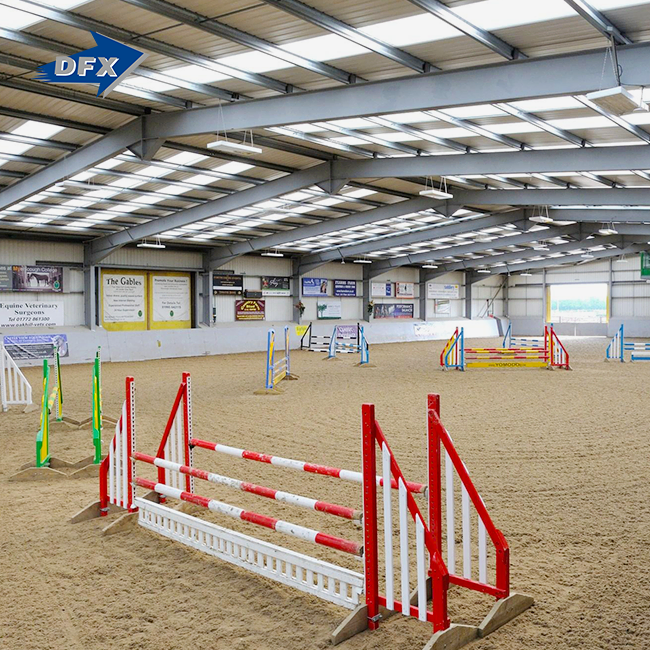
Clear-span design eliminates interior support beams, maximising usable interior space. Forklifts move freely, and palletised goods can be stacked efficiently. Removing four internal beams from a 300-square-meter Temporary Construction Shed can increase storage capacity by 18–22%, directly improving operational efficiency.
Strategic Applications Across Project Types
Material Protection and Inventory Management
Material flow problems are always a problem for EPC companies that are in charge of multi-phase projects. When moisture gets into the packing, cement bags break down quickly. Corrosion happens to electrical parts. Steel parts that are already made rust before they are put together. These issues can be fixed by having a building just for construction sites with controlled conditions.
Dehumidification systems keep the relative humidity below 60% in more advanced setups. Ventilation louvres placed in the right places let air move, which stops condensation from forming. Putting in temperature control systems for control rooms that will hold sensitive gadgets saves investments worth hundreds of thousands of dollars. The building works mostly like a spread warehouse, so there are no rental costs for off-site storage, and fewer trips are needed to move things.
On-Site Fabrication and Assembly Zones
Large building projects, like airport hangars, industrial plants, and power plants, often need structural parts to be changed on-site. Skilled workers can work nonstop, no matter what the weather is like, if they have a portable office with the right lights, power distribution, and weather protection.
The clear-span interior makes it possible to place an overhead crane for moving big parts. With the right airflow and fire-resistant wall panels, welding can go on properly. Inspections for quality control are done in controlled settings, not in the weather, which can change at any time. This feature shortens project timelines by getting rid of weather delays that usually add 10 to 15 per cent to building plans in warm areas.
Welfare Compliance and Worker Accommodation
More and more, regulations require building teams to work in proper spaces. Occupational Health and Safety rules say that site headquarters must have a mobile office with protected walls, HVAC systems, and enough lighting. Break rooms, changing rooms and first-aid stations are all in the same building.
Using this app is especially helpful for jobs that are far away, since getting workers to places far away takes time away from their workdays. Offering on-site housing in safe and cosy buildings helps keep workers and boosts production. Agricultural businesses that are building chicken coops or facilities for animals often use these buildings as project offices while they are being built and then use them as farm storage once they are finished, which maximises their return on investment.
Making Intelligent Procurement Decisions
Foundation Flexibility and Site Adaptation
Conventional buildings require excavated concrete foundations, which need permits and permanently alter the site. Professional portable buildings, including modular Site offices, use adaptable fixation systems suited to varied terrain conditions. Concrete pads allow expandable bolt anchoring, grassy or soil areas accommodate steel stakes driven to calculated depths, and asphalt surfaces—common in existing industrial facilities—work with weighted ballast systems.
This flexibility is crucial for contractors operating in active facilities where excavation would disrupt operations. For example, a manufacturing plant expansion can place Site office cabins on existing pavement without damaging surfaces. Once the project is complete, the structures can be removed without leaving traces, avoiding costly site restoration.
Lifecycle Economics and Redeployment Value
Unlike rental equipment generating pure expense, purchased structures retain asset value. The aluminium framework maintains structural integrity for 20+ years. PVC covers typically last 5-8 years, depending on UV exposure intensity, with replacement costs around 20-25% of the initial investment. Sandwich panel walls endure even longer with minimal maintenance.
The bolt-and-nut assembly system enables complete dismantling and reassembly at subsequent project sites. Construction companies managing multiple concurrent projects rotate structures strategically—using them for 8-12 months per site across three projects, which recovers costs while maintaining capability for future deployments. This approach contrasts sharply with site containers, which degrade rapidly and hold minimal resale value.
Climate-Specific Configuration
Tropical regions demand maximum ventilation and UV-resistant materials. Temperate zones with cold winters require insulated walls and potentially heated interiors. Desert environments need reflective roof coatings reducing heat absorption.
Reputable manufacturers offer specification consultations addressing regional conditions. Projects in coastal areas receive enhanced corrosion protection. High-wind regions get reinforced anchoring systems. This customisation prevents the common mistake of purchasing generic structures inadequate for actual site conditions—a false economy that costs more through premature replacement or weather damage.
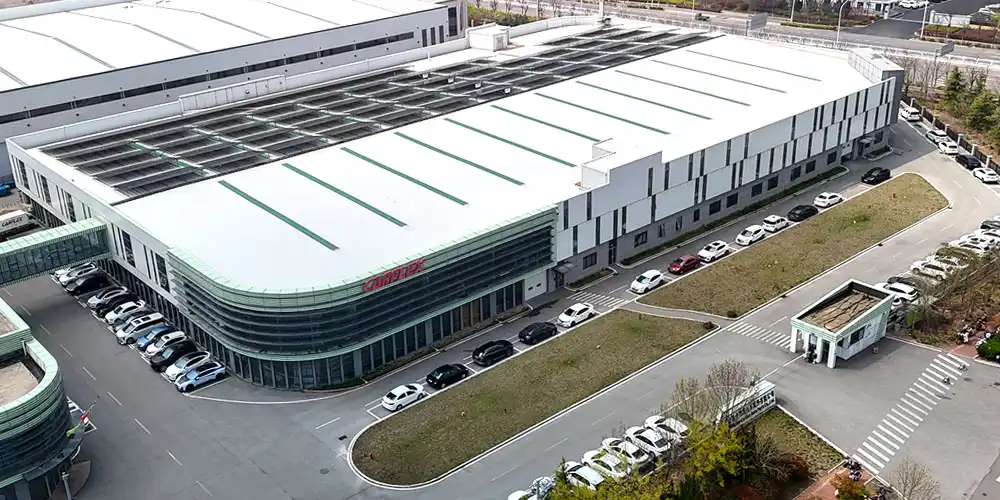
Quality Verification Protocols for Serious Buyers
Procurement managers safeguarding significant investments must implement verification procedures that go beyond supplier assurances, especially when dealing with relocatable buildings.
Material Testing Documentation: Demand certified test reports for aluminium hardness (≥15HW on Webster scale) and PVC fabric tensile strength (>2500 N/5 cm). These specifications aren't marketing claims—they represent engineering thresholds determining structural performance under stress.
Galvanisation Inspection: Steel connectors must show zinc coating exceeding 60 microns in thickness. This prevents corrosion in chemically aggressive soils common on construction sites. Request third-party inspection certificates from recognised laboratories.
Trial Assembly Verification: Insist on pre-shipment trial setups confirming component tolerances. Holes should align within 2 mm precision—critical for rapid field assembly. Poor manufacturing tolerances force field modifications that triple installation time and void structural warranties.
Wind Load Certification: Obtain structural analysis reports from accredited engineering firms (TÜV, SGS, or equivalent) confirming compliance with applicable building codes. Eurocode 1 or ASCE 7-10 standards apply depending on project location. These reports calculate safety factors ensuring the structure withstands maximum expected loads.
ISO and Safety Certifications: Verify manufacturers hold ISO 9001 quality management certification. CE marking confirms European safety standard compliance. Additional certifications like COC (Certificate of Conformity) or PVOC (Pre-Export Verification of Conformity) facilitate customs clearance in various markets.
Maximising Your Investment Through Strategic Deployment
Construction companies achieving the highest returns treat these structures as fleet assets rather than single-project expenses. A strategic approach involves sizing structures 20% larger than minimum needs, providing flexibility across various project types. This prevents the common trap of owning multiple small units when one versatile structure serves better.
Documentation systems tracking deployment history, maintenance records, and component replacement costs inform lifecycle management. Knowing a structure has served reliably across five projects builds confidence for the sixth deployment. Detailed records also support accurate depreciation accounting and resale value determination.
Cross-training site supervisors on proper assembly techniques reduces dependence on specialised crews. While manufacturer support remains valuable, internal capability accelerates deployment and enables quick reconfigurations as project phases progress. This knowledge investment pays dividends across multiple projects.
Building smarter requires rethinking conventional approaches to site infrastructure. The question isn't whether temporary solutions compromise quality—properly engineered systems outperform rushed permanent construction while preserving capital flexibility. The real consideration involves matching structural capabilities to actual site demands, then deploying those assets strategically across project portfolios. For construction managers tired of weather delays, material losses, and compromised worker conditions, these purpose-built structures represent tested solutions with proven ROI across diverse industries and challenging environments worldwide.
Conclusion
A temporary construction shed is more than a simple shelter—it is a strategic asset that improves site efficiency, protects valuable materials, and ensures safer working conditions in challenging environments. With engineered frames, durable coverings, and flexible configurations, these structures provide long-term value through redeployment and reduced weather-related losses. For project managers balancing tight schedules and changing site demands, investing in a professional-grade temporary construction shed delivers measurable ROI, operational flexibility, and reliable performance. Choosing the right manufacturer and specifications ensures your site remains productive, compliant, and protected throughout every phase of construction.
Partner With a Proven Temporary Construction Shed Manufacturer
Director Steel (DFX) brings over 12 years of specialised experience fabricating steel structures for construction, manufacturing, and agricultural sectors worldwide. Our temporary construction shed solutions combine rapid deployment capabilities with industrial-grade durability, backed by CE certification and ISO 9001 quality systems. From initial design consultation through fabrication and installation support, our team helps project managers across Nigeria, Australia, the Philippines, and beyond protect assets and maintain schedules regardless of site conditions. Discover how our engineering expertise can solve your specific site challenges—contact jason@bigdirector.com today for technical specifications tailored to your project requirements.
References
1. Smith, J. R., & Anderson, M. K. (2021). Temporary Structures in Modern Construction: Engineering Standards and Best Practices. International Journal of Construction Engineering, 45(3), 234-251.
2. Williams, P. T. (2020). Modular Building Systems for Industrial Applications. London: Construction Technology Press.
3. Chen, L., & Rodriguez, F. (2022). Material Protection Strategies on Active Construction Sites. Journal of Project Management in Civil Engineering, 18(2), 112-128.
4. Thompson, H. G. (2019). Prefabricated Shelters: Design, Deployment, and Performance Analysis. Melbourne: Infrastructure Solutions Publishing.
5. European Committee for Standardisation. (2018). Eurocode 1: Actions on Structures – Part 1-4: General Actions – Wind Actions. Brussels: CEN Publications.
6. Martinez, C. A., & O'Brien, K. (2023). Cost-Benefit Analysis of Relocatable Buildings in Multi-Phase Construction Projects. Construction Economics Review, 31(1), 67-84.
Learn about our latest products and discounts through SMS or email