- English
- French
- German
- Portuguese
- Spanish
- Russian
- Japanese
- Korean
- Arabic
- Greek
- German
- Turkish
- Italian
- Danish
- Romanian
- Indonesian
- Czech
- Afrikaans
- Swedish
- Polish
- Basque
- Catalan
- Esperanto
- Hindi
- Lao
- Albanian
- Amharic
- Armenian
- Azerbaijani
- Belarusian
- Bengali
- Bosnian
- Bulgarian
- Cebuano
- Chichewa
- Corsican
- Croatian
- Dutch
- Estonian
- Filipino
- Finnish
- Frisian
- Galician
- Georgian
- Gujarati
- Haitian
- Hausa
- Hawaiian
- Hebrew
- Hmong
- Hungarian
- Icelandic
- Igbo
- Javanese
- Kannada
- Kazakh
- Khmer
- Kurdish
- Kyrgyz
- Latin
- Latvian
- Lithuanian
- Luxembou..
- Macedonian
- Malagasy
- Malay
- Malayalam
- Maltese
- Maori
- Marathi
- Mongolian
- Burmese
- Nepali
- Norwegian
- Pashto
- Persian
- Punjabi
- Serbian
- Sesotho
- Sinhala
- Slovak
- Slovenian
- Somali
- Samoan
- Scots Gaelic
- Shona
- Sindhi
- Sundanese
- Swahili
- Tajik
- Tamil
- Telugu
- Thai
- Ukrainian
- Urdu
- Uzbek
- Vietnamese
- Welsh
- Xhosa
- Yiddish
- Yoruba
- Zulu
7 Benefits of Steel Frame Construction for Commercial Buildings
Picking the right building method is very important when planning a business building project because it can make or break your budget and schedule. The way we plan business buildings today has changed a lot because of steel frame construction, especially for steel structure office buildings. This method has seven main benefits: it speeds up the building process, saves money, makes structures stronger, allows for more design options, is good for the environment, needs little upkeep, and makes them more resistant to fire. Traditional concrete buildings need weeks to cure, but steel frames come premade and ready to be put together. This cuts project timelines by 30–50% and gives open-plan plans more space than any other type of building.
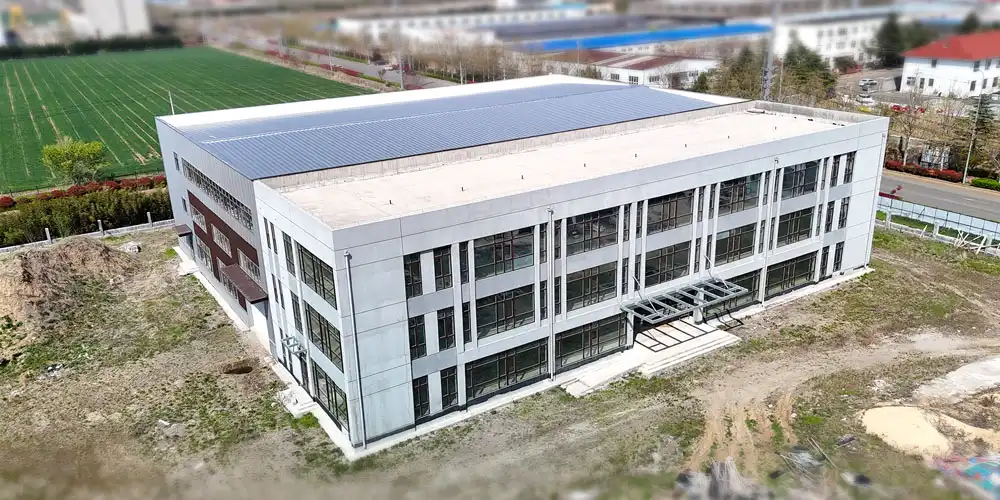
Why Steel Frame Construction Stands Out in Today's Market
In the last ten years, I've seen a big change in the building business toward steel options. The numbers tell an interesting story. All over North America, steel buildings now make up almost 70% of all new business buildings in industrial areas. This isn't just a trend; it's a useful way for project managers to deal with problems they face every day.
Using traditional building methods takes months and costs a lot of money. Concrete needs time to harden. All the weather delays add up. Costs going over budget are more common than rare. With a steel frame, these problems are solved right away. A Texas manufacturing company needed to open a 50,000-square-foot building within six months, and steel was the only material that could meet that schedule.
A lot of progress has been made in the science behind structural steel. High-quality materials, such as Q355B steel, which has yield strengths above 345 MPa, are used in modern metal building systems. These aren't just amazing numbers; they mean that buildings can stand up to extreme weather, earthquakes, and decades of use without losing their strength.
Speed That Changes Everything
In building, time is money, and steel saves both. A business office building with a steel frame can be finished 40% faster than a similar building made of concrete. This speed is due to the output being more industrialised. While you're finishing up the permits, sub-millimeter precision steel parts are already being made in climate-controlled factories.
I've seen procurement managers change the plans of projects by moving to steel. One EPC company in Arizona cut the time it took to build a building from 14 months to just 8. It only took three weeks to put up the steel frame, which would not have been possible with poured concrete supports or standard brickwork.
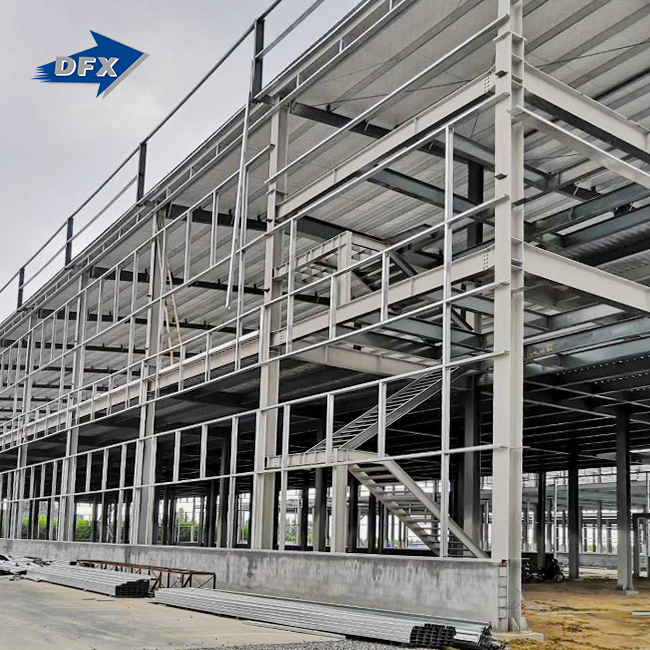
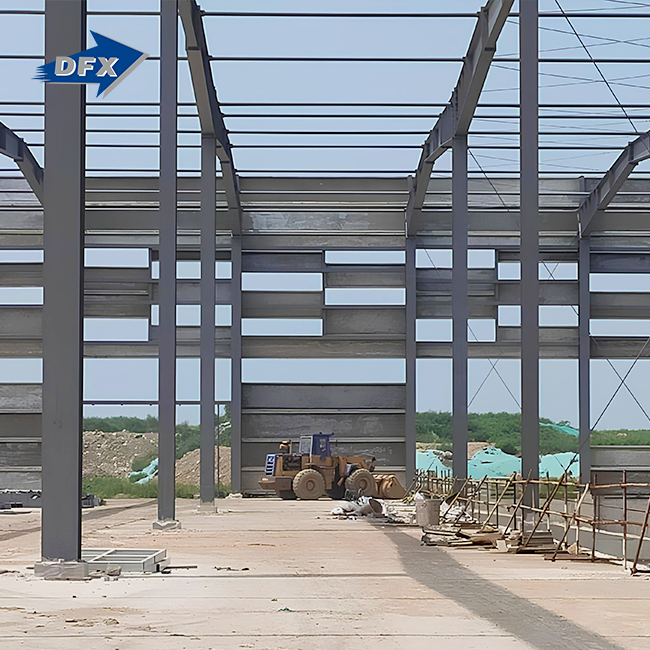
Prefabricated steel comes to the job site ready to be put together right away. In many situations, bolt connections are better than welding joints because they take less time. Teams can work on different parts of the building at the same time. This method of building in parallel gets rid of the delays that happen one step at a time that happen with traditional building methods.
Weather problems happen a lot less often. Pouring concrete is delayed by rain, but most of the time, steel is still being put up. While your rivals wait for the weather to clear, your project keeps going forward.
Cost Efficiency Beyond the Initial Quote
Smart buyers don't just consider the upfront price. A steel structure office building saves money over the entire lifecycle of a project. Steel's high strength-to-weight ratio reduces the need for heavy foundations, lowering foundation costs by 20–30 percent. Less concrete, fewer pilings, and simpler base designs are all advantages.
The cost of labour goes down a lot. When building goes faster, labour contracts get shorter. Less work on-site means less money spent on control. There is almost no waste in the manufacturing process because each beam and column is delivered precisely cut.
For farms that are building chicken coops or barns for animals, these savings add up quickly. A farm owner in Iowa saved $85,000 on a 30,000-square-foot chicken coop by making it out of steel instead of wood. Because it was durable, the building had lower insurance rates and upkeep costs over its lifetime.
Another financial benefit is using less energy. Steel frames can hold thick amounts of insulation without affecting the strength of the structure. Businesses save 15 to 25 percent on heating and cooling costs compared to buildings made of concrete, which often have problems with thermal bridges.
Structural Performance That Inspires Confidence
Project experts can't sleep at night because they worry about safety. Steel gives you peace of mind because it works well. Modern steel design principles make buildings very resistant to earthquakes; they are often rated to handle magnitude 8 earthquakes without breaking.
The flexibility of the material lets it bend in a controlled way during violent events. Steel bends and absorbs energy instead of falling apart all at once. Because of this, it's perfect for places that are prone to earthquakes or hurricanes. This is one reason why building rules are favouring steel more and more.
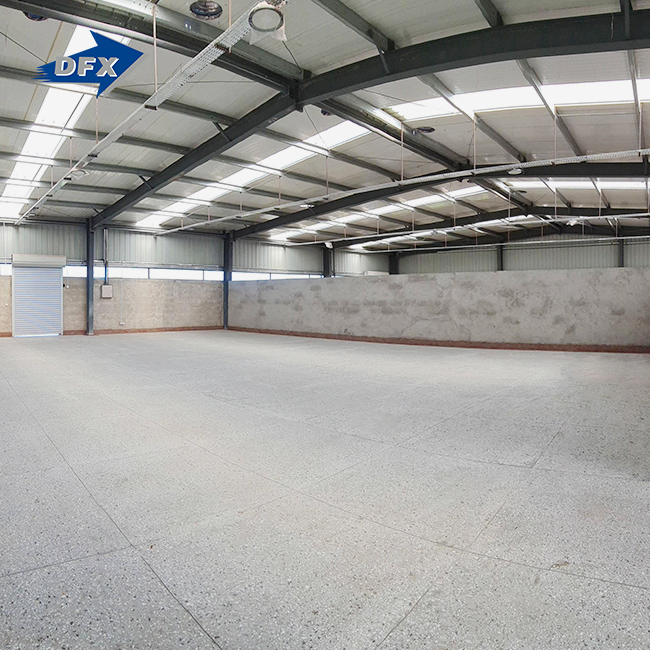
The load-bearing ability is well above what is needed for most projects. Without any middle poles, the wide-span possibilities go up to 60 meters. For factories and stores that handle goods, this makes the column-free areas they need to run smoothly.
Before the goods leave the plant, they are checked for quality. Ultrasonic testing and magnetic particle inspection are used for non-destructive testing on welding. Verification is done at every link point. This pre-construction check takes away the worry about the quality of the work in the field.
Design Freedom for Changing Business Needs
Needs in business change over time. The way the office was set up yesterday will be used as a working place tomorrow. These changes are easy for steel buildings to handle. Moving interior walls doesn't affect the security of the structure. Floor systems don't need expensive strengthening to make room for new spaces, like steps or equipment.
Architectural steel systems can hold up almost any type of façade material. Want curtain walls that look good? Not a problem. Like the look of traditional brick veneer? It's made of steel. Need metal plates for an industrial look? Steel frames can be used for any purpose.
The process of expansion is made easy. Adding rooms to steel buildings that are already there doesn't cause too much damage. A company that makes things can add twice as much space for production without having to stop working. This gives you the freedom to protect your wealth as market needs change.
Heavy tools can also be supported by building framework systems very well. Overhead cranes, HVAC systems, and special tools for manufacturing all connect directly to steel sections that are made to hold these kinds of loads. Engineers figure out exact limits, so there is no need to guess or worry about safety.
Environmental Responsibility That Matters
Sustainability isn't just good marketing—it affects your bottom line through tax incentives, certification benefits, and corporate reputation. Steel ranks as the world's most recycled material. Every steel structure contains 90% recycled content and remains 100% recyclable at end-of-life.
This circular economy approach appeals to companies pursuing LEED or BREEAM certifications. Points accumulate quickly when your building framework diverts zero material to landfills. Construction waste drops from typical rates of 15-20% down to less than 2%.
The fabrication process itself carries environmental advantages. Factory production optimizes material usage through computer-controlled cutting. Transportation efficiency improves because lightweight steel components require fewer truck trips than concrete equivalents.
Energy efficiency extends throughout the building's operational life. Steel frameworks don't shrink, warp, or settle like other materials. This dimensional stability maintains insulation integrity. Building envelopes stay tight. Heating and cooling systems work less hard to maintain comfort.
Maintenance Requirements That Stay Minimal
Operating managers appreciate steel’s low-maintenance characteristics, especially in a commercial office context. Properly treated steel resists corrosion for decades. Hot-dip galvanization provides protection in harsh environments—coastal areas, chemical plants, and agricultural facilities with high ammonia exposure.
Modern corrosion protection systems use multiple layers. Zinc-rich epoxy primers bond directly to steel. Intermediate coats seal microscopic pores. Topcoats provide UV protection and color. This system typically lasts 25 years before requiring attention.
Pest resistance offers another practical advantage. Termites ignore steel. Rodents can't chew through metal building components. Agricultural operators particularly value this—a poultry house stays structurally sound without fumigation or treatments that compromise food safety.
Structural inspections remain straightforward. Steel doesn't hide problems. Visible welds, connections, and members allow quick assessment. Issues that develop show clear warning signs long before becoming dangerous. This predictability makes maintenance planning reliable and budget-friendly.

Fire Safety Performance
Fire ratings matter in commercial construction. Insurance costs reflect this reality. Steel structures treated with intumescent coatings achieve 2-hour or greater fire resistance ratings. These coatings expand when exposed to heat, creating insulating layers that protect structural members.
Building codes recognize steel's performance. Properly designed steel buildings meet or exceed requirements without expensive fire suppression retrofits. The material itself doesn't combust or contribute fuel to fires—a critical advantage over wood construction.
Industrial architecture applications benefit particularly from this fire resistance. Manufacturing facilities often contain flammable materials or processes. A steel framework provides a fire-resistant skeleton that contains damage and protects escape routes.
Post-fire recovery also favors steel. Unlike concrete that spalls and loses strength in fires, steel members can often be inspected, treated, and returned to service. This reduces business interruption and replacement costs.
How Director Steel Delivers These Benefits
At Qingdao Director Steel Structure Co., Ltd., we've spent 12 years perfecting the steel construction process. Our 40,000-square-meter production facility handles every stage of fabrication—from initial design calculations through final quality certification.
Six automatic welded H-beam production lines maintain consistency across projects. We produce 20,000 tons annually of welded beams and columns, all manufactured to ISO 9001 standards. Our CE certification guarantees compliance with the international building codes that project managers require.
What sets us apart is comprehensive project support. You're not just buying steel components—you're gaining access to architectural design services, structural engineering expertise, and installation guidance. This turnkey approach eliminates coordination headaches between multiple vendors.
Our technical team works directly with your engineers to optimize designs for your specific application. Need large spans for warehouse operations? We calculate exact member sizes. Require seismic resistance for West Coast projects? We specify appropriate bracing systems and connection details.
Quality verification happens at multiple checkpoints. Trial assembly in our facility catches dimensional issues before shipping. Welds undergo ultrasonic testing. Surface treatment thickness receives measurement to confirm fire ratings and corrosion protection meet specifications.
Making the Right Choice for Your Project
Selecting the right construction method requires evaluating your specific situation. Steel frame construction makes particular sense when:
Timeline pressure exists. If you need occupancy within 12 months, steel's speed advantage becomes critical. Manufacturing companies expanding to meet customer demand can't afford 18-month construction schedules.
Foundation conditions challenge traditional methods. Poor soil, high water tables, or expansive clays increase concrete foundation costs dramatically. Steel's lighter loads reduce foundation requirements and associated expenses.
Future expansion seems likely. Businesses grow unpredictably. Steel frameworks accommodate additions without major structural modifications. This flexibility protects your capital investment.
Environmental goals matter. Companies pursuing sustainability certifications find steel's recyclability and low waste profile valuable for achieving point requirements.
When reviewing proposals from steel structure suppliers, examine these factors: fabrication capacity, quality certifications, design support availability, and installation guidance. Cheaper quotes sometimes hide costs: inadequate engineering support, substandard corrosion protection, or missing components discovered during erection.
Request detailed specifications for steel grades, connection methods, and surface treatments. Q235 and Q355 steel offer different strength characteristics. Hot-dip galvanization provides superior corrosion protection compared to paint-only systems in aggressive environments. Leveraging modern steel design principles ensures both performance and long-term value for your project.
Important Considerations Before Moving Forward
Every construction method involves trade-offs. Steel frame construction requires careful attention to several factors:
Corrosion protection matters. While properly treated steel lasts decades, shortcuts in surface preparation create future problems. Ensure specifications include appropriate protection for your environment—coastal locations need more robust systems than dry inland sites.
Connection details determine performance. Moment-resisting connections differ significantly from simple shear connections. Your structural engineer must specify appropriate connection types for the load conditions and seismic requirements.
Fire protection requires planning. Raw steel loses strength at elevated temperatures. Buildings requiring fire ratings need intumescent coatings or spray-applied fireproofing. Budget for these treatments in initial cost estimates.
Acoustic performance needs attention. Metal buildings can transmit sound more readily than mass-heavy concrete structures. Office environments may require acoustic insulation in floor and wall assemblies to maintain comfort.
Thermal bridging demands proper detailing. Steel's high thermal conductivity creates potential for heat loss through structural members. Thermal breaks and continuous insulation layers prevent condensation and energy waste.
Working with experienced manufacturers addresses these considerations during the design phase. We've solved these challenges hundreds of times across different climates, building types, and regulatory environments.
Conclusion
Steel frame construction delivers measurable advantages that directly address the challenges facing project managers, procurement specialists, and business owners. Faster schedules, lower costs, superior structural performance, design flexibility, environmental benefits, minimal maintenance, and fire safety create compelling value across the project lifecycle. Whether you're an EPC contractor managing infrastructure projects, a manufacturing company expanding production capacity, or an agricultural business building livestock facilities, steel construction methods solve real problems while protecting your investment. The material's proven performance, backed by rigorous quality standards and experienced fabricators, makes it the logical choice for commercial building projects that demand results.
Frequently Asked Questions
Q1: How long does a typical steel structure office building take from order to completion?
A: The complete timeline depends on building size and complexity, but most projects follow this pattern: 2-4 weeks for design and engineering, 4-8 weeks for fabrication, 2-4 weeks for shipping, and 4-8 weeks for on-site erection. A 20,000-square-foot office building typically reaches completion within 6-8 months from contract signing, compared to 12-14 months for comparable concrete construction.
Q2: What maintenance does a steel-framed commercial building require?
A: Properly treated steel buildings need minimal maintenance. We recommend annual visual inspections of connections, coatings, and roof systems. Re-coating typically occurs every 20-25 years for exposed exterior steel in moderate climates. Harsh environments like coastal areas or industrial facilities with chemical exposure may require attention every 15-20 years. Overall maintenance costs run 40-60% lower than traditional construction over a 30-year period.
Q3: Can steel buildings achieve the same architectural appearance as traditional construction?
A: Absolutely. Steel framing supports any exterior cladding system—brick veneer, stone panels, curtain walls, metal panels, or stucco. The structural system remains hidden behind your chosen facade. Many prestigious corporate headquarters and architectural landmarks use steel frames invisible to occupants. The design flexibility actually exceeds traditional methods because steel spans eliminate the need for load-bearing walls that restrict layouts.
Partner with Director Steel for Your Next Commercial Project
As a trusted steel structure office building manufacturer with over 200 skilled workers and 40,000 square meters of production capacity, Director Steel transforms your project vision into reality. Our integrated approach combines CE-certified fabrication, in-house engineering design, and comprehensive installation support—eliminating coordination headaches while ensuring quality at every stage. Contact Jason at jason@bigdirector.com to discuss how our proven expertise in aircraft hangars, manufacturing plants, and commercial buildings delivers the speed, reliability, and cost efficiency your project demands.
References
1. American Institute of Steel Construction. (2022). Steel Construction Manual, 15th Edition. Chicago: AISC.
2. Geschwindner, L.F., Disque, R.O., & Bjorhovde, R. (2021). Load and Resistance Factor Design of Steel Structures. Upper Saddle River: Pearson Education.
3. Hassanein, M.F., Kharoob, O.F., & Liang, Q.Q. (2020). "Behavior of circular concrete-filled lean duplex stainless steel tubular short columns." Thin-Walled Structures, 149(1), 106614.
4. Newman, A. (2019). Metal Building Systems: Design and Specifications, 3rd Edition. New York: McGraw-Hill Professional.
5. Trahair, N.S., Bradford, M.A., Nethercot, D.A., & Gardner, L. (2021). The Behaviour and Design of Steel Structures to EC3, 5th Edition. London: Taylor & Francis.
6. Wang, Y.C. (2018). Steel and Composite Structures: Behaviour and Design for Fire Safety. London: Spon Press.
Learn about our latest products and discounts through SMS or email