- English
- French
- German
- Portuguese
- Spanish
- Russian
- Japanese
- Korean
- Arabic
- Greek
- German
- Turkish
- Italian
- Danish
- Romanian
- Indonesian
- Czech
- Afrikaans
- Swedish
- Polish
- Basque
- Catalan
- Esperanto
- Hindi
- Lao
- Albanian
- Amharic
- Armenian
- Azerbaijani
- Belarusian
- Bengali
- Bosnian
- Bulgarian
- Cebuano
- Chichewa
- Corsican
- Croatian
- Dutch
- Estonian
- Filipino
- Finnish
- Frisian
- Galician
- Georgian
- Gujarati
- Haitian
- Hausa
- Hawaiian
- Hebrew
- Hmong
- Hungarian
- Icelandic
- Igbo
- Javanese
- Kannada
- Kazakh
- Khmer
- Kurdish
- Kyrgyz
- Latin
- Latvian
- Lithuanian
- Luxembou..
- Macedonian
- Malagasy
- Malay
- Malayalam
- Maltese
- Maori
- Marathi
- Mongolian
- Burmese
- Nepali
- Norwegian
- Pashto
- Persian
- Punjabi
- Serbian
- Sesotho
- Sinhala
- Slovak
- Slovenian
- Somali
- Samoan
- Scots Gaelic
- Shona
- Sindhi
- Sundanese
- Swahili
- Tajik
- Tamil
- Telugu
- Thai
- Ukrainian
- Urdu
- Uzbek
- Vietnamese
- Welsh
- Xhosa
- Yiddish
- Yoruba
- Zulu
A Guide to Designing & Building a Commercial Steel Structure
When planning a steel structure office building, you have to find a balance between being very precise with the details and being careful with your budget. Steel frames are becoming more popular in modern industrial buildings because they can be built faster, are stronger, and allow for more flexible internal plans. Whether you're a manufacturing owner building a new factory in the Philippines or a project manager in Nigeria, knowing how the planning and construction steps work will have a big impact on the success and long-term performance of your project.
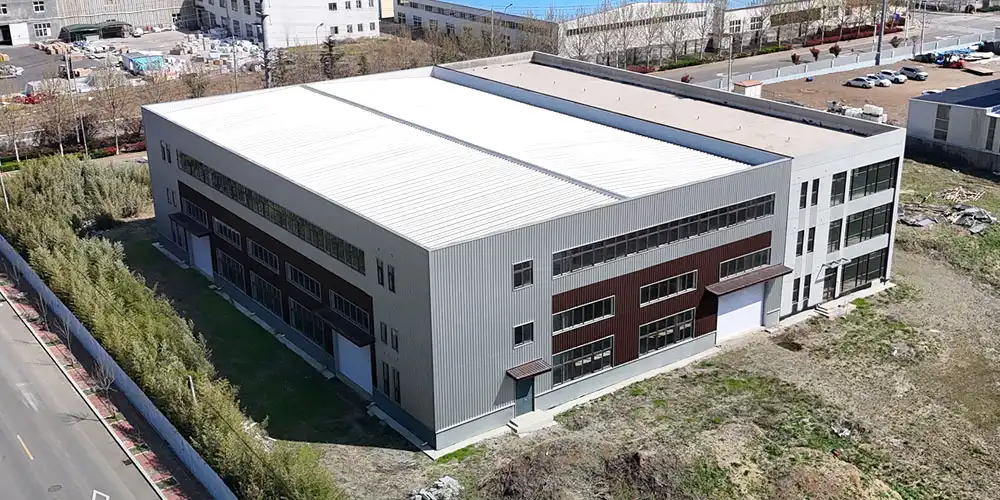
Why Steel Frameworks Dominate Modern Commercial Construction
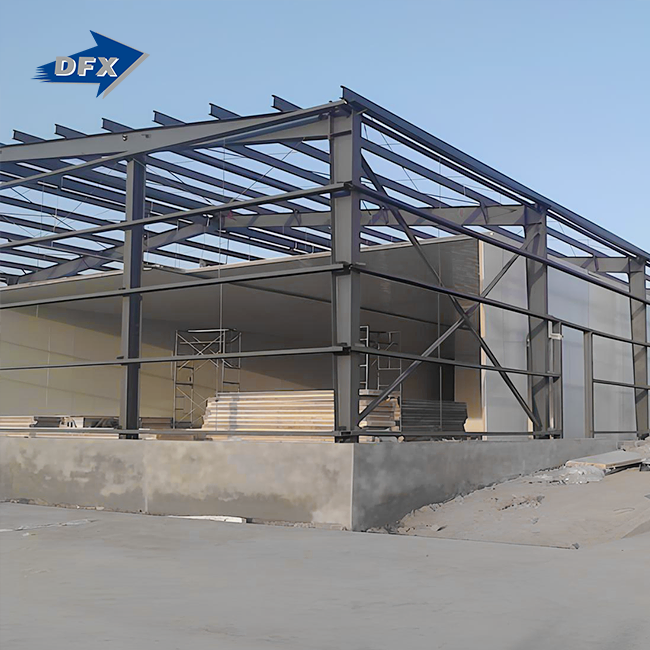
Traditional buildings made of concrete need long drying times that add months to the project plan. With steel frames, this problem is completely gone. When compared to traditional methods, prefabricated parts arrive at the job site ready to be put together, cutting the time it takes to build by 30 to 50 per cent. This speed advantage is very important when you have to meet tight rental dates or weather restrictions during certain times of the year.
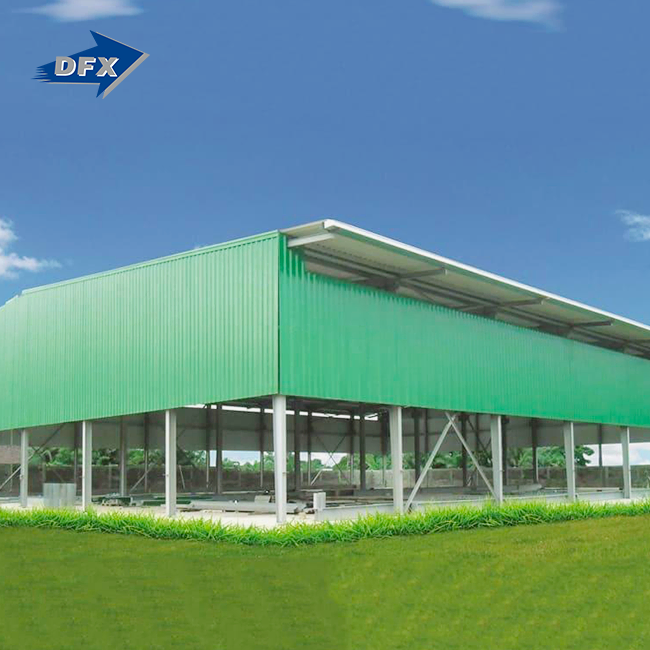
It's just as strong for the financial case. Because steel is so strong for its weight, it doesn't need as much of a base. Fewer heavy loads on the structure mean smaller footings, less digging, and lower groundwork costs. These savings can be used to pay for tools or finishes inside the building. Agricultural business owners in Australia who are building chicken coops really like how the lighter structures can adapt to different types of dirt without having to pay for expensive work to stabilise it.
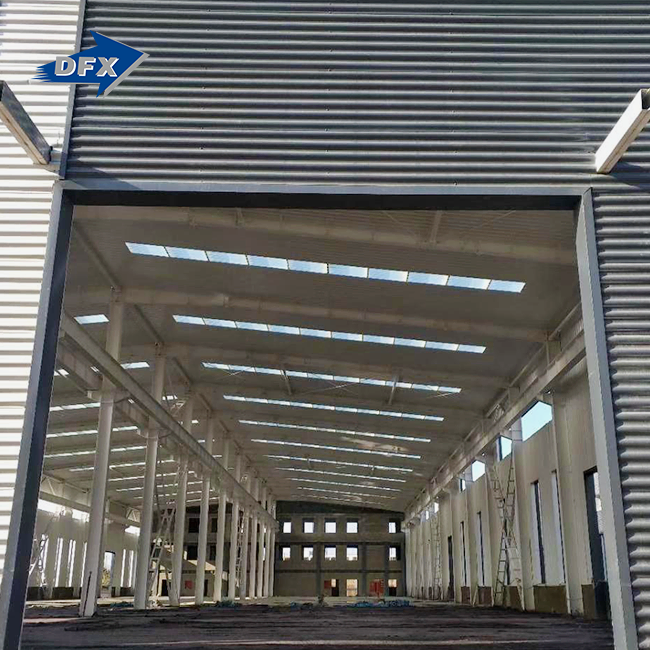
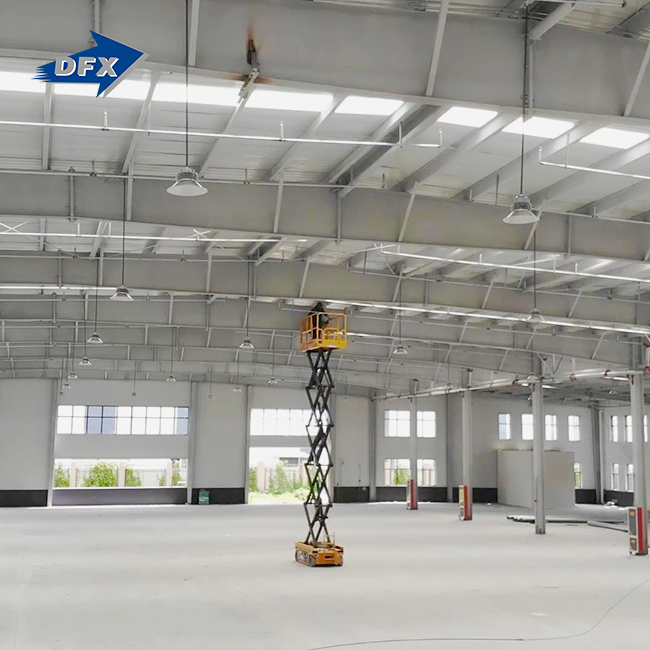
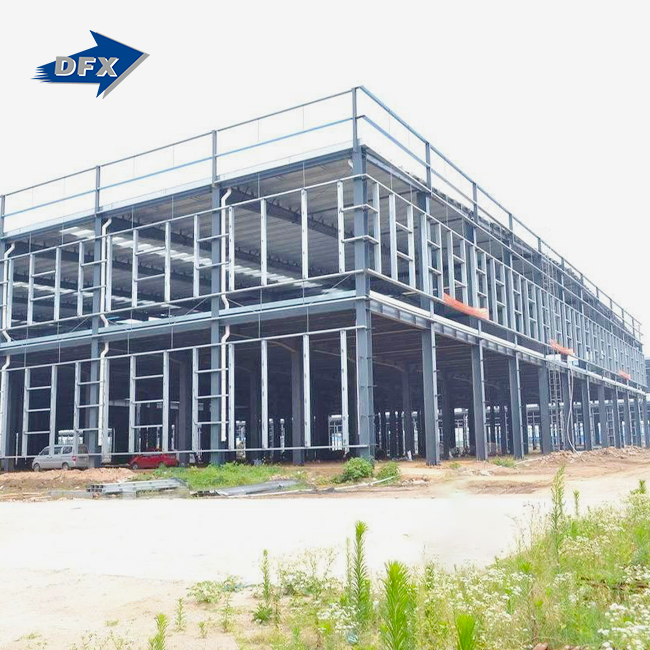
Steel is different from other materials because it can span large areas. Multi-story steel frame systems can make rooms more than 30 meters long without any columns or supports in the middle. This open layout is very helpful for manufacturing plants because it lets them set up production lines in a variety of ways and change their layout in the future as their needs change. The freedom in architecture goes up and down as well; adding extra floors is easy when the structure already has the right load capacity.
Essential Design Considerations Before Breaking Ground
Load estimates are the first step in structural engineering. Your design team has to think about wind forces, earthquakes, live loads (people, tools, and goods), and dead loads (the building itself). Moment-resisting frames or braced setups that can handle horizontal forces without breaking are needed in places where earthquakes are likely to happen. Some types of steel, like Q355B or ASTM A572 Grade 50, have yield strengths higher than 345 MPa. This means they are flexible enough to bend during earthquakes without breaking.
Building regulations vary widely by location. EPC companies operating across multiple countries must reconcile local rules with international standards such as AISC 360 or Eurocode 3. Procurement managers should ensure the steel manufacturer holds all necessary certifications: ISO 9001 for quality management, CE marking for European markets, and COC or PVOC for certain African countries. These certifications are more than paperwork; they verify adherence to safety standards that protect your Steel Structure Office Building investment.
Climate affects the choices we make about what materials to use and how to protect them. Salty air near the coast speeds up rusting, so hot-dip galvanisation with a zinc covering of at least 275g/m² or advanced epoxy systems is needed. In tropical areas with a lot of UV light, the outside of buildings needs materials that won't break down easily. In cold places, you need insulation methods that stop heat from crossing through steel parts. If you don't, humidity issues and wasted energy will happen.
When planning, the practicalities of the site should be taken into account. Steel parts come in big packages that need to be unloaded by crane and put on display. In cities with limited room for movement, smaller member sizes or different erection processes may be needed. Your building schedule should line up with the availability of installation teams and the arrival of parts. Failure to do this will result in costly downtime for specialised labour and equipment.
Navigating the Fabrication Process
In factories, raw steel plates and pieces are turned into precision-engineered parts. Automated welded H-beam lines in modern facilities keep margins of less than a millimetre, making sure that bolt holes line up properly during site assembly. This more organised method gets rid of the uneven quality that comes with field-welded joints and almost completely removes waste on-site.
Quality control methods start a long time before the parts leave the shop where they were made. Ultrasonic testing and magnetic particle inspection are two non-destructive testing methods that can find flaws inside a product that can't be seen with the naked eye. Because they carry the most stress, critical welds in moment links are inspected one hundred per cent of the time. After welding, the surface is prepared right away by blast cleaning to get rid of mill scale before multi-layer safety systems are put on.
Trial building methods are used to check the accuracy of the dimensions. Temporarily putting up large structure bays in the factory makes sure that all the links work well and that the physical tolerances match the building plans. This step, before assembly, finds any interference problems or mistakes in the manufacturing process while fixing them is still easy and doesn't cost much. After being checked, parts are given protective coats and are marked in a way that makes them easy to ship.
Coating methods meet both the needs for fire safety and resistance to rust. When incendiary paints are heated, they grow and form a protective char layer that keeps steel temperatures below dangerous levels during fires. Commercial office buildings often have two-hour fire ratings because the time it takes for people to leave is very important. Anti-corrosion bases, which are usually zinc-rich epoxy mixtures, stick directly to steel surfaces that have been prepared, and topcoats protect against UV light and give the paint a nice look.
On-Site Erection Strategies That Prevent Costly Delays
When jobs are scheduled well, foundation work and part manufacturing can happen at the same time. Anchor bolt plans make sure that the links between the base plates are placed exactly where they need to be. If the anchors aren't lined up right, it causes problems that slow down the whole job. During surveying, control points are set up to help crane operators and installation teams move through the stages of vertical building.
Usually, putting up a building follows a reasonable order: the columns go up first, making the vertical grid; the primary beams connect the tops of the columns, making stable planes; and finally, the secondary frames and braces lock the system into its final shape. At first, each link only partially tightens, which lets you make small changes for alignment and level. After inspectors make sure the framework meets the required standards, the final bolt tensioning process begins.
Every part of putting up steel is governed by safety rules. Safety tools like fall protection systems, properly rated gear, and trained crane operators aren't extras; they're basic needs that keep workers safe and stop terrible accidents. These standards are already followed by construction companies that have worked on industrial projects, but farm project managers who are new to commercial building should make sure that their erection teams have the right licenses and insurance.
During erection, keeping an eye on the weather becomes very important. When winds are high, lifting activities can't be done safely because things in the air move in unpredictable ways. When it rains, surfaces become slippery, which raises the risk of falling and makes welding more difficult if field connections need to be made. Scheduling freedom lets teams take advantage of good weather windows while still meeting their total deadlines.
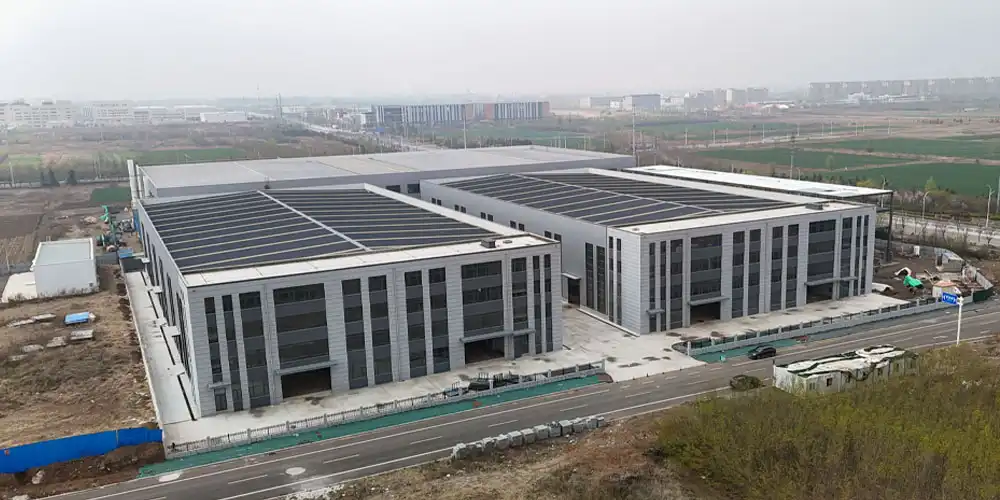
Integrating Building Envelope and Mechanical Systems
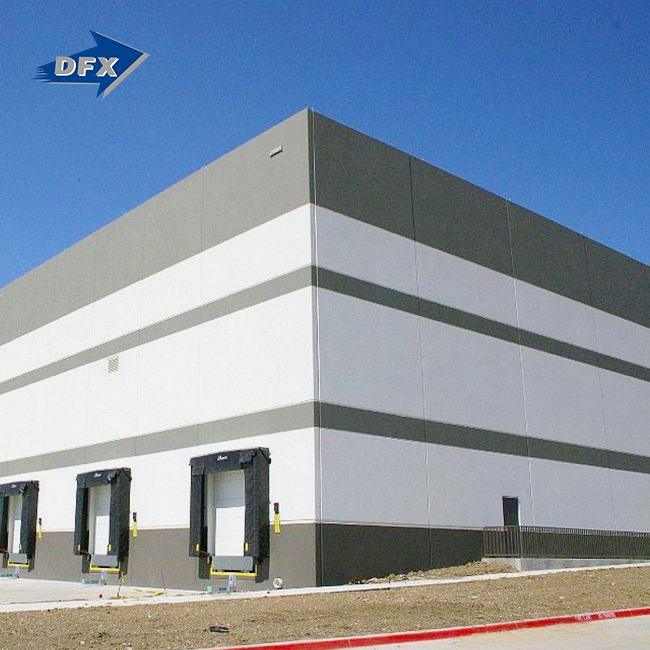
The choice of facade has a big effect on both how it looks and how well it works. Curtain wall systems, which are made up of lightweight pieces that are hung from the frame of the building, give you more design options and better weather sealing. Metal panel siding is a cheap way to protect against the weather and is good for industrial uses where reliability is more important than how it looks. To keep water and air from leaking in, the area where the structural steel frame meets the building envelope needs to be carefully detailed.
Standing seam metal panels or composite sandwich panels that combine weatherproofing on the outside with finishing and insulation on the inside are often used for steel building roofs. Water will drain away if the slope is right—even "flat" roofs need to have a minimum 1:50 pitch toward draining points. As energy rules get stricter, thermal insulation has to meet higher and higher R-values that depend on the temperature zone. When vapour barriers are placed properly within the system, they stop moisture from building up, which lowers the performance of the insulator and speeds up rusting.
Early on in the planning process, the mechanical, electrical, and water systems are all coordinated. HVAC piping runs through structure bays, which sometimes means cutting into beams that engineers have to check to make sure are safe. Cable boxes and electrical lines are attached to secondary frame members that were put in place when the steel was being put up. Plumbing stems go in specific chase places so they don't interfere with main load-bearing parts. This planning keeps trades from having to do expensive repairs when they find that their setups don't work with structural parts.
Once the building envelope is weathertight, interior fit-out can begin. Composite floor systems—metal decks topped with concrete—create flat surfaces for floor coverings and enhance structural diaphragm action. Partition walls typically attach to floor slabs and roof frames rather than columns or beams, allowing future reconfiguration without affecting structural integrity. This flexibility is especially valuable in Multi-story steel frame office buildings, where tenant requirements may change over time.
Cost Management Throughout the Project Lifecycle
Predicting the budget starts with developing a full plan before any manufacturing happens. Costs go up by a huge amount when changes are made during building. For example, changing the size of a beam requires new shop plans, new manufacturing, delayed delivery, and maybe even repair of parts that have already been installed. Operations managers shouldn't "value engineer" during building; the right time to save money on costs is during the planning phase, when there are still options.
The prices of materials change with the global steel market, but expert providers keep their pricing clear. Fixed-price contracts protect buyers from price increases in the middle of a project, but they usually include clauses for big changes in the market. Asking for specific cost estimates that separate base structure from extras, finishes, and delivery is helpful for project managers because it shows them where they can negotiate to save money without lowering the quality.
Logistics of delivery have a big effect on the total cost of the job. Rates for shipping containers change with the seasons and the path they take. Combining multiple projects into a single package can lower the cost per tonne of freight. Handling at ports, clearing customs, and transporting goods to rural areas by road all add extra costs that aren't needed for urban projects. When reviewing quotes from suppliers, agricultural businesses that are building in rural areas should take these transportation costs into account.
Installation costs depend a lot on how much labour costs in the area and how skilled the crew is. Places where steel buildings have been around for a while offer low assembly prices and faster learning curves. In markets where steel buildings are still rare, you may need to import specialised labour, which will make this part of the budget much bigger. Some sellers offer advice on installation or even complete packages that include control of the building process. These services are especially helpful for first-time buyers who don't know how to work with specialised freelancers.
Long-Term Performance and Maintenance Requirements
Scheduled structural inspections keep buildings in good shape over many years of use. Annual eye surveys find damage to the layer, connections that are breaking down, or deformations that were not expected. Every five years, professional engineering exams use specialised tools and structured formulas to do a more in-depth analysis. These preventative steps cost a lot less than fixing problems when they get so bad that they become dangerous or cause the business to shut down.
Coating upkeep greatly increases the life of structures. When water gets into bare steel and starts to rust, even small paint damage quickly spreads and weakens the load capacity. Touch-up tools that work on small places keep full recoating jobs from being too expensive. In industrial settings with toxic processes, repair plans may need to be stricter than in calm office settings.
After a big storm or earthquake, even if there doesn't seem to be any damage, the area needs to be inspected. Extreme loads can cause structural systems to absorb energy, which could lead to structural link damage or lasting warping. An engineering review confirms whether the building is still safe to live in or needs to be fixed before regular activities can resume.
One of the best things about the lifespan is that it can be changed in the future. Adding mezzanines, moving inner walls, or putting in new equipment rarely causes problems for steel frames that were built correctly. The initial estimates for the structure show the available capacity, which lets engineers quickly evaluate suggested changes. This adaptability saves your investment by meeting changing business needs without having to make expensive changes to the structure.
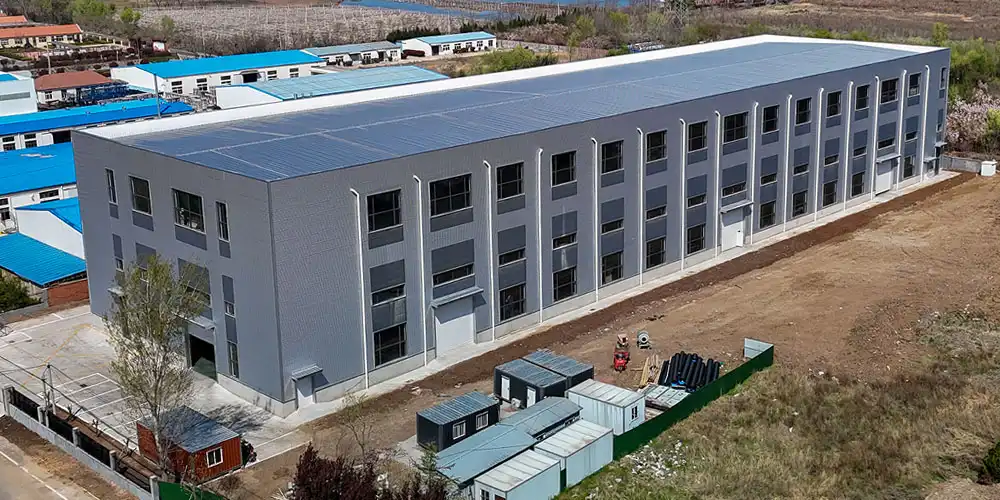
Partner with DFX: Your Trusted Steel Structure Office Building Manufacturer
DFX—operating as Qingdao Director Steel Structure Co., Ltd—brings over 12 years of specialised expertise in commercial and industrial steel fabrication to your project. Our 40,000-square-meter production facility maintains ISO 9001 certification and CE compliance, ensuring every component meets rigorous international standards. From initial architectural layout design through on-site installation guidance, our 200-strong team delivers turnkey solutions for steel structure office buildings, supporting construction contractors, manufacturing investors, and agricultural enterprises across global markets. Contact jason@bigdirector.com to discuss how our turnkey solutions address your specific timeline, budget, and performance requirements.
References
1. Chen, Wei-Fah, and Eric M. Lui. Handbook of Structural Engineering, Second Edition. CRC Press, 2005.
2. American Institute of Steel Construction. Steel Construction Manual, 15th Edition. AISC, 2017.
3. Owens, Graham W., and Brian D. Cheal. Structural Steelwork: Design to Limit State Theory, Fourth Edition. Macmillan, 2003.
4. Newman, Alexander. Metal Building Systems: Design and Specifications, Third Edition. McGraw-Hill Professional, 2016.
5. Tamboli, Akbar R. Steel Design Handbook: LRFD Method. McGraw-Hill Education, 1997.
6. Geschwindner, Louis F., et al. Unified Design of Steel Structures, Third Edition. Wiley, 2017.
Learn about our latest products and discounts through SMS or email