- English
- French
- German
- Portuguese
- Spanish
- Russian
- Japanese
- Korean
- Arabic
- Greek
- German
- Turkish
- Italian
- Danish
- Romanian
- Indonesian
- Czech
- Afrikaans
- Swedish
- Polish
- Basque
- Catalan
- Esperanto
- Hindi
- Lao
- Albanian
- Amharic
- Armenian
- Azerbaijani
- Belarusian
- Bengali
- Bosnian
- Bulgarian
- Cebuano
- Chichewa
- Corsican
- Croatian
- Dutch
- Estonian
- Filipino
- Finnish
- Frisian
- Galician
- Georgian
- Gujarati
- Haitian
- Hausa
- Hawaiian
- Hebrew
- Hmong
- Hungarian
- Icelandic
- Igbo
- Javanese
- Kannada
- Kazakh
- Khmer
- Kurdish
- Kyrgyz
- Latin
- Latvian
- Lithuanian
- Luxembou..
- Macedonian
- Malagasy
- Malay
- Malayalam
- Maltese
- Maori
- Marathi
- Mongolian
- Burmese
- Nepali
- Norwegian
- Pashto
- Persian
- Punjabi
- Serbian
- Sesotho
- Sinhala
- Slovak
- Slovenian
- Somali
- Samoan
- Scots Gaelic
- Shona
- Sindhi
- Sundanese
- Swahili
- Tajik
- Tamil
- Telugu
- Thai
- Ukrainian
- Urdu
- Uzbek
- Vietnamese
- Welsh
- Xhosa
- Yiddish
- Yoruba
- Zulu
How to build a Heavy-duty Steel Workshop
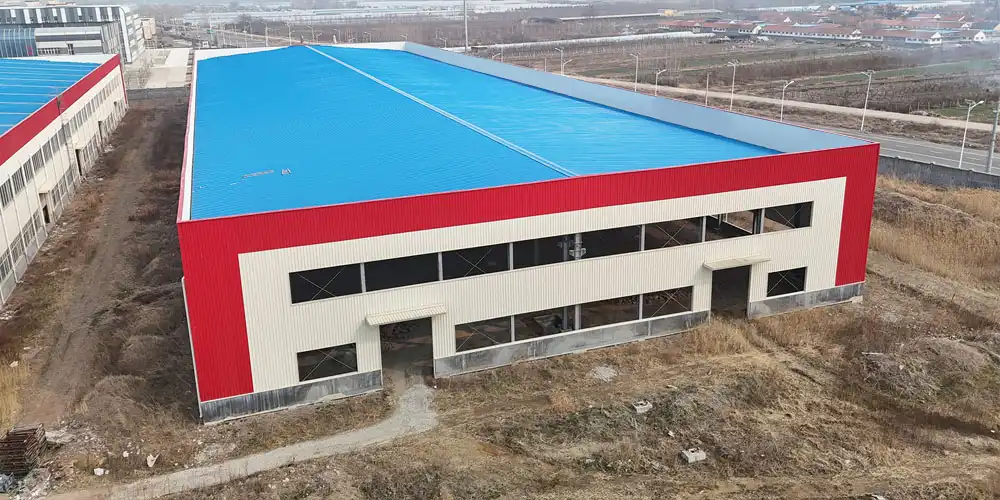
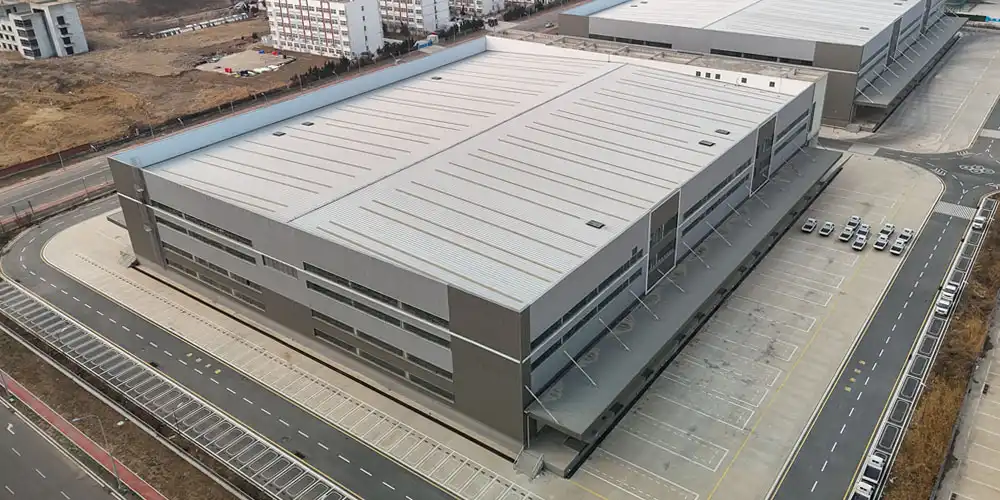
To build a strong steel workplace, you need to plan ahead, use good materials, and hire skilled builders. A heavy-duty steel workshop is one type of business building. Building frames made of high-strength steel are strong enough to hold big loads and support overhead cranes that can lift more than 20 tonnes. These shops are different from smaller ones because they use heavy H-section steel beams, box columns, and strong truss systems to build big spans without any internal columns. This makes way for big production tools while keeping the structure strong enough for heavy work to go on all the time.
Understanding Heavy-Duty Steel Workshops: Definition and Benefits
What Makes a Workshop "Heavy-Duty"?
Strength and weight capacity distinguish heavy-duty steel workshops. These buildings' primary frames are welded Q235 or Q355 steel. Over 345 MPa is the max strength of this steel. The design can manage stable loads from storing or operating equipment and shifting loads from cranes or heavy gear. This sturdy design handles industrial issues, including setting up rapidly, keeping the structure solid in shaky areas, and preventing crane damage.
Instead of on-site welding, bolted steel linkages connect construction pieces. This ensures correct assembly and speeds up setup. To distribute weight equally throughout the home, C and Z steel purlins support the roof and side panels.
Core Business Advantages
These suggestions are useful for companies that desire to produce more. It saves money over time since it requires little maintenance, lasts over 50 years with good care, and can recover all steel parts. Customising items for clean rooms, large machinery, or complex utility systems may revolutionise your company.
Another benefit is that it's scalable. Heavy-duty steel workshops may expand as manufacturing demands change since they are versatile. Add bays to strengthen the structure, and adjust the layout as equipment is put up.
Industry Applications
A lot of different kinds of businesses with tough needs can benefit from these classes.
- Manufacturing plants utilise them for companies that make exact machinery and work with assembly lines that make car parts, heavy equipment, and other things.
- Industrial processing facilities benefit from the clear-span design, which is good because it gets rid of internal beams that would make it hard to move things or put equipment where it needs to go.
- The structures also accommodate difficult environmental conditions, like high temperatures for working with metal, corrosive atmospheres for chemical processes, and dirty environments for moving things around.
Planning and Designing Your Heavy-Duty Steel Workshop
Aligning Size with Operational Needs
Consider how things function today and how they'll evolve as the workshop grows to choose the correct size. Project managers should consider crane hook heights, object sizes, and vertical flow to determine clear height. SPAN lengths depend on manufacturing line setup, material movement, and tool placement.
Equipment layout should be carefully planned. Site maps should indicate repair zones and required safety clearances. Providing 15–20% extra space ensures flexibility for future adjustments without changing tools. A well-designed crane beam structure is essential to support material handling and ensure safe, efficient movement of heavy loads.
Safety and Compliance Integration
Fire safety is crucial in construction. Buildings may require two- to four-hour fire resistance depending on their function and local regulations. Coats that expand when heated or concrete poles that retain their form during flames provide this safety. The number of persons in the fire, the evacuation time, and insurance issues are factors.
When specifying load capacity, various factors must be considered. Crane runway beams must withstand fatigue (Class A6–A8), roof loads from snow or equipment, and wind or shock side forces. Engineers utilise ASTM A992 or European EN 1993 load factors to locate these pairings.
When international standards are satisfied, procurement managers feel confident. The CE label and ISO 9001 accreditation verify that the product satisfies European health, safety, and environmental requirements. ASTM material compliance ensures steel satisfies chemical and functional criteria.
Ventilation and Energy Efficiency
In factories, heat is made by the tools, processes, and people who work there. A cheap way to change the temperature in many settings is to use roof vents and wall louvres in natural air systems. Machines are needed when a process needs a certain temperature range or when air from outside isn't enough.
The best lighting plan saves energy while still giving you enough light to do your work clearly. It is said that LED high-bay lights use 70–80% less energy and last 50,000 hours or more than metal halide systems. During the day, less power is needed when clear roof panels or wall parts let in more light.
Step-by-Step Guide to Building a Heavy-Duty Steel Workshop
Foundation Preparation and Site Work
The foundation type is based on how well the dirt can hold weight, how likely it is that there will be earthquakes in the area, and how heavy the building is. Shallow foundations with spread footings made of reinforced concrete are enough when the load capacity is more than 2,000 psf, and the loads are not too heavy. Deep foundations with driven piles or dug holes are needed when the ground isn't stable, or there is a lot of weight. This is especially important for shops that work with big cranes.
Part of preparing a site is levelling it out so that water can drain away, rough-ins for electricity and plumbing services, and making sure that delivery trucks and cranes can get in and out. Geotechnical studies report on conditions below the ground that change how the building is made and how much it costs. This information helps with designing the foundations.
Material Selection for Durability
High-grade low-alloy structural steel, such as Q355B (equal to ASTM A572 Grade 50), is more flexible and can bend more than mild steel. With this type of material, you can have longer spans with smaller sections. This makes the construction lighter and lowers the cost of the base. Mill inspection certificates look at the materials' chemical makeup and how they work to make sure they meet the project's needs.
Cleaning the surface is a good way to make a purchase last a long time. SA2.5 grade shot blasting is used to get rid of mill scale and other impurities. Then, an epoxy zinc-rich primer and polyurethane topcoats are put on. A thin film that is thicker than 150 micrometres is made with this multi-layer method. As long as the environment is classed as C4 or C5, this keeps rust at bay.
Assembly and Erection Best Practices
A pre-assembly check makes sure that the sizes are right before the package is sent. So as not to take too long, the bolt holes in the column and beam must be placed within ±1 mm of each other. A full paperwork set includes anchor bolt designs, construction sketches with piece marks, and information on how to connect things.
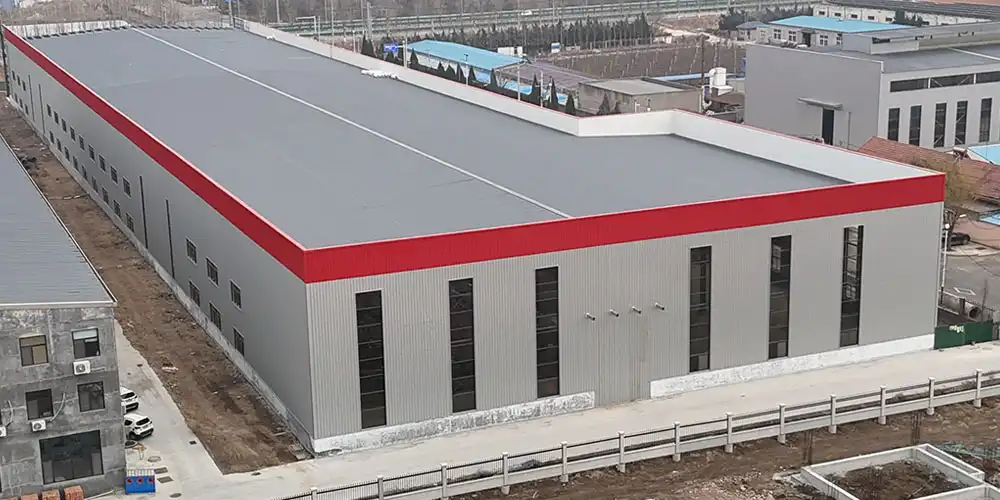
On-site erection follows a logical sequence—anchor bolts are put in place and checked, columns are put in place, plumbing is done, crane runway beams are put in place, roof beams are put in place, secondary framing is finished, and, finally, roof and wall panels are put in place. This order keeps the building stable and lets work go on at the same time, when it's possible to do so.
To make sure that welding standards like AWS D1.1 are followed and that high-strength bolts are torqued properly, it is important to hire skilled workers. When they are checked without damaging them, full-penetration welds meet quality standards with ultrasound or X-rays. These techniques find flaws inside a building before they affect how well it works.
Procurement and Supplier Selection: Making the Right Choice
Evaluating Supplier Credentials
Getting to know the suppliers' backgrounds reveals their dedication to quality and process control.
- ISO 9001 certification shows that your quality control systems are well-thought-out and are checked regularly by a third party.
- CE marking shows the product meets European standards for things like fire safety, sturdiness of the building, and the materials used. You can be sure that you are in line by asking for copies of recent audit reports and licenses.
- Warranty terms protect you in case there are problems with the materials or the work that was done. Full warranties cover steel for at least 10 years, paint for 5 to 7 years, and parts and pieces for 1 to 2 years.
Being able to help customers after the sale is important in case changes need to be made or problems arise. In addition to making things, suppliers who help with building planning, installation, and skilled support throughout the project's lifecycle are valuable. This helps a lot with jobs that need to be done in other countries, where working together can be hard because of the distance.
Custom vs. Prefabricated Solutions
Workshops may require high-load steel frame designs with long spans, specific load requirements, or integration with other buildings. Custom engineering allows precise tailoring but requires more planning time (usually 35–50 days) and higher initial costs.
There are standard parts that have been used in the past and have been shown to work well. It takes 25 to 35 days shorter to get these choices, and they cost less to build and have better prices because they make production more efficient. On the other hand, sizes and forms are limited, so methods need to change to fit standard sizes.
When a company makes things and only needs simple rectangular buildings and standard crane capacities, prefabricated methods can help. When a business has a complicated structure, strange site limits, or needs to combine specialised equipment, it's worth spending money on custom engineering.
Delivery Logistics and Cost Optimisation
International buying involves planning shipping routes, getting goods through customs, and delivering them within a country. Normal parts can be shipped for less money on break-bulk boats, which can take beams or frames that are too big to fit in containers. It is clear who is responsible for shipping costs, security, and giving the seller risk instead of the buyer when you know Incoterms.
When more than one place needs the same thing, buying in bulk is possible. When you buy more than a certain number of tonnes, suppliers will often give you a 5–15% discount. You can save this amount of money by planning your purchases across several project locations or steps.
Maintenance and Long-Term Optimisation of Your Heavy-Duty Steel Workshop
Routine Inspection Protocols
Annual structural inspections focus on high-stress areas prone to fatigue or corrosion.
- Crane runway beams need to be checked for worn rails, loose bolts, and beam movement that could make the crane not work properly.
- Connection bolts throughout the structure need periodic torque verification, as movements can loosen them up over time.
- Paint system condition monitoring identifies coating failures before substrate corrosion begins. If the surface rusts, flakes, or peels, that means water damage that needs to be fixed. This is a much cheaper way to keep the system in good shape than painting it all over again.
Inspections are done more or less often depending on the situation. Checks should be done every six months instead of once a year in places like chemical plants with acidic air, coastal areas with salty air, or climates with a lot of heat where things break down faster.
Upgrading for Modern Standards
- Lighting retrofits from metal halide to LED lighting save 60 to 75% of the energy and provide better light. Most of the time, the investment pays for itself in two to three years because the lamps last longer and use less energy.
- Ventilation system enhancements would make the workers happier and help them get more done. Adding destratification fans or changing the vent fans that are already there to variable-frequency drive drivers makes it easier to manage the temperature and consumes less power.
- Safety feature modernisation keeps facilities aligned with evolving regulations. This might include adding fall protection anchor points, improving emergency exit lights, or ensuring that fire control systems are up to date with the latest building codes.
Sourcing Replacement Components
- Aftermarket suppliers for wear parts help keep downtime to a minimum. Crane bars, conductor systems, and door locks often need to be replaced. It's easier to rearrange things when you keep track of part numbers and sizes.
- Original equipment manufacturers (OEMs) usually sell new parts, but for popular items, a private seller might be able to offer a better deal. To choose where to buy important structural parts versus common items, you need to think about both price and quality guarantee needs.
Conclusion
When you build a heavy-duty steel workshop, you're putting a lot of money into the tools of production that will pay off for many years. To complete the process, you need to carefully plan it so that it works with your needs, pick high-quality materials that meet international standards, and work with skilled artisans who can help you every step of the way. To make sure that workshops keep working at the level expected for as long as they are useful, it is important to know the difference between custom and premade solutions, carefully check the records of providers, and set up preventative maintenance plans. Companies that make things, EPC builders, and industrial site managers can use these tips to build buildings that last and work well for their companies.
FAQ
1. What distinguishes heavy-duty from standard steel workshops?
Heavy-duty steel workshops use different types of steel (Q355 vs. Q235) and heavier H-section beams so that overhead cranes that weigh more than 20 tons can stay in place while they are being stored and emptied. Lighter C- or Z-section frames are used in most standard workshops. The building design, link details, and support needs are all very different depending on how much weight needs to be carried.
2. How long does construction typically take?
It depends on how big and hard the job is. It takes 25–35 days to build a normal-sized 5,000-square-meter workshop, 10–15 days to ship it to another country, and 20–30 days to set it up there. Planning and making things take an extra 10 to 15 days when custom-engineered options are used. The total length of the project is cut down by planning the site at the same time as making the products.
3. Can workshops accommodate future expansion?
Building can be done in steps, and modular design ideas allow for growth in the future. It is possible to make end walls that can be taken down when more rooms are added. When growth is planned for in the beginning, base systems and structural links can be changed to fit the needs of the building. For companies, this means they can make more things without affecting the places where they already make things.
4. What maintenance proves most critical?
The most important thing to look for is damage or wear on the crane runway beams, which can make operations less safe. Make sure the bolts are tight, check the paint system in high-traffic areas, and make sure there is enough drainage so water doesn't build up around the roots. This will protect the structure's long-term safety. It costs a lot more to fix damage that has been ignored than to have a professional check it once a year.
Partner with DFX for Your Heavy-Duty Steel Workshop Project
For more than 12 years, Qingdao Director Steel Structure Co., Ltd. has been making industrial steel structures that meet the strict needs of buyers from all over the world. Our sealed 40,000-square-meter factory has six H-beam lines that weld steel automatically and make 20,000 tonnes of steel each year. This makes sure that all made-to-order jobs are delivered on time and with consistent quality within 25–41 days.
We are a certified heavy-duty steel workshop maker with ISO 9001 and CE certifications. We offer full turnkey solutions, which means we plan and build the structure, treat the surface, and help with installation on-site. There is no end to the work that our engineering team does on projects. They know what building companies, factory companies, and farms need. Send Jason an email at jason@bigdirector.com to talk about how our track record with large industrial buildings can help you with your next job. We can give you a fair price, guarantee quality, and help you with technology issues quickly.
References
1. American Institute of Steel Construction. (2016). Steel Construction Manual, 15th Edition. Chicago: AISC.
2. Fisher, J.M. and Kloiber, L.A. (2006). Base Plate and Anchor Rod Design, 2nd Edition. Steel Design Guide 1. American Institute of Steel Construction.
3. European Committee for Standardisation. (2005). Eurocode 3: Design of Steel Structures – Part 1-1: General Rules and Rules for Buildings. EN 1993-1-1.
4. Tamboli, A.R. (2016). Handbook of Structural Steel Connection Design and Details, 3rd Edition. McGraw-Hill Education.
5. Newman, A. (2004). Metal Building Systems: Design and Specifications, 2nd Edition. McGraw-Hill Professional.
6. Canadian Institute of Steel Construction. (2014). Handbook of Steel Construction, 11th Edition. Toronto: CISC.
Learn about our latest products and discounts through SMS or email