- English
- French
- German
- Portuguese
- Spanish
- Russian
- Japanese
- Korean
- Arabic
- Greek
- German
- Turkish
- Italian
- Danish
- Romanian
- Indonesian
- Czech
- Afrikaans
- Swedish
- Polish
- Basque
- Catalan
- Esperanto
- Hindi
- Lao
- Albanian
- Amharic
- Armenian
- Azerbaijani
- Belarusian
- Bengali
- Bosnian
- Bulgarian
- Cebuano
- Chichewa
- Corsican
- Croatian
- Dutch
- Estonian
- Filipino
- Finnish
- Frisian
- Galician
- Georgian
- Gujarati
- Haitian
- Hausa
- Hawaiian
- Hebrew
- Hmong
- Hungarian
- Icelandic
- Igbo
- Javanese
- Kannada
- Kazakh
- Khmer
- Kurdish
- Kyrgyz
- Latin
- Latvian
- Lithuanian
- Luxembou..
- Macedonian
- Malagasy
- Malay
- Malayalam
- Maltese
- Maori
- Marathi
- Mongolian
- Burmese
- Nepali
- Norwegian
- Pashto
- Persian
- Punjabi
- Serbian
- Sesotho
- Sinhala
- Slovak
- Slovenian
- Somali
- Samoan
- Scots Gaelic
- Shona
- Sindhi
- Sundanese
- Swahili
- Tajik
- Tamil
- Telugu
- Thai
- Ukrainian
- Urdu
- Uzbek
- Vietnamese
- Welsh
- Xhosa
- Yiddish
- Yoruba
- Zulu
Chemical Storage: How Should Chemicals Be Stored?
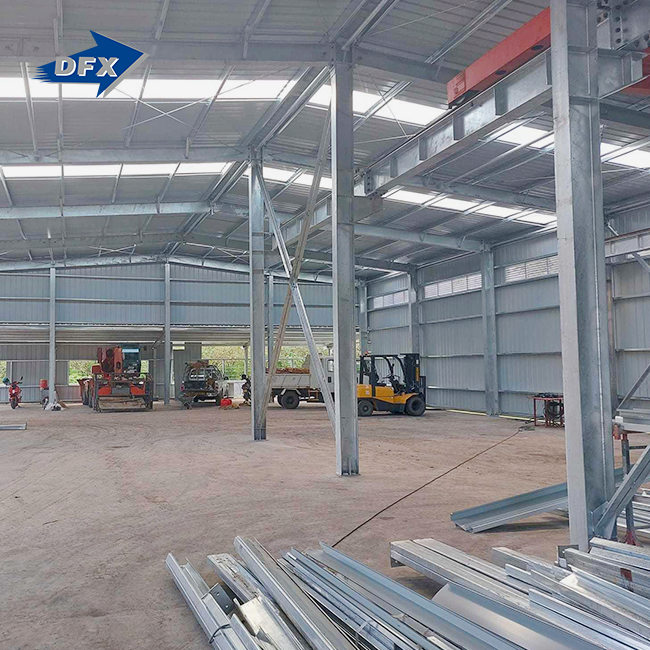
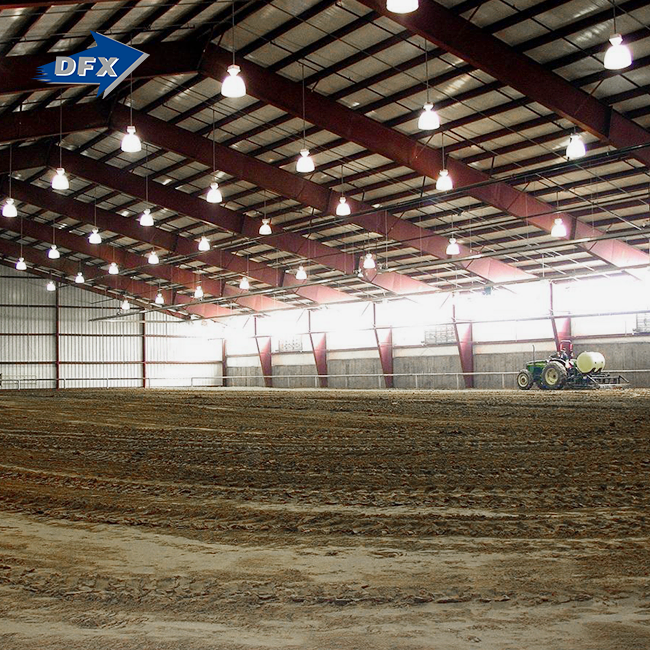
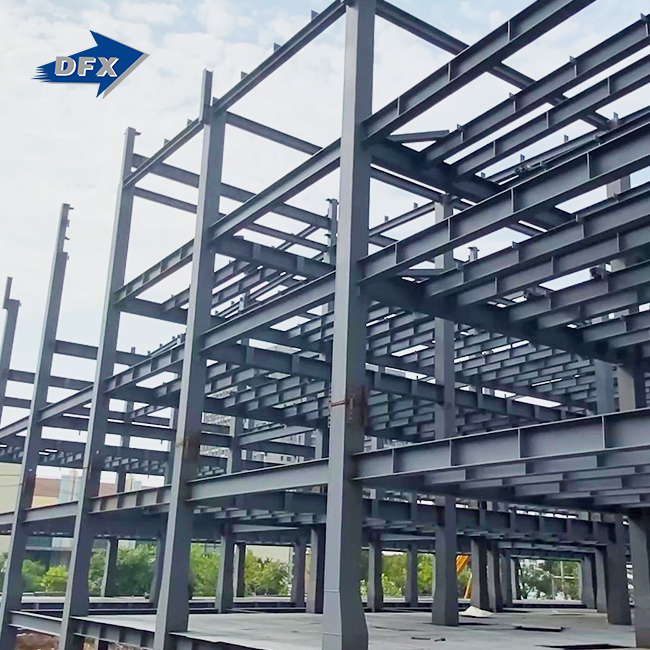
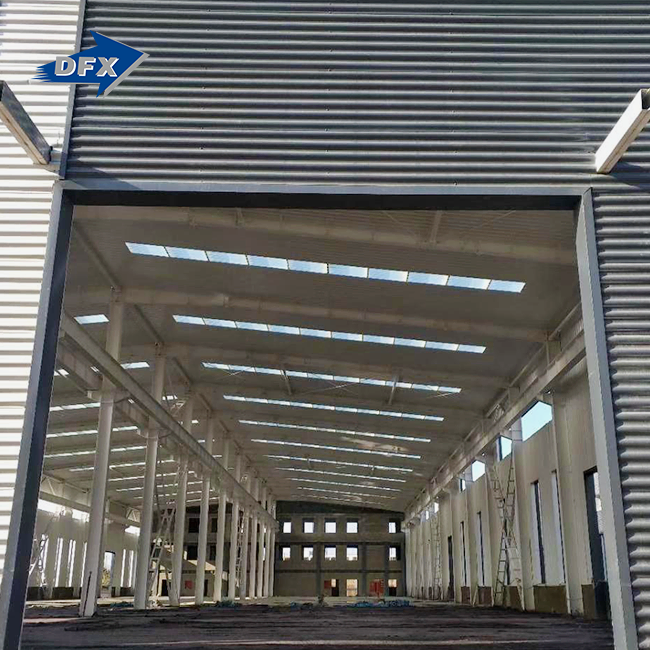
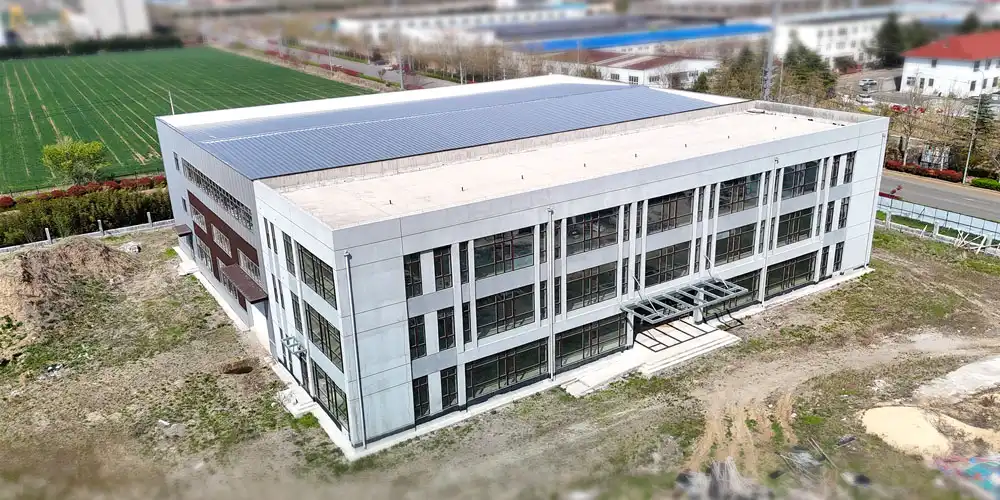
To store chemicals properly, you need more than just shelves. You need infrastructure that is built to protect people, property, and the environment. A chemical storage warehouse is the best option because it has special air systems, containment systems, and structural supports that are made for dangerous materials. Modular steel storage buildings with H-beam main steel frames and chemical-resistant coatings that stop rusting from volatile chemicals are used in these places. When storing unsuitable substances like flammable solvents, oxidisers, or corrosive acids, a warehouse that was designed with safety in mind is the best way to make sure that regulations are followed and operations keep running smoothly in a wide range of industries, from petrochemicals to agrochemical distribution.
Understanding Chemical Storage Warehouses: Basics and Key Principles
Defining Purpose and Core Functions
Chemical storage facilities are different from regular warehouses in a way that makes them useful. They are made to reduce the terrible risks that come from substances reacting with each other, like fires, blasts, and pollution of the environment. A well-designed chemical storage warehouse takes into account three important issues: the damage that acidic atmospheres do to buildings, not following the rules about fire separation lengths, and the damage that chemical leaks can do to the environment. Usually, the foundation has built-in spill control sumps and solid curbing systems that stop leaks right away, keeping the soil and groundwater clean.
Categories of Chemical Storage Facilities
Different types of chemicals need different ways to be stored. Bulk storage facilities deal with a lot of liquids in drums and intermediate bulk containers (IBCs), which means they need lots of space for forklifts to work. In areas where flammable materials are stored, there are blast-resistant supports and explosion-relief screens that let out pressure inside the building during deflagrations and protect the main structure frame. Separated fire sections in hazardous waste consolidation buildings keep incompatible materials separate, like oxidisers and flammable liquids, to stop reacting incidents. Knowing about these groups helps procurement managers give the right design requirements to steel structure makers when they hire them.
Regulatory Compliance and Design Standards
Buildings that store chemicals must follow strict rules, such as OSHA rules, NFPA standards, and Chapter 4 of the International Building Code (IBC). These frames require certain levels of fire protection, air flow rates, and building weight limits. Safety Data Sheets (SDS) help with design choices by listing chemical dangers, the protective gear that is needed, and how to handle an emergency. Using the right marking systems with NFPA diamond grades and GHS pictograms makes it easy to find hazards during normal operations and in emergencies. People who are in charge of buying things should make sure that the companies that supply structural steel have ISO9001 and CE certifications. This will make sure that the ways they make the steel meet international quality standards.
Essential Chemical Storage Warehouse Safety Measures and Best Practices
Ventilation and Atmospheric Control Systems
Adequate airflow prevents dangerous vapours from accumulating, which could lead to suffocation or explosive atmospheres. Mechanical ventilation systems should provide at least 1 cubic foot per minute per square foot of floor space. Exhaust placement depends on gas density: heavier-than-air fumes near the floor and lighter gases near the roof. For temperature-sensitive compounds, climate control is crucial. Insulated sandwich panels with polyurethane or polyisocyanate cores maintain temperatures between 15°C and 25°C. Ventilated ridge systems prevent condensation in agrochemicals like ammonium nitrate and urea, avoiding granular caking while protecting structural steel treated with chemical-resistant coating from ammonia-induced stress corrosion.
Fire Prevention and Suppression Infrastructure
Fire safety is more than just carrying around movable extinguishers. To get R60 to R180 fire resistance ratings for structural steel parts, they need intumescent fireproofing paint. This gives first rescuers important time to act. Sprinkler systems need to use the right fire-putting agents; chemicals that react with water need dry chemicals or foam-based control. Electrical systems that aren't likely to explode, like light fixtures and ventilation fans, take away sources of ignition in Class I, Division 1/2 dangerous areas. Non-ferrous tools and grounding lugs on all beams are used in spark-proof building to get rid of static electricity.
Hazardous Material Management Protocols
Safety gaps are built into capacity planning for a Chemical Storage Warehouse. Usually, storage is limited to 80% of its highest volume to make room for an emergency reaction. Inventory control systems sort materials into groups based on their level of danger, such as corrosives, flammables, oxidizers, and toxics. Physical walls keep the groups at least a certain distance apart. Real-time tracking technologies, such as temperature probes and gas detection sensors, let workers know when something is wrong before problems get worse. Automated inventory management cuts down on mistakes made by people while keeping accurate records needed for insurance and EPA reporting.
Modern buildings that store chemicals are using technology more and more to make them safer and more efficient. Robotic recovery systems keep people out of dangerous areas as much as possible, and RFID tracking tells you where every item is at all times. These technologies work well with containment options like steel grating floors over HDPE-lined catch basins, metal pallet racks with built-in drip trays, and flexible shelf systems that can be changed to fit different types of inventory. Together, they make layered defense that can handle a number of different failed cases.
Comparing Chemical Storage Solutions: Warehouses, Containers, and Automation
Permanent Warehouses Versus Portable Containers
Depending on the size and length of the job, you may want to choose between built buildings and movable storage containers. Prefabricated steel buildings are very flexible because they can be expanded by adding modular bays without stopping activities. Their main frames are made of H-beams, which can support big loads like snow and equipment installation. The galvanized C/Z purlins keep them from rusting in chemically harsh environments. Portable containers are good for short-term jobs but lack built-in temperature control. Permanent investments in a Chemical Storage Warehouse that can handle future growth are good for procurement managers who are in charge of long-term manufacturing increases or distribution hub development.
Manual Operations Versus Automated Systems
For manual warehouse management to work, trained workers must follow standard working procedures when dealing chemicals and keeping records. This method works well for smaller businesses with stable inventory patterns and a low number of SKUs. Using automated systems like conveyor networks, robots palletizers, and warehouse management software can greatly increase the accuracy of inventory while lowering the risks of exposure. Automated guided vehicles (AGVs) move goods along set tracks, which keeps forklift crashes from happening in crowded aisles. The trade-off is higher initial costs and more complicated technical integration, which means working with engineering firms that have experience moving dangerous materials.
Security and Risk Mitigation Strategies
Chemical theft and sabotage are very dangerous and can put people at risk of being sued. Multi-layered security includes fences around the outside, systems that control who can get in and out, and video footage that is watched all the time by security operations centers. To insure chemical storage facilities, insurance companies want more and more written security procedures, regular safety checks, and emergency response drills. Environmental insurance covers the costs of cleaning up after accidental spills, and property insurance covers damage to buildings caused by fires or blasts. Teams in charge of buying things should look at how well builders have done in the past at providing complete solutions that include physical security infrastructure during construction.
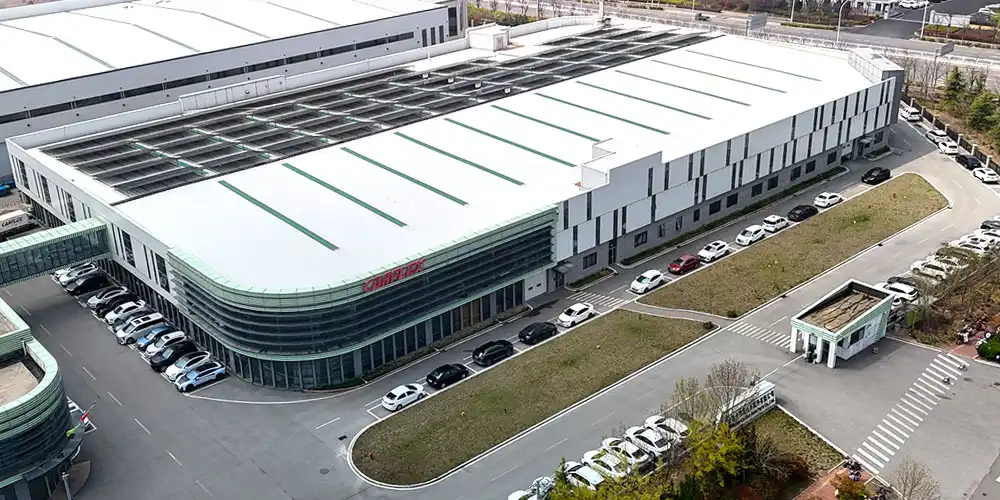
Procurement Guide: Selecting and Setting Up a Chemical Storage Warehouse
Identifying Qualified Builders and Suppliers
Finding reliable steel structure manufacturers requires thorough vetting. ISO9001 certification demonstrates a mature quality management system, and CE marking confirms compliance with European safety standards. Facilities with 40,000 square metres of enclosed production space and specialised H-beam welding lines indicate the ability to handle large-scale projects. Verify the manufacturer’s experience with specialised requirements such as chemical-resistant coatings and blast-resistant design by requesting references from similar hazardous material storage projects.
Qingdao Director Steel Structure Co., Ltd. exemplifies this comprehensive capability. Our team has been delivering steel structures for manufacturing plants and process sites around the world since 2011. Six automatic welded H-beam production lines make 20,000 tons of beams every year, and our in-house architectural design services help clients with engineering calculations, fabrication, transportation planning, and advice on how to put the beams together. This unified method cuts down on coordination delays.
Cost Analysis: Purchase, Rental, and Maintenance
When making a budget, you need to think about costs that go beyond the initial building. Prices for buying buildings depend on their size, complexity, and the cost of work in the area. For basic facilities, prices range from $40 to $80 per square foot, while prices go up to $120 to $200 per square foot for high-risk installs. Rental options are good for short-term projects, but after three to five years, the costs add up to more than the purchase price. Installation costs include base work and installation workers, which usually add 15 to 25 percent to the cost of materials.
Ongoing upkeep includes checking the structure's strength once a year, checking the state of the coatings every two to three years, and testing the fire system according to NFPA schedules. Setting up upkeep agreements with the original builder makes sure that you can get new parts and advice on how to use systems that are specific to your building. Maintenance services may be included in leasing agreements, which makes things easier for businesses that are more focused on making things than managing facilities.
Compliance Programs and Professional Partnerships
Setting up compliance standards before opening a building is necessary for long-term operating success. Work with environmental experts to make plans for how to handle spills, evaluate risks, and write up legal documents. As your product changes, you should hire structural experts to do regular studies of the load capacity. Training programs make sure that employees know how to read SDSs, what to do in an emergency, and how to use security tools correctly. Choosing builders who offer support after the building is finished, such as fitting help and regular structure checks, will keep your investment safe.
Real-Life Cases and Practical Tips for Optimized Chemical Storage
Industry Success Stories
A company in the Midwest that sells farm chemicals had problems with corrosion in an old masonry building where they stored liquid fertilizers. They bought a prefabricated Chemical Storage Warehouse with hot-dip galvanized structural members and epoxy phenolic barrier coatings. The flexible design made it possible to build in stages, so operations could continue during the change. Within two years, they reported that upkeep costs had dropped by 40% and there had been no containment breaches, which led to a big drop in environmental insurance rates.
A petroleum plant in Southeast Asia needed to quickly add more space to store intermediate hydrocarbons. They chose a pre-engineered steel building system that met Class I, Division 2 electricity standards and had foam reduction built in. The building was built using a project-based fabrication method in just six months, which is half the time it takes for traditional construction. This allowed them to get new supply contracts without having to deal with storing problems.
Practical Recommendations for Procurement Teams
When planning projects, make detailed plans that include the building's structure, safety systems, and how it will be used. Get potential builders involved early on in the design process so you can use their knowledge of how to make things to save money. Ask for thorough proposals that include technical formulas, certifications for materials, logistics planning, and timelines for assembly. Don't just look at price when deciding which providers to work with; also look at how well they can offer integrated solutions that lower project risk and make coordination easier.
Verify that the suggested structural steel is the right type, either Q355B or ASTM A572 Gr. 50 for main frames, and make sure that the coating requirements meet the level of chemical exposure you are exposed to. For tracking, ask for mill test records and use ultrasonic testing samples to do your own independent check of the weld quality. These quality assurance steps keep structures from falling apart too soon and costing a lot to fix.
Common Pitfalls to Avoid
Underestimating the need for air can cause dangerous vapors to build up and regulations to be broken. Instead of changing the way normal warehouse air works, you should hire mechanical engineers who have experience designing HVAC systems for dangerous locations. Reactive hazards happen when proper separation isn't planned during layout; NFPA guidelines say to always keep physical walls between chemical classes that don't mix. Choosing the cheapest building without making sure they know how to handle hazardous materials often results in inadequate containment systems or non-compliant installations.
Conclusion
To store chemicals safely, you need more than just shelves. You need designed infrastructure that takes into account corrosion, control, fire safety, and following the rules. Modular prefabricated Chemical Storage Warehouse sheds are the best option because they can be built quickly and have better structural performance than traditional buildings. To be successful in procurement, you need to work with experienced makers who offer a full range of services, from engineering estimates to help with erection. When you put quality standards, special coats, and built-in safety systems at the top of your list of priorities, you build an infrastructure that will last for decades.
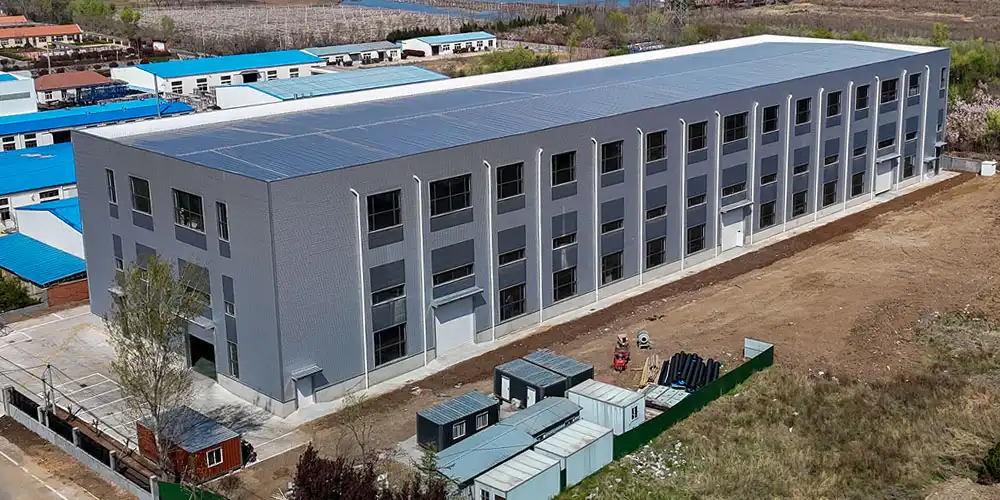
FAQ
1. What safety features are essential in chemical storage warehouses?
Some important safety features include structural steel that has been coated with chemical-resistant materials, spill containment systems like HDPE-lined catch basins, and mechanical ventilation that ensures enough air changes every hour. A compliant Chemical Storage Warehouse must also feature electrical installations that are safe for explosives in dangerous places, fire suppression systems right for the chemicals stored, and separate storage areas that keep incompatible materials apart.
2. How often should chemical storage facilities undergo inspections?
In order to follow the rules, structures must be inspected once a year to check for damage to the frame, connections, and the safety of the base. According to NFPA guidelines, fire protection systems need to be tested every three months, and air systems need to be checked every six months. Every six months, chemical-resistant coats should be looked at visually, and every two to three years, they should be checked out in more detail. Keeping written records of inspections shows that you are following the rules.
3. What factors influence chemical storage warehouse costs?
The main things that affect the cost are the size and clear-span requirements of the building, the hazard classification of the stored materials, and the structural specifications like steel grade and coating complexity. Site conditions that affect the foundation design and regional labor rates for erection services also play a role. While automated systems for moving materials and advanced tracking technologies cost a lot to buy, they save money in the long run on running costs and risk.
Partner with Chemical Storage Warehouse Experts at DFX
Building chemical storage infrastructure that is safe and lasts a long time takes specialized knowledge that regular building companies can't offer. As a trusted Chemical Storage Warehouse provider, Qingdao Director Steel Structure Co., Ltd. has been providing industrial steel structures around the world for 12 years. Our production capabilities, which include six automatic H-beam welding lines and full coating facilities, let us make structure parts that don't rust and meet ISO9001 and CE standards. We help our clients with every step of the project, from engineering formulas that are specific to your chemical hazard profile to precise fabrication and foreign shipping logistics.
Our modular prefabricated steel storage buildings are made with H-beam main frames, galvanized C/Z purlins, and designed bracing systems that give your operations the structural performance and chemical protection they need. Get in touch with jason@bigdirector.com right away to talk about your chemical storage needs and find out how our turnkey solutions can help you meet your business growth goals while protecting your employees, goods, and the environment.
References
1. National Fire Protection Association. NFPA 400: Hazardous Materials Code, 2023 Edition. Quincy: NFPA Publications, 2023.
2. Occupational Safety and Health Administration. Hazardous Materials Storage and Handling: Compliance Guidelines for Industrial Facilities. Washington: U.S. Department of Labor, 2024.
3. American Institute of Steel Construction. Design Guide 25: Frame Design Using Web-Tapered Members. Chicago: AISC Publications, 2022.
4. Environmental Protection Agency. Secondary Containment Requirements for Chemical Storage Facilities. Washington: EPA Office of Solid Waste, 2023.
5. International Code Council. International Building Code Chapter 4: Special Detailed Requirements Based on Use and Occupancy. Washington: ICC Publications, 2024.
6. Chemical Safety Board. Investigation Report: Chemical Storage Facility Incidents and Preventive Engineering Controls. Washington: CSB Publications, 2023.
Learn about our latest products and discounts through SMS or email