- English
- French
- German
- Portuguese
- Spanish
- Russian
- Japanese
- Korean
- Arabic
- Greek
- German
- Turkish
- Italian
- Danish
- Romanian
- Indonesian
- Czech
- Afrikaans
- Swedish
- Polish
- Basque
- Catalan
- Esperanto
- Hindi
- Lao
- Albanian
- Amharic
- Armenian
- Azerbaijani
- Belarusian
- Bengali
- Bosnian
- Bulgarian
- Cebuano
- Chichewa
- Corsican
- Croatian
- Dutch
- Estonian
- Filipino
- Finnish
- Frisian
- Galician
- Georgian
- Gujarati
- Haitian
- Hausa
- Hawaiian
- Hebrew
- Hmong
- Hungarian
- Icelandic
- Igbo
- Javanese
- Kannada
- Kazakh
- Khmer
- Kurdish
- Kyrgyz
- Latin
- Latvian
- Lithuanian
- Luxembou..
- Macedonian
- Malagasy
- Malay
- Malayalam
- Maltese
- Maori
- Marathi
- Mongolian
- Burmese
- Nepali
- Norwegian
- Pashto
- Persian
- Punjabi
- Serbian
- Sesotho
- Sinhala
- Slovak
- Slovenian
- Somali
- Samoan
- Scots Gaelic
- Shona
- Sindhi
- Sundanese
- Swahili
- Tajik
- Tamil
- Telugu
- Thai
- Ukrainian
- Urdu
- Uzbek
- Vietnamese
- Welsh
- Xhosa
- Yiddish
- Yoruba
- Zulu
5 Benefits of Temporary Construction Sheds at a Construction Site
Protecting your materials and tools is a must when you're in charge of a building project, whether it's an industrial warehouse in Texas or a factory in California. A temporary construction shed is more than just a place to stay dry. It's a strategic tool that solves problems with storing, safety, and cost while keeping operations flexible. These prefabricated modular structures are made with a strong metal frame and long-lasting PVC fabric or steel siding to provide strong security without leaving a permanent mark like traditional buildings do. They solve important site logistics problems like keeping wet materials safe, providing a dry space for on-site assembly, and making sure that worker welfare areas follow the rules. This makes them essential for construction companies, EPC firms, and project managers looking for dependable turnkey solutions.
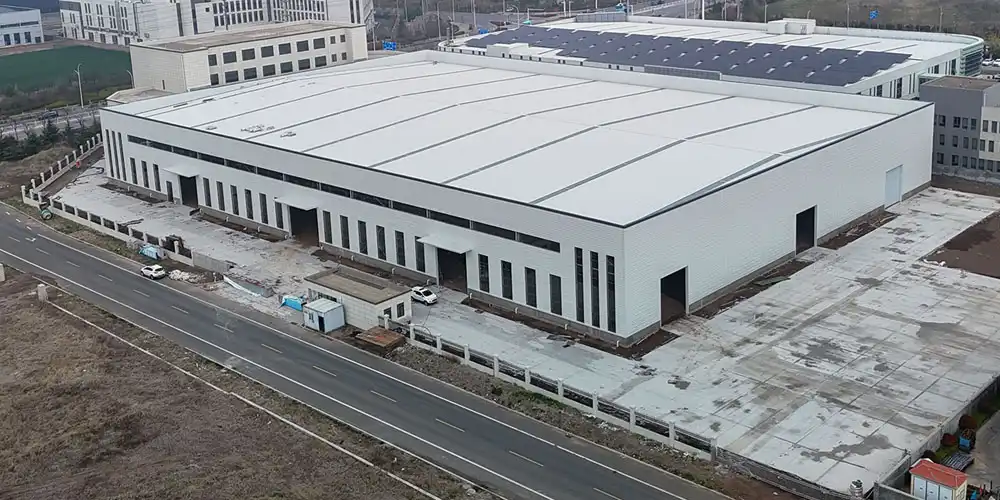
Enhanced On-Site Storage and Organisation
On construction sites, chaos spreads quickly. Disorganised supplies, tools that are lying around, and materials that are out in the open all cause bottlenecks that slow down work and cost more than planned. Relocatable building designs turn this chaos into organised efficiency.
Secure Protection Against Theft and Weather
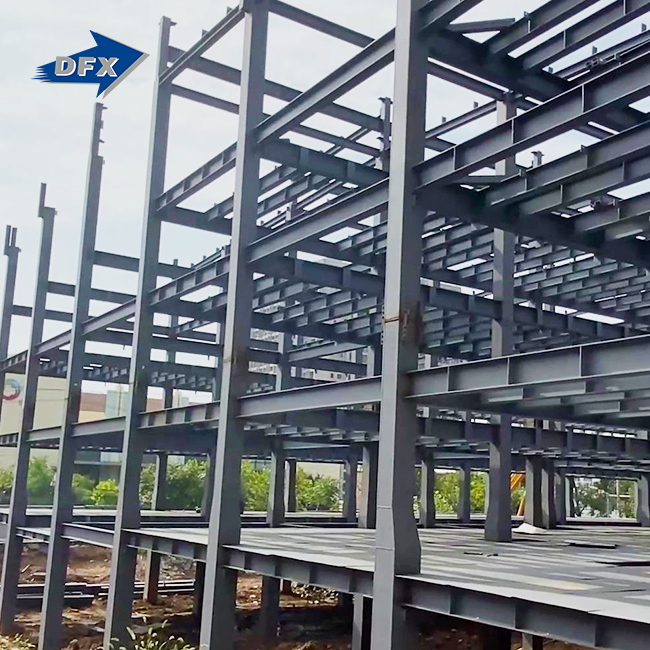
Rebar packages, cement bags, and electrical parts worth thousands of dollars are left out in the open. Temporary construction shed units made of H-section beam and column construction and C/Z zinc purlins offer secure shelters that keep things safe from theft and protect them from rain, UV light, and changes in temperature. Unlike tarps or homemade covers, these buildings protect you all the time. The galvanised steel frame doesn't rust, even in wet seaside areas or industrial areas where chemicals are often present. This longevity is good for procurement managers because it means fewer repairs of materials and lower project costs over time.
Maximised Space Utilisation Through Clear-Span Design
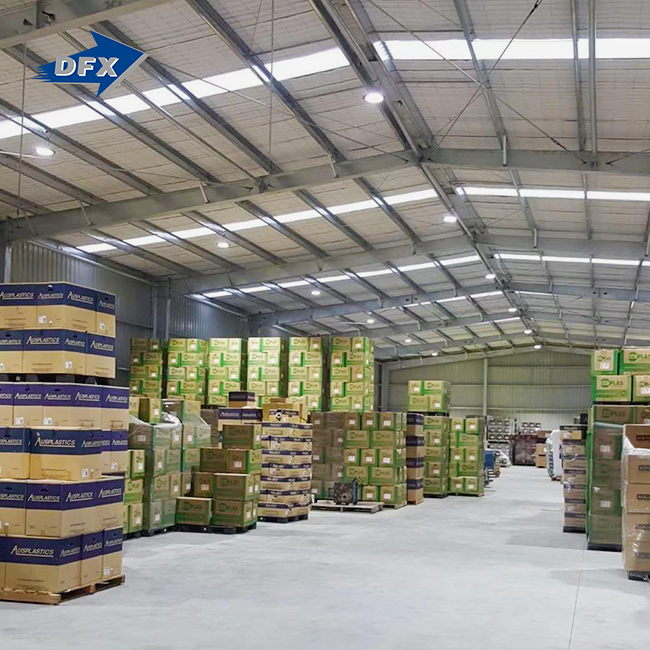
When you use traditional storage bins, you have to work around the supports inside, which takes up valuable space. Clear-span designs don't have any internal columns, so trucks can move around easily, and you can use all of the room inside. This plan is very helpful for storing long things like steel beams or setting up different areas for tools inside the same building. Project managers in charge of logistics stores or industrial steel building projects say that this makes the space more efficient, so they don't need as many storage units. This saves money on rent and space on the site.
Improved Inventory Management and Accessibility
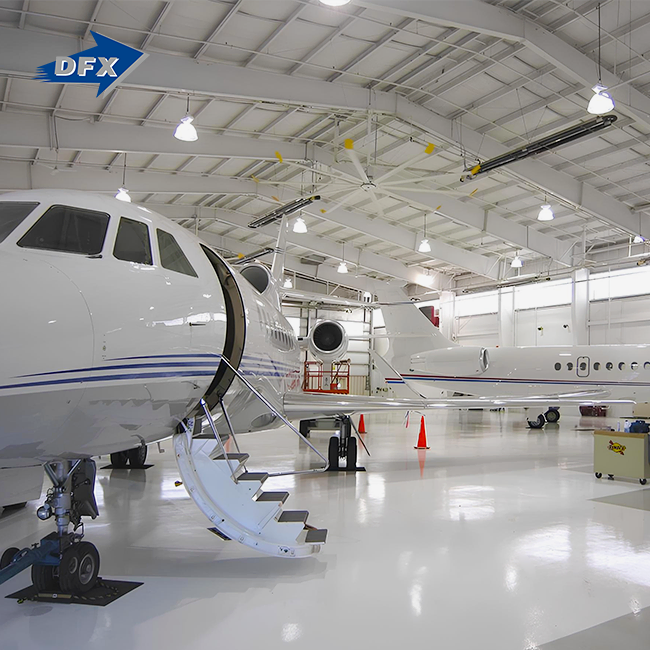
Your crew will spend less time looking for things and more time working when they are grouped into clear shed zones. Because these buildings are flexible, you can change the plan of the inside by adding shelves, walls, or equipment bays. This planning cuts down on delays caused by lost goods and makes it easier for subcontractors to coordinate their work. Complex projects, like building an aeroplane hangar or an industrial plant, are managed by site managers who find that easy-to-reach storage directly affects productivity measures and meeting milestones.
Flexibility and Ease of Installation
Building projects don't usually go in a straight line. Conditions on the site change, project stages change, and deadlines get shorter. Portable steel sheds are very good at adapting to these conditions.
Rapid Deployment Without Permanent Foundations
Permanent buildings require extensive foundation work and long permit processes. In contrast, temporary portable steel shed structures can be installed on a variety of surfaces using flexible fixing methods. They are anchored with steel stakes or expandable bolts through concrete blocks, and heavy-duty weight plates can secure them on asphalt or covered ground. This flexibility allows storage solutions to be set up in days instead of weeks. Professional installation services or skilled local teams can quickly assemble them without disrupting ongoing construction work. Because there are no permanent foundations, you also save significantly on site restoration costs once the project is complete.
Customizable Configurations for Diverse Project Needs
Every building site has its own set of practical and space limitations. These sheds come in a range of sizes, from small spaces for storing equipment to huge manufacturing shops that cover hundreds of square metres. The sides can be fully covered for extra safety, or they can be left open so that vehicles and tools can get in and out. This customisation also includes the way the roof is set up. Standard pitches are good for normal rain, while higher angles (25 to 30 degrees) are better for heavy snow loads in northern areas. This flexibility is important to EPC workers who work on multiple projects because it lets them use the same structural system in very different settings without affecting its performance.
Rental Versus Purchase: Strategic Procurement Decisions
It's a big decision for procurement managers: should they rent or buy? Rental deals are helpful for short-term projects because they give operators more freedom without having to spend money on new equipment. You only pay for the time you need, and the provider takes care of the moving and cleanup. When building a factory or a farming facility, longer development times often make ownership worth it. The modular bolt-and-nut system lets you take it all apart and put it back together again at a new spot, so you can protect your investment over many projects. Knowing this economic math helps you make sure that your buying strategy fits with the length of the project, your budget, and your plans for the rest of your portfolio. These structures are made in China by companies like Director Steel, which has short production cycles that allow for quick shipping that fits your project's schedule needs.
Cost-Effectiveness and Durability
Every building project has to deal with budget constraints. Through smart material planning and lifetime value, temporary sheds can save you money in the long run.
Long-Term Material Performance Reduces Maintenance Costs
In harsh building settings, quality is very important. Structures made from hard-pressed extruded aluminium metal (6061-T6 or 6005-T6 grades) and anodised finishes that are more than 10 microns thick don't rust and stay strong for 20 years or more. Hot-dip galvanised steel connections that are strengthened meet DIN EN ISO 1461 standards. This makes sure that parts can handle mechanical stress and exposure to the environment without breaking down. Double-coated PVC polyester fabrics (650–850 g/sqm) used in roof covers are resistant to UV light, waterproof, and flame-retardant, meeting DIN 4102 B1 and M2 standards. This strong building means you won't have to pay for fixes or replacements too often, which would cut into your project's profits and cause problems with operations.
Director Steel's facilities in Qingdao have six automatic forged H-beam production lines and two C/Z section steel lines. These lines make sure that the standard of every part is always the same. Their manufacturing methods are ISO 9001-certified, and their goods are CE-certified, which means they meet international standards. This gives procurement professionals faith in their long-term performance. The company has been making steel structures for industrial plants, business buildings, and farming facilities for more than 12 years, which shows that they know how to make long-lasting solutions.
Transparent Budgeting with Predictable Total Costs
To do smart buying, you need to know about all of the costs, not just the original purchase price. Budgets for temporary sheds should include transport costs, installation workers (if hired), and warranty coverage. Economies of scale can be gained by making bulk purchases with makers. For example, when you order multiple units for a portfolio of projects, you can often get volume savings and better terms. Director Steel offers complete solutions that include standard design, manufacturing, packing, and installation drawings. This makes project planning easier and cuts down on hidden costs. Their 40,000-square-meter production facility and more than 200 skilled workers make it easy to complete big orders quickly. This makes them a reliable partner for building companies with 20 to 200 employees or EPC contractors running operations with 50 to 500 employees.
Comparative Savings Versus Permanent Structures
Consider an 18-month warehouse project. Building a permanent structure incurs costs for architectural design, foundation excavation, longer construction timelines, and eventual dismantling. Many of these costs are avoidable with a relocatable building, which performs the same function at a fraction of the expense. Real-world comparisons show that temporary structures can reduce project costs by 40–60%, especially for companies operating across multiple sites, as the same structure can be moved and reused, spreading the initial investment over many projects.
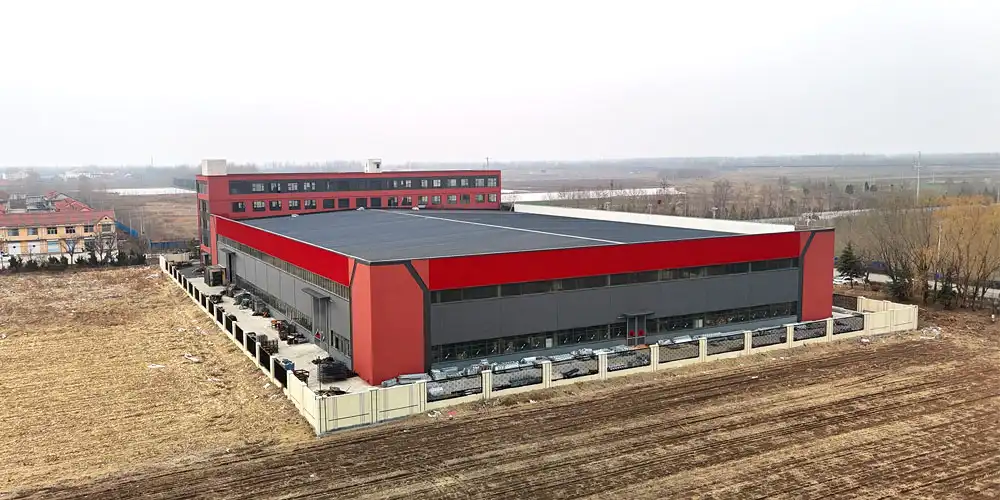
Safety Enhancement at Construction Sites
One of the most dangerous jobs is in construction. Through careful planning and following the rules, temporary sheds make work areas safer in a way that can be measured.
Structurally Sound Shelter for Personnel and Equipment
Workers need safe places to take breaks, fix their tools, and do office work. Insulated sandwich panel walls (50–75mm rock wool) in sheds make climate-controlled spaces that can be used as temporary office spaces, canteens, or changing rooms. Occupational Health and Safety Administration rules say that these buildings can be used to house workers on long-term or faraway jobs. The clear-span interior design makes it safe for heavy equipment like high cranes and welding stations to be used, so manufacturing work can be done on-site without having to worry about bad weather. Engineering approvals show that these buildings can resist wind speeds of up to 120 km/h (0.5 kN/m²) and snow loads of up to 75 kg/m². This means that they can be used as cover during bad weather that would normally stop construction.
Regulatory Compliance and Risk Mitigation
In the United States, projects must follow OSHA rules and state building codes that cover temporary structures. Reputable makers give you structural analysis reports that have been checked by outside certification groups to make sure they meet ASCE 7-10 or similar standards. Director Steel's goods have ISO 9001, CE, COC, and PVOC certificates, which show that they meet world standards for quality and safety. This paperwork is very important for project audits and reviews because it keeps workers from being sued and fined. This compliance guarantee is especially useful for procurement managers of infrastructure projects or government contracts because it makes legal due diligence easier and speeds up the approval process.
Access Control and Emergency Preparedness
Unauthorised people can't get into secure building sites and steal, damage, or hurt people who do. Lockable shed doors with controlled access systems only let people who are supposed to be there in. Fire suppression equipment, emergency lights, and clearly marked exits can all be built into the plan of an interior space. Regular maintenance procedures, such as checking the tension of the fabric, the stability of the anchors, and the links between the frames, keep structures from falling apart and putting workers in danger. These safety measures lower the number of accidents, keep insurance rates low, and show that project managers care about their teams and freelancers.
Environmentally Friendly and Sustainable Solutions
Sustainability standards are playing a bigger role in how building projects are bought. Customers want smaller environmental impacts, and governments are putting more pressure on businesses to do so.
Resource-Efficient Materials and Manufacturing Practices
Modern Temporary Construction Shed options are designed to be eco-friendly, with metal frames that can be recycled and PVC fabrics that make very little waste when they are made. Manufacturers who want to get responsible certifications use production methods that use less energy and reduce waste. Director Steel's production processes show this dedication by using ISO-certified quality systems that make the best use of materials and reduce waste. Temporary buildings use a lot fewer raw materials and make a lot less construction trash than permanent buildings, which need concrete supports, a lot of digging, and then demolition debris. This smart use of resources fits with the company's sustainability goals and makes your project look better for the world.
Reduced Site Disruption and Faster Restoration
When you use temporary projects, you don't have to worry about the damage that permanent buildings do to the scenery. Since there are no roots to be dug out, the soil structures stay in place, groundwater flow is not interrupted, and it is easy to restore the site after the job is over. This low-impact method works especially well for projects that will be built on sensitive land or in places where the land's future use will be different from what is needed for building now. Agricultural businesses that are building chicken coops or facilities for animals have this freedom because it lets farm operations change as business needs do, without having to spend a lot of money on expensive demolition projects.
Partnership with Certified Sustainable Suppliers
Procurement teams improve sustainability results by working with sellers who have clear environmental qualifications. Look for makers that offer parts that can be recycled, design options that use less energy, and proof that they follow green building standards. From architectural design and details to manufacturing and installation, Director Steel's integrated method makes sure that environmental concerns are built into every step of the project's lifecycle. Their rising customer base in the commercial, industrial, and farming sectors shows that quality and responsible production are valued by the market. When you buy from certified providers, you can back up your environmental claims, meet customer needs, support LEED or similar certification goals, and set your company apart in bidding situations where other companies are trying to get the business.
Conclusion
There are real benefits to temporary building sheds in terms of saving space, being easy to set up, keeping costs low, improving safety, and being good to the environment. These structures solve real practical problems that building workers, EPC firms, manufacturing companies, and farms that are in charge of big projects face. Because they are made of long-lasting materials, can be put together in different ways, and meet foreign standards, they are more than just site decorations. These sheds are tried-and-true solutions that can be changed to fit your changing needs while protecting your investment. They're perfect for keeping equipment safe for an industrial warehouse project, setting up a fabrication space for building an aeroplane hangar, or making worker welfare facilities for building infrastructure.
FAQ
1. Can temporary sheds be relocated after completing a construction phase?
Of course. The flexible bolt-and-nut design lets the whole thing be taken apart and put back together in different places with little material loss. This relocatability protects your capital investment across multiple projects, which makes ownership affordable even for companies with a wide range of projects. If you handle the aluminium structure correctly, it will keep its structural integrity through repeated installations.
2. What foundation requirements do these structures have?
The anchoring methods for these sheds are flexible and can be adjusted to fit the conditions of the spot. Expandable bolts can be used on concrete, steel stakes can be used in dirt or grass, and heavy-duty weight plates can be used on asphalt or covered ground. Because it is so flexible, it doesn't need to have supports dug out, which speeds up the installation process and makes it easier to fix up the spot after the project is over.
3. How do temporary sheds perform in extreme weather conditions?
Engineered buildings are rated for certain amounts of wind and snow based on how the roof and frame are shaped. Normal styles can handle winds between 80 and 120 km/h and snow loads of up to 75 kg/m². In places where it snows a lot, projects benefit from steeper roof pitches and stronger structural features, which make sure they work reliably during the winter building season without the risk of collapsing.
Partner with DFX for Reliable Temporary Construction Shed Solutions
The people at Director Steel have been designing steel structures for over 12 years. These structures are used by building workers in industrial, business, and agricultural settings. We can make temporary sheds out of fine H-section beams, C/Z galvanised purlins, and your choice of covered or open-sided setups. Our factory covers 40,000 square meters and has more than 200 skilled workers. Our ISO 9001 and CE-certified goods come with full design, fabrication, packing, and installation support, so you can use them to store farm hay, park vehicles, protect equipment, or make space for a repair workshop. Short production processes help keep your project on track, and our integrated service method gets rid of the hassles of coordinating with different providers. Email our team at jason@bigdirector.com to talk about how our temporary construction shed solutions can help you with the problems you're having on the job site. We're a trusted manufacturer that works with building managers, construction builders, and EPC firms all over the country. We're ready to help you with your next project with our knowledge, quality products, and quick service.
References
1. Smith, J.R. & Thompson, L.M. (2021). Modular Construction Systems: Design, Engineering, and Site Applications. New York: Industrial Press.
2. National Association of Steel Fabricators (2022). Guidelines for Temporary Structure Specifications in Construction Environments. Washington, DC: NASF Publications.
3. Chen, W. & Liu, H. (2020). "Performance Analysis of Prefabricated Steel Structures Under Variable Load Conditions", Journal of Construction Engineering and Management, 146(8), pp. 04020098.
4. American Society of Civil Engineers (2019). ASCE 7-16: Minimum Design Loads and Associated Criteria for Buildings and Other Structures. Reston, VA: ASCE Press.
5. International Organization for Standardisation (2018). ISO 9001:2015 Quality Management Systems — Requirements for Manufacturing and Service Industries. Geneva: ISO.
6. Green Building Council (2023). Sustainable Construction Practices: Material Selection and Environmental Impact Assessment. San Francisco: GBC Research Division.
Learn about our latest products and discounts through SMS or email