- English
- French
- German
- Portuguese
- Spanish
- Russian
- Japanese
- Korean
- Arabic
- Greek
- German
- Turkish
- Italian
- Danish
- Romanian
- Indonesian
- Czech
- Afrikaans
- Swedish
- Polish
- Basque
- Catalan
- Esperanto
- Hindi
- Lao
- Albanian
- Amharic
- Armenian
- Azerbaijani
- Belarusian
- Bengali
- Bosnian
- Bulgarian
- Cebuano
- Chichewa
- Corsican
- Croatian
- Dutch
- Estonian
- Filipino
- Finnish
- Frisian
- Galician
- Georgian
- Gujarati
- Haitian
- Hausa
- Hawaiian
- Hebrew
- Hmong
- Hungarian
- Icelandic
- Igbo
- Javanese
- Kannada
- Kazakh
- Khmer
- Kurdish
- Kyrgyz
- Latin
- Latvian
- Lithuanian
- Luxembou..
- Macedonian
- Malagasy
- Malay
- Malayalam
- Maltese
- Maori
- Marathi
- Mongolian
- Burmese
- Nepali
- Norwegian
- Pashto
- Persian
- Punjabi
- Serbian
- Sesotho
- Sinhala
- Slovak
- Slovenian
- Somali
- Samoan
- Scots Gaelic
- Shona
- Sindhi
- Sundanese
- Swahili
- Tajik
- Tamil
- Telugu
- Thai
- Ukrainian
- Urdu
- Uzbek
- Vietnamese
- Welsh
- Xhosa
- Yiddish
- Yoruba
- Zulu
Why Businesses Choose Steel Buildings for Retail Spaces?
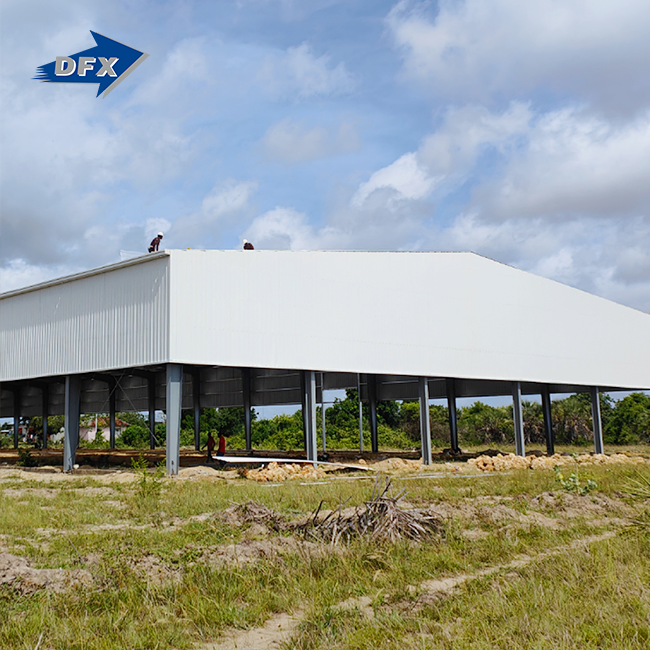
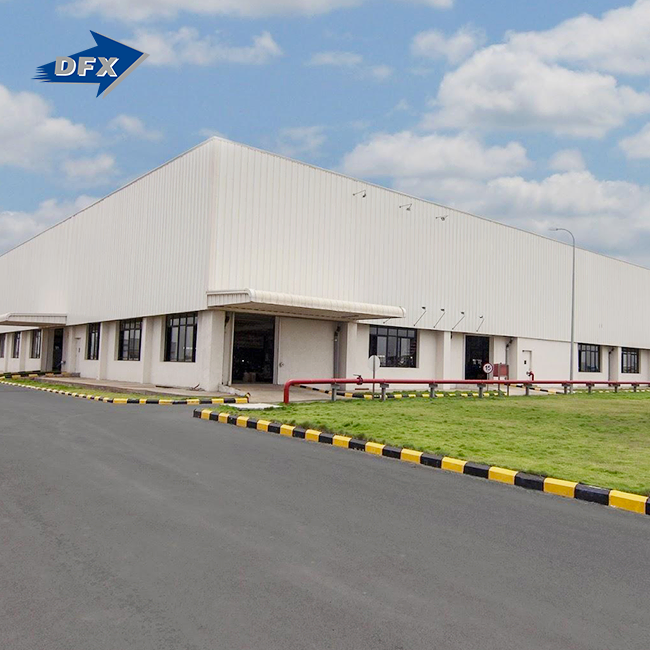
There is more pressure than ever on retail businesses to Steel Structure Retail Shop open fast, keep costs low, and give customers great experiences. By providing unrivaled building speed, design freedom, and long-term durability, a Steel Structure Retail Shop meets these demands. Steel structures cut down on project times by up to 40% compared to traditional concrete or wood-frame buildings. This means that stores can open faster and start making money sooner. This modern building option is the best choice for businesses that want to stay ahead in a fast-paced market because it combines engineering efficiency with good looks.
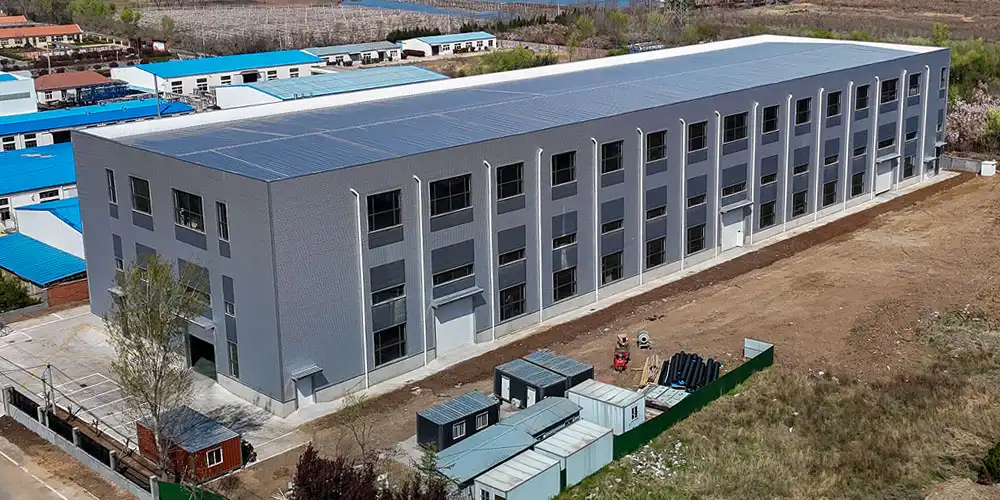
Understanding Steel Structure Retail Shops
What Makes Steel Structures Ideal for Retail Applications
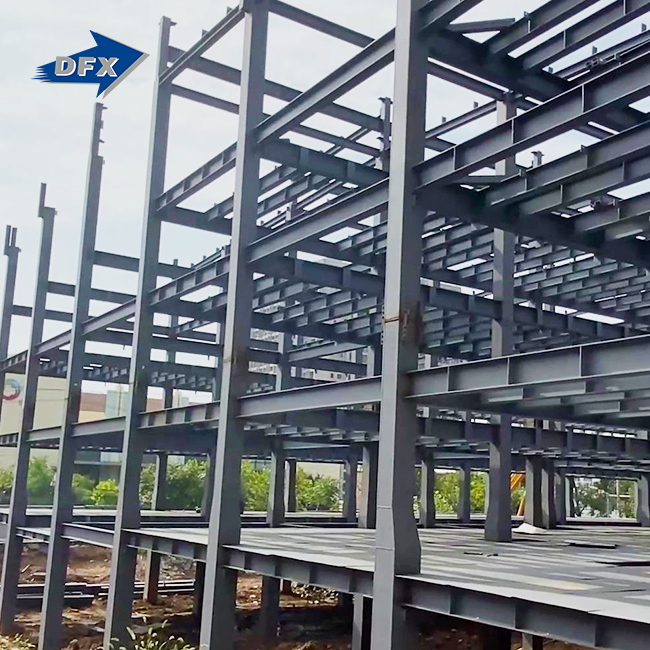
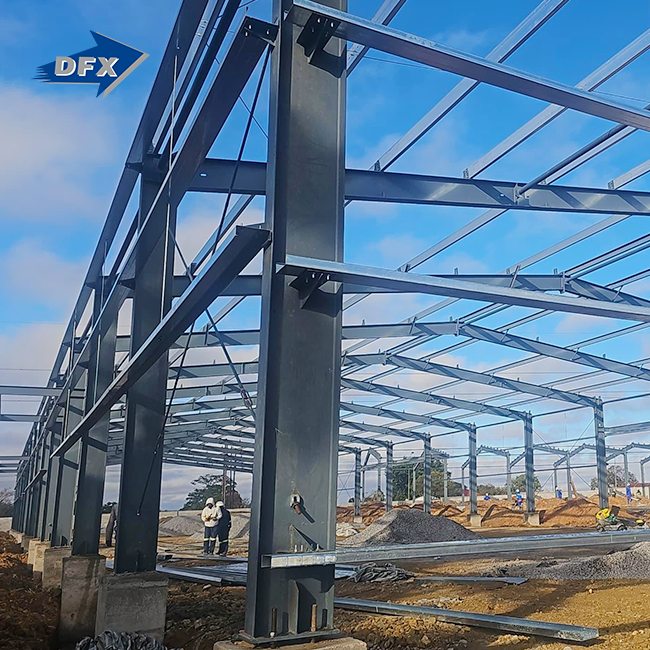
Retailers now handle their real infrastructure differently thanks to commercial steel buildings. The main benefit is that the material is very strong for how light it is, which lets you design spaces with few or no internal walls. This design freedom makes the most of the floor space that can be used, which leads to better product arrangement, better customer flow, and more flexible marketing strategies. As consumer tastes change, stores can easily rearrange their interiors without damaging the building's structure. A standard steel storefront has a portal frame or beam-column construction made up of steel columns and beams in the H-section, C/Z purlins, and profiled covering systems. High-strength low-alloy steel, usually Grade Q355B with a yield strength of more than 345 MPa, can hold a lot of weight while still being light compared to concrete options. This technical method cuts the need for foundations and the costs of building them by about 25%, which saves money right away.
Emerging Design Trends Enhancing Retail Appeal
Modern retail design needs to make a strong visual effect. Large openings in the facade and wide glass curtain walls make shops that look welcoming, show off goods, and bring people in. Because steel is so strong, these architectural features can be supported without using big support beams that get in the way of views or make it hard to place windows. Using modular building methods lets stores make sure that building plans are the same in all of their sites while still allowing for local customization. This approach speeds up the rollout process for franchises and chain stores, keeping the brand's stability while adapting to the needs of each local market. Pop-up shops and holiday stores can be set up quickly with prefabricated building systems, Commercial steel building which meet the changing needs of modern business.
Comparing Steel Structures with Traditional Retail Building Materials
Steel Versus Concrete Construction
When project managers look at building materials, concrete is often the first thing that comes to mind because it is so common. But a close look at the two shows that steel has big benefits. The biggest change is in how fast the building is put together. Steel framing can go on no matter what the weather is like because most of the assembly is done with bolted connections instead of wet concrete drying. This freedom from bad weather means that project plans can be more accurately predicted and money can be made sooner.A study of costs shows that steel buildings usually need 15–30% less money to build than similar concrete structures. The cost of the foundation goes down a lot because the dead loads are lighter, and the cost of labor stays low because steel construction needs smaller teams that are out for shorter periods of time. Formwork, placing reinforcements, and drying time all take a lot of time and work, which adds to the cost of building something and delays the plan. Steel is better for buildings because it is easier to maintain over time. Cracks in concrete buildings are common and need to be fixed all the time, especially in areas that freeze and thaw. When steel framing is properly handled, it only needs to be inspected and coated for small repairs every 15 to 20 years. This lowers the total cost of ownership.
Energy Efficiency Through Advanced Insulation
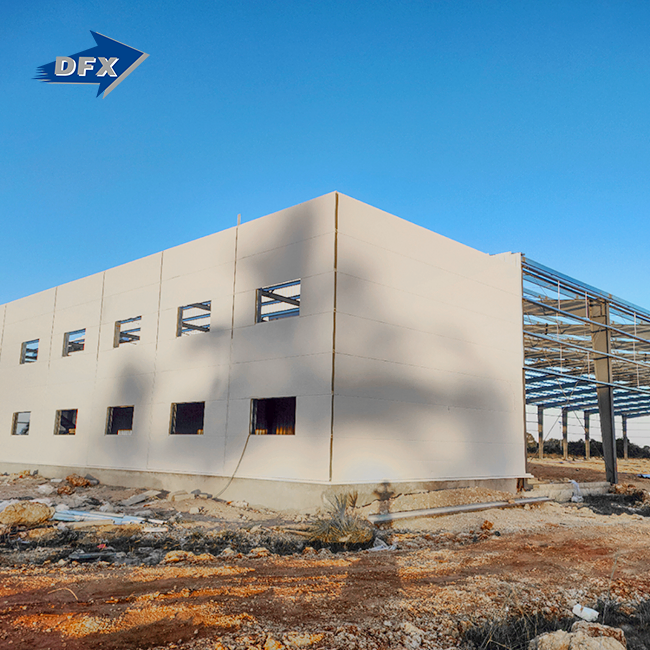
Operating costs are directly affected by thermal efficiency. Modern industrial steel buildings use sandwich panel systems with 50–100 mm polyurethane or rock wool cores sandwiched between steel facings. These systems achieve R-values that greatly lower the amount of energy used for HVAC. When compared to single-skin metal buildings, these insulated envelope systems keep the inside of the building at a livable temperature and cut energy costs by 20–35%.In a high-quality steel building, thermal bridging is given a lot of thought. Continuous insulation and thermal break clips stop heat from moving through structural parts, so there is no condensation and no energy waste. Consistent conditions inside stores protect goods and make customers feel more comfortable, which is good for retailers.
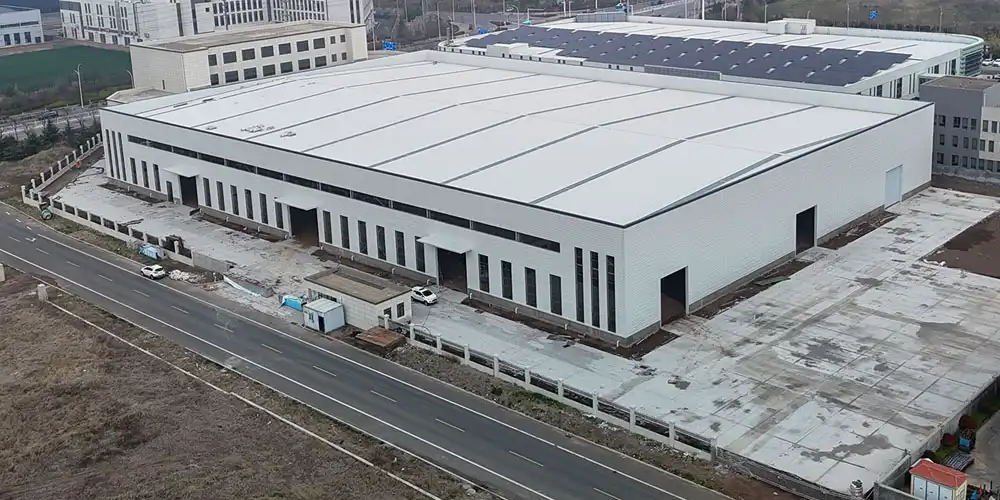
How to Build and Maintain a Steel Structure Retail Shop
Planning and Procurement Coordination
Steel Structure Retail Shop projects that go well start with thorough planning that makes sure everyone's standards are met. Project managers should work with steel structure makers early on in the planning process. Their technical knowledge can help improve layouts and find ways to cut costs. Manufacturers can come up with solutions that balance different goals when they are clear about expected timelines, price limits, and functional requirements. There are several important steps in procurement planning. Concept design sets the general size and shape of the building, as well as its appearance goals. Engineering design takes ideas and turns them into thorough formulas for structures, analyses of loads, and connection requirements. Manufacturing uses processes like cutting, welding, drilling, and surface treatment to turn accepted plans into real parts. Throughout the production process, quality control steps make sure that the standards set by ISO 9003 and customer requirements are met. When planning logistics, it's important to be very careful, especially for jobs that span borders. Optimization of container packing, choice of shipping route, and customs paperwork must all be planned weeks before the commercial steel building production ends. Experienced makers offer full help throughout this process, which lowers the risks of buying and keeps delays from being too expensive.
Maintenance Strategies for Long-Term Durability
Regular inspections keep buildings in good shape. Visual inspections should be done once a year to check the state of the paint or coating and look for chips, scratches, or rust spots that need to be fixed. Pay extra attention to roof slopes, gutters, pipes, and base flashing—places where water gathers—because water speeds up corrosion. Maintenance for weatherproofing is mostly about seals and screws. As rubber washers wear out, exposed screws may need to be replaced every 10 to 15 years. To keep water out, silicone seals at panel joints and penetrations need to be checked and reapplied every so often. It is still possible to stop corrosion with simple steps. Clearing out roof drains keeps water from pooling, and making sure the site drains properly keeps water from pooling around the base. These easy steps make buildings last longer and keep their good looks.
Selecting the Right Supplier and Manufacturer for Steel Retail Buildings
Essential Certifications and Quality Standards
Professionals in charge of buying things must make sure that potential sellers have quality certifications that are known around the world. The ISO 9003 certification shows that quality control methods are used consistently throughout the manufacturing process. The CE mark shows that a product meets European safety, health, and environmental protection standards. This mark is necessary for projects that will be sold in markets that need it. In some markets, extra certificates like COC (Certificate of Conformity) and PVOC (Pre-Export Verification of Conformity) make it easier to get goods through customs. Reputable makers keep their certifications up to date and are happy to show proof, but sellers who don't have these qualifications pose a needless risk. Qualifications for welding should be looked at very carefully. For structural steel connections to work, they need to be welded by trained experts who do good work. Manufacturers must show that their products meet AWS (American Welding Society) or similar standards, with proof of qualified welders and detailed instructions on how to weld.
Service Offerings That Ensure Project Success
Installation help changes a lot from one provider to the next. Some companies only make the products; buyers have to find their own construction teams. Others offer full package solutions that include experienced installation managers who go to job sites, train local workers, and make sure the right way to put things together is done. This installation advice is especially helpful for people who are buying steel buildings for the first time or who work in places where there isn't a lot of steel construction knowledge. Premium makers are different from commodity sellers because they offer more customization options. By changing standard designs in ways like bay spacing, adding mezzanine levels, choosing specific cladding systems, Metal storefront, or adding branded architectural elements, stores can make buildings that stand out and help them place themselves in the market.
Why Steel Structure Retail Shops Are the Future of Retail Spaces
Sustainability Advantages Meeting Market Demands
Environmental duty is becoming more and more important in business decisions. There are several ways that steel buildings can meet the needs for sustainability. Because the material can be recycled almost completely, buildings can be taken apart and used for something else instead of ending up in a dump. More and more recovered steel is being used in modern steel production. In fact, many mills use 70 to 90% scrap steel as fuel. Using less energy when running a building is a big part of lowering its carbon footprint. Insulation systems that work well, roof coats that reflect light, and smart window placement all help keep heating and cooling costs low. Compared to older, more traditional buildings, retailers can see a clear drop in the amount of energy they use. This helps them meet their sustainability goals while also cutting costs. Green building certificates, like LEED, BREEAM, and others, recognize the environmental benefits of Steel Structure Retail Shop construction. Steel's recycled content, efficient production methods, and long service life are all good for projects that want these certifications. Getting approved improves a brand's image and attracts customers who care about the environment.
Rapid Deployment Advantages for Competitive Markets
In competitive retail settings, speed-to-market is what makes or breaks a business. Steel construction saves a lot of time. For example, a whole store building can be planned, made, shipped, and put up in 5–6 months, compared to 10–12 months for standard construction. Businesses can take advantage of market opportunities, regular demand cycles, and competitive openings by shortening their schedules. Rapid rollout is especially important for franchise businesses. Standardized building plans make it easier to get permits, make things, and build things in many places. Consistent deadlines allow marketing campaigns to be organized and capital utilization strategies to work well. Temporary and pop-up store ideas leverage steel's quick-assembly features. It is easy to set up, run, and take down temporary shops, promotional sites, and event-based retail setups. The parts can then be kept or moved to new places, which makes the best use of the assets.
Real-World Performance and Return on Investment
Case studies of completed projects show the useful benefits of the Metal storefront of steel buildings. A 3,000-square-meter car store in Southeast Asia got its occupancy certificate six weeks early, which let the dealer take advantage of the busiest sales times of the year. Saving 22% on construction costs compared to the first figures for the concrete made the job much more profitable. A North American store that sells farming equipment asked for a steel building with 40-meter clear spans. This got rid of the need for inner columns that would have blocked the view of big pieces of machinery and client vehicles. The open plan made the selling space 18% bigger than in a normal building, which directly increased the sales efficiency per square meter. Gains in operational efficiency go beyond building. HVAC systems that are right for well-insulated steel buildings use 25–30% less energy than similar older buildings. This saves money over the life of the building. The total cost of ownership goes down even more because you don't have to paint rotting wood trim or replace cracked concrete.
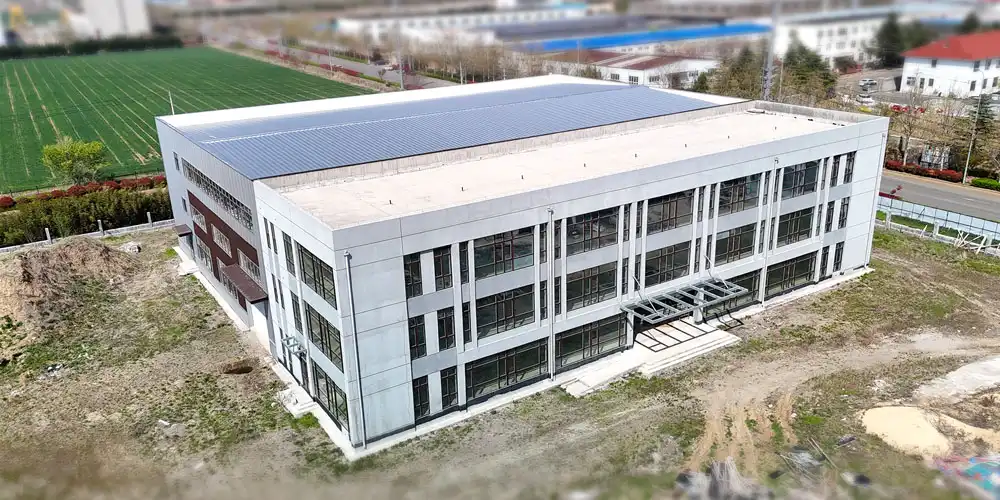
Conclusion
Modern businesses need stores with steel frames because they are easy to build quickly, have a lot of design options, are cost-effective, and are good for the environment. Steel is the best material for stores, builders, and developers who want to be ahead of the curve when it comes to engineering performance, aesthetic options, and long-term durability. Steel building systems offer the speed, dependability, and flexibility that competitive markets need, whether you're building a single showroom or a chain of stores across the country. By carefully choosing suppliers, carefully planning, and properly maintaining these structures, they will last for decades and continue to support business growth and organizational excellence.
FAQ
1. What timeline should we expect for a typical steel retail building project?
Depending on the size and complexity of the building, the whole project can take anywhere from 4 to 7 months. This includes two to three weeks for final design engineering, six to eight weeks for production, two to three weeks for shipping (for foreign jobs), and three to five weeks for setting up on-site. Preparing the site happens at the same time as production, which makes the total plan more efficient. When compared to concrete buildings, steel projects aren't affected by weather delays as much because most of the assembly is done with bolted links instead of processes that depend on the weather.
2. Can steel buildings perform well in extreme climates?
With the right engineering and envelope design, modern steel buildings work great in all temperature zones. Reflective roof coverings and well-ventilated attics can help places that get very hot by lowering the cooling loads. In cold places, walls and roofs need to have more insulation (usually 100 to 150 mm) and air barriers to keep mist from forming. Coastal areas need better rust protection, like stronger galvanization or special coating systems. In places that are likely to be hit by hurricanes, links and reinforcements are designed to meet the local wind load standards, which are often higher than 150 km/h design speeds.
3. What essential maintenance extends building life?
Annual inspections should examine roof drainage systems, ensuring gutters and downspouts remain clear. Visual inspection of the covering shows where repairs need to be made before rust sets in. Every 5 years, you should check the soundness of the fasteners and tighten any nuts that are loose or replace rubber washers that are worn out. About every 10 years, the sealant at the joints between panels needs to be replaced. Major recoats are usually needed every 20 to 25 years, but this depends on the original coating specifications and how the coating was exposed to the environment. These simple upkeep steps will make sure that steel store buildings last for 50 years or more.
Partner with DFX for Your Steel Structure Retail Shop Project
With over 12 years of experience in the field, DFX is ready to help you with all of your shop building needs with complete steel structure options. Our 40,000-square-meter production center makes business buildings, product showrooms, and display halls out of high-quality steel structures that are certified to ISO 9003, CE, COC, and PVOC standards. We offer full services, from conceptual design and fabrication to surface treatment and help during installation, to make sure your project stays on plan and on budget. Our engineering team works with procurement managers, project engineers, and construction companies to come up with the best building solutions for each site and set of operating needs. Whether you need a standard prefab retail building or a fully personalized metal storefront with unique architectural features, DFX has the production skills and technical knowledge to get the job done. As a reliable Steel Structure Retail Shop maker, we ship all over the world and help with foreign projects with careful logistics planning. Email our team at jason@bigdirector.com to talk about your future project to build a store.
References
1. American Institute of Steel Construction (2021). Steel Construction Manual, 15th Edition. Chicago: AISC Publications.
2. Davies, J.M. (2019). Steel Building Design: Worked Examples for Students. London: Steel Construction Institute.
3. Lawson, R.M. & Ogden, R.G. (2020). Sustainable Steel Construction in Commercial Buildings. Journal of Constructional Steel Research, 167, 105-118.
4. Newman, A. (2018). Metal Building Systems: Design and Specifications, 3rd Edition. New York: McGraw-Hill Professional.
5. Puthli, R.S. & Tschemmernegg, F. (2022). Modern Steel Construction for Retail and Commercial Applications. Engineering Structures Journal, 245, 112-126.
6. Trahair, N.S. & Bradford, M.A. (2020). The Behaviour and Design of Steel Structures to EC3, 5th Edition. Boca Raton: CRC Press.
Learn about our latest products and discounts through SMS or email