- English
- French
- German
- Portuguese
- Spanish
- Russian
- Japanese
- Korean
- Arabic
- Greek
- German
- Turkish
- Italian
- Danish
- Romanian
- Indonesian
- Czech
- Afrikaans
- Swedish
- Polish
- Basque
- Catalan
- Esperanto
- Hindi
- Lao
- Albanian
- Amharic
- Armenian
- Azerbaijani
- Belarusian
- Bengali
- Bosnian
- Bulgarian
- Cebuano
- Chichewa
- Corsican
- Croatian
- Dutch
- Estonian
- Filipino
- Finnish
- Frisian
- Galician
- Georgian
- Gujarati
- Haitian
- Hausa
- Hawaiian
- Hebrew
- Hmong
- Hungarian
- Icelandic
- Igbo
- Javanese
- Kannada
- Kazakh
- Khmer
- Kurdish
- Kyrgyz
- Latin
- Latvian
- Lithuanian
- Luxembou..
- Macedonian
- Malagasy
- Malay
- Malayalam
- Maltese
- Maori
- Marathi
- Mongolian
- Burmese
- Nepali
- Norwegian
- Pashto
- Persian
- Punjabi
- Serbian
- Sesotho
- Sinhala
- Slovak
- Slovenian
- Somali
- Samoan
- Scots Gaelic
- Shona
- Sindhi
- Sundanese
- Swahili
- Tajik
- Tamil
- Telugu
- Thai
- Ukrainian
- Urdu
- Uzbek
- Vietnamese
- Welsh
- Xhosa
- Yiddish
- Yoruba
- Zulu
Best Cold Storage Steel Warehouse Solutions for Cold Chain
When your business counts on keeping perishable goods, medicines, or frozen goods at Cold Storage Steel Warehouse's exact temperatures, picking the right equipment becomes mission-critical. A Cold Storage Steel Warehouse is the most important part of an effective cold chain. It combines advanced thermal engineering with strong structural steel production. These prefabricated buildings can be set up quickly, provide better insulation, and can be expanded without spending a lot of money. These are three things that have a direct effect on your bottom line and working consistency in today's tough logistics environment.
Understanding Cold Storage Steel Warehouses: Key Concepts and Benefits
These days, temperature-controlled areas are much more than just fridges. When it comes to accuracy and longevity, these special structures are the brains of the cold chain.
What Makes Steel Construction Ideal for Cold Storage
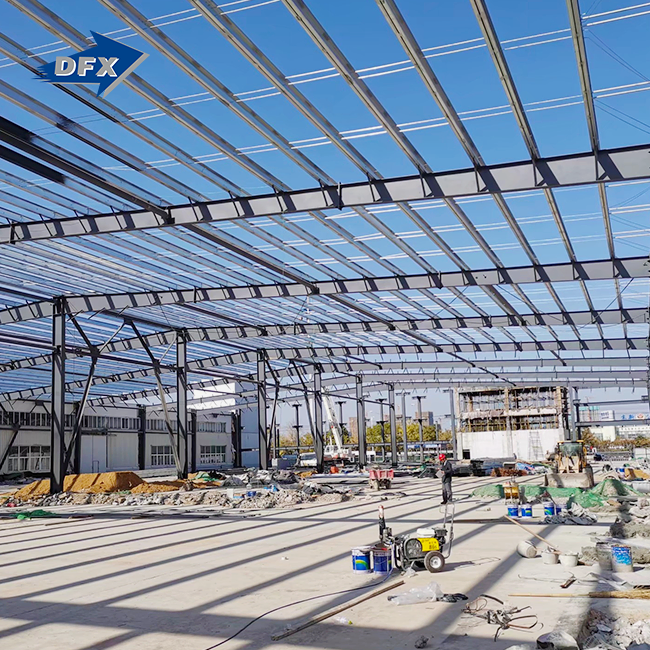
Traditional warehouses are made of concrete, but steel-framed buildings have clear benefits. The modular steel storage building method cuts the time needed for construction on-site by 30 to 50 percent, so your business can start up faster. A main H-beam primary steel frame can hold a lot of weight. It can support big cooling equipment on roofs and keep the structure strong even when temperatures change a lot. Long-lasting stability is ensured by galvanized C/Z purlins and built-in bracing systems, even in sub-zero temperatures where thermal contraction puts stress on regular materials. The clear-span design gets rid of inner columns, making the floor room for high-density shelving systems and automatic retrieval equipment much bigger. This layout works especially well for distribution hubs that deal with frozen foods like meat, fish, dairy, and medicines that need specific temperature ranges from 0°C to 10°C for cold storage to -25°C to -40°C for deep freeze conditions.
Core Advantages That Impact Your Operations
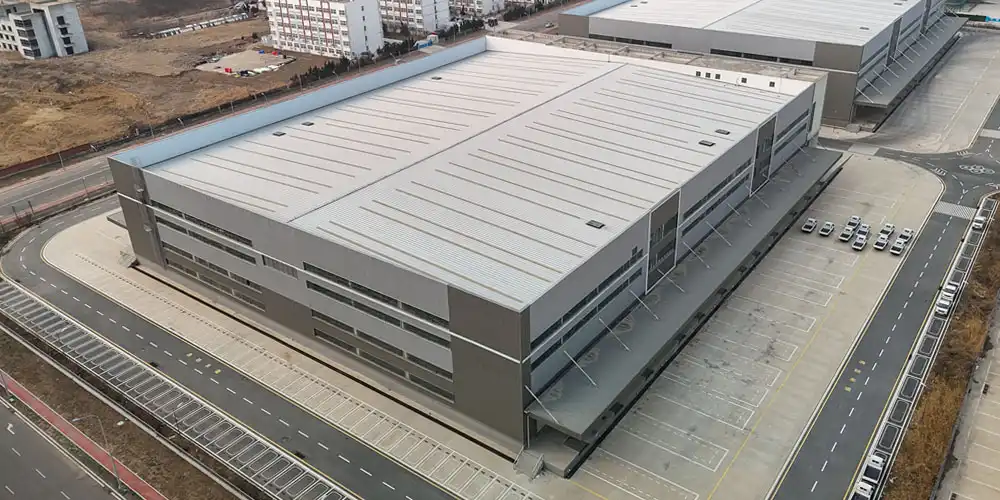
A steel building solves a number of problems that procurement managers have when they are looking at investments in a Cold Storage Steel Warehouse. Specialized thermal break technology is used at the link points between the frame and cladding to reduce Thermal bridging, which is when heat moves through structural parts and lowers the efficiency of insulation. This technical feature directly lowers the amount of energy used for refrigeration, which lowers monthly operating costs. Another important factor is Airtightness. Field-assembled Cold chain logistics steel panels don't close as well as prefabricated steel panels do, letting cold air and wetness in, which causes frost to build up and equipment to strain. The surfaces are smooth and don't have pores. They meet HACCP and GMP standards, which makes cleaning easier and more important for food safety and pharmacy compliance.
Design and Construction Principles for Optimal Performance
A good Cold Storage Steel Warehouse design strikes a mix between thermal science, structural engineering, and improving workflow. Cutting corners when planning will always cause problems and cost more than expected.
Structural Integrity and Load Management
Under-floor heating systems keep the earth temperature steady, which keeps frost heave from happening. This keeps the concrete slab and steel beams from cracking due to freeze-thaw cycles. The skeleton is made of high-strength structural steel, usually ASTM A572 or Q355B types. It is covered with hot-dip galvanization (minimum 275g/m²) to protect it from condensation-induced corrosion that happens in places where the temperature changes often. During the planning part, engineers do math to find out how much weight roof-mounted evaporators, condensers, and piping networks can hold. For deep freeze uses, slotted connection plates and smart expansion joints allow for thermal contraction. This lets materials move safely without causing stress cracks or panel buckling.
Prefabrication and Quality Assurance
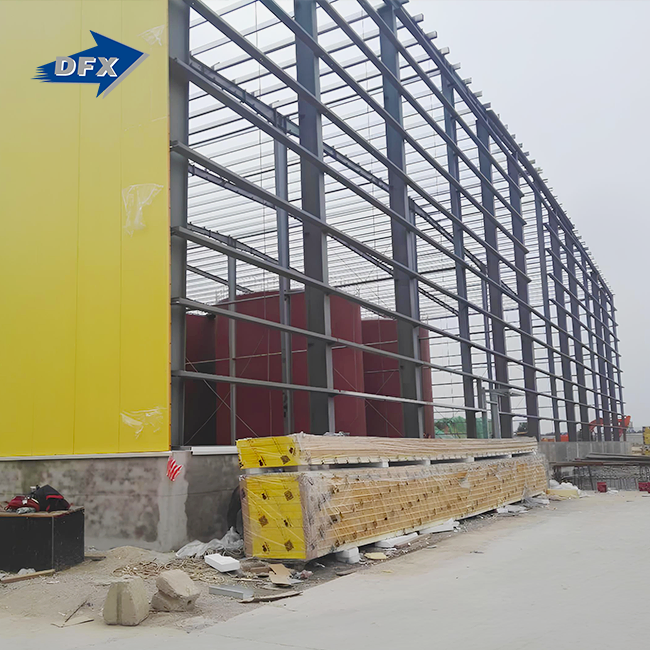
Making parts in a controlled factory setting guarantees accuracy that can't be reached with field fabrication. Six automatic welded H-beam production lines and two sandwich panel lines work in places like ours that are 40,000 square meters and use ISO 9001 quality control systems. Before parts leave the factory floor, ultrasonic flaw detection and magnetic particle tests make sure that the welds on the main structural links are strong. This methodical technique cuts down on mistakes made during installation and speeds up project timelines. A combined delivery model includes engineering calculation services, fabrication, transportation coordination, and erection guidance. This model lowers risks for construction companies and EPC firms that are in charge of big projects.
Energy Efficiency and Temperature Control Strategies
Over the life of a Cold Storage Steel Warehouse, the costs of running cooling systems can be higher than the money spent on building them. Making smart choices about design pays off for decades.
Smart Refrigeration and Monitoring Systems
IoT-enabled sensors and advanced HVAC setups work together to Cold chain logistics map the temperatures of different storage areas in real time. Automated controls change the output of the compressor based on how many people are using the doors, the temperature, and when the products are being loaded. This stops the wasteful energy use that comes with systems that run at a constant speed all the time. Routine repair plans make equipment last longer and keep it from breaking down during busy times, which can be expensive. Digital tracking lets facility managers know when problems start to arise, before small issues turn into refrigerator failures that put customers' safety and compliance with regulations at risk.
Sustainable Design Integration
Using sustainable energy sources like rooftop solar arrays on roofs can balance out the use of the grid. This is especially helpful in places where power costs are high. Motion-activated LED lighting systems lower unwanted loads, and high-speed sealed doors keep air flow to a minimum when forklifts are in use. When added together, these changes can cut overall energy use by 25–40% compared to older designs. This will directly improve your operational margins.
Comparing Steel Cold Storage Warehouses With Other Options
To make good procurement choices for a Cold Storage Steel Warehouse, you need to know the pros and cons of different building methods and how they will affect your business in the long run.
Steel Versus Concrete Construction
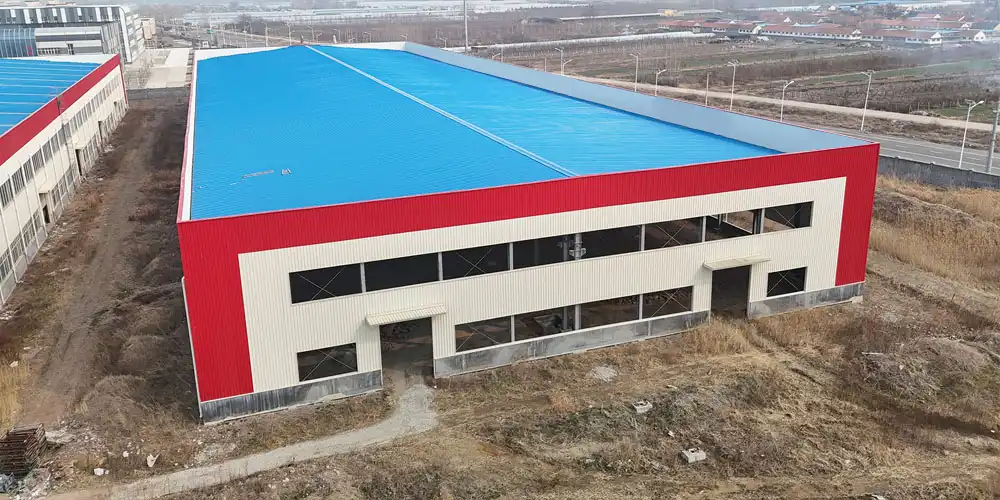
Concrete buildings are better at resisting fire and keeping heat in, but they take 6 to 12 months to build because the base needs to cure, and the building is done in stages. Steel sheds are fully functional in three to five months, which helps manufacturing companies make more money by increasing their production capacity or farming companies building new infrastructure for chicken coops. Cost analysis always shows that steel is better for projects smaller than 50,000 square feet. This is because steel uses materials more efficiently and requires less work, which makes up for the slightly higher unit prices for specialized insulated panels. One more benefit is that steel buildings are flexible—modular features can be added to them in the future without affecting their structural stability.
Permanent Facilities Versus Portable Solutions
Refrigerated shipping containers are useful for short-term needs or in remote areas, but they can't be customized as deeply as is needed for automatic operations. There are a lot of holes in container setups for utilities and doorways, which makes them less thermally efficient. Also, vertical stacking makes it harder to get the clear heights that current shelving systems need. Steel warehouses can be custom-built to fit your exact operating process. For example, they can be used as blast freezers or to store goods that need specific levels of oxygen Sandwich panels and carbon dioxide. When you put in fixed infrastructure, you get a return on your money because it will work reliably for decades with little upkeep.
Procurement Guide: How to Source the Best Steel Cold Storage Warehouse Solutions
Choosing the right production partner for a Cold Storage Steel Warehouse has a direct effect on the success of the project, the timeliness of delivery, and the long-term performance of the plant.
Quality Certifications and Standards Compliance
Reliable providers keep their ISO 9001 certification, which shows that they follow consistent quality management practices. CE marking shows that a product meets European safety and environmental standards, which is important for businesses that do business in more than one country. When projects need special compliance paperwork, look for makers that offer EN1092 certification. Ask for proof of the testing procedures, such as using digital elcometers to check the thickness of the coating, to make sure that the galvanization fits ISO 12944 standards for corrosive environments. Blower door tests or smoke tests should back up claims of airtightness by giving real data instead of marketing claims.
Building Trusted Partnerships
For cold storage jobs to go well, you need more than just basic building information. Partners like DFX have more than 12 years of specialized experience in making structural steel. They have installed steel in buildings, distribution centers, and factories in a wide range of climates. Our 200-person team includes engineers who know how to deal with the unique problems that come up in cold places, like keeping the foundations safe from frost and making sure that crane beams are strong enough to hold up hanging cooling equipment. Clear communication during the whole buying process makes people more confident. Unexpected costs and delays can be avoided by getting detailed prices that include information about the materials, the time it will take to make the item, how it will be shipped, and any support services that will be needed on-site. Instead of focusing on the lowest price, negotiations should be about delivering the most value. Cutting corners during building leads to expensive problems during operations.

Conclusion
Investing in a properly designed Cold Storage Steel Warehouse sets the stage for dependable cold chain operations that keep product quality safe, make sure regulations are followed, and keep long-term running costs low. When you put together flexible prefabricated construction, advanced insulation technology, and strong structural engineering, you get buildings that can handle tough transport operations for decades. If you choose manufacturers with a lot of experience, a track record of success, full quality certifications, and integrated service capabilities, you can be sure that your investment will pay off in the form of faster project completion, better energy efficiency, and fewer maintenance needs over the facility's lifetime.
FAQ
1. What factors determine the total cost of a cold storage steel warehouse project?
The price varies based on the size of the building, how much insulation is needed based on the goal temperature range, the local climate, which affects the design of the foundation, how easy it is for materials to be delivered to the site, and any customizations that are needed, such as special loading docks or automation integration. Steel frame prices change with the price of raw materials, but for full turnkey installs that include cooling systems, they usually run from $45-75 per square foot.
2. How long does construction take for a prefabricated steel cold storage facility?
Standard jobs that cover 20,000 to 40,000 square feet usually take three to five months to finish, from the start of manufacturing to the time the building is ready to use. This schedule includes 6–8 weeks for planning and shop manufacturing, 2–3 weeks for shipping and getting the site ready, and 4–6 weeks for putting the system together and starting it up. In some places, delays caused by bad weather and the time it takes to handle permits can make plans longer.
3. What maintenance does the steel structure require in freezing environments?
Every year, inspections should be done to make sure that the coating on visible steel parts is still intact, that expansion joints work, and that under-floor heating systems are working correctly. If the door is used a lot and the seals are exposed to the elements, insulated panel seals may need to be replaced every 15 to 20 years. When properly coated, the main H-beam structure doesn't need much maintenance and is made to last for 50 years or more with the right rust protection.
Partner With DFX for Your Cold Storage Steel Warehouse Needs
This is the last place you need to look for a trusted Cold Storage Steel Warehouse source. DFX offers unique solutions that meet the strict requirements of cold chain shipping operations by combining advanced manufacturing skills with deep engineering knowledge. Our Qingdao factory is ISO 9001 qualified and has six automatic welded H-beam lines as well as a specialized sandwich panel production line. This makes sure that all of our projects get the quality they need and are delivered on time, no matter how big or small they are.
Whether you're a construction company in charge of an EPC project, a manufacturing company adding more space for production, or an agricultural business building new storage facilities, our team can help you with everything, from the initial planning figures to the final erection instructions. We know the unique problems that come up in temperature-controlled spaces and can offer solutions that have been tried and tested and are backed by CE certification and international compliance.
Email our technical consultants at jason@bigdirector.com to talk about your project needs and get a thorough price that fits your needs. Find out why more and more purchasing managers choose DFX as the maker of choice for projects in the US and around the world that need cold storage steel warehouses.
References
1. International Institute of Refrigeration, "Energy Efficiency in Cold Chain Facilities: Design and Operational Best Practices," 2022.
2. American Society of Civil Engineers, "Design Guide for Cold-Formed Steel Structures in Low-Temperature Applications," 2021.
3. Cold Chain Federation, "Standards for Temperature-Controlled Warehouse Construction and Operation," 2023.
4. Journal of Food Distribution Research, "Cost-Benefit Analysis of Steel Versus Concrete Construction in Refrigerated Logistics Facilities," Vol. 54, 2023.
5. International Association of Cold Storage Contractors, "Technical Guidelines for Prefabricated Cold Storage Buildings," 2022.
6. Food and Agriculture Organization of the United Nations, "Cold Chain Development for Perishable Products: Infrastructure Requirements and Investment Strategies," 2021.
Learn about our latest products and discounts through SMS or email