- English
- French
- German
- Portuguese
- Spanish
- Russian
- Japanese
- Korean
- Arabic
- Greek
- German
- Turkish
- Italian
- Danish
- Romanian
- Indonesian
- Czech
- Afrikaans
- Swedish
- Polish
- Basque
- Catalan
- Esperanto
- Hindi
- Lao
- Albanian
- Amharic
- Armenian
- Azerbaijani
- Belarusian
- Bengali
- Bosnian
- Bulgarian
- Cebuano
- Chichewa
- Corsican
- Croatian
- Dutch
- Estonian
- Filipino
- Finnish
- Frisian
- Galician
- Georgian
- Gujarati
- Haitian
- Hausa
- Hawaiian
- Hebrew
- Hmong
- Hungarian
- Icelandic
- Igbo
- Javanese
- Kannada
- Kazakh
- Khmer
- Kurdish
- Kyrgyz
- Latin
- Latvian
- Lithuanian
- Luxembou..
- Macedonian
- Malagasy
- Malay
- Malayalam
- Maltese
- Maori
- Marathi
- Mongolian
- Burmese
- Nepali
- Norwegian
- Pashto
- Persian
- Punjabi
- Serbian
- Sesotho
- Sinhala
- Slovak
- Slovenian
- Somali
- Samoan
- Scots Gaelic
- Shona
- Sindhi
- Sundanese
- Swahili
- Tajik
- Tamil
- Telugu
- Thai
- Ukrainian
- Urdu
- Uzbek
- Vietnamese
- Welsh
- Xhosa
- Yiddish
- Yoruba
- Zulu
How to Design a Multi-Span Steel Workshop for Maximum Space
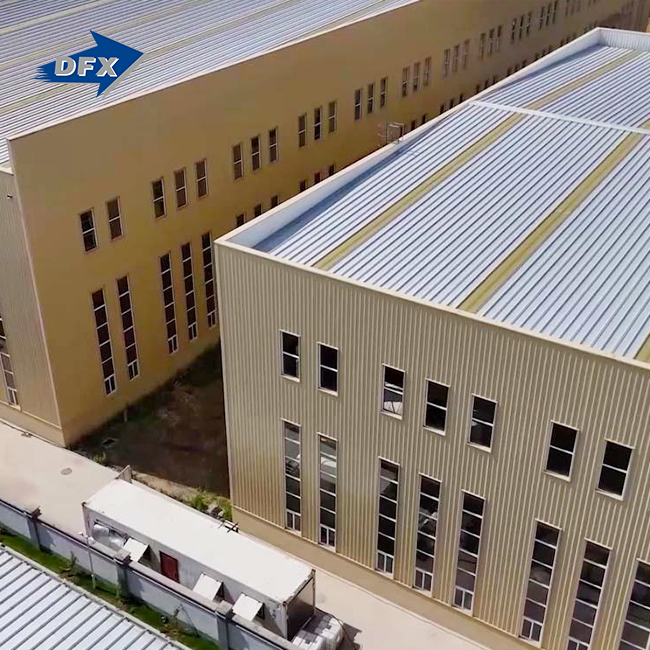
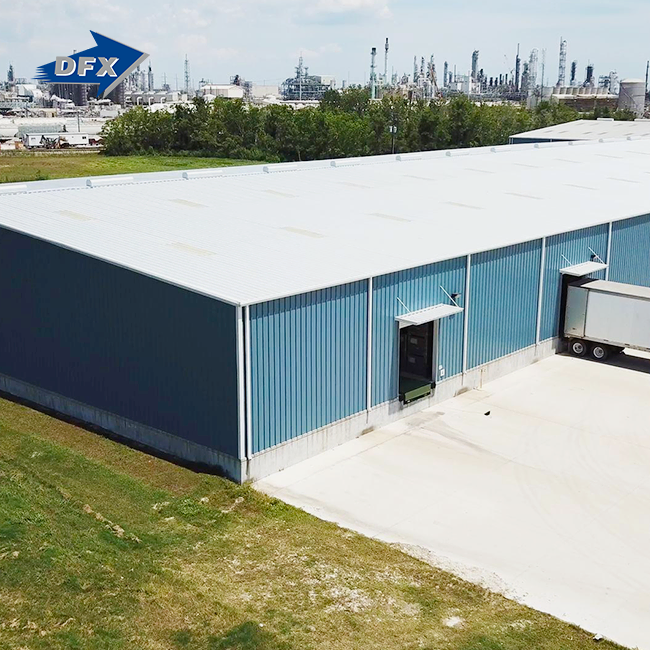
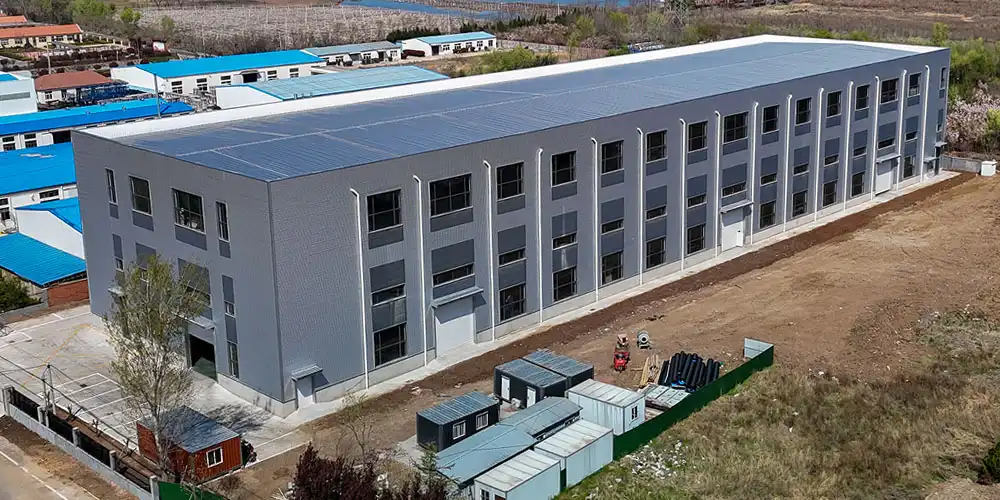
Project managers and buying teams are always having Multi-span Steel Workshoptrouble designing workshops that make the best use of the room while keeping costs low. A Multi-span Steel Workshop solves this problem by adding interior columns that evenly spread structural loads. This lets the width grow almost infinitely without the high costs that come with only clear-span designs. This planned method cuts down on the size of the steel beams, lowers the total amount of weight that needs to be used, and makes it possible for manufacturing plants, logistics centers, and processing operations to work in flexible settings. Figuring out the technical details of the different ridge building designs helps people make decisions that are best for both their initial investment and their long-term operating efficiency.
Understanding Multi-Span Steel Workshops and Their Space Advantages
What Sets Multi-Span Designs Apart from Traditional Structures
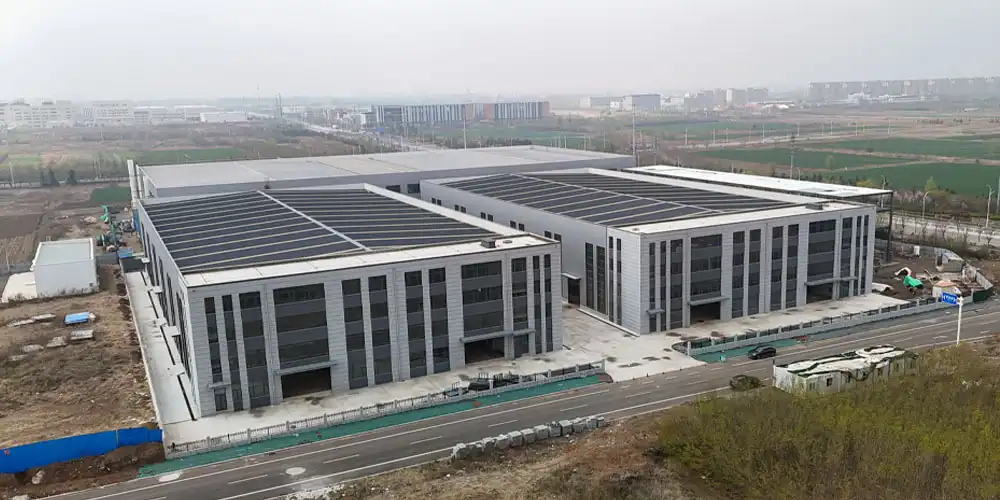
A Multi-span Steel Workshop is a high-tech pre-engineered building solution with multiple portal frames that join laterally and are held up by columns on the outside and inside that are carefully. In contrast to clear-span structures, which only have load-bearing elements around the edges, this design includes support points in the middle that make it so that roof beams don't have to bend as much. When building lengths go over 30 to 40 meters, clear-span plans become structurally inefficient and too expensive, so this engineering method comes in very handy. Traditional buildings made of brick or concrete make it hard to change the plan and build quickly. Traditional buildings need a lot of work to be done on the foundations, take a long time to cure, and can't be changed much once they're built. Multi-span Steel Workshop designs get around these problems by offering modular freedom, faster building times, and the ability to fit heavy-duty overhead cranes in multiple bays at the same time. The main frame is made of welded H-section steel in either Q235 or Q355 steel types. This steel has a great strength-to-weight ratio and can hold up under heavy industrial loads.
Operational Flexibility for Complex Industrial Applications
Multi-span Steel Workshop configurations are great for combining different operating zones into a single building. Often, manufacturing businesses need separate places to store raw materials, handle production, check for quality, and store finished goods. These functional zones are naturally separated by the internal column grid, which also keeps the structure of the whole building consistent. This layout of space allows complex methods for moving things around. Bridge cranes that can lift at least 100 tons can work in bays next to each other at the same time, and the runway beams of these cranes can be attached to both the middle and outside posts. The structure can handle the combined static and dynamic loads caused by multiple crane operations. Multiple ridge building without lowering safety standards or needing more support than what was originally planned.
Key Design Principles to Maximize Space in Multi-Span Steel Workshops
Optimizing Span Width and Bay Configuration
To choose the right span measurements, you have to weigh the needs of operations against the economy of the structure. Individual spans can be bigger thanks to advances in engineering, but for economic reasons, bay sizes between 18 and 30 meters are usually best. When spans go beyond this range, they need to be bigger, which takes away from the cost benefits of the multi-span design theory. The choice of the best span width is based on how the space will be used. For assembly lines, wider bays are better because they get rid of mid-floor obstructions. For warehouses, on the other hand, smaller, more numerous spans may be preferred because they give more connection points for racking systems and mezzanine structures. To avoid expensive remodeling, the placement of columns should match where planned equipment will go, how work gets done, and how the space could grow in the future. The slope and direction of the hill have a big effect on both how well water drains and how much space is inside. Multiple ridge configurations make valley gutters between spans that are next to each other. This means that strong interior drainage systems made of stainless steel or heavy-gauge galvanized materials are needed to handle large amounts of water. When gutters are the right size and placed correctly, they don't leak, which can damage the structure and stop operations from continuing.
Climate Control Without Compromising Space
Environmental control is very important for industrial processes, but insulation and HVAC systems need to work together without taking away useful interior space. Modern sandwich panel technology offers great thermal performance with very thin walls, keeping the largest internal measurements while still achieving standards for energy economy. Insulated metal panels have structural, thermal, and weather-resistant qualities all in one. They are easy to install and don't need as much upkeep over time. The continuous insulation layer gets rid of thermal bridging that happens with traditional building methods. This means that heating and cooling loads are cut by up to 40 percent compared to structures that aren't insulated. Ventilation plans should use the way air naturally flows and, if needed, add motorized systems to help. Ridge ventilators are placed along the roof's peaks to get rid of excess heat, and wall louvers are placed in a smart way to let in fresh air at ground level. This thermosiphon effect lowers the need for motorized cooling while still meeting air quality standards that are important for worker safety and product quality.
Multi-Span Steel Workshop Construction Process and Cost Estimation
Streamlined Project Phases from Concept to Completion
A successful workshop rollout starts with a full engineering review that turns working needs into structural requirements. In the planning stage, skilled fabricators like Director Steel work with customers to decide on the size of the building, its load needs, environmental factors, and any site-specific restrictions. Before manufacturing starts, this basic work sets realistic project parameters and finds possible problems. During the planning phase, thorough structural estimates, base drawings, erection plans, and material specs that meet ISO9001, CE, and ASTM standards are made. Three-dimensional models made by multiple ridge-building advanced software let stakeholders see what the finished building will look like and make sure they are in line with business needs. This digital evaluation process finds design problems early on, when they are still cheap to fix. Fabrication takes place in controlled industrial settings with high-precision equipment that makes sure the dimensions are correct and the welds are good. Automated H-beam production lines at places like Director Steel's 40,000-square-meter plant keep alignment standards for bolt holes within ±1mm. This stops forced fitting during assembly, which can cause harmful leftover stresses. After being shot-blasted to a Sa2.5 grade and then having epoxy zinc-rich bases applied or hot-dip galvanization done, the rust protection is greater than 600g/m², which means the product will last longer in harsh industrial settings.
Comparative Advantages Over Alternative Construction Methods
Building Multi-span Steel Workshops takes 40 to 60 percent less time than building similar structures out of stone or concrete. Because structure components are premade, they don't need to cure during certain weather conditions, and the site can be prepared while the components are being made at the same time. Erection teams quickly put up buildings using bolted links that only need basic tools and a modest level of skill. Lifecycle cost analysis shows that there are many benefits besides the original cost savings. Steel buildings don't need as much upkeep as materials that can be damaged by water, pests, or structural deterioration. Because steel framing is naturally dimensionally stable, it doesn't crack or settle like concrete buildings do. This means that there are no expensive fixes or interruptions to operations. When comparing energy efficiency, steel buildings that are well insulated do better than standard buildings. The tight building environment that metal panel systems allow lowers the loss of water and air, and roof coats that reflect sunlight lower the amount of heat that comes in from the sun. Because of these features, running costs go down, and these savings add up over the usual 30 to 50-year service lives.
Choosing the Right Multi-Span Steel Workshop Supplier and Solutions
Critical Supplier Evaluation Criteria
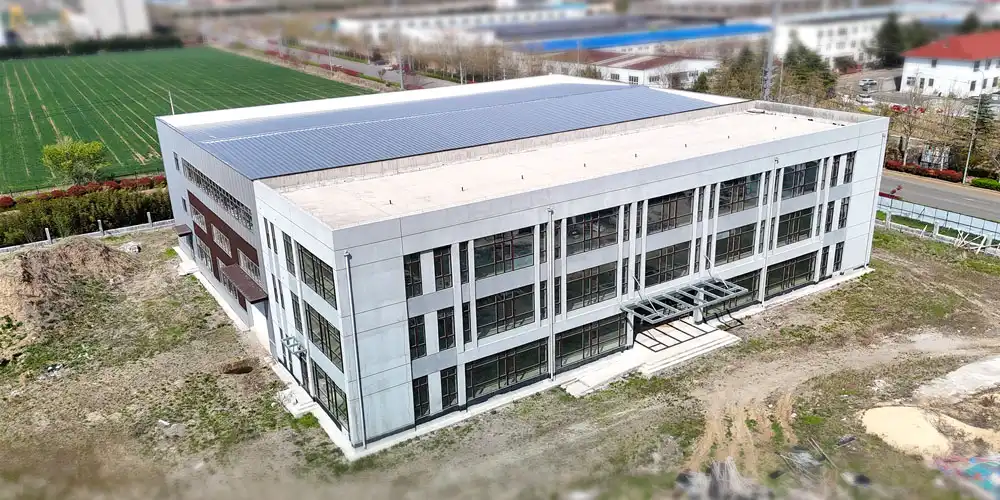
Reliability in suppliers is the key to a good project completion. Established makers with long histories show consistent quality, reliable delivery schedules, and financial security that keeps clients' money safe. Director Steel has been in business for 12 years and can produce more than 20,000 tons of welded H-beams every year. This is an example of the scale and stability that buying teams should look for. The technical skills of providers decide whether they can provide custom solutions that meet the needs of a particular project. Full in-house services, including architectural design, structural engineering, manufacturing, surface treatment, and support for installation, make it easier to keep track of who is responsible for what and coordinate work. When suppliers offer turnkey solutions, there are no interface risks between different workers, and combined planning speeds up project timelines. Certification compliance is an objective way to check the quality of the production process and the performance of the product. The ISO9001 quality management system makes sure that processes are always the same and that they are always getting better. The CE marking shows that the product meets European safety and performance standards. ASTM material compliance Steel bay spacing confirms that the chemical make-up and mechanical qualities of steel meet standards used in the industry.
Building Confidence Through Due Diligence
Testimonials from clients and project files show how well a provider does their job beyond what they say in their marketing materials. Looking at finished projects that are similar in scope and use shows how well you can carry out tasks and solve problems in real life. Talking to past clients directly can reveal useful details about the quality of contact, obedience to schedules, and support after delivery. Procurement teams can check out the output powers, quality control methods, and organizational skills of a company by touring its factories. Seeing how fabrication works gives you faith that suppliers have the right tools, skilled workers, and organized systems to complete complicated tasks successfully. Director Steel's six automatic welded H-beam production lines and wide range of testing tools show that they are dedicated to making high-quality products. Communication about wait times, limits on customization, and price structures that are clear sets reasonable expectations. Reliable suppliers give thorough quotes that list the materials, services, and products they will provide. This lets you compare prices and plan your budget. Responding to technical questions and being ready to talk about worries shows that a business cares about its customers and wants to build long-term relationships with them.
Maintenance and Operational Tips to Sustain Maximum Space Efficiency
Proactive Structural Integrity Management
Protocols for regular inspections find new problems before they hurt the safety or performance of the structure. Every year, the main frame links should be checked for rust at key joints, tight bolts, and signs of overstress like deformed members or cracked welds. Taking care of small problems right away stops them from getting worse over time, which would require expensive emergency fixes or shutting down operations. To keep their rust resistance, surface safety systems need to be checked and fixed on a regular basis. Painted areas that are cracking, fading, or showing rust need to be fixed right away by cleaning, priming, and re-coating. Galvanized parts get protective patinas that don't need to be changed when things are normal, but they should be watched in chemically aggressive places where they may break down faster. Monitoring foundation movement makes sure that loads on the building are properly transferred to the grounds that support it. Differential settlement between column bases causes stress levels to change in ways that were not meant and may be higher than what was expected during design. Precision scans help find problems early so that they can be fixed, such as by supporting or moving loads around, before they cause damage to the structure.
Scalable Adaptation for Evolving Needs
Adding new rooms that match current structural modules is an easy way to make a modular building bigger in the future. When you plan for possible growth during the initial planning phase, you can make sure that the foundation systems, utility services, Steel bay spacing, and structural links can be extended without any problems. This planning ahead of time keeps operations running smoothly during growth projects and prevents unpleasant retrofitting. When production methods change, or equipment gets better, the plan of the inside is changed to accommodate those changes. A multi-span frame makes it possible for an open-plan structure that can be easily reconfigured without making any changes to the structure. Moving walls, flexible mezzanines, and changeable crane systems can be used to meet changing needs while protecting the major investments made in building infrastructure. Upgrades to technology make buildings work better without having to be completely rebuilt. Adding new lighting systems, solar panels, or automatic climate controls to an old building makes it more efficient and lowers its running costs. These improvements can be made to the strong structural framework with few changes, which extends the building's useful life and keeps it competitive in industrial markets that are always changing.
Conclusion
Structural engineering principles must be balanced with practical needs and budget limitations when designing a Multi-span Steel Workshop for maximum room. Placing columns in a smart way makes the load distribution work best while still allowing for adjustable floor plans that are needed for many industrial uses. By choosing materials like high-strength steel, surface treatments that prevent corrosion, and energy-efficient building shells, structures that work reliably for long periods of time are created. Hiring skilled fabricators who offer full design-through-erection services speeds up the project completion process and ensures quality and on-time delivery. When procurement teams have expert knowledge and clear evaluation criteria, they can choose the right suppliers and form partnerships that meet both short-term project needs and long-term business goals.
FAQ
1. What cost range should procurement teams expect for multi-span workshops?
Costs for projects vary a lot depending on the size of the building, the state of the steel market, and the amount of customization. As a general rule, normal Multi-span Steel Workshop units cost between $45 and $85 per square meter. This includes the structure, roof, and wall panels, and basic accessories. Custom features like ceiling cranes, special soundproofing, or better finishes raise the cost of the building by the same amount. Asking for detailed quotes from several qualified providers helps you stick to your budget and find the best value options.
2. How do construction timelines compare with traditional building methods?
Most of the time, Multi-span Steel Workshop projects are ready for use 40 to 60 percent faster than brick or concrete options. Under ideal conditions, it only takes 90 to 120 days for a 5,000-square-meter manufacturing plant to go from finished foundations to operating readiness, compared to six to nine months for traditional building. Prefabrication happens at the same time as site preparation, and weather-independent assembly speeds up the critical path. To keep the job moving forward, lead times of 25 to 47 days for custom manufacturing should be used to plan the schedule.
3. Can existing multi-span workshops accommodate future expansion?
When Multi-span Steel Workshop buildings are well-designed, they can be easily expanded by adding matched bays to one or both ends. During the original engineering phase, planning for possible growth makes sure that the foundation systems, structural links, and building services can handle the extra space. The costs of expansion are about the same per square meter as the costs of building a new building. This makes it possible to expand capacity without stopping current activities. This scalability guards the value of long-term investments and keeps operations flexible.
Partner with DFX for Your Multi-Span Steel Workshop Project
Director Steel has been providing Multi-span Steel Workshop solutions to manufacturers, EPC builders, and farming businesses around the world for more than 12 years. Our factory is ISO9001-certified and makes 20,000 tons of precision-welded H-beams and full building systems that are CE-certified and meet ASTM material compliance every year. We offer a full range of services, from designing the structure to providing on-site installation help, to make sure that the job goes smoothly. Our technical team works with you to make the best use of the room while keeping costs low, whether you're adding more production facilities, increasing the size of current ones, or improving the ones you already have. Get in touch with jason@bigdirector.com right away to talk about your needs with a reputable Multi-span Steel Workshop maker and get a quote that fits your exact business needs.
References
1. American Institute of Steel Construction. (2016). Steel Construction Manual, 15th Edition. Chicago: AISC.
2. British Standards Institution. (2014). Eurocode 3: Design of Steel Structures – Part 1-1: General Rules and Rules for Buildings. London: BSI.
3. Canadian Institute of Steel Construction. (2018). Handbook of Steel Construction, 11th Edition. Toronto: CISC.
4. Newman, Alexander. (2019). Pre-Engineered Metal Buildings: Design and Construction Practices for Industrial Applications. New York: McGraw-Hill Professional.
5. Salmon, Charles G. & Johnson, John E. (2020). Steel Structures: Design and Behavior – Emphasizing Load and Resistance Factor Design, 6th Edition. London: Pearson.
6. Trahair, Nicholas S. & Bradford, Mark A. (2017). The Behaviour and Design of Steel Structures to EC3, 5th Edition. Abingdon: Taylor & Francis.
Learn about our latest products and discounts through SMS or email